


 Save
 Copy
 Add to Collection
 Export to Google Docs
 Share
תְּפִלָּה מְנָא לַן? דְּתַנְיָא: שִׁמְעוֹן הַפָּקוֹלִי הִסְדִּיר שְׁמוֹנֶה עֶשְׂרֵה בְּרָכוֹת לִפְנֵי רַבָּן גַּמְלִיאֵל עַל הַסֵּדֶר בְּיַבְנֶה. אָמַר רַבִּי יוֹחָנָן, וְאָמְרִי לַהּ בְּמַתְנִיתָא תָּנָא: מֵאָה וְעֶשְׂרִים זְקֵנִים, וּבָהֶם כַּמָּה נְבִיאִים, תִּיקְּנוּ שְׁמוֹנֶה עֶשְׂרֵה בְּרָכוֹת עַל הַסֵּדֶר.
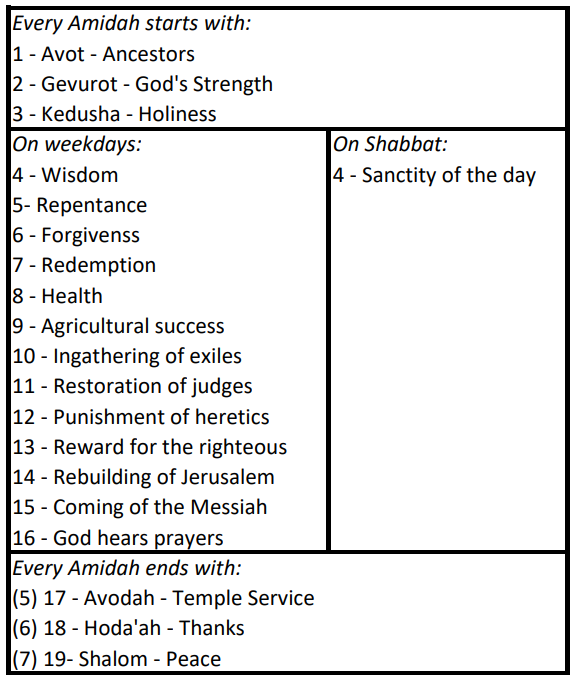
§ The baraita cited previously taught that the halakha against reciting a text out of order applies to the Amidaprayer as well. The Gemara asks: From where do we derive this? As it is taught in a baraita: Shimon HaPakuli arranged the eighteen blessings of the Amida prayer before Rabban Gamliel in their fixed order in Yavne, which indicates that there is a specific order to these blessings that must not be changed. Rabbi Yoḥanan said, and some say that it was taught in a baraita: A hundred and twenty Elders, i.e., the Men of the Great Assembly, and among them several prophets, established the eighteen blessings of the Amidain their fixed order, which also shows that the order of these blessings may not be changed.
אָמַר רַב הוּנָא: טָעָה בְּשָׁלֹשׁ רִאשׁוֹנוֹת — חוֹזֵר לָרֹאשׁ. בְּאֶמְצָעִיּוֹת — חוֹזֵר לְ״אַתָּה חוֹנֵן״. בְּאַחֲרוֹנוֹת — חוֹזֵר לָ״עֲבוֹדָה״.
The mishna states that when one replaces the communal prayer leader, he commences from the beginning of the blessing in which the former had erred. However that is not universally true, as Rav Huna said: One who erred in any of the first three blessings he must return to the beginning of the Amida prayer because the first three blessing comprise a single entity. Likewise, if one erred in any of the thirteen middle blessings, he returns to the blessing of: You grace humanity, the first of the middle blessings. If one erred in any of the three final blessings, he must return to the blessing of Temple service, which is the first of the final blessings.
אָמַר רַב יְהוּדָה: לְעוֹלָם אַל יִשְׁאַל אָדָם צְרָכָיו לֹא בְּשָׁלֹשׁ רִאשׁוֹנוֹת, וְלֹא בְּשָׁלֹשׁ אַחֲרוֹנוֹת, אֶלָּא בְּאֶמְצָעִיּוֹת. דְּאָמַר רַבִּי חֲנִינָא: רִאשׁוֹנוֹת — דּוֹמֶה לְעֶבֶד שֶׁמְּסַדֵּר שֶׁבַח לִפְנֵי רַבּוֹ. אֶמְצָעִיּוֹת — דּוֹמֶה לְעֶבֶד שֶׁמְבַקֵּשׁ פְּרָס מֵרַבּוֹ. אַחֲרוֹנוֹת — דּוֹמֶה לְעֶבֶד שֶׁקִּבֵּל פְּרָס מֵרַבּוֹ, וְנִפְטָר וְהוֹלֵךְ לוֹ.
Rav Yehuda said: There is an additional distinction between the various sections of the Amida prayer: One must never request his own needs in the first three or in the last three blessings; rather, he should do so in the middle blessings. As Rabbi Ḥanina said: During the first three blessings, he is like a servant who arranges praise before his master; during the middle blessings, he is like a servant who requests a reward from his master; during the final three blessings, one is like a servant who already received a reward from his master and is taking his leave and departing.
(א) אדני שפָתַי תִּפְתָּח וּפִי יַגִּיד תְּהִלָּתֶךָ:
(1) O Lord, open my lips and my mouth will declare Your praise.
(טז) הַצִּ֘ילֵ֤נִי מִדָּמִ֨ים ׀ אֱֽלֹהִ֗ים אֱלֹהֵ֥י תְּשׁוּעָתִ֑י תְּרַנֵּ֥ן לְ֝שׁוֹנִ֗י צִדְקָתֶֽךָ׃(יז) אדני שְׂפָתַ֣י תִּפְתָּ֑ח וּ֝פִ֗י יַגִּ֥יד תְּהִלָּתֶֽךָ׃(יח) כִּ֤י ׀ לֹא־תַחְפֹּ֣ץ זֶ֣בַח וְאֶתֵּ֑נָה ע֝וֹלָ֗ה לֹ֣א תִרְצֶֽה׃(יט) זִֽבְחֵ֣י אֱלֹהִים֮ ר֪וּחַ נִשְׁבָּ֫רָ֥ה לֵב־נִשְׁבָּ֥ר וְנִדְכֶּ֑ה אֱ֝לֹהִ֗ים לֹ֣א תִבְזֶֽה׃
(16) Save me from bloodguilt, O God, God, my deliverer, that I may sing forth Your beneficence.(17) O Lord, open my lips, and let my mouth declare Your praise.(18) You do not want me to bring sacrifices; You do not desire burnt offerings;(19) True sacrifice to God is a contrite spirit; God, You will not despise a contrite and crushed heart.
(ב) בָּרוּךְ אַתָּה יהוה אֱלהֵינוּ וֵאלהֵי אֲבותֵינוּ. אֱלהֵי אַבְרָהָם. אֱלהֵי יִצְחָק. וֵאלהֵי יַעֲקב. הָאֵל הַגָּדול הַגִּבּור וְהַנּורָא אֵל עֶלְיון. גּומֵל חֲסָדִים טובִים. וְקונֵה הַכּל. וְזוכֵר חַסְדֵּי אָבות. וּמֵבִיא גואֵל לִבְנֵי בְנֵיהֶם לְמַעַן שְׁמו בְּאַהֲבָה:(ד) מֶלֶךְ עוזֵר וּמושִׁיעַ וּמָגֵן: בָּרוּךְ אַתָּה יהוה, מָגֵן אַבְרָהָם:
(2) Blessed are You, Lord our God and God of our fathers, God of Abraham, God of Isaac and God of Jacob; the great, mighty and awesome God, the most high God, Who bestows loving kindness and goodness and is master/creator of all, Who remembers the good deeds of the fathers, and brings a redeemer to their children, in love and for the sake of His name. (4) King, Helper, Savior, and Shield. Blessed are You, O Lord, Shield of Abraham.
תָּנוּ רַבָּנַן: מִנַּיִן שֶׁאוֹמְרִים אָבוֹת — שֶׁנֶּאֱמַר: ״הָבוּ לַה׳ בְּנֵי אֵלִים״. וּמִנַּיִן שֶׁאוֹמְרִים גְּבוּרוֹת — שֶׁנֶּאֱמַר: ״הָבוּ לַה׳ כָּבוֹד וָעוֹז״. וּמִנַּיִן שֶׁאוֹמְרִים קְדוּשּׁוֹת — שֶׁנֶּאֱמַר: ״הָבוּ לַה׳ כְּבוֹד שְׁמוֹ הִשְׁתַּחֲווּ לַה׳ בְּהַדְרַת קֹדֶשׁ״.
The Gemara proceeds to explain this order: The Sages taught in a baraita: From where is it derived that one says the blessing of the Patriarchs, the first blessing of the Amida? As it is stated: “Ascribe to the Lord, mighty ones” (Psalms 29:1), which means that one should mention before the Lord the mighty ones of the world, i.e., the Patriarchs. And from where is it derived that one then says the blessing of mighty deeds? As it is stated in the continuation of that verse: “Ascribe to the Lord glory and strength” (Psalms 29:1). And from where is it derived that one then says the blessing of holiness? As it is stated in the next verse: “Give to the Lord the glory due to His name; worship the Lord in the beauty of holiness” (Psalms 29:2).
(יז) כִּ֚י יְהֹוָ֣ה אֱלֹֽהֵיכֶ֔ם ה֚וּא אֱלֹהֵ֣י הָֽאֱלֹהִ֔ים וַאֲדֹנֵ֖י הָאֲדֹנִ֑ים הָאֵ֨ל הַגָּדֹ֤ל הַגִּבֹּר֙ וְהַנּוֹרָ֔א אֲשֶׁר֙ לֹא־יִשָּׂ֣א פָנִ֔ים וְלֹ֥א יִקַּ֖ח שֹֽׁחַד׃
(17) For the ETERNAL your God is God supreme and Sovereign supreme, the great, the mighty, and the awesome God, who shows no favor and takes no bribe,
(לב) וְעַתָּ֣ה אֱ֠לֹהֵ֠ינוּ הָאֵ֨ל הַגָּד֜וֹל הַגִּבּ֣וֹר וְהַנּוֹרָא֮ שׁוֹמֵ֣ר הַבְּרִ֣ית וְהַחֶ֒סֶד֒ אַל־יִמְעַ֣ט לְפָנֶ֡יךָ אֵ֣ת כׇּל־הַתְּלָאָ֣ה אֲֽשֶׁר־מְ֠צָאַ֠תְנוּ לִמְלָכֵ֨ינוּ לְשָׂרֵ֧ינוּ וּלְכֹהֲנֵ֛ינוּ וְלִנְבִיאֵ֥ינוּ וְלַאֲבֹתֵ֖ינוּ וּלְכׇל־עַמֶּ֑ךָ מִימֵי֙ מַלְכֵ֣י אַשּׁ֔וּר עַ֖ד הַיּ֥וֹם הַזֶּֽה׃
(32) “And now, our God, great, mighty, and awesome God, who stays faithful to the covenant, do not treat lightly all the suffering that has overtaken us—our kings, our officers, our priests, our prophets, our ancestors, and all Your people—from the time of the Assyrian kings to this day.
(יח) וּמַלְכִּי־צֶ֙דֶק֙ מֶ֣לֶךְ שָׁלֵ֔ם הוֹצִ֖יא לֶ֣חֶם וָיָ֑יִן וְה֥וּא כֹהֵ֖ן לְאֵ֥ל עֶלְיֽוֹן׃ (יט) וַֽיְבָרְכֵ֖הוּ וַיֹּאמַ֑ר בָּר֤וּךְ אַבְרָם֙ לְאֵ֣ל עֶלְי֔וֹן קֹנֵ֖ה שָׁמַ֥יִם וָאָֽרֶץ׃ (כ) וּבָרוּךְ֙ אֵ֣ל עֶלְי֔וֹן אֲשֶׁר־מִגֵּ֥ן צָרֶ֖יךָ בְּיָדֶ֑ךָ וַיִּתֶּן־ל֥וֹ מַעֲשֵׂ֖ר מִכֹּֽל׃
(18) And King Melchizedek of Salem brought out bread and wine; he was a priest of God Most High. (19) He blessed him, saying,
“Blessed be Abram of God Most High,Creator of heaven and earth.(20)And blessed be God Most High,Who has delivered your foes into your hand.”And [Abram] gave him a tenth of everything.
״וְעָשִׂיתִי לְךָ שֵׁם גָּדוֹל כְּשֵׁם הַגְּדוֹלִים״, תָּנֵי רַב יוֹסֵף: זֶהוּ שֶׁאוֹמְרִים ״מָגֵן דָּוִד״. אָמַר רַבִּי שִׁמְעוֹן בֶּן לָקִישׁ: ״וְאֶעֶשְׂךָ לְגוֹי גָּדוֹל״, זֶהוּ שֶׁאוֹמְרִים ״אֱלֹהֵי אַבְרָהָם״. ״וַאֲבָרֶכְךָ״, זֶהוּ שֶׁאוֹמְרִים ״אֱלֹהֵי יִצְחָק״. ״וַאֲגַדְּלָה שְׁמֶךָ״, זֶהוּ שֶׁאוֹמְרִים ״אֱלֹהֵי יַעֲקֹב״. יָכוֹל יְהוּ חוֹתְמִין בְּכוּלָּן? תַּלְמוּד לוֹמַר: ״וֶהְיֵה בְּרָכָה״. בְּךָ חוֹתְמִין, וְאֵין חוֹתְמִין בְּכוּלָּן.
Incidentally, the Gemara cites the promise God issued to David through Nathan the Prophet: “And I will make you a great name, like the names of the great ones in the earth” (II Samuel 7:9). Rav Yosef teaches: This is the meaning of the phrase “like the names of the great ones,” that Jews will say: Shield of David, just as they say: Shield of Avraham. Rabbi Shimon ben Lakish said with regard to God’s blessing of Avraham: “And I will make of you a great nation, and I will bless you, and I will make your name great, and you will be a blessing” (Genesis 12:2). “And I will make of you a great nation”; this is fulfilled in the opening of the first blessing of the Amida, as Jews say: God of Abraham. “And I will bless you”; this is fulfilled when they say: God of Isaac, as it is a blessing for a father when the name of his son is eternalized. “And I will make your name great”; this is fulfilled when they say: God of Jacob.One might have thought that Jews should conclude the first blessing of the Amida prayer with the names of all the forefathers; therefore the verse states: “And you will be a blessing” i.e., with you, Avraham, they will conclude the blessing, and they will not conclude with a mention of all of the forefathers. This is why the first blessing of the Amida prayer ends: Shield of Avraham.
הַהוּא דִּנְחֵית קַמֵּיהּ דְּרַבִּי חֲנִינָא, אָמַר: ״הָאֵל הַגָּדוֹל הַגִּבּוֹר וְהַנּוֹרָא הָאַדִּיר וְהֶחָזָק וְהָאַמִּיץ״. אֲמַר לֵיהּ: סַיֵּימְתִּינְהוּ לִשְׁבָחֵיהּ דְּמָרָךְ? הַשְׁתָּא הָנֵי תְּלָתָא, אִי לָאו דְּכַתְבִינְהוּ מֹשֶׁה בְּאוֹרָיְיתָא, וַאֲתוֹ כְּנֶסֶת הַגְּדוֹלָה וְתַקְּנִינְהוּ — אֲנַן לָא אָמְרִינַן לְהוּ. וְאַתְּ אָמְרַתְּ כּוּלֵּי הַאי! מָשָׁל לְאָדָם שֶׁהָיוּ לוֹ אֶלֶף אַלְפֵי אֲלָפִים דִּינְרֵי זָהָב, וְהָיוּ מְקַלְּסִין אוֹתוֹ (בְּאֶלֶף) דִּינְרֵי כֶסֶף. לֹא גְּנַאי הוּא לוֹ?!
With regard to additions to prayers formulated by the Sages, the Gemara relates that a particular individual descended before the ark as prayer leader in the presence of Rabbi Ḥanina. He extended his prayer and said: God, the great, the mighty, and the awesome, the powerful, and the strong, and the fearless.When he finished, Rabbi Ḥanina said to him: Have you concluded all of the praises of your Master? Even these three praises that we recite: The great, the mighty, and the awesome, had Moses our teacher not written them in the Torah (Deuteronomy 10:17), and had the members of the Great Assembly not come and incorporated them into the Amida prayer (see Nehemiah 9:32), we would not be permitted to recite them. And you went on and recited all of these. It is comparable to a man who possessed many thousands of golden dinars, yet they were praising him for owning a thousand silver ones. Isn’t that deprecatory toward him? All of the praises one can lavish upon the Lord are nothing but a few silver dinars relative to many thousands of gold dinars. Reciting a litany of praise does not enhance God’s honor.
(א) אַתָּה גִּבּור לְעולָם אדני. מְחַיֵּה מֵתִים אַתָּה רַב לְהושִׁיעַ: (ד) מְכַלְכֵּל חַיִּים בְּחֶסֶד. מְחַיֶּה מֵתִים בְּרַחֲמִים רַבִּים. סומֵךְ נופְלִים. וְרופֵא חולִים וּמַתִּיר אֲסוּרִים. וּמְקַיֵּם אֱמוּנָתו לִישֵׁנֵי עָפָר. מִי כָמוךָ בַּעַל גְּבוּרות וּמִי דומֶה לָּךְ. מֶלֶךְ מֵמִית וּמְחַיֶּה וּמַצְמִיחַ יְשׁוּעָה: (ו) וְנֶאֱמָן אַתָּה לְהַחֲיות מֵתִים: בָּרוּךְ אַתָּה יהוה, מְחַיֵּה הַמֵּתִים:
(1) You are mighty forever, O Lord, You revive the dead, You are mighty to save. You sustain the living with loving kindness, You revive the dead to life with great mercy, You support the fallen and You heal the sick; You free the captives and preserve Your faith with those asleep in the dust. Who is like You, Master of mighty deeds? Who can be compared to You, O King Who causes death and restores life, and causes Your salvation to sprout.
You are faithful to restore the dead to life. Blessed are You, O Lord, Who brings life to the dead.
(א) אַתָּה קָדושׁ וְשִׁמְךָ קָדושׁ וּקְדושִׁים בְּכָל יום יְהַלְּלוּךָ סֶּלָה: בָּרוּךְ אַתָּה יהוה, הָאֵל בעשי”ת: הַמֶּלֶךְ הַקָּדושׁ:
(1) You are holy and Your Name is holy, and holy ones praise Your name every day. Blessed are You, O Lord, the holy God. (During the Days of Awe say: Blessed are You, O Lord, the holy King.)
אמר רב יהודה לעולם אל ישאל אדם צרכיו לא בשלש ראשונות ולא בשלש אחרונות אלא באמצעיות דאמר רבי חנינא ראשונות דומה לעבד שמסדר שבח לפני רבו אמצעיות דומה לעבד שמבקש פרס מרבו אחרונות דומה לעבד שקבל פרס מרבו ונפטר והולך לו
Rav Yehuda said: There is an additional distinction between the various sections of the Amida prayer: One must never request his own needs in the first three or in the last three blessings; rather, he should do so in the middle blessings. As Rabbi Ḥanina said: During the first three blessings, he is like a servant who arranges praise before his master; during the middle blessings, he is like a servant who requests a reward from his master; during the final three blessings, one is like a servant who already received a reward from his master and is taking his leave and departing.
ת"ר מנין שאומרים אבות שנאמר (תהלים כט, א) הבו ליהוה בני אלים ומנין שאומרים גבורות שנאמר (תהלים כט, א) הבו ליהוה כבוד ועוז ומנין שאומרים קדושות שנאמר (תהלים כט, ב) הבו ליהוה כבוד שמו השתחוו ליהוה בהדרת קדש
The Gemara proceeds to explain this order: The Sages taught in a baraita: From where is it derived that one says the blessing of the Patriarchs, the first blessing of the Amida? As it is stated: “Ascribe to the Lord, mighty ones” (Psalms 29:1), which means that one should mention before the Lord the mighty ones of the world, i.e., the Patriarchs. And from where is it derived that one then says the blessing of mighty deeds? As it is stated in the continuation of that verse: “Ascribe to the Lord glory and strength” (Psalms 29:1). And from where is it derived that one then says the blessing of holiness? As it is stated in the next verse: “Give to the Lord the glory due to His name; worship the Lord in the beauty of holiness” (Psalms 29:2).
גמ׳ הני שמונה עשרה כנגד מיאמר רבי הלל בריה דרבי שמואל בר נחמני כנגד שמונה עשרה אזכרות שאמר דוד בהבו ליהוה בני אלים רב יוסף אמר כנגד שמונה עשרה אזכרות שבקריאת שמע אמר רבי תנחום אמר רבי יהושע בן לוי כנגד שמונה עשרה חוליות שבשדרה
GEMARA: Since the mishna deals with the fundamental obligation to recite the Amida prayer, the Gemara seeks to resolve fundamental problems pertaining to this prayer. Corresponding to what were these eighteen blessings instituted? When the Shemoneh Esreh was instituted by the Sages, on what did they base the number of blessings?Rabbi Hillel, son of Rabbi Shmuel bar Naḥmani, said: Corresponding to the eighteen mentions of God’s name that King David said in the psalm: “Give unto the Lord, O you sons of might” (Psalms 29). Rav Yosef said: Corresponding to the eighteen mentions of God’s name in Shema. Rabbi Tanḥum said that Rabbi Yehoshua ben Levi said: Corresponding to the eighteen vertebrae in the spine beneath the ribs.
ואמר רבי תנחום אמר רבי יהושע בן לוי המתפלל צריך שיכרע עד שיתפקקו כל חוליות שבשדרהעולא אמר עד כדי שיראה איסר כנגד לבו רבי חנינא אמר כיון שנענע ראשו שוב אינו צריך אמר רבא והוא דמצער נפשיה ומחזי כמאן דכרע
Since Rabbi Yehoshua ben Levi’s opinion based the Amida prayer on the spinal vertebrae, the Gemara cites another statement of his that connects the two: Rabbi Tanḥum said that Rabbi Yehoshua ben Levi said: In those blessings where one is required to bow, one who prays must bow until all the vertebrae in the spine protrude.Establishing a different indicator to determine when he has bowed sufficiently, Ulla said: Until he can see a small coin [issar], on the ground before him opposite his heart (Rav Hai Gaon). Rabbi Ḥanina said: There is room for leniency; once he moves his head forward, he need not bow any further. Rava said: But that applies only if he is exerting himself when doing so, and he appears like one who is bowing. However, if he is able, he should bow further.
אמר ליה רב שמן בר אבא לרבי יוחנן מכדי אנשי כנסת הגדולה תקנו להם לישראל ברכות ותפלות קדושות והבדלות נחזי היכן תקון
Regarding this, Rav Shemen, Shimon, bar Abba said to Rabbi Yoḥanan: the eighteen blessings of the Amida prayer and the other prayer formulas for prayer were instituted for Israel by the members of the Great Assembly just like all the other blessings and prayers, sanctifications and havdalot;
(א) משֶׁה קִבֵּל תּוֹרָה מִסִּינַי, וּמְסָרָהּ לִיהוֹשֻׁעַ, וִיהוֹשֻׁעַ לִזְקֵנִים, וּזְקֵנִים לִנְבִיאִים, וּנְבִיאִים מְסָרוּהָ לְאַנְשֵׁי כְנֶסֶת הַגְּדוֹלָה. הֵם אָמְרוּ שְׁלשָׁה דְבָרִים, הֱווּ מְתוּנִים בַּדִּין, וְהַעֲמִידוּ תַלְמִידִים הַרְבֵּה, וַעֲשׂוּ סְיָג לַתּוֹרָה:
(1) Moshe received the Torah from Sinai and transmitted it to Yehoshua, and Yehoshua to the Elders, and the Elders to the Prophets, and the Prophets transmitted it to the Men of the Great Assembly. They said three things: Be deliberate in judgment, raise up many disciples and make a fence for the Torah.
(ג) רַבָּן גַּמְלִיאֵל אוֹמֵר, בְּכָל יוֹם מִתְפַּלֵּל אָדָם שְׁמֹנֶה עֶשְׂרֵה. רַבִּי יְהוֹשֻׁעַ אוֹמֵר, מֵעֵין שְׁמֹנֶה עֶשְׂרֵה. רַבִּי עֲקִיבָא אוֹמֵר, אִם שְׁגוּרָה תְפִלָּתוֹ בְּפִיו, יִתְפַּלֵּל שְׁמֹנֶה עֶשְׂרֵה. וְאִם לָאו, מֵעֵין שְׁמֹנֶה עֶשְׂרֵה:
(3) Rabban Gamliel says: Every day a person must pray eighteen [blessings of Shemoneh Esrei]. Rabbi Yehoshua says: [One may say] an abbreviated [form of the] eighteen [blessings]. Rabbi Akiva says: If his prayer is fluent in his mouth, he must say eighteen; and if it is not -- an abbreviated eighteen.
