




 Save
 Copy
 Add to Collection
 Export to Google Docs
 Share
(לד) וְֽאֶת־הַקְּרָשִׁ֞ים צִפָּ֣ה זָהָ֗ב וְאֶת־טַבְּעֹתָם֙ עָשָׂ֣ה זָהָ֔ב בָּתִּ֖ים לַבְּרִיחִ֑ם וַיְצַ֥ף אֶת־הַבְּרִיחִ֖ם זָהָֽב׃
(34) They overlaid the planks with gold, and made their rings of gold, as holders for the bars; and they overlaid the bars with gold.
(ב) וַיְצַפֵּ֛הוּ זָהָ֥ב טָה֖וֹר מִבַּ֣יִת וּמִח֑וּץ וַיַּ֥עַשׂ ל֛וֹ זֵ֥ר זָהָ֖ב סָבִֽיב׃(ג) וַיִּצֹ֣ק ל֗וֹ אַרְבַּע֙ טַבְּעֹ֣ת זָהָ֔ב עַ֖ל אַרְבַּ֣ע פַּעֲמֹתָ֑יו וּשְׁתֵּ֣י טַבָּעֹ֗ת עַל־צַלְעוֹ֙ הָֽאֶחָ֔ת וּשְׁתֵּי֙ טַבָּעֹ֔ת עַל־צַלְע֖וֹ הַשֵּׁנִֽית׃(ד) וַיַּ֥עַשׂ בַּדֵּ֖י עֲצֵ֣י שִׁטִּ֑ים וַיְצַ֥ף אֹתָ֖ם זָהָֽב׃
(2) [Betzalel] overlaid it with pure gold, inside and out; and he made a gold molding for it round about.(3) He cast four gold rings for it, for its four feet: two rings on one of its side walls and two rings on the other.(4) He made poles of acacia wood, overlaid them with gold,
1. IN THE VESSELS
1. The ark (Shemot 25:10-16)
An ark of shittim wood… you shall plate it with pure gold, inside and outside shall you plate it.
And you shall make upon it a rim of gold round about.
And you shall cast four rings of gold for it.
And you shall make poles of shittim wood, and plate them with gold.
And you shall make a kaporet of pure gold.
And you shall make two keruvim of gold, of beaten work shall you make them at the two ends of the kaporet.
You shall also make a table of shittim wood… and you shall plate it with pure gold.
And you shall make for it a rim of gold round about.
And you shall make a golden crown for its border round about.
And you shall make for it four rings of gold.
And you shall make the poles of shittim wood, and plate them with gold.
And you shall make its dishes, and its spoons, and its jars, and its bowels, used for pouring out of pure gold.
And you shall make a candlestick of pure gold; of beaten work shall the candlestick be made: its shaft and its branches, its bowls, its bulbs, and its flowers, shall be of the same.
Their bulbs and their branches shall be made of the same piece; all shall be one beaten work of pure gold.
And its tongs and its ashpans shall be of pure gold.
Of a talent of pure gold shall he make it, with all these vessels.
Shittim wood… And you shall plate it with pure gold, its top, and its sides round about, and its horns; and you shall make for it a rim of gold round about.
And you shall make the poles of shittim wood, and plate them with gold.
1. The boards of the Mishkan (Shemot 26:15-30)
And you shall plate the boards with gold, and make their rings of gold as places for the bars; and you shall overlay the bars with gold.
And you shall hang it upon four pillars of shittim wood overlaid with gold; their hooks shall be of gold.
And you shall make for the screen five pillars of shittim wood, and plate them with gold, and their hooks shall be of gold.
And you shall make fifty golden clasps, and couple the curtains together with the clasps: that the tabernacle may be one.
In the structure of the Mishkan – the sockets of the boards of the Mishkan are silver:
And you shall put [the parokhet] upon four pillars of shittim wood overlaid with gold: their hooks shall be of gold, upon four sockets of silver. (ibid. v. 32)
What was made of copper / brass?
1. IN THE STRUCTURE OF THE MISHKAN
The outer altar:
(יט) וַיֹּ֤אמֶר יְהֹוָה֙ אֶל־מֹשֶׁ֔ה כֹּ֥ה תֹאמַ֖ר אֶל־בְּנֵ֣י יִשְׂרָאֵ֑ל אַתֶּ֣ם רְאִיתֶ֔ם כִּ֚י מִן־הַשָּׁמַ֔יִם דִּבַּ֖רְתִּי עִמָּכֶֽם׃(כ) לֹ֥א תַעֲשׂ֖וּן אִתִּ֑י אֱלֹ֤הֵי כֶ֙סֶף֙ וֵאלֹהֵ֣י זָהָ֔ב לֹ֥א תַעֲשׂ֖וּ לָכֶֽם׃(כא) מִזְבַּ֣ח אֲדָמָה֮ תַּעֲשֶׂה־לִּי֒ וְזָבַחְתָּ֣ עָלָ֗יו אֶת־עֹלֹתֶ֙יךָ֙ וְאֶת־שְׁלָמֶ֔יךָ אֶת־צֹֽאנְךָ֖ וְאֶת־בְּקָרֶ֑ךָ בְּכׇל־הַמָּקוֹם֙ אֲשֶׁ֣ר אַזְכִּ֣יר אֶת־שְׁמִ֔י אָב֥וֹא אֵלֶ֖יךָ וּבֵרַכְתִּֽיךָ׃
(19) יהוה said to Moses:Thus shall you say to the Israelites: You yourselves saw that I spoke to you from the very heavens:(20) With Me, therefore, you shall not make any gods of silver, nor shall you make for yourselves any gods of gold.(21) Make for Me an altar of earth and sacrifice on it your burnt offerings and your sacrifices of well-being, your sheep and your oxen; in every place where I cause My name to be mentioned I will come to you and bless you.
The divine presence requires precious materials. As the Israeli biblical scholar Menahem Haran (1924-2015) noted, the description of the tabernacle conveys a clear sense of hierarchy: the outer courts are built of plain materials like wood and flax, and the materials become gradually more and more expensive until the inner sanctum is reached, where the items are primarily of gold. The same holds true with regard to the vestments of the priests: The high priest, who enters the holiest places and serves the most important rituals, wears golden clothes while lay priests only wear simple linen white vestments.
(י) וְנָהָר֙ יֹצֵ֣א מֵעֵ֔דֶן לְהַשְׁק֖וֹת אֶת־הַגָּ֑ן וּמִשָּׁם֙ יִפָּרֵ֔ד וְהָיָ֖ה לְאַרְבָּעָ֥ה רָאשִֽׁים׃(יא) שֵׁ֥ם הָֽאֶחָ֖ד פִּישׁ֑וֹן ה֣וּא הַסֹּבֵ֗ב אֵ֚ת כׇּל־אֶ֣רֶץ הַֽחֲוִילָ֔ה אֲשֶׁר־שָׁ֖ם הַזָּהָֽב׃(יב) וּֽזְהַ֛ב הָאָ֥רֶץ הַהִ֖וא ט֑וֹב שָׁ֥ם הַבְּדֹ֖לַח וְאֶ֥בֶן הַשֹּֽׁהַם׃
(10) A river issues from Eden to water the garden, and it then divides and becomes four branches.(11) The name of the first is Pishon, the one that winds through the whole land of Havilah, where the gold is.(12) (The gold of that land is good; bdellium is there, and lapis lazuli.)
(א)פישון. הוּא נִילוּס נְהַר מִצְרַיִם, וְעַל שֵׁם שֶׁמֵּימָיו מִתְבָּרְכִין וְעוֹלִין וּמַשְׁקִין אֶת הָאָרֶץ נִקְרָא פִישׁוֹן כְּמוֹ וּפָשׁוּ פָּרָשָׁיו (חבקוק א') דָּ"אַ פִּישׁוֹן, שֶׁהוּא מְגַדֵּל פִּשְׁתָּן, שֶׁנֶּאֱמַר עַל מִצְרַיִם (ישעיהו י"ט) וּבֹשׁוּ עֹבְדֵי פִשְׁתִּים:
(1) פישון PISHON — This is the Nile, the River of Egypt. Because its waters grow plentiful and rise and water the land, it is called Pishon, the name being of the same root as the verb in (Habakkuk 1:8) ופשו פרשיו “and their horsemen increased”; another interpretation of the name Pishon is: it is so called because it grows flax (פשתן) (Genesis Rabbah 16:2) for it is said with reference to Egypt (Isaiah 19:9) “Moreover they that work in combed flax, shall be ashamed.”
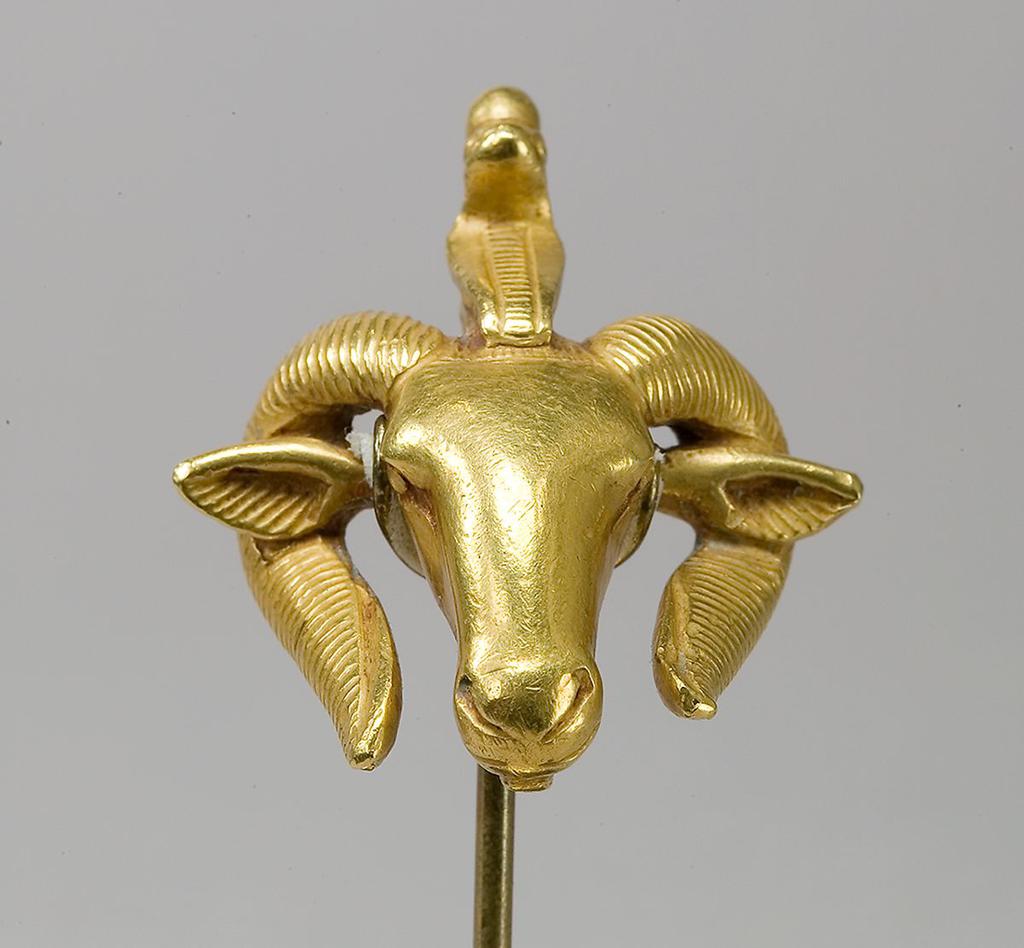
Egypt is a land rich in gold, and ancient miners employing traditional methods were thorough in their exploitation of economically feasible sources. In addition to the resources of the Eastern Desert, Egypt had access to the riches of Nubia, which is reflected in its ancient name, nbw (the Egyptian word for gold). The hieroglyph for gold—a broad collar—appears with the beginning of writing in Dynasty 1, but the earliest surviving gold artifacts date to the preliterate days of the fourth millennium B.C.; these are mostly beads and other modest items used for personal adornment. Gold jewelry intended for daily life or use in temple or funerary ritual continued to be produced throughout Egypt’s long history.
Besides such extrinsic holiness, however, the accumulation of gold in sanctuaries may express an essential association of this metal with the holy sphere independently of any social, mercantile, or aesthetic consideration. The possibility of intrinsic holiness of gold is generally discarded in modern research focusing on the cult of YHWH in ancient Israel. An examination of the use of gold in antiquity, however, reveals that the presence of the metal in shrines was hardly restricted to functions of prestige and magnificence. In ancient Egypt, for example, gold was the metal that typically conferred holiness on sanctuaries. It was even regarded as the material specifically constituting the skin and flesh of the gods. This explains why essential attributes of the gods, such as luminosity and timelessness, were consubstantial to specific properties of gold. A similar intrinsic holiness of gold is identified in Mycenaean Greece, where the golden funerary mask was not simply a mark of the deceased’s social status but rather the symbol and/or marker of his transition from mortality to immortality. In Bronze Age Europe, too, patterns of gold burial seem to reflect the belief that gold was a metal of divine origin offered to mortals and not the other way around.
One finds, however, two essential differences between the metals. The first concerns the inalterability of gold, a feature that associates this metal with eternity and perfection. It contrasts with the oxidation processes that affect copper and set this metal in the realm of temporality. The second concerns the origin of these metals. Copper was produced in the southern Levant by smelting a green sandstone (malachite) in which no ostensible traces of metal are visible. Before the rise of modern chemistry, the smelting process was considered a genuine act of creation in a furnace. In contrast, gold was never produced in a furnace; it was only extracted in a native state.
These parallels and differences had implications in antiquity. If the two properties typically associated with the divine (timelessness and luminosity) characterize gold, and if this metal cannot be produced by humankind, it would not be surprising for people to approach it as being produced in the divine sphere, in parallel with the way copper was produced by humankind.
רַבִּי עֲקִיבָא אִיתְקַדַּשַׁת לֵיהּ בְּרַתֵּיה (דְּבַר) דְּכַלְבָּא שָׂבוּעַ שְׁמַע (בַּר) כַּלְבָּא שָׂבוּעַ אַדְּרַהּ הֲנָאָה מִכׇּל נִכְסֵיהּ אֲזַלָא וְאִיתְנְסִיבָה לֵיהּבְּסִיתְוָא הֲוָה גָּנוּ בֵּי תִיבְנָא הֲוָה קָא מְנַקֵּיט לַיהּ תִּיבְנָא מִן מַזְּיַיהּ אֲמַר לַהּ אִי הֲוַאי לִי רָמֵינָא לִיךְ יְרוּשָׁלַיִם דְּדַהֲבָא אֲתָא אֵלִיָּהוּ אִידְּמִי לְהוֹן כֶּאֱנָשָׁא וְקָא קָרֵי אַבָּבָא אֲמַר לְהוּ הַבוּ לִי פּוּרְתָּא דְתִיבְנָא דִּילֵדַת אִתְּתִי וְלֵית לִי מִידַּעַם לְאַגְנוֹיַהּ אֲמַר לַהּ רַבִּי עֲקִיבָא לְאִנְתְּתֵיהּ חֲזִי גַּבְרָא דַּאֲפִילּוּ תִּיבְנָא לָא אִית לֵיהּ
Rabbi Akiva became betrothed to the daughter of bar Kalba Savua. When bar Kalba Savua heard about their betrothal, he took a vow prohibiting her from eating all of his property. Despite this, she went ahead and married Rabbi Akiva.In the winter they would sleep in a storehouse of straw, and Rabbi Akiva would gather strands of straw from her hair. He said to her: If I had the means I would place on your head a Jerusalem of Gold...
וְלֹא בְּעִיר שֶׁל זָהָב. מַאי ״בְּעִיר שֶׁל זָהָב״? רַבָּה בַּר בַּר חָנָה אָמַר רַבִּי יוֹחָנָן: יְרוּשָׁלַיִם דְּדַהֲבָא,כְּדַעֲבַד לֵיהּ רַבִּי עֲקִיבָא לִדְבֵיתְהוּ.
We learned in the mishna: And neither may a woman go out on Shabbat to the public domain with a city of gold. The Gemara asks: What is the meaning of: With a city of gold? Rabba bar bar Ḥana said that Rabbi Yoḥanan said: Jerusalem of Gold,like the one that Rabbi Akiva made for his wife.