Save
 Copy
 Add to Collection
 Export to Google Docs
 Share
ספר המצות הקצר
כג. מצות עשה לאכול מצה בליל ראשון של פסח, שנאמר (שמות יב, יח): "בערב תאכלו מצות". מצה צריכה שתהיה מחמשה מיני דגן, והם: חטה, שעורה, כוסמין, שבולת שועל ושפון (הוא קארן). ונשים חייבות גם כן במצה. וקטן שיכול לאכול, מחנכין אותו בכזית. ואסור, מדברי סופרים, לאכול מצה בערב פסח, כדי שיאכל מצה לתאבון. מרור וחרוסת מצוה מדברי סופרים. על מרור צריך לברך: אשר קדשנו במצוותיו וצונו על אכילת מרור, ועל חרוסת אינו צריך לברך כלל. ונוהג בכל מקום, בזכרים ובנקבות:
כד. מצות עשה לספר ביציאת מצרים בליל חמשה עשר בניסן. שנאמר (שמות יג, ח): "והגדת לבנך ביום ההוא". ומצוה להודיע לבנים לפי דעתם. ואף על פי שאין לו בן, מצוה לספר. וכל המרבה לספר ביציאה מצרים, הרי זה משובח. ונוהג בכל מקום, בזכרים ובנקבות:
כה. מצות עשה לשבות ממלאכה ביום ראשון של פסח. שנאמר (ויקרא כג, ז): "ביום הראשון מקרא קדש". ומלאכת אוכל נפש מותר בשביל ישראל, אבל לא בשביל עכו"ם, שנאמר (שמות יב, טז): "אך אשר יאכל לכל נפש הוא לבדו יעשה לכם". והעושה מלאכה שלא לצורך אוכל נפש ביטל מצות עשה זו, ועבר על לא תעשה שלא לעשות מלאכה, שנאמר (ויקרא כג, ז): "כל מלאכת עבודה לא תעשו". (ועיין בחלק הלאוין, לא תעשה קמ"ז). והבערה והוצאה מותר אפילו שלא לצורך אוכל נפש. ומדברי סופרים, לעשות בחוץ לארץ כל יום טוב שני ימים. ובארץ ישראל עושים רק יום אחד, אבל ראש השנה עושים שני ימים גם בארץ ישראל. ונוהג בכל מקום ובכל זמן, בזכרים ובנקבות:
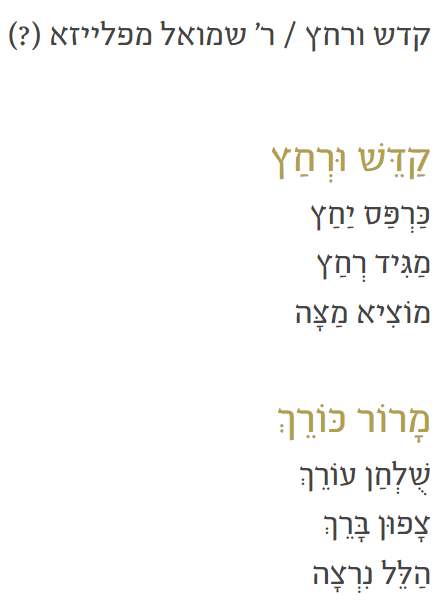
What's the rhyme scheme?
Girdle poem- "one mark to ring them all and in the rhymness bind them".
אבודרהם, פסח, הסדר השני
קדש ורחץ / כרפס יחץ / מגיד רחצה / מוציא מצה
מרור כורך / שלחן עורך / צפון ברך / הלל נרצה.
(כה) ועוד אחר
קדש והתקדש טבול ופרוס / ודרשת רחץ ובצע וחוק מצה שמור
מרור אכול וכרוך ולחם סתרך / ומזונך על כוס והללך גמור.
(כו) ועוד אחר
יקדש יטהר וכרפס וחצה
ודורש ונוטל ללחם ומצה
ומרור וכורך ואוכל פרוסה
ונקי יזמן יהלל בדיצה.
(כז) ועוד אחר
קדוש ידי אדם וטבול בצעו / יגיד בגפן יד יציאת מצה
מרור וטבול גם כריכה יסעוד / מצה ידי מזון והלל יצא.
(כח) ועוד אחר
קדש בכוס ראשון ובירק גנך / טבל והגדה בכוס שני אמור
ברך עלי לחם ועל מצה ועל / מרור ובכריכה דבר הלל גמור
ואכל סעודתך ומצתך ופן / תפטיר לאחריה אפיקומן שמור
וכוס שלישי על מזונך צורך / ברך וברביעי זכור הלל גמור
לחי בציון תעשה את פסחך / בעלות מקום הנעצוץ קנה ומור.
(כט) ועוד אחר
זכור היום ויד נקה לכרפס / פתות פתים ותדרוש בהלכה
ושנית טול לברך בפרוסה / אכול מצה שמורה וערוכה
ומרור תכרוך יחד במצה / כמו הלל ואל תאמר ברכה
ונחת שלחנך חן תמלא / חלוק מצה בתוך מפה כרוכה
עלי מזון תברך צור תהלל / ואם תצמא קרא שירה נסוכה
שכב בטח ואל תירא ותחת / הלא מרפא לליל זה וארוכה.
(ל) ועוד סימן אחר קנ"ך יהנ"ה ממ"ך שמ"ה. פי' קדוש נטילה כרפס יבצע הגדה נטילה המוציא מצה מרור כריכה שמורה מזון הלל.
עץ חיים לר' יעקב חזן מלונדרץ, הלכות פסח

ברכות ח:א
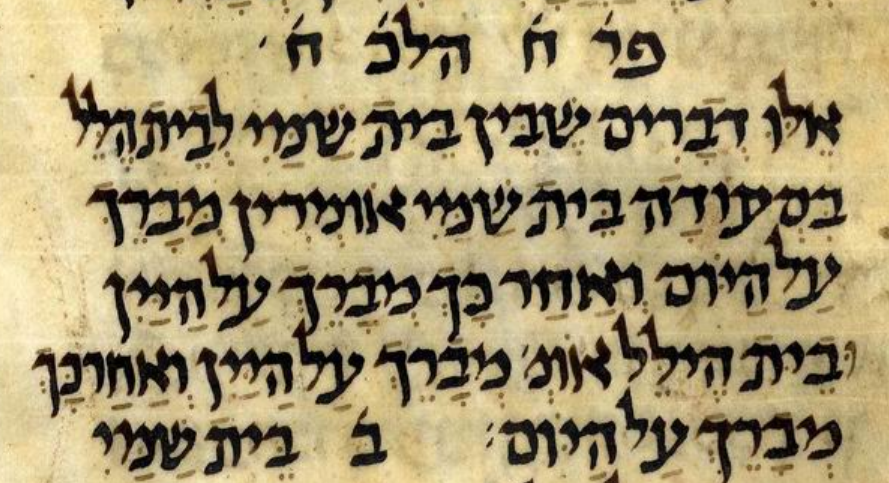
The same appears in פסחים י:ב
אֲמַר לֵיהּ: אִיבְרָא ״בֵּין יוֹם הַשְּׁבִיעִי לְשֵׁשֶׁת יְמֵי הַמַּעֲשֶׂה״, מֵעֵין חֲתִימָה הִיא, וְאָמַר רַב יְהוּדָה אָמַר שְׁמוּאֵל: הַמַּבְדִּיל צָרִיךְ שֶׁיֹּאמַר מֵעֵין חֲתִימָה סָמוּךְ לַחֲתִימָתוֹ. וּפוּמְבְּדִיתָאֵי אָמְרִי מֵעֵין פְּתִיחָתָן סָמוּךְ לַחֲתִימָתָן. מַאי בֵּינַיְיהוּ? אִיכָּא בֵּינַיְיהוּ יוֹם טוֹב שֶׁחָל לִהְיוֹת אַחַר הַשַּׁבָּת, דְּחָתְמִינַן ״בֵּין קוֹדֶשׁ לְקוֹדֶשׁ״, מַאן דְּאָמַר מֵעֵין פְּתִיחָתָן סָמוּךְ לַחֲתִימָתָן, לָא בָּעֵי לְמֵימַר ״בֵּין קְדוּשַּׁת שַׁבָּת לִקְדוּשַּׁת יוֹם טוֹב הִבְדַּלְתָּ״. וּמַאן דְּאָמַר מֵעֵין חֲתִימָתָן סָמוּךְ לַחֲתִימָתָן, בָּעֵי לְמֵימַר ״בֵּין קְדוּשַּׁת שַׁבָּת לִקְדוּשַּׁת יוֹם טוֹב הִבְדַּלְתָּ״.
He said to him: In truth, ...it is similar to the conclusion of the blessing, and Rav Yehuda said that Shmuel said: One who recites havdala must say an expression that is similar to the conclusion near the conclusion of the blessing, to emphasize the connection between the blessing and its conclusion. And the scholars of Pumbedita say that one must say a phrase similar to the beginnings of blessings near their conclusions. With regard to the previously cited dispute, the Gemara asks: What is the practical difference between them? Since the beginning and end of a blessing generally address the same topic, what is the difference between these two opinions? The Gemara responds: The practical difference between them is in the case of a Festival that occurs after Shabbat, as one concludes this havdala with the phrase: Who separates between sacred and sacred. The one who said that one must mention an expression similar to the beginnings of blessings near their conclusions would say that one is not required to say: Between the sanctity of Shabbat and the sanctity of the Festival You have distinguished, before concluding the blessing, as the beginning of the blessing refers simply to the sacred and the profane. And according to the one who said that one must say a phrase similar to the conclusions of blessings near their conclusions, one is required to say: Between the sanctity of Shabbat and the sanctity of the Festival You have distinguished.
בָּרוּךְ אַתָּה יהוה, אֱלהֵינוּ מֶלֶךְ הָעוֹלָם אֲשֶׁר בָּחַר בָּנוּ מִכָּל־עָם וְרוֹמְמָנוּ מִכָּל־לָשׁוֹן וְקִדְּשָׁנוּ בְּמִצְוֹתָיו. וַתִּתֶּן לָנוּ יהוה אֱלֹהֵינוּ בְּאַהֲבָה מוֹעֲדִים לְשִׂמְחָה, חַגִּים וּזְמַנִּים לְשָׂשוֹן, אֶת יוֹם חַג הַמַּצּוֹת הַזֶּה זְמַן חֵרוּתֵנוּ, מִקְרָא קֹדֶשׁ זֵכֶר לִיצִיאַת מִצְרָיִם. כִּי בָנוּ בָחַרְתָּ וְאוֹתָנוּ קִדַּשְׁתָּ מִכָּל הָעַמִּים, וּמוֹעֲדֵי קָדְשֶׁךָ בְּשִׂמְחָה וּבְשָׂשוֹן הִנְחַלְתָּנוּ.
בָּרוּךְ אַתָּה יהוה, מְקַדֵּשׁ יִשְׂרָאֵל וְהַזְּמַנִּים.
Blessed are You, Lord our God, King of the universe, who has chosen us from all peoples and has raised us above all tongues and has sanctified us with His commandments. And You have given us, Lord our God, appointed times for happiness, holidays and special times for joy, this Festival of Matsot, our season of freedom, a holy convocation in memory of the Exodus from Egypt. For You have chosen us and sanctified us above all peoples. In Your gracious love, You granted us Your special times for happiness and joy.
Blessed are You, O Lord, who sanctifies Israel and the appointed times.
סדר רב עמרם גאון, פסח
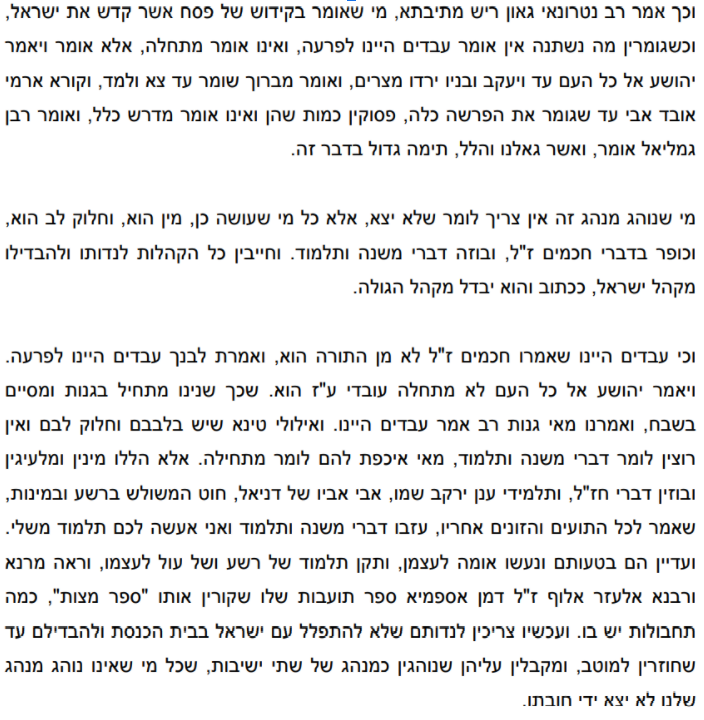
Modern Qaraite Qiddush.
Don't do this.
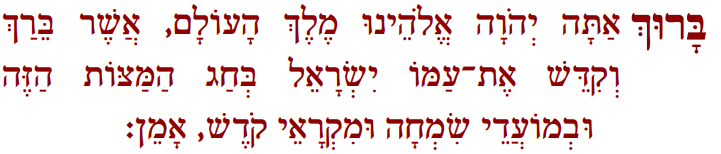
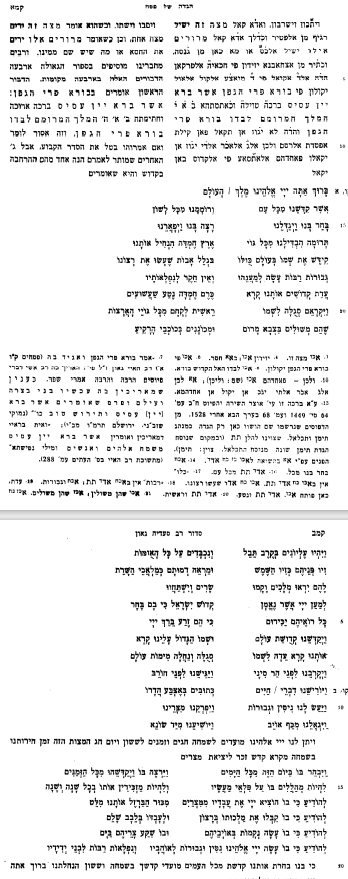
Poetic Qidush (רס''ג)
הַהוּא דִּנְחֵית קַמֵּיהּ דְּרַבִּי חֲנִינָא, אֲמַר ״הָאֵל הַגָּדוֹל הַגִּבּוֹר וְהַנּוֹרָא וְהָאַדִּיר וְהָעִזּוּז וְהַיָּראוּי, הֶחָזָק וְהָאַמִּיץ וְהַוַּדַּאי וְהַנִּכְבָּד״. הִמְתִּין לוֹ עַד דְּסַיֵּים. כִּי סַיֵּים אֲמַר לֵיהּ: סַיֵּימְתִּינְהוּ לְכוּלְּהוּ שִׁבְחֵי דְמָרָךְ?! לְמָה לִי כּוּלֵּי הַאי? אֲנַן, הָנֵי תְּלָת דְּאָמְרִינַן אִי לָאו דְּאַמְרִינְהוּ מֹשֶׁה רַבֵּנוּ בְּאוֹרָיְיתָא, וַאֲתוֹ אַנְשֵׁי כְּנֶסֶת הַגְּדוֹלָה וְתַקְּנִינְהוּ בִּתְפִלָּה — לָא הֲוֵינַן יְכוֹלִין לְמֵימַר לְהוּ, וְאַתְּ אָמְרַתְּ כּוּלֵּי הַאי וְאָזְלַתְּ! מָשָׁל לְמֶלֶךְ בָּשָׂר וָדָם שֶׁהָיוּ לוֹ אֶלֶף אֲלָפִים דִּינְרֵי זָהָב, וְהָיוּ מְקַלְּסִין אוֹתוֹ בְּשֶׁל כֶּסֶף. וַהֲלֹא גְּנַאי הוּא לוֹ!
With regard to additions to prayers formulated by the Sages, the Gemara relates that a particular individual descended before the ark as prayer leader in the presence of Rabbi Ḥanina. He extended his prayer and said: God, the great, mighty, awesome, powerful, mighty, awe-inspiring, strong, fearless, steadfast and honored. Rabbi Ḥanina waited for him until he completed his prayer. When he finished, Rabbi Ḥanina asked him: Have you concluded all of the praises of your Master? Why do I need all of this superfluous praise? Even these three praises that we recite: The great, mighty and awesome, had Moses our teacher not said them in the Torah and had the members of the Great Assembly not come and incorporated them into the Amida prayer, we would not be permitted to recite them. And you went on and recited all of these. It is comparable to a king who possessed many thousands of golden dinars, yet they were praising him for silver ones. Isn’t that deprecatory? All of the praises we could possibly lavish upon the Lord are nothing but a few silver dinars relative to many thousands of gold dinars. Reciting a litany of praise does not enhance God’s honor.

מקדש מעט, חג המצות
בְּעָא מִינֵּיהּ רַב נַחְמָן בַּר יִצְחָק מֵרַב חִיָּיא בַּר אָבִין שְׁמָרִים שֶׁיֵּשׁ בָּהֶן טַעַם יַיִן מַהוּ אֲמַר לֵיהּ מִי סָבְרַתְּ חַמְרָא הוּא קִיּוּהָא בְּעָלְמָא הוּא §...§ אָמַר רַב זוּטְרָא בַּר טוֹבִיָּה אָמַר רַב אֵין אוֹמְרִים קִידּוּשׁ הַיּוֹם אֶלָּא עַל הַיַּיִן הָרָאוּי לִינָּסֵךְ עַל גַּבֵּי הַמִּזְבֵּחַ לְמַעוֹטֵי מַאי אִילֵּימָא לְמַעוֹטֵי יַיִן מִגִּתּוֹ וְהָא תָּאנֵי רַבִּי חִיָּיא יַיִן מִגִּתּוֹ לֹא יָבִיא וְאִם הֵבִיא כָּשֵׁר וְכֵיוָן דְּאִם הֵבִיא כָּשֵׁר אֲנַן אֲפִילּוּ לְכַתְּחִלָּה נָמֵי
Rav Naḥman bar Yitzḥak asked Rav Ḥiyya bar Avin: If one steeps pomace and produces tamad that has the taste of wine, what is the blessing that one should recite before drinking it? Rav Ḥiyya bar Avin said to him: Do you hold that such a beverage is wine? It is merely a sharp-flavored beverage, not wine. §...§ Rav Zutra bar Toviyya says that Rav says: One may recite the sanctification of the Shabbat day only over wine of a quality that is fit to be poured as a libation upon the altar. The Gemara asks: This statement is said to exclude what? If we say it is to exclude the use of wine fresh from one’s press, i.e., grape juice, which has not yet fermented, that is difficult. But didn’t Rabbi Ḥiyya teach: One may not bring wine fresh from his press as a libation ab initio, but if one brought it as a libation, it is valid after the fact. And since if one brought it as a libation it is valid after the fact, we should also be able to use it for the sanctification of the Shabbat day, even ab initio.
Miqdash Me'at, Chag HaMatzot
Another Qaraite perspective
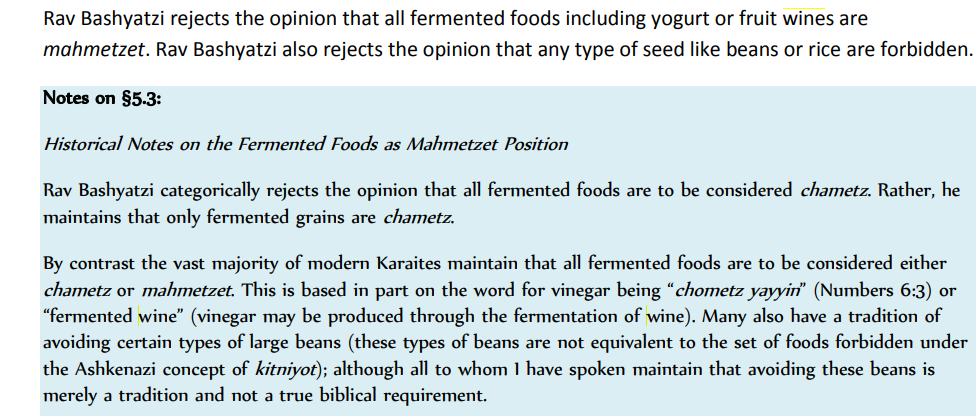
ערוך השלחן, אורח חיים, ער''ב:ז
מחזור ויטרי, הלכות פסח
נ''ט: ברכת על הגפן:
ברוך אתה י"י אלהינו מלך העולם על הגפן ועל פרי הגפן ועל תנובת השדה ועל ארץ חמדה טובה ורחבה שרצית והנחלת לאבותינו לאכול מפריה ולשבוע מטובה ולהודות לך עליה ועל ברית l, (ותודה) [ותורה] שנתת לנו רחם י"י אלהינו על עמך ועל ארצך ועל היכלך ועל מקדשך מהרה הקם מלכותך ומלכות בית דוד עבדך ובנה ירושלם עיר הקודש במהרה בימינו והעלינו לתוכה ושמחינו בה ונאכל מפרייה ונשבע מטובה ונברכך עליה בקדושה ובטהרה כי אתה טוב ומטיב לכל. בא"י. על הארץ ועל הפירות: כך חתים בהלכות גדולות. ובפר"ח. וכן מוכיח בכיצד מברכין. ובארץ ישר' חוחמין מברכין על הארץ ועל פירותיה: בכל הגאונים (מצאי) [מצאתי] סמוך לחתימה טוב ומטיב. ותימ' דהא ברכה זו מעין שלש נקרא ולא מעין ארבע. והטוב והמטיב דברכת המזון ברכה רביעית היא. וביבנה תקנוה על הרוגי ביתר. שמא משום דאיכא דמפיק לה (אקרא) [מקרא] ודאוריית' היא כי אחריני. לפיכך קבעוהו כאן לאפוקי מפלוגתא. דמה הפסיד בכך אם מוסיף: ברית ותורה צריך להזכיר בה בברכת הארץ. וברית קודם לתורה. ומלכות בית דוד בבונה ירושלם. וכיון דאדכר בה מלכות דוד לאו אורח ארעא דלא א' בה מלכות' דרקיעא כדאמר בפ' שלשה. דמוכח התם דמשום הכי צריכה בונה ירושלם ומלכות שמים. ולפי שאין לה מקום שאין לה פתיחה משלימה בהטוב והמטיב דיבנה הילכך לימ' בה מלכות שמים כמו שכתבתי. וכי האי גוונא מעין שלש היא:
ר' עמרם גאון
הלכות פסח: ושותין כוס רביעי, ומברכין... על הגפן...
אבודרהם, פסח, הסדר השני
R Hayyei Gaon- one for all.
RI"F- two sets of two.
Hashlama in name of R Moshe of Béziers, Ra'avad- one for all.
אָמַר שְׁמוּאֵל: ״לֶחֶם עוֹנִי״ כְּתִיב — לֶחֶם שֶׁעוֹנִין עָלָיו דְּבָרִים. תַּנְיָא נָמֵי הָכִי: ״לֶחֶם עוֹנִי״ — לֶחֶם שֶׁעוֹנִין עָלָיו דְּבָרִים הַרְבֵּה. דָּבָר אַחֵר: ״לֶחֶם עוֹנִי״ — ״עֹנִי״ כְּתִיב, מָה עָנִי שֶׁדַּרְכּוֹ בִּפְרוּסָה, אַף כָּאן בִּפְרוּסָה. דָּבָר אַחֵר: מָה דַּרְכּוֹ שֶׁל עָנִי הוּא מַסִּיק וְאִשְׁתּוֹ אוֹפָה, אַף כָּאן נָמֵי — הוּא מַסִּיק וְאִשְׁתּוֹ אוֹפָה.
Shmuel said that the phrase: “The bread of affliction [leḥem oni]” (Deuteronomy 16:3) means bread over which one answers [onim] matters, i.e., one recites the Haggadah over matza. That was also taught in a baraita: Leḥem oni is bread over which one answers many matters. Alternatively, in the verse, “leḥem oni” is actually written without a vav, which means a poor person. Just as it is the manner of a poor person to eat a piece of bread, for lack of a whole loaf, so too, here he should use a piece of matza. Alternatively: Just as the manner of a poor person is that he heats the oven and his wife bakes quickly, before the small amount of wood they have is used up, so too here; when baking matza, he heats the oven and his wife bakes quickly so the dough doesn’t rise. This is why matza is called the poor man’s bread.
(ו) וְאַחַר כָּךְ מְבָרֵךְ עַל נְטִילַת יָדַיִם וְנוֹטֵל יָדָיו שֵׁנִית שֶׁהֲרֵי הִסִּיחַ דַּעְתּוֹ בִּשְׁעַת קְרִיאַת הַהַגָּדָה. וְלוֹקֵחַ שְׁנֵי רְקִיקִין וְחוֹלֵק אֶחָד מֵהֶן וּמַנִּיחַ פָּרוּס לְתוֹךְ שָׁלֵם וּמְבָרֵךְ הַמּוֹצִיא לֶחֶם מִן הָאָרֶץ. וּמִפְּנֵי מָה אֵינוֹ מְבָרֵךְ עַל שְׁתֵּי כִּכָּרוֹת כִּשְׁאָר יָמִים טוֹבִים מִשּׁוּם שֶׁנֶּאֱמַר (דברים טז ג) "לֶחֶם עֹנִי" מַה דַּרְכּוֹ שֶׁל עָנִי בִּפְרוּסָה אַף כָּאן בִּפְרוּסָה. וְאַחַר כָּךְ כּוֹרֵךְ מַצָּה וּמָרוֹר כְּאַחַת וּמְטַבֵּל בַּחֲרֹסֶת וּמְבָרֵךְ בָּרוּךְ אַתָּה ה' אֱלֹהֵינוּ מֶלֶךְ הָעוֹלָם אֲשֶׁר קִדְּשָׁנוּ בְּמִצְוֹתָיו וְצִוָּנוּ עַל אֲכִילַת מַצּוֹת וּמְרוֹרִים וְאוֹכְלָן. וְאִם אָכַל מַצָּה בִּפְנֵי עַצְמָהּ וּמָרוֹר בִּפְנֵי עַצְמוֹ מְבָרֵךְ עַל זֶה בִּפְנֵי עַצְמוֹ וְעַל זֶה בִּפְנֵי עַצְמוֹ:
(6) And afterwards he recites the blessing over [washing] the hands and [washes] his hands a second time - since he removed his mind [from the first washing] at the time of the reading of the Haggadah. And he takes two [matsa] wafers, divides one of them, places the broken one inside the whole one and recites the blessing, "who brings forth bread from the land." And because of what does he not recite the blessing over two [whole] loaves, as on other holidays? Because it is stated (Deuteronomy 16:3), "bread of poverty": Just like the way of the poor person is with a piece (and not a whole loaf), so too here is it with a piece. And afterwards he wraps the matsa and bitter herbs to be [like] one, dips it in charoset, recites the blessing, "Blessed are You, Lord our God, King of the universe, who has sanctified us with His commandments, and commanded us about the eating of matsas and bitter herbs" and eats them. And if he eats the matsa by itself and the bitter herbs by themselves, he recites a blessing upon this one by itself and upon that one by itself.
Modern Temani Minhag

R Seạdia Gaon

רָבִינָא אָמַר: אַרְבָּעָה כָּסֵי תַּקִּינוּ רַבָּנַן דֶּרֶךְ חֵירוּת, כׇּל חַד וְחַד מִצְוָה בְּאַפֵּי נַפְשַׁהּ הוּא.
Ravina said: ...Therefore, each and every one is a distinct mitzva in its own right. In other words, each cup is treated separately and one is not considered to be drinking in pairs.
סדר רב עמרם גאון, הלכות פסח
ואם רוצה לשתות כוס אחד אחר ארבעה כוסות, חוזר ואוחז כוס חמישי ואומר עליו הלל הגדול וחוזר וחותם ביהללוך. שכך שנו חז"ל תניא חמישי אומר עליו הלל הגדול, דברי ר' טרפון. ויש אומרים ה' רועי לא אחסר. מהיכא הוא הלל הגדול. רב יהודה אומר מהודו לה' עד על נהרות בבל. וכך אנו נוהגין כרב יהודה, ואעפ"י שחלוקין חכמים אחרים, ר' יוחנן דאמר משיר המעלות ועד על נהרות בבל, אעפ"י כן מנהג שתי ישיבות עושין כרב יהודה. ואף רב שר שלום גאון כך אמר, בין הכוסות האלו אם רצה לשתות ישתה, בין שלישי לרביעי לא ישתה. אבל בין ראשון לשני ובין שני לשלישי מותר.
רי''ף פסחים כ''ו ב
וּמְבָרֵךְ בּוֹרֵא פְּרִי הַגָּפֶן וְאֵינוֹ טוֹעֵם אַחַר כָּךְ כְּלוּם כָּל הַלַּיְלָה חוּץ מִן הַמַּיִם. וְיֵשׁ לוֹ לִמְזֹג כּוֹס חֲמִישִׁי וְלוֹמַר עָלָיו הַלֵּל הַגָּדוֹל מֵ(תהילים קלו א) "הוֹדוּ לַה' כִּי טוֹב" עַד (תהילים קלז א) "עַל נַהֲרוֹת בָּבֶל". וְכוֹס זֶה אֵינוֹ חוֹבָה כְּמוֹ אַרְבָּעָה כּוֹסוֹת. וְיֵשׁ לוֹ לִגְמֹר אֶת הַהַלֵּל בְּכָל מָקוֹם שֶׁיִּרְצֶה אַף עַל פִּי שֶׁאֵינוֹ מְקוֹם סְעֵוּדָּה:
And he recites the blessing, "who creates the fruit of the vine," [drinks it] and does not taste anything afterwards the whole night except for water. And he should pour a fifth cup and say the Great Hallel (Psalms 136) upon it, from "Give thanks to the Lord, for He is good" (Psalms 136:1) to "Upon the rivers of Babylon" (Psalms 137:1). And this cup is not obligatory like the [other] four cups. And he can finish the Hallel in any place that he desires, even though he is not in the place of the meal.
עץ חיים לר' יעקב חזן מלונדרץ, הלכות פסח

אפ''ס דמים, שיחה ג'

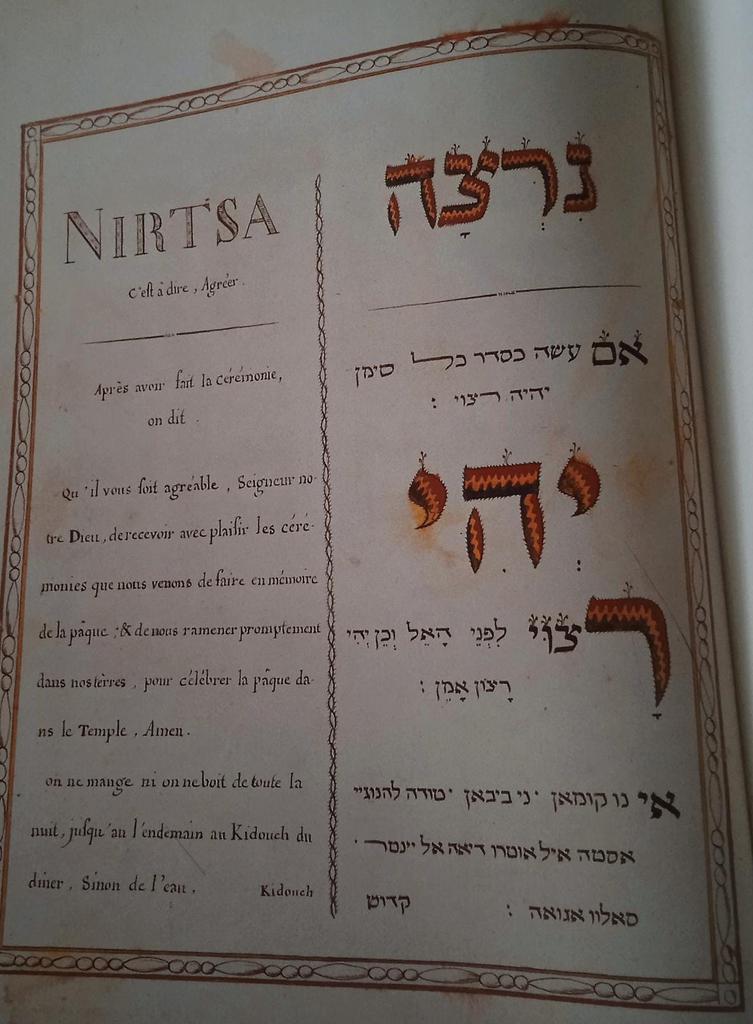
Bordeaux, 1813
שד''ל, מבוא למחזור רומי
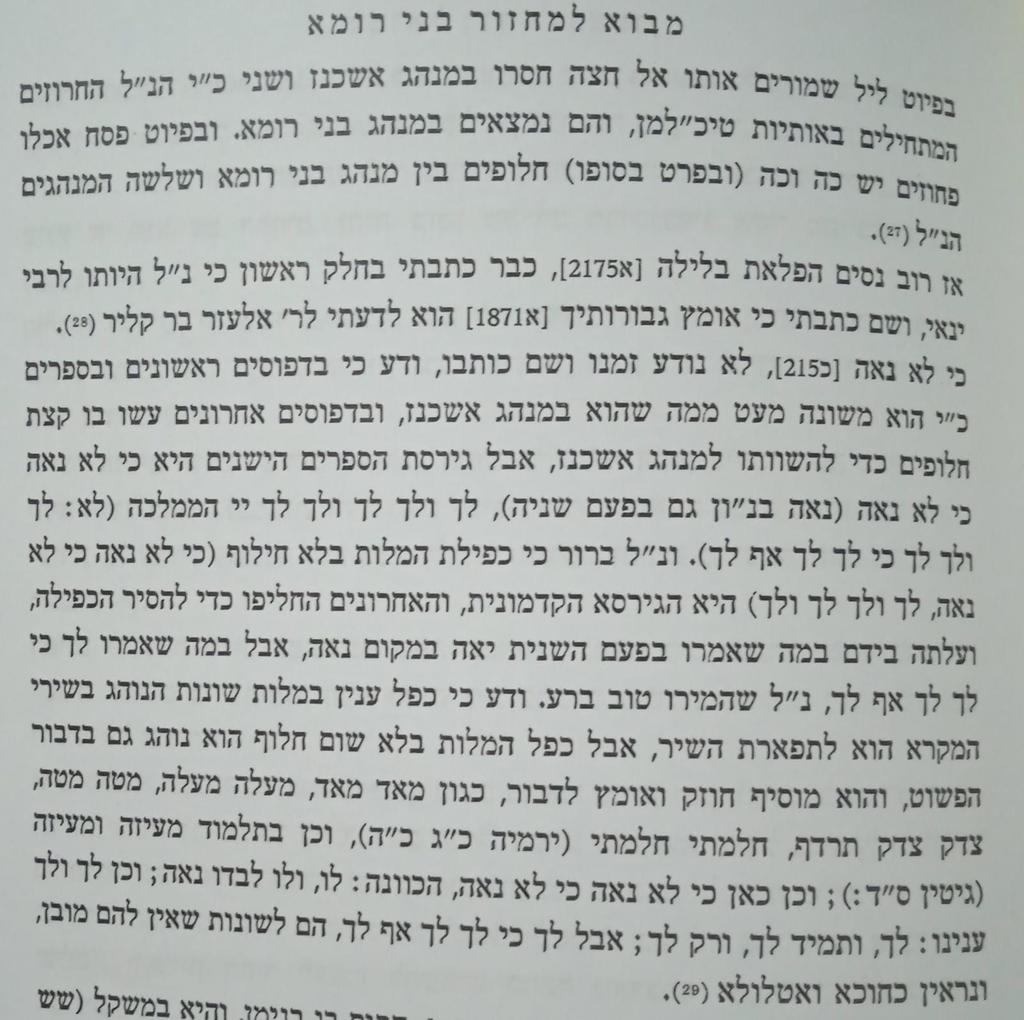
עץ חיים לר' יעקב חזן מלונדרץ, הלכות פסח
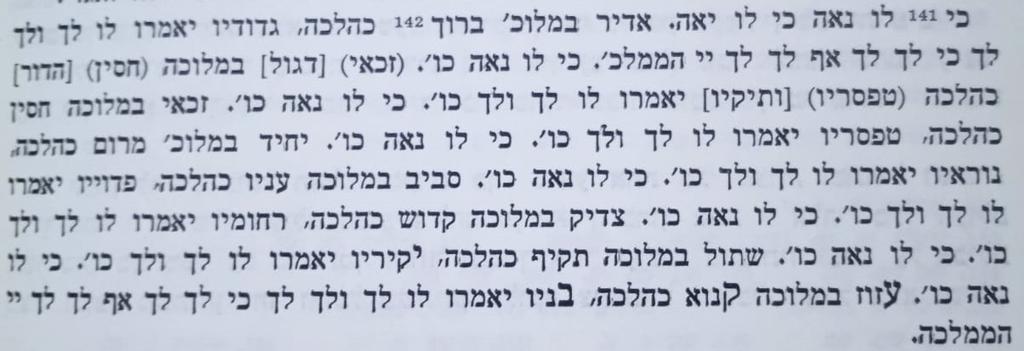
פירוש הגר''א לחד גדיא (שִׁכְתּוּב)
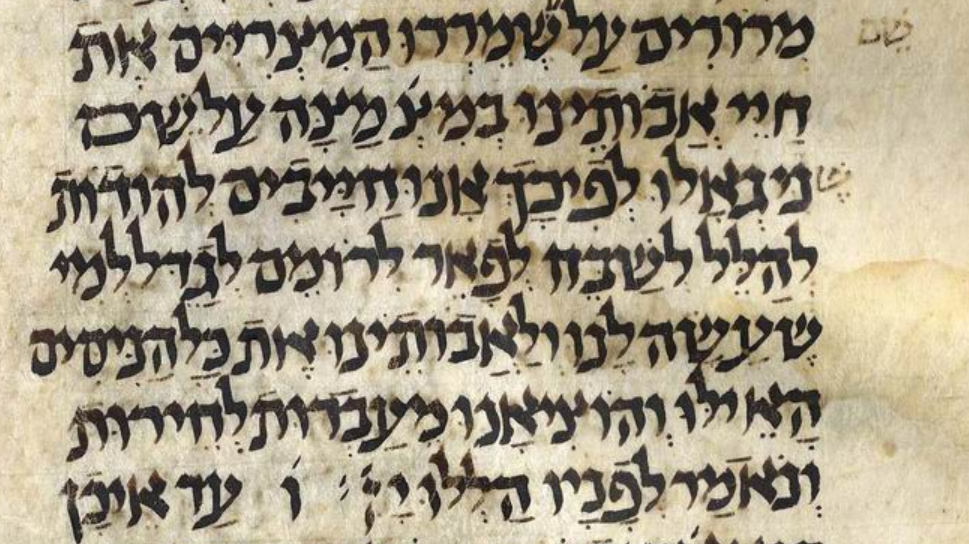
13th + 14th-15th Century Provençal Sidur, Sefardi hand
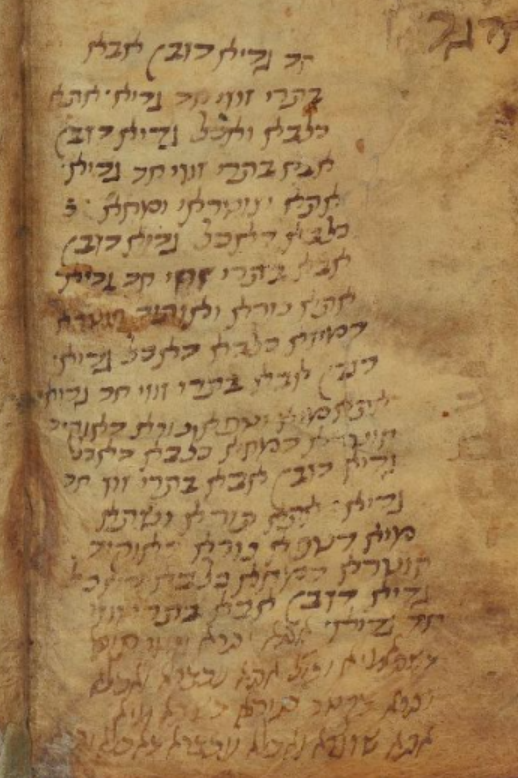
Here's where the next photo would go if I hadn't deleted it by mistake.
Another manuscript (mss F45166 at the Library of Israel), the Sereni Haggada dated by Sivan Gottlieb (“Go and Learn”: The Ashkenazi and Italian Roots of the Sereni Haggadah) to the end of the fifteenth century, contains Ḥad Gadya on the last page, after all of the hymns, after instructions for the counting of the Ọmer, and after even the concluding word, ‘Saliq’. Like the earlier Provençal version, it is in full Aramaic, a later hand than the rest of the manuscript, and includes a mouse (although in a seemingly nonsensical position, indicating garblement of an earlier tradition). This time however, like the printed version, it continues the chain all the way to G-d, places the cat towards the beginning and also includes a Yiddish translation.
אפ''ס דמים, שיחה ג' (המשך)

A fifth-century B.C. Attic kylix (drinking cup) from the Berlin State Museum, showing guests at a symposium drinking wine.
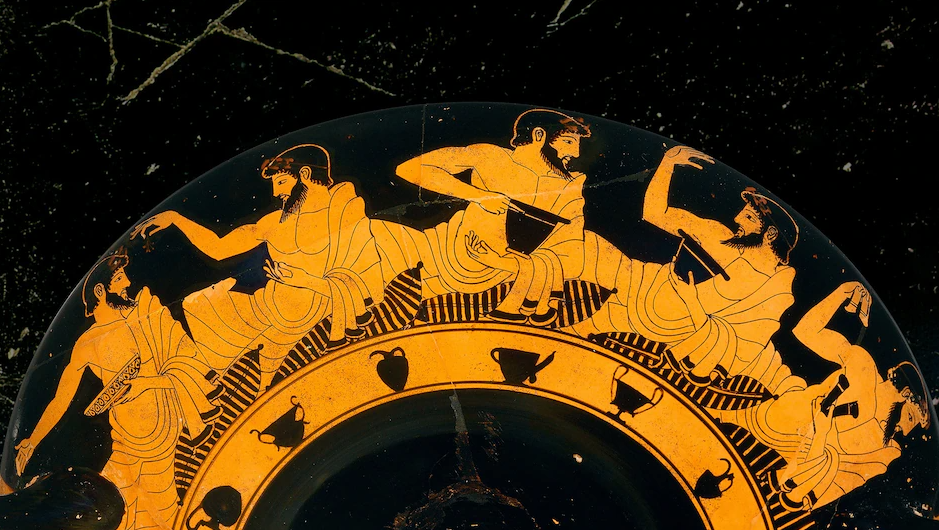
The Origins of the Seder, Rabbi Professor David Golinkin
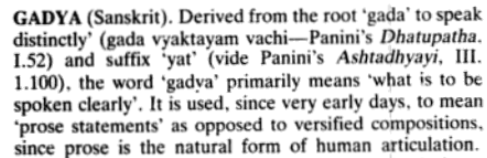
Encyclopaedia of Indian Literature, Datta, 2005, p. 1338
Franz Rosenzweig (His Life and Thought, Glatzer, p.320)
(ה) רַבָּן גַּמְלִיאֵל הָיָה אוֹמֵר, כָּל שֶׁלֹּא אָמַר שְׁלֹשָׁה דְבָרִים אֵלּוּ בְּפֶסַח, לֹא יָצָא יְדֵי חוֹבָתוֹ, וְאֵלּוּ הֵן, פֶּסַח, מַצָּה, וּמָרוֹר... פֶּסַח, עַל שׁוּם שֶׁפָּסַח הַמָּקוֹם עַל בָּתֵּי אֲבוֹתֵינוּ בְמִצְרַיִם. מַצָּה, עַל שׁוּם שֶׁנִּגְאֲלוּ אֲבוֹתֵינוּ בְמִצְרַיִם. מָרוֹר, עַל שׁוּם שֶׁמֵּרְרוּ הַמִּצְרִים אֶת חַיֵּי אֲבוֹתֵינוּ בְמִצְרָיִם. בְּכָל דּוֹר וָדוֹר חַיָּב אָדָם לִרְאוֹת אֶת עַצְמוֹ כְאִלּוּ הוּא יָצָא מִמִּצְרַיִם, שֶׁנֶּאֱמַר (שמות יג), וְהִגַּדְתָּ לְבִנְךָ בַּיּוֹם הַהוּא לֵאמֹר, בַּעֲבוּר זֶה עָשָׂה ה' לִי בְּצֵאתִי מִמִּצְרָיִם. לְפִיכָךְ אֲנַחְנוּ חַיָּבִין לְהוֹדוֹת, לְהַלֵּל, לְשַׁבֵּחַ, לְפָאֵר, לְרוֹמֵם, לְהַדֵּר, לְבָרֵךְ, לְעַלֵּה, וּלְקַלֵּס, לְמִי שֶׁעָשָׂה לַאֲבוֹתֵינוּ וְלָנוּ אֶת כָּל הַנִּסִּים הָאֵלּוּ, הוֹצִיאָנוּ מֵעַבְדוּת לְחֵרוּת, מִיָּגוֹן לְשִׂמְחָה, וּמֵאֵבֶל לְיוֹם טוֹב, וּמֵאֲפֵלָה לְאוֹר גָּדוֹל, וּמִשִּׁעְבּוּד לִגְאֻלָּה. וְנֹאמַר לְפָנָיו, הַלְלוּיָהּ:
(5) Rabban Gamliel would say: Anyone who did not say these three matters on Passover has not fulfilled his obligation: The Paschal lamb, matza, and bitter herbs. When one mentions these matters, he must elaborate and explain them: The Paschal lamb is brought because the Omnipresent passed over [pasaḥ] the houses of our forefathers in Egypt, as it is stated: “That you shall say: It is the sacrifice of the Lord’s Paschal offering for He passed over the houses of the children of Israel in Egypt, when he smote the Egyptians, and delivered our houses” (Exodus 12:27). Rabban Gamliel continues to explain: The reason for matza is because our forefathers were redeemed from Egypt, as it is stated: “And they baked the dough that they took out of Egypt as cakes of matzot, for it was not leavened, as they were thrust out of Egypt and could not tarry, neither had they prepared for themselves any victual” (Exodus 12:39). The reason for bitter herbs is because the Egyptians embittered our forefathers’ lives in Egypt, as it is stated: “And they embittered their lives with hard service, in mortar and in brick; in all manner of service in the field, all the service that they made them serve was with rigor” (Exodus 1:14). The tanna of the mishna further states: In each and every generation a person must view himself as though he personally left Egypt, as it is stated: “And you shall tell your son on that day, saying: It is because of this which the Lord did for me when I came forth out of Egypt” (Exodus 13:8). In every generation, each person must say: “This which the Lord did for me,” and not: This which the Lord did for my forefathers. The mishna continues with the text of the Haggadah. Therefore we are obligated to thank, praise, glorify, extol, exalt, honor, bless, revere, and laud [lekales] the One who performed for our forefathers and for us all these miracles: He took us out from slavery to freedom, from sorrow to joy, from mourning to a Festival, from darkness to a great light, and from enslavement to redemption. And we will say before Him: Halleluya. At this point one recites the hallel that is said on all joyous days. Since one does not complete hallel at this point in the seder, the mishna asks:
כתב יד קאופמן
"תיירים" ליהודה עמיחי
Yehuda Amichai (The Selected Poetry, Mitchell and Bloch, University of California Press, 1996)
פַּעַם יָשַׁבְתִּי עַל מַדְרֵגוֹת לְיַד שַׁעַר בִּמְצוּדַת דָּוִד, אֶת שְׁנֵי הַסַּלִּים
הַכְּבֵדִים שַׂמְתִּי לְיָדִי. עָמְדָה שָׁם קְבוּצַת תַּיָּרִים סְבִיב הַמַּדְרִיךְ
וְשִׁמַּשְׁתִּי לָהֶם נְקֻדַּת צִיּוּן. "אַתֶּם רוֹאִים אֶת הָאִישׁ הַזֶּה עִם
הַסַּלִּים? קְצָת יָמִינָה מֵרֹאשׁוֹ נִמְצֵאת קֶשֶׁת מִן הַתְּקוּפָה הָרוֹמִית.
קְצָת יָמִינָה מֵרֹאשׁוֹ." "אֲבָל הוּא זָז, הוּא זָז!" אָמַרְתִּי בְּלִבִּי:
הַגְּאֻלָּה תָּבוֹא רַק אִם יַגִּידוּ לָהֶם: אַתֶּם רוֹאִים שָׁם אֶת הַקֶּשֶׁת
מִן הַתְּקוּפָה הָרוֹמִית? לֹא חָשׁוּב: אֲבָל לְיָדָהּ, קְצָת שְׂמֹאלָהּ
וּלְמַטָּה מִמֶּנָּה, יוֹשֵׁב אָדָם שֶׁקָּנָה פֵּרוֹת וִירָקוֹת לְבֵיתוֹ.
Once I was sitting on the steps near the gate at David's Citadel and I put down my two heavy baskets beside me. A group of tourists stood there around their guide, and I became their point of reference. "You see that man over there with the baskets? A little to the right of his head there's an arch from the Roman period. A little to the right of his head." "But he's moving, he's moving!" I said to myself: Redemption will come only when they are told, "Do you see that arch over there from the Roman period? It doesn't matter, but near it, a little to the left and then down a bit, there's a man who has just bought fruit and vegetables for his family."
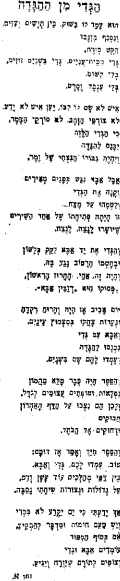
נתן אונטרמן, עיתון דבר, ערב פסח תש''ד (7 לאפריל, 1944)