




 Save
Save Copy
Copy Add to Collection
 Export to Google Docs
 Share
ShareThe heaven and the earth were finished, and all their array. On the seventh day God finished the work that He had been doing, and He ceased [in Hebrew: God "Shabbat-ed"] on the seventh day from all the work that He had done. And God blessed the seventh day and declared it holy, because on it God ceased from all the work of creation that He had done.
(א) ויכל אלהים ביום השביעי. רבי שמעון אומר בשר ודם שאינו יודע עתיו ורגעיו צריך להוסיף מחול על הקדש, הקדוש ברוך הוא שיודע עתיו ורגעיו נכנס בו כחוט השערה ונראה כאלו כלה בו ביום דבר אחר מה היה העולם חסר, מנוחה, באת שבת באת מנוחה, כלתה ונגמרה המלאכה:
(1) And God completed on the seventh day: ..Another explanation: What was the world lacking? Rest. The Sabbath came, and so came rest. The work was completed and finished. — [from Gen. Rabbah 10:9]
Why did God bless Shabbat? Rabbi Berekiah says: "Because it has no partner. The first day of the week has the second, the third has the fourth, the fifth has the sixth, but Shabbat has no partner...
Rabbi Shimon bar Yochai taught: Shabbat pleaded with the Holy One, Blessed be God saying: "Everyone else has a partner, but I have nothing!" God answered saying: "The community of Israel will be your partner."
God continued: "And when you stood before Sinai, God said to the Israelites: "Remember what I said to Shabbat, that the community of Israel is your partner, [in the words of scripture] "Remember Shabbat and keep it holy" (Exodus 20:8).
...As Rav Hamnuna said: Anyone who prays on Shabbat evening and recites the passage of "the heaven and the earth were finished" [Genesis 2:1-3, recounting the first shabbat], the verse ascribed him credit as if he became a partner with the Holy One, Blessed be He, in the act of Creation.
As it is stated: “And the heavens and the earth were finished [va'ye'chullu].” Do not read it as: Were finished [va'ye'chullu]; rather, as: They finished [va'ye'challu] [i.e. as if the verse were to be read: "And the heavens and the earth, they finished"]. It is considered as though the Holy One, Blessed be He, and the individual who says this become partners and completed the work together.
Rav Yehuda said that Rav said: Had the Jewish people properly observed the first Shabbat that was commanded them, no nation or tongue would have ever ruled them, as it is stated: “And it happened on the seventh day, some people went out from the nation to collect and they did not find” [i.e. they engaged in prohibited labor on Shabbat] (Exodus 16:27).
Rabbi Yoḥanan said in the name of Rabbi Shimon ben Yoḥai: If only the Jewish people would keep two [consecutive] Shabbatot in accordance with their laws, they would be immediately redeemed [i.e. they would merit the coming of the Messiah}.
Questions for Discussion
1) How do the Jewish people "partner with God in completing the work of Creation"? And more importantly, why?
(ח) זָכ֛וֹר֩ אֶת־י֥֨וֹם הַשַּׁבָּ֖֜ת לְקַדְּשֽׁ֗וֹ (ט) שֵׁ֤֣שֶׁת יָמִ֣ים֙ תַּֽעֲבֹ֔ד֮ וְעָשִׂ֖֣יתָ כָּל־מְלַאכְתֶּֽךָ֒ (י) וְי֙וֹם֙ הַשְּׁבִיעִ֔֜י שַׁבָּ֖֣ת ׀ לַיהוָ֣ה אֱלֹהֶ֑֗יךָ לֹֽ֣א־תַעֲשֶׂ֣֨ה כָל־מְלָאכָ֡֜ה אַתָּ֣ה ׀ וּבִנְךָֽ֣־וּ֠בִתֶּ֗ךָ עַבְדְּךָ֤֨ וַאֲמָֽתְךָ֜֙ וּבְהֶמְתֶּ֔֗ךָ וְגֵרְךָ֖֙ אֲשֶׁ֥֣ר בִּשְׁעָרֶֽ֔יךָ (יא) כִּ֣י שֵֽׁשֶׁת־יָמִים֩ עָשָׂ֨ה יְהוָ֜ה אֶת־הַשָּׁמַ֣יִם וְאֶת־הָאָ֗רֶץ אֶת־הַיָּם֙ וְאֶת־כָּל־אֲשֶׁר־בָּ֔ם וַיָּ֖נַח בַּיּ֣וֹם הַשְּׁבִיעִ֑י עַל־כֵּ֗ן בֵּרַ֧ךְ יְהוָ֛ה אֶת־י֥וֹם הַשַּׁבָּ֖ת וַֽיְקַדְּשֵֽׁהוּ׃
(8) "Zachor" (Remember/Commemorate) the sabbath day and keep it holy. (9) Six days you shall labor and do all your work, (10) but the seventh day is a sabbath of the LORD your God: you shall not do any work—you, your son or daughter, your male or female slave, or your cattle, or the stranger who is within your settlements. (11) For in six days the LORD made heaven and earth and sea, and all that is in them, and He rested on the seventh day; therefore the LORD blessed the sabbath day and sanctified it.
(יב) שָׁמ֣֛וֹר אֶת־י֥וֹם֩ הַשַׁבָּ֖֨ת לְקַדְּשׁ֑֜וֹ כַּאֲשֶׁ֥ר צִוְּךָ֖֣ ׀ יְהוָ֥֣ה אֱלֹהֶֽ֗יךָ (יג) שֵׁ֤֣שֶׁת יָמִ֣ים֙ תַּֽעֲבֹ֔ד֮ וְעָשִׂ֖֣יתָ כָּֿל־מְלַאכְתֶּֽךָ֒׃ (יד) וְי֙וֹם֙ הַשְּׁבִיעִ֜֔י שַׁבָּ֖֣ת ׀ לַיהוָ֖֣ה אֱלֹהֶ֑֗יךָ לֹ֣א תַעֲשֶׂ֣ה כָל־מְלָאכָ֡ה אַתָּ֣ה וּבִנְךָֽ־וּבִתֶּ֣ךָ וְעַבְדְּךָֽ־וַ֠אֲמָתֶךָ וְשׁוֹרְךָ֨ וַחֲמֹֽרְךָ֜ וְכָל־בְּהֶמְתֶּ֗ךָ וְגֵֽרְךָ֙ אֲשֶׁ֣ר בִּשְׁעָרֶ֔יךָ לְמַ֗עַן יָנ֛וּחַ עַבְדְּךָ֥ וַאֲמָתְךָ֖ כָּמֽ֑וֹךָ׃ (טו) וְזָכַרְתָּ֞֗ כִּ֣י־עֶ֤֥בֶד הָיִ֣֙יתָ֙ ׀ בְּאֶ֣רֶץ מִצְרַ֔֗יִם וַיֹּצִ֨אֲךָ֜֩ יְהוָ֤֨ה אֱלֹהֶ֤֙יךָ֙ מִשָּׁ֔ם֙ בְּיָ֤֥ד חֲזָקָ֖ה֙ וּבִזְרֹ֣עַ נְטוּיָ֑֔ה עַל־כֵּ֗ן צִוְּךָ֙ יְהוָ֣ה אֱלֹהֶ֔יךָ לַעֲשׂ֖וֹת אֶת־י֥וֹם הַשַׁבָּֽת׃ (ס)
(12) "Shamor" (Observe/Guard/Keep/Protect) the sabbath day and keep it holy, as the LORD your God has commanded you. (13) Six days you shall labor and do all your work, (14) but the seventh day is a sabbath of the LORD your God; you shall not do any work—you, your son or your daughter, your male or female slave, your ox or your ass, or any of your cattle, or the stranger in your settlements, so that your male and female slave may rest as you do. (15) Remember that you were a slave in the land of Egypt and the LORD your God freed you from there with a mighty hand and an outstretched arm; therefore the LORD your God has commanded you to observe the sabbath day.
Questions for Discussion
1) Compare the mitzvah of Shabbat as it appears in Exodus 20 and Deuteronomy 5. What is similar and different between the two?
2) Why the need for repetition - is anything added/subtracted?
3) What are the focuses and priorities in each?
4) If all you had were these two texts, how would you go about observing Shabbat?
-- Rabbi Abraham Joshua Heschel, The Sabbath: Its Meaning for Modern Man (1951)
"When history began, there was only one holiness in the world, holiness in time. When at Sinai the word of God was about to be voiced, a call for holiness in man was proclaimed: “Thou shalt be unto me a holy people.” It was only after the people had succumbed to the temptation of worshipping a thing, a golden calf, that the erection of a Tabernacle, of holiness in space, was commanded. The sanctity of time came first, the sanctity of man came second, and the sanctity of space last. Time was hallowed by God; space, the Tabernacle, was consecrated by Moses.
...
"The meaning of the Sabbath is to celebrate time rather than space. Six days a week we live under the tyranny of things of space; on the Sabbath we try to become attuned to holiness in time. It is a day on which we are called upon to share in what is eternal in time, to turn from the results of creation to the mystery of creation, from the world of creation to the creation of the world."
...
"He who wants to enter the holiness of the day must first lay down the profanity of clattering commerce, of being yoked to toil...He must say farewell to manual work and learn to understand that the world has already been created and will survive without the help of man. Six days a week we wrestle with the world, wringing profit from the earth; on the Sabbath we especially care for the seed of eternity planted in the soul. The world has our hands, but our soul belongs to Someone Else. Six days a week we seek to dominate the world, on the seventh day we try to dominate the self."
(יב) שָׁמ֣֛וֹר אֶת־י֥וֹם֩ הַשַׁבָּ֖֨ת לְקַדְּשׁ֑֜וֹ כַּאֲשֶׁ֥ר צִוְּךָ֖֣ ׀ ה' אֱלֹקֶֽ֗יךָ (יג) שֵׁ֤֣שֶׁת יָמִ֣ים֙ תַּֽעֲבֹ֔ד֮ וְעָשִׂ֖֣יתָ כָּֿל־מְלַאכְתֶּֽךָ֒׃ (יד) וְי֙וֹם֙ הַשְּׁבִיעִ֜֔י שַׁבָּ֖֣ת ׀ לַה' אֱלֹקֶ֑֗יךָ לֹ֣א תַעֲשֶׂ֣ה כָל־מְלָאכָ֡ה...
Be careful to make the sabbath day holy, as the Lord your God commanded you. Six days shalt you labor, and do all your melachah (labor); but the seventh day is a sabbath of the Lord your God, on it you shall not do any manner of melachah...
It was taught... that the thirty-nine labors [melachot] of Shabbat correspond to the labors [melachot] performed in the Tabernacle. As it was taught: One is only liable [i.e. transgresses Shabbat] for performing a labor to which there was a corresponding labor in the Tabernacle. They sowed in order to grow dyes for the Tabernacle, and therefore you may not sow on Shabbat. They reaped, and therefore you may not reap on Shabbat.
The laws concerning Shabbat... are like mountains hanging by a hair, as they have little written about them in the Torah, and yet the details of their halachot are numerous.
To set apart one day a week for freedom, a day on which we would not use the instruments which have been so easily turned into weapons of destruction, a day for being with ourselves, a day of detachment from the vulgar, of independence of external obligations, a day on which we stop worshiping the idols of technical civilization, a day on which we use no money, a day of armistice [cease-fire] in the economic struggle with our fellow men and the forces of nature--is there any institution that holds out a greater hope for man's progress than the Sabbath?
On the Sabbath we live, as it were, independent of technical civilization: we abstain primarily from any activity that aims at remaking or reshaping the things of space. Man's royal privilege to conquer nature is suspended on the seventh day.
What are the kinds of labor not to be done on the Sabbath? They are, according to the ancient rabbis, all those acts which were necessary for the construction and furnishing of the Sanctuary in the desert. The Sabbath itself is a sanctuary which we build, a sanctuary in time.
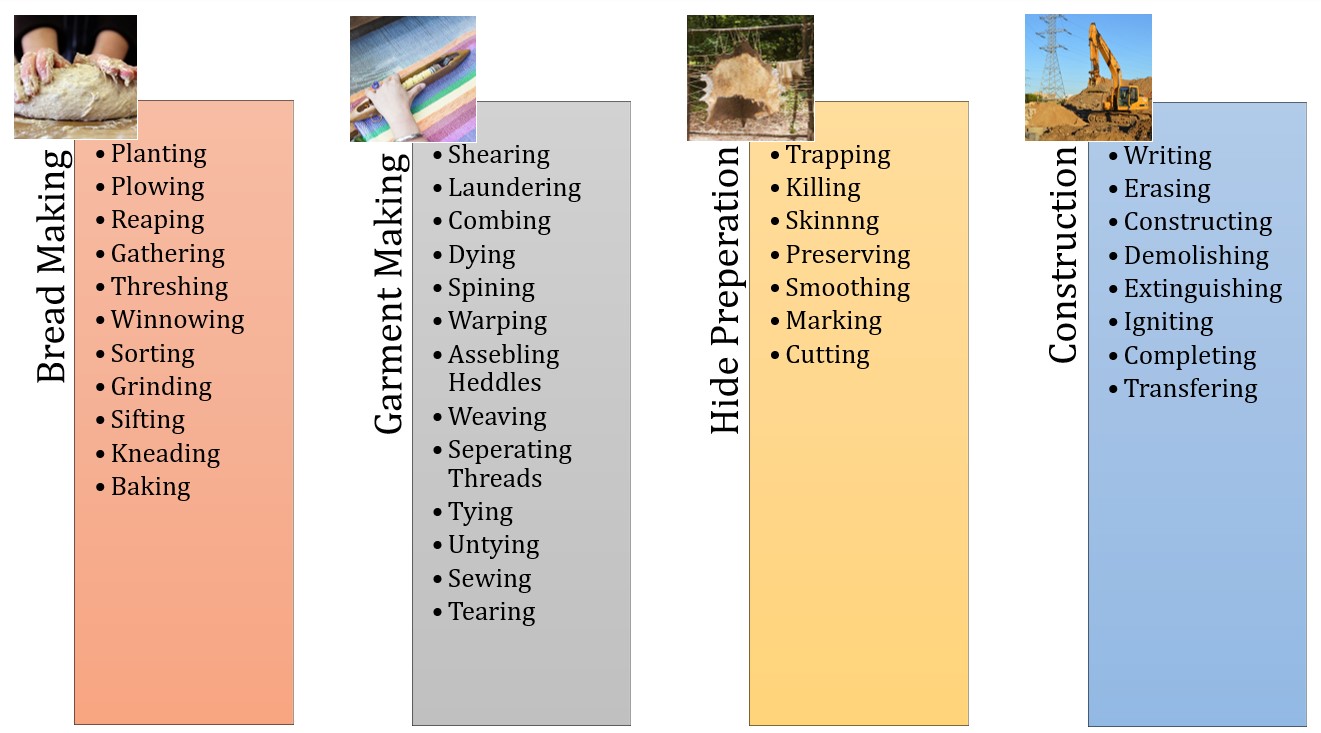
MISHNA: This fundamental mishna enumerates those who perform the primary categories of labor prohibited on Shabbat, which number forty-less-one. They are grouped in accordance with their function: One who sows, and one who plows, and one who reaps, and one who gathers sheaves into a pile, and one who threshes, removing the kernel from the husk, and one who winnows threshed grain in the wind, and one who selects the inedible waste from the edible, and one who grinds, and one who sifts the flour in a sieve, and one who kneads dough, and one who bakes.
Additional primary categories of prohibited labor are the following: One who shears wool, and one who whitens it, and one who combs the fleece and straightens it, and one who dyes it, and one who spins the wool, and one who stretches the threads of the warp in the loom, and one who constructs two meshes, tying the threads of the warp to the base of the loom, and one who weaves two threads, and one who severs two threads for constructive purposes, and one who ties a knot, and one who unties a knot, and one who sews two stitches with a needle, as well as one who tears a fabric in order to sew two stitches.
One who traps a deer, or any living creature, and one who slaughters it, and one who flays it, and one who salts its hide, a step in the tanning process, and one who tans its hide, and one who smooths it, removing hairs and veins, and one who cuts it into measured parts.
One who writes two letters and one who erases in order to write two letters. One who builds a structure, and one who dismantles it, one who extinguishes a fire, and one who kindles a fire. One who strikes a blow with a hammer to complete the production process of a vessel (Rabbeinu Ḥananel), and one who carries out an object from domain to domain. All these are primary categories of labor, and they number forty-less-one.
If you refrain from trampling the sabbath,
From pursuing your affairs on My holy day;
If you call the sabbath “delight,” [oneg]
The LORD’s holy day “honored” [kavod];
And if you honor it and go not your ways
Nor look to your affairs, nor strike bargains—
Four things were said about Shabbat – two originate from the Torah, and two originate from the words of the Sages and are explicated by the prophets. From the Torah: "Zachor" ["Remember" Shabbat] and "Shamor" ["Observe" Shabbat]. Explicated by the prophets: kavod [displaying honor] and oneg [enjoying oneself], as it says, "and you shall call Shabbat "[a day of] delight," and the sacred [day] of the Lord, "a respected/honored [day]."(Isaiah 58:13)...
Questions for Discussion
1) What might be ways to "do" the following mitzvot on Shabbat: Zachor (Remember), Shamor (Observe/Keep/Guard), Kavod (Honor), and Oneg (Pleasure)?
2) What, if any, differences might exist between the two Biblical commandments of Shabbat (zachor/remember and shamor/keep) and the two Rabbinic commandments (kavod/honor and oneg/pleasure)?
