




 Save
Save Copy
Copy Add to Collection
 Export to Google Docs
 Share
Share(ד) אֵ֚לֶּה מוֹעֲדֵ֣י יְהֹוָ֔ה מִקְרָאֵ֖י קֹ֑דֶשׁ אֲשֶׁר־תִּקְרְא֥וּ אֹתָ֖ם בְּמוֹעֲדָֽם׃ (ה) בַּחֹ֣דֶשׁ הָרִאשׁ֗וֹן בְּאַרְבָּעָ֥ה עָשָׂ֛ר לַחֹ֖דֶשׁ בֵּ֣ין הָעַרְבָּ֑יִם פֶּ֖סַח לַיהֹוָֽה׃
Although the dates of the festivals and the regularity of Shabbat were set by God, the Israelites also must proclaim them as sacred.
The Mishkan is called an Ohel Moed - a tent of meeting - for in that tent Bnei Yisrael [symbolically] 'meet' God. In a similar manner, the Jewish holidays are called Moadim, for their primary purpose is that we set aside special times during the year to meet God. Clearly, in Parshat Emor, the Torah emphasizes the "bein adam la'makom" [between God and man] aspect of the holidays. Not only do we perform the mitzva of aliya l'regel, we also perform a wide range of special mitzvot that occupy our entire day during those holidays.
Rabbi Lord Jonathan Sacks
Holy time itself comes in two forms, as Emor makes clear. There is Shabbat and there are the festivals, and the two are announced separately. Shabbat was sanctified by G-d at the beginning of time for all time. The festivals are sanctified by the Jewish people to whom was given the authority and responsibility for fixing the calendar.
Hence the difference in the blessings we say. On Shabbat we praise G-d who “sanctifies Shabbat”. On the festivals we praise G-d who sanctifies “Israel and the holy times” – meaning, it is G-d who sanctifies Israel but Israel who sanctify the holy times, determining on which days the festivals fall.
Even within the festivals there is a dual cycle. One is formed by the three pilgrimage festivals: Pesach, Shavuot and Sukkot. These are days that represent the key historic moments at the dawn of Jewish time – the Exodus, the giving of the Torah, and the forty years of desert wandering. They are festivals of history.
The other is formed by the number seven and the concept of holiness: the seventh day, Shabbat; the seventh month, Tishri, with its three festivals of Rosh Hashanah, Yom Kippur and Sukkot; the seventh year, Shemitah; and the Jubilee marking the completion of seven seven-year cycles.
These times (with the exception of Sukkot that belongs to both cycles) have less to do with history than with what, for want of a better word, we might call metaphysics and jurisprudence, ultimate truths about the universe, the human condition, and the laws, both natural and moral, under which we live.
א) וספרתם לכם. מלת לכם אינו לתוספת שאין בו צורך כמו שיראה בתחלת המחשבה שאינו אלא תקון הלשון בלבד, אבל הוא באמת עיקר המכוון במאמר זה, ובא להורות שלא תהיה ספירת שבעת השבועות האלה לבחינת כמות מספרם בעצמותן בלבד כאשר יחשבו ההמוניים, כי אם אמנם עיקר הספירה תהיה לבחינת איכות הנהגת האדם בכל פרטי עניניו ומעשיו, כמו לך לך מארצך הנאמר לאברהם, שיש במלת לך ענין ההטבה לאברהם שאליו הכנוי, וכמ"ש רש"י שם לך לך להנאתך ולטובתך ושם אעשך לגוי גדול, וכן ברוב המקומות יש במלת לך ענין הצורך והטבה למי שאליו הכנוי, שימלאו בו חפצו ורצונו שישמר מן הנזק או יגיע אל המבוקש ממנו, ואף במאמר (שיר השירים ב׳:י״א). הגשם חלף הלך לו, יש בו מענין ההוראה הזאת, כי היא מליצה שירית כאלו ברח הגשם מפני עת הנצנים והזמיר והלך לו אל אקלים אחר לרדת שם להשלים טבעו שהוא חפצו ורצונו והטבה אליו, וכן כאן וספרתם לכם, ירמוז במלת הכנוי לתועלת נפש האדם ולטובתו להתקדש ולהתטהר ביותר בהמשך זמן שבעת השבועות האלה מכל תאות הטבעיות ומחשבות הפחותות, כי גם במלת תספור אין המכוון בו לבד לדעת כמות הימים והשבועות, אבל ענינו כאן גם העיון וההשגחה כענין (איוב י״ד:ט״ז) צעדי תספור, וכן שם (ל"א) וכל צעדי יספור, שאין ענינם שם לדעת כמות מצעדי רגליו, אבל עיקר המכוון בו ענין ההשגחה והעיון על איכות צעדיו והנהגותיו, וכמו וספר לו שבעת ימים בזב (מצורע ט"ו), וספרה לה שבעת ימים בזבה (שם), שאין המכוון בהם ספירת הכמות לבד כ"א גם ספירת האיכות שיהיה שבעת ימים נקיים מזוב, וכן כאן טעם וספרתם לכם תפקחו על עצמכם, ותתבונן על נפשך מה הוא הטוב האמתי שתבחר בו, והרע האמתי שתברח ממנו, ולא תעשה שום מעשה בלי לשקול תחלה במאזני משקל הדעת לראות הטובה היא או רעה, וכמו שיתנהג האדם בקבלו מחברו סך מה מן הדמים, שהוא מקפיד על כמות המספר ועל איכות כל פרטי הנספרים בל תבא לידו גם מטבע אחת החסרה הגרועה והפסולה, ככה תתנהג בספירת שבעת השבועות האלה, שלא תקפידו על כמות מספרם בלבד אבל תדקדקו ביותר על איכות כל פרט ופרט מהמשך זמן זה, שלא יאבד אחד מהם בחסרון שלמות הנפשי המגרע והפוסל מעלת נפש האדם ויתרונה, ובכולם ישמור אל נפשו מאד להיותם בם תמים עם ה'; ויתכן עוד שכללה התורה במלת וספרתם ענין הטהרה והזכוך מלשון אבן ספיר דיחזקאל, ולבנת הספיר (במשפטים) ומצינו הפעל ממנו (איוב כ״ח:כ״ז), אז ראה ויספרה כלומר הפליג זהרה ויקרתה, (ושם ל"ח) מי יספר שחקים כלו, מי עשה את השמים בחומר זך ובהיר (ע"ש רש"י), ויהיה טעם. וספרתם לכם, שבזמן הנבחר הזה תשגיחו ביותר על נפשכם להיות ספירי מטוהר ומזוכך מכל חלאת הבלי הזמן ומזוהמת הגשמית. וכעין זה מצאתי בשם בעל המ"ק. ולכוונה זו אמר אח"ז תמימות תהיינה, שהמכוון בו על תמימות ושלמות הנפשי, וזה שאמר במכדרשב"י וספרתם לכם, לכם דייקא לכם לעצמיכם ולמה בגין לאתדכאה ולקבלא אורייתא. ובפרשה תצוה קפ"ב ב' בעי לכפרה על ביתיה ולקדשא לון ובמה מקדש לון בחושבנא דעומר:
Making each day count is a valuable lesson which adopting the practice of counting the Omer reinforces. Counting each of the days of the Omer reminds us that all of our days are numbered, and it is our responsibility to make each day count. The deliberate way in which the Torah numbers the days of Sarah’s life, "one hundred years and twenty years and seven years” signifies both the fullness of her days and the significance of each and every day. We count the Omer in a similarly careful and focused manner in order to help us recognize the completeness of these days and of each day.
We also learn from the years of wandering in the desert and from the individual struggles represented in the stories of our heroes and heroines that waiting itself can be a sacred activity, an opportunity for reflection and trust. Although the goal of the count may be the encounter with God at Sinai, we take meaning from the journey each step of the way.
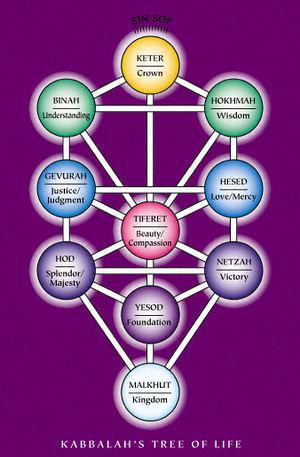
WEEK 4 ― NETZACH ― ENDURANCE
During the fourth week of counting the Omer, we examine and refine the emotional attribute of endurance known as Netzach. Netzach means endurance, fortitude and ambition and is a combination of determination and tenacity. It is a balance of patience, persistence and guts. Endurance is also being reliable and accountable, which establishes security and commitment.
Without endurance, any good endeavor or intention has no chance of success. Endurance means to be alive, to be driven by what counts. It is the readiness to fight for what you believe, to go all the way. This, of course, requires that endurance be closely examined to ensure that it is used in a healthy and productive manner.
Sovereignty is the cornerstone of endurance. Endurance that encompasses the previous six qualities is indeed a tribute and testimony to the majesty of the human spirit. Is my endurance dignified? Does it bring out the best in me? When faced with hardships do I behave like a king or queen, walking proudly with my head up, confident in my God-given strengths, or do I cower and shrivel up in fear? Exercise for the day: Fight for a dignified cause.