




 Save
Save Copy
Copy Add to Collection
 Export to Google Docs
 Share
Share(כו) וּלְאֶבְיָתָ֨ר הַכֹּהֵ֜ן אָמַ֣ר הַמֶּ֗לֶךְ עֲנָתֹת֙ לֵ֣ךְ עַל־שָׂדֶ֔יךָ כִּ֛י אִ֥ישׁ מָ֖וֶת אָ֑תָּה וּבַיּ֨וֹם הַזֶּ֜ה לֹ֣א אֲמִיתֶ֗ךָ כִּֽי־נָשָׂ֜אתָ אֶת־אֲר֨וֹן אדושם ה׳ לִפְנֵי֙ דָּוִ֣ד אָבִ֔י וְכִ֣י הִתְעַנִּ֔יתָ בְּכֹ֥ל אֲשֶֽׁר־הִתְעַנָּ֖ה אָבִֽי׃ (כז) וַיְגָ֤רֶשׁ שְׁלֹמֹה֙ אֶת־אֶבְיָתָ֔ר מִֽהְי֥וֹת כֹּהֵ֖ן לַה׳ לְמַלֵּא֙ אֶת־דְּבַ֣ר ה׳ אֲשֶׁ֥ר דִּבֶּ֛ר עַל־בֵּ֥ית עֵלִ֖י בְּשִׁלֹֽה׃ {פ}
The aftermath of Adoniyahu's coup, in which Evyatar, heretofore faithful follower of King David and sole survivor of the massacre at Nov, has been thoroughly implicated.(26) To the priest Evyatar, the king said, “Go to your estate at Anatot! You deserve to die, but I shall not put you to death at this time, because you carried the Ark of my Lord GOD before my father David and because you shared all the hardships that my father endured.” (27) So Solomon dismissed Evyatar from his office of priest of the LORD—thus fulfilling what the LORD had spoken at Shiloh regarding the house of Eli.
דִּבְרֵ֥י יִרְמְיָ֖הוּ בֶּן־חִלְקִיָּ֑הוּ מִן־הַכֹּֽהֲנִים֙ אֲשֶׁ֣ר בַּעֲנָת֔וֹת בְּאֶ֖רֶץ בִּנְיָמִֽן׃
The words of Jeremiah son of Hilkiah, one of the priests at Anathoth in the territory of Benjamin.
(טו) כֹּ֣ה ׀ אָמַ֣ר ה׳ ק֣וֹל בְּרָמָ֤ה נִשְׁמָע֙ נְהִי֙ בְּכִ֣י תַמְרוּרִ֔ים רָחֵ֖ל מְבַכָּ֣ה עַל־בָּנֶ֑יהָ מֵאֲנָ֛ה לְהִנָּחֵ֥ם עַל־בָּנֶ֖יהָ כִּ֥י אֵינֶֽנּוּ׃ {ס}
(15) Thus said the LORD: A cry is heard in Ramah— Wailing, bitter weeping— Rachel weeping for her children. She refuses to be comforted For her children, who are gone.
(ב) אֲשֶׁ֨ר הָיָ֤ה דְבַר־ה׳ אֵלָ֔יו בִּימֵ֛י יֹאשִׁיָּ֥הוּ בֶן־אָמ֖וֹן מֶ֣לֶךְ יְהוּדָ֑ה בִּשְׁלֹשׁ־עֶשְׂרֵ֥ה שָׁנָ֖ה לְמׇלְכֽוֹ׃ (ג) וַיְהִ֗י בִּימֵ֨י יְהוֹיָקִ֤ים בֶּן־יֹאשִׁיָּ֙הוּ֙ מֶ֣לֶךְ יְהוּדָ֔ה עַד־תֹּם֙ עַשְׁתֵּ֣י עֶשְׂרֵ֣ה שָׁנָ֔ה לְצִדְקִיָּ֥הוּ בֶן־יֹאשִׁיָּ֖הוּ מֶ֣לֶךְ יְהוּדָ֑ה עַד־גְּל֥וֹת יְרוּשָׁלַ֖͏ִם בַּחֹ֥דֶשׁ הַֽחֲמִישִֽׁי׃ {פ}
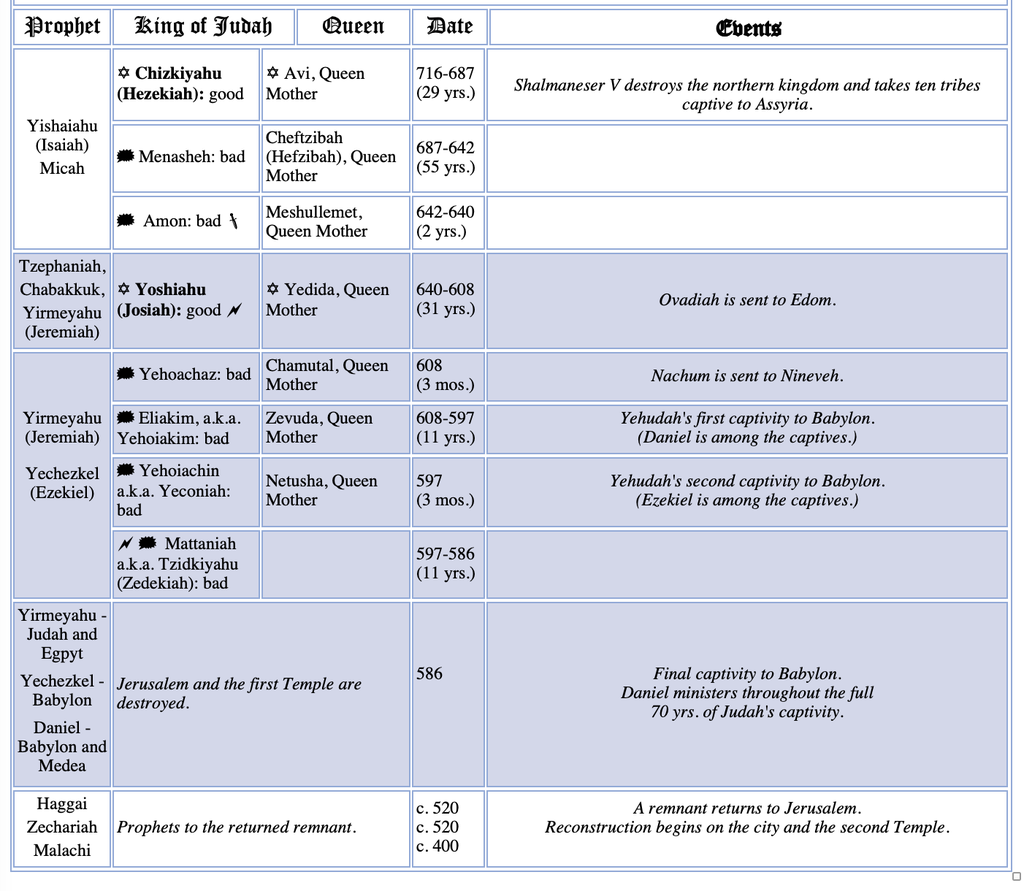
(2) The word of the LORD came to him in the days of King Josiah son of Amon of Judah, in the thirteenth year of his reign, (3) and throughout the days of King Jehoiakim son of Josiah of Judah, and until the end of the eleventh year of King Zedekiah son of Josiah of Judah, when [the court of] Jerusalem went into exile in the fifth month.
(ד) וַיְהִ֥י דְבַר־ה׳ אֵלַ֥י לֵאמֹֽר׃ (ה) בְּטֶ֨רֶם (אצורך) [אֶצׇּרְךָ֤] בַבֶּ֙טֶן֙ יְדַעְתִּ֔יךָ וּבְטֶ֛רֶם תֵּצֵ֥א מֵרֶ֖חֶם הִקְדַּשְׁתִּ֑יךָ נָבִ֥יא לַגּוֹיִ֖ם נְתַתִּֽיךָ׃ (ו) וָאֹמַ֗ר אֲהָהּ֙ אדושם ה׳ הִנֵּ֥ה לֹֽא־יָדַ֖עְתִּי דַּבֵּ֑ר כִּי־נַ֖עַר אָנֹֽכִי׃ {ס} (ז) וַיֹּ֤אמֶר ה׳ אֵלַ֔י אַל־תֹּאמַ֖ר נַ֣עַר אָנֹ֑כִי כִּ֠י עַֽל־כׇּל־אֲשֶׁ֤ר אֶֽשְׁלָחֲךָ֙ תֵּלֵ֔ךְ וְאֵ֛ת כׇּל־אֲשֶׁ֥ר אֲצַוְּךָ֖ תְּדַבֵּֽר׃ (ח) אַל־תִּירָ֖א מִפְּנֵיהֶ֑ם כִּֽי־אִתְּךָ֥ אֲנִ֛י לְהַצִּלֶ֖ךָ נְאֻם־ה׳׃
(4) The word of the LORD came to me: (5) Before I created you in the womb, I selected you; Before you were born, I consecrated you; I appointed you a prophet concerning the nations. (6) I replied: Aaaaauuggh! Lord GOD! I don’t know how to speak, For I am still a boy. (7) And the LORD said to me: Do not say, “I am still a boy,” But go wherever I send you And speak whatever I command you. (8) Have no fear of them, For I am with you to deliver you —declares the LORD.
(יא) וַיְהִ֤י דְבַר־ה׳ אֵלַ֣י לֵאמֹ֔ר מָה־אַתָּ֥ה רֹאֶ֖ה יִרְמְיָ֑הוּ וָאֹמַ֕ר מַקֵּ֥ל שָׁקֵ֖ד אֲנִ֥י רֹאֶֽה׃ (יב) וַיֹּ֧אמֶר ה׳ אֵלַ֖י הֵיטַ֣בְתָּ לִרְא֑וֹת כִּֽי־שֹׁקֵ֥ד אֲנִ֛י עַל־דְּבָרִ֖י לַעֲשֹׂתֽוֹ׃ {ס}
(11) The word of the LORD came to me: What do you see, Jeremiah? I replied: I see a stick of an almond tree (shaked). (12) The LORD said to me: You have seen right, For I am watchful (shoked) to bring My word to pass.
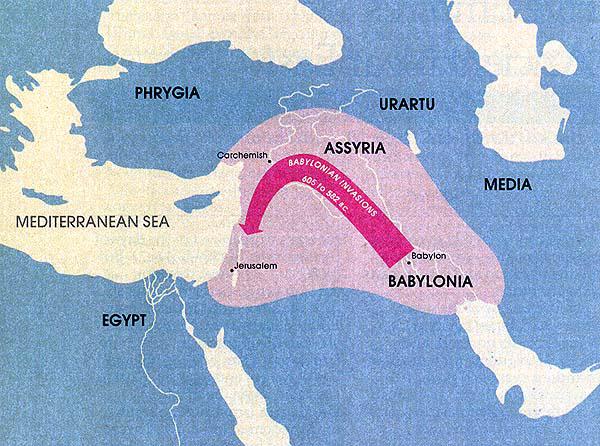
(יג) וַיְהִ֨י דְבַר־ה׳ ׀ אֵלַי֙ שֵׁנִ֣ית לֵאמֹ֔ר מָ֥ה אַתָּ֖ה רֹאֶ֑ה וָאֹמַ֗ר סִ֤יר נָפ֙וּחַ֙ אֲנִ֣י רֹאֶ֔ה וּפָנָ֖יו מִפְּנֵ֥י צָפֽוֹנָה׃ (יד) וַיֹּ֥אמֶר ה׳ אֵלָ֑י מִצָּפוֹן֙ תִּפָּתַ֣ח הָרָעָ֔ה עַ֥ל כׇּל־יֹשְׁבֵ֖י הָאָֽרֶץ׃
(13) And the word of the LORD came to me a second time: What do you see? I replied: I see a steaming pot, Tipped away from the north. (14) And the LORD said to me: From the north shall disaster break loose Upon all the inhabitants of the land!
(יח) וְעַתָּ֗ה מַה־לָּךְ֙ לְדֶ֣רֶךְ מִצְרַ֔יִם לִשְׁתּ֖וֹת מֵ֣י שִׁח֑וֹר וּמַה־לָּךְ֙ לְדֶ֣רֶךְ אַשּׁ֔וּר לִשְׁתּ֖וֹת מֵ֥י נָהָֽר׃ (יט) תְּיַסְּרֵ֣ךְ רָעָתֵ֗ךְ וּמְשֻׁבוֹתַ֙יִךְ֙ תּֽוֹכִחֻ֔ךְ וּדְעִ֤י וּרְאִי֙ כִּֽי־רַ֣ע וָמָ֔ר עׇזְבֵ֖ךְ אֶת־ה׳ אֱלֹקָ֑יִךְ וְלֹ֤א פַחְדָּתִי֙ אֵלַ֔יִךְ נְאֻם־אדושם ה׳ צְבָאֽוֹת׃
(18) What, then, is the good of your going to Egypt To drink the waters of the Nile? And what is the good of your going to Assyria To drink the waters of the Euphrates? (19) Let your misfortune reprove you, Let your afflictions rebuke you; Mark well how bad and bitter it is That you forsake the LORD your God, That awe for Me is not in you —declares the Lord GOD of Hosts.
וְהִיא שֶׁעָמְדָה לַאֲבוֹתֵינוּ וְלָנוּ. שֶׁלֹּא אֶחָד בִּלְבָד עָמַד עָלֵינוּ לְכַלּוֹתֵנוּ, אֶלָּא שֶׁבְּכָל דּוֹר וָדוֹר עוֹמְדִים עָלֵינוּ לְכַלוֹתֵנוּ, וְהַקָּדוֹשׁ בָּרוּךְ הוּא מַצִּילֵנוּ מִיָּדָם.
And it is [God's promise to Avraham] that has stood for our ancestors and for us; since it is not [only] one [enemy] that has stood against us to destroy us, but rather in each generation, they stand against us to destroy us, but the Holy One, blessed be He, rescues us from their hands.
(טו) כִּ֣י ׀ הִנְנִ֣י קֹרֵ֗א לְכׇֽל־מִשְׁפְּח֛וֹת מַמְלְכ֥וֹת צָפ֖וֹנָה נְאֻם־ה׳ וּבָ֡אוּ וְֽנָתְנוּ֩ אִ֨ישׁ כִּסְא֜וֹ פֶּ֣תַח ׀ שַׁעֲרֵ֣י יְרוּשָׁלַ֗͏ִם וְעַ֤ל כׇּל־חוֹמֹתֶ֙יהָ֙ סָבִ֔יב וְעַ֖ל כׇּל־עָרֵ֥י יְהוּדָֽה׃ (טז) וְדִבַּרְתִּ֤י מִשְׁפָּטַי֙ אוֹתָ֔ם עַ֖ל כׇּל־רָעָתָ֑ם אֲשֶׁ֣ר עֲזָב֗וּנִי וַֽיְקַטְּרוּ֙ לֵאלֹקִ֣ים אֲחֵרִ֔ים וַיִּֽשְׁתַּחֲו֖וּ לְמַעֲשֵׂ֥י יְדֵיהֶֽם׃ (יז) וְאַתָּה֙ תֶּאְזֹ֣ר מׇתְנֶ֔יךָ וְקַמְתָּ֙ וְדִבַּרְתָּ֣ אֲלֵיהֶ֔ם אֵ֛ת כׇּל־אֲשֶׁ֥ר אָנֹכִ֖י אֲצַוֶּ֑ךָּ אַל־תֵּחַת֙ מִפְּנֵיהֶ֔ם פֶּֽן־אֲחִתְּךָ֖ לִפְנֵיהֶֽם׃ (יח) וַאֲנִ֞י הִנֵּ֧ה נְתַתִּ֣יךָ הַיּ֗וֹם לְעִ֨יר מִבְצָ֜ר וּלְעַמּ֥וּד בַּרְזֶ֛ל וּלְחֹמ֥וֹת נְחֹ֖שֶׁת עַל־כׇּל־הָאָ֑רֶץ לְמַלְכֵ֤י יְהוּדָה֙ לְשָׂרֶ֔יהָ לְכֹהֲנֶ֖יהָ וּלְעַ֥ם הָאָֽרֶץ׃ (יט) וְנִלְחֲמ֥וּ אֵלֶ֖יךָ וְלֹא־י֣וּכְלוּ לָ֑ךְ כִּי־אִתְּךָ֥ אֲנִ֛י נְאֻם־ה׳ לְהַצִּילֶֽךָ׃ {פ}
(15) For I am summoning all the peoples Of the kingdoms of the north —declares the LORD. They shall come, and shall each set up a throne Before the gates of Jerusalem, Against its walls round about, And against all the towns of Judah. (16) And I will argue My case against them For all their wickedness: They have forsaken Me And sacrificed to other gods And worshiped the works of their hands. (17) So you, gird up your loins, Arise and speak to them All that I command you. Do not break down before them, Lest I break you before them. (18) I make you this day A fortified city, And an iron pillar, And bronze walls Against the whole land— Against Judah’s kings and officers, And against its priests and citizens. (19) They will attack you, But they shall not overcome you; For I am with you—declares the LORD—to save you.
(ח) וַיְהִ֣י ׀ כְּכַלּ֣וֹת יִרְמְיָ֗הוּ לְדַבֵּר֙ אֵ֣ת כׇּל־אֲשֶׁר־צִוָּ֣ה ה׳ לְדַבֵּ֖ר אֶל־כׇּל־הָעָ֑ם וַיִּתְפְּשׂ֨וּ אֹת֜וֹ הַכֹּהֲנִ֧ים וְהַנְּבִיאִ֛ים וְכׇל־הָעָ֥ם לֵאמֹ֖ר מ֥וֹת תָּמֽוּת׃ (ט) מַדּ֩וּעַ֩ נִבֵּ֨יתָ בְשֵׁם־ה׳ לֵאמֹ֗ר כְּשִׁלוֹ֙ יִֽהְיֶה֙ הַבַּ֣יִת הַזֶּ֔ה וְהָעִ֥יר הַזֹּ֛את תֶּחֱרַ֖ב מֵאֵ֣ין יוֹשֵׁ֑ב וַיִּקָּהֵ֧ל כׇּל־הָעָ֛ם אֶֽל־יִרְמְיָ֖הוּ בְּבֵ֥ית ה׳׃ (י) וַֽיִּשְׁמְע֣וּ ׀ שָׂרֵ֣י יְהוּדָ֗ה אֵ֚ת הַדְּבָרִ֣ים הָאֵ֔לֶּה וַיַּעֲל֥וּ מִבֵּית־הַמֶּ֖לֶךְ בֵּ֣ית ה׳ וַיֵּ֥שְׁב֛וּ בְּפֶ֥תַח שַֽׁעַר־ה׳ הֶחָדָֽשׁ׃ {ס}
(8) And when Jeremiah finished speaking all that the LORD had commanded him to speak to all the people, the priests and the prophets and all the people seized him, shouting, “You shall die! (9) How dare you prophesy in the name of the LORD that this House shall become like Shiloh and this city be made desolate, without inhabitants?” And all the people crowded about Jeremiah in the House of the LORD. (10) When the officials of Judah heard about this, they went up from the king’s palace to the House of the LORD and held a session at the entrance of the New Gate of the House of the LORD.
(יב) וַיֹּ֤אמֶר יִרְמְיָ֙הוּ֙ אֶל־כׇּל־הַשָּׂרִ֔ים וְאֶל־כׇּל־הָעָ֖ם לֵאמֹ֑ר ה׳ שְׁלָחַ֗נִי לְהִנָּבֵ֞א אֶל־הַבַּ֤יִת הַזֶּה֙ וְאֶל־הָעִ֣יר הַזֹּ֔את אֵ֥ת כׇּל־הַדְּבָרִ֖ים אֲשֶׁ֥ר שְׁמַעְתֶּֽם׃ (יג) וְעַתָּ֗ה הֵיטִ֤יבוּ דַרְכֵיכֶם֙ וּמַ֣עַלְלֵיכֶ֔ם וְשִׁמְע֕וּ בְּק֖וֹל ה׳ אֱלֹקֵיכֶ֑ם וְיִנָּחֵ֣ם ה׳ אֶל־הָ֣רָעָ֔ה אֲשֶׁ֥ר דִּבֶּ֖ר עֲלֵיכֶֽם׃ (יד) וַאֲנִ֖י הִנְנִ֣י בְיֶדְכֶ֑ם עֲשׂוּ־לִ֛י כַּטּ֥וֹב וְכַיָּשָׁ֖ר בְּעֵינֵיכֶֽם׃ (טו) אַ֣ךְ ׀ יָדֹ֣עַ תֵּדְע֗וּ כִּ֣י אִם־מְמִתִ֣ים אַתֶּם֮ אֹתִי֒ כִּי־דָ֣ם נָקִ֗י אַתֶּם֙ נֹתְנִ֣ים עֲלֵיכֶ֔ם וְאֶל־הָעִ֥יר הַזֹּ֖את וְאֶל־יֹשְׁבֶ֑יהָ כִּ֣י בֶאֱמֶ֗ת שְׁלָחַ֤נִי ה׳ עֲלֵיכֶ֔ם לְדַבֵּר֙ בְּאׇזְנֵיכֶ֔ם אֵ֥ת כׇּל־הַדְּבָרִ֖ים הָאֵֽלֶּה׃ {ס} (טז) וַיֹּאמְר֤וּ הַשָּׂרִים֙ וְכׇל־הָעָ֔ם אֶל־הַכֹּהֲנִ֖ים וְאֶל־הַנְּבִיאִ֑ים אֵין־לָאִ֤ישׁ הַזֶּה֙ מִשְׁפַּט־מָ֔וֶת כִּ֗י בְּשֵׁ֛ם ה׳ אֱלֹקֵ֖ינוּ דִּבֶּ֥ר אֵלֵֽינוּ׃ (יז) וַיָּקֻ֣מוּ אֲנָשִׁ֔ים מִזִּקְנֵ֖י הָאָ֑רֶץ וַיֹּ֣אמְר֔וּ אֶל־כׇּל־קְהַ֥ל הָעָ֖ם לֵאמֹֽר׃ (יח) (מיכיה) [מִיכָה֙] הַמּ֣וֹרַשְׁתִּ֔י הָיָ֣ה נִבָּ֔א בִּימֵ֖י חִזְקִיָּ֣הוּ מֶלֶךְ־יְהוּדָ֑ה וַיֹּ֣אמֶר אֶל־כׇּל־עַם֩ יְהוּדָ֨ה לֵאמֹ֜ר כֹּה־אָמַ֣ר ׀ ה׳ צְבָא֗וֹת צִיּ֞וֹן שָׂדֶ֤ה תֵחָרֵשׁ֙ וִירוּשָׁלַ֙יִם֙ עִיִּ֣ים תִּֽהְיֶ֔ה וְהַ֥ר הַבַּ֖יִת לְבָמ֥וֹת יָֽעַר׃ (יט) הֶהָמֵ֣ת הֱ֠מִתֻ֠הוּ חִזְקִיָּ֨הוּ מֶֽלֶךְ־יְהוּדָ֜ה וְכׇל־יְהוּדָ֗ה הֲלֹא֮ יָרֵ֣א אֶת־ה׳ וַיְחַל֙ אֶת־פְּנֵ֣י ה׳ וַיִּנָּ֣חֶם ה׳ אֶל־הָרָעָ֖ה אֲשֶׁר־דִּבֶּ֣ר עֲלֵיהֶ֑ם וַאֲנַ֗חְנוּ עֹשִׂ֛ים רָעָ֥ה גְדוֹלָ֖ה עַל־נַפְשׁוֹתֵֽינוּ׃
(12) Jeremiah said to the officials and to all the people, “It was the LORD who sent me to prophesy against this House and this city all the words you heard. (13) Therefore mend your ways and your acts, and heed the LORD your God, that the LORD may renounce the punishment He has decreed for you. (14) As for me, I am in your hands: do to me what seems good and right to you. (15) But know that if you put me to death, you and this city and its inhabitants will be guilty of shedding the blood of an innocent man. For in truth the LORD has sent me to you, to speak all these words to you.” (16) Then the officials and all the people said to the priests and prophets, “This man does not deserve the death penalty, for he spoke to us in the name of the LORD our God.” (17) And some of the elders of the land arose and said to the entire assemblage of the people, (18) “Micah the Morashtite, who prophesied in the days of King Hezekiah of Judah, said to all the people of Judah: ‘Thus said the LORD of Hosts: Zion shall be plowed as a field, Jerusalem shall become heaps of ruins And the Temple Mount a shrine in the woods.’ (19) “Did King Hezekiah of Judah, and all Judah, put him to death? Did he not rather fear the LORD and implore the LORD, so that the LORD renounced the punishment He had decreed against them? We are about to do great injury to ourselves!”
(ח) הַדָּבָ֛ר אֲשֶׁר־הָיָ֥ה אֶֽל־יִרְמְיָ֖הוּ מֵאֵ֣ת ה׳ אַחֲרֵ֡י כְּרֹת֩ הַמֶּ֨לֶךְ צִדְקִיָּ֜הוּ בְּרִ֗ית אֶת־כׇּל־הָעָם֙ אֲשֶׁ֣ר בִּירוּשָׁלַ֔͏ִם לִקְרֹ֥א לָהֶ֖ם דְּרֽוֹר׃ (ט) לְ֠שַׁלַּ֠ח אִ֣ישׁ אֶת־עַבְדּ֞וֹ וְאִ֧ישׁ אֶת־שִׁפְחָת֛וֹ הָעִבְרִ֥י וְהָעִבְרִיָּ֖ה חׇפְשִׁ֑ים לְבִלְתִּ֧י עֲבׇד־בָּ֛ם בִּיהוּדִ֥י אָחִ֖יהוּ אִֽישׁ׃ (י) וַיִּשְׁמְעוּ֩ כׇל־הַשָּׂרִ֨ים וְכׇל־הָעָ֜ם אֲשֶׁר־בָּ֣אוּ בַבְּרִ֗ית לְ֠שַׁלַּ֠ח אִ֣ישׁ אֶת־עַבְדּ֞וֹ וְאִ֤ישׁ אֶת־שִׁפְחָתוֹ֙ חׇפְשִׁ֔ים לְבִלְתִּ֥י עֲבׇד־בָּ֖ם ע֑וֹד וַֽיִּשְׁמְע֖וּ וַיְשַׁלֵּֽחוּ׃ (יא) וַיָּשׁ֙וּבוּ֙ אַחֲרֵי־כֵ֔ן וַיָּשִׁ֗בוּ אֶת־הָֽעֲבָדִים֙ וְאֶת־הַשְּׁפָח֔וֹת אֲשֶׁ֥ר שִׁלְּח֖וּ חׇפְשִׁ֑ים (ויכבישום) [וַֽיִּכְבְּשׁ֔וּם] לַעֲבָדִ֖ים וְלִשְׁפָחֽוֹת׃ {פ}
(8) The word which came to Jeremiah from the LORD after King Zedekiah had made a covenant with all the people in Jerusalem to proclaim a release among them— (9) that everyone should set free his Hebrew slaves, both male and female, and that no one should keep his fellow Judean enslaved. (10) Everyone, officials and people, who had entered into the covenant agreed to set their male and female slaves free and not keep them enslaved any longer; they complied and let them go. (11) But afterward they turned about and brought back the men and women they had set free, and forced them into slavery again.
(יב) וַיְהִ֤י דְבַר־ה׳ אֶֽל־יִרְמְיָ֔הוּ מֵאֵ֥ת ה׳ לֵאמֹֽר׃ (יג) כֹּה־אָמַ֥ר ה׳ אֱלֹקֵ֣י יִשְׂרָאֵ֑ל אָנֹכִ֗י כָּרַ֤תִּֽי בְרִית֙ אֶת־אֲב֣וֹתֵיכֶ֔ם בְּי֨וֹם הוֹצִאִ֤י אוֹתָם֙ מֵאֶ֣רֶץ מִצְרַ֔יִם מִבֵּ֥ית עֲבָדִ֖ים לֵאמֹֽר׃ (יד) מִקֵּ֣ץ שֶׁ֣בַע שָׁנִ֡ים תְּֽשַׁלְּח֡וּ אִישׁ֩ אֶת־אָחִ֨יו הָעִבְרִ֜י אֲשֶֽׁר־יִמָּכֵ֣ר לְךָ֗ וַעֲבָֽדְךָ֙ שֵׁ֣שׁ שָׁנִ֔ים וְשִׁלַּחְתּ֥וֹ חׇפְשִׁ֖י מֵֽעִמָּ֑ךְ וְלֹֽא־שָׁמְע֤וּ אֲבֽוֹתֵיכֶם֙ אֵלַ֔י וְלֹ֥א הִטּ֖וּ אֶת־אׇזְנָֽם׃ (טו) וַתָּשֻׁ֨בוּ אַתֶּ֜ם הַיּ֗וֹם וַתַּעֲשׂ֤וּ אֶת־הַיָּשָׁר֙ בְּעֵינַ֔י לִקְרֹ֥א דְר֖וֹר אִ֣ישׁ לְרֵעֵ֑הוּ וַתִּכְרְת֤וּ בְרִית֙ לְפָנַ֔י בַּבַּ֕יִת אֲשֶׁר־נִקְרָ֥א שְׁמִ֖י עָלָֽיו׃ (טז) וַתָּשֻׁ֙בוּ֙ וַתְּחַלְּל֣וּ אֶת־שְׁמִ֔י וַתָּשִׁ֗בוּ אִ֤ישׁ אֶת־עַבְדּוֹ֙ וְאִ֣ישׁ אֶת־שִׁפְחָת֔וֹ אֲשֶׁר־שִׁלַּחְתֶּ֥ם חׇפְשִׁ֖ים לְנַפְשָׁ֑ם וַתִּכְבְּשׁ֣וּ אֹתָ֔ם לִֽהְי֣וֹת לָכֶ֔ם לַעֲבָדִ֖ים וְלִשְׁפָחֽוֹת׃ {ס} (יז) לָכֵן֮ כֹּֽה־אָמַ֣ר ה׳ אַתֶּם֙ לֹא־שְׁמַעְתֶּ֣ם אֵלַ֔י לִקְרֹ֣א דְר֔וֹר אִ֥ישׁ לְאָחִ֖יו וְאִ֣ישׁ לְרֵעֵ֑הוּ הִנְנִ֣י קֹרֵא֩ לָכֶ֨ם דְּר֜וֹר נְאֻם־ה׳ אֶל־הַחֶ֙רֶב֙ אֶל־הַדֶּ֣בֶר וְאֶל־הָרָעָ֔ב וְנָֽתַתִּ֤י אֶתְכֶם֙ (לזועה) [לְזַעֲוָ֔ה] לְכֹ֖ל מַמְלְכ֥וֹת הָאָֽרֶץ׃ (יח) וְנָתַתִּ֣י אֶת־הָאֲנָשִׁ֗ים הָעֹֽבְרִים֙ אֶת־בְּרִתִ֔י אֲשֶׁ֤ר לֹא־הֵקִ֙ימוּ֙ אֶת־דִּבְרֵ֣י הַבְּרִ֔ית אֲשֶׁ֥ר כָּרְת֖וּ לְפָנָ֑י הָעֵ֙גֶל֙ אֲשֶׁ֣ר כָּרְת֣וּ לִשְׁנַ֔יִם וַיַּעַבְר֖וּ בֵּ֥ין בְּתָרָֽיו׃
(12) Then it was that the word of the LORD came to Jeremiah from the LORD: (13) Thus said the LORD, the God of Israel: I made a covenant with your fathers when I brought them out of the land of Egypt, the house of bondage, saying: (14) “In the seventh year each of you must let go any fellow Hebrew who may be sold to you; when he has served you six years, you must set him free.” But your fathers would not obey Me or give ear. (15) Lately you turned about and did what is proper in My sight, and each of you proclaimed a release to his countrymen; and you made a covenant accordingly before Me in the House which bears My name. (16) But now you have turned back and have profaned My name; each of you has brought back the men and women whom you had given their freedom, and forced them to be your slaves again. (17) Assuredly, thus said the LORD: You would not obey Me and proclaim a release, each to his kinsman and countryman. Lo! I proclaim your release—declares the LORD—to the sword, to pestilence, and to famine; and I will make you a horror to all the kingdoms of the earth. (18) I will make the men who violated My covenant, who did not fulfill the terms of the covenant which they made before Me, [like] the calf which they cut in two so as to pass between the halves:
(כה) כִּֽי־יָמ֣וּךְ אָחִ֔יךָ וּמָכַ֖ר מֵאֲחֻזָּת֑וֹ וּבָ֤א גֹֽאֲלוֹ֙ הַקָּרֹ֣ב אֵלָ֔יו וְגָאַ֕ל אֵ֖ת מִמְכַּ֥ר אָחִֽיו׃ (כו) וְאִ֕ישׁ כִּ֛י לֹ֥א יִֽהְיֶה־לּ֖וֹ גֹּאֵ֑ל וְהִשִּׂ֣יגָה יָד֔וֹ וּמָצָ֖א כְּדֵ֥י גְאֻלָּתֽוֹ׃ (כז) וְחִשַּׁב֙ אֶת־שְׁנֵ֣י מִמְכָּר֔וֹ וְהֵשִׁיב֙ אֶת־הָ֣עֹדֵ֔ף לָאִ֖ישׁ אֲשֶׁ֣ר מָֽכַר־ל֑וֹ וְשָׁ֖ב לַאֲחֻזָּתֽוֹ׃ (כח) וְאִ֨ם לֹֽא־מָצְאָ֜ה יָד֗וֹ דֵּי֮ הָשִׁ֣יב לוֹ֒ וְהָיָ֣ה מִמְכָּר֗וֹ בְּיַד֙ הַקֹּנֶ֣ה אֹת֔וֹ עַ֖ד שְׁנַ֣ת הַיּוֹבֵ֑ל וְיָצָא֙ בַּיֹּבֵ֔ל וְשָׁ֖ב לַאֲחֻזָּתֽוֹ׃ {ס}
(25) If your brother is in straits and has to sell part of a holding, the nearest redeemer who is his relation shall come and redeem what that relative has sold. (26) If any party has no one to be redeemer but prospers and acquires enough to redeem with, (27) the years since its sale shall be computed and the difference shall be refunded to the party to whom it was sold, so that the person returns to that holding. (28) If that person lacks sufficient means to recover it, what was sold shall remain with the purchaser until the jubilee; in the jubilee year it shall be released, so that the person returns to that holding.
(ו) וַיֹּ֖אמֶר יִרְמְיָ֑הוּ הָיָ֥ה דְבַר־ה׳ אֵלַ֥י לֵאמֹֽר׃ (ז) הִנֵּ֣ה חֲנַמְאֵ֗ל בֶּן־שַׁלֻּם֙ דֹּֽדְךָ֔ בָּ֥א אֵלֶ֖יךָ לֵאמֹ֑ר קְנֵ֣ה לְךָ֗ אֶת־שָׂדִי֙ אֲשֶׁ֣ר בַּעֲנָת֔וֹת כִּ֥י לְךָ֛ מִשְׁפַּ֥ט הַגְּאֻלָּ֖ה לִקְנֽוֹת׃ (ח) וַיָּבֹ֣א אֵ֠לַ֠י חֲנַמְאֵ֨ל בֶּן־דֹּדִ֜י כִּדְבַ֣ר ה׳ אֶל־חֲצַ֣ר הַמַּטָּרָה֒ וַיֹּ֣אמֶר אֵלַ֡י קְנֵ֣ה נָ֠א אֶת־שָׂדִ֨י אֲשֶׁר־בַּעֲנָת֜וֹת אֲשֶׁ֣ר ׀ בְּאֶ֣רֶץ בִּנְיָמִ֗ין כִּֽי־לְךָ֞ מִשְׁפַּ֧ט הַיְרֻשָּׁ֛ה וּלְךָ֥ הַגְּאֻלָּ֖ה קְנֵה־לָ֑ךְ וָאֵדַ֕ע כִּ֥י דְבַר־ה׳ הֽוּא׃ (ט) וָֽאֶקְנֶה֙ אֶת־הַשָּׂדֶ֔ה מֵאֵ֛ת חֲנַמְאֵ֥ל בֶּן־דֹּדִ֖י אֲשֶׁ֣ר בַּעֲנָת֑וֹת וָֽאֶשְׁקְלָה־לּוֹ֙ אֶת־הַכֶּ֔סֶף שִׁבְעָ֥ה שְׁקָלִ֖ים וַעֲשָׂרָ֥ה הַכָּֽסֶף׃ (י) וָאֶכְתֹּ֤ב בַּסֵּ֙פֶר֙ וָֽאֶחְתֹּ֔ם וָאָעֵ֖ד עֵדִ֑ים וָאֶשְׁקֹ֥ל הַכֶּ֖סֶף בְּמֹאזְנָֽיִם׃ (יא) וָאֶקַּ֖ח אֶת־סֵ֣פֶר הַמִּקְנָ֑ה אֶת־הֶֽחָת֛וּם הַמִּצְוָ֥ה וְהַחֻקִּ֖ים וְאֶת־הַגָּלֽוּי׃ (יב) וָאֶתֵּ֞ן אֶת־הַסֵּ֣פֶר הַמִּקְנָ֗ה אֶל־בָּר֣וּךְ בֶּן־נֵרִיָּה֮ בֶּן־מַחְסֵיָה֒ לְעֵינֵי֙ חֲנַמְאֵ֣ל דֹּדִ֔י וּלְעֵינֵי֙ הָֽעֵדִ֔ים הַכֹּתְבִ֖ים בְּסֵ֣פֶר הַמִּקְנָ֑ה לְעֵינֵי֙ כׇּל־הַיְּהוּדִ֔ים הַיֹּשְׁבִ֖ים בַּחֲצַ֥ר הַמַּטָּרָֽה׃ (יג) וָאֲצַוֶּה֙ אֶת־בָּר֔וּךְ לְעֵינֵיהֶ֖ם לֵאמֹֽר׃ (יד) כֹּה־אָמַר֩ ה׳ צְבָא֜וֹת אֱלֹקֵ֣י יִשְׂרָאֵ֗ל לָק֣וֹחַ אֶת־הַסְּפָרִ֣ים הָאֵ֡לֶּה אֵ֣ת סֵ֩פֶר֩ הַמִּקְנָ֨ה הַזֶּ֜ה וְאֵ֣ת הֶחָת֗וּם וְאֵ֨ת סֵ֤פֶר הַגָּלוּי֙ הַזֶּ֔ה וּנְתַתָּ֖ם בִּכְלִי־חָ֑רֶשׂ לְמַ֥עַן יַעַמְד֖וּ יָמִ֥ים רַבִּֽים׃ {ס} (טו) כִּ֣י כֹ֥ה אָמַ֛ר ה׳ צְבָא֖וֹת אֱלֹקֵ֣י יִשְׂרָאֵ֑ל ע֣וֹד יִקָּנ֥וּ בָתִּ֛ים וְשָׂד֥וֹת וּכְרָמִ֖ים בָּאָ֥רֶץ הַזֹּֽאת׃ {פ}
(6) Jeremiah said: The word of the LORD came to me: (7) Hanamel, the son of your uncle Shallum, will come to you and say, “Buy my land in Anathoth, for you are next in succession to redeem it by purchase.” (8) And just as the LORD had said, my cousin Hanamel came to me in the prison compound and said to me, “Please buy my land in Anathoth, in the territory of Benjamin; for the right of succession is yours, and you have the duty of redemption. Buy it.” Then I knew that it was indeed the word of the LORD. (9) So I bought the land in Anathoth from my cousin Hanamel. I weighed out the money to him, seventeen shekels of silver. (10) I wrote a deed, sealed it, and had it witnessed; and I weighed out the silver on a balance. (11) I took the deed of purchase, the sealed text and the open one according to rule and law, (12) and gave the deed to Baruch son of Neriah son of Mahseiah in the presence of my kinsman Hanamel, of the witnesses who were named in the deed, and all the Judeans who were sitting in the prison compound. (13) In their presence I charged Baruch as follows: (14) Thus said the LORD of Hosts, the God of Israel: “Take these documents, this deed of purchase, the sealed text and the open one, and put them into an earthen jar, so that they may last a long time.” (15) For thus said the LORD of Hosts, the God of Israel: “Houses, fields, and vineyards shall again be purchased in this land.”
(טז) וָאֶתְפַּלֵּ֖ל אֶל־ה׳ אַחֲרֵ֤י תִתִּי֙ אֶת־סֵ֣פֶר הַמִּקְנָ֔ה אֶל־בָּר֥וּךְ בֶּן־נֵרִיָּ֖ה לֵאמֹֽר׃ (יז) אֲהָהּ֮ אדושם ה׳ הִנֵּ֣ה ׀ אַתָּ֣ה עָשִׂ֗יתָ אֶת־הַשָּׁמַ֙יִם֙ וְאֶת־הָאָ֔רֶץ בְּכֹֽחֲךָ֙ הַגָּד֔וֹל וּבִֽזְרֹעֲךָ֖ הַנְּטוּיָ֑ה לֹֽא־יִפָּלֵ֥א מִמְּךָ֖ כׇּל־דָּבָֽר׃
(16) But after I had given the deed to Baruch son of Neriah, I prayed to the LORD: (17) “Ah, Lord GOD! You made heaven and earth with Your great might and outstretched arm. Nothing is too wondrous for You!
(כא) וַתֹּצֵ֛א אֶת־עַמְּךָ֥ אֶת־יִשְׂרָאֵ֖ל מֵאֶ֣רֶץ מִצְרָ֑יִם בְּאֹת֣וֹת וּבְמוֹפְתִ֗ים וּבְיָ֤ד חֲזָקָה֙ וּבְאֶזְר֣וֹעַ נְטוּיָ֔ה וּבְמוֹרָ֖א גָּדֽוֹל׃ (כב) וַתִּתֵּ֤ן לָהֶם֙ אֶת־הָאָ֣רֶץ הַזֹּ֔את אֲשֶׁר־נִשְׁבַּ֥עְתָּ לַאֲבוֹתָ֖ם לָתֵ֣ת לָהֶ֑ם אֶ֛רֶץ זָבַ֥ת חָלָ֖ב וּדְבָֽשׁ׃ (כג) וַיָּבֹ֜אוּ וַיִּֽרְשׁ֣וּ אֹתָ֗הּ וְלֹֽא־שָׁמְע֤וּ בְקוֹלֶ֙ךָ֙ (ובתרותך) [וּבְתוֹרָתְךָ֣] לֹא־הָלָ֔כוּ אֵת֩ כׇּל־אֲשֶׁ֨ר צִוִּ֧יתָה לָהֶ֛ם לַעֲשׂ֖וֹת לֹ֣א עָשׂ֑וּ וַתַּקְרֵ֣א אֹתָ֔ם אֵ֥ת כׇּל־הָרָעָ֖ה הַזֹּֽאת׃ (כד) הִנֵּ֣ה הַסֹּלְל֗וֹת בָּ֣אוּ הָעִיר֮ לְלׇכְדָהּ֒ וְהָעִ֣יר נִתְּנָ֗ה בְּיַ֤ד הַכַּשְׂדִּים֙ הַנִּלְחָמִ֣ים עָלֶ֔יהָ מִפְּנֵ֛י הַחֶ֥רֶב וְהָרָעָ֖ב וְהַדָּ֑בֶר וַאֲשֶׁ֥ר דִּבַּ֛רְתָּ הָיָ֖ה וְהִנְּךָ֥ רֹאֶֽה׃ (כה) וְאַתָּ֞ה אָמַ֤רְתָּ אֵלַי֙ אדושם ה׳ קְנֵֽה־לְךָ֧ הַשָּׂדֶ֛ה בַּכֶּ֖סֶף וְהָעֵ֣ד עֵדִ֑ים וְהָעִ֥יר נִתְּנָ֖ה בְּיַ֥ד הַכַּשְׂדִּֽים׃ {ס} (כו) וַֽיְהִי֙ דְּבַר־ה׳ אֶֽל־יִרְמְיָ֖הוּ לֵאמֹֽר׃ (כז) הִנֵּה֙ אֲנִ֣י ה׳ אֱלֹקֵ֖י כׇּל־בָּשָׂ֑ר הֲֽמִמֶּ֔נִּי יִפָּלֵ֖א כׇּל־דָּבָֽר׃
(21) You freed Your people Israel from the land of Egypt with signs and marvels, with a strong hand and an outstretched arm, and with great terror. (22) You gave them this land that You had sworn to their fathers to give them, a land flowing with milk and honey, (23) and they came and took possession of it. But they did not listen to You or follow Your Teaching; they did nothing of what You commanded them to do. Therefore you have caused all this misfortune to befall them. (24) Here are the siegemounds, raised against the city to storm it; and the city, because of sword and famine and pestilence, is at the mercy of the Chaldeans who are attacking it. What You threatened has come to pass—as You see. (25) Yet You, Lord GOD, said to me: Buy the land for money and call in witnesses—when the city is at the mercy of the Chaldeans!” (26) Then the word of the LORD came to Jeremiah: (27) “Behold I am the LORD, the God of all flesh. Is anything too wondrous for Me?
(כח) לָכֵ֕ן כֹּ֖ה אָמַ֣ר ה׳ הִנְנִ֣י נֹתֵן֩ אֶת־הָעִ֨יר הַזֹּ֜את בְּיַ֣ד הַכַּשְׂדִּ֗ים וּבְיַ֛ד נְבוּכַדְרֶאצַּ֥ר מֶלֶךְ־בָּבֶ֖ל וּלְכָדָֽהּ׃ (כט) וּבָ֣אוּ הַכַּשְׂדִּ֗ים הַנִּלְחָמִים֙ עַל־הָעִ֣יר הַזֹּ֔את וְהִצִּ֜יתוּ אֶת־הָעִ֥יר הַזֹּ֛את בָּאֵ֖שׁ וּשְׂרָפ֑וּהָ וְאֵ֣ת הַבָּתִּ֡ים אֲשֶׁר֩ קִטְּר֨וּ עַל־גַּגּוֹתֵיהֶ֜ם לַבַּ֗עַל וְהִסִּ֤כוּ נְסָכִים֙ לֵאלֹקִ֣ים אֲחֵרִ֔ים לְמַ֖עַן הַכְעִסֵֽנִי׃ (ל) כִּֽי־הָי֨וּ בְנֵי־יִשְׂרָאֵ֜ל וּבְנֵ֣י יְהוּדָ֗ה אַ֣ךְ עֹשִׂ֥ים הָרַ֛ע בְּעֵינַ֖י מִנְּעֻרֹֽתֵיהֶ֑ם כִּ֣י בְנֵֽי־יִשְׂרָאֵ֗ל אַ֣ךְ מַכְעִסִ֥ים אֹתִ֛י בְּמַעֲשֵׂ֥ה יְדֵיהֶ֖ם נְאֻם־ה׳׃ (לא) כִּ֧י עַל־אַפִּ֣י וְעַל־חֲמָתִ֗י הָ֤יְתָה לִּי֙ הָעִ֣יר הַזֹּ֔את לְמִן־הַיּוֹם֙ אֲשֶׁ֣ר בָּנ֣וּ אוֹתָ֔הּ וְעַ֖ד הַיּ֣וֹם הַזֶּ֑ה לַהֲסִירָ֖הּ מֵעַ֥ל פָּנָֽי׃ (לב) עַל֩ כׇּל־רָעַ֨ת בְּנֵי־יִשְׂרָאֵ֜ל וּבְנֵ֣י יְהוּדָ֗ה אֲשֶׁ֤ר עָשׂוּ֙ לְהַכְעִסֵ֔נִי הֵ֤מָּה מַלְכֵיהֶם֙ שָׂרֵיהֶ֔ם כֹּהֲנֵיהֶ֖ם וּנְבִיאֵיהֶ֑ם וְאִ֣ישׁ יְהוּדָ֔ה וְיֹשְׁבֵ֖י יְרוּשָׁלָֽ͏ִם׃ (לג) וַיִּפְנ֥וּ אֵלַ֛י עֹ֖רֶף וְלֹ֣א פָנִ֑ים וְלַמֵּ֤ד אֹתָם֙ הַשְׁכֵּ֣ם וְלַמֵּ֔ד וְאֵינָ֥ם שֹׁמְעִ֖ים לָקַ֥חַת מוּסָֽר׃ (לד) וַיָּשִׂ֣ימוּ שִׁקּוּצֵיהֶ֗ם בַּבַּ֛יִת אֲשֶׁר־נִקְרָֽא־שְׁמִ֥י עָלָ֖יו לְטַמְּאֽוֹ׃ (לה) וַיִּבְנוּ֩ אֶת־בָּמ֨וֹת הַבַּ֜עַל אֲשֶׁ֣ר ׀ בְּגֵ֣יא בֶן־הִנֹּ֗ם לְ֠הַעֲבִ֠יר אֶת־בְּנֵיהֶ֣ם וְאֶת־בְּנוֹתֵיהֶם֮ לַמֹּ֒לֶךְ֒ אֲשֶׁ֣ר לֹֽא־צִוִּיתִ֗ים וְלֹ֤א עָֽלְתָה֙ עַל־לִבִּ֔י לַעֲשׂ֖וֹת הַתּוֹעֵבָ֣ה הַזֹּ֑את לְמַ֖עַן הַחֲטִ֥י אֶת־יְהוּדָֽה׃ {ס} (לו) וְעַתָּ֕ה לָכֵ֛ן כֹּה־אָמַ֥ר ה׳ אֱלֹקֵ֣י יִשְׂרָאֵ֑ל אֶל־הָעִ֣יר הַזֹּ֔את אֲשֶׁ֣ר ׀ אַתֶּ֣ם אֹמְרִ֗ים נִתְּנָה֙ בְּיַ֣ד מֶֽלֶךְ־בָּבֶ֔ל בַּחֶ֖רֶב וּבָרָעָ֥ב וּבַדָּֽבֶר׃ (לז) הִנְנִ֤י מְקַבְּצָם֙ מִכׇּל־הָ֣אֲרָצ֔וֹת אֲשֶׁ֨ר הִדַּחְתִּ֥ים שָׁ֛ם בְּאַפִּ֥י וּבַחֲמָתִ֖י וּבְקֶ֣צֶף גָּד֑וֹל וַהֲשִֽׁבֹתִים֙ אֶל־הַמָּק֣וֹם הַזֶּ֔ה וְהֹשַׁבְתִּ֖ים לָבֶֽטַח׃ (לח) וְהָ֥יוּ לִ֖י לְעָ֑ם וַאֲנִ֕י אֶהְיֶ֥ה לָהֶ֖ם לֵאלֹקִֽים׃ (לט) וְנָתַתִּ֨י לָהֶ֜ם לֵ֤ב אֶחָד֙ וְדֶ֣רֶךְ אֶחָ֔ד לְיִרְאָ֥ה אוֹתִ֖י כׇּל־הַיָּמִ֑ים לְט֣וֹב לָהֶ֔ם וְלִבְנֵיהֶ֖ם אַחֲרֵיהֶֽם׃ (מ) וְכָרַתִּ֤י לָהֶם֙ בְּרִ֣ית עוֹלָ֔ם אֲשֶׁ֤ר לֹֽא־אָשׁוּב֙ מֵאַ֣חֲרֵיהֶ֔ם לְהֵיטִיבִ֖י אוֹתָ֑ם וְאֶת־יִרְאָתִי֙ אֶתֵּ֣ן בִּלְבָבָ֔ם לְבִלְתִּ֖י ס֥וּר מֵעָלָֽי׃
(28) Assuredly, thus said the LORD: I am delivering this city into the hands of the Chaldeans and of King Nebuchadrezzar of Babylon, and he shall capture it. (29) And the Chaldeans who have been attacking this city shall come and set this city on fire and burn it down—with the houses on whose roofs they made offerings to Baal and poured out libations to other gods, so as to vex Me. (30) For the people of Israel and Judah have done nothing but evil in My sight since their youth; the people of Israel have done nothing but vex Me by their conduct—declares the LORD. (31) This city has aroused My anger and My wrath from the day it was built until this day; so that it must be removed from My sight (32) because of all the wickedness of the people of Israel and Judah who have so acted as to vex Me—they, their kings, their officials, their priests and prophets, and the men of Judah and the inhabitants of Jerusalem. (33) They turned their backs to Me, not their faces; though I have taught them persistently, they do not give heed or accept rebuke. (34) They placed their abominations in the House which bears My name and defiled it; (35)and they built the shrines of Baal which are in the Valley of Ben-hinnom, where they offered up their sons and daughters to Molech—when I had never commanded, or even thought [of commanding], that they should do such an abominable thing, and so bring guilt on Judah. (36) But now, assuredly, thus said the LORD, the God of Israel, concerning this city of which you say, “It is being delivered into the hands of the king of Babylon through the sword, through famine, and through pestilence”: (37) See, I will gather them from all the lands to which I have banished them in My anger and wrath, and in great rage; and I will bring them back to this place and let them dwell secure. (38) They shall be My people, and I will be their God. (39) I will give them a single heart and a single nature to revere Me for all time, and it shall be well with them and their children after them. (40) And I will make an everlasting covenant with them that I will not turn away from them and that I will treat them graciously; and I will put into their hearts reverence for Me, so that they do not turn away from Me.
Baruch ben Neriah was Yirmiyahu's secretary--tradition holds that the Book of Jeremiah was written down by Baruch rather than the prophet himself. Baruch shows his courage in the days before King Yehoyakim is arrested and deposed, bringing God's warnings to the officials when it is to dangerous for Yirmiyahu to venture out.
(א) וַֽיְהִי֙ בַּשָּׁנָ֣ה הָרְבִעִ֔ית לִיהוֹיָקִ֥ים בֶּן־יֹאשִׁיָּ֖הוּ מֶ֣לֶךְ יְהוּדָ֑ה הָיָ֞ה הַדָּבָ֤ר הַזֶּה֙ אֶֽל־יִרְמְיָ֔הוּ מֵאֵ֥ת ה׳ לֵאמֹֽר׃ (ב) קַח־לְךָ֮ מְגִלַּת־סֵ֒פֶר֒ וְכָתַבְתָּ֣ אֵלֶ֗יהָ אֵ֣ת כׇּל־הַדְּבָרִ֞ים אֲשֶׁר־דִּבַּ֧רְתִּי אֵלֶ֛יךָ עַל־יִשְׂרָאֵ֥ל וְעַל־יְהוּדָ֖ה וְעַל־כׇּל־הַגּוֹיִ֑ם מִיּ֞וֹם דִּבַּ֤רְתִּי אֵלֶ֙יךָ֙ מִימֵ֣י יֹאשִׁיָּ֔הוּ וְעַ֖ד הַיּ֥וֹם הַזֶּֽה׃ (ג) אוּלַ֤י יִשְׁמְעוּ֙ בֵּ֣ית יְהוּדָ֔ה אֵ֚ת כׇּל־הָ֣רָעָ֔ה אֲשֶׁ֛ר אָנֹכִ֥י חֹשֵׁ֖ב לַעֲשׂ֣וֹת לָהֶ֑ם לְמַ֣עַן יָשׁ֗וּבוּ אִ֚ישׁ מִדַּרְכּ֣וֹ הָרָעָ֔ה וְסָלַחְתִּ֥י לַעֲוֺנָ֖ם וּלְחַטָּאתָֽם׃ {ס} (ד) וַיִּקְרָ֣א יִרְמְיָ֔הוּ אֶת־בָּר֖וּךְ בֶּן־נֵֽרִיָּ֑ה וַיִּכְתֹּ֨ב בָּר֜וּךְ מִפִּ֣י יִרְמְיָ֗הוּ אֵ֣ת כׇּל־דִּבְרֵ֧י ה׳ אֲשֶׁר־דִּבֶּ֥ר אֵלָ֖יו עַל־מְגִלַּת־סֵֽפֶר׃ (ה) וַיְצַוֶּ֣ה יִרְמְיָ֔הוּ אֶת־בָּר֖וּךְ לֵאמֹ֑ר אֲנִ֣י עָצ֔וּר לֹ֣א אוּכַ֔ל לָב֖וֹא בֵּ֥ית ה׳׃ (ו) וּבָאתָ֣ אַתָּ֡ה וְקָרָ֣אתָ בַמְּגִלָּ֣ה אֲשֶׁר־כָּתַֽבְתָּ־מִפִּי֩ אֶת־דִּבְרֵ֨י ה׳ בְּאׇזְנֵ֥י הָעָ֛ם בֵּ֥ית ה׳ בְּי֣וֹם צ֑וֹם וְגַ֨ם בְּאׇזְנֵ֧י כׇל־יְהוּדָ֛ה הַבָּאִ֥ים מֵעָרֵיהֶ֖ם תִּקְרָאֵֽם׃ (ז) אוּלַ֞י תִּפֹּ֤ל תְּחִנָּתָם֙ לִפְנֵ֣י ה׳ וְיָשֻׁ֕בוּ אִ֖ישׁ מִדַּרְכּ֣וֹ הָרָעָ֑ה כִּֽי־גָד֤וֹל הָאַף֙ וְהַ֣חֵמָ֔ה אֲשֶׁר־דִּבֶּ֥ר ה׳ אֶל־הָעָ֥ם הַזֶּֽה׃ (ח) וַיַּ֗עַשׂ בָּרוּךְ֙ בֶּן־נֵ֣רִיָּ֔ה כְּכֹ֥ל אֲשֶׁר־צִוָּ֖הוּ יִרְמְיָ֣הוּ הַנָּבִ֑יא לִקְרֹ֥א בַסֵּ֛פֶר דִּבְרֵ֥י ה׳ בֵּ֥ית ה׳׃ {פ}
(1) In the fourth year of King Jehoiakim son of Josiah of Judah, this word came to Jeremiah from the LORD: (2) Get a scroll and write upon it all the words that I have spoken to you—concerning Israel and Judah and all the nations—from the time I first spoke to you in the days of Josiah to this day. (3) Perhaps when the House of Judah hear of all the disasters I intend to bring upon them, they will turn back from their wicked ways, and I will pardon their iniquity and their sin. (4) So Jeremiah called Baruch son of Neriah; and Baruch wrote down in the scroll, at Jeremiah’s dictation, all the words which the LORD had spoken to him. (5) Jeremiah instructed Baruch, “I am in hiding; I cannot go to the House of the LORD. (6) But you go and read aloud the words of the LORD from the scroll which you wrote at my dictation, to all the people in the House of the LORD on a fast day; thus you will also be reading them to all the Judeans who come in from the towns. (7) Perhaps their entreaty will be accepted by the LORD, if they turn back from their wicked ways. For great is the anger and wrath with which the LORD has threatened this people.” (8) Baruch son of Neriah did just as the prophet Jeremiah had instructed him, about reading the words of the LORD from the scroll in the House of the LORD.
(יד) וַיִּשְׁלְח֨וּ כׇל־הַשָּׂרִ֜ים אֶל־בָּר֗וּךְ אֶת־יְהוּדִ֡י בֶּן־נְ֠תַנְיָ֠הוּ בֶּן־שֶׁלֶמְיָ֣הוּ בֶן־כּוּשִׁי֮ לֵאמֹר֒ הַמְּגִלָּ֗ה אֲשֶׁ֨ר קָרָ֤אתָ בָּהּ֙ בְּאׇזְנֵ֣י הָעָ֔ם קָחֶ֥נָּה בְיָדְךָ֖ וָלֵ֑ךְ וַ֠יִּקַּ֠ח בָּר֨וּךְ בֶּן־נֵרִיָּ֤הוּ אֶת־הַמְּגִלָּה֙ בְּיָד֔וֹ וַיָּבֹ֖א אֲלֵיהֶֽם׃ (טו) וַיֹּאמְר֣וּ אֵלָ֔יו שֵׁ֣ב נָ֔א וּקְרָאֶ֖נָּה בְּאׇזְנֵ֑ינוּ וַיִּקְרָ֥א בָר֖וּךְ בְּאׇזְנֵיהֶֽם׃ (טז) וַיְהִ֗י כְּשׇׁמְעָם֙ אֶת־כׇּל־הַדְּבָרִ֔ים פָּחֲד֖וּ אִ֣ישׁ אֶל־רֵעֵ֑הוּ וַיֹּֽאמְרוּ֙ אֶל־בָּר֔וּךְ הַגֵּ֤יד נַגִּיד֙ לַמֶּ֔לֶךְ אֵ֥ת כׇּל־הַדְּבָרִ֖ים הָאֵֽלֶּה׃ (יז) וְאֶ֨ת־בָּר֔וּךְ שָׁאֲל֖וּ לֵאמֹ֑ר הַגֶּד־נָ֣א לָ֔נוּ אֵ֗יךְ כָּתַ֛בְתָּ אֶת־כׇּל־הַדְּבָרִ֥ים הָאֵ֖לֶּה מִפִּֽיו׃ (יח) וַיֹּ֤אמֶר לָהֶם֙ בָּר֔וּךְ מִפִּיו֙ יִקְרָ֣א אֵלַ֔י אֵ֥ת כׇּל־הַדְּבָרִ֖ים הָאֵ֑לֶּה וַאֲנִ֛י כֹּתֵ֥ב עַל־הַסֵּ֖פֶר בַּדְּיֽוֹ׃ {ס} (יט) וַיֹּאמְר֤וּ הַשָּׂרִים֙ אֶל־בָּר֔וּךְ לֵ֥ךְ הִסָּתֵ֖ר אַתָּ֣ה וְיִרְמְיָ֑הוּ וְאִ֥ישׁ אַל־יֵדַ֖ע אֵיפֹ֥ה אַתֶּֽם׃
(14) Then all the officials sent Yehudi son of Nethaniah son of Shelemiah son of Cushi to say to Baruch, “Take that scroll from which you read to the people, and come along!” And Baruch took the scroll and came to them. (15) They said, “Sit down and read it to us.” And Baruch read it to them. (16) When they heard all these words, they turned to each other in fear; and they said to Baruch, “We must report all this to the king.” (17) And they questioned Baruch further, “Tell us how you wrote down all these words that he spoke.” (18) He answered them, “He himself recited all those words to me, and I would write them down in the scroll in ink.” (19) The officials said to Baruch, “Go into hiding, you and Jeremiah. Let no man know where you are!”
(יא) וְהָיָ֗ה בְּהֵעָלוֹת֙ חֵ֣יל הַכַּשְׂדִּ֔ים מֵעַ֖ל יְרוּשָׁלָ֑͏ִם מִפְּנֵ֖י חֵ֥יל פַּרְעֹֽה׃ {ס} (יב) וַיֵּצֵ֤א יִרְמְיָ֙הוּ֙ מִיר֣וּשָׁלַ֔͏ִם לָלֶ֖כֶת אֶ֣רֶץ בִּנְיָמִ֑ן לַחֲלִ֥ק מִשָּׁ֖ם בְּת֥וֹךְ הָעָֽם׃ (יג) וַֽיְהִי־ה֞וּא בְּשַׁ֣עַר בִּנְיָמִ֗ן וְשָׁם֙ בַּ֣עַל פְּקִדֻ֔ת וּשְׁמוֹ֙ יִרְאִיָּ֔יה בֶּן־שֶׁלֶמְיָ֖ה בֶּן־חֲנַנְיָ֑ה וַיִּתְפֹּ֞שׂ אֶֽת־יִרְמְיָ֤הוּ הַנָּבִיא֙ לֵאמֹ֔ר אֶל־הַכַּשְׂדִּ֖ים אַתָּ֥ה נֹפֵֽל׃ (יד) וַיֹּ֨אמֶר יִרְמְיָ֜הוּ שֶׁ֗קֶר אֵינֶ֤נִּי נֹפֵל֙ עַל־הַכַּשְׂדִּ֔ים וְלֹ֥א שָׁמַ֖ע אֵלָ֑יו וַיִּתְפֹּ֤שׂ יִרְאִיָּיה֙ בְּיִרְמְיָ֔הוּ וַיְבִאֵ֖הוּ אֶל־הַשָּׂרִֽים׃ (טו) וַיִּקְצְפ֧וּ הַשָּׂרִ֛ים עַֽל־יִרְמְיָ֖הוּ וְהִכּ֣וּ אֹת֑וֹ וְנָתְנ֨וּ אוֹת֜וֹ בֵּ֣ית הָאֵס֗וּר בֵּ֚ית יְהוֹנָתָ֣ן הַסֹּפֵ֔ר כִּי־אֹת֥וֹ עָשׂ֖וּ לְבֵ֥ית הַכֶּֽלֶא׃
(11) When the army of the Chaldeans raised the siege of Jerusalem on account of the army of Pharaoh, (12) Jeremiah was going to leave Jerusalem and go to the territory of Benjamin to share in some property there among the people. (13) When he got to the Benjamin Gate, there was a guard officer there named Irijah son of Shelemiah son of Hananiah; and he arrested the prophet Jeremiah, saying, “You are defecting to the Chaldeans!” (14) Jeremiah answered, “That’s a lie! I’m not defecting to the Chaldeans!” But Irijah would not listen to him; he arrested Jeremiah and brought him to the officials. (15) The officials were furious with Jeremiah; they beat him and put him into prison, in the house of the scribe Jonathan—for it had been made into a jail.
(יט) וַיֹּ֛אמֶר הַמֶּ֥לֶךְ צִדְקִיָּ֖הוּ אֶֽל־יִרְמְיָ֑הוּ אֲנִ֧י דֹאֵ֣ג אֶת־הַיְּהוּדִ֗ים אֲשֶׁ֤ר נָֽפְלוּ֙ אֶל־הַכַּשְׂדִּ֔ים פֶּֽן־יִתְּנ֥וּ אֹתִ֛י בְּיָדָ֖ם וְהִתְעַלְּלוּ־בִֽי׃ (כ) וַיֹּ֥אמֶר יִרְמְיָ֖הוּ לֹ֣א יִתֵּ֑נוּ שְֽׁמַֽע־נָ֣א ׀ בְּק֣וֹל ה׳ לַאֲשֶׁ֤ר אֲנִי֙ דֹּבֵ֣ר אֵלֶ֔יךָ וְיִ֥יטַב לְךָ֖ וּתְחִ֥י נַפְשֶֽׁךָ׃ (כא) וְאִם־מָאֵ֥ן אַתָּ֖ה לָצֵ֑את זֶ֣ה הַדָּבָ֔ר אֲשֶׁ֥ר הִרְאַ֖נִי ה׳׃ (כב) וְהִנֵּ֣ה כׇל־הַנָּשִׁ֗ים אֲשֶׁ֤ר נִשְׁאֲרוּ֙ בְּבֵ֣ית מֶֽלֶךְ־יְהוּדָ֔ה מוּצָא֕וֹת אֶל־שָׂרֵ֖י מֶ֣לֶךְ בָּבֶ֑ל וְהֵ֣נָּה אֹמְרֹ֗ת הִסִּית֜וּךָ וְיָכְל֤וּ לְךָ֙ אַנְשֵׁ֣י שְׁלֹמֶ֔ךָ הׇטְבְּע֥וּ בַבֹּ֛ץ רַגְלֶ֖ךָ נָסֹ֥גוּ אָחֽוֹר׃ (כג) וְאֶת־כׇּל־נָשֶׁ֣יךָ וְאֶת־בָּנֶ֗יךָ מֽוֹצִאִים֙ אֶל־הַכַּשְׂדִּ֔ים וְאַתָּ֖ה לֹא־תִמָּלֵ֣ט מִיָּדָ֑ם כִּ֣י בְיַ֤ד מֶלֶךְ־בָּבֶל֙ תִּתָּפֵ֔שׂ וְאֶת־הָעִ֥יר הַזֹּ֖את תִּשְׂרֹ֥ף בָּאֵֽשׁ׃ {ס} (כד) וַיֹּ֨אמֶר צִדְקִיָּ֜הוּ אֶֽל־יִרְמְיָ֗הוּ אִ֛ישׁ אַל־יֵדַ֥ע בַּדְּבָֽרִים־הָאֵ֖לֶּה וְלֹ֥א תָמֽוּת׃ (כה) וְכִֽי־יִשְׁמְע֣וּ הַשָּׂרִים֮ כִּי־דִבַּ֣רְתִּי אִתָּךְ֒ וּבָ֣אוּ אֵלֶ֣יךָ וְֽאָמְר֪וּ אֵלֶ֟יךָ הַגִּידָה־נָּ֨א לָ֜נוּ מַה־דִּבַּ֧רְתָּ אֶל־הַמֶּ֛לֶךְ אַל־תְּכַחֵ֥ד מִמֶּ֖נּוּ וְלֹ֣א נְמִיתֶ֑ךָ וּמַה־דִּבֶּ֥ר אֵלֶ֖יךָ הַמֶּֽלֶךְ׃ (כו) וְאָמַרְתָּ֣ אֲלֵיהֶ֔ם מַפִּיל־אֲנִ֥י תְחִנָּתִ֖י לִפְנֵ֣י הַמֶּ֑לֶךְ לְבִלְתִּ֧י הֲשִׁיבֵ֛נִי בֵּ֥ית יְהוֹנָתָ֖ן לָמ֥וּת שָֽׁם׃ {פ} (כז) וַיָּבֹ֨אוּ כׇל־הַשָּׂרִ֤ים אֶֽל־יִרְמְיָ֙הוּ֙ וַיִּשְׁאֲל֣וּ אֹת֔וֹ וַיַּגֵּ֤ד לָהֶם֙ כְּכׇל־הַדְּבָרִ֣ים הָאֵ֔לֶּה אֲשֶׁ֥ר צִוָּ֖ה הַמֶּ֑לֶךְ וַיַּחֲרִ֣שׁוּ מִמֶּ֔נּוּ כִּ֥י לֹֽא־נִשְׁמַ֖ע הַדָּבָֽר׃
(19) King Zedekiah said to Jeremiah, “I am worried about the Judeans who have defected to the Chaldeans; that they [the Chaldeans] might hand me over to them to abuse me.” (20) “They will not hand you over,” Jeremiah replied. “Listen to the voice of the LORD, to what I tell you, that it may go well with you and your life be spared. (21) For this is what the LORD has shown me if you refuse to surrender: (22) All the women who are left in the palace of the king of Judah shall be brought out to the officers of the king of Babylon; and they shall say: The men who were your friends Have seduced you and vanquished you. Now that your feet are sunk in the mire, They have turned their backs [on you]. (23) They will bring out all your wives and children to the Chaldeans, and you yourself will not escape from them. You will be captured by the king of Babylon, and this city shall be burned down.” (24) Zedekiah said to Jeremiah, “Don’t let anyone know about this conversation, or you will die. (25) If the officials should hear that I have spoken with you, and they should come and say to you, ‘Tell us what you said to the king; hide nothing from us, or we’ll kill you. And what did the king say to you?’ (26) say to them, ‘I was presenting my petition to the king not to send me back to the house of Jonathan to die there.’” (27) All the officials did come to Jeremiah to question him; and he replied to them just as the king had instructed him. So they stopped questioning him, for the conversation had not been overheard.
(א) וַֽיִּגְּשׁוּ֙ כׇּל־שָׂרֵ֣י הַחֲיָלִ֔ים וְיֽוֹחָנָן֙ בֶּן־קָרֵ֔חַ וִיזַנְיָ֖ה בֶּן־הוֹשַֽׁעְיָ֑ה וְכׇל־הָעָ֖ם מִקָּטֹ֥ן וְעַד־גָּדֽוֹל׃ (ב) וַיֹּאמְר֞וּ אֶל־יִרְמְיָ֣הוּ הַנָּבִ֗יא תִּפׇּל־נָ֤א תְחִנָּתֵ֙נוּ֙ לְפָנֶ֔יךָ וְהִתְפַּלֵּ֤ל בַּעֲדֵ֙נוּ֙ אֶל־ה׳ אֱלֹקֶ֔יךָ בְּעַ֖ד כׇּל־הַשְּׁאֵרִ֣ית הַזֹּ֑את כִּֽי־נִשְׁאַ֤רְנוּ מְעַט֙ מֵֽהַרְבֵּ֔ה כַּאֲשֶׁ֥ר עֵינֶ֖יךָ רֹא֥וֹת אֹתָֽנוּ׃ (ג) וְיַגֶּד־לָ֙נוּ֙ ה׳ אֱלֹקֶ֔יךָ אֶת־הַדֶּ֖רֶךְ אֲשֶׁ֣ר נֵֽלֶךְ־בָּ֑הּ וְאֶת־הַדָּבָ֖ר אֲשֶׁ֥ר נַעֲשֶֽׂה׃ (ד) וַיֹּ֨אמֶר אֲלֵיהֶ֜ם יִרְמְיָ֤הוּ הַנָּבִיא֙ שָׁמַ֔עְתִּי הִנְנִ֧י מִתְפַּלֵּ֛ל אֶל־ה׳ אֱלֹקֵיכֶ֖ם כְּדִבְרֵיכֶ֑ם וְֽהָיָ֡ה כׇּֽל־הַדָּבָר֩ אֲשֶׁר־יַעֲנֶ֨ה ה׳ אֶתְכֶם֙ אַגִּ֣יד לָכֶ֔ם לֹא־אֶמְנַ֥ע מִכֶּ֖ם דָּבָֽר׃ (ה) וְהֵ֙מָּה֙ אָמְר֣וּ אֶֽל־יִרְמְיָ֔הוּ יְהִ֤י ה׳ בָּ֔נוּ לְעֵ֖ד אֱמֶ֣ת וְנֶאֱמָ֑ן אִם־לֹ֡א כְּֽכׇל־הַ֠דָּבָ֠ר אֲשֶׁ֨ר יִֽשְׁלָחֲךָ֜ ה׳ אֱלֹקֶ֛יךָ אֵלֵ֖ינוּ כֵּ֥ן נַעֲשֶֽׂה׃ (ו) אִם־ט֣וֹב וְאִם־רָ֔ע בְּק֣וֹל ׀ ה׳ אֱלֹקֵ֗ינוּ אֲשֶׁ֨ר (אנו) [אֲנַ֜חְנוּ] שֹׁלְחִ֥ים אֹתְךָ֛ אֵלָ֖יו נִשְׁמָ֑ע לְמַ֙עַן֙ אֲשֶׁ֣ר יִֽיטַב־לָ֔נוּ כִּ֣י נִשְׁמַ֔ע בְּק֖וֹל ה׳ אֱלֹקֵֽינוּ׃ {פ}
(1) Then all the army officers, with Johanan son of Kareah, Jezaniah son of Hoshaiah, and all the rest of the people, great and small, approached (2) the prophet Jeremiah and said, “Grant our plea, and pray for us to the LORD your God, for all this remnant! For we remain but a few out of many, as you can see. (3) Let the LORD your God tell us where we should go and what we should do.” (4) The prophet Jeremiah answered them, “Agreed: I will pray to the LORD your God as you request, and I will tell you whatever response the LORD gives for you. I will withhold nothing from you.” (5) Thereupon they said to Jeremiah, “Let the LORD be a true and faithful witness against us! We swear that we will do exactly as the LORD your God instructs us through you— (6) Whether it is pleasant or unpleasant, we will obey the LORD our God to whom we send you, in order that it may go well with us when we obey the LORD our God.”
(ז) וַיְהִ֕י מִקֵּ֖ץ עֲשֶׂ֣רֶת יָמִ֑ים וַיְהִ֥י דְבַר־ה׳ אֶֽל־יִרְמְיָֽהוּ׃ (ח) וַיִּקְרָ֗א אֶל־יֽוֹחָנָן֙ בֶּן־קָרֵ֔חַ וְאֶ֛ל כׇּל־שָׂרֵ֥י הַחֲיָלִ֖ים אֲשֶׁ֣ר אִתּ֑וֹ וּ֨לְכׇל־הָעָ֔ם לְמִקָּטֹ֖ן וְעַד־גָּדֽוֹל׃ (ט) וַיֹּ֣אמֶר אֲלֵיהֶ֔ם כֹּה־אָמַ֥ר ה׳ אֱלֹקֵ֣י יִשְׂרָאֵ֑ל אֲשֶׁ֨ר שְׁלַחְתֶּ֤ם אֹתִי֙ אֵלָ֔יו לְהַפִּ֥יל תְּחִנַּתְכֶ֖ם לְפָנָֽיו׃ (י) אִם־שׁ֤וֹב תֵּֽשְׁבוּ֙ בָּאָ֣רֶץ הַזֹּ֔את וּבָנִ֤יתִי אֶתְכֶם֙ וְלֹ֣א אֶהֱרֹ֔ס וְנָטַעְתִּ֥י אֶתְכֶ֖ם וְלֹ֣א אֶתּ֑וֹשׁ כִּ֤י נִחַ֙מְתִּי֙ אֶל־הָ֣רָעָ֔ה אֲשֶׁ֥ר עָשִׂ֖יתִי לָכֶֽם׃ (יא) אַל־תִּֽירְא֗וּ מִפְּנֵי֙ מֶ֣לֶךְ בָּבֶ֔ל אֲשֶׁר־אַתֶּ֥ם יְרֵאִ֖ים מִפָּנָ֑יו אַל־תִּֽירְא֤וּ מִמֶּ֙נּוּ֙ נְאֻם־ה׳ כִּֽי־אִתְּכֶ֣ם אָ֔נִי לְהוֹשִׁ֧יעַ אֶתְכֶ֛ם וּלְהַצִּ֥יל אֶתְכֶ֖ם מִיָּדֽוֹ׃ (יב) וְאֶתֵּ֥ן לָכֶ֛ם רַחֲמִ֖ים וְרִחַ֣ם אֶתְכֶ֑ם וְהֵשִׁ֥יב אֶתְכֶ֖ם אֶל־אַדְמַתְכֶֽם׃ (יג) וְאִם־אֹמְרִ֣ים אַתֶּ֔ם לֹ֥א נֵשֵׁ֖ב בָּאָ֣רֶץ הַזֹּ֑את לְבִלְתִּ֣י שְׁמֹ֔עַ בְּק֖וֹל ה׳ אֱלֹקֵיכֶֽם׃ (יד) לֵאמֹ֗ר לֹ֚א כִּ֣י אֶ֤רֶץ מִצְרַ֙יִם֙ נָב֔וֹא אֲשֶׁ֤ר לֹֽא־נִרְאֶה֙ מִלְחָמָ֔ה וְק֥וֹל שׁוֹפָ֖ר לֹ֣א נִשְׁמָ֑ע וְלַלֶּ֥חֶם לֹֽא־נִרְעָ֖ב וְשָׁ֥ם נֵשֵֽׁב׃ (טו) וְעַתָּ֕ה לָכֵ֛ן שִׁמְע֥וּ דְבַר־ה׳ שְׁאֵרִ֣ית יְהוּדָ֑ה כֹּֽה־אָמַר֩ ה׳ צְבָא֜וֹת אֱלֹקֵ֣י יִשְׂרָאֵ֗ל אִם־אַ֠תֶּ֠ם שׂ֣וֹם תְּשִׂמ֤וּן פְּנֵיכֶם֙ לָבֹ֣א מִצְרַ֔יִם וּבָאתֶ֖ם לָג֥וּר שָֽׁם׃ (טז) וְהָיְתָ֣ה הַחֶ֗רֶב אֲשֶׁ֤ר אַתֶּם֙ יְרֵאִ֣ים מִמֶּ֔נָּה שָׁ֛ם תַּשִּׂ֥יג אֶתְכֶ֖ם בְּאֶ֣רֶץ מִצְרָ֑יִם וְהָרָעָ֞ב אֲשֶׁר־אַתֶּ֣ם ׀ דֹּאֲגִ֣ים מִמֶּ֗נּוּ שָׁ֣ם יִדְבַּ֧ק אַחֲרֵיכֶ֛ם מִצְרַ֖יִם וְשָׁ֥ם תָּמֻֽתוּ׃
(7) After ten days, the word of the LORD came to Jeremiah. (8) He called Johanan son of Kareah and all the army officers, and the rest of the people, great and small, (9) and said to them, “Thus said the LORD, the God of Israel, to whom you sent me to present your supplication before Him: (10) If you remain in this land, I will build you and not overthrow, I will plant you and not uproot; for I regret the punishment I have brought upon you. (11) Do not be afraid of the king of Babylon, whom you fear; do not be afraid of him—declares the LORD—for I am with you to save you and to rescue you from his hands. (12) I will dispose him to be merciful to you: he shall show you mercy and bring you back to your own land. (13) “But if you say, ‘We will not stay in this land’—thus disobeying the LORD your God— (14) if you say, ‘No! We will go to the land of Egypt, so that we may not see war or hear the sound of the horn, and so that we may not hunger for bread; there we will stay,’ (15) then hear the word of the LORD, O remnant of Judah! Thus said the LORD of Hosts, the God of Israel: If you turn your faces toward Egypt, and you go and sojourn there, (16) the sword that you fear shall overtake you there, in the land of Egypt, and the famine you worry over shall follow at your heels in Egypt too; and there you shall die.
(יט) דִּבֶּ֨ר ה׳ עֲלֵיכֶם֙ שְׁאֵרִ֣ית יְהוּדָ֔ה אַל־תָּבֹ֖אוּ מִצְרָ֑יִם יָדֹ֙עַ֙ תֵּדְע֔וּ כִּֽי־הַעִידֹ֥תִי בָכֶ֖ם הַיּֽוֹם׃ (כ) כִּ֣י (התעתים) [הִתְעֵיתֶם֮] בְּנַפְשׁוֹתֵיכֶם֒ כִּֽי־אַתֶּ֞ם שְׁלַחְתֶּ֣ם אֹתִ֗י אֶל־ה׳ אֱלֹֽהֵיכֶם֙ לֵאמֹ֔ר הִתְפַּלֵּ֣ל בַּעֲדֵ֔נוּ אֶל־ה׳ אֱלֹקֵ֑ינוּ וּכְכֹל֩ אֲשֶׁ֨ר יֹאמַ֜ר ה׳ אֱלֹקֵ֛ינוּ כֵּ֥ן הַגֶּד־לָ֖נוּ וְעָשִֽׂינוּ׃
(19) The LORD has spoken against you, O remnant of Judah! Do not go to Egypt! Know well, then—for I warn you this day (20) that you were deceitful at heart when you sent me to the LORD your God, saying, ‘Pray for us to the LORD our God; and whatever the LORD our God may say, just tell us and we will do it.’
(א) וַיְהִי֩ כְּכַלּ֨וֹת יִרְמְיָ֜הוּ לְדַבֵּ֣ר אֶל־כׇּל־הָעָ֗ם אֶת־כׇּל־דִּבְרֵי֙ ה׳ אֱלֹהֵיהֶ֔ם אֲשֶׁ֧ר שְׁלָח֛וֹ ה׳ אֱלֹהֵיהֶ֖ם אֲלֵיהֶ֑ם אֵ֥ת כׇּל־הַדְּבָרִ֖ים הָאֵֽלֶּה׃ {ס} (ב) וַיֹּ֨אמֶר עֲזַרְיָ֤ה בֶן־הוֹשַֽׁעְיָה֙ וְיוֹחָנָ֣ן בֶּן־קָרֵ֔חַ וְכׇל־הָאֲנָשִׁ֖ים הַזֵּדִ֑ים אֹמְרִ֣ים אֶֽל־יִרְמְיָ֗הוּ שֶׁ֚קֶר אַתָּ֣ה מְדַבֵּ֔ר לֹ֣א שְׁלָחֲךָ֞ ה׳ אֱלֹקֵ֙ינוּ֙ לֵאמֹ֔ר לֹא־תָבֹ֥אוּ מִצְרַ֖יִם לָג֥וּר שָֽׁם׃ (ג) כִּ֗י בָּרוּךְ֙ בֶּן־נֵ֣רִיָּ֔ה מַסִּ֥ית אֹתְךָ֖ בָּ֑נוּ לְמַ֩עַן֩ תֵּ֨ת אֹתָ֤נוּ בְיַֽד־הַכַּשְׂדִּים֙ לְהָמִ֣ית אֹתָ֔נוּ וּלְהַגְל֥וֹת אֹתָ֖נוּ בָּבֶֽל׃ (ד) וְלֹא־שָׁמַע֩ יוֹחָנָ֨ן בֶּן־קָרֵ֜חַ וְכׇל־שָׂרֵ֧י הַחֲיָלִ֛ים וְכׇל־הָעָ֖ם בְּק֣וֹל ה׳ לָשֶׁ֖בֶת בְּאֶ֥רֶץ יְהוּדָֽה׃
(1) When Jeremiah had finished speaking all these words to all the people—all the words of the LORD their God, with which the LORD their God had sent him to them— (2) Azariah son of Hoshaiah and Johanan son of Kareah and all the arrogant men said to Jeremiah, “You are lying! The LORD our God did not send you to say, ‘Don’t go to Egypt and sojourn there’! (3) It is Baruch son of Neriah who is inciting you against us, so that we will be delivered into the hands of the Chaldeans to be killed or to be exiled to Babylon!” (4) So Johanan son of Kareah and all the army officers and the rest of the people did not obey the LORD’s command to remain in the land of Judah.
(א) הַדָּבָ֗ר אֲשֶׁ֤ר דִּבֶּר֙ יִרְמְיָ֣הוּ הַנָּבִ֔יא אֶל־בָּר֖וּךְ בֶּן־נֵרִיָּ֑ה בְּכׇתְבוֹ֩ אֶת־הַדְּבָרִ֨ים הָאֵ֤לֶּה עַל־סֵ֙פֶר֙ מִפִּ֣י יִרְמְיָ֔הוּ בַּשָּׁנָה֙ הָרְבִעִ֔ית לִיהוֹיָקִ֧ים בֶּן־יֹאשִׁיָּ֛הוּ מֶ֥לֶךְ יְהוּדָ֖ה לֵאמֹֽר׃ (ב) כֹּה־אָמַ֥ר ה׳ אֱלֹקֵ֣י יִשְׂרָאֵ֑ל עָלֶ֖יךָ בָּרֽוּךְ׃ (ג) אָמַ֙רְתָּ֙ אֽוֹי־נָ֣א לִ֔י כִּֽי־יָסַ֧ף ה׳ יָג֖וֹן עַל־מַכְאֹבִ֑י יָגַ֙עְתִּי֙ בְּאַנְחָתִ֔י וּמְנוּחָ֖ה לֹ֥א מָצָֽאתִי׃ (ד) כֹּ֣ה ׀ תֹּאמַ֣ר אֵלָ֗יו כֹּ֚ה אָמַ֣ר ה׳ הִנֵּ֤ה אֲשֶׁר־בָּנִ֙יתִי֙ אֲנִ֣י הֹרֵ֔ס וְאֵ֥ת אֲשֶׁר־נָטַ֖עְתִּי אֲנִ֣י נֹתֵ֑שׁ וְאֶת־כׇּל־הָאָ֖רֶץ הִֽיא׃ (ה) וְאַתָּ֛ה תְּבַקֶּשׁ־לְךָ֥ גְדֹל֖וֹת אַל־תְּבַקֵּ֑שׁ כִּ֡י הִנְנִי֩ מֵבִ֨יא רָעָ֤ה עַל־כׇּל־בָּשָׂר֙ נְאֻם־ה׳ וְנָתַתִּ֨י לְךָ֤ אֶֽת־נַפְשְׁךָ֙ לְשָׁלָ֔ל עַ֥ל כׇּל־הַמְּקֹמ֖וֹת אֲשֶׁ֥ר תֵּלֶךְ־שָֽׁם׃ {פ}
(1) The word which the prophet Jeremiah spoke to Baruch son of Neriah, when he was writing these words in a scroll at Jeremiah’s dictation, in the fourth year of King Jehoiakim son of Josiah of Judah: (2) Thus said the LORD, the God of Israel, concerning you, Baruch: (3) You say, “Woe is me! The LORD has added grief to my pain. I am worn out with groaning, and I have found no rest.” (4) Thus shall you speak to him: “Thus said the LORD: I am going to overthrow what I have built, and uproot what I have planted—this applies to the whole land. (5) And do you expect great things for yourself? Don’t expect them. For I am going to bring disaster upon all flesh—declares the LORD—but I will at least grant you your life in all the places where you may go.”
(יז) שֶׂ֧ה פְזוּרָ֛ה יִשְׂרָאֵ֖ל אֲרָי֣וֹת הִדִּ֑יחוּ הָרִאשׁ֤וֹן אֲכָלוֹ֙ מֶ֣לֶךְ אַשּׁ֔וּר וְזֶ֤ה הָאַֽחֲרוֹן֙ עִצְּמ֔וֹ נְבוּכַדְרֶאצַּ֖ר מֶ֥לֶךְ בָּבֶֽל׃ {פ} (יח) לָכֵ֗ן כֹּה־אָמַ֞ר ה׳ צְבָאוֹת֙ אֱלֹקֵ֣י יִשְׂרָאֵ֔ל הִנְנִ֥י פֹקֵ֛ד אֶל־מֶ֥לֶךְ בָּבֶ֖ל וְאֶל־אַרְצ֑וֹ כַּאֲשֶׁ֥ר פָּקַ֖דְתִּי אֶל־מֶ֥לֶךְ אַשּֽׁוּר׃ (יט) וְשֹׁבַבְתִּ֤י אֶת־יִשְׂרָאֵל֙ אֶל־נָוֵ֔הוּ וְרָעָ֥ה הַכַּרְמֶ֖ל וְהַבָּשָׁ֑ן וּבְהַ֥ר אֶפְרַ֛יִם וְהַגִּלְעָ֖ד תִּשְׂבַּ֥ע נַפְשֽׁוֹ׃ (כ) בַּיָּמִ֣ים הָהֵם֩ וּבָעֵ֨ת הַהִ֜יא נְאֻם־ה׳ יְבֻקַּ֞שׁ אֶת־עֲוֺ֤ן יִשְׂרָאֵל֙ וְאֵינֶ֔נּוּ וְאֶת־חַטֹּ֥את יְהוּדָ֖ה וְלֹ֣א תִמָּצֶ֑אינָה כִּ֥י אֶסְלַ֖ח לַאֲשֶׁ֥ר אַשְׁאִֽיר׃ {פ}
(17) Israel are scattered sheep, harried by lions. First the king of Assyria devoured them, and in the end King Nebuchadrezzar of Babylon crunched their bones. (18) Assuredly, thus said the LORD of Hosts, the God of Israel: I will deal with the king of Babylon and his land as I dealt with the king of Assyria. (19) And I will lead Israel back to his pasture, and he shall graze in Carmel and Bashan, and eat his fill in the hill country of Ephraim and in Gilead. (20) In those days and at that time —declares the LORD— The iniquity of Israel shall be sought, And there shall be none; The sins of Judah, And none shall be found; For I will pardon those I allow to survive.
(א) כֹּ֚ה אָמַ֣ר ה׳ הָלֹ֛ךְ וְקָנִ֥יתָ בַקְבֻּ֖ק יוֹצֵ֣ר חָ֑רֶשׂ וּמִזִּקְנֵ֣י הָעָ֔ם וּמִזִּקְנֵ֖י הַכֹּהֲנִֽים׃ (ב) וְיָצָ֙אתָ֙ אֶל־גֵּ֣יא בֶן־הִנֹּ֔ם אֲשֶׁ֕ר פֶּ֖תַח שַׁ֣עַר (החרסות) [הַחַרְסִ֑ית] וְקָרָ֣אתָ שָּׁ֔ם אֶת־הַדְּבָרִ֖ים אֲשֶׁר־אֲדַבֵּ֥ר אֵלֶֽיךָ׃ (ג) וְאָֽמַרְתָּ֙ שִׁמְע֣וּ דְבַר־ה׳ מַלְכֵ֣י יְהוּדָ֔ה וְיֹשְׁבֵ֖י יְרוּשָׁלָ֑͏ִם כֹּֽה־אָמַר֩ ה׳ צְבָא֜וֹת אֱלֹקֵ֣י יִשְׂרָאֵ֗ל הִנְנִ֨י מֵבִ֤יא רָעָה֙ עַל־הַמָּק֣וֹם הַזֶּ֔ה אֲשֶׁ֥ר כׇּל־שֹׁמְעָ֖הּ תִּצַּ֥לְנָה אׇזְנָֽיו׃ (ד) יַ֣עַן ׀ אֲשֶׁ֣ר עֲזָבֻ֗נִי וַֽיְנַכְּר֞וּ אֶת־הַמָּק֤וֹם הַזֶּה֙ וַיְקַטְּרוּ־בוֹ֙ לֵאלֹקִ֣ים אֲחֵרִ֔ים אֲשֶׁ֧ר לֹא־יְדָע֛וּם הֵ֥מָּה וַאֲבוֹתֵיהֶ֖ם וּמַלְכֵ֣י יְהוּדָ֑ה וּמָ֥לְא֛וּ אֶת־הַמָּק֥וֹם הַזֶּ֖ה דַּ֥ם נְקִיִּֽם׃ (ה) וּבָנ֞וּ אֶת־בָּמ֣וֹת הַבַּ֗עַל לִשְׂרֹ֧ף אֶת־בְּנֵיהֶ֛ם בָּאֵ֖שׁ עֹל֣וֹת לַבָּ֑עַל אֲשֶׁ֤ר לֹֽא־צִוִּ֙יתִי֙ וְלֹ֣א דִבַּ֔רְתִּי וְלֹ֥א עָלְתָ֖ה עַל־לִבִּֽי׃ {פ} (ו) לָכֵ֞ן הִנֵּֽה־יָמִ֤ים בָּאִים֙ נְאֻם־ה׳ וְלֹא־יִקָּרֵא֩ לַמָּק֨וֹם הַזֶּ֥ה ע֛וֹד הַתֹּ֖פֶת וְגֵ֣יא בֶן־הִנֹּ֑ם כִּ֖י אִם־גֵּ֥יא הַהֲרֵגָֽה׃
(1) Thus said the LORD: Go buy a jug of potter’s ware. And [take] some of the elders of the people and the priests, (2) and go out to the Valley of Ben-hinnom—at the entrance of the Harsith Gate—and proclaim there the words which I will speak to you. (3) Say: “Hear the word of the LORD, O kings of Judah and inhabitants of Jerusalem! Thus said the LORD of Hosts, the God of Israel: I am going to bring such disaster upon this place that the ears of all who hear about it will tingle. (4) For they and their fathers and the kings of Judah have forsaken Me, and have made this place alien [to Me]; they have sacrificed in it to other gods whom they have not experienced, and they have filled this place with the blood of the innocent. (5) They have built shrines to Baal, to put their children to the fire as burnt offerings to Baal—which I never commanded, never decreed, and which never came to My mind. (6) Assuredly, a time is coming—declares the LORD—when this place shall no longer be called Topheth or Valley of Ben-hinnom, but Valley of Slaughter.
(י) וְשָׁבַרְתָּ֖ הַבַּקְבֻּ֑ק לְעֵינֵי֙ הָאֲנָשִׁ֔ים הַהֹלְכִ֖ים אוֹתָֽךְ׃ (יא) וְאָמַרְתָּ֨ אֲלֵיהֶ֜ם כֹּה־אָמַ֣ר ׀ ה׳ צְבָא֗וֹת כָּ֣כָה אֶשְׁבֹּ֞ר אֶת־הָעָ֤ם הַזֶּה֙ וְאֶת־הָעִ֣יר הַזֹּ֔את כַּאֲשֶׁ֤ר יִשְׁבֹּר֙ אֶת־כְּלִ֣י הַיּוֹצֵ֔ר אֲשֶׁ֛ר לֹא־יוּכַ֥ל לְהֵרָפֵ֖ה ע֑וֹד וּבְתֹ֣פֶת יִקְבְּר֔וּ מֵאֵ֥ין מָק֖וֹם לִקְבּֽוֹר׃
(10) Then you shall smash the jug in the sight of the men who go with you, (11) and say to them: “Thus said the LORD of Hosts: So will I smash this people and this city, as one smashes a potter’s vessel, which can never be mended. And they shall bury in Topheth until no room is left for burying.
(ג) כֹּ֣ה ׀ אָמַ֣ר ה׳ עֲשׂ֤וּ מִשְׁפָּט֙ וּצְדָקָ֔ה וְהַצִּ֥ילוּ גָז֖וּל מִיַּ֣ד עָשׁ֑וֹק וְגֵר֩ יָת֨וֹם וְאַלְמָנָ֤ה אַל־תֹּנוּ֙ אַל־תַּחְמֹ֔סוּ וְדָ֣ם נָקִ֔י אַֽל־תִּשְׁפְּכ֖וּ בַּמָּק֥וֹם הַזֶּֽה׃ (ד) כִּ֤י אִם־עָשׂוֹ֙ תַּעֲשׂ֔וּ אֶת־הַדָּבָ֖ר הַזֶּ֑ה וּבָ֣אוּ בְשַׁעֲרֵ֣י הַבַּ֣יִת הַזֶּ֡ה מְלָכִים֩ יֹשְׁבִ֨ים לְדָוִ֜ד עַל־כִּסְא֗וֹ רֹֽכְבִים֙ בָּרֶ֣כֶב וּבַסּוּסִ֔ים ה֥וּא וַעֲבָדָ֖ו וְעַמּֽוֹ׃ (ה) וְאִם֙ לֹ֣א תִשְׁמְע֔וּ אֶת־הַדְּבָרִ֖ים הָאֵ֑לֶּה בִּ֤י נִשְׁבַּ֙עְתִּי֙ נְאֻם־ה׳ כִּֽי־לְחׇרְבָּ֥ה יִֽהְיֶ֖ה הַבַּ֥יִת הַזֶּֽה׃ {פ}
(3) Thus said the LORD: Do what is just and right; rescue from the defrauder him who is robbed; do not wrong the stranger, the fatherless, and the widow; commit no lawless act, and do not shed the blood of the innocent in this place. (4) For if you fulfill this command, then through the gates of this palace shall enter kings of David’s line who sit upon his throne, riding horse-drawn chariots, with their courtiers and their subjects. (5) But if you do not heed these commands, I swear by Myself—declares the LORD—that this palace shall become a ruin.”