


 Save
 Copy
 Add to Collection
 Export to Google Docs
 Share
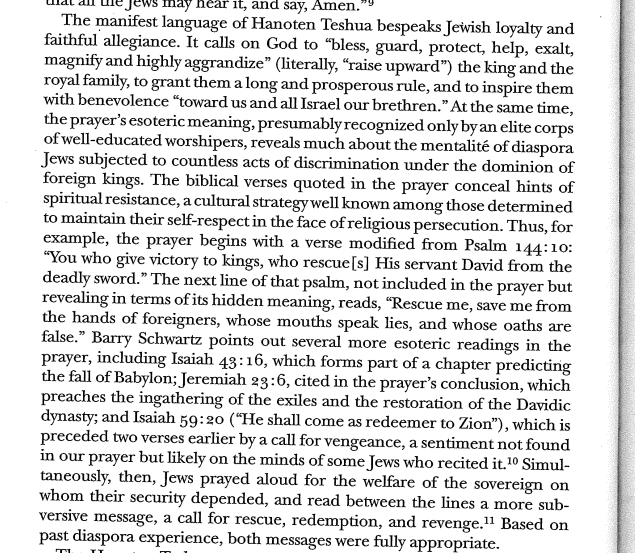
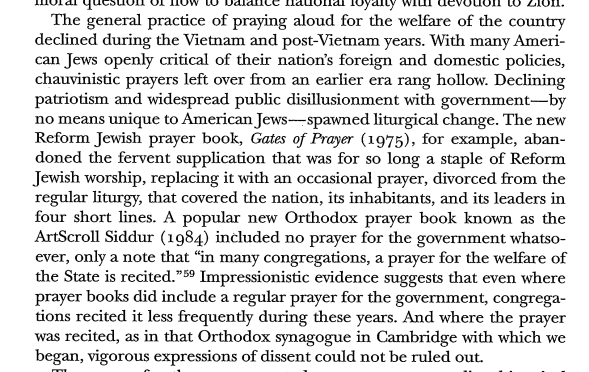
The significance of this story is that it is the first recorded instance of one of Judaism’s greatest contributions to civilisation: the idea that there are moral limits to power. There are instructions that should not be obeyed. There are crimes against humanity that cannot be excused by the claim that “I was only obeying orders.” This concept, generally known as “civil disobedience”, is usually attributed to the nineteenth century American writer Henry David Thoreau, and entered international consciousness after the Holocaust and the Nuremberg trials. Its true origin, though, lies thousands of years earlier in the actions of two women, Shifra and Puah. Through their understated courage they earned a high place among the moral heroes of history, teaching us the primacy of conscience over conformity, the law of justice over the law of the land.
...וכתבו בתוספות דדוקא במלכי עובדי כוכבים אמר דדינא דמלכותא דינא מפני שהארץ שלו ויכול לומר להם אם לא תעשו מצותי אגרש אתכם מן הארץ אבל במלכי ישראל לא לפי שא''י כל ישראל שותפין בה
"...The Tosafot wrote that the concept of 'dina de-malchuta dina' applies exclusively to non-Jewish Kings; since the land is his and he can say that if one doesn't obey his command, he will expel them from the land; however, Jewish kings may not because all Jews are partners in the Land of Israel"
(יא) בַּמֶּה דְּבָרִים אֲמוּרִים שֶׁהַמּוֹכֵס כְּלִסְטִים בִּזְמַן שֶׁהַמּוֹכֵס עַכּוּ''ם אוֹ מוֹכֵס הָעוֹמֵד מֵאֵלָיו אוֹ מוֹכֵס הָעוֹמֵד מֵחֲמַת הַמֶּלֶךְ וְאֵין לוֹ קִצְבָה אֶלָּא לוֹקֵחַ מַה שֶּׁיִּרְצֶה וּמֵנִיחַ מַה שֶּׁיִּרְצֶה. אֲבָל מֶכֶס שֶׁפְּסָקוֹ הַמֶּלֶךְ וְאָמַר שֶׁיִּקַּח שְׁלִישׁ אוֹ רְבִיעַ אוֹ דָּבָר קָצוּב וְהֶעֱמִיד מוֹכֵס יִשְׂרָאֵל לִגְבּוֹת חֵלֶק זֶה לַמֶּלֶךְ וְנוֹדַע שֶׁאָדָם זֶה נֶאֱמָן וְאֵינוֹ מוֹסִיף כְּלוּם עַל מַה שֶּׁגָּזַר הַמֶּלֶךְ אֵינוֹ בְּחֶזְקַת גַּזְלָן לְפִי שֶׁדִּין הַמֶּלֶךְ דִּין הוּא. וְלֹא עוֹד אֶלָּא שֶׁהוּא עוֹבֵר הַמַּבְרִיחַ מִמֶּכֶס זֶה מִפְּנֵי שֶׁהוּא גּוֹזֵל מְנַת הַמֶּלֶךְ בֵּין שֶׁהָיָה הַמֶּלֶךְ עַכּוּ''ם בֵּין שֶׁהָיָה הַמֶּלֶךְ יִשְׂרָאֵל:
(11) When does the statement that a customs-collector is considered to be a highwayman apply? When the customs collector is a gentile, is self-appointed, or was appointed by the king but is given unlimited jurisdiction and takes whatever he wants and leaves whatever he wants.
If, however, the customs-collector was appointed by the king to take a third, a fourth or any fixed amount of the subjects' goods or their value, the customs collector appoints a Jew to collect this sum for the king, and it is known that this person is faithful and does not add anything beyond what the king decreed, this person is not considered a robber. For the law established by the king is binding law. Indeed, anyone who does not pay this tax transgresses, for he is taking what is due the king. This applies whether the king is Jewish or gentile.
(ו) בד"א שהמוכס כלסטים בזמן שהמוכס עכו"ם או מוכס העומד מאליו או מוכס העומד מחמת המלך ואין לו קצבה אלא לוקח מה שירצה אבל מוכס שפסקו המלך ליטול דבר קצוב (ואפי' צוה שישראל יתן יותר מעכו"ם מ"מ מקרי דבר קצוב לכל איש) (מהרי"ק שורש קצ"ד) והעמיד מוכס ישראל לגבותו למלך ונודע שאדם זה נאמן ואינו מוסיף כלום על מה שגזר המלך אינו בחזקת גזלן משום דדינא דמלכותא דינא ולא עוד אלא שהמבריח ממכס זה עובר (על לא תגזול) מפני שהוא גוזל מנת המלך בין שהיה מלך ישראל בין שהיה מלך עכו"ם וכן אם ישראל קנה המכס מהמלך המבריח עצמו הרי זה גוזל ישראל שקנאו (וי"א דאפי' ידוע דהישראל לוקח יותר מן הקצבה מ"מ אסור להבריח ממנו דבר הקצוב דהוי כגוזל מן הגזלן דאסור) (ב"י) אבל אם קנאו עכו"ם מותר משום דהוי כהפקע' הלוואתו דשרי במקום דליכא חלול השם:
(6) Paragraph 6- When is it true that a tax collector is like a bandit? Where the tax collector is a gentile, he created the tax on his own or the tax is from the king but has no set amount and he can take what he wants. If the tax was set by the king and was a set amount, however- even if the king instructed that the Jew give more than the gentile, it is still considered a set amount for each person- and the king appointed a Jewish collector to collect for him and this person is known as trustworthy and would not add anything to what the king instructed, he is not presumed to be a robber because the law of the government is the law. Moreover, one who evades the tax violates “do not steal” because he has stolen the king’s gift, whether the king was Jewish or a gentile. Similarly, if a Jew acquired the tax from the king, if one evades the tax he is robbing the Jew who acquired the rights to it. There are those who say that even where it is known that the Jew takes more than the set amount, one is still prohibited from evading the set amount, because it is like he is robbing a robber, which is prohibited. If a gentile acquired the tax, however, one is permitted to evade because it is like evading a loan which is permissible where there is no desecration of God’s name. There are those who say that even if the tax collector is Jewish, if he did not acquire for himself and just collects on behalf of the king, although one is prohibited from evading because of the government law, if a person were to evade the collector cannot force him to give because is like evading a loan, which is permissible. If there is any concern that he is afraid of the king, however, he is certainly able to force him to give.
-
Drawing upon a plethora of biblical and talmudic sources, R. Rabinovitch argues that the authority of the king of Israel was based “in the consent of the people and his selection by God’s prophet.” As long as the king retained this support and did not overstep his boundaries, the Torah recognized him as the legitimate head of state and granted him the power to promulgate and enforce civil law. If the king were to lose the consent of the governed or abuse his power, he would lose that authority.
-
Nevertheless, for R. Rabinovitch, the need for popular consent remains the Torah’s ideal, especially when viewed through the lens of rabbinic literature. He approvingly quotes R. Nissim of Gerona (himself quoting R. Yonah): “To the extent that the masses wish to glorify a king, he will rule; yet should they wish to strip him of his glory, the king will forfeit his sovereignty entirely.”43
אמר רב יהודה אמר רב מפני מה נענש אבנר מפני שהיה לו למחות בשאול ולא מיחה
Rav Yehuda says that Rav says: For what reason was Abner punished by being killed? It is because he should have protested to Saul about the killing of the priests of Nob (see I Samuel 22:17–19), but he did not protest.
The role of the king was subsequently filled by the Exilarch (Reish Galuta), in a later period by the local council known as the Tovei ha-Ir (Good Men of the City), and in the modern State of Israel by its elected government.35 Despite their obvious differences, these later institutions maintain the same basic function as the king: ensuring the proper running of civil society, i.e., the “welfare of the body.” However, they may not involve themselves in religious matters.36 The “welfare of the soul” remains beyond the scope of their authority and belongs instead to religious authorities.
מַתְנִי׳... וְאֵין הָעֵגֶל יוֹצֵא בְּגִימוֹן, וְלֹא פָּרָה בְּעוֹר הַקּוּפָּר, וְלֹא בִּרְצוּעָה שֶׁבֵּין קַרְנֶיהָ. פָּרָתוֹ שֶׁל רַבִּי אֶלְעָזָר בֶּן עֲזַרְיָה הָיְתָה יוֹצְאָה בִּרְצוּעָה שֶׁבֵּין קַרְנֶיהָ שֶׁלֹּא בִּרְצוֹן חֲכָמִים.
...
וַחֲדָא פָּרָה הַוְיָא לֵיהּ? וְהָא אָמַר רַב, וְאָמְרִי לָהּ אָמַר רַב יְהוּדָה אָמַר רַב: תְּרֵיסַר אַלְפֵי עִגְלֵי הֲוָה מְעַשַּׂר רַבִּי אֶלְעָזָר בֶּן עֲזַרְיָה מֵעֶדְרֵיהּ כׇּל שַׁתָּא וְשַׁתָּא.
תָּנָא: לֹא שֶׁלּוֹ הָיְתָה אֶלָּא שֶׁל שְׁכֶינְתּוֹ הָיְתָה, וּמִתּוֹךְ שֶׁלֹּא מִיחָה בָּהּ נִקְרֵאת עַל שְׁמוֹ.
רַב וְרַבִּי חֲנִינָא וְרַבִּי יוֹחָנָן וְרַב חֲבִיבָא מַתְנוּ: בְּכוּלֵּיהּ דְּסֵדֶר מוֹעֵד כָּל כִּי הַאי זוּגָא חַלּוֹפֵי רַבִּי יוֹחָנָן וּמְעַיֵּיל רַבִּי יוֹנָתָן. כׇּל מִי שֶׁאֶפְשָׁר לִמְחוֹת לְאַנְשֵׁי בֵיתוֹ וְלֹא מִיחָה — נִתְפָּס עַל אַנְשֵׁי בֵיתוֹ. בְּאַנְשֵׁי עִירוֹ — נִתְפָּס עַל אַנְשֵׁי עִירוֹ. בְּכָל הָעוֹלָם כּוּלּוֹ — נִתְפָּס עַל כָּל הָעוֹלָם כּוּלּוֹ.
אָמַר רַב פָּפָּא: וְהָנֵי דְּבֵי רֵישׁ גָּלוּתָא מִיתַּפְסוּ אַכּוּלֵּי עָלְמָא.
כִּי הָא דְּאָמַר רַבִּי חֲנִינָא: מַאי דִכְתִיב ״ה׳ בַּמִּשְׁפָּט יָבֹא עִם זִקְנֵי עַמּוֹ וְשָׂרָיו״ — אִם שָׂרִים חָטְאוּ, זְקֵנִים מֶה חָטְאוּ? אֶלָּא אֵימָא: עַל זְקֵנִים, שֶׁלֹּא מִיחוּ בַּשָּׂרִים.
...
אֲמַר לֵיהּ רַבִּי זֵירָא לְרַבִּי סִימוֹן: לוֹכְחִינְהוּ מָר לְהָנֵי דְּבֵי רֵישׁ גָּלוּתָא. אֲמַר לֵיהּ: לָא מְקַבְּלִי מִינַּאי. אֲמַר לֵיהּ: אַף עַל גַּב דְּלָא מְקַבְּלִי לוֹכְחִינְהוּ מָר.
MISHNA: ... Nor may a cow go out with the skin of a hedgehog [kupar], nor with a strap between its horns. The mishna relates that Rabbi Elazar ben Azarya’s cow would go out on Shabbat with a strap between its horns, contrary to the will of the Sages.
...
The Gemara asks: Did Rabbi Elazar ben Azarya have only one cow? Didn’t Rav say, and some say that Rav Yehuda said that Rav said: Rabbi Elazar ben Azarya would tithe from his herds 12,000 calves each and every year? There were 120, 000 calves born in his herds annually. There is no way, then, to speak of the cow of Rabbi Elazar ben Azarya.
The Gemara answers: It was taught in the Tosefta: The cow was not his; rather, it was his neighbor’s. And because he did not protest her conduct and tell her that doing so is prohibited the cow was called by his name to his discredit, as if it were his.
It was related that Rav, and Rabbi Ḥanina, and Rabbi Yoḥanan, and Rav Ḥaviva taught the statement cited below. The Gemara comments: Throughout the order of Moed, wherever this pair of Sages is mentioned, exchange Rabbi Yoḥanan and insert Rabbi Yonatan in his place. In any event, they said: Anyone who had the capability to effectively protest the sinful conduct of the members of his household and did not protest, he himself is apprehended for the sins of the members of his household and punished. If he is in a position to protest the sinful conduct of the people of his town, and he fails to do so, he is apprehended for the sins of the people of his town. If he is in a position to protest the sinful conduct of the whole world, and he fails to do so, he is apprehended for the sins of the whole world.
Rav Pappa said: And the members of the household of the Exilarch were apprehended and punished for the sins of the whole world. Because their authority extends across the entire Jewish world, it is in their hands to ensure that nobody commit a transgression.
As indicated by that which Rabbi Ḥanina said: What is the meaning of that which is written: “The Lord will enter into judgment with the Elders of His people and its princes, saying: It is you who have eaten up the vineyard; the robbery of the poor is in your houses” (Isaiah 3:14)? The question arises: If the princes sinned by committing robbery, what did the Elders, i.e., the Sages of that generation, do that was considered a sin? Rather, say: God will enter into judgment with the Elders because they did not protest the sinful conduct of the princes.
...
With regard to the issue of reprimand, it was related that Rabbi Zeira said to Rabbi Simon: Let the Master reprimand the members of the house of the Exilarch, as Rabbi Simon had some influence over them. Rabbi Simon said to him: They will not accept reprimand from me. Rabbi Zeira said to him: Let my master reprimand them even if they do not accept it.
בכל העולם כולו - בכל ישראל כגון מלך ונשיא שאפשר לו למחות שיראין מפניו ומקיימין דבריו:
In a similar sense, R. Rabinovitch’s objection to the Disengagement set him apart from the other rabbinic leaders whom he joined in protest. Similar to his argument that the state has no authority in religious matters because the “partners” who make up the state have no right to grant it such authority, R. Rabinovitch maintained that a government does not have the authority to remove law-abiding citizens from their homes. This is because no “partner” has such authority in the first place. In fact, R. Rabinovitch saw the concept of “eminent domain” as foreign to Jewish law. 8
As noted above, this particular limit on government power is possible only because in R. Rabinovitch’s view the government of Israel is seen, like the Tovei ha-Ir before it, as inheriting the powers of a king and not a beit din.
Everyone should tally his own accounts in this respect, but I am not wrong if I say that for all of us the degree of rebuke, of protest was not sufficient; for some, because they did not evaluate the evil properly, for others because they were not willing to publicize wrong when they feared our opponents could use it to attack our whole system. The point of Chazal remains the same; their terrible words carry the same force in either case. That they could have protested and did not - this carries a particular responsibility beyond the "city," perhaps even beyond the "azarot."