


Prophets and Loss


 Save
 Copy
 Add to Collection
 Export to Google Docs
 Share
Temple Beth Am University, Week 6 Feb. 5, 2025

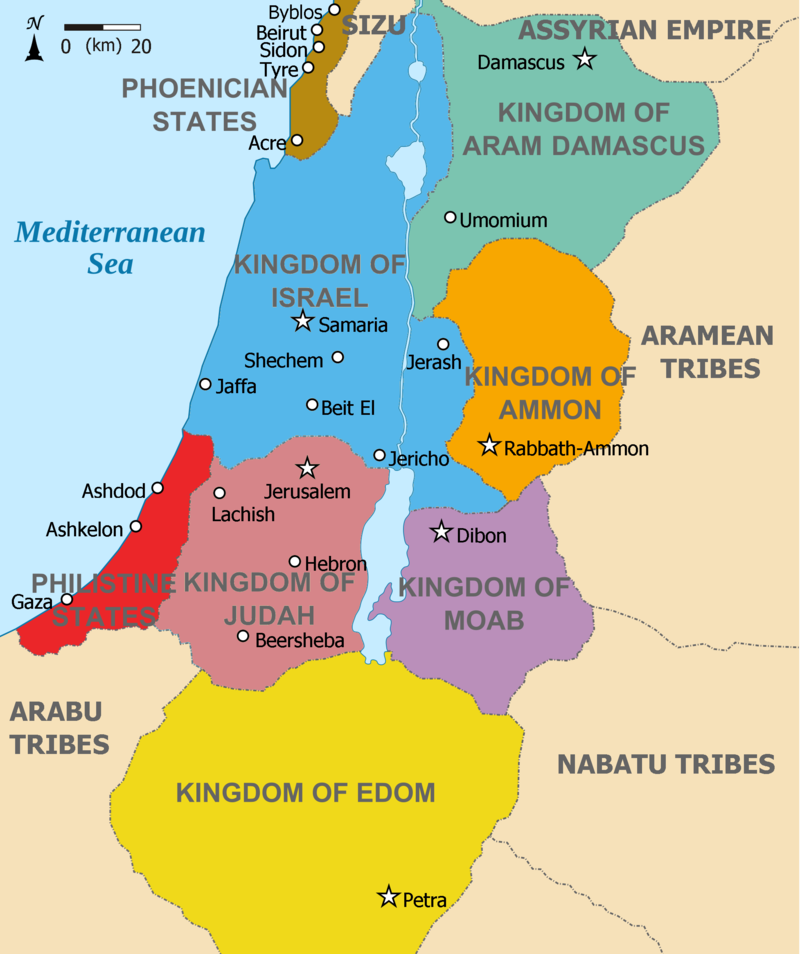
Sifting trough the archaeological evidence from dozens of sites dating to the first millennium BCE and painstakingly analyze biblical history, many scholars argue that the exploits of David and Solomon were highly exaggerated to legitimize the political and religious goals of later regimes. Archaeology seems to indicate that both Saul, David's predecessor, and David were little more than highland chieftains, and that even Solomon's capital city was a rough hilltop stronghold of a local dynasty of rustic tribal chiefs, in which even the Tanakh admits the conquered Jebusites continued to live after David made Jerusalem his capital.
Preserved as folk tales in the ninth century B.C., these stories were not written down until the eighth and seventh centuries.
Meet the Real King David, the One the Bible Didn’t Want You to Know About
Ariel David, Haaretz, March 27, 2019
If you’ve never heard of King Jeroboam II, you’re probably not alone. He’s barely mentioned in the Bible despite ruling over a big chunk of the Levant 2,800 years ago, for no less than four decades. But you’ve definitely heard of the great kings Saul, David and Solomon, even though the actual existence of their United Monarchy of Israel and Judah has long been doubted by many scholars.
Now mounting evidence from archaeological digs and biblical scholarship has led to a startling new theory, which conflates the great Hebrew kings of yore with the oft-overlooked Jeroboam II. A great United Monarchy of sorts did exist, the new theory posits. But it formed under none other than the Israelite king Jeroboam II some two centuries after the time of David and Solomon, spreading as far as today’s Syria and Jordan. In striking contrast to the biblical narrative, it was the kingdom of Israel in the north that controlled Jerusalem and the kingdom of Judah in the south.
And why would the Bible say otherwise? Because the holy text was first compiled in Jerusalem more than a century after Jeroboam II’s reign, under the Judahite king Josiah, who was seeking justification for some expansionism of his own.
And, it was the real-life reign of Jeroboam II that offered Josiah the inspiration for the biblical story of the magnificent kingdom of David and Solomon, according to the new theory proposed by Tel Aviv University professor Israel Finkelstein, one of Israel’s top biblical archaeologists.
Finkelstein, 69, has spent much of his career trying to convince his colleagues to stop contorting the interpretation of archaeological finds to fit the biblical narrative. The Bible is not a guidebook, he argues. Archaeologists exploring ruins for the story of the ancient Hebrews should be guided by the data emerging from excavations and advanced scientific techniques.
...
King Josiah invents the United Monarchy
As the Bible tells it, sometime in the 11th or 10th century B.C.E., the twelve Israelite tribes united under strong monarchs: Saul, David and Solomon. But the fourth royal generation, Solomon’s son, Rehoboam, was unable to hold the people together. All the tribes except Judah revolted against him, forming their own kingdom of Israel north of Jerusalem, led by a king named Jeroboam (the first of his name – not to be confused with our hero Jeroboam II).
Some archaeologists have long questioned the historicity of this account. Thanks in large part to Finkelstein’s own research, monumental ruins found across modern Israel – from Megiddo to Hazor and Gezer – once hailed as evidence of Solomon’s building prowess, have been re-dated to about a century after the fabled king was supposed to have reigned. These great ruins are now thought to be what remains of that northern kingdom of Israel that the Bible describes as a rascally renegade, but which was in reality a powerful regional force.
“There is a tension between the biblical description, which makes Judah and Jerusalem the center of the Universe, and archaeology and ancient near eastern texts, which make it very clear that Israel was the big story,” Finkelstein says. “It was more prosperous and more prominent, it had a larger population and competed for hegemony over the entire Levant.”
Archaeologists from opposing camps still fiercely debate the size and power of Jerusalem in the 10th century B.C.E. but so far there is little hard evidence that the founders of the Davidic dynasty ruled over anything larger than a tiny city-state in the Judean highlands. Finkelstein and other scholars posit that the stories of the United Monarchy originated in the late 7th century B.C.E., under the Judahite king Josiah. But why would Josiah have his scribes aggrandize the “history” of his ancestors?
When Josiah came to power, the kingdom of Israel had long since been destroyed by the Assyrians, whose empire was in turn collapsing, giving Judah an opportunity to expand into the formerly Israelite lands. The idea that there once had been a large pan-Israelite kingdom – ruled from Jerusalem – would have worked nicely as a justification for Josiah’s expansionism and as a rallying cry to unite the people. But where did Josiah take the idea of a united monarchy from? Finkelstein asks, and answers: Possibly, he was inspired by Jeroboam II, who actually did reign over a great kingdom, as ruler of Israel from around 788 to 747 B.C.E.
When Samaria ruled Jerusalem
The first clues are in the Bible itself. Written from a pro-Judahite prospective, the Bible gives Jeroboam II the same treatment it reserves to all other Israelite kings, describing them as sinful polytheists who “did evil in the sight of the Lord” (2 Kings 14:24).
Regarding Jeroboam II, the text however grudgingly acknowledges his major conquests, ranging from the area of the Dead Sea to Damascus, and describes him as a savior of Israel. Jeroboam II’s success despite his apparent wickedness is explained thusly: “For the Lord saw that the affliction of Israel was very bitter; and whether bond or free, there was no helper for Israel. And the Lord did not say that He would blot out the name of Israel from under heaven; but He saved them by the hand of Jeroboam the son of Joash.” (2 Kings 14: 26-27)
“The composer of the text needs to say the usual bad things about the kings of Israel, but he knows that it’s not so simple, because there is a memory that [Jeroboam II] was a great king who ruled for a long time over vast territories,” Finkelstein notes. “So he solves it by saying that it was the God of Israel who gave him this prosperity and this territorial expansion.”
While the idea that Jeroboam II conquered Damascus is likely an exaggeration, the archaeological evidence for Israelite expansion at that time shows his kingdom extended beyond Dan in northern Israel, possibly to Daraa in southern Syria and Irbid in northern Jordan. Conversely, even though places like Dan are described by the Bible as being part of the United Monarchy, Hebrew inscriptions from this site show the Israelite presence there dates only to the 8th century B.C.E. So these northern areas could not have been part of David and Solomon’s supposed empire some two centuries earlier, Finkelstein says.
Jeroboam II’s kingdom also stretched far into the southern Levant. Hebrew inscriptions found at Kuntillet Ajrud, in the Sinai Desert, date to the first half of the 8th century B.C.E., confirming an Israelite presence there. Also, the invocations contained in the texts to “YHWH of Teman and his Asherah” and “YHWH of Samaria and his Asherah” show that the cult of YHWH was not centralized in Jerusalem but took place in multiple locations, including Jeroboam’s capital of Samaria. The reference to Asherah may also show that at that time the God of Israel was not a solitary deity, but was believed to have a divine wife.
Further to the south, near the Red Sea port of Eilat, there are remains of an ancient fortress that may also be dated to the 8th century B.C.E., suggesting that the biblical Etzion Gaber was not Solomon’s naval base (per 1 Kings 9:26) but a much later stronghold of Jeroboam II, Finkelstein says.
This may be true not only for David and Solomon, but also for figures like Jeroboam I, the leader of Israel’s rebellion against Rehoboam and the first king of the north.
The Bible tells us that his major sin was to set two golden calves in Bethel and Dan to draw the Israelites away from worshipping in Jerusalem (1 Kings 12:25-33). But if archaeologists are correct in saying that Dan only became part of Israel in the 8th century B.C.E., this is more likely to be a memory from Jeroboam II’s reign, which was then “retro-projected” into the story of the dastardly founder of Judah’s rival, Romer says.
The ‘northern Bible’
One key question that all this raises is how did the biblical compilers in 7th century B.C.E Jerusalem know so much about the reign of an Israelite king who had lived more than a century earlier.
This is part of a larger mystery: it is unclear how the Bible manages to be so precise when chronicling the names and dates of the kings of Israel and Judah, even going back to the 9th century B.C.E., to the point that this information can be successfully cross-referenced with Assyrian texts, which mention some Israelite rulers.
The likely solution is that the chronicles of Jeroboam II and other northern kings reached Jerusalem in written form, possibly together with refugees who fled to Judah when the Assyrians conquered Israel around 720 B.C.E., Finkelstein says.
Before that destruction, the kingdom of Israel definitely had the ability and resources to produce poetic and religious texts, as evidenced by the Ajrud invocations and other finds, such as the Balaam inscription, a prophecy by the Moabite prophet Balaam, which also dates to the 8th century B.C.E. Judah reached this level of literacy only much later.
Already in 2012, Jonathan Robker, a biblical scholar from the University of Muenster in Germany, identified an older layer of text within the Book of Kings that represents a possible chronicle of the kings of Israel in the north, from Jeroboam I to Jeroboam II, which became incorporated into the Bible.
This would not be the only case of a northern text or tradition being included in the Bible. Scholars have long recognized that the Old Testament is a compilation of different – and often contradictory – sources. Some of these can be positively identified as narratives that originated in Israel, either because they take place in the north or have northern protagonists. These include key biblical chapters such as the story of the patriarch Jacob (who, unlike Abraham and Isaac, roams the regions to the north of Jerusalem), most of the tales of the Judges, and parts of King Saul’s story, Finkelstein says.
The biblical scribes of Judah had multiple reasons to incorporate these traditions into their own rather than forget about the entire lot, Finkelstein says. In addition to justifying their own territorial ambitions, preserving northern stories would have helped unify the Judahites and the Israelite refugees into one people.
Theologically, the appropriately edited texts would also have served to explain the fall of Israel as the result of the evil-doing of its kings, while also establishing Jerusalem as the only legitimate center of cult and the capital of a more pious kingdom.
It was likely for these reasons that, to this day, Jeroboam II is mostly remembered not as the greatest ruler in ancient Hebrew history – but as just another wicked king in the north who “did evil in the sight of the Lord.”
(א) בִּשְׁנַ֣ת שְׁתַּ֔יִם לְיוֹאָ֥שׁ בֶּן־יוֹאָחָ֖ז מֶ֣לֶךְ יִשְׂרָאֵ֑ל מָלַ֛ךְ אֲמַצְיָ֥הוּ בֶן־יוֹאָ֖שׁ מֶ֥לֶךְ יְהוּדָֽה׃ (ב) בֶּן־עֶשְׂרִ֨ים וְחָמֵ֤שׁ שָׁנָה֙ הָיָ֣ה בְמׇלְכ֔וֹ וְעֶשְׂרִ֤ים וָתֵ֙שַׁע֙ שָׁנָ֔ה מָלַ֖ךְ בִּירוּשָׁלָ֑͏ִם וְשֵׁ֣ם אִמּ֔וֹ (יהועדין) [יְהוֹעַדָּ֖ן] מִן־יְרוּשָׁלָֽ͏ִם׃ (ג) וַיַּ֤עַשׂ הַיָּשָׁר֙ בְּעֵינֵ֣י יְהֹוָ֔ה רַ֕ק לֹ֖א כְּדָוִ֣ד אָבִ֑יו כְּכֹ֧ל אֲשֶׁר־עָשָׂ֛ה יוֹאָ֥שׁ אָבִ֖יו עָשָֽׂה׃ (ד) רַ֥ק הַבָּמ֖וֹת לֹא־סָ֑רוּ ע֥וֹד הָעָ֛ם מְזַבְּחִ֥ים וּֽמְקַטְּרִ֖ים בַּבָּמֽוֹת׃ (ה) וַיְהִ֕י כַּֽאֲשֶׁ֛ר חָזְקָ֥ה הַמַּמְלָכָ֖ה בְּיָד֑וֹ וַיַּךְ֙ אֶת־עֲבָדָ֔יו הַמַּכִּ֖ים אֶת־הַמֶּ֥לֶךְ אָבִֽיו׃ (ו) וְאֶת־בְּנֵ֥י הַמַּכִּ֖ים לֹ֣א הֵמִ֑ית כַּכָּת֣וּב בְּסֵֽפֶר־תּֽוֹרַת־מֹ֠שֶׁ֠ה אֲשֶׁר־צִוָּ֨ה יְהֹוָ֜ה לֵאמֹ֗ר לֹא־יוּמְת֨וּ אָב֤וֹת עַל־בָּנִים֙ וּבָנִים֙ לֹא־יוּמְת֣וּ עַל־אָב֔וֹת כִּ֛י אִם־אִ֥ישׁ בְּחֶטְא֖וֹ (ימות) [יוּמָֽת]׃ (ז) הוּא־הִכָּ֨ה אֶת־אֱד֤וֹם בְּגֵי־[מֶ֙לַח֙] (המלח) עֲשֶׂ֣רֶת אֲלָפִ֔ים וְתָפַ֥שׂ אֶת־הַסֶּ֖לַע בַּמִּלְחָמָ֑ה וַיִּקְרָ֤א אֶת־שְׁמָהּ֙ יׇקְתְאֵ֔ל עַ֖ד הַיּ֥וֹם הַזֶּֽה׃ {פ}(ח) אָ֣ז שָׁלַ֤ח אֲמַצְיָה֙ מַלְאָכִ֔ים אֶל־יְהוֹאָ֨שׁ בֶּן־יְהוֹאָחָ֧ז בֶּן־יֵה֛וּא מֶ֥לֶךְ יִשְׂרָאֵ֖ל לֵאמֹ֑ר לְכָ֖ה נִתְרָאֶ֥ה פָנִֽים׃ (ט) וַיִּשְׁלַ֞ח יְהוֹאָ֣שׁ מֶלֶךְ־יִשְׂרָאֵ֗ל אֶל־אֲמַצְיָ֣הוּ מֶלֶךְ־יְהוּדָה֮ לֵאמֹר֒ הַח֜וֹחַ אֲשֶׁ֣ר בַּלְּבָנ֗וֹן שָׁ֠לַ֠ח אֶל־הָאֶ֜רֶז אֲשֶׁ֤ר בַּלְּבָנוֹן֙ לֵאמֹ֔ר תְּנָה־אֶת־בִּתְּךָ֥ לִבְנִ֖י לְאִשָּׁ֑ה וַֽתַּעֲבֹ֞ר חַיַּ֤ת הַשָּׂדֶה֙ אֲשֶׁ֣ר בַּלְּבָנ֔וֹן וַתִּרְמֹ֖ס אֶת־הַחֽוֹחַ׃ (י) הַכֵּ֤ה הִכִּ֙יתָ֙ אֶת־אֱד֔וֹם וּֽנְשָׂאֲךָ֖ לִבֶּ֑ךָ הִכָּבֵד֙ וְשֵׁ֣ב בְּבֵיתֶ֔ךָ וְלָ֤מָּה תִתְגָּרֶה֙ בְּרָעָ֔ה וְנָ֣פַלְתָּ֔ה אַתָּ֖ה וִיהוּדָ֥ה עִמָּֽךְ׃ (יא) וְלֹא־שָׁמַ֣ע אֲמַצְיָ֔הוּ וַיַּ֨עַל יְהוֹאָ֤שׁ מֶֽלֶךְ־יִשְׂרָאֵל֙ וַיִּתְרָא֣וּ פָנִ֔ים ה֖וּא וַֽאֲמַצְיָ֣הוּ מֶלֶךְ־יְהוּדָ֑ה בְּבֵ֥ית שֶׁ֖מֶשׁ אֲשֶׁ֥ר לִיהוּדָֽה׃ (יב) וַיִּנָּ֥גֶף יְהוּדָ֖ה לִפְנֵ֣י יִשְׂרָאֵ֑ל וַיָּנֻ֖סוּ אִ֥ישׁ לְאֹהָלָֽו׃ (יג) וְאֵת֩ אֲמַצְיָ֨הוּ מֶֽלֶךְ־יְהוּדָ֜ה בֶּן־יְהוֹאָ֣שׁ בֶּן־אֲחַזְיָ֗הוּ תָּפַ֛שׂ יְהוֹאָ֥שׁ מֶֽלֶךְ־יִשְׂרָאֵ֖ל בְּבֵ֣ית שָׁ֑מֶשׁ (ויבאו) [וַיָּבֹא֙] יְר֣וּשָׁלַ֔͏ִם וַיִּפְרֹץ֩ בְּחוֹמַ֨ת יְרוּשָׁלַ֜͏ִם בְּשַׁ֤עַר אֶפְרַ֙יִם֙ עַד־שַׁ֣עַר הַפִּנָּ֔ה אַרְבַּ֥ע מֵא֖וֹת אַמָּֽה׃ (יד) וְלָקַ֣ח אֶת־כׇּל־הַזָּֽהָב־וְ֠הַכֶּ֠סֶף וְאֵ֨ת כׇּל־הַכֵּלִ֜ים הַנִּמְצְאִ֣ים בֵּית־יְהֹוָ֗ה וּבְאֹֽצְרוֹת֙ בֵּ֣ית הַמֶּ֔לֶךְ וְאֵ֖ת בְּנֵ֣י הַתַּעֲרֻב֑וֹת וַיָּ֖שׇׁב שֹׁמְרֽוֹנָה׃ (טו) וְיֶ֩תֶר֩ דִּבְרֵ֨י יְהוֹאָ֜שׁ אֲשֶׁ֤ר עָשָׂה֙ וּגְב֣וּרָת֔וֹ וַאֲשֶׁ֣ר נִלְחַ֔ם עִ֖ם אֲמַצְיָ֣הוּ מֶֽלֶךְ־יְהוּדָ֑ה הֲלֹא־הֵ֣ם כְּתוּבִ֗ים עַל־סֵ֛פֶר דִּבְרֵ֥י הַיָּמִ֖ים לְמַלְכֵ֥י יִשְׂרָאֵֽל׃ (טז) וַיִּשְׁכַּ֤ב יְהוֹאָשׁ֙ עִם־אֲבֹתָ֔יו וַיִּקָּבֵר֙ בְּשֹׁ֣מְר֔וֹן עִ֖ם מַלְכֵ֣י יִשְׂרָאֵ֑ל וַיִּמְלֹ֛ךְ יָרׇבְעָ֥ם בְּנ֖וֹ תַּחְתָּֽיו׃ {פ}(יז) וַיְחִ֨י אֲמַצְיָ֤הוּ בֶן־יוֹאָשׁ֙ מֶ֣לֶךְ יְהוּדָ֔ה אַחֲרֵ֣י מ֔וֹת יְהוֹאָ֥שׁ בֶּן־יְהוֹאָחָ֖ז מֶ֣לֶךְ יִשְׂרָאֵ֑ל חֲמֵ֥שׁ עֶשְׂרֵ֖ה שָׁנָֽה׃ (יח) וְיֶ֖תֶר דִּבְרֵ֣י אֲמַצְיָ֑הוּ הֲלֹא־הֵ֣ם כְּתֻבִ֗ים עַל־סֵ֛פֶר דִּבְרֵ֥י הַיָּמִ֖ים לְמַלְכֵ֥י יְהוּדָֽה׃ (יט) וַיִּקְשְׁר֨וּ עָלָ֥יו קֶ֛שֶׁר בִּירוּשָׁלַ֖͏ִם וַיָּ֣נׇס לָכִ֑ישָׁה וַיִּשְׁלְח֤וּ אַחֲרָיו֙ לָכִ֔ישָׁה וַיְמִתֻ֖הוּ שָֽׁם׃ (כ) וַיִּשְׂא֥וּ אֹת֖וֹ עַל־הַסּוּסִ֑ים וַיִּקָּבֵ֧ר בִּירוּשָׁלַ֛͏ִם עִם־אֲבֹתָ֖יו בְּעִ֥יר דָּוִֽד׃ (כא) וַיִּקְח֞וּ כׇּל־עַ֤ם יְהוּדָה֙ אֶת־עֲזַרְיָ֔ה וְה֕וּא בֶּן־שֵׁ֥שׁ עֶשְׂרֵ֖ה שָׁנָ֑ה וַיַּמְלִ֣כוּ אֹת֔וֹ תַּ֖חַת אָבִ֥יו אֲמַצְיָֽהוּ׃ (כב) ה֚וּא בָּנָ֣ה אֶת־אֵילַ֔ת וַיְשִׁבֶ֖הָ לִֽיהוּדָ֑ה אַחֲרֵ֥י שְׁכַֽב־הַמֶּ֖לֶךְ עִם־אֲבֹתָֽיו׃ {פ}(כג) בִּשְׁנַת֙ חֲמֵשׁ־עֶשְׂרֵ֣ה שָׁנָ֔ה לַאֲמַצְיָ֥הוּ בֶן־יוֹאָ֖שׁ מֶ֣לֶךְ יְהוּדָ֑ה מָ֠לַ֠ךְ יָרׇבְעָ֨ם בֶּן־יוֹאָ֤שׁ מֶֽלֶךְ־יִשְׂרָאֵל֙ בְּשֹׁ֣מְר֔וֹן אַרְבָּעִ֥ים וְאַחַ֖ת שָׁנָֽה׃ (כד) וַיַּ֥עַשׂ הָרַ֖ע בְּעֵינֵ֣י יְהֹוָ֑ה לֹ֣א סָ֗ר מִכׇּל־חַטֹּאות֙ יָרׇבְעָ֣ם בֶּן־נְבָ֔ט אֲשֶׁ֥ר הֶחֱטִ֖יא אֶת־יִשְׂרָאֵֽל׃ (כה) ה֗וּא הֵשִׁיב֙ אֶת־גְּב֣וּל יִשְׂרָאֵ֔ל מִלְּב֥וֹא חֲמָ֖ת עַד־יָ֣ם הָעֲרָבָ֑ה כִּדְבַ֤ר יְהֹוָה֙ אֱלֹהֵ֣י יִשְׂרָאֵ֔ל אֲשֶׁ֣ר דִּבֶּ֗ר בְּיַד־עַבְדּ֞וֹ יוֹנָ֤ה בֶן־אֲמִתַּי֙ הַנָּבִ֔יא אֲשֶׁ֖ר מִגַּ֥ת הַחֵֽפֶר׃ (כו) כִּי־רָאָ֧ה יְהֹוָ֛ה אֶת־עֳנִ֥י יִשְׂרָאֵ֖ל מֹרֶ֣ה מְאֹ֑ד וְאֶ֤פֶס עָצוּר֙ וְאֶ֣פֶס עָז֔וּב וְאֵ֥ין עֹזֵ֖ר לְיִשְׂרָאֵֽל׃ (כז) וְלֹא־דִבֶּ֣ר יְהֹוָ֔ה לִמְחוֹת֙ אֶת־שֵׁ֣ם יִשְׂרָאֵ֔ל מִתַּ֖חַת הַשָּׁמָ֑יִם וַיּ֣וֹשִׁיעֵ֔ם בְּיַ֖ד יָרׇבְעָ֥ם בֶּן־יוֹאָֽשׁ׃ (כח) וְיֶ֩תֶר֩ דִּבְרֵ֨י יָרׇבְעָ֜ם וְכׇל־אֲשֶׁ֤ר עָשָׂה֙ וּגְבוּרָת֣וֹ אֲשֶׁר־נִלְחָ֔ם וַאֲשֶׁ֨ר הֵשִׁ֜יב אֶת־דַּמֶּ֧שֶׂק וְאֶת־חֲמָ֛ת לִיהוּדָ֖ה בְּיִשְׂרָאֵ֑ל הֲלֹא־הֵ֣ם כְּתוּבִ֗ים עַל־סֵ֛פֶר דִּבְרֵ֥י הַיָּמִ֖ים לְמַלְכֵ֥י יִשְׂרָאֵֽל׃ (כט) וַיִּשְׁכַּ֤ב יָֽרׇבְעָם֙ עִם־אֲבֹתָ֔יו עִ֖ם מַלְכֵ֣י יִשְׂרָאֵ֑ל וַיִּמְלֹ֛ךְ זְכַרְיָ֥ה בְנ֖וֹ תַּחְתָּֽיו׃ {פ}
(1) In the second year of King Joash son of Joahaz of Israel, Amaziah son of King Joash of Judah became king. (2) He was twenty-five years old when he became king, and he reigned twenty-nine years in Jerusalem; his mother’s name was Jehoaddan of Jerusalem. (3) He did what was pleasing to the LORD, but not like his ancestor David; he did just as his father Joash had done. (4) However, the shrines were not removed; the people continued to sacrifice and make offerings at the shrines. (5) Once he had the kingdom firmly in his grasp, he put to death the courtiers who had assassinated his father the king.
(7) He defeated ten thousand Edomites in the Valley of Salt, and he captured Sela in battle and renamed it Joktheel, as is still the case.
(8) Then Amaziah sent envoys to King Jehoash son of Jehoahaz son of Jehu of Israel, with this message: “Come, let us confront each other.” (9) King Jehoash of Israel sent back this message to King Amaziah of Judah: “The thistle in Lebanon sent this message to the cedar in Lebanon, ‘Give your daughter to my son in marriage.’ But a wild beast in Lebanon went by and trampled down the thistle. (10) Because you have defeated Edom, you have become arrogant. Stay home and enjoy your glory, rather than provoke disaster and fall, dragging Judah down with you.” (11) But Amaziah paid no heed; so King Jehoash of Israel advanced, and he and King Amaziah of Judah confronted each other at Beth-shemesh in Judah. (12) The Judites were routed by Israel, and they all fled to their homes. (13) King Jehoash of Israel captured King Amaziah son of Jehoash son of Ahaziah of Judah at Beth-shemesh. He marched on Jerusalem, and he made a breach of four hundred cubits in the wall of Jerusalem, from the Ephraim Gate to the Corner Gate. (14) He carried off all the gold and silver and all the vessels that there were in the House of the LORD and in the treasuries of the royal palace, as well as hostages; and he returned to Samaria. (15) The other events of Jehoash’s reign, and all his actions and exploits, and his war with King Amaziah of Judah, are recorded in the Annals of the Kings of Israel. (16) Jehoash slept with his fathers, and was buried in Samaria with the kings of Israel; his son Jeroboam succeeded him as king. (17) King Amaziah son of Joash of Judah lived fifteen years after the death of King Jehoash son of Jehoahaz of Israel. (18) The other events of Amaziah’s reign are recorded in the Annals of the Kings of Judah. (19) A conspiracy was formed against him in Jerusalem and he fled to Lachish; but they sent men after him to Lachish, and they killed him there. (20) They brought back his body on horses, and he was buried with his fathers in Jerusalem, in the City of David. (21) Then all the people of Judah took Azariah, who was sixteen years old, and proclaimed him king to succeed his father Amaziah. (22) It was he who rebuilt Elath and restored it to Judah, after King [Amaziah] slept with his fathers.
(א) וַיִּשְׁלַ֖ח הַמֶּ֑לֶךְ וַיַּאַסְפ֣וּ אֵלָ֔יו כׇּל־זִקְנֵ֥י יְהוּדָ֖ה וִירוּשָׁלָֽ͏ִם׃ (ב) וַיַּ֣עַל הַמֶּ֣לֶךְ בֵּית־יהוה וְכׇל־אִ֣ישׁ יְהוּדָה֩ וְכׇל־יֹשְׁבֵ֨י יְרוּשָׁלַ֜͏ִם אִתּ֗וֹ וְהַכֹּֽהֲנִים֙ וְהַנְּבִיאִ֔ים וְכׇל־הָעָ֖ם לְמִקָּטֹ֣ן וְעַד־גָּד֑וֹל וַיִּקְרָ֣א בְאׇזְנֵיהֶ֗ם אֶת־כׇּל־דִּבְרֵי֙ סֵ֣פֶר הַבְּרִ֔ית הַנִּמְצָ֖א בְּבֵ֥ית יהוה׃ (ג) וַיַּֽעֲמֹ֣ד הַ֠מֶּ֠לֶךְ עַֽל־הָ֨עַמּ֜וּד וַיִּכְרֹ֥ת אֶֽת־הַבְּרִ֣ית ׀ לִפְנֵ֣י יהוה לָלֶ֜כֶת אַחַ֤ר יהוה וְלִשְׁמֹ֨ר מִצְוֺתָ֜יו וְאֶת־עֵדְוֺתָ֤יו וְאֶת־חֻקֹּתָיו֙ בְּכׇל־לֵ֣ב וּבְכׇל־נֶ֔פֶשׁ לְהָקִ֗ים אֶת־דִּבְרֵי֙ הַבְּרִ֣ית הַזֹּ֔את הַכְּתֻבִ֖ים עַל־הַסֵּ֣פֶר הַזֶּ֑ה וַיַּעֲמֹ֥ד כׇּל־הָעָ֖ם בַּבְּרִֽית׃ (ד) וַיְצַ֣ו הַמֶּ֡לֶךְ אֶת־חִלְקִיָּ֩הוּ֩ הַכֹּהֵ֨ן הַגָּד֜וֹל וְאֶת־כֹּהֲנֵ֣י הַמִּשְׁנֶה֮ וְאֶת־שֹׁמְרֵ֣י הַסַּף֒ לְהוֹצִיא֙ מֵהֵיכַ֣ל יהוה אֵ֣ת כׇּל־הַכֵּלִ֗ים הָֽעֲשׂוּיִם֙ לַבַּ֣עַל וְלָאֲשֵׁרָ֔ה וּלְכֹ֖ל צְבָ֣א הַשָּׁמָ֑יִם וַֽיִּשְׂרְפֵ֞ם מִח֤וּץ לִירוּשָׁלַ֙͏ִם֙ בְּשַׁדְמ֣וֹת קִדְר֔וֹן וְנָשָׂ֥א אֶת־עֲפָרָ֖ם בֵּֽית־אֵֽל׃ (ה) וְהִשְׁבִּ֣ית אֶת־הַכְּמָרִ֗ים אֲשֶׁ֤ר נָֽתְנוּ֙ מַלְכֵ֣י יְהוּדָ֔ה וַיְקַטֵּ֤ר בַּבָּמוֹת֙ בְּעָרֵ֣י יְהוּדָ֔ה וּמְסִבֵּ֖י יְרֽוּשָׁלָ֑͏ִם וְאֶת־הַֽמְקַטְּרִ֣ים לַבַּ֗עַל לַשֶּׁ֤מֶשׁ וְלַיָּרֵ֙חַ֙ וְלַמַּזָּל֔וֹת וּלְכֹ֖ל צְבָ֥א הַשָּׁמָֽיִם׃ (ו) וַיֹּצֵ֣א אֶת־הָאֲשֵׁרָה֩ מִבֵּ֨ית יהוה מִח֤וּץ לִירֽוּשָׁלַ֙͏ִם֙ אֶל־נַ֣חַל קִדְר֔וֹן וַיִּשְׂרֹ֥ף אֹתָ֛הּ בְּנַ֥חַל קִדְר֖וֹן וַיָּ֣דֶק לְעָפָ֑ר וַיַּשְׁלֵךְ֙ אֶת־עֲפָרָ֔הּ עַל־קֶ֖בֶר בְּנֵ֥י הָעָֽם׃ (ז) וַיִּתֹּץ֙ אֶת־בָּתֵּ֣י הַקְּדֵשִׁ֔ים אֲשֶׁ֖ר בְּבֵ֣ית יהוה אֲשֶׁ֣ר הַנָּשִׁ֗ים אֹרְג֥וֹת שָׁ֛ם בָּתִּ֖ים לָאֲשֵׁרָֽה׃ (ח) וַיָּבֵ֤א אֶת־כׇּל־הַכֹּֽהֲנִים֙ מֵעָרֵ֣י יְהוּדָ֔ה וַיְטַמֵּ֣א אֶת־הַבָּמ֗וֹת אֲשֶׁ֤ר קִטְּרֽוּ־שָׁ֙מָּה֙ הַכֹּ֣הֲנִ֔ים מִגֶּ֖בַע עַד־בְּאֵ֣ר שָׁ֑בַע וְנָתַ֞ץ אֶת־בָּמ֣וֹת הַשְּׁעָרִ֗ים אֲשֶׁר־פֶּ֜תַח שַׁ֤עַר יְהוֹשֻׁ֙עַ֙ שַׂר־הָעִ֔יר אֲשֶֽׁר־עַל־שְׂמֹ֥אול אִ֖ישׁ בְּשַׁ֥עַר הָעִֽיר׃ (ט) אַ֗ךְ לֹ֤א יַעֲלוּ֙ כֹּהֲנֵ֣י הַבָּמ֔וֹת אֶל־מִזְבַּ֥ח יהוה בִּירֽוּשָׁלָ֑͏ִם כִּ֛י אִם־אָכְל֥וּ מַצּ֖וֹת בְּת֥וֹךְ אֲחֵיהֶֽם׃ (י) וְטִמֵּ֣א אֶת־הַתֹּ֔פֶת אֲשֶׁ֖ר בְּגֵ֣י (בני) [בֶן־]הִנֹּ֑ם לְבִלְתִּ֗י לְהַעֲבִ֨יר אִ֜ישׁ אֶת־בְּנ֧וֹ וְאֶת־בִּתּ֛וֹ בָּאֵ֖שׁ לַמֹּֽלֶךְ׃ (יא) וַיַּשְׁבֵּ֣ת אֶת־הַסּוּסִ֗ים אֲשֶׁ֣ר נָתְנוּ֩ מַלְכֵ֨י יְהוּדָ֤ה לַשֶּׁ֙מֶשׁ֙ מִבֹּ֣א בֵית־יהוה אֶל־לִשְׁכַּת֙ נְתַן־מֶ֣לֶךְ הַסָּרִ֔יס אֲשֶׁ֖ר בַּפַּרְוָרִ֑ים וְאֶת־מַרְכְּב֥וֹת הַשֶּׁ֖מֶשׁ שָׂרַ֥ף בָּאֵֽשׁ׃ (יב) וְאֶת־הַֽמִּזְבְּח֡וֹת אֲשֶׁ֣ר עַל־הַגָּג֩ עֲלִיַּ֨ת אָחָ֜ז אֲשֶׁר־עָשׂ֣וּ ׀ מַלְכֵ֣י יְהוּדָ֗ה וְאֶת־הַֽמִּזְבְּחוֹת֙ אֲשֶׁר־עָשָׂ֣ה מְנַשֶּׁ֔ה בִּשְׁתֵּ֛י חַצְר֥וֹת בֵּית־יהוה נָתַ֣ץ הַמֶּ֑לֶךְ וַיָּ֣רׇץ מִשָּׁ֔ם וְהִשְׁלִ֥יךְ אֶת־עֲפָרָ֖ם אֶל־נַ֥חַל קִדְרֽוֹן׃ (יג) וְֽאֶת־הַבָּמ֞וֹת אֲשֶׁ֣ר ׀ עַל־פְּנֵ֣י יְרוּשָׁלַ֗͏ִם אֲשֶׁר֮ מִימִ֣ין לְהַר־הַמַּשְׁחִית֒ אֲשֶׁ֣ר בָּ֠נָ֠ה שְׁלֹמֹ֨ה מֶלֶךְ־יִשְׂרָאֵ֜ל לְעַשְׁתֹּ֣רֶת ׀ שִׁקֻּ֣ץ צִידֹנִ֗ים וְלִכְמוֹשׁ֙ שִׁקֻּ֣ץ מוֹאָ֔ב וּלְמִלְכֹּ֖ם תּוֹעֲבַ֣ת בְּנֵֽי־עַמּ֑וֹן טִמֵּ֖א הַמֶּֽלֶךְ׃ (יד) וְשִׁבַּר֙ אֶת־הַמַּצֵּב֔וֹת וַיִּכְרֹ֖ת אֶת־הָאֲשֵׁרִ֑ים וַיְמַלֵּ֥א אֶת־מְקוֹמָ֖ם עַצְמ֥וֹת אָדָֽם׃ (טו) וְגַ֨ם אֶת־הַמִּזְבֵּ֜חַ אֲשֶׁ֣ר בְּבֵֽית־אֵ֗ל הַבָּמָה֙ אֲשֶׁ֨ר עָשָׂ֜ה יָרׇבְעָ֤ם בֶּן־נְבָט֙ אֲשֶׁ֣ר הֶחֱטִ֣יא אֶת־יִשְׂרָאֵ֔ל גַּ֣ם אֶת־הַמִּזְבֵּ֧חַ הַה֛וּא וְאֶת־הַבָּמָ֖ה נָתָ֑ץ וַיִּשְׂרֹ֧ף אֶת־הַבָּמָ֛ה הֵדַ֥ק לְעָפָ֖ר וְשָׂרַ֥ף אֲשֵׁרָֽה׃ (טז) וַיִּ֣פֶן יֹאשִׁיָּ֗הוּ וַיַּ֨רְא אֶת־הַקְּבָרִ֤ים אֲשֶׁר־שָׁם֙ בָּהָ֔ר וַיִּשְׁלַ֗ח וַיִּקַּ֤ח אֶת־הָֽעֲצָמוֹת֙ מִן־הַקְּבָרִ֔ים וַיִּשְׂרֹ֥ף עַל־הַמִּזְבֵּ֖חַ וַֽיְטַמְּאֵ֑הוּ כִּדְבַ֣ר יהוה אֲשֶׁ֤ר קָרָא֙ אִ֣ישׁ הָאֱלֹהִ֔ים אֲשֶׁ֣ר קָרָ֔א אֶת־הַדְּבָרִ֖ים הָאֵֽלֶּה׃ (יז) וַיֹּ֕אמֶר מָ֚ה הַצִּיּ֣וּן הַלָּ֔ז אֲשֶׁ֖ר אֲנִ֣י רֹאֶ֑ה וַיֹּאמְר֨וּ אֵלָ֜יו אַנְשֵׁ֣י הָעִ֗יר הַקֶּ֤בֶר אִישׁ־הָֽאֱלֹהִים֙ אֲשֶׁר־בָּ֣א מִֽיהוּדָ֔ה וַיִּקְרָ֗א אֶת־הַדְּבָרִ֤ים הָאֵ֙לֶּה֙ אֲשֶׁ֣ר עָשִׂ֔יתָ עַ֖ל הַמִּזְבַּ֥ח בֵּֽית־אֵֽל׃ (יח) וַיֹּ֙אמֶר֙ הַנִּ֣יחוּ ל֔וֹ אִ֖ישׁ אַל־יָנַ֣ע עַצְמוֹתָ֑יו וַֽיְמַלְּטוּ֙ עַצְמוֹתָ֔יו אֵ֚ת עַצְמ֣וֹת הַנָּבִ֔יא אֲשֶׁר־בָּ֖א מִשֹּׁמְרֽוֹן׃ (יט) וְגַם֩ אֶת־כׇּל־בָּתֵּ֨י הַבָּמ֜וֹת אֲשֶׁ֣ר ׀ בְּעָרֵ֣י שֹׁמְר֗וֹן אֲשֶׁ֨ר עָשׂ֜וּ מַלְכֵ֤י יִשְׂרָאֵל֙ לְהַכְעִ֔יס הֵסִ֖יר יֹאשִׁיָּ֑הוּ וַיַּ֣עַשׂ לָהֶ֔ם כְּכׇל־הַֽמַּעֲשִׂ֔ים אֲשֶׁ֥ר עָשָׂ֖ה בְּבֵֽית־אֵֽל׃ (כ) וַ֠יִּזְבַּ֠ח אֶת־כׇּל־כֹּהֲנֵ֨י הַבָּמ֤וֹת אֲשֶׁר־שָׁם֙ עַל־הַֽמִּזְבְּח֔וֹת וַיִּשְׂרֹ֛ף אֶת־עַצְמ֥וֹת אָדָ֖ם עֲלֵיהֶ֑ם וַיָּ֖שׇׁב יְרוּשָׁלָֽ͏ִם׃ (כא) וַיְצַ֤ו הַמֶּ֙לֶךְ֙ אֶת־כׇּל־הָעָ֣ם לֵאמֹ֔ר עֲשׂ֣וּ פֶ֔סַח לַיהוה אֱלֹהֵיכֶ֑ם כַּכָּת֕וּב עַ֛ל סֵ֥פֶר הַבְּרִ֖ית הַזֶּֽה׃ (כב) כִּ֣י לֹ֤א נַֽעֲשָׂה֙ כַּפֶּ֣סַח הַזֶּ֔ה מִימֵי֙ הַשֹּׁ֣פְטִ֔ים אֲשֶׁ֥ר שָׁפְט֖וּ אֶת־יִשְׂרָאֵ֑ל וְכֹ֗ל יְמֵ֛י מַלְכֵ֥י יִשְׂרָאֵ֖ל וּמַלְכֵ֥י יְהוּדָֽה׃ (כג) כִּ֗י אִם־בִּשְׁמֹנֶ֤ה עֶשְׂרֵה֙ שָׁנָ֔ה לַמֶּ֖לֶךְ יֹאשִׁיָּ֑הוּ נַעֲשָׂ֞ה הַפֶּ֧סַח הַזֶּ֛ה לַיהוה בִּירוּשָׁלָֽ͏ִם׃ (כד) וְגַ֣ם אֶת־הָאֹב֣וֹת וְאֶת־הַ֠יִּדְּעֹנִ֠ים וְאֶת־הַתְּרָפִ֨ים וְאֶת־הַגִּלֻּלִ֜ים וְאֵ֣ת כׇּל־הַשִּׁקֻּצִ֗ים אֲשֶׁ֤ר נִרְאוּ֙ בְּאֶ֤רֶץ יְהוּדָה֙ וּבִיר֣וּשָׁלַ֔͏ִם בִּעֵ֖ר יֹֽאשִׁיָּ֑הוּ לְ֠מַ֠עַן הָקִ֞ים אֶת־דִּבְרֵ֤י הַתּוֹרָה֙ הַכְּתֻבִ֣ים עַל־הַסֵּ֔פֶר אֲשֶׁ֥ר מָצָ֛א חִלְקִיָּ֥הוּ הַכֹּהֵ֖ן בֵּ֥ית יהוה׃ (כה) וְכָמֹ֩הוּ֩ לֹא־הָיָ֨ה לְפָנָ֜יו מֶ֗לֶךְ אֲשֶׁר־שָׁ֤ב אֶל־יהוה בְּכׇל־לְבָב֤וֹ וּבְכׇל־נַפְשׁוֹ֙ וּבְכׇל־מְאֹד֔וֹ כְּכֹ֖ל תּוֹרַ֣ת מֹשֶׁ֑ה וְאַחֲרָ֖יו לֹא־קָ֥ם כָּמֹֽהוּ׃ (כו) אַ֣ךְ ׀ לֹא־שָׁ֣ב יהוה מֵחֲר֤וֹן אַפּוֹ֙ הַגָּד֔וֹל אֲשֶׁר־חָרָ֥ה אַפּ֖וֹ בִּֽיהוּדָ֑ה עַ֚ל כׇּל־הַכְּעָסִ֔ים אֲשֶׁ֥ר הִכְעִיס֖וֹ מְנַשֶּֽׁה׃ (כז) וַיֹּ֣אמֶר יהוה גַּ֤ם אֶת־יְהוּדָה֙ אָסִיר֙ מֵעַ֣ל פָּנַ֔י כַּאֲשֶׁ֥ר הֲסִרֹ֖תִי אֶת־יִשְׂרָאֵ֑ל וּ֠מָאַסְתִּ֠י אֶת־הָעִ֨יר הַזֹּ֤את אֲשֶׁר־בָּחַ֙רְתִּי֙ אֶת־יְר֣וּשָׁלַ֔͏ִם וְאֶ֨ת־הַבַּ֔יִת אֲשֶׁ֣ר אָמַ֔רְתִּי יִֽהְיֶ֥ה שְׁמִ֖י שָֽׁם׃ (כח) וְיֶ֛תֶר דִּבְרֵ֥י יֹֽאשִׁיָּ֖הוּ וְכׇל־אֲשֶׁ֣ר עָשָׂ֑ה הֲלֹא־הֵ֣ם כְּתוּבִ֗ים עַל־סֵ֛פֶר דִּבְרֵ֥י הַיָּמִ֖ים לְמַלְכֵ֥י יְהוּדָֽה׃ (כט) בְּיָמָ֡יו עָלָה֩ פַרְעֹ֨ה נְכֹ֧ה מֶלֶךְ־מִצְרַ֛יִם עַל־מֶ֥לֶךְ אַשּׁ֖וּר עַל־נְהַר־פְּרָ֑ת וַיֵּ֨לֶךְ הַמֶּ֤לֶךְ יֹאשִׁיָּ֙הוּ֙ לִקְרָאת֔וֹ וַיְמִיתֵ֙הוּ֙ בִּמְגִדּ֔וֹ כִּרְאֹת֖וֹ אֹתֽוֹ׃ (ל) וַיַּרְכִּבֻ֨הוּ עֲבָדָ֥יו מֵת֙ מִמְּגִדּ֔וֹ וַיְבִאֻ֙הוּ֙ יְר֣וּשָׁלַ֔͏ִם וַֽיִּקְבְּרֻ֖הוּ בִּקְבֻרָת֑וֹ וַיִּקַּ֣ח עַם־הָאָ֗רֶץ אֶת־יְהֽוֹאָחָז֙ בֶּן־יֹ֣אשִׁיָּ֔הוּ וַיִּמְשְׁח֥וּ אֹת֛וֹ וַיַּמְלִ֥יכוּ אֹת֖וֹ תַּ֥חַת אָבִֽיו׃ {פ} (לא) בֶּן־עֶשְׂרִ֨ים וְשָׁלֹ֤שׁ שָׁנָה֙ יְהוֹאָחָ֣ז בְּמׇלְכ֔וֹ וּשְׁלֹשָׁ֣ה חֳדָשִׁ֔ים מָלַ֖ךְ בִּירֽוּשָׁלָ֑͏ִם וְשֵׁ֣ם אִמּ֔וֹ חֲמוּטַ֥ל בַּֽת־יִרְמְיָ֖הוּ מִלִּבְנָֽה׃ (לב) וַיַּ֥עַשׂ הָרַ֖ע בְּעֵינֵ֣י יהוה כְּכֹ֥ל אֲשֶׁר־עָשׂ֖וּ אֲבֹתָֽיו׃ (לג) וַיַּאַסְרֵ֩הוּ֩ פַרְעֹ֨ה נְכֹ֤ה בְרִבְלָה֙ בְּאֶ֣רֶץ חֲמָ֔ת (במלך) [מִמְּלֹ֖ךְ] בִּירוּשָׁלָ֑͏ִם וַיִּתֶּן־עֹ֙נֶשׁ֙ עַל־הָאָ֔רֶץ מֵאָ֥ה כִכַּר־כֶּ֖סֶף וְכִכַּ֥ר זָהָֽב׃ (לד) וַיַּמְלֵךְ֩ פַּרְעֹ֨ה נְכֹ֜ה אֶת־אֶלְיָקִ֣ים בֶּן־יֹאשִׁיָּ֗הוּ תַּ֚חַת יֹאשִׁיָּ֣הוּ אָבִ֔יו וַיַּסֵּ֥ב אֶת־שְׁמ֖וֹ יְהוֹיָקִ֑ים וְאֶת־יְהוֹאָחָ֣ז לָקַ֔ח וַיָּבֹ֥א מִצְרַ֖יִם וַיָּ֥מׇת שָֽׁם׃ (לה) וְהַכֶּ֣סֶף וְהַזָּהָ֗ב נָתַ֤ן יְהֽוֹיָקִים֙ לְפַרְעֹ֔ה אַ֚ךְ הֶעֱרִ֣יךְ אֶת־הָאָ֔רֶץ לָתֵ֥ת אֶת־הַכֶּ֖סֶף עַל־פִּ֣י פַרְעֹ֑ה אִ֣ישׁ כְּעֶרְכּ֗וֹ נָגַ֞שׂ אֶת־הַכֶּ֤סֶף וְאֶת־הַזָּהָב֙ אֶת־עַ֣ם הָאָ֔רֶץ לָתֵ֖ת לְפַרְעֹ֥ה נְכֹֽה׃ {ס} (לו) בֶּן־עֶשְׂרִ֨ים וְחָמֵ֤שׁ שָׁנָה֙ יְהוֹיָקִ֣ים בְּמׇלְכ֔וֹ וְאַחַ֤ת עֶשְׂרֵה֙ שָׁנָ֔ה מָלַ֖ךְ בִּירוּשָׁלָ֑͏ִם וְשֵׁ֣ם אִמּ֔וֹ (זבידה) [זְבוּדָּ֥ה] בַת־פְּדָיָ֖ה מִן־רוּמָֽה׃ (לז) וַיַּ֥עַשׂ הָרַ֖ע בְּעֵינֵ֣י יהוה כְּכֹ֥ל אֲשֶׁר־עָשׂ֖וּ אֲבֹתָֽיו׃
(1) At the king’s summons, all the elders of Judah and Jerusalem assembled before him. (2) The king went up to the House of the LORD, together with all the men of Judah and all the inhabitants of Jerusalem, and the priests and prophets—all the people, young and old. And he read to them the entire text of the covenant scroll which had been found in the House of the LORD. (3) The king stood by the pillar-a and solemnized the covenant before the LORD: that they would follow the LORD and observe His commandments, His injunctions, and His laws with all their heart and soul; that they would fulfill all the terms of this covenant as inscribed upon the scroll. And all the people entered into-b the covenant. (4) Then the king ordered the high priest Hilkiah, the priests of the second rank, and the guards of the threshold to bring out of the Temple of the LORD all the objects made for Baal and Asherah and all the host of heaven. He burned them outside Jerusalem in the fields of Kidron, and he removed the ashes to Bethel. (5) He suppressed the idolatrous priests whom the kings of Judah had appointed to make offerings-e at the shrines in the towns of Judah and in the environs of Jerusalem, and those who made offerings to Baal, to the sun and moon and constellations—all the host of heaven. (6) He brought out the [image of] Asherah from the House of the LORD to the Kidron Valley outside Jerusalem, and burned it in the Kidron Valley; he beat it to dust and scattered its dust over the burial ground of the common people. (7) He tore down the cubicles of the male prostitutes in the House of the LORD, at the place where the women wove coverings for Asherah. (8) He brought all the priests from the towns of Judah [to Jerusalem] and defiled the shrines where the priests had been making offerings—from Geba to Beer-sheba. He also demolished the shrines of the gates, which were at the entrance of the gate of Joshua, the city prefect—which were on a person’s left [as he entered] the city gate.-d (9) The priests of the shrines, however, did not ascend the altar of the LORD in Jerusalem, but they ate unleavened bread along with their kinsmen.-f (10) He also defiled Topheth, which is in the Valley of Ben-hinnom, so that no one might consign his son or daughter to the fire of Molech. (11) He did away with the horses that the kings of Judah had dedicated to the sun, at the entrance-g of the House of the LORD, near the chamber of the eunuch Nathan-melech, which was in the precincts. He burned the chariots of the sun. (12) And the king tore down the altars made by the kings of Judah on the roof by the upper chamber of Ahaz, and the altars made by Manasseh in the two courts of the House of the LORD. He removed them quickly from there-h and scattered their rubble in the Kidron Valley. (13) The king also defiled the shrines facing Jerusalem, to the south of the Mount of the Destroyer,-i which King Solomon of Israel had built for Ashtoreth, the abomination of the Sidonians, for Chemosh, the abomination of Moab, and for Milcom, the detestable thing of the Ammonites. (14) He shattered their pillars and cut down their sacred posts and covered their sites with human bones. (15) As for the altar in Bethel [and] the shrine made by Jeroboam son of Nebat who caused Israel to sin—that altar, too, and the shrine as well, he tore down. He burned down the shrine and beat it to dust, and he burned the sacred post. (16) Josiah turned and saw the graves that were there on the hill; and he had the bones taken out of the graves and burned on the altar. Thus he defiled it, in fulfillment of the word of the LORD foretold by the man of God who foretold these happenings. (17) He asked, “What is the marker I see there?” And the men of the town replied, “That is the grave of the man of God who came from Judah and foretold these things that you have done to the altar of Bethel.” (18) “Let him be,” he said, “let no one disturb his bones.” So they left his bones undisturbed together with the bones of the prophet who came from Samaria.(19) Josiah also abolished all the cult places in the towns of Samaria, which the kings of Israel had built, vexing [the LORD]. He dealt with them just as he had done to Bethel: (20) He slew on the altars all the priests of the shrines who were there, and he burned human bones on them. Then he returned to Jerusalem.
(21) The king commanded all the people, “Offer the passover sacrifice to the LORD your God as prescribed in this scroll of the covenant.” (22) Now the passover sacrifice had not been offered in that manner in the days of the chieftains who ruled Israel, or during the days of the kings of Israel and the kings of Judah. (23) Only in the eighteenth year of King Josiah was such a passover sacrifice offered in that manner to the LORD in Jerusalem. (24) Josiah also did away with the necromancers and the mediums,-n the idols and the fetishes—all the detestable things that were to be seen in the land of Judah and Jerusalem. Thus he fulfilled the terms of the Teaching recorded in the scroll that the priest Hilkiah had found in the House of the LORD. (25) There was no king like him before who turned back to the LORD with all his heart and soul and might, in full accord with the Teaching of Moses; nor did any like him arise after him. (26) However, the LORD did not turn away from His awesome wrath which had blazed up against Judah because of all the things Manasseh did to vex Him. (27) The LORD said, “I will also banish Judah from My presence as I banished Israel; and I will reject the city of Jerusalem which I chose and the House where I said My name would abide.”(28) The other events of Josiah’s reign, and all his actions, are recorded in the Annals of the Kings of Judah.
(29) In his days, Pharaoh Neco, king of Egypt, marched against the king of Assyria to the River Euphrates; King Josiah marched toward him, but when he confronted him at Megiddo, [Pharaoh Neco] slew him. (30) His servants conveyed his body in a chariot from Megiddo to Jerusalem, and they buried him in his tomb. Then the people of the land took Jehoahaz; they anointed him and made him king in place of his father.
(34) Then Pharaoh Neco appointed Eliakim son of Josiah king in place of his father Josiah, changing his name to Jehoiakim. He took Jehoahaz and brought him-p to Egypt, where he died. (35) Jehoiakim gave Pharaoh the silver and the gold, and he made an assessment on the land to pay the money demanded by Pharaoh. He exacted from the people of the land the silver and gold to be paid Pharaoh Neco, according to each man’s assessment. (36) Jehoiakim was twenty-five years old wMeet the Real King David, the One the Bible Didn’t Want You to Know About
Ariel David, Haaretz, March 27, 2019
If you’ve never heard of King Jeroboam II, you’re probably not alone. He’s barely mentioned in the Bible despite ruling over a big chunk of the Levant 2,800 years ago, for no less than four decades. But you’ve definitely heard of the great kings Saul, David and Solomon, even though the actual existence of their United Monarchy of Israel and Judah has long been doubted by many scholars.
Now mounting evidence from archaeological digs and biblical scholarship has led to a startling new theory, which conflates the great Hebrew kings of yore with the oft-overlooked Jeroboam II. A great United Monarchy of sorts did exist, the new theory posits. But it formed under none other than the Israelite king Jeroboam II some two centuries after the time of David and Solomon, spreading as far as today’s Syria and Jordan. In striking contrast to the biblical narrative, it was the kingdom of Israel in the north that controlled Jerusalem and the kingdom of Judah in the south.
And why would the Bible say otherwise? Because the holy text was first compiled in Jerusalem more than a century after Jeroboam II’s reign, under the Judahite king Josiah, who was seeking justification for some expansionism of his own.
And, it was the real-life reign of Jeroboam II that offered Josiah the inspiration for the biblical story of the magnificent kingdom of David and Solomon, according to the new theory proposed by Tel Aviv University professor Israel Finkelstein, one of Israel’s top biblical archaeologists.
Finkelstein, 69, has spent much of his career trying to convince his colleagues to stop contorting the interpretation of archaeological finds to fit the biblical narrative. The Bible is not a guidebook, he argues. Archaeologists exploring ruins for the story of the ancient Hebrews should be guided by the data emerging from excavations and advanced scientific techniques.
...
King Josiah invents the United Monarchy
As the Bible tells it, sometime in the 11th or 10th century B.C.E., the twelve Israelite tribes united under strong monarchs: Saul, David and Solomon. But the fourth royal generation, Solomon’s son, Rehoboam, was unable to hold the people together. All the tribes except Judah revolted against him, forming their own kingdom of Israel north of Jerusalem, led by a king named Jeroboam (the first of his name – not to be confused with our hero Jeroboam II).
Some archaeologists have long questioned the historicity of this account. Thanks in large part to Finkelstein’s own research, monumental ruins found across modern Israel – from Megiddo to Hazor and Gezer – once hailed as evidence of Solomon’s building prowess, have been re-dated to about a century after the fabled king was supposed to have reigned. These great ruins are now thought to be what remains of that northern kingdom of Israel that the Bible describes as a rascally renegade, but which was in reality a powerful regional force.
“There is a tension between the biblical description, which makes Judah and Jerusalem the center of the Universe, and archaeology and ancient near eastern texts, which make it very clear that Israel was the big story,” Finkelstein says. “It was more prosperous and more prominent, it had a larger population and competed for hegemony over the entire Levant.”
Archaeologists from opposing camps still fiercely debate the size and power of Jerusalem in the 10th century B.C.E. but so far there is little hard evidence that the founders of the Davidic dynasty ruled over anything larger than a tiny city-state in the Judean highlands. Finkelstein and other scholars posit that the stories of the United Monarchy originated in the late 7th century B.C.E., under the Judahite king Josiah. But why would Josiah have his scribes aggrandize the “history” of his ancestors?
When Josiah came to power, the kingdom of Israel had long since been destroyed by the Assyrians, whose empire was in turn collapsing, giving Judah an opportunity to expand into the formerly Israelite lands. The idea that there once had been a large pan-Israelite kingdom – ruled from Jerusalem – would have worked nicely as a justification for Josiah’s expansionism and as a rallying cry to unite the people. But where did Josiah take the idea of a united monarchy from? Finkelstein asks, and answers: Possibly, he was inspired by Jeroboam II, who actually did reign over a great kingdom, as ruler of Israel from around 788 to 747 B.C.E.
When Samaria ruled Jerusalem
The first clues are in the Bible itself. Written from a pro-Judahite prospective, the Bible gives Jeroboam II the same treatment it reserves to all other Israelite kings, describing them as sinful polytheists who “did evil in the sight of the Lord” (2 Kings 14:24).
Regarding Jeroboam II, the text however grudgingly acknowledges his major conquests, ranging from the area of the Dead Sea to Damascus, and describes him as a savior of Israel. Jeroboam II’s success despite his apparent wickedness is explained thusly: “For the Lord saw that the affliction of Israel was very bitter; and whether bond or free, there was no helper for Israel. And the Lord did not say that He would blot out the name of Israel from under heaven; but He saved them by the hand of Jeroboam the son of Joash.” (2 Kings 14: 26-27)
“The composer of the text needs to say the usual bad things about the kings of Israel, but he knows that it’s not so simple, because there is a memory that [Jeroboam II] was a great king who ruled for a long time over vast territories,” Finkelstein notes. “So he solves it by saying that it was the God of Israel who gave him this prosperity and this territorial expansion.”
While the idea that Jeroboam II conquered Damascus is likely an exaggeration, the archaeological evidence for Israelite expansion at that time shows his kingdom extended beyond Dan in northern Israel, possibly to Daraa in southern Syria and Irbid in northern Jordan. Conversely, even though places like Dan are described by the Bible as being part of the United Monarchy, Hebrew inscriptions from this site show the Israelite presence there dates only to the 8th century B.C.E. So these northern areas could not have been part of David and Solomon’s supposed empire some two centuries earlier, Finkelstein says.
Jeroboam II’s kingdom also stretched far into the southern Levant. Hebrew inscriptions found at Kuntillet Ajrud, in the Sinai Desert, date to the first half of the 8th century B.C.E., confirming an Israelite presence there. Also, the invocations contained in the texts to “YHWH of Teman and his Asherah” and “YHWH of Samaria and his Asherah” show that the cult of YHWH was not centralized in Jerusalem but took place in multiple locations, including Jeroboam’s capital of Samaria. The reference to Asherah may also show that at that time the God of Israel was not a solitary deity, but was believed to have a divine wife.
Further to the south, near the Red Sea port of Eilat, there are remains of an ancient fortress that may also be dated to the 8th century B.C.E., suggesting that the biblical Etzion Gaber was not Solomon’s naval base (per 1 Kings 9:26) but a much later stronghold of Jeroboam II, Finkelstein says.
Jeroboam II’s kingdom also stretched far into the southern Levant. Hebrew inscriptions found at Kuntillet Ajrud, in the Sinai Desert, date to the first half of the 8th century B.C.E., confirming an Israelite presence there. Also, the invocations contained in the texts to “YHWH of Teman and his Asherah” and “YHWH of Samaria and his Asherah” show that the cult of YHWH was not centralized in Jerusalem but took place in multiple locations, including Jeroboam’s capital of Samaria. The reference to Asherah may also show that at that time the God of Israel was not a solitary deity, but was believed to have a divine wife.
Further to the south, near the Red Sea port of Eilat, there are remains of an ancient fortress that may also be dated to the 8th century B.C.E., suggesting that the biblical Etzion Gaber was not Solomon’s naval base (per 1 Kings 9:26) but a much later stronghold of Jeroboam II, Finkelstein says.
This may be true not only for David and Solomon, but also for figures like Jeroboam I, the leader of Israel’s rebellion against Rehoboam and the first king of the north.
The Bible tells us that his major sin was to set two golden calves in Bethel and Dan to draw the Israelites away from worshipping in Jerusalem (1 Kings 12:25-33). But if archaeologists are correct in saying that Dan only became part of Israel in the 8th century B.C.E., this is more likely to be a memory from Jeroboam II’s reign, which was then “retro-projected” into the story of the dastardly founder of Judah’s rival, Romer says.
The ‘northern Bible’
One key question that all this raises is how did the biblical compilers in 7th century B.C.E Jerusalem know so much about the reign of an Israelite king who had lived more than a century earlier.
This is part of a larger mystery: it is unclear how the Bible manages to be so precise when chronicling the names and dates of the kings of Israel and Judah, even going back to the 9th century B.C.E., to the point that this information can be successfully cross-referenced with Assyrian texts, which mention some Israelite rulers.
The likely solution is that the chronicles of Jeroboam II and other northern kings reached Jerusalem in written form, possibly together with refugees who fled to Judah when the Assyrians conquered Israel around 720 B.C.E., Finkelstein says.
Before that destruction, the kingdom of Israel definitely had the ability and resources to produce poetic and religious texts, as evidenced by the Ajrud invocations and other finds, such as the Balaam inscription, a prophecy by the Moabite prophet Balaam, which also dates to the 8th century B.C.E. Judah reached this level of literacy only much later.
Already in 2012, Jonathan Robker, a biblical scholar from the University of Muenster in Germany, identified an older layer of text within the Book of Kings that represents a possible chronicle of the kings of Israel in the north, from Jeroboam I to Jeroboam II, which became incorporated into the Bible.
This would not be the only case of a northern text or tradition being included in the Bible. Scholars have long recognized that the Old Testament is a compilation of different – and often contradictory – sources. Some of these can be positively identified as narratives that originated in Israel, either because they take place in the north or have northern protagonists. These include key biblical chapters such as the story of the patriarch Jacob (who, unlike Abraham and Isaac, roams the regions to the north of Jerusalem), most of the tales of the Judges, and parts of King Saul’s story, Finkelstein says.
The biblical scribes of Judah had multiple reasons to incorporate these traditions into their own rather than forget about the entire lot, Finkelstein says. In addition to justifying their own territorial ambitions, preserving northern stories would have helped unify the Judahites and the Israelite refugees into one people.
Theologically, the appropriately edited texts would also have served to explain the fall of Israel as the result of the evil-doing of its kings, while also establishing Jerusalem as the only legitimate center of cult and the capital of a more pious kingdom.
It was likely for these reasons that, to this day, Jeroboam II is mostly remembered not as the greatest ruler in ancient Hebrew history – but as just another wicked king in the north who “did evil in the sight of the Lord.”
Who Really Wrote the Biblical Books of Kings and the Prophets? (contd.)
King Josiah is killed
In 609 BCE, Pharaoh Necho II of Egypt led his army to aid his allies, the Assyrians, in battle against the Babylonians. Josiah, an ally of the Babylonians, led his forces to check the Egyptian army at Megiddo.
“What have we to do with each other, O King of Judah? I am not hen he became king, and he reigned eleven years in Jerusalem; his mother’s name was Zebudah daughter of Pedaiah of Rumah. (37) He did what was displeasing to the LORD, just as his ancestors had done.
Who Really Wrote the Biblical Books of Kings and the Prophets? (contd.)
King Josiah is killed
In 609 BCE, Pharaoh Necho II of Egypt led his army to aid his allies, the Assyrians, in battle against the Babylonians. Josiah, an ally of the Babylonians, led his forces to check the Egyptian army at Megiddo.
“What have we to do with each other, O King of Judah? I am not coming against you today but against the house with which I am at war, and God has ordered me to hurry. Stop for your own sake from interfering with God who is with me, so that He will not destroy you”
2 Chronicles (35:21) has Necho's messenger telling Josiah in the Jezreel Valley.
But he didn’t listen. Possibly believing his own propaganda, Josiah expected God to be on his side. But, the Egyptians crushed the Judean army and Josiah was killed in battle.
This is where, scholars believe, the original Deuteronomistic History ended, with Josiah’s death (2 Kings 23:25).
The years that followed did not do well by Judah, and eventually the little kingdom was destroyed by Josiah’s own allies - the Babylonians. The Judean elite was exiled to Babylon. But they took along their ancient texts, including the Deuteronomistic History.
It was there in Babylon that another scribe wrote a brief account of the events after Josiah’s death, and tacked it to the end of the book. He ends with a glimmer of hope: Josiah’s grandson Jehoiachin was released from prison and treated nicely by the Babylonian king. This happened in roughly 561 BCE. That part of the book was, we can infer, written that year or shortly after.
While most scholars tend to agree to a version of this, there is still much room for academics to squabble. The least of the disputes concerns later editing: scholars think some parts of these books were later additions or even copying mistakes. But keeping these caveats in mind, this is still the best theory we’ve got: that the Deuteronomistic History was mostly written in the court of King Josiah, who hoped to forge a great Israelite empire
