Save
Save Copy
Copy Add to Collection
 Export to Google Docs
 Share
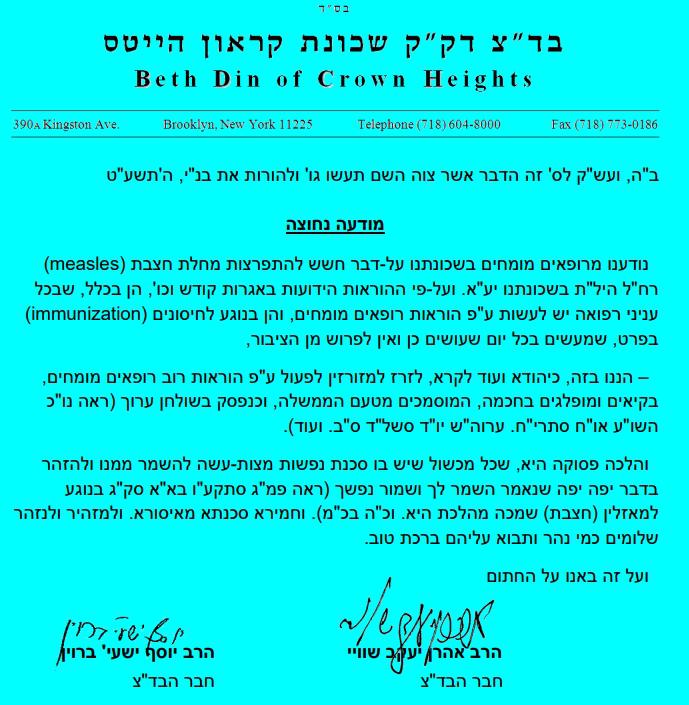
Shareרַ֡ק הִשָּׁ֣מֶר לְךָ֩ וּשְׁמֹ֨ר נַפְשְׁךָ֜ מְאֹ֗ד
But take utmost care and watch yourselves scrupulously
שֶׁכָּל הַמְאַבֵּד נֶפֶשׁ אַחַת מִיִּשְׂרָאֵל, מַעֲלֶה עָלָיו הַכָּתוּב כְּאִלּוּ אִבֵּד עוֹלָם מָלֵא. וְכָל הַמְקַיֵּם נֶפֶשׁ אַחַת מִיִּשְׂרָאֵל, מַעֲלֶה עָלָיו הַכָּתוּב כְּאִלּוּ קִיֵּם עוֹלָם מָלֵא.
Whoever destroys one soul is considered by Scripture as if he had destroyed the entire world, and whoever sustains one soul is considered as if he had sustained the entire world
ואין זה אסור לחולה עצמו לפי שהוא מצוה ר"ל חיוב הרופא מן התורה לרפאות חולי ישראל וזה נכלל בפי' מ"ש הפסוק (דברים כב:ב) "והשבותו לו" לרפאות את גופו שהוא כשרואה אותו מסוכן ויכול להצילו או בגופו או בממונו או בחכמתו
And this is not forbidden to the patient himself because it is a mitzvah, i.e., that the physician is obligated by law to heal the sick of Israel, and this is included in [the Sages’] commentary to the verse “and you shall restore it to him” (Deuteronomy 22:2) -- including his body, that if he saw that he is lost and could save him, then he must save him with his body or his money or his knowledge
...
תנא דבי ר' ישמעאל ורפא ירפא מכאן שנתנה רשות לרופא לרפאות ... ומצוה היא ובכלל פיקוח נפש הוא והזריז ה"ז משובח ואם מונע עצמו ה"ז שופך דמים
A baraita by the name of Rabbi Ishmael teaches that we are permitted to practice medicine… This “permission” is in fact a mitzvah, a commanded act, partaking of the duty to save life (pikuaḥ nefesh). One who is zealous in its performance is praiseworthy. One who delays or refuses is akin to a shedder of blood.
כל חולי שהרופאים אומרים שהיא סכנה אע"פ שהוא על הבשר מבחוץ מחללין עליו את השבת ואם רופא א' אומר צריך ורופא א' אומר אינו צריך מחללין
Every illness that the doctors say is dangerous, even though it is external on the flesh, they desecrate Sabbath for it. And if one doctor says [the treatment] is necessary [to save the patient's life] and one doctor says it is not necessary, they desecrate [the Sabbath by treating the patient].
רופא אחד אומר צריך. אם לא רצה החולה לקבל התרופה כופין אותו
If the patient does not want the medicine, we force the patient to take it.
(ח) כִּ֤י תִבְנֶה֙ בַּ֣יִת חָדָ֔שׁ וְעָשִׂ֥יתָ מַעֲקֶ֖ה לְגַגֶּ֑ךָ וְלֹֽא־תָשִׂ֤ים דָּמִים֙ בְּבֵיתֶ֔ךָ כִּֽי־יִפֹּ֥ל הַנֹּפֵ֖ל מִמֶּֽנּוּ׃
When you build a new house, you shall make a parapet for your roof, so that you do not bring bloodguilt on your house if anyone should fall from it.
אֶחָד הַגַּג וְאֶחָד כָּל דָּבָר שֶׁיֵּשׁ בּוֹ סַכָּנָה וְרָאוּי שֶׁיִּכָּשֵׁל בָּהּ אָדָם וְיָמוּת ... וְכֵן כָּל מִכְשׁל שֶׁיֵּשׁ בּוֹ סַכָּנַת נְפָשׁוֹת מִצְוַת עֲשֵׂה לַהֲסִירוֹ וּלְהִשָּׁמֵר מִמֶּנּוּ וּלְהִזָּהֵר בַּדָּבָר יָפֶה יָפֶה. שֶׁנֶּאֱמַר (דברים ד ט) "הִשָּׁמֶר לְךָ וּשְׁמֹר נַפְשְׁךָ". וְאִם לֹא הֵסִיר וְהֵנִיחַ הַמִּכְשׁוֹלוֹת הַמְּבִיאִין לִידֵי סַכָּנָה בִּטֵּל מִצְוַת עֲשֵׂה וְעָבַר בְּ(דברים כב ח) "לֹא תָשִׂים דָּמִים":
This requirement applies to a roof, and similarly, to any place that might present a danger and cause a person to stumble and die ... Similarly, it is a positive mitzvah to remove any obstacle that could pose a danger to life, and to be very careful regarding these matters, as Deuteronomy 4:9 states: "Beware for yourself; and guard your soul." If a person leaves a dangerous obstacle and does not remove it, he negates the observance of a positive commandment, and violates the negative commandment: "Do not cause blood to be spilled."
גמ׳ ת"ר מניין לרודף אחר חבירו להרגו שניתן להצילו בנפשו ת"ל (ויקרא יט, טז) "לא תעמוד על דם רעך"
GEMARA: The Sages taught in a baraita: From where is it derived that with regard to one who pursues another in order to kill him, the pursued party may be saved at the cost of the pursuer’s life? The verse states: “You shall not stand idly by the blood of another” (Leviticus 19:16); rather, you must save him from death.
[ה] "וכשלו איש באחיו"-- אינו אומר "איש באחיו" אלא בעון אחיו; מלמד שכל ישראל ערבים זה בזה.
5) (Vayikra 26:37) "And they will stumble, one man by his brother": It is not written "one man because of his brother" (i.e., in running), but "one man by his brother," the sin of his brother — whereby we are taught that all of Israel are responsible, one for the other.
I was brought low and He saved me.
Nanzig lost 2 children to smallpox, and 10 years before Edward Jenner's smallpox vaccine in 1796 wrote:
Now in God’s compassion for His creatures, He has withdrawn His hand from this destructive disease somewhat, granting skill and understanding to the skilled physicians of our time, who have discovered an effective, almost risk-free treatment for this ... Is it or is it not permissible for a Jew to use this treatment which, it appears, involves exposure to a minor risk in order to obviate a great risk yet to come? ... It is as if we were treating an illness currently present, since all his days he suffers with worry that he will contract the disease as an adult, when it is more dangerous, as is well known.