




 Save
Save Copy
Copy Add to Collection
 Export to Google Docs
 Share
Share(א) וּמֹשֶׁ֗ה הָיָ֥ה רֹעֶ֛ה אֶת־צֹ֛אן יִתְר֥וֹ חֹתְנ֖וֹ כֹּהֵ֣ן מִדְיָ֑ן וַיִּנְהַ֤ג אֶת־הַצֹּאן֙ אַחַ֣ר הַמִּדְבָּ֔ר וַיָּבֹ֛א אֶל־הַ֥ר הָאֱלֹקִ֖ים חֹרֵֽבָה׃ (ב) וַ֠יֵּרָ֠א מַלְאַ֨ךְ יקוק אֵלָ֛יו בְּלַבַּת־אֵ֖שׁ מִתּ֣וֹךְ הַסְּנֶ֑ה וַיַּ֗רְא וְהִנֵּ֤ה הַסְּנֶה֙ בֹּעֵ֣ר בָּאֵ֔שׁ וְהַסְּנֶ֖ה אֵינֶ֥נּוּ אֻכָּֽל׃ (ג) וַיֹּ֣אמֶר מֹשֶׁ֔ה אָסֻֽרָה־נָּ֣א וְאֶרְאֶ֔ה אֶת־הַמַּרְאֶ֥ה הַגָּדֹ֖ל הַזֶּ֑ה מַדּ֖וּעַ לֹא־יִבְעַ֥ר הַסְּנֶֽה׃ (ד) וַיַּ֥רְא יקוק כִּ֣י סָ֣ר לִרְא֑וֹת וַיִּקְרָא֩ אֵלָ֨יו אֱלֹקִ֜ים מִתּ֣וֹךְ הַסְּנֶ֗ה וַיֹּ֛אמֶר מֹשֶׁ֥ה מֹשֶׁ֖ה וַיֹּ֥אמֶר הִנֵּֽנִי׃ (ה) וַיֹּ֖אמֶר אַל־תִּקְרַ֣ב הֲלֹ֑ם שַׁל־נְעָלֶ֙יךָ֙ מֵעַ֣ל רַגְלֶ֔יךָ כִּ֣י הַמָּק֗וֹם אֲשֶׁ֤ר אַתָּה֙ עוֹמֵ֣ד עָלָ֔יו אַדְמַת־קֹ֖דֶשׁ הֽוּא׃ (ו) וַיֹּ֗אמֶר אָנֹכִי֙ אֱלֹקֵ֣י אָבִ֔יךָ אֱלֹקֵ֧י אַבְרָהָ֛ם אֱלֹקֵ֥י יִצְחָ֖ק וֵאלֹקֵ֣י יַעֲקֹ֑ב וַיַּסְתֵּ֤ר מֹשֶׁה֙ פָּנָ֔יו כִּ֣י יָרֵ֔א מֵהַבִּ֖יט אֶל־הָאֱלֹקִֽים׃ (ז) וַיֹּ֣אמֶר יקוק רָאֹ֥ה רָאִ֛יתִי אֶת־עֳנִ֥י עַמִּ֖י אֲשֶׁ֣ר בְּמִצְרָ֑יִם וְאֶת־צַעֲקָתָ֤ם שָׁמַ֙עְתִּי֙ מִפְּנֵ֣י נֹֽגְשָׂ֔יו כִּ֥י יָדַ֖עְתִּי אֶת־מַכְאֹבָֽיו׃ (ח) וָאֵרֵ֞ד לְהַצִּיל֣וֹ ׀ מִיַּ֣ד מִצְרַ֗יִם וּֽלְהַעֲלֹתוֹ֮ מִן־הָאָ֣רֶץ הַהִוא֒ אֶל־אֶ֤רֶץ טוֹבָה֙ וּרְחָבָ֔ה אֶל־אֶ֛רֶץ זָבַ֥ת חָלָ֖ב וּדְבָ֑שׁ אֶל־מְק֤וֹם הַֽכְּנַעֲנִי֙ וְהַ֣חִתִּ֔י וְהָֽאֱמֹרִי֙ וְהַפְּרִזִּ֔י וְהַחִוִּ֖י וְהַיְבוּסִֽי׃ (ט) וְעַתָּ֕ה הִנֵּ֛ה צַעֲקַ֥ת בְּנֵי־יִשְׂרָאֵ֖ל בָּ֣אָה אֵלָ֑י וְגַם־רָאִ֙יתִי֙ אֶת־הַלַּ֔חַץ אֲשֶׁ֥ר מִצְרַ֖יִם לֹחֲצִ֥ים אֹתָֽם׃ (י) וְעַתָּ֣ה לְכָ֔ה וְאֶֽשְׁלָחֲךָ֖ אֶל־פַּרְעֹ֑ה וְהוֹצֵ֛א אֶת־עַמִּ֥י בְנֵֽי־יִשְׂרָאֵ֖ל מִמִּצְרָֽיִם׃ (יא) וַיֹּ֤אמֶר מֹשֶׁה֙ אֶל־הָ֣אֱלֹקִ֔ים מִ֣י אָנֹ֔כִי כִּ֥י אֵלֵ֖ךְ אֶל־פַּרְעֹ֑ה וְכִ֥י אוֹצִ֛יא אֶת־בְּנֵ֥י יִשְׂרָאֵ֖ל מִמִּצְרָֽיִם׃ (יב) וַיֹּ֙אמֶר֙ כִּֽי־אֶֽהְיֶ֣ה עִמָּ֔ךְ וְזֶה־לְּךָ֣ הָא֔וֹת כִּ֥י אָנֹכִ֖י שְׁלַחְתִּ֑יךָ בְּהוֹצִֽיאֲךָ֤ אֶת־הָעָם֙ מִמִּצְרַ֔יִם תַּֽעַבְדוּן֙ אֶת־הָ֣אֱלֹקִ֔ים עַ֖ל הָהָ֥ר הַזֶּֽה׃ ...
(טו) וַיֹּ֩אמֶר֩ ע֨וֹד אֱלֹקִ֜ים אֶל־מֹשֶׁ֗ה כֹּֽה־תֹאמַר֮ אֶל־בְּנֵ֣י יִשְׂרָאֵל֒ יקוק אֱלֹקֵ֣י אֲבֹתֵיכֶ֗ם אֱלֹקֵ֨י אַבְרָהָ֜ם אֱלֹקֵ֥י יִצְחָ֛ק וֵאלֹקֵ֥י יַעֲקֹ֖ב שְׁלָחַ֣נִי אֲלֵיכֶ֑ם זֶה־שְּׁמִ֣י לְעֹלָ֔ם וְזֶ֥ה זִכְרִ֖י לְדֹ֥ר דֹּֽר׃ (טז) לֵ֣ךְ וְאָֽסַפְתָּ֞ אֶת־זִקְנֵ֣י יִשְׂרָאֵ֗ל וְאָמַרְתָּ֤ אֲלֵהֶם֙ יקוק אֱלֹקֵ֤י אֲבֹֽתֵיכֶם֙ נִרְאָ֣ה אֵלַ֔י אֱלֹקֵ֧י אַבְרָהָ֛ם יִצְחָ֥ק וְיַעֲקֹ֖ב לֵאמֹ֑ר פָּקֹ֤ד פָּקַ֙דְתִּי֙ אֶתְכֶ֔ם וְאֶת־הֶעָשׂ֥וּי לָכֶ֖ם בְּמִצְרָֽיִם׃
(1) Now Moses, tending the flock of his father-in-law Jethro, the priest of Midian, drove the flock into the wilderness, and came to Horeb, the mountain of God. (2) A messenger of יקוק appeared to him in a blazing fire out of a bush. He gazed, and there was a bush all aflame, yet the bush was not consumed. (3) Moses said, “I must turn aside to look at this marvelous sight; why doesn’t the bush burn up?” (4) When יקוק saw that he had turned aside to look, God called to him out of the bush: “Moses! Moses!” He answered, “Here I am.” (5) And [God] said, “Do not come closer! Remove your sandals from your feet, for the place on which you stand is holy ground!” (6) and continued, “I am the God of your father’s [house]—the God of Abraham, the God of Isaac, and the God of Jacob.” And Moses hid his face, for he was afraid to look at God. (7) And יקוק continued, “I have marked well the plight of My people in Egypt and have heeded their outcry because of their taskmasters; yes, I am mindful of their sufferings. (8) I have come down to rescue them from the Egyptians and to bring them out of that land to a good and spacious land, a land flowing with milk and honey, the region of the Canaanites, the Hittites, the Amorites, the Perizzites, the Hivites, and the Jebusites. (9) Now the cry of the Israelites has reached Me; moreover, I have seen how the Egyptians oppress them. (10) Come, therefore, I will send you to Pharaoh, and you shall free My people, the Israelites, from Egypt.” (11) But Moses said to God, “Who am I that I should go to Pharaoh and free the Israelites from Egypt?” (12) And [God] said, “I will be with you; that shall be your sign that it was I who sent you. And when you have freed the people from Egypt, you shall worship God at this mountain.” ...
(15) And God said further to Moses, “Thus shall you speak to the Israelites: יקוק the God of your fathers’ [house]—the God of Abraham, the God of Isaac, and the God of Jacob—has sent me to you: This shall be My name forever, This My appellation for all eternity. (16) “Go and assemble the elders of Israel and say to them: יקוק, the God of your fathers’ [house]—the God of Abraham, Isaac, and Jacob—has appeared to me and said, ‘I have taken note of you and of what is being done to you in Egypt..
|
מדרש תנחומא (בובר) פרשת שמות סימן טז ויאמר אנכי אלקי אביך (שמות ג ו), נגלה עליו בקולו של עמרם אביו, כדי שלא יתיירא, באותה שעה שמח משה ואמר עמרם אבי [חי], א"ל הקדוש ברוך הוא אתה אמרת שאני אביך, ואיני אלא אלקי אביך, באותה שעה ויסתר משה פניו וגו'(שמות ג ו): |
“He said: I am the God of your father.” (Ex 3:6a) [God] revealed Himself in the voice of Amram his father, so that [Moses] would not fear. At that moment, Moses was overjoyed and said: Amram my father lives! God said to him: You said that I am your father. I am none but your father’s God. At that moment, “Moses hid his face.” (Ex 3:6b)
- Tanhuma Shemot 16 (ed. Buber, p. 5a).
אמר ר' יהושע הכהן בר' נחמיא: בשעה שנגלה הקדוש ברוך הוא למשה טירון היה משה לנבואה. אמר הקדוש ברוך הוא: אם נגלה אני עליו בקול גדול - אני מבעתו; בקול קטון - בוסר על הנבואה. אמר הקדוש ברוך הוא: מה אעשה? נגלה עליו בקול של אביו עמרם. אמר משה: מה אבא מבקש? אמר לו הקדוש ברוך הוא: איני אביך אלא אלקי אביך, בפתוי באתי אליך שלא תתירא: ]אנכי[ אלקי אביך, אלקי אברהם אלקי יצחק ואלקי יעקב. שמח משה ואמר: הרי אבא נמנה עם האבות, ולא עוד אלא שהוא גדול והוא נזכר תחלה.
Rabbi Yehoshua Ha-Kohen son of R. Nehemiah said: At the time God revealed himself to Moses, Moses was a novice in prophecy. God said: "If I reveal Myself with a great voice, I will frighten him. In a small voice, he will not respect prophecy. What shall I do?" He revealed himself in the voice of his father Amram. Moses said: "What does my father want?" God said to him: "I am not your father but rather the God of your father. I came to you in seduction so as not to frighten you. 'The God of Abraham, the God of Isaac and the God of Jacob'” (Ex 3:6b). Moses was overjoyed and said: "My father is counted among the patriarchs, and not only that but he is great and is mentioned first!"
- Shemot Rabbah 3:1, ed. Shinan, p. 119- 2064
(12) And now, O Israel, what does your God יקוק demand of you? Only this: to revere your God יקוק, to walk only in divine paths, to love and to serve your God יקוק with all your heart and soul, (13) keeping יהוה’s commandments and laws, which I enjoin upon you today, for your good. (14) Mark, the heavens to their uttermost reaches belong to your God יקוק, the earth and all that is on it! (15) Yet it was to your ancestors that יקוק was drawn out of love for them, so that you, their lineal descendants, were chosen from among all peoples—as is now the case. (16) Cut away, therefore, the thickening about your hearts and stiffen your necks no more. (17) For your God יקוק is God supreme and Lord supreme, the great, the mighty, and the awesome God, who shows no favor and takes no bribe, (18) but upholds the cause of the fatherless and the widow, and befriends the stranger, providing food and clothing.— (19) You too must befriend the stranger, for you were strangers in the land of Egypt. (20) You must revere יקוק: only your God shall you worship, to [God] shall you hold fast, and by God’s name shall you swear. (21) [ יקוק ] is your glory and your God, who wrought for you those marvelous, awesome deeds that you saw with your own eyes. (22) Your ancestors went down to Egypt seventy persons; and now your God יקוק has made you as numerous as the stars of heaven.
דברים י:יז
כִּ֚י יקוק אֱלֹֽקֵיכֶ֔ם ה֚וּא אֱלֹקֵ֣י הָֽאֱלֹקִ֔ים וַאדושם הָאֲדֹנִ֑ים הָאֵ֨ל הַגָּדֹ֤ל הַגִּבֹּר֙ וְהַנּוֹרָ֔א אֲשֶׁר֙ לֹא־יִשָּׂ֣א פָנִ֔ים וְלֹ֥א יִקַּ֖ח שֹֽׁחַד׃
ירמיהו לב:יח
עֹ֤שֶׂה חֶ֙סֶד֙ לַֽאֲלָפִ֔ים וּמְשַׁלֵּם֙ עֲוֺ֣ן אָב֔וֹת אֶל־חֵ֥יק בְּנֵיהֶ֖ם אַחֲרֵיהֶ֑ם הָאֵ֤ל הַגָּדוֹל֙ הַגִּבּ֔וֹר יקוק צְבָא֖וֹת שְׁמֽוֹ׃
דניאל ט:ד
וָֽאֶתְפַּֽלְלָ֛ה לַיקוק אֱלֹקַ֖י וָאֶתְוַדֶּ֑ה וָאֹֽמְרָ֗ה אָנָּ֤א אדושם הָאֵ֤ל הַגָּדוֹל֙ וְהַנּוֹרָ֔א שֹׁמֵ֤ר הַבְּרִית֙ וְֽהַחֶ֔סֶד לְאֹהֲבָ֖יו וּלְשֹׁמְרֵ֥י מִצְוֺתָֽיו׃
נחמיה ט:לב
וְעַתָּ֣ה אֱ֠לֹקֵ֠ינוּ הָאֵ֨ל הַגָּד֜וֹל הַגִּבּ֣וֹר וְהַנּוֹרָא֮ שׁוֹמֵ֣ר הַבְּרִ֣ית וְהַחֶ֒סֶד֒ אַל־יִמְעַ֣ט לְפָנֶ֡יךָ אֵ֣ת כׇּל־הַתְּלָאָ֣ה אֲֽשֶׁר־מְ֠צָאַ֠תְנוּ לִמְלָכֵ֨ינוּ לְשָׂרֵ֧ינוּ וּלְכֹהֲנֵ֛ינוּ וְלִנְבִיאֵ֥ינוּ וְלַאֲבֹתֵ֖ינוּ וּלְכׇל־עַמֶּ֑ךָ מִימֵי֙ מַלְכֵ֣י אַשּׁ֔וּר עַ֖ד הַיּ֥וֹם הַזֶּֽה׃
For the Lord your God is God of gods and Lord of lords, the great, the mighty, and the awesome God, who shows no favor and takes no bribe – Deut 10:17
Who performs lovingkindness for thousands but pay sin of the fathers to the bosom of their children after them, O great, mighty God, YHVH Zevaot is His name. – Jer 32:18
I prayed to YHVH my God and confessed, and said: Please, Lord, the great and awesome God, who keeps the covenant and lovingkindness to those who love Him and keep His commandments. – Daniel 9:4
Now, our God, the great, mighty and awesome God, who keeps the covenant and lovingkindness: Do not let all this hardship seem trifling in your eyes, that has found our kings, our ministers, our priests, our prophets, our ancestors, and all Your nation from the days of the kingdom of Assyria until this day. – Neh 9:32.
|
תלמוד בבלי מסכת מגילה דף כה עמוד א ההוא דנחית קמיה דרבי חנינא, אמר: האל הגדול הגבור והנורא האדיר והחזק והאמיץ. אמר ליה: סיימתינהו לשבחיה דמרך? השתא הני תלתא, אי לאו דכתבינהו משה באורייתא ואתו כנסת הגדולה ותקנינהו, אנן לא אמרינן להו, ואת אמרת כולי האי? משל לאדם שהיו לו אלף אלפי אלפים דינרי זהב, והיו מקלסין אותו )באלף( דינרי כסף. לא גנאי הוא לו? |
There was once one who prayed the amidah before Rabbi Hanina. He said: “The great, mighty, awesome, powerful, strong, courageous God.”
[Rabbi Hanina] said to him: Have you finished praising your Master? These three (descriptions): were it not that they were written by Moses in the Torah and affixed by the Men of the Great Assembly, we would not even say them! But you say all of these?! It may be compared to a human who had thousands upon thousands of gold coins, and people praised him for his silver coins. Isn’t that a degradation of him?
- B Megillah 25a78
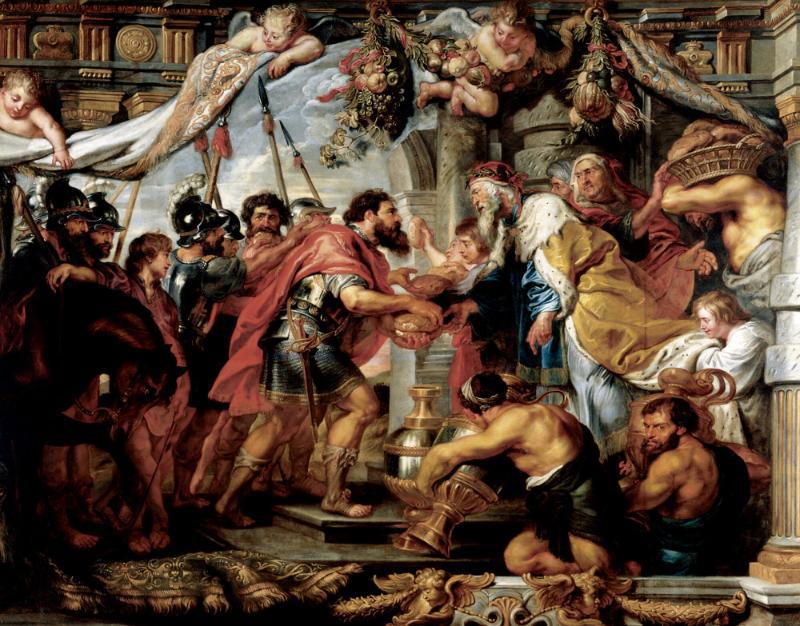
(א) וַיְהִ֗י בִּימֵי֙ אַמְרָפֶ֣ל מֶֽלֶךְ־שִׁנְעָ֔ר אַרְי֖וֹךְ מֶ֣לֶךְ אֶלָּסָ֑ר כְּדׇרְלָעֹ֙מֶר֙ מֶ֣לֶךְ עֵילָ֔ם וְתִדְעָ֖ל מֶ֥לֶךְ גּוֹיִֽם׃ (ב) עָשׂ֣וּ מִלְחָמָ֗ה אֶת־בֶּ֙רַע֙ מֶ֣לֶךְ סְדֹ֔ם וְאֶת־בִּרְשַׁ֖ע מֶ֣לֶךְ עֲמֹרָ֑ה שִׁנְאָ֣ב ׀ מֶ֣לֶךְ אַדְמָ֗ה וְשֶׁמְאֵ֙בֶר֙ מֶ֣לֶךְ צְבֹיִ֔ים וּמֶ֥לֶךְ בֶּ֖לַע הִיא־צֹֽעַר׃ (ג) כׇּל־אֵ֙לֶּה֙ חָֽבְר֔וּ אֶל־עֵ֖מֶק הַשִּׂדִּ֑ים ה֖וּא יָ֥ם הַמֶּֽלַח׃ (ד) שְׁתֵּ֤ים עֶשְׂרֵה֙ שָׁנָ֔ה עָבְד֖וּ אֶת־כְּדׇרְלָעֹ֑מֶר וּשְׁלֹשׁ־עֶשְׂרֵ֥ה שָׁנָ֖ה מָרָֽדוּ׃ (ה) וּבְאַרְבַּע֩ עֶשְׂרֵ֨ה שָׁנָ֜ה בָּ֣א כְדׇרְלָעֹ֗מֶר וְהַמְּלָכִים֙ אֲשֶׁ֣ר אִתּ֔וֹ וַיַּכּ֤וּ אֶת־רְפָאִים֙ בְּעַשְׁתְּרֹ֣ת קַרְנַ֔יִם וְאֶת־הַזּוּזִ֖ים בְּהָ֑ם וְאֵת֙ הָֽאֵימִ֔ים בְּשָׁוֵ֖ה קִרְיָתָֽיִם׃ (ו) וְאֶת־הַחֹרִ֖י בְּהַרְרָ֣ם שֵׂעִ֑יר עַ֚ד אֵ֣יל פָּארָ֔ן אֲשֶׁ֖ר עַל־הַמִּדְבָּֽר׃ (ז) וַ֠יָּשֻׁ֠בוּ וַיָּבֹ֜אוּ אֶל־עֵ֤ין מִשְׁפָּט֙ הִ֣וא קָדֵ֔שׁ וַיַּכּ֕וּ אֶֽת־כׇּל־שְׂדֵ֖ה הָעֲמָלֵקִ֑י וְגַם֙ אֶת־הָ֣אֱמֹרִ֔י הַיֹּשֵׁ֖ב בְּחַֽצְצֹ֥ן תָּמָֽר׃ (ח) וַיֵּצֵ֨א מֶֽלֶךְ־סְדֹ֜ם וּמֶ֣לֶךְ עֲמֹרָ֗ה וּמֶ֤לֶךְ אַדְמָה֙ וּמֶ֣לֶךְ צְבֹיִ֔ים וּמֶ֥לֶךְ בֶּ֖לַע הִוא־צֹ֑עַר וַיַּֽעַרְכ֤וּ אִתָּם֙ מִלְחָמָ֔ה בְּעֵ֖מֶק הַשִּׂדִּֽים׃ (ט) אֵ֣ת כְּדׇרְלָעֹ֜מֶר מֶ֣לֶךְ עֵילָ֗ם וְתִדְעָל֙ מֶ֣לֶךְ גּוֹיִ֔ם וְאַמְרָפֶל֙ מֶ֣לֶךְ שִׁנְעָ֔ר וְאַרְי֖וֹךְ מֶ֣לֶךְ אֶלָּסָ֑ר אַרְבָּעָ֥ה מְלָכִ֖ים אֶת־הַחֲמִשָּֽׁה׃ (י) וְעֵ֣מֶק הַשִּׂדִּ֗ים בֶּֽאֱרֹ֤ת בֶּאֱרֹת֙ חֵמָ֔ר וַיָּנֻ֛סוּ מֶֽלֶךְ־סְדֹ֥ם וַעֲמֹרָ֖ה וַיִּפְּלוּ־שָׁ֑מָּה וְהַנִּשְׁאָרִ֖ים הֶ֥רָה נָּֽסוּ׃ (יא) וַ֠יִּקְח֠וּ אֶת־כׇּל־רְכֻ֨שׁ סְדֹ֧ם וַעֲמֹרָ֛ה וְאֶת־כׇּל־אׇכְלָ֖ם וַיֵּלֵֽכוּ׃ (יב) וַיִּקְח֨וּ אֶת־ל֧וֹט וְאֶת־רְכֻשׁ֛וֹ בֶּן־אֲחִ֥י אַבְרָ֖ם וַיֵּלֵ֑כוּ וְה֥וּא יֹשֵׁ֖ב בִּסְדֹֽם׃ (יג) וַיָּבֹא֙ הַפָּלִ֔יט וַיַּגֵּ֖ד לְאַבְרָ֣ם הָעִבְרִ֑י וְהוּא֩ שֹׁכֵ֨ן בְּאֵֽלֹנֵ֜י מַמְרֵ֣א הָאֱמֹרִ֗י אֲחִ֤י אֶשְׁכֹּל֙ וַאֲחִ֣י עָנֵ֔ר וְהֵ֖ם בַּעֲלֵ֥י בְרִית־אַבְרָֽם׃ (יד) וַיִּשְׁמַ֣ע אַבְרָ֔ם כִּ֥י נִשְׁבָּ֖ה אָחִ֑יו וַיָּ֨רֶק אֶת־חֲנִיכָ֜יו יְלִידֵ֣י בֵית֗וֹ שְׁמֹנָ֤ה עָשָׂר֙ וּשְׁלֹ֣שׁ מֵא֔וֹת וַיִּרְדֹּ֖ף עַד־דָּֽן׃ (טו) וַיֵּחָלֵ֨ק עֲלֵיהֶ֧ם ׀ לַ֛יְלָה ה֥וּא וַעֲבָדָ֖יו וַיַּכֵּ֑ם וַֽיִּרְדְּפֵם֙ עַד־חוֹבָ֔ה אֲשֶׁ֥ר מִשְּׂמֹ֖אל לְדַמָּֽשֶׂק׃ (טז) וַיָּ֕שֶׁב אֵ֖ת כׇּל־הָרְכֻ֑שׁ וְגַם֩ אֶת־ל֨וֹט אָחִ֤יו וּרְכֻשׁוֹ֙ הֵשִׁ֔יב וְגַ֥ם אֶת־הַנָּשִׁ֖ים וְאֶת־הָעָֽם׃ (יז) וַיֵּצֵ֣א מֶֽלֶךְ־סְדֹם֮ לִקְרָאתוֹ֒ אַחֲרֵ֣י שׁוּב֗וֹ מֵֽהַכּוֹת֙ אֶת־כְּדׇרְלָעֹ֔מֶר וְאֶת־הַמְּלָכִ֖ים אֲשֶׁ֣ר אִתּ֑וֹ אֶל־עֵ֣מֶק שָׁוֵ֔ה ה֖וּא עֵ֥מֶק הַמֶּֽלֶךְ׃
(יח) וּמַלְכִּי־צֶ֙דֶק֙ מֶ֣לֶךְ שָׁלֵ֔ם הוֹצִ֖יא לֶ֣חֶם וָיָ֑יִן וְה֥וּא כֹהֵ֖ן לְאֵ֥ל עֶלְיֽוֹן׃ (יט) וַֽיְבָרְכֵ֖הוּ וַיֹּאמַ֑ר בָּר֤וּךְ אַבְרָם֙ לְאֵ֣ל עֶלְי֔וֹן קֹנֵ֖ה שָׁמַ֥יִם וָאָֽרֶץ׃ (כ) וּבָרוּךְ֙ אֵ֣ל עֶלְי֔וֹן אֲשֶׁר־מִגֵּ֥ן צָרֶ֖יךָ בְּיָדֶ֑ךָ וַיִּתֶּן־ל֥וֹ מַעֲשֵׂ֖ר מִכֹּֽל׃
(כא) וַיֹּ֥אמֶר מֶֽלֶךְ־סְדֹ֖ם אֶל־אַבְרָ֑ם תֶּן־לִ֣י הַנֶּ֔פֶשׁ וְהָרְכֻ֖שׁ קַֽח־לָֽךְ׃ (כב) וַיֹּ֥אמֶר אַבְרָ֖ם אֶל־מֶ֣לֶךְ סְדֹ֑ם הֲרִמֹ֨תִי יָדִ֤י אֶל־יקוק אֵ֣ל עֶלְי֔וֹן קֹנֵ֖ה שָׁמַ֥יִם וָאָֽרֶץ׃ (כג) אִם־מִחוּט֙ וְעַ֣ד שְׂרֽוֹךְ־נַ֔עַל וְאִם־אֶקַּ֖ח מִכׇּל־אֲשֶׁר־לָ֑ךְ וְלֹ֣א תֹאמַ֔ר אֲנִ֖י הֶעֱשַׁ֥רְתִּי אֶת־אַבְרָֽם׃ (כד) בִּלְעָדַ֗י רַ֚ק אֲשֶׁ֣ר אָֽכְל֣וּ הַנְּעָרִ֔ים וְחֵ֙לֶק֙ הָֽאֲנָשִׁ֔ים אֲשֶׁ֥ר הָלְכ֖וּ אִתִּ֑י עָנֵר֙ אֶשְׁכֹּ֣ל וּמַמְרֵ֔א הֵ֖ם יִקְח֥וּ חֶלְקָֽם׃ {ס}
(1) Now, when King Amraphel of Shinar, King Arioch of Ellasar, King Chedorlaomer of Elam, and King Tidal of Goiim (2) made war on King Bera of Sodom, King Birsha of Gomorrah, King Shinab of Admah, King Shemeber of Zeboiim, and the king of Bela, which is Zoar, (3) all the latter joined forces at the Valley of Siddim, now the Dead Sea. (4) Twelve years they served Chedorlaomer, and in the thirteenth year they rebelled. (5) In the fourteenth year Chedorlaomer and the kings who were with him came and defeated the Rephaim at Ashteroth-karnaim, the Zuzim at Ham, the Emim at Shaveh-kiriathaim, (6) and the Horites in their hill country of Seir as far as El-paran, which is by the wilderness. (7) On their way back they came to En-mishpat, which is Kadesh, and subdued all the territory of the Amalekites, and also the Amorites who dwelt in Hazazon-tamar. (8) Then the king of Sodom, the king of Gomorrah, the king of Admah, the king of Zeboiim, and the king of Bela, which is Zoar, went forth and engaged them in battle in the Valley of Siddim: (9) King Chedorlaomer of Elam, King Tidal of Goiim, King Amraphel of Shinar, and King Arioch of Ellasar—four kings against those five. (10) Now the Valley of Siddim was dotted with bitumen pits; and the kings of Sodom and Gomorrah, in their flight, threw themselves into them, while the rest escaped to the hill country. (11) [The invaders] seized all the wealth of Sodom and Gomorrah and all their provisions, and went their way. (12) They also took Lot, the son of Abram’s brother, and his possessions, and departed; for he had settled in Sodom. (13) A fugitive brought the news to Abram the Hebrew, who was dwelling at the terebinths of Mamre the Amorite, kinsman of Eshkol and Aner, these being Abram’s allies. (14) When Abram heard that his kinsman’s [household] had been taken captive, he mustered his retainers, born into his household, numbering three hundred and eighteen, and went in pursuit as far as Dan. (15) At night, he and his servants deployed against them and defeated them; and he pursued them as far as Hobah, which is north of Damascus. (16) He brought back all the possessions; he also brought back his kinsman Lot and his possessions, and the women and the rest of the people. (17) When he returned from defeating Chedorlaomer and the kings with him, the king of Sodom came out to meet him in the Valley of Shaveh, which is the Valley of the King. (18) And King Melchizedek of Salem brought out bread and wine; he was a priest of God Most High. (19) He blessed him, saying,
“Blessed be Abram of God Most High, Creator of heaven and earth. (20) And blessed be God Most High, Who has delivered your foes into your hand.”And [Abram] gave him a tenth of everything. (21) Then the king of Sodom said to Abram, “Give me the persons, and take the possessions for yourself.” (22) But Abram said to the king of Sodom, “I swear to יקוק, God Most High, Creator of heaven and earth: (23) I will not take so much as a thread or a sandal strap of what is yours; you shall not say, ‘It is I who made Abram rich.’ (24) For me, nothing but what my servants have used up; as for the share of the parties who went with me—Aner, Eshkol, and Mamre—let them take their share.”
|
בראשית רבה פרשת לך לך פרשה מג הוציא לחם ויין ר' שמואל בר נחמן הלכות כהונה מסר לו, לחם זה לחם הפנים ויין אילו הנסכים, רבנין אמ' תורה גילה לו לכו לחמו בלחמי ושתו ביין מסכתי (משלי ט ה). |
“[And Malki-Zedek, king of Shalem] brought out bread and wine (Gen 14:18)”
R. Shmuel bar Nahman said: He transmitted to him the laws of the priesthood. Bread – this is the showbread. Wine – this is the libations. The rabbis said: He revealed Torah to him [as it says]: “Come, eat my bread and drink the wine I have mixed.” (Prov 9:5).146
- Bereishit Rabbah 43:14 (ed. Theodor- Albeck, pp. 420-1)
תלמוד בבלי מסכת נדרים דף לב עמוד ב אמר רבי זכריה משום רבי ישמעאל: ביקש הקדוש ברוך הוא להוציא כהונה משם, שנאמר: +בראשית יד+ והוא כהן לאל עליון, כיון שהקדים ברכת אברהם לברכת המקום הוציאה מאברהם, שנאמר: +בראשית יד+ ויברכהו ויאמר ברוך אברם לאל עליון קונה שמים וארץ, וברוך אל עליון, אמר לו אברהם: וכי מקדימין ברכת עבד לברכת קונו? מיד נתנה לאברהם, שנאמר: +תהלים קי+ נאם יקוק לאדושם שב לימיני עד אשית אויביך הדום לרגליך, ובתריה כתיב: נשבע יקוק ולא ינחם אתה כהן לעולם על דברתי מלכי צדק - על דיבורו של מלכי צדק; והיינו דכתיב: והוא כהן לאל עליון, הוא כהן - ואין זרעו כהן. |
R. Zecharia said in the name of R. Yishmael: The Holy Blessed One wanted to remove the priesthood from Shem, as it says: "He was a priest to El Elyon"(Gen. 14:18). Because he advanced the blessing of Abraham before the blessing of the Omnipresent, He removed it from him, as it says: “And he blessed him and said: Blessed is Avram to El Elyon, creator of heaven and earth. And blessed is El Elyon...” (Gen 14:19-20).
Abraham said to him (Malki-Zedek): Does one advance the blessing of a slave to the blessing of his master/owner? Immediately it was given to Abraham, as it says: “YHVH said to my lord: Sit at My right hand while I make your enemies your footstool. (Ps 110:1) and afterward it is written: “YHVH has sworn and will not relent, ‘You are a priest forever,’ by my word – Malki-Zedek.” (Ps 110:4). Read this as: “Because of the word of Malki-Zedek.” That is why it is written: “He is a priest to El Elyon” (Gen 14:18) – He is a priest, but his children are not priests.
- BT Nedarim 32b
ברןך אתה יקוק מגן אברהם
Blessed are You, G-d, Shield of Abraham (end of first blessing of the Amidah)
(א) אַחַ֣ר ׀ הַדְּבָרִ֣ים הָאֵ֗לֶּה הָיָ֤ה דְבַר־יקוק אֶל־אַבְרָ֔ם בַּֽמַּחֲזֶ֖ה לֵאמֹ֑ר אַל־תִּירָ֣א אַבְרָ֗ם אָנֹכִי֙ מָגֵ֣ן לָ֔ךְ שְׂכָרְךָ֖ הַרְבֵּ֥ה מְאֹֽד׃ (ב) וַיֹּ֣אמֶר אַבְרָ֗ם אדושם יקוק מַה־תִּתֶּן־לִ֔י וְאָנֹכִ֖י הוֹלֵ֣ךְ עֲרִירִ֑י וּבֶן־מֶ֣שֶׁק בֵּיתִ֔י ה֖וּא דַּמֶּ֥שֶׂק אֱלִיעֶֽזֶר׃ (ג) וַיֹּ֣אמֶר אַבְרָ֔ם הֵ֣ן לִ֔י לֹ֥א נָתַ֖תָּה זָ֑רַע וְהִנֵּ֥ה בֶן־בֵּיתִ֖י יוֹרֵ֥שׁ אֹתִֽי׃ (ד) וְהִנֵּ֨ה דְבַר־יקוק אֵלָיו֙ לֵאמֹ֔ר לֹ֥א יִֽירָשְׁךָ֖ זֶ֑ה כִּי־אִם֙ אֲשֶׁ֣ר יֵצֵ֣א מִמֵּעֶ֔יךָ ה֖וּא יִֽירָשֶֽׁךָ׃ (ה) וַיּוֹצֵ֨א אֹת֜וֹ הַח֗וּצָה וַיֹּ֙אמֶר֙ הַבֶּט־נָ֣א הַשָּׁמַ֗יְמָה וּסְפֹר֙ הַכּ֣וֹכָבִ֔ים אִם־תּוּכַ֖ל לִסְפֹּ֣ר אֹתָ֑ם וַיֹּ֣אמֶר ל֔וֹ כֹּ֥ה יִהְיֶ֖ה זַרְעֶֽךָ׃
(1) Some time later, the word of the LORD came to Abram in a vision. He said, “Fear not, Abram, I am a shield to you; Your reward shall be very great.” (2) But Abram said, “O Lord GOD, what can You give me, seeing that I shall die childless, and the one in charge of my household is Dammesek Eliezer!” (3) Abram said further, “Since You have granted me no offspring, my steward will be my heir.” (4) The word of the LORD came to him in reply, “That one shall not be your heir; none but your very own issue shall be your heir.” (5) He took him outside and said, “Look toward heaven and count the stars, if you are able to count them.” And He added, “So shall your offspring be.”