




 Save
Save Copy
Copy Add to Collection
 Export to Google Docs
 Share
Share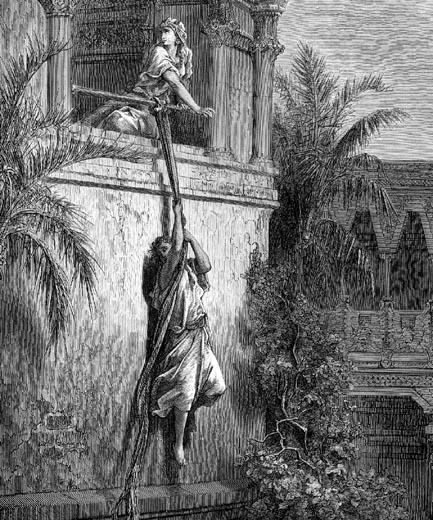
2. What do you think is happening?
3. What do you wonder?
(מט) וַיִּֽהְיוּ֙ בְּנֵ֣י שָׁא֔וּל יוֹנָתָ֥ן וְיִשְׁוִ֖י וּמַלְכִּי־שׁ֑וּעַ וְשֵׁם֙ שְׁתֵּ֣י בְנֹתָ֔יו שֵׁ֤ם הַבְּכִירָה֙ מֵרַ֔ב וְשֵׁ֥ם הַקְּטַנָּ֖ה מִיכַֽל׃(נ) וְשֵׁם֙ אֵ֣שֶׁת שָׁא֔וּל אֲחִינֹ֖עַם בַּת־אֲחִימָ֑עַץ וְשֵׁ֤ם שַׂר־צְבָאוֹ֙ אֲבִינֵ֔ר בֶּן־נֵ֖ר דּ֥וֹד שָׁאֽוּל׃
(49) Saul’s sons were: Jonathan, Ishvi, and Malchishua; and the names of his two daughters were Merav, the older, and Michal, the younger.(50) The name of Saul’s wife was Achinoam daughter of Achima’az; and the name of his army commander was Abner son of Saul’s uncle Ner.
(יז) וַיֹּ֨אמֶר שָׁא֜וּל אֶל־דָּוִ֗ד הִנֵּה֩ בִתִּ֨י הַגְּדוֹלָ֤ה מֵרַב֙ אֹתָהּ֙ אֶתֶּן־לְךָ֣ לְאִשָּׁ֔ה אַ֚ךְ הֱיֵה־לִ֣י לְבֶן־חַ֔יִל וְהִלָּחֵ֖ם מִלְחֲמ֣וֹת יהוה וְשָׁא֣וּל אָמַ֗ר אַל־תְּהִ֤י יָדִי֙ בּ֔וֹ וּתְהִי־ב֖וֹ יַד־פְּלִשְׁתִּֽים׃ {ס}(יח) וַיֹּ֨אמֶר דָּוִ֜ד אֶל־שָׁא֗וּל מִ֤י אָֽנֹכִי֙ וּמִ֣י חַיַּ֔י מִשְׁפַּ֥חַת אָבִ֖י בְּיִשְׂרָאֵ֑ל כִּי־אֶהְיֶ֥ה חָתָ֖ן לַמֶּֽלֶךְ׃(יט) וַיְהִ֗י בְּעֵ֥ת תֵּ֛ת אֶת־מֵרַ֥ב בַּת־שָׁא֖וּל לְדָוִ֑ד וְהִ֧יא נִתְּנָ֛ה לְעַדְרִיאֵ֥ל הַמְּחֹלָתִ֖י לְאִשָּֽׁה׃(כ) וַתֶּאֱהַ֛ב מִיכַ֥ל בַּת־שָׁא֖וּל אֶת־דָּוִ֑ד וַיַּגִּ֣דוּ לְשָׁא֔וּל וַיִּשַׁ֥ר הַדָּבָ֖ר בְּעֵינָֽיו׃(כא) וַיֹּ֨אמֶר שָׁא֜וּל אֶתְּנֶ֤נָּה לּוֹ֙ וּתְהִי־ל֣וֹ לְמוֹקֵ֔שׁ וּתְהִי־ב֖וֹ יַד־פְּלִשְׁתִּ֑ים וַיֹּ֤אמֶר שָׁאוּל֙ אֶל־דָּוִ֔ד בִּשְׁתַּ֛יִם תִּתְחַתֵּ֥ן בִּ֖י הַיּֽוֹם׃(כב) וַיְצַ֨ו שָׁא֜וּל אֶת־עֲבָדָ֗ו דַּבְּר֨וּ אֶל־דָּוִ֤ד בַּלָּט֙ לֵאמֹ֔ר הִנֵּ֨ה חָפֵ֤ץ בְּךָ֙ הַמֶּ֔לֶךְ וְכׇל־עֲבָדָ֖יו אֲהֵב֑וּךָ וְעַתָּ֖ה הִתְחַתֵּ֥ן בַּמֶּֽלֶךְ׃(כג) וַֽיְדַבְּר֞וּ עַבְדֵ֤י שָׁאוּל֙ בְּאׇזְנֵ֣י דָוִ֔ד אֶת־הַדְּבָרִ֖ים הָאֵ֑לֶּה וַיֹּ֣אמֶר דָּוִ֗ד הַֽנְקַלָּ֤ה בְעֵֽינֵיכֶם֙ הִתְחַתֵּ֣ן בַּמֶּ֔לֶךְ וְאָנֹכִ֖י אִֽישׁ־רָ֥שׁ וְנִקְלֶֽה׃(כד) וַיַּגִּ֜דוּ עַבְדֵ֥י שָׁא֛וּל ל֖וֹ לֵאמֹ֑ר כַּדְּבָרִ֥ים הָאֵ֖לֶּה דִּבֶּ֥ר דָּוִֽד׃(כה) וַיֹּ֨אמֶר שָׁא֜וּל כֹּה־תֹאמְר֣וּ לְדָוִ֗ד אֵֽין־חֵ֤פֶץ לַמֶּ֙לֶךְ֙ בְּמֹ֔הַר כִּ֗י בְּמֵאָה֙ עׇרְל֣וֹת פְּלִשְׁתִּ֔ים לְהִנָּקֵ֖ם בְּאֹיְבֵ֣י הַמֶּ֑לֶךְ וְשָׁא֣וּל חָשַׁ֔ב לְהַפִּ֥יל אֶת־דָּוִ֖ד בְּיַד־פְּלִשְׁתִּֽים׃(כו) וַיַּגִּ֨דוּ עֲבָדָ֤יו לְדָוִד֙ אֶת־הַדְּבָרִ֣ים הָאֵ֔לֶּה וַיִּשַׁ֤ר הַדָּבָר֙ בְּעֵינֵ֣י דָוִ֔ד לְהִתְחַתֵּ֖ן בַּמֶּ֑לֶךְ וְלֹ֥א מָלְא֖וּ הַיָּמִֽים׃(כז) וַיָּ֨קׇם דָּוִ֜ד וַיֵּ֣לֶךְ ׀ ה֣וּא וַאֲנָשָׁ֗יו וַיַּ֣ךְ בַּפְּלִשְׁתִּים֮ מָאתַ֣יִם אִישׁ֒ וַיָּבֵ֤א דָוִד֙ אֶת־עׇרְלֹ֣תֵיהֶ֔ם וַיְמַלְא֣וּם לַמֶּ֔לֶךְ לְהִתְחַתֵּ֖ן בַּמֶּ֑לֶךְ וַיִּתֶּן־ל֥וֹ שָׁא֛וּל אֶת־מִיכַ֥ל בִּתּ֖וֹ לְאִשָּֽׁה׃ {ס}(כח) וַיַּ֤רְא שָׁאוּל֙ וַיֵּ֔דַע כִּ֥י יהוה עִם־דָּוִ֑ד וּמִיכַ֥ל בַּת־שָׁא֖וּל אֲהֵבַֽתְהוּ׃(כט) וַיֹּ֣אסֶף שָׁא֗וּל לֵרֹ֛א מִפְּנֵ֥י דָוִ֖ד ע֑וֹד וַיְהִ֥י שָׁא֛וּל אֹיֵ֥ב אֶת־דָּוִ֖ד כׇּל־הַיָּמִֽים׃ {פ}
(17) Saul said to David, “Here is my older daughter, Merav; I will give her to you in marriage; in return, you be my warrior and fight the battles of the LORD.” Saul thought: “Let not my hand strike him; let the hand of the Philistines strike him.”(18) David replied to Saul, “Who am I and what is my life—my father’s family in Israel—that I should become Your Majesty’s son-in-law?”(19) But at the time that Merav, daughter of Saul, should have been given to David, she was given in marriage to Adriel the Mecholatite.(20) Now Michal daughter of Saul had fallen in love with David; and when this was reported to Saul, he was pleased.(21) Saul thought: “I will give her to him, and she can serve as a snare for him, so that the Philistines may kill him.” So Saul said to David, “You can become my son-in-law even now through the second one.”(22) And Saul instructed his courtiers to say to David privately, “The king is fond of you and all his courtiers like you. So why not become the king’s son-in-law?”(23) When the king’s courtiers repeated these words to David, David replied, “Do you think that becoming the son-in-law of a king is a small matter, when I am but a poor man of no consequence?”(24) Saul’s courtiers reported to him, “This is what David answered.”(25) And Saul said, “Say this to David: ‘The king desires no other bride-price than the foreskins of a hundred Philistines, as vengeance on the king’s enemies.’”—Saul intended to bring about David’s death at the hands of the Philistines.—(26) When his courtiers told this to David, David was pleased with the idea of becoming the king’s son-in-law. Before the time had expired,(27) David went out with his men and killed two hundred Philistines; David brought their foreskins and they were counted out for the king, that he might become the king’s son-in-law. Saul then gave him his daughter Michal in marriage.(28) When Saul realized that the LORD was with David and that Michal daughter of Saul loved him,(29) Saul grew still more afraid of David; and Saul was David’s enemy ever after.
(ח) וַתּ֥וֹסֶף הַמִּלְחָמָ֖ה לִֽהְי֑וֹת וַיֵּצֵ֨א דָוִ֜ד וַיִּלָּ֣חֶם בַּפְּלִשְׁתִּ֗ים וַיַּ֤ךְ בָּהֶם֙ מַכָּ֣ה גְדוֹלָ֔ה וַיָּנֻ֖סוּ מִפָּנָֽיו׃(ט) וַתְּהִי֩ ר֨וּחַ יהוה ׀ רָעָה֙ אֶל־שָׁא֔וּל וְהוּא֙ בְּבֵית֣וֹ יֹשֵׁ֔ב וַחֲנִית֖וֹ בְּיָד֑וֹ וְדָוִ֖ד מְנַגֵּ֥ן בְּיָֽד׃(י) וַיְבַקֵּ֨שׁ שָׁא֜וּל לְהַכּ֤וֹת בַּֽחֲנִית֙ בְּדָוִ֣ד וּבַקִּ֔יר וַיִּפְטַר֙ מִפְּנֵ֣י שָׁא֔וּל וַיַּ֥ךְ אֶֽת־הַחֲנִ֖ית בַּקִּ֑יר וְדָוִ֛ד נָ֥ס וַיִּמָּלֵ֖ט בַּלַּ֥יְלָה הֽוּא׃ {פ}(יא) וַיִּשְׁלַח֩ שָׁא֨וּל מַלְאָכִ֜ים אֶל־בֵּ֤ית דָּוִד֙ לְשׇׁמְר֔וֹ וְלַהֲמִית֖וֹ בַּבֹּ֑קֶר וַתַּגֵּ֣ד לְדָוִ֗ד מִיכַ֤ל אִשְׁתּוֹ֙ לֵאמֹ֔ר אִם־אֵ֨ינְךָ֜ מְמַלֵּ֤ט אֶֽת־נַפְשְׁךָ֙ הַלַּ֔יְלָה מָחָ֖ר אַתָּ֥ה מוּמָֽת׃(יב) וַתֹּ֧רֶד מִיכַ֛ל אֶת־דָּוִ֖ד בְּעַ֣ד הַחַלּ֑וֹן וַיֵּ֥לֶךְ וַיִּבְרַ֖ח וַיִּמָּלֵֽט׃(יג) וַתִּקַּ֨ח מִיכַ֜ל אֶת־הַתְּרָפִ֗ים וַתָּ֙שֶׂם֙ אֶל־הַמִּטָּ֔ה וְאֵת֙ כְּבִ֣יר הָעִזִּ֔ים שָׂ֖מָה מְרַאֲשֹׁתָ֑יו וַתְּכַ֖ס בַּבָּֽגֶד׃ {ס}(יד) וַיִּשְׁלַ֥ח שָׁא֛וּל מַלְאָכִ֖ים לָקַ֣חַת אֶת־דָּוִ֑ד וַתֹּ֖אמֶר חֹלֶ֥ה הֽוּא׃ {ס}(טו) וַיִּשְׁלַ֤ח שָׁאוּל֙ אֶת־הַמַּלְאָכִ֔ים לִרְא֥וֹת אֶת־דָּוִ֖ד לֵאמֹ֑ר הַעֲל֨וּ אֹת֧וֹ בַמִּטָּ֛ה אֵלַ֖י לַהֲמִתֽוֹ׃(טז) וַיָּבֹ֙אוּ֙ הַמַּלְאָכִ֔ים וְהִנֵּ֥ה הַתְּרָפִ֖ים אֶל־הַמִּטָּ֑ה וּכְבִ֥יר הָעִזִּ֖ים מְרַאֲשֹׁתָֽיו׃ {ס}(יז) וַיֹּ֨אמֶר שָׁא֜וּל אֶל־מִיכַ֗ל לָ֤מָּה כָּ֙כָה֙ רִמִּיתִ֔נִי וַתְּשַׁלְּחִ֥י אֶת־אֹיְבִ֖י וַיִּמָּלֵ֑ט וַתֹּ֤אמֶר מִיכַל֙ אֶל־שָׁא֔וּל הוּא־אָמַ֥ר אֵלַ֛י שַׁלְּחִ֖נִי לָמָ֥ה אֲמִיתֵֽךְ׃
(8) Fighting broke out again. David went out and fought the Philistines. He inflicted a great defeat upon them and they fled before him.(9) Then an evil spirit of the LORD came upon Saul while he was sitting in his house with his spear in his hand, and David was playing [the lyre].(10) Saul tried to pin David to the wall with the spear, but he eluded Saul, so that he drove the spear into the wall. David fled and got away.
That night(11) Saul sent messengers to David’s home to keep watch on him and to kill him in the morning. But David’s wife Michal told him, “Unless you run for your life tonight, you will be killed tomorrow.”(12) Michal let David down from the window and he escaped and fled.(13) Michal then took the household idol, laid it on the bed, and covered it with a cloth; and at its head she put a net of goat’s hair.(14) Saul sent messengers to seize David; but she said, “He is sick.”(15) Saul, however, sent back the messengers to see David for themselves. “Bring him up to me in the bed,” he ordered, “that he may be put to death.”(16) When the messengers came, they found the household idol in the bed, with the net of goat’s hair at its head.(17) Saul said to Michal, “Why did you play that trick on me and let my enemy get away safely?” “Because,” Michal answered Saul, “he said to me: ‘Help me get away or I’ll kill you.’”
(מד) וְשָׁא֗וּל נָתַ֛ן אֶת־מִיכַ֥ל בִּתּ֖וֹ אֵ֣שֶׁת דָּוִ֑ד לְפַלְטִ֥י בֶן־לַ֖יִשׁ אֲשֶׁ֥ר מִגַּלִּֽים׃
(44) Saul had given his daughter Michal, David’s wife, to Palti son of Layish from Gallim.
(יב) וַיִּשְׁלַח֩ אַבְנֵ֨ר מַלְאָכִ֧ים ׀ אֶל־דָּוִ֛ד תַּחְתָּ֥ו לֵאמֹ֖ר לְמִי־אָ֑רֶץ לֵאמֹ֗ר כָּרְתָ֤ה בְרִֽיתְךָ֙ אִתִּ֔י וְהִנֵּה֙ יָדִ֣י עִמָּ֔ךְ לְהָסֵ֥ב אֵלֶ֖יךָ אֶת־כׇּל־יִשְׂרָאֵֽל׃(יג) וַיֹּ֣אמֶר ט֔וֹב אֲנִ֕י אֶכְרֹ֥ת אִתְּךָ֖ בְּרִ֑ית אַ֣ךְ דָּבָ֣ר אֶחָ֡ד אָנֹכִי֩ שֹׁאֵ֨ל מֵאִתְּךָ֤ לֵאמֹר֙ לֹא־תִרְאֶ֣ה אֶת־פָּנַ֔י כִּ֣י ׀ אִם־לִפְנֵ֣י הֱבִיאֲךָ֗ אֵ֚ת מִיכַ֣ל בַּת־שָׁא֔וּל בְּבֹאֲךָ֖ לִרְא֥וֹת אֶת־פָּנָֽי׃ {ס}(יד) וַיִּשְׁלַ֤ח דָּוִד֙ מַלְאָכִ֔ים אֶל־אִֽישׁ־בֹּ֥שֶׁת בֶּן־שָׁא֖וּל לֵאמֹ֑ר תְּנָ֤ה אֶת־אִשְׁתִּי֙ אֶת־מִיכַ֔ל אֲשֶׁר֙ אֵרַ֣שְׂתִּי לִ֔י בְּמֵאָ֖ה עׇרְל֥וֹת פְּלִשְׁתִּֽים׃(טו) וַיִּשְׁלַח֙ אִ֣ישׁ בֹּ֔שֶׁת וַיִּקָּחֶ֖הָ מֵ֣עִֽם אִ֑ישׁ מֵעִ֖ם פַּלְטִיאֵ֥ל בֶּן־[לָֽיִשׁ](לוש)׃(טז) וַיֵּ֨לֶךְ אִתָּ֜הּ אִישָׁ֗הּ הָל֧וֹךְ וּבָכֹ֛ה אַחֲרֶ֖יהָ עַד־בַּחֻרִ֑ים וַיֹּ֨אמֶר אֵלָ֥יו אַבְנֵ֛ר לֵ֥ךְ שׁ֖וּב וַיָּשֹֽׁב׃
(12) Abner immediately sent messengers to David, saying, “To whom shall the land belong?” and to say [further], “Make a pact with me, and I will help you and bring all Israel over to your side.”(13) He replied, “Good; I will make a pact with you. But I make one demand upon you: Do not appear before me unless you bring Michal daughter of Saul when you come before me.”(14) David also sent messengers to Ish-boshet son of Saul, to say, “Give me my wife Michal, for whom I paid the bride-price of one hundred Philistine foreskins.”(15) So Ish-boshet sent and had her taken away from [her] husband, Paltiel son of Layish.(16) Her husband walked with her as far as Bachurim, weeping as he followed her; then Abner ordered him to turn back, and he went back.
(יב) וַיֻּגַּ֗ד לַמֶּ֣לֶךְ דָּוִד֮ לֵאמֹר֒ בֵּרַ֣ךְ יהוה אֶת־בֵּ֨ית עֹבֵ֤ד אֱדֹם֙ וְאֶת־כׇּל־אֲשֶׁר־ל֔וֹ בַּעֲב֖וּר אֲר֣וֹן הָאֱלֹהִ֑ים וַיֵּ֣לֶךְ דָּוִ֗ד וַיַּ֩עַל֩ אֶת־אֲר֨וֹן הָאֱלֹהִ֜ים מִבֵּ֨ית עֹבֵ֥ד אֱדֹ֛ם עִ֥יר דָּוִ֖ד בְּשִׂמְחָֽה׃(יג) וַיְהִ֗י כִּ֧י צָעֲד֛וּ נֹשְׂאֵ֥י אֲרוֹן־יהוה שִׁשָּׁ֣ה צְעָדִ֑ים וַיִּזְבַּ֥ח שׁ֖וֹר וּמְרִֽיא׃(יד) וְדָוִ֛ד מְכַרְכֵּ֥ר בְּכׇל־עֹ֖ז לִפְנֵ֣י יהוה וְדָוִ֕ד חָג֖וּר אֵפ֥וֹד בָּֽד׃(טו) וְדָוִד֙ וְכׇל־בֵּ֣ית יִשְׂרָאֵ֔ל מַעֲלִ֖ים אֶת־אֲר֣וֹן יהוה בִּתְרוּעָ֖ה וּבְק֥וֹל שׁוֹפָֽר׃(טז) וְהָיָה֙ אֲר֣וֹן יהוה בָּ֖א עִ֣יר דָּוִ֑ד וּמִיכַ֨ל בַּת־שָׁא֜וּל נִשְׁקְפָ֣ה ׀ בְּעַ֣ד הַחַלּ֗וֹן וַתֵּ֨רֶא אֶת־הַמֶּ֤לֶךְ דָּוִד֙ מְפַזֵּ֤ז וּמְכַרְכֵּר֙ לִפְנֵ֣י יהוה וַתִּ֥בֶז ל֖וֹ בְּלִבָּֽהּ׃(יז) וַיָּבִ֜אוּ אֶת־אֲר֣וֹן יהוה וַיַּצִּ֤גוּ אֹתוֹ֙ בִּמְקוֹמ֔וֹ בְּת֣וֹךְ הָאֹ֔הֶל אֲשֶׁ֥ר נָטָה־ל֖וֹ דָּוִ֑ד וַיַּ֨עַל דָּוִ֥ד עֹל֛וֹת לִפְנֵ֥י יהוה וּשְׁלָמִֽים׃(יח) וַיְכַ֣ל דָּוִ֔ד מֵהַעֲל֥וֹת הָעוֹלָ֖ה וְהַשְּׁלָמִ֑ים וַיְבָ֣רֶךְ אֶת־הָעָ֔ם בְּשֵׁ֖ם יהוה צְבָאֽוֹת׃(יט) וַיְחַלֵּ֨ק לְכׇל־הָעָ֜ם לְכׇל־הֲמ֣וֹן יִשְׂרָאֵל֮ לְמֵאִ֣ישׁ וְעַד־אִשָּׁה֒ לְאִ֗ישׁ חַלַּ֥ת לֶ֙חֶם֙ אַחַ֔ת וְאֶשְׁפָּ֣ר אֶחָ֔ד וַאֲשִׁישָׁ֖ה אֶחָ֑ת וַיֵּ֥לֶךְ כׇּל־הָעָ֖ם אִ֥ישׁ לְבֵיתֽוֹ׃(כ) וַיָּ֥שׇׁב דָּוִ֖ד לְבָרֵ֣ךְ אֶת־בֵּית֑וֹ {ס} וַתֵּצֵ֞א מִיכַ֤ל בַּת־שָׁאוּל֙ לִקְרַ֣את דָּוִ֔ד וַתֹּ֗אמֶר מַה־נִּכְבַּ֨ד הַיּ֜וֹם מֶ֣לֶךְ יִשְׂרָאֵ֗ל אֲשֶׁ֨ר נִגְלָ֤ה הַיּוֹם֙ לְעֵינֵי֙ אַמְה֣וֹת עֲבָדָ֔יו כְּהִגָּל֥וֹת נִגְל֖וֹת אַחַ֥ד הָרֵקִֽים׃(כא) וַיֹּ֣אמֶר דָּוִד֮ אֶל־מִיכַל֒ לִפְנֵ֣י יהוה אֲשֶׁ֨ר בָּחַר־בִּ֤י מֵֽאָבִיךְ֙ וּמִכׇּל־בֵּית֔וֹ לְצַוֺּ֨ת אֹתִ֥י נָגִ֛יד עַל־עַ֥ם יהוה עַל־יִשְׂרָאֵ֑ל וְשִׂחַקְתִּ֖י לִפְנֵ֥י יהוה׃(כב) וּנְקַלֹּ֤תִי עוֹד֙ מִזֹּ֔את וְהָיִ֥יתִי שָׁפָ֖ל בְּעֵינָ֑י וְעִם־הָֽאֲמָהוֹת֙ אֲשֶׁ֣ר אָמַ֔רְתְּ עִמָּ֖ם אִכָּבֵֽדָה׃(כג) וּלְמִיכַל֙ בַּת־שָׁא֔וּל לֹא־הָ֥יָה לָ֖הּ יָ֑לֶד עַ֖ד י֥וֹם מוֹתָֽהּ׃ {פ}
(12) It was reported to King David: “The LORD has blessed Oved-edom’s house and all that belongs to him because of the Ark of God.” Thereupon David went and brought up the Ark of God from the house of Oved-edom to the City of David, amid rejoicing.(13) When the bearers of the Ark of the LORD had moved forward six paces, he sacrificed an ox and a fatling.(14) David whirled with all his might before the LORD; David was girt with a linen ephod.(15) Thus David and all the House of Israel brought up the Ark of the LORD with shouts and with blasts of the horn.(16) As the Ark of the LORD entered the City of David, Michal daughter of Saul looked out of the window and saw King David leaping and whirling before the LORD; and she despised him for it.(17) They brought in the Ark of the LORD and set it up in its place inside the tent which David had pitched for it, and David sacrificed burnt offerings and offerings of well-being before the LORD.(18) When David finished sacrificing the burnt offerings and the offerings of well-being, he blessed the people in the name of the LORD of Hosts.(19) And he distributed among all the people—the entire multitude of Israel, man and woman alike—to each a loaf of bread, a cake made in a pan, and a raisin cake. Then all the people left for their homes.(20) David went home to greet his household. And Michal daughter of Saul came out to meet David and said, “Didn’t the king of Israel do himself honor today—exposing himself today in the sight of the slavegirls of his subjects, as one of the riffraff might expose himself!”(21) David answered Michal, “It was before the LORD who chose me instead of your father and all his family and appointed me ruler over the LORD’s people Israel! I will dance before the LORD(22) and dishonor myself even more, and be low in my own esteem; but among the slavegirls that you speak of I will be honored.”(23) So to her dying day Michal daughter of Saul had no children.
Why did God put the trial of infertility before so many major figures of the Torah? “God desires to hear the prayers of the righteous,” answer the rabbis of the Talmud. While many descriptions of infertility are explained this way, there are some instances where infertility is thought to come as a result of Divine displeasure.
Generations later, there is another allusion to infertility as punishment. Michal, daughter of King Saul, criticized her husband King David for dancing wildly before the Ark of the Lord as it was returned to Jerusalem. “As the Ark of the Lord entered the City of David, Michal daughter of Saul look out of the window and saw King David leaping and whirling before the Lord; and she despised him for it (2 Samuel 6:16). After rebuking him for acting without regal composure, the verses continue. “And to her dying day, Michal daughter of Saul had no children” (2 Samuel 6:23).
Even those who believe in Divine reward and punishment would not have the audacity to identify a personal shortcoming as God’s reason for causing infertility. “Even if a person would live thousands of years, one could never understand God’s accounting” (Yah Ribbon Olam, a Sabbath song).
Michal’s predicament could better be explained as a result of marital discord than a reproductive problem. Isn’t it logical that David could have ended his sexual relationship with Michal after she chastised him? This is especially since he had several other wives, including the beautiful Bathsheba to occupy his time.
- In 1986, the Israeli archeologist Avraham Biran found a plaque at Tel Dan which depicts a male in a tunic playing a lute while performing a spirited dance. It was found beneath a Late Bronze Age floor, so it can be dated to around 1300 BCE. Although this is three centuries before David, the costume matches that which has been inferred to be “ancient Israelite”.
- In the Timkat ceremony of Ethiopian Jews at Axum in the Ethiopian highlands, a young man leaps and gyrates to music played on the harp, flute, tambourine, and cymbal, in the midst of a host of people. This is done to honor the Ark of the Covenant.
- At Herculaneum, a Roman fresco was found which depicts a masked priest performing a similar dance for the goddess Isis.
- The motif of women looking out of windows is common in written and artistic depictions of high-born women in Canaan.
תָּנוּ רַבָּנַן: רָחָב בִּשְׁמָהּ זִינְּתָה, יָעֵל — בְּקוֹלָהּ, אֲבִיגַיִל — בִּזְכִירָתָהּ, מִיכַל בַּת שָׁאוּל — בִּרְאִיָּיתָהּ. אָמַר רַבִּי יִצְחָק: כׇּל הָאוֹמֵר ״רָחָב״ ״רָחָב״ — מִיָּד נִיקְרֵי. אָמַר לֵיהּ רַב נַחְמָן: אֲנָא אָמֵינָא ״רָחָב״ ״רָחָב״ וְלָא אִיכְפַּת לִי! אֲמַר לֵיהּ: כִּי קָאָמֵינָא בְּיוֹדְעָהּ וּבְמַכִּירָהּ.
The Sages taught in a baraita: Rahav aroused impure thoughts by her name, i.e., the mere mention of her name would inspire lust for her; Yael, by her voice; Abigail, by remembering her; Michal, the daughter of Saul, by her appearance. Similarly, Rabbi Yitzḥak said: Anyone who says Rahav, Rahav, immediately experiences a seminal emission due to the arousal of desire caused by Rahav’s great beauty. Rav Naḥman said to him: I say: Rahav, Rahav, and it does not affect me. Rabbi Yitzchak said to Rav Naḥman: When I said this, I was specifically referring to one who knows her personally and recognizes her beauty. Only for one who has met Rahav in person is the mere mention of her name capable of arousing lust.
(כג) וּלְמִיכַל֙ בַּת־שָׁא֔וּל לֹא־הָ֥יָה לָ֖הּ יָ֑לֶד עַ֖ד י֥וֹם מוֹתָֽהּ׃ {פ}
(23) So to her dying day Michal daughter of Saul had no children.
(ח) וַיִּקַּ֣ח הַמֶּ֡לֶךְ אֶת־שְׁ֠נֵ֠י בְּנֵ֨י רִצְפָּ֤ה בַת־אַיָּה֙ אֲשֶׁ֣ר יָלְדָ֣ה לְשָׁא֔וּל אֶת־אַרְמֹנִ֖י וְאֶת־מְפִבֹ֑שֶׁת וְאֶת־חֲמֵ֗שֶׁת בְּנֵי֙ מִיכַ֣ל בַּת־שָׁא֔וּל אֲשֶׁ֥ר יָלְדָ֛ה לְעַדְרִיאֵ֥ל בֶּן־בַּרְזִלַּ֖י הַמְּחֹלָתִֽי׃
(8) Instead, the king took Armoni and Mephibosheth, the two sons that Rizpah daughter of Aiah bore to Saul, and the five sons that Michal daughter of Saul bore to Adriel son of Barzillai the Meholathite,
וְרַבִּי יְהוֹשֻׁעַ בֶּן קׇרְחָה נָמֵי, הָכְתִיב: ״אֶת חֲמֵשֶׁת בְּנֵי מִיכַל בַּת שָׁאוּל״? אָמַר לְךָ רַבִּי יְהוֹשֻׁעַ: וְכִי מִיכַל יָלְדָה? וַהֲלֹא מֵירַב יָלְדָה! מֵירַב יָלְדָה וּמִיכַל גִּידְּלָה, לְפִיכָךְ נִקְרְאוּ עַל שְׁמָהּ. לְלַמֶּדְךָ שֶׁכׇּל הַמְגַדֵּל יָתוֹם בְּתוֹךְ בֵּיתוֹ מַעֲלֶה עָלָיו הַכָּתוּב כְּאִילּוּ יְלָדוֹ.
The Gemara asks: And according to Rabbi Yehoshua ben Korḥa as well, isn’t it written: “And the five sons of Michal, daughter of Saul, whom she bore to Adriel” (II Samuel 21:8). Rabbi Yehoshua ben Korḥa could have said to you to understand it this way: And did Michal give birth to these children? But didn’t Merav give birth to them for Adriel? Rather, Merav gave birth to them and died, and Michal raised them in her house. Therefore, the children were called by her name, to teach you that with regard to anyone who raises an orphan in his house, the verse ascribes him credit as if he gave birth to him.
https://us.macmillan.com/books/9781466821361/queenmaker
By: The Beatles (1965)
Try to see it my way
Do I have to keep on talking till I can't go on?
While you see it your way
Run the risk of knowing that our love may soon be gone
We can work it out
We can work it out
Think of what you're saying
You can get it wrong and still you think that it's alright
Think of what I'm saying
We can work it out and get it straight, or say goodnight
We can work it out
We can work it out
Life is very short, and there's no time
For fussing and fighting, my friend
I have always thought that it's a crime
So I will ask you once again
Try to see it my way
Only time will tell if I am right or I am wrong
While you see it your way,
There's a chance that we might fall apart before too long
We can work it out
We can work it out
Life is very short, and there's no time
For fussing and fighting, my friend
I have always thought that it's a crime
So I will ask you once again
Try to see it my way
Only time will tell if I am right or I am wrong
While you see it your way
There's a chance that we might fall apart before too long
We can work it out
We can work it out

