




 Save
Save Copy
Copy Add to Collection
 Export to Google Docs
 Share
Shareבָּרוּךְ אַתָּה יהוה
אֱלהֵינוּ מֶלֶך–הָעולָםאֲשֶׁר קִדְּשָנוּ בְּמִצְותָיו
וְצִוָּנוּ לַעֲסק בְּדִבְרֵי-תורָה.
Barukh atah Adonai Eloheinu melekh ha’olam asher kid’shanu b’mitzvotav v’tzivanu la’asok b’divrei torah.
Blessed are You, Lord our God, Ruler of the Universe, who has sanctified us with commandments, and commanded us to study words of Torah.
When enjoying an ice cream cone, a Jew would recite the Shehakol blessing. This blessing acknowledges the Creator for providing us with the pleasure of enjoying food and drink. Even though the cone is eaten primarily because of the ice cream and serves to prevent our hands from getting messy, it is still considered subordinate to the ice cream itself. So, next time you savor that delightful ice cream cone, remember to say the Shehakol blessing! 🍦

The Torah is often thought of as "The Law." After all, that's where it all starts. There are 613 commandments in the Torah. But our practices come from a number of sources. I once tried to create a cheat sheet outlining those sources and derivations. My goal was to fit it on one piece of paper. It grew to eight pages. When I asked some more knowledgeable friends what they thought of it, they pointed out things I should add. That's where the project choked and died.
The covenants enumerated in the Torah (and later books) provided the foundation of Jewish law. A covenant, in a secular sense, is an agreement, a bargain, or perhaps a contract between two or more parties. In a theological sense, it is a commitment between God and his people. Either way, there's always a quid pro quo.
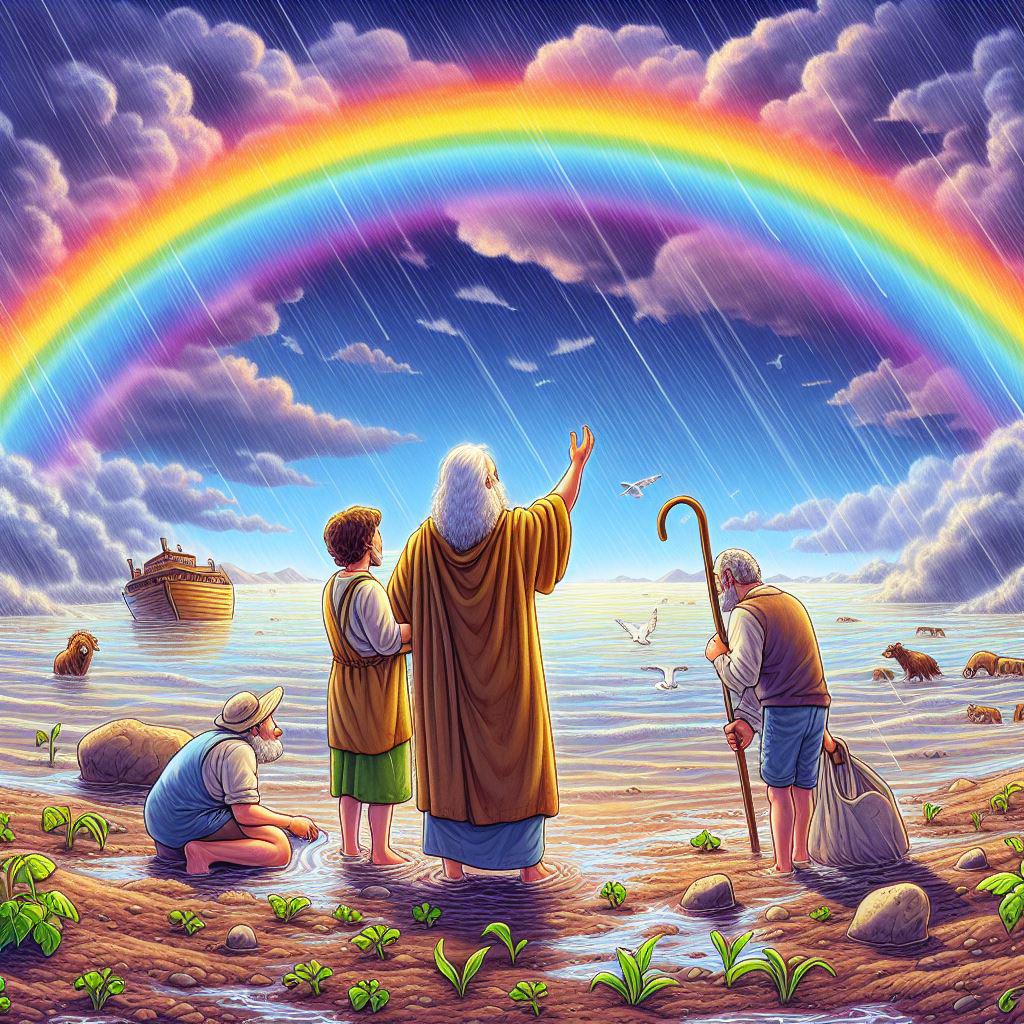
(א) וַיְבָ֣רֶךְ אֱלֹהִ֔ים אֶת־נֹ֖חַ וְאֶת־בָּנָ֑יו וַיֹּ֧אמֶר לָהֶ֛ם פְּר֥וּ וּרְב֖וּ וּמִלְא֥וּ אֶת־הָאָֽרֶץ׃(ב) וּמוֹרַאֲכֶ֤ם וְחִתְּכֶם֙ יִֽהְיֶ֔ה עַ֚ל כׇּל־חַיַּ֣ת הָאָ֔רֶץ וְעַ֖ל כׇּל־ע֣וֹף הַשָּׁמָ֑יִם בְּכֹל֩ אֲשֶׁ֨ר תִּרְמֹ֧שׂ הָֽאֲדָמָ֛ה וּֽבְכׇל־דְּגֵ֥י הַיָּ֖ם בְּיֶדְכֶ֥ם נִתָּֽנוּ׃(ג) כׇּל־רֶ֙מֶשׂ֙ אֲשֶׁ֣ר הוּא־חַ֔י לָכֶ֥ם יִהְיֶ֖ה לְאׇכְלָ֑ה כְּיֶ֣רֶק עֵ֔שֶׂב נָתַ֥תִּי לָכֶ֖ם אֶת־כֹּֽל׃(ד) אַךְ־בָּשָׂ֕ר בְּנַפְשׁ֥וֹ דָמ֖וֹ לֹ֥א תֹאכֵֽלוּ׃(ה) וְאַ֨ךְ אֶת־דִּמְכֶ֤ם לְנַפְשֹֽׁתֵיכֶם֙ אֶדְרֹ֔שׁ מִיַּ֥ד כׇּל־חַיָּ֖ה אֶדְרְשֶׁ֑נּוּ וּמִיַּ֣ד הָֽאָדָ֗ם מִיַּד֙ אִ֣ישׁ אָחִ֔יו אֶדְרֹ֖שׁ אֶת־נֶ֥פֶשׁ הָֽאָדָֽם׃(ו) שֹׁפֵךְ֙ דַּ֣ם הָֽאָדָ֔ם בָּֽאָדָ֖ם דָּמ֣וֹ יִשָּׁפֵ֑ךְ כִּ֚י בְּצֶ֣לֶם אֱלֹהִ֔ים עָשָׂ֖ה אֶת־הָאָדָֽם׃(ז) וְאַתֶּ֖ם פְּר֣וּ וּרְב֑וּ שִׁרְצ֥וּ בָאָ֖רֶץ וּרְבוּ־בָֽהּ׃ {ס} (ח) וַיֹּ֤אמֶר אֱלֹהִים֙ אֶל־נֹ֔חַ וְאֶל־בָּנָ֥יו אִתּ֖וֹ לֵאמֹֽר׃(ט) וַאֲנִ֕י הִנְנִ֥י מֵקִ֛ים אֶת־בְּרִיתִ֖י אִתְּכֶ֑ם וְאֶֽת־זַרְעֲכֶ֖ם אַֽחֲרֵיכֶֽם׃(י) וְאֵ֨ת כׇּל־נֶ֤פֶשׁ הַֽחַיָּה֙ אֲשֶׁ֣ר אִתְּכֶ֔ם בָּע֧וֹף בַּבְּהֵמָ֛ה וּֽבְכׇל־חַיַּ֥ת הָאָ֖רֶץ אִתְּכֶ֑ם מִכֹּל֙ יֹצְאֵ֣י הַתֵּבָ֔ה לְכֹ֖ל חַיַּ֥ת הָאָֽרֶץ׃(יא) וַהֲקִמֹתִ֤י אֶת־בְּרִיתִי֙ אִתְּכֶ֔ם וְלֹֽא־יִכָּרֵ֧ת כׇּל־בָּשָׂ֛ר ע֖וֹד מִמֵּ֣י הַמַּבּ֑וּל וְלֹֽא־יִהְיֶ֥ה ע֛וֹד מַבּ֖וּל לְשַׁחֵ֥ת הָאָֽרֶץ׃(יב) וַיֹּ֣אמֶר אֱלֹהִ֗ים זֹ֤את אֽוֹת־הַבְּרִית֙ אֲשֶׁר־אֲנִ֣י נֹתֵ֗ן בֵּינִי֙ וּבֵ֣ינֵיכֶ֔ם וּבֵ֛ין כׇּל־נֶ֥פֶשׁ חַיָּ֖ה אֲשֶׁ֣ר אִתְּכֶ֑ם לְדֹרֹ֖ת עוֹלָֽם׃(יג) אֶת־קַשְׁתִּ֕י נָתַ֖תִּי בֶּֽעָנָ֑ן וְהָֽיְתָה֙ לְא֣וֹת בְּרִ֔ית בֵּינִ֖י וּבֵ֥ין הָאָֽרֶץ׃(יד) וְהָיָ֕ה בְּעַֽנְנִ֥י עָנָ֖ן עַל־הָאָ֑רֶץ וְנִרְאֲתָ֥ה הַקֶּ֖שֶׁת בֶּעָנָֽן׃(טו) וְזָכַרְתִּ֣י אֶת־בְּרִיתִ֗י אֲשֶׁ֤ר בֵּינִי֙ וּבֵ֣ינֵיכֶ֔ם וּבֵ֛ין כׇּל־נֶ֥פֶשׁ חַיָּ֖ה בְּכׇל־בָּשָׂ֑ר וְלֹֽא־יִֽהְיֶ֨ה ע֤וֹד הַמַּ֙יִם֙ לְמַבּ֔וּל לְשַׁחֵ֖ת כׇּל־בָּשָֽׂר׃(טז) וְהָיְתָ֥ה הַקֶּ֖שֶׁת בֶּֽעָנָ֑ן וּרְאִיתִ֗יהָ לִזְכֹּר֙ בְּרִ֣ית עוֹלָ֔ם בֵּ֣ין אֱלֹהִ֔ים וּבֵין֙ כׇּל־נֶ֣פֶשׁ חַיָּ֔ה בְּכׇל־בָּשָׂ֖ר אֲשֶׁ֥ר עַל־הָאָֽרֶץ׃(יז) וַיֹּ֥אמֶר אֱלֹהִ֖ים אֶל־נֹ֑חַ זֹ֤את אֽוֹת־הַבְּרִית֙ אֲשֶׁ֣ר הֲקִמֹ֔תִי בֵּינִ֕י וּבֵ֥ין כׇּל־בָּשָׂ֖ר אֲשֶׁ֥ר עַל־הָאָֽרֶץ׃ {פ}
(1) God blessed Noah and his sons, and said to them, “Be fertile and increase, and fill the earth.(2) The fear and the dread of you shall be upon all the beasts of the earth and upon all the birds of the sky—everything with which the earth is astir—and upon all the fish of the sea; they are given into your hand.(3) Every creature that lives shall be yours to eat; as with the green grasses, I give you all these.(4) You must not, however, eat flesh with its life-blood in it.(5) But for your own life-blood I will require a reckoning: I will require it of every beast; of humankind, too, will I require a reckoning for human life, of everyone for each other!
(6) Whoever sheds human blood,
By human [hands] shall that one’s blood be shed;
For in the image of God
Was humankind made.(7) Be fertile, then, and increase; abound on the earth and increase on it.”(8) And God said to Noah and to his sons with him,(9) “I now establish My covenant with you and your offspring to come,(10) and with every living thing that is with you—birds, cattle, and every wild beast as well—all that have come out of the ark, every living thing on earth.(11) I will maintain My covenant with you: never again shall all flesh be cut off by the waters of a flood, and never again shall there be a flood to destroy the earth.”(12) God further said, “This is the sign that I set for the covenant between Me and you, and every living creature with you, for all ages to come.(13) I have set My bow in the clouds, and it shall serve as a sign of the covenant between Me and the earth.(14) When I bring clouds over the earth, and the bow appears in the clouds,(15) I will remember My covenant between Me and you and every living creature among all flesh, so that the waters shall never again become a flood to destroy all flesh.(16) When the bow is in the clouds, I will see it and remember the everlasting covenant between God and all living creatures, all flesh that is on earth.(17) That,” God said to Noah, “shall be the sign of the covenant that I have established between Me and all flesh that is on earth.”
(ד) על שבע מצות נצטוו בני נח על הדינין ועל עבודת כוכבים ועל גלוי עריות ועל שפיכות דמים ועל הגזל ועל אבר מן החי על הדינין כיצד כשם שישראל מצווין להושיב בתי דינין בעיירות שלהן כך בני נח מצווין להושיב בתי דינין בעיר שלהם. על עבודת כוכבים ועל ברכת השם כיצד עובד כוכבים שעבד עבודת כוכבים וברך את השם לא נתנה מיתה לבני נח אלא בסייף בלבד. על גילוי עריות כיצד כל ערוה שב"ד של ישראל ממיתין עליה בני נח מוזהרים עליה וכל ערוה שב"ד של ישראל מוזהרים עליה בני נח מומתין עליה דברי ר"מ וחכמים אומרים הרבה עריות שאין ב"ד ממיתין עליה בני נח מוזהרים עליה בא על עריות ישראל נדון בדייני ישראל בא על עריות העובדי כוכבים נדון בדיני העובדי כוכבים ואין לי אלא נערה מאורסה בלבד. ועל שפיכות דמים כיצד עובד כוכבים בעובד כוכבים עובד כוכבים בישראל חייב ישראל בעובד כוכבים פטור. על הגזילה כיצד גנב גזל יפת תואר וכן כיוצא בו עובד כוכבים בעובד כוכבים עובד כוכבים בישראל אסור ישראל בעובד כוכבים מותר על אבר מן החי כיצד אבר המדולדל בבהמה ואין בו להעלות ארוכה בשר המדולדל בבהמה ואין בו להעלות ארוכה אסור לבני נח ואין צריך לומר לישראל ואם יש בו להעלות ארוכה מותר לישראל ואין צריך לומר לבני נח. נטל צפור שאין בה כזית ואכלה רבי פוטר ורבי אלעזר בר' שמעון מחייב ומה על אבר מן החי ממנו חייב כולו לא יהא חייב חנקה ואכלה פטור רבי חנניא בן גמליאל אומר אף על דם מן החי רבי חידקא אומר אף על הסירוס ר"ש אומר אף על הכשפים רבי יוסי אומר כל האמור בפרשה בני נח מוזהרין עליה שנאמר (דברים י״ח:י׳) לא ימצא בך מעביר בנו ובתו באש וגו' וחובר חבר כי תועבת יהוה איפשר שכתוב עונש עד שלא יזהיר אלא מזהיר ואח"כ עונש מלמד שהזהיר ואח"כ עונשן רבי אלעזר אומר על הכלאים מותר לבני נח לזרוע וללבוש כלאים אסור להרביע ולהרכיב אילנות.
Tractate Avodah Zara (“Idolatry”) is a tractate in Seder Nezikin (“Order of Damages") that discusses the prohibition of idolatry and regulations on interactions between Jews and idolaters. Composed: Talmudic Israel (c.190 – c.230 CE)
(4) The sons of Noach were given seven commandments: courts, idolatry, [blasphemy,] forbidden sexual relations, bloodshed, theft, and [consuming] the limb of a living animal.
(יא) וַהֲקִמֹתִ֤י אֶת־בְּרִיתִי֙ אִתְּכֶ֔ם וְלֹֽא־יִכָּרֵ֧ת כׇּל־בָּשָׂ֛ר ע֖וֹד מִמֵּ֣י הַמַּבּ֑וּל וְלֹֽא־יִהְיֶ֥ה ע֛וֹד מַבּ֖וּל לְשַׁחֵ֥ת הָאָֽרֶץ׃
(11) I will maintain My covenant with you: never again shall all flesh be cut off by the waters of a flood, and never again shall there be a flood to destroy the earth.”
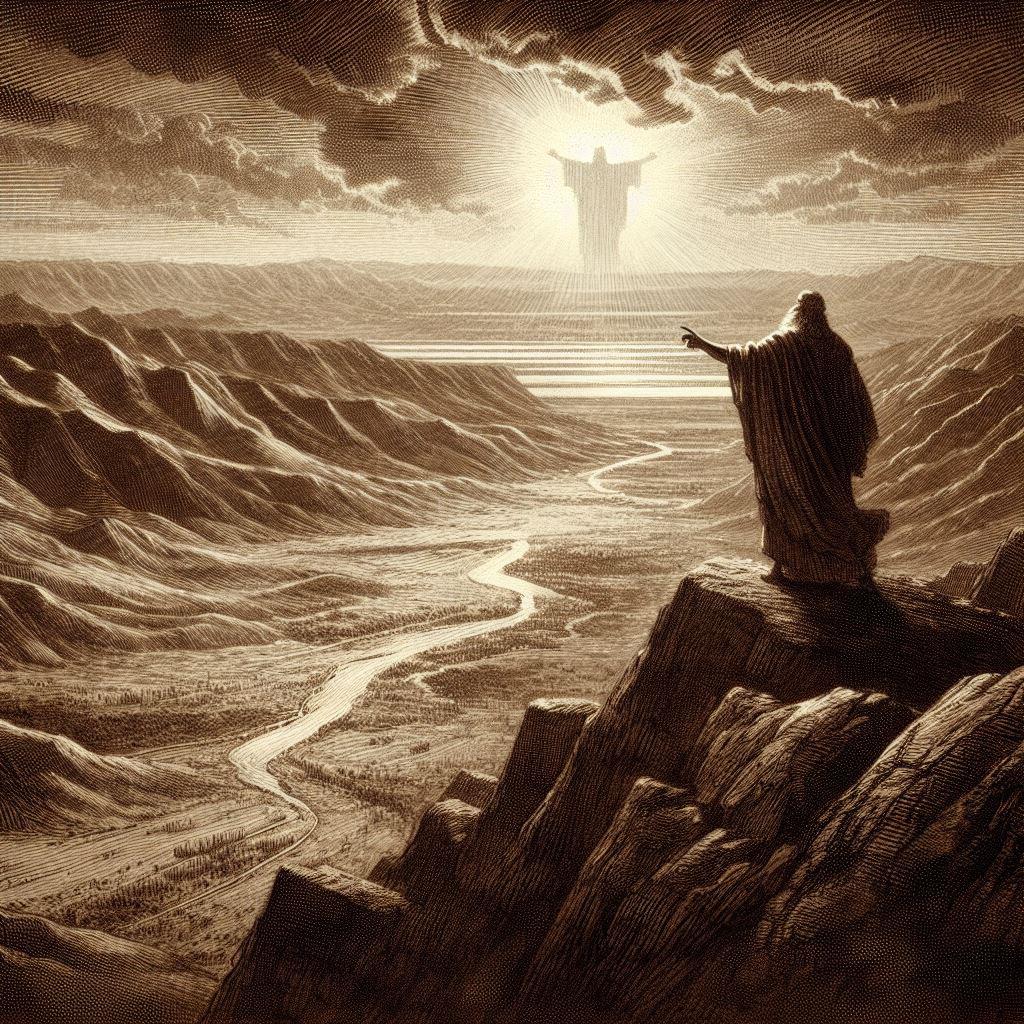
(יח) בַּיּ֣וֹם הַה֗וּא כָּרַ֧ת יהוה אֶת־אַבְרָ֖ם בְּרִ֣ית לֵאמֹ֑ר לְזַרְעֲךָ֗ נָתַ֙תִּי֙ אֶת־הָאָ֣רֶץ הַזֹּ֔את מִנְּהַ֣ר מִצְרַ֔יִם עַד־הַנָּהָ֥ר הַגָּדֹ֖ל נְהַר־פְּרָֽת׃
(18) On that day יהוה made a covenant with Abram: “To your offspring I assign this land, from the river of Egypt to the great river, the river Euphrates—
(א) וַיְהִ֣י אַבְרָ֔ם בֶּן־תִּשְׁעִ֥ים שָׁנָ֖ה וְתֵ֣שַׁע שָׁנִ֑ים וַיֵּרָ֨א יהוה אֶל־אַבְרָ֗ם וַיֹּ֤אמֶר אֵלָיו֙ אֲנִי־אֵ֣ל שַׁדַּ֔י הִתְהַלֵּ֥ךְ לְפָנַ֖י וֶהְיֵ֥ה תָמִֽים׃(ב) וְאֶתְּנָ֥ה בְרִיתִ֖י בֵּינִ֣י וּבֵינֶ֑ךָ וְאַרְבֶּ֥ה אוֹתְךָ֖ בִּמְאֹ֥ד מְאֹֽד׃(ג) וַיִּפֹּ֥ל אַבְרָ֖ם עַל־פָּנָ֑יו וַיְדַבֵּ֥ר אִתּ֛וֹ אֱלֹהִ֖ים לֵאמֹֽר׃(ד) אֲנִ֕י הִנֵּ֥ה בְרִיתִ֖י אִתָּ֑ךְ וְהָיִ֕יתָ לְאַ֖ב הֲמ֥וֹן גּוֹיִֽם׃(ה) וְלֹא־יִקָּרֵ֥א ע֛וֹד אֶת־שִׁמְךָ֖ אַבְרָ֑ם וְהָיָ֤ה שִׁמְךָ֙ אַבְרָהָ֔ם כִּ֛י אַב־הֲמ֥וֹן גּוֹיִ֖ם נְתַתִּֽיךָ׃(ו) וְהִפְרֵתִ֤י אֹֽתְךָ֙ בִּמְאֹ֣ד מְאֹ֔ד וּנְתַתִּ֖יךָ לְגוֹיִ֑ם וּמְלָכִ֖ים מִמְּךָ֥ יֵצֵֽאוּ׃(ז) וַהֲקִמֹתִ֨י אֶת־בְּרִיתִ֜י בֵּינִ֣י וּבֵינֶ֗ךָ וּבֵ֨ין זַרְעֲךָ֧ אַחֲרֶ֛יךָ לְדֹרֹתָ֖ם לִבְרִ֣ית עוֹלָ֑ם לִהְי֤וֹת לְךָ֙ לֵֽאלֹהִ֔ים וּֽלְזַרְעֲךָ֖ אַחֲרֶֽיךָ׃(ח) וְנָתַתִּ֣י לְ֠ךָ֠ וּלְזַרְעֲךָ֨ אַחֲרֶ֜יךָ אֵ֣ת ׀ אֶ֣רֶץ מְגֻרֶ֗יךָ אֵ֚ת כׇּל־אֶ֣רֶץ כְּנַ֔עַן לַאֲחֻזַּ֖ת עוֹלָ֑ם וְהָיִ֥יתִי לָהֶ֖ם לֵאלֹהִֽים׃(ט) וַיֹּ֤אמֶר אֱלֹהִים֙ אֶל־אַבְרָהָ֔ם וְאַתָּ֖ה אֶת־בְּרִיתִ֣י תִשְׁמֹ֑ר אַתָּ֛ה וְזַרְעֲךָ֥ אַֽחֲרֶ֖יךָ לְדֹרֹתָֽם׃(י) זֹ֣את בְּרִיתִ֞י אֲשֶׁ֣ר תִּשְׁמְר֗וּ בֵּינִי֙ וּבֵ֣ינֵיכֶ֔ם וּבֵ֥ין זַרְעֲךָ֖ אַחֲרֶ֑יךָ הִמּ֥וֹל לָכֶ֖ם כׇּל־זָכָֽר׃(יא) וּנְמַלְתֶּ֕ם אֵ֖ת בְּשַׂ֣ר עׇרְלַתְכֶ֑ם וְהָיָה֙ לְא֣וֹת בְּרִ֔ית בֵּינִ֖י וּבֵינֵיכֶֽם׃(יב) וּבֶן־שְׁמֹנַ֣ת יָמִ֗ים יִמּ֥וֹל לָכֶ֛ם כׇּל־זָכָ֖ר לְדֹרֹתֵיכֶ֑ם יְלִ֣יד בָּ֔יִת וּמִקְנַת־כֶּ֙סֶף֙ מִכֹּ֣ל בֶּן־נֵכָ֔ר אֲשֶׁ֛ר לֹ֥א מִֽזַּרְעֲךָ֖ הֽוּא׃(יג) הִמּ֧וֹל ׀ יִמּ֛וֹל יְלִ֥יד בֵּֽיתְךָ֖ וּמִקְנַ֣ת כַּסְפֶּ֑ךָ וְהָיְתָ֧ה בְרִיתִ֛י בִּבְשַׂרְכֶ֖ם לִבְרִ֥ית עוֹלָֽם׃(יד) וְעָרֵ֣ל ׀ זָכָ֗ר אֲשֶׁ֤ר לֹֽא־יִמּוֹל֙ אֶת־בְּשַׂ֣ר עׇרְלָת֔וֹ וְנִכְרְתָ֛ה הַנֶּ֥פֶשׁ הַהִ֖וא מֵעַמֶּ֑יהָ אֶת־בְּרִיתִ֖י הֵפַֽר׃ {ס} (טו) וַיֹּ֤אמֶר אֱלֹהִים֙ אֶל־אַבְרָהָ֔ם שָׂרַ֣י אִשְׁתְּךָ֔ לֹא־תִקְרָ֥א אֶת־שְׁמָ֖הּ שָׂרָ֑י כִּ֥י שָׂרָ֖ה שְׁמָֽהּ׃(טז) וּבֵרַכְתִּ֣י אֹתָ֔הּ וְגַ֨ם נָתַ֧תִּי מִמֶּ֛נָּה לְךָ֖ בֵּ֑ן וּבֵֽרַכְתִּ֙יהָ֙ וְהָֽיְתָ֣ה לְגוֹיִ֔ם מַלְכֵ֥י עַמִּ֖ים מִמֶּ֥נָּה יִהְיֽוּ׃(יז) וַיִּפֹּ֧ל אַבְרָהָ֛ם עַל־פָּנָ֖יו וַיִּצְחָ֑ק וַיֹּ֣אמֶר בְּלִבּ֗וֹ הַלְּבֶ֤ן מֵאָֽה־שָׁנָה֙ יִוָּלֵ֔ד וְאִ֨ם־שָׂרָ֔ה הֲבַת־תִּשְׁעִ֥ים שָׁנָ֖ה תֵּלֵֽד׃(יח) וַיֹּ֥אמֶר אַבְרָהָ֖ם אֶל־הָֽאֱלֹהִ֑ים ל֥וּ יִשְׁמָעֵ֖אל יִחְיֶ֥ה לְפָנֶֽיךָ׃(יט) וַיֹּ֣אמֶר אֱלֹהִ֗ים אֲבָל֙ שָׂרָ֣ה אִשְׁתְּךָ֗ יֹלֶ֤דֶת לְךָ֙ בֵּ֔ן וְקָרָ֥אתָ אֶת־שְׁמ֖וֹ יִצְחָ֑ק וַהֲקִמֹתִ֨י אֶת־בְּרִיתִ֥י אִתּ֛וֹ לִבְרִ֥ית עוֹלָ֖ם לְזַרְע֥וֹ אַחֲרָֽיו׃(כ) וּֽלְיִשְׁמָעֵאל֮ שְׁמַעְתִּ֒יךָ֒ הִנֵּ֣ה ׀ בֵּרַ֣כְתִּי אֹת֗וֹ וְהִפְרֵיתִ֥י אֹת֛וֹ וְהִרְבֵּיתִ֥י אֹת֖וֹ בִּמְאֹ֣ד מְאֹ֑ד שְׁנֵים־עָשָׂ֤ר נְשִׂיאִם֙ יוֹלִ֔יד וּנְתַתִּ֖יו לְג֥וֹי גָּדֽוֹל׃(כא) וְאֶת־בְּרִיתִ֖י אָקִ֣ים אֶת־יִצְחָ֑ק אֲשֶׁר֩ תֵּלֵ֨ד לְךָ֤ שָׂרָה֙ לַמּוֹעֵ֣ד הַזֶּ֔ה בַּשָּׁנָ֖ה הָאַחֶֽרֶת׃(כב) וַיְכַ֖ל לְדַבֵּ֣ר אִתּ֑וֹ וַיַּ֣עַל אֱלֹהִ֔ים מֵעַ֖ל אַבְרָהָֽם׃
(1) When Abram was ninety-nine years old, יהוה appeared to Abram and said to him, “I am El Shaddai.* {El Shaddai Traditionally rendered “God Almighty.” } Walk in My ways and be blameless.(2) I will establish My covenant between Me and you, and I will make you exceedingly numerous.”(3) Abram threw himself on his face; and God spoke to him further,(4) “As for Me, this is My covenant with you: You shall be the father of a multitude of nations.(5) And you shall no longer be called Abram, but your name shall be Abraham,* {Abraham Understood as “father of a multitude.” } for I make you the father of a multitude of nations.(6) I will make you exceedingly fertile, and make nations of you; and kings shall come forth from you.(7) I will maintain My covenant between Me and you, and your offspring to come, as an everlasting covenant throughout the ages, to be God to you and to your offspring to come.(8) I assign the land you sojourn in to you and your offspring to come, all the land of Canaan, as an everlasting holding. I will be their God.”(9) God further said to Abraham, “As for you, you and your offspring to come throughout the ages shall keep My covenant.(10) Such shall be the covenant between Me and you and your offspring to follow which you shall keep: every male among you shall be circumcised.(11) You shall circumcise the flesh of your foreskin, and that shall be the sign of the covenant between Me and you.(12) And throughout the generations, every male among you shall be circumcised at the age of eight days. As for the homeborn slave and the one bought from an outsider who is not of your offspring,(13) they must be circumcised, homeborn and purchased alike. Thus shall My covenant be marked in your flesh as an everlasting pact.(14) And if any male who is uncircumcised fails to circumcise the flesh of his foreskin, that person shall be cut off from kin; he has broken My covenant.”(15) And God said to Abraham, “As for your wife Sarai, you shall not call her Sarai, but her name shall be Sarah.* {Sarah I.e., “princess.” } (16) I will bless her; indeed, I will give you a son by her. I will bless her so that she shall give rise to nations; rulers of peoples shall issue from her.”(17) Abraham threw himself on his face and laughed, as he said to himself, “Can a child be born to a man a hundred years old, or can Sarah bear a child at ninety?”(18) And Abraham said to God, “O that Ishmael might live by Your favor!”(19) God said, “Nevertheless, Sarah your wife shall bear you a son, and you shall name him Isaac;* {Isaac Heb. Yiṣḥaq, from ṣaḥaq, “laugh.” } and I will maintain My covenant with him as an everlasting covenant for his offspring to come.(20) As for Ishmael, I have heeded you.* {I have heeded you Heb. shema‘tikha, play on “Ishmael.” } I hereby bless him. I will make him fertile and exceedingly numerous. He shall be the father of twelve chieftains, and I will make of him a great nation.(21) But My covenant I will maintain with Isaac, whom Sarah shall bear to you at this season next year.”(22) Done speaking with him, God was gone from Abraham.
(א) וַיְהִ֣י אַבְרָ֔ם בֶּן־תִּשְׁעִ֥ים שָׁנָ֖ה וְתֵ֣שַׁע שָׁנִ֑ים וַיֵּרָ֨א יהוה אֶל־אַבְרָ֗ם וַיֹּ֤אמֶר אֵלָיו֙ אֲנִי־אֵ֣ל שַׁדַּ֔י הִתְהַלֵּ֥ךְ לְפָנַ֖י וֶהְיֵ֥ה תָמִֽים׃
(1) When Abram was ninety-nine years old, יהוה appeared to Abram and said to him, “I am El Shaddai.* {l Shaddai Traditionally rendered “God Almighty.”} Walk in My ways and be blameless.
(ד) אֲנִ֕י הִנֵּ֥ה בְרִיתִ֖י אִתָּ֑ךְ וְהָיִ֕יתָ לְאַ֖ב הֲמ֥וֹן גּוֹיִֽם׃(ה) וְלֹא־יִקָּרֵ֥א ע֛וֹד אֶת־שִׁמְךָ֖ אַבְרָ֑ם וְהָיָ֤ה שִׁמְךָ֙ אַבְרָהָ֔ם כִּ֛י אַב־הֲמ֥וֹן גּוֹיִ֖ם נְתַתִּֽיךָ׃(ו) וְהִפְרֵתִ֤י אֹֽתְךָ֙ בִּמְאֹ֣ד מְאֹ֔ד וּנְתַתִּ֖יךָ לְגוֹיִ֑ם וּמְלָכִ֖ים מִמְּךָ֥ יֵצֵֽאוּ׃(ז) וַהֲקִמֹתִ֨י אֶת־בְּרִיתִ֜י בֵּינִ֣י וּבֵינֶ֗ךָ וּבֵ֨ין זַרְעֲךָ֧ אַחֲרֶ֛יךָ לְדֹרֹתָ֖ם לִבְרִ֣ית עוֹלָ֑ם לִהְי֤וֹת לְךָ֙ לֵֽאלֹהִ֔ים וּֽלְזַרְעֲךָ֖ אַחֲרֶֽיךָ׃(ח) וְנָתַתִּ֣י לְ֠ךָ֠ וּלְזַרְעֲךָ֨ אַחֲרֶ֜יךָ אֵ֣ת ׀ אֶ֣רֶץ מְגֻרֶ֗יךָ אֵ֚ת כׇּל־אֶ֣רֶץ כְּנַ֔עַן לַאֲחֻזַּ֖ת עוֹלָ֑ם וְהָיִ֥יתִי לָהֶ֖ם לֵאלֹהִֽים׃
(4) “As for Me, this is My covenant with you: You shall be the father of a multitude of nations.(5) And you shall no longer be called Abram, but your name shall be Abraham,* {Abraham Understood as “father of a multitude.” } for I make you the father of a multitude of nations.(6) I will make you exceedingly fertile, and make nations of you; and kings shall come forth from you.(7) I will maintain My covenant between Me and you, and your offspring to come, as an everlasting covenant throughout the ages, to be God to you and to your offspring to come.(8) I assign the land you sojourn in to you and your offspring to come, all the land of Canaan, as an everlasting holding. I will be their God.”
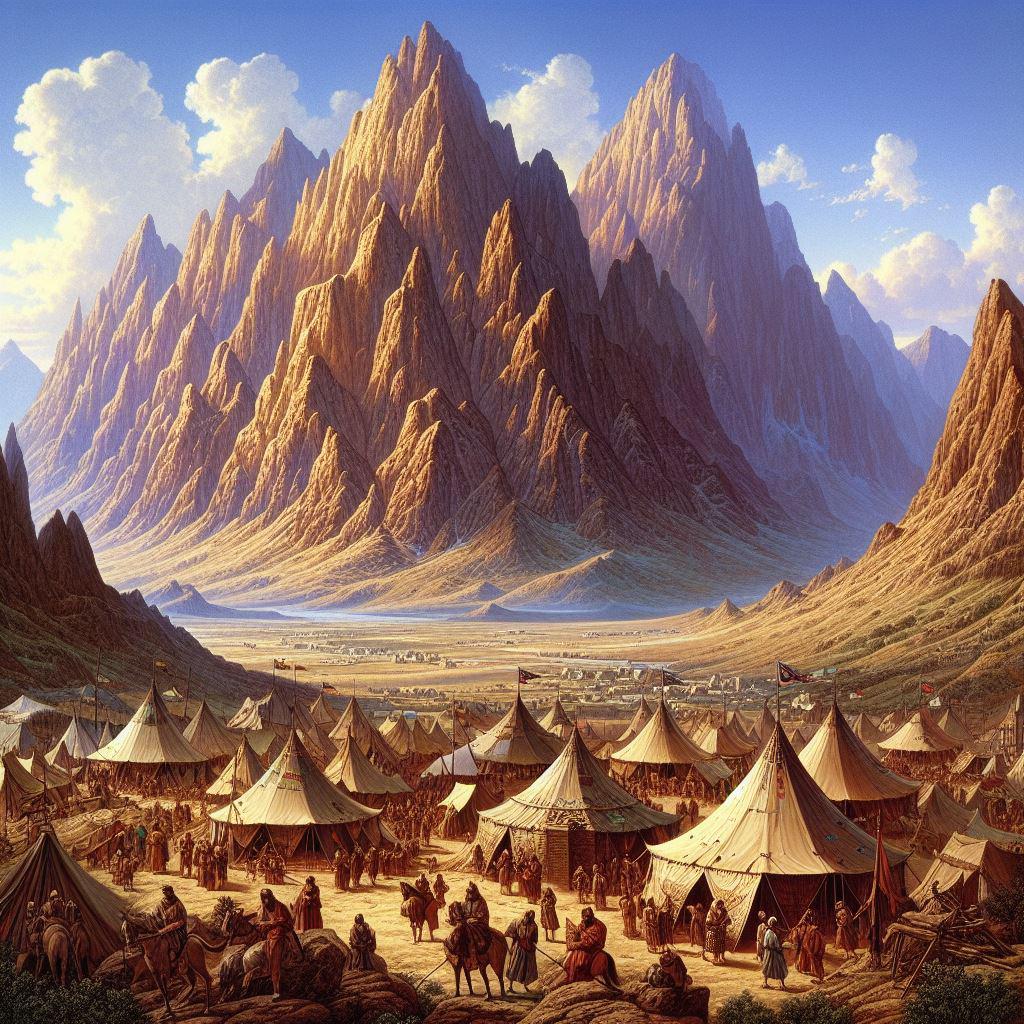
(א) בַּחֹ֙דֶשׁ֙ הַשְּׁלִישִׁ֔י לְצֵ֥את בְּנֵי־יִשְׂרָאֵ֖ל מֵאֶ֣רֶץ מִצְרָ֑יִם בַּיּ֣וֹם הַזֶּ֔ה בָּ֖אוּ מִדְבַּ֥ר סִינָֽי׃(ב) וַיִּסְע֣וּ מֵרְפִידִ֗ים וַיָּבֹ֙אוּ֙ מִדְבַּ֣ר סִינַ֔י וַֽיַּחֲנ֖וּ בַּמִּדְבָּ֑ר וַיִּֽחַן־שָׁ֥ם יִשְׂרָאֵ֖ל נֶ֥גֶד הָהָֽר׃(ג) וּמֹשֶׁ֥ה עָלָ֖ה אֶל־הָאֱלֹהִ֑ים וַיִּקְרָ֨א אֵלָ֤יו יהוה מִן־הָהָ֣ר לֵאמֹ֔ר כֹּ֤ה תֹאמַר֙ לְבֵ֣ית יַעֲקֹ֔ב וְתַגֵּ֖יד לִבְנֵ֥י יִשְׂרָאֵֽל׃(ד) אַתֶּ֣ם רְאִיתֶ֔ם אֲשֶׁ֥ר עָשִׂ֖יתִי לְמִצְרָ֑יִם וָאֶשָּׂ֤א אֶתְכֶם֙ עַל־כַּנְפֵ֣י נְשָׁרִ֔ים וָאָבִ֥א אֶתְכֶ֖ם אֵלָֽי׃(ה) וְעַתָּ֗ה אִם־שָׁמ֤וֹעַ תִּשְׁמְעוּ֙ בְּקֹלִ֔י וּשְׁמַרְתֶּ֖ם אֶת־בְּרִיתִ֑י וִהְיִ֨יתֶם לִ֤י סְגֻלָּה֙ מִכׇּל־הָ֣עַמִּ֔ים כִּי־לִ֖י כׇּל־הָאָֽרֶץ׃(ו) וְאַתֶּ֧ם תִּהְיוּ־לִ֛י מַמְלֶ֥כֶת כֹּהֲנִ֖ים וְג֣וֹי קָד֑וֹשׁ אֵ֚לֶּה הַדְּבָרִ֔ים אֲשֶׁ֥ר תְּדַבֵּ֖ר אֶל־בְּנֵ֥י יִשְׂרָאֵֽל׃
(1) On the third new moon after the Israelites had gone forth from the land of Egypt, on that very day, they entered the wilderness of Sinai.(2) Having journeyed from Rephidim, they entered the wilderness of Sinai and encamped in the wilderness. Israel encamped there in front of the mountain,(3) and Moses went up to God. יהוה called to him from the mountain, saying, “Thus shall you say to the house of Jacob and declare to the children of Israel:(4) ‘You have seen what I did to the Egyptians, how I bore you on eagles’ wings and brought you to Me.(5) Now then, if you will obey Me faithfully and keep My covenant, you shall be My treasured possession among all the peoples. Indeed, all the earth is Mine,(6) but you shall be to Me a kingdom of priests and a holy nation.’ These are the words that you shall speak to the children of Israel.”
(ה) וְעַתָּ֗ה אִם־שָׁמ֤וֹעַ תִּשְׁמְעוּ֙ בְּקֹלִ֔י וּשְׁמַרְתֶּ֖ם אֶת־בְּרִיתִ֑י וִהְיִ֨יתֶם לִ֤י סְגֻלָּה֙ מִכׇּל־הָ֣עַמִּ֔ים כִּי־לִ֖י כׇּל־הָאָֽרֶץ׃(ו) וְאַתֶּ֧ם תִּהְיוּ־לִ֛י מַמְלֶ֥כֶת כֹּהֲנִ֖ים וְג֣וֹי קָד֑וֹשׁ אֵ֚לֶּה הַדְּבָרִ֔ים אֲשֶׁ֥ר תְּדַבֵּ֖ר אֶל־בְּנֵ֥י יִשְׂרָאֵֽל׃
(5) Now then, if you will obey Me faithfully and keep My covenant, you shall be My treasured possession among all the peoples. Indeed, all the earth is Mine,(6) but you shall be to Me a kingdom of priests and a holy nation.’ These are the words that you shall speak to the children of Israel.”

(א) וַיְדַבֵּ֣ר אֱלֹהִ֔ים אֵ֛ת כׇּל־הַדְּבָרִ֥ים הָאֵ֖לֶּה לֵאמֹֽר׃ {ס} (ב) אָֽנֹכִ֖י֙ יהוה אֱלֹהֶ֑֔יךָ אֲשֶׁ֧ר הוֹצֵאתִ֛יךָ מֵאֶ֥רֶץ מִצְרַ֖יִם מִבֵּ֣֥ית עֲבָדִ֑͏ֽים׃(ג) לֹֽ֣א־יִהְיֶ֥͏ֽה־לְךָ֛֩ אֱלֹהִ֥֨ים אֲחֵרִ֖֜ים עַל־פָּנָֽ͏ַ֗י׃(ד) לֹֽ֣א־תַֽעֲשֶׂ֨ה־לְךָ֥֣ פֶ֣֙סֶל֙ ׀ וְכׇל־תְּמוּנָ֔֡ה אֲשֶׁ֤֣ר בַּשָּׁמַ֣֙יִם֙ ׀ מִמַּ֔֡עַל וַֽאֲשֶׁ֥ר֩ בָּאָ֖֨רֶץ מִתָּ֑͏ַ֜חַת וַאֲשֶׁ֥ר בַּמַּ֖֣יִם ׀ מִתַּ֥֣חַת לָאָֽ֗רֶץ׃(ה) לֹֽא־תִשְׁתַּחֲוֶ֥֣ה לָהֶ֖ם֮ וְלֹ֣א תׇעׇבְדֵ֑ם֒ כִּ֣י אָֽנֹכִ֞י יהוה אֱלֹהֶ֙יךָ֙ אֵ֣ל קַנָּ֔א פֹּ֠קֵ֠ד עֲוֺ֨ן אָבֹ֧ת עַל־בָּנִ֛ים עַל־שִׁלֵּשִׁ֥ים וְעַל־רִבֵּעִ֖ים לְשֹׂנְאָֽ֑י׃(ו) וְעֹ֥֤שֶׂה חֶ֖֙סֶד֙ לַאֲלָפִ֑֔ים לְאֹהֲבַ֖י וּלְשֹׁמְרֵ֥י מִצְוֺתָֽי׃ {ס} (ז) לֹ֥א תִשָּׂ֛א אֶת־שֵֽׁם־יהוה אֱלֹהֶ֖יךָ לַשָּׁ֑וְא כִּ֣י לֹ֤א יְנַקֶּה֙ יהוה אֵ֛ת אֲשֶׁר־יִשָּׂ֥א אֶת־שְׁמ֖וֹ לַשָּֽׁוְא׃ {פ}
(ח) זָכ֛וֹר֩ אֶת־י֥֨וֹם הַשַּׁבָּ֖֜ת לְקַדְּשֽׁ֗וֹ׃(ט) שֵׁ֤֣שֶׁת יָמִ֣ים֙ תַּֽעֲבֹ֔ד֮ וְעָשִׂ֖֣יתָ כׇּֿל־מְלַאכְתֶּֽךָ֒׃(י) וְי֨וֹם֙ הַשְּׁבִיעִ֔֜י שַׁבָּ֖֣ת ׀ לַיהוה אֱלֹהֶ֑֗יךָ לֹֽ֣א־תַעֲשֶׂ֣֨ה כׇל־מְלָאכָ֜֡ה אַתָּ֣ה ׀ וּבִנְךָ֣͏ֽ־וּ֠בִתֶּ֗ךָ עַבְדְּךָ֤֨ וַאֲמָֽתְךָ֜֙ וּבְהֶמְתֶּ֔֗ךָ וְגֵרְךָ֖֙ אֲשֶׁ֥֣ר בִּשְׁעָרֶֽ֔יךָ׃(יא) כִּ֣י שֵֽׁשֶׁת־יָמִים֩ עָשָׂ֨ה יהוה אֶת־הַשָּׁמַ֣יִם וְאֶת־הָאָ֗רֶץ אֶת־הַיָּם֙ וְאֶת־כׇּל־אֲשֶׁר־בָּ֔ם וַיָּ֖נַח בַּיּ֣וֹם הַשְּׁבִיעִ֑י עַל־כֵּ֗ן בֵּרַ֧ךְ יהוה אֶת־י֥וֹם הַשַּׁבָּ֖ת וַֽיְקַדְּשֵֽׁהוּ׃ {ס} (יב) כַּבֵּ֥ד אֶת־אָבִ֖יךָ וְאֶת־אִמֶּ֑ךָ לְמַ֙עַן֙ יַאֲרִכ֣וּן יָמֶ֔יךָ עַ֚ל הָאֲדָמָ֔ה אֲשֶׁר־יהוה אֱלֹהֶ֖יךָ נֹתֵ֥ן לָֽךְ׃ {ס} (יג) לֹ֥֖א תִּֿרְצָ֖͏ֽח׃ {ס} לֹ֣֖א תִּֿנְאָ֑͏ֽף׃ {ס} לֹ֣֖א תִּֿגְנֹֽ֔ב׃ {ס} לֹֽא־תַעֲנֶ֥ה בְרֵעֲךָ֖ עֵ֥ד שָֽׁקֶר׃ {ס} (יד) לֹ֥א תַחְמֹ֖ד בֵּ֣ית רֵעֶ֑ךָ {ס} לֹֽא־תַחְמֹ֞ד אֵ֣שֶׁת רֵעֶ֗ךָ וְעַבְדּ֤וֹ וַאֲמָתוֹ֙ וְשׁוֹר֣וֹ וַחֲמֹר֔וֹ וְכֹ֖ל אֲשֶׁ֥ר לְרֵעֶֽךָ׃ {פ}
(1) God spoke all these words,* {these words Tradition varies as to the division of the Commandments in vv. 2–14, and as to the numbering of the verses from 2 on. Cf. note at Deut. 5.6.} saying:(2) I יהוה am your God who brought you out of the land of Egypt, the house of bondage:(3) You* {You The Decalogue is couched both in the second-person masculine singular and in terms of a household—the basic social and economic unit. Such a format addresses the legal provisions to whichever responsible party they apply—most typically the (male) householder, or he and his (primary) wife as household administrators, or every man, or every adult member of the community. Cf. note at Deut. 12.7. See further the Dictionary under “house,” “householder,” and “you.” } shall have no other gods besides Me.(4) You shall not make for yourself a sculptured image, or any likeness of what is in the heavens above, or on the earth below, or in the waters under the earth.(5) You shall not bow down to them or serve them. For I your God יהוה am an impassioned God, visiting the guilt of the parents upon the children, upon the third and upon the fourth generations of those who reject Me.(6) but showing kindness to the thousandth generation of those who love Me and keep My commandments.(7) You shall not swear falsely by*swear falsely by {Others “take in vain.” } the name of your God יהוה; for יהוה will not clear one who swears falsely by God’s name.(8) Remember the sabbath day and keep it holy.(9) Six days you shall labor and do all your work,(10) but the seventh day is a sabbath of your God יהוה: you shall not do any work—you, your son or daughter, your male or female slave, or your cattle, or the stranger who is within your settlements.(11) For in six days יהוה made heaven and earth and sea—and all that is in them—and then rested on the seventh day; therefore יהוה blessed the sabbath day and hallowed it.(12) Honor your father and your mother, that you may long endure on the land that your God יהוה is assigning to you.(13) You shall not murder. You shall not commit adultery. You shall not steal. You shall not bear false witness against your neighbor.(14) You shall not covet your neighbor’s house:* {house I.e., the corporate household, both persons and possessions. (Cf. Deut. 5.18.) Heb. bayith, in construct form (beth). See the Dictionary under “house.” } you shall not covet your neighbor’s wife,*{wife In ancient Israel, a typical man could take a woman (even more than one) into his household as a wife; but a typical woman was not in a symmetrical position—which explains why “husband” is not also mentioned. See also note at v. 3.} or male or female slave, or ox or ass, or anything that is your neighbor’s.
- I יהוה am your God who brought you out of the land of Egypt, the house of bondage:
- You shall have no other gods besides Me. You shall not make for yourself a sculptured image, or any likeness of what is in the heavens above, or on the earth below, or in the waters under the earth. You shall not bow down to them or serve them. For I your God יהוה am an impassioned God, visiting the guilt of the parents upon the children, upon the third and upon the fourth generations of those who reject Me. but showing kindness to the thousandth generation of those who love Me and keep My commandments.
- You shall not swear falsely by the name of your God יהוה; for יהוה will not clear one who swears falsely by God’s name.
- Remember the sabbath day and keep it holy. Six days you shall labor and do all your work, but the seventh day is a sabbath of your God יהוה: you shall not do any work—you, your son or daughter, your male or female slave, or your cattle, or the stranger who is within your settlements. For in six days יהוה made heaven and earth and sea—and all that is in them—and then rested on the seventh day; therefore יהוה blessed the sabbath day and hallowed it.
- Honor your father and your mother, that you may long endure on the land that your God יהוה is assigning to you.
- You shall not murder.
- You shall not commit adultery.
- You shall not steal.
- You shall not bear false witness against your neighbor.
- You shall not covet your neighbor’s house; you shall not covet your neighbor’s wife, or male or female slave, or ox or ass, or anything that is your neighbor’s.
(ד) וַיִּכְתֹּ֣ב מֹשֶׁ֗ה אֵ֚ת כׇּל־דִּבְרֵ֣י יהוה וַיַּשְׁכֵּ֣ם בַּבֹּ֔קֶר וַיִּ֥בֶן מִזְבֵּ֖חַ תַּ֣חַת הָהָ֑ר וּשְׁתֵּ֤ים עֶשְׂרֵה֙ מַצֵּבָ֔ה לִשְׁנֵ֥ים עָשָׂ֖ר שִׁבְטֵ֥י יִשְׂרָאֵֽל׃(ה) וַיִּשְׁלַ֗ח אֶֽת־נַעֲרֵי֙ בְּנֵ֣י יִשְׂרָאֵ֔ל וַיַּֽעֲל֖וּ עֹלֹ֑ת וַֽיִּזְבְּח֞וּ זְבָחִ֧ים שְׁלָמִ֛ים לַיהוה פָּרִֽים׃(ו) וַיִּקַּ֤ח מֹשֶׁה֙ חֲצִ֣י הַדָּ֔ם וַיָּ֖שֶׂם בָּאַגָּנֹ֑ת וַחֲצִ֣י הַדָּ֔ם זָרַ֖ק עַל־הַמִּזְבֵּֽחַ׃(ז) וַיִּקַּח֙ סֵ֣פֶר הַבְּרִ֔ית וַיִּקְרָ֖א בְּאׇזְנֵ֣י הָעָ֑ם וַיֹּ֣אמְר֔וּ כֹּ֛ל אֲשֶׁר־דִּבֶּ֥ר יהוה נַעֲשֶׂ֥ה וְנִשְׁמָֽע׃(ח) וַיִּקַּ֤ח מֹשֶׁה֙ אֶת־הַדָּ֔ם וַיִּזְרֹ֖ק עַל־הָעָ֑ם וַיֹּ֗אמֶר הִנֵּ֤ה דַֽם־הַבְּרִית֙ אֲשֶׁ֨ר כָּרַ֤ת יהוה עִמָּכֶ֔ם עַ֥ל כׇּל־הַדְּבָרִ֖ים הָאֵֽלֶּה׃
(4) Moses then wrote down all the commands of יהוה. Early in the morning, he set up an altar at the foot of the mountain, with twelve pillars for the twelve tribes of Israel.(5) He designated some assistants* {some assistants Heb. na‘arim (in construct); NJPS “some young men.” See the Dictionary under na‘ar.} among the Israelites, and they offered burnt offerings and sacrificed bulls as offerings of well-being to יהוה.(6) Moses took one part of the blood and put it in basins, and the other part of the blood he dashed against the altar.(7) Then he took the record of the covenant and read it aloud to the people. And they said, “All that יהוה has spoken we will faithfully do!”* {we will faithfully do Lit. “we will do and obey.” }(8) Moses took the blood and dashed it on the people and said, “This is the blood of the covenant that יהוה now makes with you concerning all these commands.”
(and some other things)
In my own mind, I tend to categorize Jewish laws this way:
- Covenants
- The Ten Commandments
- The Written Law (the text of the Torah)
- The Oral Law (a body of work, equal in weight to the Written Law, dictated directly to the people)
- The Rabbinic commentaries on, disputes about, and analyses of the Oral Law
It was originally forbidden to write down the Oral Law. But the rabbis feared that it would be lost or garbled in the diaspora, so they compiled it into the Mishnah. (Parts of the Oral Law were written down as Baraitot, which were left out of the Mishnah. Some might have been minority opinions, and perhaps some were from the losing side of a debate.)
- Titanic contests of strength between the patriarchs
- Why the gentiles refused the Torah
- How the various angels felt about the creation of man (and were punished or rewarded for it)
- How the soul and sperm are chosen to become one
- Which of our ancestors were born circumcised
- Mishpatim—Laws that human understanding could rationally deduce as necessary for an orderly society
- Chukim—Laws that have no basis in human understanding and which we observe because we were commanded to do so
- Eidot—Laws that can be rationally understood once given, but which human understanding could not have deduced
(יט) אֶֽת־חֻקֹּתַי֮ תִּשְׁמֹ֒רוּ֒ בְּהֶמְתְּךָ֙ לֹא־תַרְבִּ֣יעַ כִּלְאַ֔יִם שָׂדְךָ֖ לֹא־תִזְרַ֣ע כִּלְאָ֑יִם וּבֶ֤גֶד כִּלְאַ֙יִם֙ שַֽׁעַטְנֵ֔ז לֹ֥א יַעֲלֶ֖ה עָלֶֽיךָ׃
(19) You shall observe My laws. You shall not let your cattle mate with a different kind; you shall not sow your field with two kinds of seed; you shall not put on cloth from a mixture of two kinds of material.
מ"ט דר"ע אמר קרא שדך לא תזרע כלאים אין לי אלא זורע מקיים מנין ת"ל לא כלאים
Composed: Talmudic Babylon (c.450 – c.550 CE)
The Gemara asks: What is the reasoning of Rabbi Akiva? The Gemara answers: The verse states: “You shall not sow your field with diverse kinds of seed” (Leviticus 19:19). I have derived only the case of one who sows. From where is it derived that one who maintains diverse kinds also receives lashes? The verse states: “Not…diverse kinds of seed,” indicating that there should not be diverse kinds in one’s field.

the Very Busy Medieval Scholar
(א)את חקתי תשמרו. וְאֵלּוּ הֵן: בְּהֶמְתְּךָ לֹא תַרְבִּיעַ כִּלְאַיִם וְגוֹ'; חֻקִּים — אֵלּוּ גְזֵרַת מֶלֶךְ שֶׁאֵין טַעַם לַדָּבָר:
Shlomo Yitzchaki 22 February 1040 – 13 July 1105), generally known by the acronym Rashi, was a medieval French rabbi, the author of comprehensive commentaries on the Talmud and Hebrew Bible.
(1)חקתי תשמרו את YE SHALL KEEP MY ORDINANCES — These are they: “Thou shalt not cause two kinds of thy cattle to gender etc.”, (and the other ordinances laid down in this verse), for by the term חוקים are meant those enactments of the King for which no reason is given and those that precede are not of this character.
(א)את חקותי תשמרו ואלו הן "בהמתך לא תרביע כלאים" וגו' חקים אלו גזרות מלך שאין טעם לדבר לשון רש"י (רש"י על ויקרא י״ט:י״ט) ולא הזכירו רבותינו שיהיה הטעם נעלם ושיהיו יצר הרע ואומות העולם משיבים עליהם אלא בלבישת שעטנז לא בכלאי הבהמה ואין הכונה בהם שתהיה גזרת מלך מלכי המלכים בשום מקום בלא טעם כי כל אמרת אלוה צרופה (משלי ל ה) רק החקים הם גזירת המלך אשר יחוק במלכותו בלי שיגלה תועלתם לעם ואין העם נהנים בהם אבל מהרהרין אחריהם בלבם ומקבלים אותם ליראת המלכות וכן חוקי הקב"ה הם הסודות אשר לו בתורה שאין העם במחשבתם נהנים בהם כמשפטים אבל כולם בטעם נכון ותועלת שלימה והטעם בכלאים כי השם ברא המינים בעולם בכל בעלי הנפשות בצמחים ובבעלי נפש התנועה ונתן בהם כח התולדה שיתקיימו המינים בהם לעד כל זמן שירצה הוא יתברך בקיום העולם וצוה בכחם שיוציאו למיניהם ולא ישתנו לעד לעולם שנאמר בכולם "למינהו" (בראשית א) והנה צוה סיבת המשכב שנרביע בהמות זו עם זו לקיום המינין כאשר יבואו האנשים על הנשים לפריה ורביה והמרכיב שני מינין משנה ומכחיש במעשה בראשית כאילו יחשוב שלא השלים הקב"ה בעולמו כל הצורך ויחפוץ הוא לעזור בבריאתו של עולם להוסיף בו בריות והמינים בבעלי חיים לא יולידו מין משאינו מינו וגם הקרובים בטבע שיולדו מהם כגון הפרדים יכרת זרעם כי הם לא יולידו והנה מצד שני הדברים האלה פעולת ההרכבה במינים דבר נמאס ובטל וגם הצמחים אשר יתרכבו מין בשאינו מינו אין פרים צומח אחרי כן ויהיו באיסורם שני טעמים הנזכרים וזה טעם "שדך לא תזרע כלאים" שהוא בהרכבה על דעת רבותינו (קידושין לט) ואסר אף כלאי זרעים מפני שישתנו בטבעם גם בצורתם בהיותם יונקים זה מזה ויהיה כל גרעין ממנו כאילו הורכב משני מינין ואסור לחרוש בשור ובחמור מפני שדרך כל עובד אדמתו להביא צמדו ברפת אחת ויבאו לידי הרכבה ומחברינו מוסיף בטעם הכלאים כי הוא שלא לערבב הכחות המגדלים הצמחים להיות יונקים זה מזה ממה שאמרו בבראשית רבה (בראשית רבה י׳:ו׳) אמר רבי סימון אין לך כל עשב ועשב מלמטה שאין לו מזל ברקיע ומכה אותו ואומר לו גדל הדא הוא דכתיב (איוב לח לג) הידעת חקות שמים אם תשים משטרו בארץ והנה המרכיב כלאים או זורען בכדי שינקו זה מזה מבטל חקות שמים ולכך אמר בהם את חקותי תשמורו כי הם חקות שמים וכך אמר רבי חנינא משום רבי פנחס משום חקים שחקקתי בהם את עולמי (ירושלמי כלאים פ"א ה"ז) וכבר כתבתי בסדר בראשית (א כו) שהצמחים כולם יסודותם בעליונים ומשם צוה להם השם את הברכה חיים עד העולם והנה המערב כלאים מכחיש ומערב מעשה בראשית:(ב)ובגד כלאים שעטנז למה נאמר לפי שנאמר (דברים כב יא) לא תלבש שעטנז צמר ופשתים יחדיו יכול לא ילבש גיזי צמר ואניצי פשתן תלמוד לומר בגד מנין לרבות את הלבדים תלמוד לומר שעטנז דבר שהוא שוע טווי ונוז ואומר אני נוז לשון דבר הנמלל ושזור זה עם זה לחברו לשון רש"י (רש"י על ויקרא י״ט:י״ט) ואינו נכון בעיני שהלבדים אין איסורם מדברי תורה אלא מדברי סופרים שאינן אלא שוע בלבד וכך שנינו (כלאים פ"ט מ"ט) הלבדים אסורין מפני שהן שוע ובגמרא אמרו (נדה סא) ואימא או שוע או טווי או נוז והעלו והלכתא כמר זוטרא מדאפקינהו רחמנא בחד לישנא אבל הברייתא השנויה בתורת כהנים (פרק ד יח) אין לי אלא בגד ומנין לרבות הלבדים תלמוד לומר שעטנז בא לרבות הדברים שאינן בגד מ"לא תלבש שעטנז" שלא הוזכר בגד והמדרש הוא עיקר שאפילו דבר שאינו בגד אסור בכלאים מן התורה כגון הקולע חוטין ועושה מהן חגורה וכיוצא בזה ובלבד שיהא שוע וטווי ונוז ותפס לו הלבדים לאסמכתא בעלמא שהם אסורים מדבריהם ואינן בגד וכן מה שפירש הרב בשוע שהוא דבר הנמלל ושזור זה עם זה וכפירוש הזה כתב עוד בפירושיו בגמרא (יבמות ה נדה סא) כבר השיבו עליו שאין פירושו עולה ממה שאמרו (מנחות לט) שמע מינה קשר העליון בציצית דאורייתא דאי סלקא דעתך לאו דאורייתא כלאים דשרא רחמנא בציצית למה לי הא קיימא לן התוכף תכיפה אחת אינו חבור והנה גלו לנו שהבגד שהוא מין פשתים ונקשור בו ציצית של צמר בשני קשרים הוא כלאים מן התורה אע"פ שאינו נמלל ושזור זה עם זה אבל הענין כך הוא שאמר הכתוב "ובגד כלאים שעטנז" לומר שכל בגד הנעשה מחוט שהוא שוע וטווי ושזור לא נלבש אותו כלאים שהוא ערובים ובמשנה תורה (דברים כב יא) הוסיף לבאר שלא נלבש שוע טווי ונוז מצמר ופשתים שיהיו "יחדו" כלומר מחוברים יחד בשתי תכיפות לומר שהצמר והפשתים שכל מין מהם שוע טווי ונוז בפני עצמו לא נחברם יחדו כי "יחדו" הוא הכלאים כמו שאמר (דברים כב י) לא תחרוש בשור ובחמור יחדו כלומר קשורים ומחוברים והחבור בבגדים בשתי תכיפות כי מלשון "יחדו" למדו כן כי שתי תכיפות הן חבור ומשם למדו שהכלאים אסורין אע"פ שאינן בגד אלא אפילו בקולע החוטין מעשה עבות ועושה מהן אבנטים אף על פי שאינו ארוג וכענין ששנינו (כלאים פ"ט מ"ט) לא יקשור סרט של צמר בשל פשתן לחגור בו את מתניו ולשון "נוז" מלה מקוצרת בתיבה המורכבת הזאת כמו הטווי שאין ממנו בה אלא הטי"ת וענינה לפי דעתי נלוז מלשון תועבת יהוה נלוז (משלי ג לב) מטה ומעקם דרכיו ונלוזים במעגלותם (שם ב טו) פתלתולים ומטים כי כן הדבר השזור פתול ומעוקם וכמו ששנינו (כלאים פ"ט מ"ח) רבי שמעון אומר נלוז ומליז אביו שבשמים עליו מטה השם הנכבד מדרכי רחמיו עליו כענין שנאמר ועם עקש תתפתל (תהלים יח כז) ובלשון חכמים משמשין בו בקוצר לבן מלכים שנוז לבו עליו ונטל את הצפורן לחתור על אביו (שמו"ר לז ב) שנטה לבו לדרך רעה ומזה אמרו בתלמוד סנהדרין (מא) מנזייתיה דמר לא אמרי ביה ולא מידי כלומר אם היית רוצה להתעקם ולהטות הדברים לא היינו יודעים לנגדך כלום נזייתיה כמו נלזייתיה כלומר הטייתו וזהו האמת והנכון בענין הזה ולפיכך הוצרך להתיר כלאים בציצית אע"פ שאין הציצית ארוג ואינו בגד וזהו דין תורה אבל חכמים אסרו אפילו מה שאינו עשוי אלא באחד מהם או שוע או טווי או נוז ולפיכך שנינו (כלאים ט ט) הלבדים אסורין מפני שהן שועים פיף של צמר בשל פשתן אסורין מפני שהן חוגרין בארוג והכל מדרבנן וטעם כלאי הבגדים להרחיק התערובות במינין ואסר הרגילים להעשות מהן בגד והרב אמר במורה הנבוכים (ג לז) טעם השעטנז מפני שהיה בזמן ההוא בגד ידוע לכומרי בעלי הכשפים שבהם היו עושים כל מעשיהם ואמר שמצא זה כתוב בספריהם ולפי שהיה ענין גדול ורצוי להם מאד שיפעלו בו פעולותם הידועות לעבודה זרה ולשדים תרחיק אותו התורה מכל אדם כי התורה תבא למחות מעשיהם ולהכחיד זכרם:
Moses ben Nachman 1194–1270), commonly known as Nachmanides and also referred to by the acronym Ramban, was raised, studied, and lived for most of his life in Girona, Catalonia. He is also considered to be an important figure in the re-establishment of the Jewish community in Jerusalem following its destruction by the Crusaders in 1099.
(1) YE SHALL KEEP ‘CHUKOTHAI’ (MY STATUTES). “And these are they: thou shalt not let thy cattle gender with a diverse kind, etc. Chukim (statutes) are the decrees of the King for which there is no reason [given].” This is Rashi’s language. … Similarly, “the statutes” of the Holy One, blessed be He, are His secrets in the Torah, which the people by means of their thinking do not grasp as they do in the case of mishpatim [“ordinances” — laws which conform to the human conception of justice], but yet they all have a proper reason and perfect benefit.
From The Logic of the Mitzvot
Based on the teachings of the Lubavitcher Rebbe
Simon Jacobson | Dean | Meaningful Life Center | meaningfullife.com

- Do not have any other gods.
- Do not make or worship idols.
- Do not disrespect or misuse God’s name.
- Remember the Sabbath and keep it holy.
- Honour your mother and father.
- Do not commit murder.
- Do not commit adultery.
- Do not steal.
- Do not tell lies
- Do not be envious of others.

(א) וַיֹּ֤אמֶר יהוה אֶל־מֹשֶׁ֣ה וְאֶֽל־אַהֲרֹ֔ן בְּאֶ֥רֶץ מִצְרַ֖יִם לֵאמֹֽר׃(ב) הַחֹ֧דֶשׁ הַזֶּ֛ה לָכֶ֖ם רֹ֣אשׁ חֳדָשִׁ֑ים רִאשׁ֥וֹן הוּא֙ לָכֶ֔ם לְחׇדְשֵׁ֖י הַשָּׁנָֽה׃
(1) יהוה said to Moses and Aaron in the land of Egypt:(2) This month shall mark for you the beginning of the months; it shall be the first of the months of the year for you.
וְהָיָה֩ הַיּ֨וֹם הַזֶּ֤ה לָכֶם֙ לְזִכָּר֔וֹן וְחַגֹּתֶ֥ם אֹת֖וֹ חַ֣ג לַֽיהוה לְדֹרֹ֣תֵיכֶ֔ם חֻקַּ֥ת עוֹלָ֖ם תְּחׇגֻּֽהוּ׃
This day shall be to you one of remembrance: you shall celebrate it as a festival to GOD throughout the ages; you shall celebrate it as an institution for all time.
Isn't there a prohibition against modifying the laws in the Torah?

(ב) לֹ֣א תֹסִ֗פוּ עַל־הַדָּבָר֙ אֲשֶׁ֤ר אָנֹכִי֙ מְצַוֶּ֣ה אֶתְכֶ֔ם וְלֹ֥א תִגְרְע֖וּ מִמֶּ֑נּוּ לִשְׁמֹ֗ר אֶת־מִצְוֺת֙ יהוה אֱלֹֽהֵיכֶ֔ם אֲשֶׁ֥ר אָנֹכִ֖י מְצַוֶּ֥ה אֶתְכֶֽם׃
(2) You shall not add anything to what I command you or take anything away from it, but keep the commandments of your God יהוה that I enjoin upon you.
(א) אֵ֣ת כׇּל־הַדָּבָ֗ר אֲשֶׁ֤ר אָנֹכִי֙ מְצַוֶּ֣ה אֶתְכֶ֔ם אֹת֥וֹ תִשְׁמְר֖וּ לַעֲשׂ֑וֹת לֹא־תֹסֵ֣ף עָלָ֔יו וְלֹ֥א תִגְרַ֖ע מִמֶּֽנּוּ׃ {פ}
(1) * {This verse constitutes 12.32 in some editions, so that chapter 13 starts with the next verse.} Be careful to observe only that which I enjoin upon you: neither add to it nor take away from it.

(ט) הוֹאִיל וְיֵשׁ לְבֵית דִּין לִגְזֹר וְלֶאֱסֹר דָּבָר הַמֻּתָּר וְיַעֲמֹד אִסּוּרוֹ לְדוֹרוֹת וְכֵן יֵשׁ לָהֶן לְהַתִּיר אִסּוּרֵי תּוֹרָה לְפִי שָׁעָה. מַהוּ זֶה שֶׁהִזְהִירָה תּוֹרָה (דברים יג א) "לֹא תּוֹסִיף עָלָיו וְלֹא תִגְרַע מִמֶּנּוּ". שֶׁלֹּא לְהוֹסִיף עַל דִּבְרֵי תּוֹרָה וְלֹא לִגְרֹעַ מֵהֶן וְלִקְבֹּעַ הַדָּבָר לְעוֹלָם בְּדָבָר שֶׁהוּא מִן הַתּוֹרָה בֵּין בַּתּוֹרָה שֶׁבִּכְתָב בֵּין בַּתּוֹרָה שֶׁבְּעַל פֶּה. כֵּיצַד. הֲרֵי כָּתוּב בַּתּוֹרָה (שמות כג יט) "לֹא תְבַשֵּׁל גְּדִי בַּחֲלֵב אִמּוֹ". מִפִּי הַשְּׁמוּעָה לָמְדוּ שֶׁזֶּה הַכָּתוּב אָסַר לְבַשֵּׁל ולֶאֱכל בָּשָׂר בְּחָלָב. בֵּין בְּשַׂר בְּהֵמָה בֵּין בְּשַׂר חַיָּה. אֲבָל בְּשַׂר הָעוֹף מֻתָּר בְּחָלָב מִן הַתּוֹרָה. אִם יָבוֹא בֵּית דִּין וְיַתִּיר בְּשַׂר חַיָּה בְּחָלָב הֲרֵי זֶה גּוֹרֵעַ. וְאִם יֶאֱסֹר בְּשַׂר הָעוֹף וְיֹאמַר שֶׁהוּא בִּכְלַל הַגְּדִי וְהוּא אָסוּר מִן הַתּוֹרָה הֲרֵי זֶה מוֹסִיף. אֲבָל אִם אָמַר בְּשַׂר הָעוֹף מֻתָּר מִן הַתּוֹרָה וְאָנוּ נֶאֱסֹר אוֹתוֹ וְנוֹדִיעַ לָעָם שֶׁהוּא גְּזֵרָה שֶׁלֹּא יָבוֹא מִן הַדָּבָר חוֹבָה וְיֹאמְרוּ הָעוֹף מֻתָּר מִפְּנֵי שֶׁלֹּא נִתְפָּרֵשׁ כָּךְ הַחַיָּה מֻתֶּרֶת שֶׁהֲרֵי לֹא נִתְפָּרְשָׁה. וְיָבוֹא אַחֵר לוֹמַר אַף בְּשַׂר בְּהֵמָה מֻתֶּרֶת חוּץ מִן הָעֵז. וְיָבוֹא אַחֵר לוֹמַר אַף בְּשַׂר הָעֵז מֻתָּר בַּחֲלֵב פָּרָה אוֹ הַכִּבְשָׂה שֶׁלֹּא נֶאֱמַר אֶלָּא אִמּוֹ שֶׁהִיא מִינוֹ. וְיָבוֹא אַחֵר לוֹמַר אַף בַּחֲלֵב הָעֵז שֶׁאֵינָהּ אִמּוֹ מֻתָּר שֶׁלֹּא נֶאֱמַר אֶלָּא אִמּוֹ. לְפִיכָךְ נֶאֱסֹר כָּל בָּשָׂר בְּחָלָב אֲפִלּוּ בְּשַׂר עוֹף. אֵין זֶה מוֹסִיף אֶלָּא עוֹשֶׂה סְיָג לַתּוֹרָה. וְכֵן כָּל כַּיּוֹצֵא בָּזֶה:
Rabbi Moshe ben Maimon (Rambam, also known as Maimonides) was perhaps the greatest intellectual and spiritual figure of post-Talmudic Judaism. He wrote indispensable works of philosophy, Halacha, commentary, and responsa. Born in Spain, his family fled while he was still a youth. After an extended period in Morocco, he settled in Egypt, where he became Nagid (leader) of the Jewish community. His works were all foundational in their field. He was the first to produce a comprehensive commentary on the entire Mishnah. His great work of philosophy, Moreh Nevuchim, spawned an entire discipline and had incalculable influence upon enthusiastic promoters and vehement opponents alike. His code of law, Mishneh Torah, is the first and unsurpassed comprehensive code of Jewish law and practice. He also served as court physician to the Muslim leader Saladin. All of his works were written in Judeo-Arabic except for Mishneh Torah, which was written in a magnificent Hebrew. The precision of his expression is legendary. His descendents served as Negidim of Egypt for another four generations.
Composed: Middle-Age Egypt (c.1176 – c.1178 CE)
(9) A court has the authority to issue a decree and forbid something which is permitted and have its decree perpetuated for generations to come. Similarly, it has the authority - as a temporary measure - to release the Torah's prohibitions. What then is the meaning of the Scriptural prohibitions Deuteronomy 13:1: "Do not add to it and do not detract from it"?
The intent is that they do not have the authority to add to the words of the Torah or to detract from them, establishing a matter forever as part of Scriptural Law. This applies both to the Written Law and the Oral Law.
What is implied? The Torah states Exodus 23:19: "Do not cook a kid in its mother's milk." According to the Oral Tradition, we learned that the Torah forbade both the cooking and eating of milk and meat, whether the meat of a domesticated animal or the meat of a wild beast. The meat of fowl, by contrast, is permitted to be cooked in milk according to Scriptural Law. Now if a court will come and permit partaking of the meat of a wild animal cooked in milk, it is detracting from the Torah. And if it forbids the meat of fowl cooked in milk saying that this is included in "the kid" forbidden by the Scriptural Law, it is adding to the Torah.
If, however, the court says: "The meat of fowl cooked in milk is permitted according to Scriptural Law. We, however, are prohibiting it and publicizing the prohibition as a decree, lest the matter lead to a detriment and people say: 'Eating the meat of fowl cooked in milk is permitted, because it is not explicitly forbidden by the Torah. Similarly, the meat of a wild animal cooked in milk is permitted, because it is also not explicitly forbidden.' "And another may come and say: 'Even the meat of a domesticated animal cooked in milk is permitted with the exception of a goat.' And another will come and say: 'Even the meat of a goat is permitted when cooked in the milk of a cow or a sheep. For the verse mentions only "its mother," i.e., an animal from the same species.' And still another will come and say: 'Even the meat of a goat is permitted when cooked in goat's milk as long the milk is not from the kid's mother, for the verse says: "its mother."' For these reasons, we will forbid all meat cooked in milk, even meat from fowl."
Such an approach is not adding to the Torah. Instead, it is creating safeguards for the Torah. Similar concepts apply in all analogous situations. [Emphasis mine—JS]
In addition to the kinds of law discussed above, there is also the category of minchagim. Minchagim are customs. They are not laws, but they are widely observed as though they were.
- We have a custom everywhere to eat dairy food on the first day of Shavuot.
- One who prays should not stand on a bed, a chair, a bench even if they are not 3 [hand-breadths tall] (Beit Yosef in the name of Mahari"ya), and not on top of any high place, except if one was old or sick [and thus cannot descend], or if one's intent was to make the congregation hear one [i.e.: a chazzan].
- Unveiling a tombstone on the anniversary of a death is an American Jewish custom
- Not eating buckwheat (kasha), maize, beans, or rice on Passover is primarily an Ashkenazic (non-Mediterranean European) custom
- Setting a cup for Elijah at the Passover Seder table
- Sending a child outside to knock on the door (Iraqi and Kurdish Passover seder custom)
- The henna ceremony for a Mizrahi (Middle Eastern or North African) or Sephardic (Mediterranean) wedding
