


 Save
 Copy
 Add to Collection
 Export to Google Docs
 Share
(א) וְאֵ֙לֶּה֙ הַמִּשְׁפָּטִ֔ים אֲשֶׁ֥ר תָּשִׂ֖ים לִפְנֵיהֶֽם... (יב) מַכֵּ֥ה אִ֛ישׁ וָמֵ֖ת מ֥וֹת יוּמָֽת... (טו) וּמַכֵּ֥ה אָבִ֛יו וְאִמּ֖וֹ מ֥וֹת יוּמָֽת׃ {ס} (טז) וְגֹנֵ֨ב אִ֧ישׁ וּמְכָר֛וֹ וְנִמְצָ֥א בְיָד֖וֹ מ֥וֹת יוּמָֽת׃ {ס} (יז) וּמְקַלֵּ֥ל אָבִ֛יו וְאִמּ֖וֹ מ֥וֹת יוּמָֽת׃ {ס} (יח) וְכִֽי־יְרִיבֻ֣ן אֲנָשִׁ֔ים וְהִכָּה־אִישׁ֙ אֶת־רֵעֵ֔הוּ בְּאֶ֖בֶן א֣וֹ בְאֶגְרֹ֑ף וְלֹ֥א יָמ֖וּת וְנָפַ֥ל לְמִשְׁכָּֽב׃ (יט) אִם־יָק֞וּם וְהִתְהַלֵּ֥ךְ בַּח֛וּץ עַל־מִשְׁעַנְתּ֖וֹ וְנִקָּ֣ה הַמַּכֶּ֑ה רַ֥ק שִׁבְתּ֛וֹ יִתֵּ֖ן וְרַפֹּ֥א יְרַפֵּֽא... (כח) וְכִֽי־יִגַּ֨ח שׁ֥וֹר אֶת־אִ֛ישׁ א֥וֹ אֶת־אִשָּׁ֖ה וָמֵ֑ת סָק֨וֹל יִסָּקֵ֜ל הַשּׁ֗וֹר וְלֹ֤א יֵאָכֵל֙ אֶת־בְּשָׂר֔וֹ וּבַ֥עַל הַשּׁ֖וֹר נָקִֽי׃ (כט) וְאִ֡ם שׁוֹר֩ נַגָּ֨ח ה֜וּא מִתְּמֹ֣ל שִׁלְשֹׁ֗ם וְהוּעַ֤ד בִּבְעָלָיו֙ וְלֹ֣א יִשְׁמְרֶ֔נּוּ וְהֵמִ֥ית אִ֖ישׁ א֣וֹ אִשָּׁ֑ה הַשּׁוֹר֙ יִסָּקֵ֔ל וְגַם־בְּעָלָ֖יו יוּמָֽת׃ (ל) אִם־כֹּ֖פֶר יוּשַׁ֣ת עָלָ֑יו וְנָתַן֙ פִּדְיֹ֣ן נַפְשׁ֔וֹ כְּכֹ֥ל אֲשֶׁר־יוּשַׁ֖ת עָלָֽיו׃ (לא) אוֹ־בֵ֥ן יִגָּ֖ח אוֹ־בַ֣ת יִגָּ֑ח כַּמִּשְׁפָּ֥ט הַזֶּ֖ה יֵעָ֥שֶׂה לּֽוֹ׃ (לב) אִם־עֶ֛בֶד יִגַּ֥ח הַשּׁ֖וֹר א֣וֹ אָמָ֑ה כֶּ֣סֶף ׀ שְׁלֹשִׁ֣ים שְׁקָלִ֗ים יִתֵּן֙ לַֽאדֹנָ֔יו וְהַשּׁ֖וֹר יִסָּקֵֽל׃ {ס} (לג) וְכִֽי־יִפְתַּ֨ח אִ֜ישׁ בּ֗וֹר א֠וֹ כִּֽי־יִכְרֶ֥ה אִ֛ישׁ בֹּ֖ר וְלֹ֣א יְכַסֶּ֑נּוּ וְנָֽפַל־שָׁ֥מָּה שּׁ֖וֹר א֥וֹ חֲמֽוֹר׃ (לד) בַּ֤עַל הַבּוֹר֙ יְשַׁלֵּ֔ם כֶּ֖סֶף יָשִׁ֣יב לִבְעָלָ֑יו וְהַמֵּ֖ת יִֽהְיֶה־לּֽוֹ׃ {ס} (לה) וְכִֽי־יִגֹּ֧ף שֽׁוֹר־אִ֛ישׁ אֶת־שׁ֥וֹר רֵעֵ֖הוּ וָמֵ֑ת וּמָ֨כְר֜וּ אֶת־הַשּׁ֤וֹר הַחַי֙ וְחָצ֣וּ אֶת־כַּסְפּ֔וֹ וְגַ֥ם אֶת־הַמֵּ֖ת יֶֽחֱצֽוּן׃ (לו) א֣וֹ נוֹדַ֗ע כִּ֠י שׁ֣וֹר נַגָּ֥ח הוּא֙ מִתְּמ֣וֹל שִׁלְשֹׁ֔ם וְלֹ֥א יִשְׁמְרֶ֖נּוּ בְּעָלָ֑יו שַׁלֵּ֨ם יְשַׁלֵּ֥ם שׁוֹר֙ תַּ֣חַת הַשּׁ֔וֹר וְהַמֵּ֖ת יִֽהְיֶה־לּֽוֹ׃ {ס} (לז) כִּ֤י יִגְנֹֽב־אִישׁ֙ שׁ֣וֹר אוֹ־שֶׂ֔ה וּטְבָח֖וֹ א֣וֹ מְכָר֑וֹ חֲמִשָּׁ֣ה בָקָ֗ר יְשַׁלֵּם֙ תַּ֣חַת הַשּׁ֔וֹר וְאַרְבַּע־צֹ֖אן תַּ֥חַת הַשֶּֽׂה... (ד) כִּ֤י יַבְעֶר־אִישׁ֙ שָׂדֶ֣ה אוֹ־כֶ֔רֶם וְשִׁלַּח֙ אֶת־בְּעִירֹ֔ה וּבִעֵ֖ר בִּשְׂדֵ֣ה אַחֵ֑ר מֵיטַ֥ב שָׂדֵ֛הוּ וּמֵיטַ֥ב כַּרְמ֖וֹ יְשַׁלֵּֽם׃ {ס} (ה) כִּֽי־תֵצֵ֨א אֵ֜שׁ וּמָצְאָ֤ה קֹצִים֙ וְנֶאֱכַ֣ל גָּדִ֔ישׁ א֥וֹ הַקָּמָ֖ה א֣וֹ הַשָּׂדֶ֑ה שַׁלֵּ֣ם יְשַׁלֵּ֔ם הַמַּבְעִ֖ר אֶת־הַבְּעֵרָֽה... (ו) כִּֽי־יִתֵּן֩ אִ֨ישׁ אֶל־רֵעֵ֜הוּ כֶּ֤סֶף אֽוֹ־כֵלִים֙ לִשְׁמֹ֔ר וְגֻנַּ֖ב מִבֵּ֣ית הָאִ֑ישׁ אִם־יִמָּצֵ֥א הַגַּנָּ֖ב יְשַׁלֵּ֥ם שְׁנָֽיִם׃
(א) אַרְבָּעָה אֲבוֹת נְזִיקִין, הַשּׁוֹר וְהַבּוֹר וְהַמַּבְעֶה וְהַהֶבְעֵר. לֹא הֲרֵי הַשּׁוֹר כַּהֲרֵי הַמַּבְעֶה, וְלֹא הֲרֵי הַמַּבְעֶה כַּהֲרֵי הַשּׁוֹר. וְלֹא זֶה וָזֶה, שֶׁיֵּשׁ בָּהֶן רוּחַ חַיִּים, כַּהֲרֵי הָאֵשׁ, שֶׁאֵין בּוֹ רוּחַ חַיִּים. וְלֹא זֶה וָזֶה, שֶׁדַּרְכָּן לֵילֵךְ וּלְהַזִּיק, כַּהֲרֵי הַבּוֹר, שֶׁאֵין דַּרְכּוֹ לֵילֵךְ וּלְהַזִּיק. הַצַּד הַשָּׁוֶה שֶׁבָּהֶן, שֶׁדַּרְכָּן לְהַזִּיק וּשְׁמִירָתָן עָלֶיךָ. וּכְשֶׁהִזִּיק, חָב הַמַּזִּיק לְשַׁלֵּם תַּשְׁלוּמֵי נֶזֶק בְּמֵיטַב הָאָרֶץ: (ב) כָּל שֶׁחַבְתִּי בִשְׁמִירָתוֹ, הִכְשַׁרְתִּי אֶת נִזְקוֹ. הִכְשַׁרְתִּי בְמִקְצָת נִזְקוֹ, חַבְתִּי בְתַשְׁלוּמִין כְּהֶכְשֵׁר כָּל נִזְקוֹ. נְכָסִים שֶׁאֵין בָּהֶם מְעִילָה, נְכָסִים שֶׁל בְּנֵי בְרִית, נְכָסִים הַמְיֻחָדִים, וּבְכָל מָקוֹם חוּץ מֵרְשׁוּת הַמְיֻחֶדֶת לַמַּזִּיק וּרְשׁוּת הַנִּזָּק וְהַמַּזִּיק. וּכְשֶׁהִזִּיק, חָב הַמַּזִּיק לְשַׁלֵּם תַּשְׁלוּמֵי נֶזֶק בְּמֵיטַב הָאָרֶץ:
(ג) שׁוּם כֶּסֶף, וְשָׁוֶה כֶסֶף, בִּפְנֵי בֵית דִּין, וְעַל פִּי עֵדִים בְּנֵי חוֹרִין בְּנֵי בְרִית. וְהַנָּשִׁים בִּכְלָל הַנֶּזֶק. וְהַנִּזָּק וְהַמַּזִּיק בַּתַּשְׁלוּמִין:
(ד) חֲמִשָּׁה תַמִּין וַחֲמִשָּׁה מוּעָדִין, הַבְּהֵמָה אֵינָהּ מוּעֶדֶת לֹא לִגַּח וְלֹא לִגֹּף וְלֹא לִשֹּׁךְ וְלֹא לִרְבֹּץ וְלֹא לִבְעֹט. הַשֵּׁן מוּעֶדֶת לֶאֱכֹל אֶת הָרָאוּי לָהּ, הָרֶגֶל מוּעֶדֶת לְשַׁבֵּר בְּדֶרֶךְ הִלּוּכָהּ, וְשׁוֹר הַמּוּעָד, וְשׁוֹר הַמַּזִּיק בִּרְשׁוּת הַנִּזָּק, וְהָאָדָם. הַזְּאֵב וְהָאֲרִי וְהַדֹּב וְהַנָּמֵר וְהַבַּרְדְּלָס וְהַנָּחָשׁ, הֲרֵי אֵלּוּ מוּעָדִין. רַבִּי אֱלִיעֶזֶר אוֹמֵר, בִּזְמַן שֶׁהֵן בְּנֵי תַרְבּוּת, אֵינָן מוּעָדִין. וְהַנָּחָשׁ מוּעָד לְעוֹלָם. מַה בֵּין תָּם לְמוּעָד. אֶלָּא שֶׁהַתָּם מְשַׁלֵּם חֲצִי נֶזֶק מִגּוּפוֹ, וּמוּעָד מְשַׁלֵּם נֶזֶק שָׁלֵם מִן הָעֲלִיָּה:
(א) כֵּיצַד הָרֶגֶל מוּעֶדֶת. לְשַׁבֵּר בְּדֶרֶךְ הִלּוּכָהּ. הַבְּהֵמָה מוּעֶדֶת לְהַלֵּךְ כְּדַרְכָּהּ וּלְשַׁבֵּר. הָיְתָה מְבַעֶטֶת, אוֹ שֶׁהָיוּ צְרוֹרוֹת מְנַתְּזִין מִתַּחַת רַגְלֶיהָ וְשִׁבְּרָה אֶת הַכֵּלִים, מְשַׁלֵּם חֲצִי נֶזֶק...
(ב) כֵּיצַד הַשֵּׁן מוּעֶדֶת. לֶאֱכֹל אֶת הָרָאוּי לָהּ. הַבְּהֵמָה מוּעֶדֶת לֶאֱכֹל פֵּרוֹת וִירָקוֹת. אָכְלָה כְסוּת אוֹ כֵלִים, מְשַׁלֵּם חֲצִי נֶזֶק. בַּמֶּה דְבָרִים אֲמוּרִים. בִּרְשׁוּת הַנִּזָּק, אֲבָל בִּרְשׁוּת הָרַבִּים, פָּטוּר...
(ג) הַכֶּלֶב וְהַגְּדִי שֶׁקָּפְצוּ מֵרֹאשׁ הַגָּג וְשִׁבְּרוּ אֶת הַכֵּלִים, מְשַׁלֵּם נֶזֶק שָׁלֵם, מִפְּנֵי שֶׁהֵן מוּעָדִין. הַכֶּלֶב שֶׁנָּטַל חֲרָרָה וְהָלַךְ לַגָּדִישׁ, אָכַל הַחֲרָרָה וְהִדְלִיק הַגָּדִישׁ, עַל הַחֲרָרָה מְשַׁלֵּם נֶזֶק שָׁלֵם, וְעַל הַגָּדִישׁ מְשַׁלֵּם חֲצִי נֶזֶק:
(ד) אֵיזֶה הוּא תָם, וְאֵיזֶה הוּא מוּעָד. מוּעָד, כֹּל שֶׁהֵעִידוּ בוֹ שְׁלשָׁה יָמִים...
(ה) שׁוֹר הַמַּזִּיק בִּרְשׁוּת הַנִּזָּק כֵּיצַד. נָגַח, נָגַף, נָשַׁךְ, רָבַץ, בָּעַט, בִּרְשׁוּת הָרַבִּים, מְשַׁלֵּם חֲצִי נֶזֶק. בִּרְשׁוּת הַנִּזָּק, רַבִּי טַרְפוֹן אוֹמֵר נֶזֶק שָׁלֵם, וַחֲכָמִים אוֹמְרִים חֲצִי נֶזֶק...
(ו) אָדָם מוּעָד לְעוֹלָם, בֵּין שׁוֹגֵג, בֵּין מֵזִיד, בֵּין עֵר, בֵּין יָשֵׁן. סִמֵּא אֶת עֵין חֲבֵרוֹ וְשִׁבֵּר אֶת הַכֵּלִים, מְשַׁלֵּם נֶזֶק שָׁלֵם:
אָמַ֣ר שֹׁמֵ֔ר אָתָ֥ה בֹ֖קֶר וְגַם־לָ֑יְלָה אִם־תִּבְעָי֥וּן בְּעָ֖יוּ שֻׁ֥בוּ אֵתָֽיוּ׃ {פ}
The watchman replied,“Morning came, and so did night.If you would inquire, inquire.Come back again.”
אֵ֚יךְ נֶחְפְּשׂ֣וּ עֵשָׂ֔ו נִבְע֖וּ מַצְפֻּנָֽיו׃
How thoroughly rifled is Esau, How ransacked his hoards!
כִּקְדֹ֧חַ אֵ֣שׁ הֲמָסִ֗ים מַ֚יִם תִּבְעֶה־אֵ֔שׁ לְהוֹדִ֥יעַ שִׁמְךָ֖ לְצָרֶ֑יךָ מִפָּנֶ֖יךָ גּוֹיִ֥ם יִרְגָּֽזוּ׃
As when fire kindles brushwood,And fire makes water boil—To make Your name known to Your adversariesSo that nations will tremble at Your Presence,
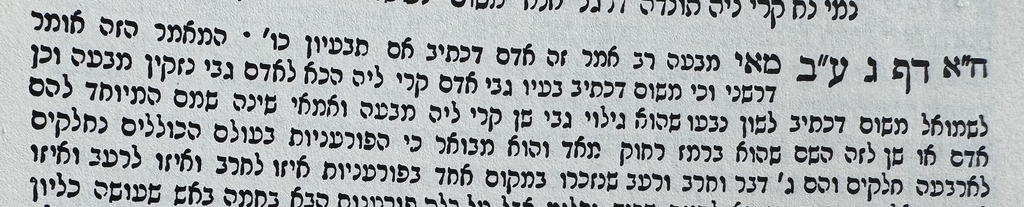
קאמרינן, מאי מבעה? רב אמר: מבעה זה אדם דאוכליה לבהמתו זרעא דאחר; [ושמואל] אמ': מבעה זו השן, שלשור דקרן [ג]מרינן מן [כי יגח, אבל ש]ן שן דשור לא גמרינן מאוריתא, כתב רחמ' [ושלח] את בעירה לאיתויי שן. ואמ' ליה רב, דשן [נמי] לא צריך למכתבה, דמן כד כתב רחמנא כי יגח ותנא תנא ארבעה אבות נזיקים דשור, כל נזקי דשור תנא תנא קמא קרנו ושינו ורגלו. או הכי, שמואל שור שור וכל נזקי דאית ביה, למה לי [ל]מכ[תב] מבעה? לאיתויי שינו. ומתריץ רב תנא תני טעמיה דשמואל תנא שור לקרניו ומבעה לשיניו, משום דלא דאמי היזקא דקרן לשן.
כְּשֶׁהִזִּיק חָב הַמַּזִּיק. ״חָב הַמַּזִּיק״?! ״חַיָּיב הַמַּזִּיק״ מִיבְּעֵי לֵיהּ! אָמַר רַב יְהוּדָה אָמַר רַב: הַאי תַּנָּא יְרוּשַׁלְמִי הוּא, דְּתָנֵי לִישָּׁנָא קַלִּילָא.
משנה: אַרְבָּעָה אָבוֹת נְזִיקִין הַשּׁוֹר וְהַבּוֹר וְהַמַּבְעֶה וְהַהֶבְעֵר. לֹא הַשּׁוֹר כַּהֲרֵי הַמַּבְעֶה וְלֹא הַמַּבְעֶה כַּהֲרֵי הַשּׁוֹר. לֹא זֶה וָזֶה שֶׁיֵּשׁ בָּהֶן רוּחַ חַיִים כַּהֲרֵי הָבּוֹר שֶׁאֵין בָּהּ רוּחַ חַיִים לֹא זֶה וָזֶה שֶׁדַּרְכָּן לֵילֵךְ וּלְהַזִּיק כַּהֲרֵי הָאֵשׁ שֶׁאֵין דַּרְכּוֹ לֵילֵךְ וּלְהַזִּיק. הַצַּד הַשָּׁוֶה שֶׁבָּהֶן שֶׁדַּרְכָּן לְהַזִּיק וּשְׁמִירָתָן עָלֶיךָ וּכְשֶׁהִזִּיק חָב הַמַּזִּיק לְשַׁלֵּם תַּשְׁלוּמֵי נֶזֶק בְּמֵיטַב הָאָרֶץ. הלכה: אַרְבָּעָה אָבוֹת נְזִיקִין כול׳. הַשּׁוֹר זֶה הַקֶּרֶן. דְּכְתִיב כִּי יִגֹּף שׁוֹר אִישׁ אֶת שׁוֹר רְעֵהוּ וגו׳. עַד כְדוּן בְּתָם. בְּמוּעָד מְנַיִין. אוֹ נוֹדַע כִי שׁוֹר נַגָּח הוּא וגו׳. הַבּוֹר. כִּי יִפְתַּח אִישׁ בּוֹר וגו׳ בַּעַל הַבּוֹר יְשַׁלֵּם וגו׳. הַמַּבְעֶה. כִּי יַבְעֵר אִישׁ שָׂדֶה אוֹ כֶרֶם וְשִׁלַּח אֶת בְּעִירֹה. זֶה הָרֶגֶל. דִּכְתִיב מְשַׁלְּחֵי רֶגֶל הַשּׁוֹר וְהַחַמּוֹר. וּכְתִיב הָסֵר מְסוּכָּתוֹ וְהָיָה לְבָעֵר. זֶה הַשֵּׁן. פְּרוֹץ גְּדֵירוֹ וְהָיָה לְמִרְמָס. זֶה הָרֶגֶל.
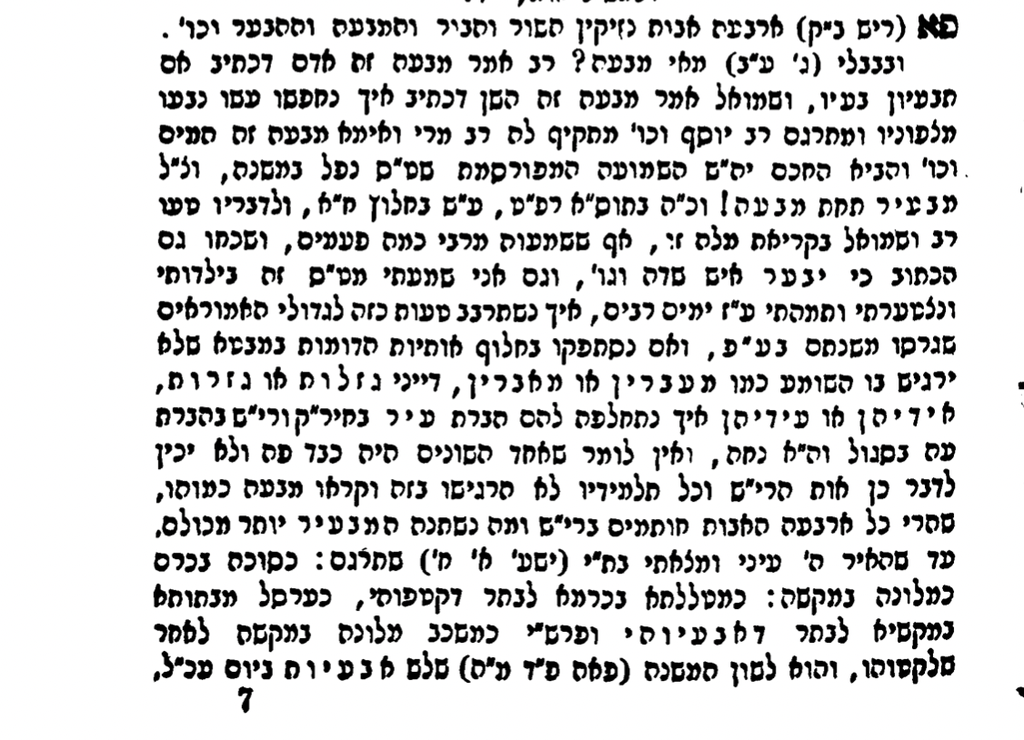
נ"ב ידענו דהרבה משניות הי' סדורים עדיין קודם רבי כמו מס' מדות נסדרה ע"י ראב"י ומס' כלים בשלימותה היתה עדיין סדורה קודם רבי כמו שדקדק הגאון בעל ח"צ סי' י"ד.... והנה שלשה משניות אלו שבפרקין היינו ארבעה אבות וכל שחבתי ומשנה דשום כסף משונים משאר המשניות הן ע"י לשון קצרה והן בשינוי הלשון כאשר המעיין יכיר ויבין ובגמרא הוכרחו לפרש ולדרוש כל מלה כאן ומדקדק הש"ס דהאי תנא ירושלמי הוא היינו שמשניות אלו באו מחכם ירושלמי אשר היה תופס לשון קצרה והכניסם רבינו הקדוש בסדר שלו והניחם כמו שמצאם ולא זזו ממקומם:
(שמות כב,ד) ["כִּי יַבְעֶר אִישׁ שָׂדֶה אוֹ כֶרֶם, וְשִׁלַּח אֶת בְּעִירֹה וּבִעֵר בִּשְׂדֵה אַחֵר, מֵיטַב שָׂדֵהוּ וּמֵיטַב כַּרְמוֹ יְשַׁלֵּם."] "כִּי יַבְעֶר אִישׁ שָׂדֶה", לָמָּה נֶאֱמַר? עַד שֶׁלֹּא יֹאמַר, הָיָה לִי בַדִּין: הוֹאִיל וְהַבּוֹר מָמוֹנוֹ, וְהַהֶבְעֵר מָמוֹנוֹ, אִם לָמַדְתָּ שֶׁהוּא חַיָּב עַל יְדֵי בוֹרוֹ, לֹא יְהֵי חַיָּב עַל יְדֵי הֶבְעֵרוֹ? אִם זָכִיתִי מִן הַדִּין, מַה תִּלְמֹד לוֹמַר "כִּי יַבְעֶר אִישׁ"? אֶלָּא בָּא הַכָּתוּב לְלַמְּדָךְ, שֶׁהַשֵּׁן מוּעֶדֶת לֹאכַל אֶת הָרָאוּי לָהּ, וְהַבְּהֵמָה מוּעֶדֶת לְשַׁבֵּר בְּדֶרֶךְ הִלּוּכָהּ.
כי יבער המבער חייב [לשלם] מכאן אתה אומר הגנבים שפתחו את הדיר ופתחו את המוקצה ויצתה בהמה והזיקה הגנבים פטורין ובעל הבית פטור שנ' ושלח את בעירה יצא זה שלא שלח הוציאוה הגנבים הגנבין חייבין ובעל הבית פטור שנ' כי יבער ישלם המבער חייב לשלם:
משנה: פֵּיאָה אֵין קוֹצְרִין אוֹתָהּ בְּמַגָּלוֹת וְאֵין עוֹקְרִין אוֹתָהּ בְּקַרְדּוּמוֹת כְּדֵי שֶׁלֹּא יַכּוּ אִישׁ אֶת רְעֵהוּ. שָׁלוֹשׁ אוֹבָּעְיוֹת בַּיּוֹם בְּשַׁחַר וּבְחַצּוֹת וּבְמִנְחָה. רַבָּן גַּמְלִיאֵל אוֹמֵר לֹא אָֽמְרוּ אֶלָּא שֶׁלֹּא יִפְחֲתוּ. וְרִבִּי עֲקִיבָה אוֹמֵר לֹא אָֽמְרוּ אֶלָּא שֶׁלֹּא יוֹסִיפוּ. שֶׁל בֵּית נָמֶר הָיוּ מַלְקִיטִין עַל הַחֶבֶל וְנוֹתְנִין פֵּיאָה מִכָּל־אוֹמָן וְאוֹמָן.
הלכה: מַהוּ אֹבָּעְיוֹת אָמַר רִבִּי בּוֹן דְּתֵימַר אֵיךְ נֶחְפְּשׂוּ עֵשָׂיו נִבְּעוּ מַצְפּוּנָיו.
He gained the Vilna Gaon's confidence, and was chosen to arrange for publication the Gaon's commentary to the first two parts of the Shulchan Aruch. That on the Orach Chaim was published in Shklov in 1803. Ashkenazi also published his master's notes to the tractate Shekalim of the Jerusalem Talmud, with a commentary of his own, under the title Tiklin Chadtin[1] (Minsk, 1812). Later he emigrated to Ottoman Syria and became the head of the German and Polish congregations of Safed and then of Jerusalem. He was there surnamed "Ashkenazi" (the "German"), a name applied to all Jews of German extraction, in contradistinction to the Sephardim, who came originally from Spain or Portugal.
After a residence of several years in the Holy Land, Ashkenazi went to Europe as a ShaDaR (emissary of the rabbis), to collect alms for the poor Palestinian Jews residing at the Yishuv haYashan, and in that capacity he traveled through Lithuania and other parts of what was then Russian Empire.
On his return to Palestine he wrote his chief work, Pe'at ha-Shulchan, which is intended as a sort of supplement to the Shulchan Aruch, supplying all the agricultural laws obligatory only in the Holy Land, omitted by rabbi Joseph Caro in his code. He also incorporated in this book the notes of Elijah of Vilna (the Gaon) to the tractate Zera'im, the first order of the Mishnah, and gave in addition a voluminous commentary of his own which he called Beit Yisrael. The work was published in Safed in 1836 by the printing-house of Yisrael ben Avraham Back.
ולדוגמא אספר אחת אשר שמעתי מפי הרב הגאון מואלזין שפ"א נתקשה אחיו הגאון ר' זלמן ז"ל תלמיד רה"ג המפורסם בספר תולדות אדם, במשנה אחת בפ"ק דיו"ט משלחין יינות וסלתות ושמנים וקטניות אבל לא תבואה ור"ש מתיר בתבואה: וקשה דתיבת בתבואה מיותר ובשביל זה נסע ר' זלמן ז"ל לוילנא יע"א לפני רה"ג לשאלו והשיבו תיכף בזו התיבה מרומז התוספתא דמתנייא בגמ' שם (יד:) תנא ר"ש מתיר בתבואה כגון חטים לעשות לודיות שעורין ליתן לפני בהמתו ועדשין לעשות מהן רסיסין, וז"ש במתניתין בתבואה בתוך תבואה ולא כל תבואה אלא אלו. ונתפלא מזה מאד ואלף כיוצא בו. וכל סדר המשניות ידעם בתורה שבכתב היכן הם כאשר יש ממנו אתנו חיבורו על זרעים קדשים טהרות האיך כל משנה טמון בכתוב מפורש נפלאות מדובר. והיה יודע כל חסורי מחסרא שבתלמוד בשיטותיו דלא חסרה כלל בסדר שסידר רבינו הקדוש המתניתן ולאו אורחא שחיסר דבר רק דרבי ס"ל כחד תנא דאליביה סתמה ולא חסר כלל אליביה וגמ' ס"ל כאידך תנא ואליביה קאמרה הגמ' חסורי מחסרי וה"ק והיה דורש ע"פ חמוקי יריכיך ר"ל ר"ת חסורי מחסרי וה"ק ירכיך מה ירך בסתר אף ד"ת בסתר שנסתרים גדולת דרכי התורה שבע"פ:
דרך הגמרא לעקם פי' המשנה כדי לאוקמא על הפסק. ואנקוט חדא בבכורות פרק בתרא מונה פסולי מעשר בהמה ויתום בכלל. ובזבחים ר"פ התערובו' ותמורה פ' כל האסורין מונה פסולי קדשים וגייז פסול יתום. ונראה מבואר דמשנתנו ס"ל כבן עזאי במכילתא פ' בא פי"ח שאמר. יתום כשר לגבי מזבח ואינו נכנס לדיר להתעשר. אבל הגמרא בבכורות שם דנ"ז מפרש משנתנו כתנא כת"כ דפוסל יתום לקדשים והיינו משום דהכי קיי"ל.

I recited the passage by heart, then went on to discuss at great length the many difficulties that the Amorim, the Rabbis of the Gemara, saw in that passage. The resolution of these difficulties was rather difficult in itself, and the medieval commentaries struggled to make it clear. I cited the commentaries, showed how they had attempted to clarify the discussion, and concluded by saying that the commentaries were themselves difficult to understand...
It was electric with sudden tension. Rav Kalman lit another cigarette, the two misshapen fingers jutting sharply outward from his hand. He put the cigarette between his lips and stroked his dark beard. On what did I base my emendation? he wanted to know. He used the English word "emendation," and there was sarcasm in his voice.
"The discussion in the Gemora is over a wrong Mishnah?" Rav Kalman said sharply. "You are telling us the Amoraim wasted their time discussing a wrong Mishnah?" I told him they hadn't wasted their time; they had been trying to understand the version of the original text that had been transmitted to them, and had done the best they could with it. It was a minor change, I said, and was supported by internal evidence in the Talmud itself. Texts had been corrected in this manner by Talmud scholars all through the centuries, I said. I saw no reason why I could not do it if it helped clarify a difficult passage. I only used it when it would help me understand a passage that was otherwise unclear, I said. I spoke quietly and respectfully, and wondered from which of the three the explosion would come. But they sat there, staring at me, and were silent.
A moment later the Dean rose to his feet and the first of the three examinations came to an end…
They sat there, staring at me in stonelike silence, not moving, not saying anything, just staring.
"No more questions," Rav Gershenson echoed in agreement.
"We will meet again tomorrow," the Dean said.
"No," said Rav Kalman. "I have no more questions." He looked at me as he spoke. "It will not be necessary to meet tomorrow." The Dean stared at him. Then he looked at Rav Gershenson. Rav Gershenson shrugged. "A meeting tomorrow is unnecessary," he said, very quietly.
By: Isidore Singer, M. Seligsohn
Austrian scholar; born at Tysmenitz, Galicia, Dec. 21, 1805; died at Galatz, Rumania, Aug. 6, 1870. After having studied Talmud and rabbinics in his native town, Pineles at the age of fifteen removed to Brody, where he married. In his new home he began to study German and the secular sciences, particularly astronomy. As most of the Jews of Brody at that time were of the Ḥasidic type, Pineles was, on account of his scientific studies, accused of heresy, and was obliged to justify himself before his father-in-law. About 1853 Pineles went to Odessa, where he lived till the Crimean war (1855), and then he settled permanently at Galatz.
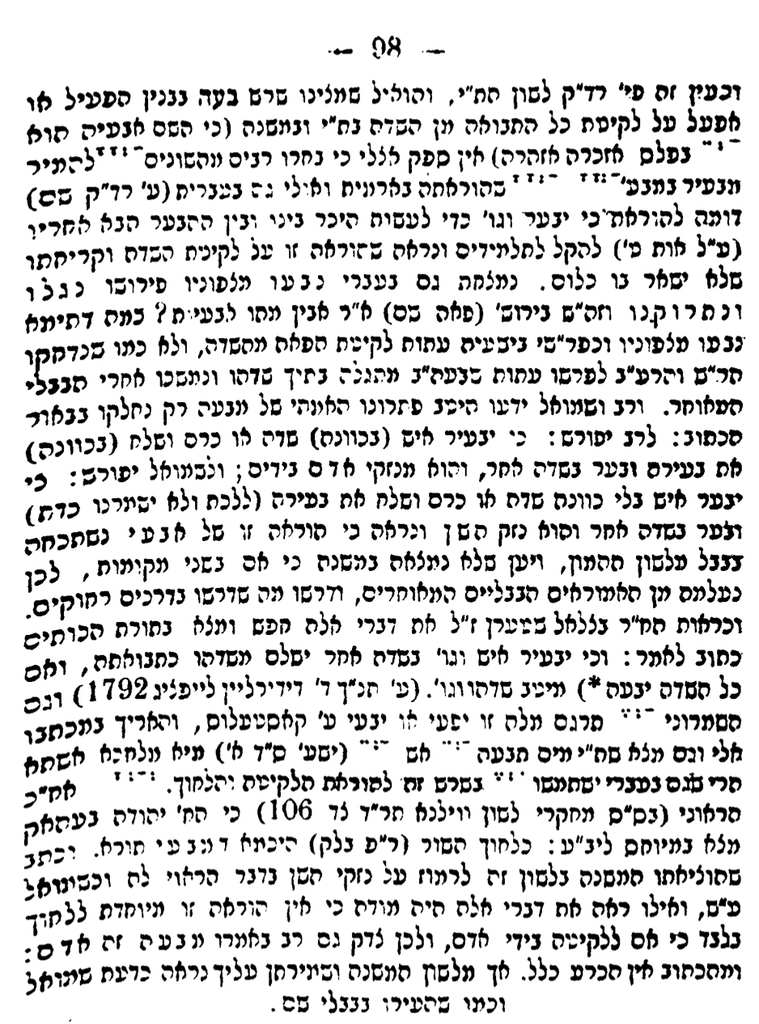
Pineles wrote articles on various scientific subjects, particularly on astronomy and calendar-making, in most of the Hebrew periodicals, and carried on in "Kerem Ḥemed" (vol. ix., letters 4, 5, 16, 17, 18) and in "Ha-Maggid" a polemical correspondence on astronomical subjects with Ḥayyim Selig Slonimski. He acquired particular renown on account of his work "Darkah shel Torah" (Vienna, 1861), a critical interpretation, divided into 178 paragraphs, of several passages of the Talmud, particularly of the Mishnah, followed by a treatise on calendar-making, including tables. Pineles says in the preface that the objects of the book are: (1) to justify the oral law; (2) to defend the Mishnah against both its admirers and its detractors; and (3) to explain several sayings of the earlier amoraim as well as difficult passages in the Jerusalem Talmud and some in Babli. The most noteworthy feature of this work is its defense of the Mishnah. Pineles explains several mishnayot differently from the Amoraim, who, as he declares, "very often distorted the Mishnah." It is true that Rapoport, Hirsch Chajes, Nachman Krochmal, and other critics had similarly differed from the Amoraim; but besides extending his criticism to the whole Mishnah, his predecessors having dealt with only a small portion of it, he also deviated from the amoraic interpretation even where it concerned the Halakah. This and his interpretation of the sayings of the earlier amoraim, which differed from that of the later amoraim, called forth protests from some of his contemporaries. Waldberg, a Rumanian scholar, published a polemical work entitled "Kakh Hi Darkah shel Torah" (Jassy, 1864-68), in refutation of Pineles' criticisms. It is evident, however, that Pineles did not act in an antireligious spirit; for, as stated above, he defended the Mishnah against its detractors like Schorr and Geiger, attacking the latter's "Urschrift und Uebersetzung der Bibel" (§§ 144-167), to which Geiger replied in his "Jüd. Zeit." (v. 146 et seq.).


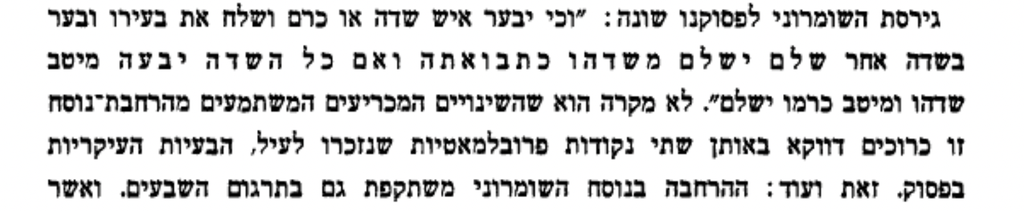
The Samaritan Pentateuch, also called the Samaritan Torah (Samaritan Hebrew: ࠕࠦࠅࠓࠡࠄ, Tūrā), is the sacred scripture of the Samaritans.[1] Written in the Samaritan script, it dates back to one of the ancient versions of the Torah that existed during the Second Temple period, and constitutes the entire biblical canon in Samaritanism.[1]
Some six thousand differences exist between the Samaritan and the Jewish Masoretic Text. Most are minor variations in the spelling of words or grammatical constructions, but others involve significant semantic changes... The script of the Samaritan Pentateuch, its close connections at many points with the Septuagint, and its even closer agreements with the present Masoretic Text, all suggest a date about 122 BCE.
The Masoretic Text[a] (MT or 𝕸; Hebrew: נֻסָּח הַמָּסוֹרָה, romanized: Nūssāḥ hamMāsōrā, lit. 'Text of the Tradition') is the authoritative Hebrew and Aramaic text of the 24 books of the Hebrew Bible (Tanakh) in Rabbinic Judaism. The Masoretic Text defines the Jewish canon and its precise letter-text, with its vocalization and accentuation known as the mas'sora... It was primarily copied, edited, and distributed by a group of Jews known as the Masoretes between the 7th and 10th centuries of the Common Era (CE). The oldest known complete copy, the Leningrad Codex, dates from the early 11th century CE.
The differences attested to in the Dead Sea Scrolls indicate that multiple versions of the Hebrew scriptures already existed by the end of the Second Temple period... The Septuagint (a Koine Greek translation made in the third and second centuries BCE) and the Peshitta (a Syriac translation made in the second century CE) occasionally present notable differences from the Masoretic Text, as does the Samaritan Pentateuch, the text of the Torah preserved by the Samaritans in Samaritan Hebrew.
Rav vs. Shmuel
************
קאמרינן, מאי מבעה? רב אמר: מבעה זה אדם דאוכליה לבהמתו זרעא דאחר; [ושמואל] אמ': מבעה זו השן, שלשור דקרן [ג]מרינן מן [כי יגח, אבל ש]ן שן דשור לא גמרינן מאוריתא, כתב רחמ' [ושלח] את בעירה לאיתויי שן. ואמ' ליה רב, דשן [נמי] לא צריך למכתבה, דמן כד כתב רחמנא כי יגח ותנא תנא ארבעה אבות נזיקים דשור, כל נזקי דשור תנא תנא קמא קרנו ושינו ורגלו. או הכי, שמואל שור שור וכל נזקי דאית ביה, למה לי [ל]מכ[תב] מבעה? לאיתויי שינו. ומתריץ רב תנא תני טעמיה דשמואל תנא שור לקרניו ומבעה לשיניו, משום דלא דאמי היזקא דקרן לשן.
מַתְנִי׳ כֵּיצַד הַשֵּׁן מוּעֶדֶת? לֶאֱכוֹל אֶת הָרָאוּי לָהּ. הַבְּהֵמָה מוּעֶדֶת לֶאֱכוֹל פֵּירוֹת וִירָקוֹת. אָכְלָה כְּסוּת אוֹ כֵלִים – מְשַׁלֵּם חֲצִי נֶזֶק. בַּמֶּה דְּבָרִים אֲמוּרִים – בִּרְשׁוּת הַנִּיזָּק, אֲבָל בִּרְשׁוּת הָרַבִּים – פָּטוּר...
גְּמָ׳: אָכְלָה כְּסוּת וְכוּ׳. אַהֵיָיא? אָמַר רַב: אַכּוּלְּהוּ. מַאי טַעְמָא? כׇּל הַמְשַׁנֶּה, וּבָא אַחֵר וְשִׁינָּה בּוֹ – פָּטוּר. וּשְׁמוּאֵל אָמַר: לֹא שָׁנוּ אֶלָּא פֵּירוֹת וִירָקוֹת, אֲבָל כְּסוּת וְכֵלִים – חַיֶּיבֶת.
חֲמִשָּׁה תַמִּין וַחֲמִשָּׁה מוּעָדִין, הַבְּהֵמָה אֵינָהּ מוּעֶדֶת לֹא לִגַּח וְלֹא לִגֹּף וְלֹא לִשֹּׁךְ וְלֹא לִרְבֹּץ וְלֹא לִבְעֹט. הַשֵּׁן מוּעֶדֶת לֶאֱכֹל אֶת הָרָאוּי לָהּ, הָרֶגֶל מוּעֶדֶת לְשַׁבֵּר בְּדֶרֶךְ הִלּוּכָהּ, וְשׁוֹר הַמּוּעָד, וְשׁוֹר הַמַּזִּיק בִּרְשׁוּת הַנִּזָּק, וְהָאָדָם. הַזְּאֵב וְהָאֲרִי וְהַדֹּב וְהַנָּמֵר וְהַבַּרְדְּלָס וְהַנָּחָשׁ, הֲרֵי אֵלּוּ מוּעָדִין. רַבִּי אֱלִיעֶזֶר אוֹמֵר, בִּזְמַן שֶׁהֵן בְּנֵי תַרְבּוּת, אֵינָן מוּעָדִין. וְהַנָּחָשׁ מוּעָד לְעוֹלָם. מַה בֵּין תָּם לְמוּעָד. אֶלָּא שֶׁהַתָּם מְשַׁלֵּם חֲצִי נֶזֶק מִגּוּפוֹ, וּמוּעָד מְשַׁלֵּם נֶזֶק שָׁלֵם מִן הָעֲלִיָּה:
גְּמָ׳: אָמַר שְׁמוּאֵל: אֲרִי בִּרְשׁוּת הָרַבִּים; דָּרַס וְאָכַל – פָּטוּר. טָרַף וְאָכַל – חַיָּיב. דָּרַס וְאָכַל פָּטוּר – כֵּיוָן דְּאוֹרְחֵיהּ לְמִידְרַס, הָוֵה לֵיהּ כְּמוֹ שֶׁאָכְלָה פֵּירוֹת וִירָקוֹת, דְּהָוֵי לֵיהּ שֵׁן בִּרְשׁוּת הָרַבִּים, וּפָטוּר. טָרַף – לָאו אוֹרְחֵיהּ הוּא.
והנחש הרי אלו מועדים. לאו בכל עניני היזק חשיבי מועדים אלא כל אחד במידי דאורחיה כגון שבא זאב וטרף ארי ודרס או טרף להניח אבל במידי דלאו אורחיה כגון ארי שטרף ואכל וכן שאר הזיקות דלאו אורחייהו לא הוו מועדים אלא משלמי' ח"נ ובמידי דאורחייהו דמשלם נ"ש היינו דוקא בחצר הניזק אבל ברה"ר פטור דהוי שן ברה"ר כדאמר שמואל בגמ' ארי ברה"ר דרס ואכל פטור ואפי' נחש שאין נהנה מנשיכתו כדאמרינן בפ"ק דתענית (דף ח.) שנתקבצו כל החיות אצל הנחש ואומרות לו מה הנאה יש לך מ"מ כיון דאורחיה בהכי הוי כמו רגל ופטור ברה"ר ולא הוי כמו קרן בתר דאייעד אע"פ דמתכוין להזיק מדחשיב ליה גבי אחריני:
כל המשנה ובא אחר ושינה וכו'. הקשה רבינו אפרים מאי איצטריך למעוטי ובער בשדה אחר לפטור ברשות הרבים תיפוק ליה דכל המשנה ובא אחר ושינה פטור דהניח פירותיו ברשות הרבים. וי"ל דלא הוה מצי למעוטי מהא דלא הוה מצי למימר שינה בו שהרי מועד מתחילתו. ע"כ.
כשם שאסור לאדם שיזיק את חבירו ואם הזיק חייב לשלם כך צריך לשמור ממונו שלא יזיק ואם הזיק חייב לשלם לא שנא יש בו רוח חיים ל"ש אין בו רוח חיים יש בו רוח חיים בהמה חיה ועוף אין בו רוח חיים כגון בור ואש ותולדותיהן ובלבד שלא יהא בן דעת אבל עבד שישנו בן דעת אין רבו חייב על נזקיו שאם היה חייב על נזקיו אם יקניטנו רבו ילך ויזיק לחייב את רבו בהמה דכתיב וכי יגוף שור איש את וגו' ותנן אחד השור ואחד כל שאר בהמה והיה במשמע [אלא] שדבר הכתוב בהוה...
ואלו מועדין מתחילה הזאב והארי והדוב והברדלס והנמר ואפילו אם הם בני תרבות אם המיתו או הזיקו אפילו בהמה גדולה מהן חייב לשלם הכל וכתב הרמב"ם שכולן חייבין לשלם נזק שלם בכל מיני היזק שיזיקו אבל ר"י פי' דלא בכל מיני היזק קאמר אלא כל אחד מועד בדבר שדרכו בו להזיק כגון הארי לדרוס ולאכול או לטרוף ולהניח לפיכך באחד מאלו הוא מועד וחייב עליו ברשות הניזק נזק שלם ופטור בר"ה כדין רגל אבל אם טרף ואכלו לאו אורחיה הוא והוה ליה כקרן תמה וחייב חצי נזק בין בר"ה בין ברשות הניזק וזאב ושאר היות דרכם בטריפה ולזה הן מועדים וחייבין עליו ברשות הניזק נזק שלם ופטור בר"ה אבל בדריסה לאו אורחייהו והוה ליה כקרן תמה ונחש נמי מועד מתחלתו ודרכו בכל מיני היזקות לפיכך באיזה ענין שיזיק חשוב כרגל ופטור בר"ה וחייב ברשות הניזק נזק שלם וכ"כ א"א הרא"ש ז"ל ושאר כל הבהמות יש בהן דבר שהן תמים בו מתחילתו ונעשים מועד כגון קרן אבל בשן ורגל הם מועדין בתחילתן:
ואלו מועדין מתחלה וכו' משנה ספ"ק דב"ק ופסק כת"ק דלא כר"א דאמר אם הן בני תרבות אינן מועדין אלא אפי' בני תרבות שאדם גידלן בביתו מועדין הן: ומ"ש אפי' בהמה גדולה מהן לא ידעתי למה הוצרך לכתבו... והעיקר נראה דלפי דבספ"ק (דף ט"ו) קאמר תלמודא דכלבא דאכל אמרי רברבי שונרא דאכלה תרנגולים רברבי משונה הוא דאין דרך כלב וחתול להורגן מכלל דאלו שהן מועדין אפילו בדרברבי נמי מועדין הן דאי לא היינו כלב. ומ"ש בשם הרמב"ם שכולם חייבים לשלם נ"ש בכל מיני היזק שיזיקו כלומר בין שהמיתו או שהזיקו בנגיחה או בנשיכה ודריסה וכיוצא בהן שאינו מעשה שן ורגל אלא מעשה קרן בין ברשות הניזק בין בר"ה חייב נ"ש וכ"כ הרב המגיד פ"א מנזקי ממון ע"ש וכן הסמ"ג עשה ס"ו ס"ז וכן פי' רש"י במשנה ז"ל והרי כלו מועדין אפי' בנשיכה ובכל נזקין ומשלמים בעלים שלהן נ"ש והאלפסי גם כן לא הביא אלא המשנה כצורתה ולא הביא הא דאמר שמואל ארי בר"ה דרס ואכל פטור טרף ואכל חייב וטעמו מדאקשינן עלה דשמואל... ואע"ג דמשני לה רנב"י אשינויא דחיקא לא סמכינן ולפיכך פסק כסתם משנה וכפשטא דברייתא ואין חלוק בין ארי וזאב ונחש זאת היא דעת האלפס הרמב"ם והסמ"ג אבל התוס' והרא"ש פסקו כהך דשמואל דלאו בכל ענייני היזקי חשיבי מועדים וכו'
Hybrids
*********
מַתְנִי׳ נִשְׁבְּרָה כַּדּוֹ בִּרְשׁוּת הָרַבִּים, וְהוּחְלַק אֶחָד בַּמַּיִם אוֹ שֶׁלָּקָה בְּחַרְסִית – חַיָּיב. רַבִּי יְהוּדָה אוֹמֵר: בְּמִתְכַּוֵּין – חַיָּיב, בְּאֵינוֹ מִתְכַּוֵּין – פָּטוּר. גְּמָ׳... כִּי אַמְרִיתַהּ קַמֵּיהּ דִּשְׁמוּאֵל, אָמַר לִי: מִכְּדֵי אַבְנוֹ וְסַכִּינוֹ וּמַשָּׂאוֹ – מִבּוֹרוֹ לָמַדְנוּ, וְכוּלָּן אֲנִי קוֹרֵא בָּהֶן: ״שׁוֹר״ – וְלֹא אָדָם, ״חֲמוֹר״ – וְלֹא כֵּלִים. וְהָנֵי מִילֵּי לְעִנְיַן קְטָלָא, אֲבָל לְעִנְיַן נְזָקִין – אָדָם חַיָּיב, וְכֵלִים פְּטוּרִין. וְרַב – הָנֵי מִילֵּי הֵיכָא דְּאַפְקְרִינְהוּ, אֲבָל הֵיכָא דְּלָא אַפְקְרִינְהוּ – מָמוֹנוֹ הוּא.
מַתְנִי׳ אַרְבָּעָה אֲבוֹת נְזִיקִין... גְּמָ׳ מִדְּקָתָנֵי ״אָבוֹת״ – מִכְּלָל דְּאִיכָּא תּוֹלְדוֹת; תּוֹלְדוֹתֵיהֶן כַּיּוֹצֵא בָּהֶן, אוֹ לָאו כַּיּוֹצֵא בָּהֶן? ... אָמַר רַב פָּפָּא: יֵשׁ מֵהֶן כַּיּוֹצֵא בָּהֶן, וְיֵשׁ מֵהֶן לָאו כַּיּוֹצֵא בָּהֶן...
אֶלָּא ״תּוֹלְדוֹתֵיהֶן לָאו כַּיּוֹצֵא בָּהֶן״ דְּאָמַר רַב פָּפָּא, אַהֵיָיא? ...
אֶלָּא אַאַבְנוֹ, סַכִּינוֹ וּמַשָּׂאוֹ שֶׁהִנִּיחָן בִּרְשׁוּת הָרַבִּים וְהִזִּיקוּ. הֵיכִי דָמֵי? אִי דְּאַפְקְרִינְהוּ – בֵּין לְרַב וּבֵין לִשְׁמוּאֵל, הַיְינוּ בּוֹר. וְאִי דְּלָא אַפְקְרִינְהוּ – אִי לִשְׁמוּאֵל, דְּאָמַר: כּוּלָּם מִבּוֹרוֹ לָמַדְנוּ, הַיְינוּ בּוֹר; וְאִי לְרַב, דְּאָמַר: כּוּלָּם מִשּׁוֹרוֹ לָמַדְנוּ, הַיְינוּ שׁוֹר! מַאי שְׁנָא בּוֹר – שֶׁכֵּן תְּחִלַּת עֲשִׂיָּיתוֹ לְנֵזֶק, וּמָמוֹנְךָ וּשְׁמִירָתוֹ עָלֶיךָ; הָנֵי נָמֵי – תְּחִלַּת עֲשִׂיָּיתָן לְנֵזֶק, וּמָמוֹנְךָ וּשְׁמִירָתָן עָלֶיךָ! אֶלָּא תּוֹלָדָה דְבוֹר כְּבוֹר
משורו למדנו - היינו קרן דשן ורגל פטורין ברה"ר ובאבנו וסכינו אין לחלק בין תמות למועדות דלא שייך לחלק אלא בבעלי חיים וא"ת היכי גמר משור מה לשור שכן ב"ח וכוונתו להזיק ומפרש רשב"ם דאתי מבור ושור ממה הצד ולקמן גבי הצד השוה דקאמר אביי לאתויי אבנו וסכינו לא גרס אי לרב דאמר כולם משורו למדנו היינו שור דלרב א"ש דבמה הצד אתי' כדפרשי' אבל קשה כיון דמבור נמי יליף לפטרו בהו כלים כבור ולקמן בהמניח (בבא קמא דף כח.) מחייב בהו רב כלים גבי נשבר כדו:
לֹא הֲרֵי הַשּׁוֹר כַּהֲרֵי הַמַּבְעֶה. מַאי קָאָמַר? אָמַר רַב זְבִיד מִשְּׁמֵיהּ דְּרָבָא: הָכִי קָאָמַר – לִכְתּוֹב רַחֲמָנָא חֲדָא, וְתֵיתֵי אִידַּךְ מִינֵּיהּ; הֲדַר אֲמַר: חֲדָא מֵחֲדָא לָא אָתְיָא. וְלֹא זֶה וָזֶה שֶׁיֵּשׁ בָּהֶן רוּחַ חַיִּים. מַאי קָאָמַר? אָמַר רַב מְשַׁרְשְׁיָא מִשְּׁמֵיהּ דְּרָבָא: הָכִי קָאָמַר – לִכְתּוֹב רַחֲמָנָא תַּרְתֵּי, וְתֵיתֵי אִידַּךְ מִינַּיְיהוּ; הֲדַר אָמַר: חֲדָא מִתַּרְתֵּי לָא אָתֵי. אָמַר רָבָא: וְכוּלְּהוּ כִּי שָׁדֵית בּוֹר בֵּינַיְיהוּ – אָתְיָא כּוּלְּהוּ בַּמֶּה הַצַּד, לְבַר מִקֶּרֶן; מִשּׁוּם דְּאִיכָּא לְמִיפְרַךְ, מָה לְכוּלְּהוּ שֶׁכֵּן מוּעָדִין מִתְּחִילָּתָן. וּלְמַאן דְּאָמַר: אַדְּרַבָּה, קֶרֶן עֲדִיפָא – שֶׁכַּוּוֹנָתוֹ לְהַזִּיק; אֲפִילּוּ קֶרֶן נָמֵי אָתְיָא. אֶלָּא לְמַאי הִלְכְתָא כַּתְבִינְהוּ רַחֲמָנָא? לְהִלְכוֹתֵיהֶן. קֶרֶן – לְחַלֵּק בֵּין תַּמָּה לְמוּעֶדֶת. שֵׁן וָרֶגֶל – לְפוֹטְרָן בִּרְשׁוּת הָרַבִּים. בּוֹר – לִפְטוֹר בּוֹ אֶת הַכֵּלִים. וּלְרַבִּי יְהוּדָה דִּמְחַיֵּיב עַל נִזְקֵי כֵלִים בְּבוֹר – לִפְטוֹר בּוֹ אֶת הָאָדָם. אָדָם – לְחַיְּיבוֹ בְּאַרְבָּעָה דְּבָרִים. אֵשׁ – לִפְטוֹר בּוֹ אֶת הַטָּמוּן. וּלְרַבִּי יְהוּדָה דִּמְחַיֵּיב עַל נִזְקֵי טָמוּן בָּאֵשׁ, לְאֵתוֹיֵי מַאי? לְאֵתוֹיֵי לִיחֲכָה נִירוֹ וְסִכְסְכָה אֲבָנָיו. הַצַּד הַשָּׁוֶה שֶׁבָּהֶן. לְאֵתוֹיֵי מַאי? אָמַר אַבָּיֵי: לְאֵתוֹיֵי אַבְנוֹ סַכִּינוֹ וּמַשָּׂאוֹ שֶׁהִנִּיחָן בְּרֹאשׁ גַּגּוֹ, וְנָפְלוּ בְּרוּחַ מְצוּיָה וְהִזִּיקוּ. הֵיכִי דָּמֵי? אִי בַּהֲדֵי דְּקָא אָזְלִי קָא מַזְּקִי – הַיְינוּ אֵשׁ! מַאי שְׁנָא אֵשׁ – דְּכֹחַ אַחֵר מְעוֹרָב בּוֹ, וּמָמוֹנְךָ וּשְׁמִירָתוֹ עָלֶיךָ; הָנֵי נָמֵי, כֹּחַ אַחֵר מְעוֹרָב בָּהֶן, וּמָמוֹנְךָ וּשְׁמִירָתוֹ עָלֶיךָ! וְאֶלָּא בָּתַר דְּנָיְיחִי. אִי דְּאַפְקְרִינְהוּ – בֵּין לְרַב בֵּין לִשְׁמוּאֵל, הַיְינוּ בּוֹר! מַאי שְׁנָא בּוֹר – שֶׁכֵּן תְּחִילַּת עֲשִׂיָּיתוֹ לְנֵזֶק, וּמָמוֹנְךָ וּשְׁמִירָתָן עָלֶיךָ; הָנֵי נָמֵי, תְּחִילַּת עֲשִׂיָּיתָן לְנֵזֶק, וּמָמוֹנְךָ וּשְׁמִירָתָן עָלֶיךָ! אֶלָּא דְּלָא אַפְקְרִינְהוּ? לִשְׁמוּאֵל, דְּאָמַר: כּוּלָּם מִבּוֹרוֹ לָמַדְנוּ, הַיְינוּ בּוֹר! לְעוֹלָם דְּאַפְקְרִינְהוּ; וְלָא דָּמוּ לְבוֹר, מָה לְבוֹר – שֶׁכֵּן אֵין כֹּחַ אַחֵר מְעוֹרָב בּוֹ; תֹּאמַר בְּהָנֵי, שֶׁכֹּחַ אַחֵר מְעוֹרָב בָּהֶן. אֵשׁ תּוֹכִיחַ! מָה לְאֵשׁ – שֶׁכֵּן דַּרְכּוֹ לֵילֵךְ וּלְהַזִּיק. בּוֹר תּוֹכִיחַ! וְחָזַר הַדִּין.
הצד השוה שבהן לאתויי מאי אמר אביי לאתויי אבנו סכינו ומשאו וכו'. רב אלפס ז"ל לא הביא בחבורו כל הני אוקימתא דהני אמוראי אף על גב דכולן הלכות פסוקות הן ולא פליגי אהדדי אלא מר אמר חדא ומר אמר חדא ולא פליגי. דהא אוקימתא דרב אדא בר אהבה ברייתא ודרבינא מתניתין היא וכך אהנהו דאביי ורבא ליכא לאקשויי מידי ומסקינן דילפינן אבנו וסכינו ומשאו שהניחן בראש הגג ונפלו לרה"ר ברוח מצויה והזיקו בתר דנייחי מבור ומאש ויש מן הגדולים שכתבו דלא מחייב אלא מה שחייב בשניהם ופטירי מנזקי כלים וממיתת אדם כמו בור ומטמון כמו באש דכיון דאתו במה הצד יהבינן להו הקל שבשניהם ויש שנסתפקו בדבר ולי נראה דכל דין בור יש להם... דעיקר תלמודא הוא מבור לחודיה דבור גמיר הם אבנו וסכינו ומשאו לבתר דנייחי בין אפקרינרהו בין לא אפקרינהו לשמואל דאמר כולו מבור למדנו ולרב בדאפקרינהו. וכן בור המתגלגל וכן כותל ואילן שנפלו לרה"ר והזיקו בתר דנייחי וכן פותקין ביבותיהן וגורפין מערותיהן אע"ג דברשות קעבדי לשמואל דאמר בור ברשותו חייב וקי"ל כוותיה בור גמור הוא אלא דלא מצינו למילף מבור לחודיה משום דלא דמי לגמרי לבור בתחלת עשייתו לנזק או משום דכח אחר מעורב בהן בעשייתן או שלא גרמו לו מעשיו או שעשייתן ברשותו הוצרך להביא יוכיח משאר נזיקין שאין לחלק ביניהם ובין בור משום הני פירכות שאינם מונעות חיוב בהם הלכך גם אלו לא יצאו מכלל בור בשביל אלו פירכות ובור גמור הוא וכל דין בור להם קולות וחומרות שבהן ולא יהבינן להו קולות של אש ורגל...
MR. CAMERON: 18 million dollars is a cheap price, isn’t it?
MR. GAGE: Yes, it is. What you’re happy about isn’t the price. It’s the structure of the deal.
MR. CAMERON: Well, how do you figure that?
MR. GAGE: Sam’s going to tell you about it. Sam.
Sam looks up quickly.
SAM: Hmm?
MR. GAGE: Structure versus cost?
SAM: Uh, yeah. What Jack means is, if you were getting the tankers for a buck 85 and trading stamps it would still be a bad deal if we didn’t limit your liability.
MR. CAMERON: And you did that?
SAM: We did.
MR. CAMERON: How?
SAM: The same way we do with any other asset acquisition. Create a separate corporation for each one of them, then mortgage the boats, top to bottom.
MR. CAMERON: Ships.
SAM: I’m sorry?
MR. CAMERON: Oil tankers aren’t boats, they’re ships.
SAM: Mr. Cameron, you want me to buy the boats, you’re not asking me to be the first mate, right?
MR. CAMERON: No.
SAM: You want to finance the tankers a hundred percent so that if litigation does penetrate the liability shield we’ve set up for you there are no real assets at the end of the line, just debt. You’re judgment proof. Let me run back to my office and get the tax figures while David and Rita talk about IMO regulations. [exits]
JOSH: I don’t know. What are you doing?
SAM: Protecting oil companies from litigation.
Josh nods.
SAM: They’re our client. They don’t lose legal protection because they make a lot of money.
JOSH: I can’t believe no one ever wrote a folk song about that.
Sam grins.
CUT TO: INT. GAGE WHITNEY CONFERENCE ROOM - THREE YEARS EARLIER GAGE WHITNEY PACE MIDTOWN MANHATTAN THREE YEARS EARLIERThe camera pans down a long conference table, resting finally on an over the shoulder shot of Sam.
FEMALE LAWYER [VO]: The ships will be registered in Libya and Panama, so they won't be subject to the OPA, which wouldn't allow an American company to keep a tanker like this in service very long.
ASSOCIATE: I think 2017.
FEMALE LAWYER: I think 2015, and we'll check that, but you get the idea.
MR. GAGE: I think all that's left then is to dot the tees.
SAM: Actually. I have a thing. I have a thing I was going to mention, just a proposal to throw out there. When I was a congressional aide, we had an expression, “no idea was too stupid to say out loud,” so here it is, bear me out. Instead of buying these ships? Don't buy these ships. Buy other ships. Better ships. That's my idea.
MR. LOCH [to Mr. Gage]: What is he talking about?
MR. GAGE: That's a perfectly fair question. Sam, what the hell are you talking about? SAM: And the good news is we have a no-penalty clause we can exercise if we pull out before the First of December.
MR. CAMERON: But Sam, we want these ships. This is as little as we've ever paid for a fleet.
SAM: Well, there's a reason why they don't cost a lot of money. They're 20-year old single hulled VLCCs that nobody wants. When they hit things, they will break. And they will hit things, because they don't have state of the art navigation systems. They don't have G3 tank gauging, or EM-5000 engine monitoring, the recommended staletronic, or electopneumotronic ballast.
MR. GAGE [chuckling]: And yesterday, he didn't know the difference between a ship and a boat!
MR. LOCH: Sam, I thought you told us that you covered our liability.
SAM: I did. Strictly speaking, I did. But there's a broader liability to think about. People drove past Exxon Stations after the Valdez.
MR. CAMERON: We've got PR firms for PR problems.
SAM: There's a Suez tanker ready to launch in the Koje Island shipyard in Korea. Chevron just dropped the option, and it's sitting there in its cradle. Let's go get it.
MR. GAGE: Sam, can I talk you for a second?
Sam follows Mr. Gage out, while still talking to the client.
SAM: 308,000 deadweight tons, carries 2.2 million gallons, and you can have it today for 46 million.
MR. LOCH: 46 million dollars?
SAM: That's a good price!
They walk out to the HALLWAY.
MR. GAGE: Sam, what are you doing?
SAM: I think I have an obligation.
MR. GAGE: What are you doing?
SAM: Maybe they want to buy safer boats, but we never gave them the option.
MR. GAGE: Are you trying to get fired?
SAM: Maybe they're really going to thank us for this suggestion.
MR. GAGE: Knock it off, Sam!
SAM: Look...
MR. GAGE: Knock it off!
אָדָם מוּעָד לְעוֹלָם, בֵּין שׁוֹגֵג, בֵּין מֵזִיד, בֵּין עֵר, בֵּין יָשֵׁן. סִמֵּא אֶת עֵין חֲבֵרוֹ וְשִׁבֵּר אֶת הַכֵּלִים, מְשַׁלֵּם נֶזֶק שָׁלֵם: