




 Save
Save Copy
Copy Add to Collection
 Export to Google Docs
 Share
Share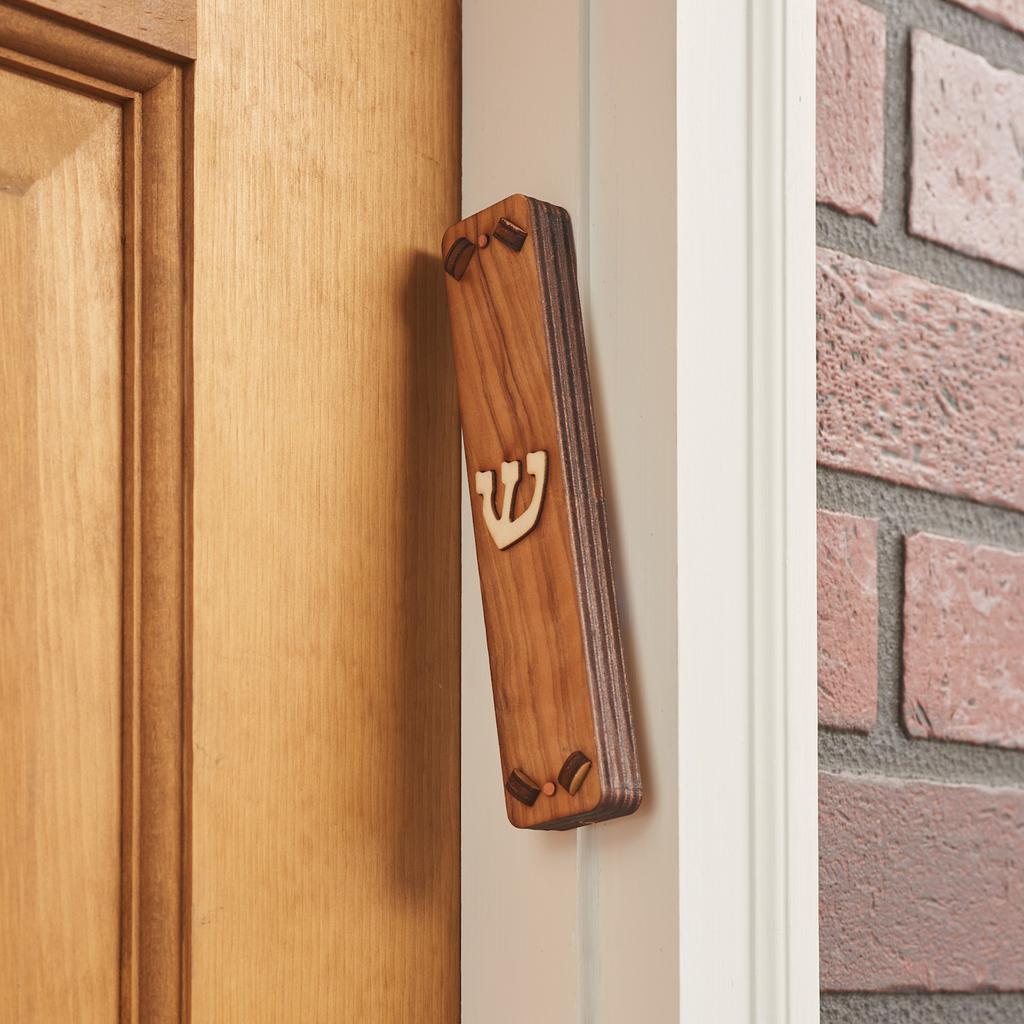
- The Biblical word for "doorposts" is "mezuzot" (singular "mezuzah"). Over time, the word "mezuzah" went from “the doorpost” to “the thing that goes on the doorpost”.
- The word "gates" in the Bible meant "city gates", as those were a place where court cases were heard. There is a mezuzah today on the Jaffa Gate and Zion Gate of the Old City of Jerusalem. There is no need to put a mezuzah on the gate in front of a house.
- Putting up a mezuzah marks a space as one in which Judaism is present in some way.
- Some people put up a mezuzah because that is what Jews do, and/or because their Jewish role models (parents or others) did that.
- Putting up a mezuzah upon moving into a new place can help make a house or apartment feel like a home.
- On that note, a mezuzah isn’t put up if you are living somewhere for less than 30 days.
- Mezuzahs are put on the right side of the doorway when you are entering a room. They should go on the top half of the doorway (some say the top third), but not all the way at the top so that people can still reach them.
- Some people put mezuzahs lower down on the doorway so either a child or somebody in a wheelchair can reach it.
- On it is handwritten in Hebrew the words of Deuteronomy 6:4-9 ("the Shema and V'Ahavta") and Deuteronomy 11:13-21 ("the V'Haya Im Shamo'a"). These are the texts in the Bible that talk about mezuzah.
- A scribe, called a "Sofer" or "Soferet" (male and female, respectively) has to write the text for it to be considered "kosher".
- The text can be written in about 60-90 minutes of writing, checking each word before writing it. However, if a mistake is made, the parchment must be set aside until the ink dries before the mistake can be fixed. The text must then be checked by somebody else (over Zoom usually these days) before it can be sent to a store or purchaser.
- There are different “fonts”, such as the Spanish-Portuguese and the Arizal styles of writing letters. It doesn’t matter which one a sofer/et uses.
- The letters must be written in order for it to be “kosher” (fit for use). There’s no way to tell that a sofer/et hasn’t “cheated” in some way, which is why it’s important to buy one that’s priced right (otherwise you’re incentivizing poor sofer behavior). For an example of a scribe who takes the time to get good materials and do it right, see here: https://www.arielahousman.com/mzuzot
- Mezuzah scrolls are more challenging to write than Torah scrolls because they are smaller and because every letter must be written in order. If a mistake is noticed later, the sofer/et would need to erase everything back to that point and start over; however, the name of G-d can’t be erased, so they would need to start over from the very beginning in many cases.
- Other than that, the case of a mezuzah can be made of any material that protects the scroll and can be attached to a doorway.
- There is also no color requirement for a mezuzah. However, a transparent case should not be used if it will be opposite a bathroom (and there’s no mezuzah on the doorway of a bathroom at all).
- You can put it up with a hammer and nail, or, if you are concerned about leaving marks, with a 3M Poster Strip.
- Usually the mezuzah goes on the top third of the doorpost, at a height so that an adult can reach up comfortably and kiss it.
- If it is for a child’s room, the mezuzah could be placed at a height that is comfortable for the child to reach, though it should be affixed in a way that is easy to change as the child grows.
- If it for a space where somebody in a wheelchair might access, the mezuzah should be placed at a height comfortable for them to touch.
- Because there was a dispute about whether the mezuzah should be vertical or horizontal, it is diagonal, with the top leaning toward the inside of the room. The dispute was in Ashkenazi (Eastern and Central European) sources; Sephardi (originating from Spain) sources don’t have any such dispute, so for Sephardic Jews the mezuzah is vertical.
- Putting up a mezuzah upon moving into a new place can be done just by the person / people living in that space, or it can be done as part of a housewarming celebration. No rabbi is required to be present.
- There is a blessing said for putting up a mezuzah:
בָּרוּךְ אַתָּה יהוה אֱלֹהֵינוּ מֶלֶךְ הָעוֹלָם, אֲשֶׁר קִדְּשָׁנוּ בְּמִצְוֹתָיו וְצִוָּנוּ לִקְבֹּעַ מְזוּזָה:
Praised are You, Lord our G-d, Ruler of the universe, who has made us holy with Your commandments and commanded us to affix the mezuzah.
- At one point, people were chiseling the Torah verses directly into the doorposts of their homes. This led to the weather “defacing” G-d’s name, and thus things were switched to writing the verses on a piece of parchment which was put into a protective case.
- Archeologists have found both vertical and horizontal grooves next to doors in Israel that seem to be where mezuzot were placed.
- In Mesopotamia there was also a concern of protecting spaces of transition (https://www.encyclopedia.com/history/news-wires-white-papers-and-books/gates-and-doors).
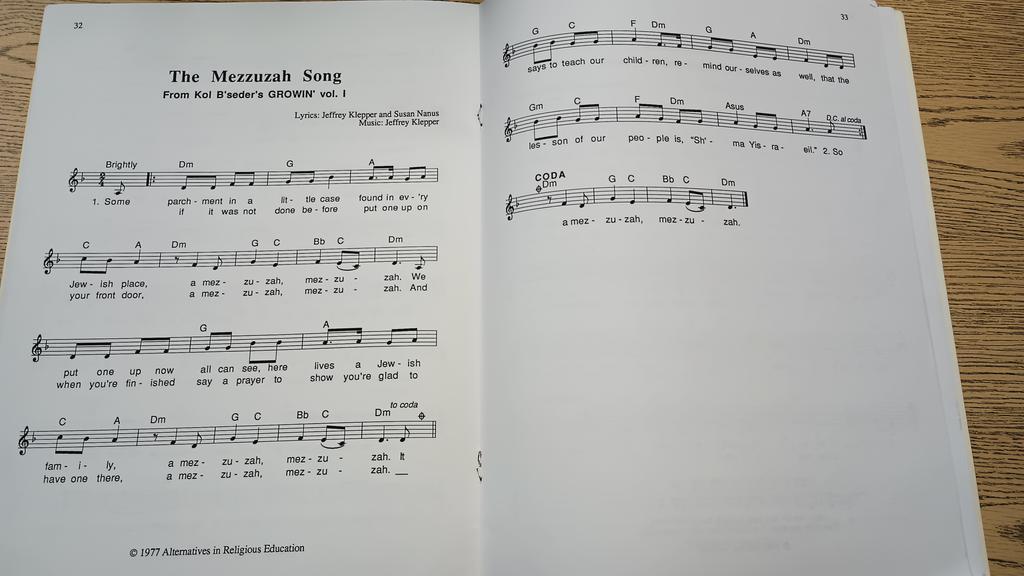
“We need to put the mezuzah up first,” I called. “And then, come in and see the house!”
Anshel fetched nails and a hammer. All of us stood around and watched while Papa attached the mezuzah to the wooden frame of the dugout.
“It’s been so long since I put one of these up that I hardly remember the words,” Papa said. “Not since before Anshel was born. More than seventeen years that is now!”
“Likboa mezuzah,” Mama said.
“Oh yes.”
We said the mezuzah prayer together as the sunset flamed in the western sky. Now the dugout felt like a home, our home. It must be the first mezuzah anyone had ever put up in this place, on this stretch of the vast prairie that was now Papa’s claim. Mr. McIvor wasn’t Jewish, so he wouldn’t have had one. Before that, the Dakota had lived here. And now, driven out, they lived on reservation land. I thought about the arrowheads Anshel had found in the fields. I shivered. Would that happen to us? Would this dugout crumble and the mezuzah fall to the ground, forgotten, for some years from now, to find as they farmed the land again?
Mama reached up and touched the mezuzah as she went in, then kissed her fingers. Libke did the same. Then I lifted first Tsivia and then Pearlie. And then I took a deep breath, touched the familiar surface, silvery and cool, and brought my fingers to my lips. A warm feeling rushed over me, and suddenly I felt strong and calm, able to face this new life in this new, strange world. It might not be our home for always, but it was our home for now. Wherever we went, we would have a mezuzah, and the new place would be home. Without realizing it, I had missed that feeling in the long days of our journey. Touching the mezuzah, kissing my fingers, and walking inside to a place of safety, a place of peace.
God bless and Shalom.
— Robert
Here’s some helpful information: Mezuzahs have two parts. There is an outside case that is visible and often decorative but the real ritual part (the commandment, as interpreted by the rabbis) is a small scroll inside the case, called a klaf, that contains chapters from Deuteronomy. You are welcome to get both the case and the scroll but because they are hand-written by scribes scrolls can be pricey! I would suggest that to show solidarity with the Jewish people, which is such a wonderful thing, you put up the case and don’t worry about the scroll inside, which no one will see anyway. But even if you wanted to put the scroll inside, it would be fine. Thank you so much for your solidarity!
By: Vanessa Pamela Friedman
But the truth is, partnerships are tricky, and plenty of people stay in relationships that I personally think they should leave because something in it is feeding them. If I’m being completely honest, I have been guilty of this too — so sorry to everyone who weathered my on-again-off-again scenario of 2021! So be gentle with yourself, but do think about your hard boundaries when it comes to partnership. Your ask is extremely reasonable. This conversation should be a pretty easy one to set up a solid foundation for your relationship for the future! If it doesn’t go well, it may be a sign it’s time to go. But hopefully that’s not the case, and soon you and your partner will have a beautiful mezuzah hanging on the doorframe of your shared home.
(ד) שְׁמַ֖ע יִשְׂרָאֵ֑ל יהוה אֱלֹהֵ֖ינוּ יהוה ׀ אֶחָֽד׃(ה) וְאָ֣הַבְתָּ֔ אֵ֖ת יהוה אֱלֹהֶ֑יךָ בְּכָל־לְבָבְךָ֥ וּבְכָל־נַפְשְׁךָ֖ וּבְכָל־מְאֹדֶֽךָ׃(ו) וְהָי֞וּ הַדְּבָרִ֣ים הָאֵ֗לֶּה אֲשֶׁ֨ר אָנֹכִ֧י מְצַוְּךָ֛ הַיּ֖וֹם עַל־לְבָבֶֽךָ׃(ז) וְשִׁנַּנְתָּ֣ם לְבָנֶ֔יךָ וְדִבַּרְתָּ֖ בָּ֑ם בְּשִׁבְתְּךָ֤ בְּבֵיתֶ֙ךָ֙ וּבְלֶכְתְּךָ֣ בַדֶּ֔רֶךְ וּֽבְשָׁכְבְּךָ֖ וּבְקוּמֶֽךָ׃(ח) וּקְשַׁרְתָּ֥ם לְא֖וֹת עַל־יָדֶ֑ךָ וְהָי֥וּ לְטֹטָפֹ֖ת בֵּ֥ין עֵינֶֽיךָ׃(ט) וּכְתַבְתָּ֛ם עַל־מְזוּזֹ֥ת בֵּיתֶ֖ךָ וּבִשְׁעָרֶֽיךָ׃ (ס)
(4) Hear, O Israel! Adonai our God, Adonai is One.(5) You shall love Adonai your God with all your heart and with all your soul and with all your might.(6) Take to heart these instructions with which I charge you this day.(7) Impress them upon your children. Recite them when you stay at home and when you are away, when you lie down and when you get up.(8) Bind them as a sign on your hand and let them serve as a symbol on your forehead;(9) inscribe them on the doorposts of your house and on your gates.
(יג) וְהָיָ֗ה אִם־שָׁמֹ֤עַ תִּשְׁמְעוּ֙ אֶל־מִצְוֺתַ֔י אֲשֶׁ֧ר אָנֹכִ֛י מְצַוֶּ֥ה אֶתְכֶ֖ם הַיּ֑וֹם לְאַהֲבָ֞ה אֶת־יהוה אֱלֹֽהֵיכֶם֙ וּלְעָבְד֔וֹ בְּכָל־לְבַבְכֶ֖ם וּבְכָל־נַפְשְׁכֶֽם׃(יד) וְנָתַתִּ֧י מְטַֽר־אַרְצְכֶ֛ם בְּעִתּ֖וֹ יוֹרֶ֣ה וּמַלְק֑וֹשׁ וְאָסַפְתָּ֣ דְגָנֶ֔ךָ וְתִֽירֹשְׁךָ֖ וְיִצְהָרֶֽךָ׃(טו) וְנָתַתִּ֛י עֵ֥שֶׂב בְּשָׂדְךָ֖ לִבְהֶמְתֶּ֑ךָ וְאָכַלְתָּ֖ וְשָׂבָֽעְתָּ׃(טז) הִשָּֽׁמְר֣וּ לָכֶ֔ם פֶּ֥ן יִפְתֶּ֖ה לְבַבְכֶ֑ם וְסַרְתֶּ֗ם וַעֲבַדְתֶּם֙ אֱלֹהִ֣ים אֲחֵרִ֔ים וְהִשְׁתַּחֲוִיתֶ֖ם לָהֶֽם׃(יז) וְחָרָ֨ה אַף־יהוה בָּכֶ֗ם וְעָצַ֤ר אֶת־הַשָּׁמַ֙יִם֙ וְלֹֽא־יִהְיֶ֣ה מָטָ֔ר וְהָ֣אֲדָמָ֔ה לֹ֥א תִתֵּ֖ן אֶת־יְבוּלָ֑הּ וַאֲבַדְתֶּ֣ם מְהֵרָ֗ה מֵעַל֙ הָאָ֣רֶץ הַטֹּבָ֔ה אֲשֶׁ֥ר יהוה נֹתֵ֥ן לָכֶֽם׃(יח) וְשַׂמְתֶּם֙ אֶת־דְּבָרַ֣י אֵ֔לֶּה עַל־לְבַבְכֶ֖ם וְעַֽל־נַפְשְׁכֶ֑ם וּקְשַׁרְתֶּ֨ם אֹתָ֤ם לְאוֹת֙ עַל־יֶדְכֶ֔ם וְהָי֥וּ לְטוֹטָפֹ֖ת בֵּ֥ין עֵינֵיכֶֽם׃(יט) וְלִמַּדְתֶּ֥ם אֹתָ֛ם אֶת־בְּנֵיכֶ֖ם לְדַבֵּ֣ר בָּ֑ם בְּשִׁבְתְּךָ֤ בְּבֵיתֶ֙ךָ֙ וּבְלֶכְתְּךָ֣ בַדֶּ֔רֶךְ וּֽבְשָׁכְבְּךָ֖ וּבְקוּמֶֽךָ׃(כ) וּכְתַבְתָּ֛ם עַל־מְזוּז֥וֹת בֵּיתֶ֖ךָ וּבִשְׁעָרֶֽיךָ׃(כא) לְמַ֨עַן יִרְבּ֤וּ יְמֵיכֶם֙ וִימֵ֣י בְנֵיכֶ֔ם עַ֚ל הָֽאֲדָמָ֔ה אֲשֶׁ֨ר נִשְׁבַּ֧ע יהוה לַאֲבֹתֵיכֶ֖ם לָתֵ֣ת לָהֶ֑ם כִּימֵ֥י הַשָּׁמַ֖יִם עַל־הָאָֽרֶץ׃ (ס)
(13) If, then, you obey the commandments that I enjoin upon you this day, loving Adonai your God and serving God with all your heart and soul,(14) I will grant the rain for your land in season, the early rain and the late. You shall gather in your new grain and wine and oil—(15) I will also provide grass in the fields for your cattle—and thus you shall eat your fill.(16) Take care not to be lured away to serve other gods and bow to them.(17) For the Adonai’s anger will flare up against you, and God will shut up the skies so that there will be no rain and the ground will not yield its produce; and you will soon perish from the good land that Adonai is assigning to you.(18) Therefore impress these My words upon your very heart: bind them as a sign on your hand and let them serve as a symbol on your forehead,(19) and teach them to your children—reciting them when you stay at home and when you are away, when you lie down and when you get up;(20) and inscribe them on the doorposts of your house and on your gates—(21) to the end that you and your children may endure, in the land that Adonai swore to your fathers to assign to them, as long as there is a heaven over the earth.
אָמַר רַבָּה: נֵר חֲנוּכָּה מִצְוָה לְהַנִּיחָהּ בְּטֶפַח הַסָּמוּךְ לַפֶּתַח. וְהֵיכָא מַנַּח לֵיהּ? רַב אַחָא בְּרֵיהּ דְּרָבָא אָמַר: מִיָּמִין רַב שְׁמוּאֵל מִדִּפְתִּי אָמַר: מִשְּׂמֹאל. וְהִילְכְתָא מִשְּׂמֹאל, כְּדֵי שֶׁתְּהֵא נֵר חֲנוּכָּה מִשְּׂמֹאל וּמְזוּזָה מִיָּמִין.
Rabba said: It is a mitzva to place the Hanukkah lamp within the handbreadth adjacent to the entrance.And where, on which side, does one place it?Rav Aḥa, son of Rava, said: On the right side of the entrance. Rav Shmuel from Difti said: On the left. And the halakha is to place it on the left so that the Hanukkah lamp will be on the left and the mezuza on the right.
אונקלוס בר קלונימוס איגייר שדר קיסר גונדא דרומאי אבתריה …הדר שדר גונדא אחרינא אבתריה אמר להו לא תשתעו מידי בהדיה כי נקטי ליה ואזלי חזא מזוזתא [דמנחא אפתחא] אותיב ידיה עלה ואמר להו מאי האי אמרו ליה אימא לן אתאמר להו מנהגו של עולם מלך בשר ודם יושב מבפנים ועבדיו משמרים אותו מבחוץ ואילו הקב"ה עבדיו מבפנים והוא משמרן מבחוץ שנאמר (תהלים קכא, ח) יהוה ישמר צאתך ובואך מעתה ועד עולם איגיור תו לא שדר בתריה
§ The Gemara mentions other Romans who converted to Judaism. It relates: Onkelos bar Kelonimos converted to Judaism. The Roman emperor sent a troop [gunda] of Roman soldiers after him to seize Onkelos and bring him to the emperor. Onkelos drew them toward him with verses that he cited and learned with them, and they converted. …The emperor then sent another troop of soldiers after him, to bring Onkelos, and said to them: Do not converse with him at all. The troops followed this instruction, and took Onkelos with them. While they grabbed him and were walking, Onkelos saw a mezuza that was placed on the doorway. He placed his hand upon it and said to the soldiers: What is this? They said to him: You tell us.Onkelos said to them: The standard practice throughout the world is that a king of flesh and blood sits inside his palace, and his servants stand guard, protecting him outside; but with regard to the Holy One, Blessed be He, His servants, the Jewish people, sit inside their homes and He guards over them outside. As it is stated: “The Lord shall guard your going out and your coming in, from now and forever” (Psalms 121:8). Upon hearing this, those soldiers also converted to Judaism. After that, the emperor sent no more soldiers after him.
א"ר זירא אמר רב מתנא אמר שמואלמצוה להניחה בתחלת שליש העליון.
Rav Zeira says in the name or Rav Matnah who says in the name of Shmuel: The mitzvah is to place the mezuzah on the upper third of the doorway
אמר רבא מצוה להניחה בטפח הסמוך לרה"ר מאי טעמא רבנן אמרי כדי שיפגע במזוזה מיד רב חנינא מסורא אומר כי היכי דתינטריה אמר רבי חנינא בוא וראה שלא כמדת הקב"ה מדת בשר ודם מדת בשר ודם מלך יושב מבפנים ועם משמרין אותו מבחוץ מדת הקב"ה אינו כן עבדיו יושבין מבפנים והוא משמרן מבחוץ שנאמר (תהלים קכא, ה) יהוה שומרך יהוה צלך על יד ימינך
§ Rava says: It is a mitzva to place the mezuzain the handbreadth adjacent to the public domain. The Gemara asks: What is the reason for this? The Rabbis say that it is in order that one encounter the mezuza immediately upon one’s entrance to the house. Rav Ḥanina from Sura says: It is in order that the mezuzaprotect the entire house, by placing it as far outside as one can. The Gemara adds: Rabbi Ḥanina says: Come and see that the attribute of flesh and blood is not like the attribute of the Holy One, Blessed be God. The attribute of flesh and blood is that a king sits inside his palace, and the people protect him from the outside, whereas with regard to the attribute of the Holy One, Blessed be God, it is not so. Rather, God’s servants, the Jewish people, sit inside their homes, and the Lord protects them from the outside. As it is stated: “The Lord is your keeper, the Lord is your shade upon your right hand” (Psalms 121:5).
(ז) וְקֹדֶם שֶׁיִּקְבָּעֶנָּה בִּמְזוּזַת הַפֶּתַח מְבָרֵךְ תְּחִלָּה. בָּרוּךְ אַתָּה יְיָ׳ אֱלֹהֵינוּ מֶלֶךְ הָעוֹלָם אֲשֶׁר קִדְּשָׁנוּ בְּמִצְוֹתָיו וְצִוָּנוּ לִקְבֹּעַ מְזוּזָה. וְאֵינוֹ מְבָרֵךְ בִּשְׁעַת כְּתִיבָתָהּ שֶׁקְּבִיעָתָהּ זוֹ הִיא הַמִּצְוָה:
(7) Before one affixes it to the doorpost, he recites the blessing, "Blessed art Thou, O Lord our God, King of the Universe, Who hast sanctified us with Thy commandments, and commanded us to affix the Mezuzah". No blessing is recited at the time when it is written, because the affixing of it constitutes the fulfillment of the precept.
(ט) בית הכסא ובית המרחץ ובית הטבילה ובית הבורסקי וכיוצא בהם פטורין מן המזוזה לפי שאינן עשויין לדירת כבוד סוכת חג בחג ובית שבספינה פטורין מן המזוזה לפי שאינן עשויין לדירת קבע שתי סוכות של יוצרים זו לפנים מזו החיצונה פטורה מן המזוזה לפי שאינה קבועה החנויות שבשוקים פטורין מפני שאינן קבועים לדירה.
(9) A toilet, a bath house, a mikveh, and a tannery and those like them, are not required to have a mezuzah because they are not used as a dignified dwelling. A sukkah on Sukkot and a house on a boat are exempt from having a mezuzah because they are not used as fixed dwellings. Two booths of potters, one inside the other, the outer one is exempt from the mezuzah because it is not fixed. Stores in the market are exempt because they are not fixed as dwellings.
(יג) חַיָּב אָדָם לְהִזָּהֵר בִּמְזוּזָה מִפְּנֵי שֶׁהִיא חוֹבַת הַכּל תָּמִיד. וְכָל זְמַן שֶׁיִּכָּנֵס וְיֵצֵא יִפְגַּע בְּיִחוּד הַשֵּׁם שְׁמוֹ שֶׁל הַקָּדוֹשׁ בָּרוּךְ הוּא וְיִזְכֹּר אַהֲבָתוֹ וְיֵעוֹר מִשְּׁנָתוֹ וְשִׁגְיוֹתָיו בְּהַבְלֵי הַזְּמַן. וְיֵדַע שֶׁאֵין דָּבָר הָעוֹמֵד לְעוֹלָם וּלְעוֹלְמֵי עוֹלָמִים אֶלָּא יְדִיעַת צוּר הָעוֹלָם. וּמִיָּד הוּא חוֹזֵר לְדַעְתּוֹ וְהוֹלֵךְ בְּדַרְכֵי מֵישָׁרִים. …
(13) A person must show great care in [the observance of the mitzvah of] mezuzah, because it is an obligation which is constantly incumbent upon everyone.
[Through its observance,] whenever a person enters or leaves [the house], he will encounter the Declaration of the Unity of the Holy Blessed One, and remember his love for the Lord. Thus, he will awake from his sleep and his obsession with the vanities of time, and recognize that there is nothing which lasts for eternity except the knowledge of the Creator of the world. This thought will immediately restore him to his right senses and he will walk in the paths of righteousness
…
(ב)נתינתה בטפח החיצון: הגה י"א כשאדם יוצא מן הבית יניח ידו על המזוזה (מהרי"ל שם ומוכח בעבודת כוכבים דף י"א) ויאמר יהוה ישמר צאתי וגו' (במדרש) וכן כשיכנס אדם לבית יניח ידו על המזוזה:
(2) Its placement is in the outer tefah. Rama: There are those who say that when a person leaves his house, he puts his hand on the Mezuzah there and says “God will guard my going, etc.” And so too when one enters a house, one puts his hand on the Mezuzah.
צריכה להיות זקופה ארכה לאורך מזוזת הפתח ויכוין שיהא שמע דהיינו סוף הגלילה לצד חוץ: הגה וכן נהגו (ב"י) אבל י"א שפסולה בזקופה אלא צריכה להיות שכובה ארכה לרוחב מזוזת הפתח (טור והפוסקים בשם ר"ת) והמדקדקים יוצאים ידי שניהם ומניחים אותה בשפוע ובאלכסון (טור והגהות מיימוני ומהרי"ל ות"ה סי' נ"ב) וכן ראוי לנהוג וכן נוהגין במדינות אלו ויכוין שיהא ראש המזוזה דהיינו שמע לצד פנים ושיטה אחרונה לצד חוץ:
The mezuzah should be erect lengthwise on the length of the doorpost of the doorway, and one should intend that the [word] shema that is at the end of the scroll should be [facing] the outside. Rema: And that is how they practice, but there are those who say that [the mezuzah] is invalid erect, rather its length needs to be inclined towards the width of the doorpost of the doorway [that is to say, horizontally]. And those who are scrupulous fulfill both [opinions] and place the mezuzah at an incline, at a diagonal. And this is how it is proper to practice, and this is how we practice in these places, and one should intend that the top of the mezuzah, where the [word] shema is, should be towards the inside and the last line should be facing outside.
Traditionally, a Jewish home is not complete without a mezuzah on its doorpost.
Way back in the 11th century, Rashi, a French rabbi and commentator, opined that when you put up your mezuzah, it should be hung vertically (Rashi and Tosafot on Menahot 33a). But then Rashi’s grandson came along. He’s known as Rabbenu Tam, and he wrote that a mezuzah should be affixed horizontally, because the Ten Commandments and the Torah scrolls were kept horizontally in the ark in the Temple.
