




 Save
Save Copy
Copy Add to Collection
 Export to Google Docs
 Share
Share
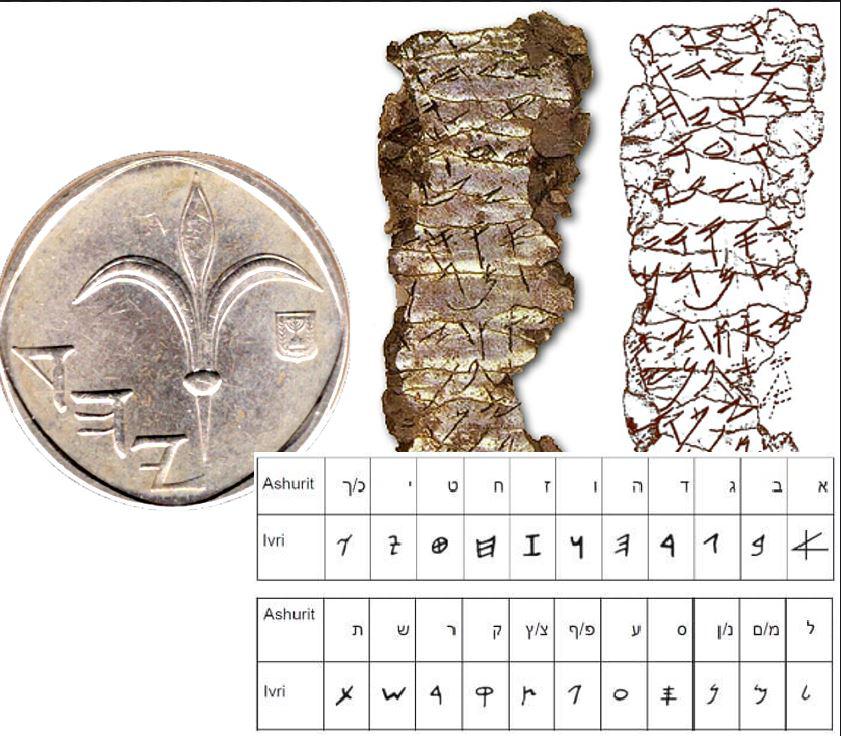
אָמַר מָר זוּטְרָא וְאִיתֵּימָא מָר עוּקְבָא בַּתְּחִלָּה נִיתְּנָה תּוֹרָה לְיִשְׂרָאֵל בִּכְתָב עִבְרִי וּלְשׁוֹן הַקּוֹדֶשׁ חָזְרָה וְנִיתְּנָה לָהֶם בִּימֵי עֶזְרָא בִּכְתָב אַשּׁוּרִי וּלְשׁוֹן אֲרַמִּי בֵּירְרוּ לָהֶן לְיִשְׂרָאֵל כְּתָב אַשּׁוּרִי וּלְשׁוֹן הַקּוֹדֶשׁ וְהִנִּיחוּ לַהֶדְיוֹטוֹת כְּתָב עִבְרִית וּלְשׁוֹן אֲרַמִּי מַאן הֶדְיוֹטוֹת אָמַר רַב חִסְדָּא כּוּתָאֵי מַאי כְּתָב עִבְרִית אָמַר רַב חִסְדָּא כְּתָב לִיבּוֹנָאָה תַּנְיָא רַבִּי יוֹסֵי אוֹמֵר רָאוּי הָיָה עֶזְרָא שֶׁתִּינָּתֵן תּוֹרָה עַל יָדוֹ לְיִשְׂרָאֵל אִילְמָלֵא לֹא קְדָמוֹ מֹשֶׁה ... וְאַף עַל פִּי שֶׁלֹּא נִיתְּנָה תּוֹרָה עַל יָדוֹ נִשְׁתַּנָּה עַל יָדוֹ הַכְּתָב שֶׁנֶּאֱמַר
1) 'וּכְתָב הַנִּשְׁתְּוָן כָּתוּב אֲרָמִית וּמְתֻרְגָּם אֲרַמִּית' וּכְתִיב 'לָא כָהֲלִין כְּתָבָא לְמִקְרֵא וּפִשְׁרֵהּ לְהוֹדָעָה לְמַלְכָּא' [מְלַמֵּד שֶׁבְּאוֹתוֹ הַיּוֹם נִיתַּן]
2) וּכְתִיב 'וְכָתַב אֶת מִשְׁנֵה' לָמָּה נִקְרָא [שְׁמוֹ] אַשּׁוּרִי(ת) שֶׁעָלָה עִמָּהֶם מֵאַשּׁוּר
תַּנְיָא רַבִּי אוֹמֵר בַּתְּחִלָּה בִּכְתָב זֶה נִיתְּנָה תּוֹרָה לְיִשְׂרָאֵל כֵּיוָן שֶׁחָטְאוּ נֶהְפַּךְ לָהֶן לְרוֹעֵץ כֵּיוָן שֶׁחָזְרוּ בָּהֶן הֶחְזִירוֹ לָהֶם
1)שֶׁנֶּאֱמַר 'שׁוּבוּ לְבִצָּרוֹן אֲסִירֵי הַתִּקְוָה גַּם הַיּוֹם מַגִּיד מִשְׁנֶה אָשִׁיב לָךְ' לָמָּה נִקְרָא שְׁמָהּ אַשּׁוּרִית שֶׁמְּאוּשֶּׁרֶת בִּכְתָב
רַבִּי שִׁמְעוֹן בֶּן אֶלְעָזָר אוֹמֵר מִשּׁוּם רַבִּי אֱלִיעֶזֶר בֶּן פַּרְטָא שֶׁאָמַר מִשּׁוּם רַבִּי אֶלְעָזָר הַמּוֹדָעִי כְּתָב זֶה לֹא נִשְׁתַּנָּה כׇּל עִיקָּר
1) שֶׁנֶּאֱמַר 'וָוֵי הָעַמּוּדִים' מָה עַמּוּדִים לֹא נִשְׁתַּנּוּ אַף וָוִים לֹא נִשְׁתַּנּוּ וְאוֹמֵר 'וְאֶל הַיְּהוּדִים כִּכְתָבָם וְכִלְשׁוֹנָם' מָה לְשׁוֹנָם לֹא נִשְׁתַּנָּה אַף כְּתָבָם לֹא נִשְׁתַּנָּה
§ Mar Zutra says, and some say that it is Mar Ukva who says: Initially, the Torah was given to the Jewish people in Ivrit script, the original form of the written language, and the sacred tongue, Hebrew. It was given to them again in the days of Ezra in Ashurit script and the Aramaic tongue. The Jewish people selected Ashurit script and the sacred tongue for the Torah scroll and left Ivrit script and the Aramaic tongue for the commoners. The Gemara asks: Who are these commoners? Rav Ḥisda said: The Samaritans [Kutim]. The Gemara asks: What is Ivrit script? Rav Ḥisda says: Libona’a script.It is taught in a baraita (Tosefta 4:5): Rabbi Yosei says: Ezra was suitable, given his greatness, for the Torah to be given by him to the Jewish people, had Moses not come first and received the Torah already. With regard to Moses the verse states: “And Moses went up to God” (Exodus 19:3), and with regard to Ezra the verse states: “This Ezra went up from Babylon and he was a ready scribe in the Torah of Moses, which the Lord, the God of Israel, had given” (Ezra 7:6). Just as the going up stated here, with regard to Moses, is for the Torah, which he received from God and transmitted to the Jewish people, so too, the going up stated there, with regard to Ezra, is for the Torah, as he taught Torah to the Jewish people and was suitable to have originally merited to give it. The baraita continues: With regard to Moses the verse states: “And the Lord commanded me at that time to teach you statutes and ordinances” (Deuteronomy 4:14), and with regard to Ezra the verse states: “For Ezra had set his heart to seek the Torah of the Lord his God and to do it and to teach in Israel statutes and ordinances” (Ezra 7:10). And even though the Torah was not given literally by him, the script of the Torah was changed by him, as it is stated:
וכתב הנשתוון - כתב שנשתנה והאי קרא בעזרא כתיב שהיו כותבין בימיו כתב משונה שנשתנה ע"י מלאך שכתב מנא מנא תקל ופרסין בימי דניאל כתב דארמי ולשון ארמי ואומר לא כהלין כתבא למיקרא (דכיון שחטאו) לא היו יכולין לקרות כתב שכתב המלאך בימי בלשצר והיו שם יהודים הרבה ש"מ נשתנה להם אותו כתב באותו היום:
את משנה התורה - רמז לנו משה רבינו שכתב שבימיו עתיד להשתנות מן עברי לאשורית שנתן להם בימי דניאל ובא עזרא וכתב בו את התורה בכתב אשורית:
אמר רב יהודה אמר רב בשעה שעלה משה למרום מצאו להקב"ה שיושב וקושר כתרים לאותיות אמר לפניו רבש"ע מי מעכב על ידך אמר לו אדם אחד יש שעתיד להיות בסוף כמה דורות ועקיבא בן יוסף שמו שעתיד לדרוש על כל קוץ וקוץ תילין תילין של הלכות אמר לפניו רבש"ע הראהו לי אמר לו חזור לאחורך הלך וישב בסוף שמונה שורות ולא היה יודע מה הן אומרים תשש כחו כיון שהגיע לדבר אחד אמרו לו תלמידיו רבי מנין לך אמר להן הלכה למשה מסיני נתיישבה דעתו
§ Rav Yehuda says that Rav says: When Moses ascended on High, he found the Holy One, Blessed be He, sitting and tying crowns on the letters of the Torah. Moses said before God: Master of the Universe, who is preventing You from giving the Torah without these additions? God said to him: There is a man who is destined to be born after several generations, and Akiva ben Yosef is his name; he is destined to derive from each and every thorn of these crowns mounds upon mounds of halakhot. It is for his sake that the crowns must be added to the letters of the Torah. Moses said before God: Master of the Universe, show him to me. God said to him: Return behind you. Moses went and sat at the end of the eighth row in Rabbi Akiva’s study hall and did not understand what they were saying. Moses’ strength waned, as he thought his Torah knowledge was deficient. When Rabbi Akiva arrived at the discussion of one matter, his students said to him: My teacher, from where do you derive this? Rabbi Akiva said to them: It is a halakha transmitted to Moses from Sinai. When Moses heard this, his mind was put at ease.
וְאָמַר רַבִּי יִרְמְיָה וְאִיתֵּימָא רַבִּי חִיָּיא בַּר אַבָּא: מַנְצְפַךְ — צוֹפִים אֲמָרוּם. וְתִסְבְּרָא? וְהָכְתִיב: ״אֵלֶּה הַמִּצְוֹת״, שֶׁאֵין נָבִיא רַשַּׁאי לְחַדֵּשׁ דָּבָר מֵעַתָּה? וְעוֹד, הָאָמַר רַב חִסְדָּא: מֵם וְסָמֶךְ שֶׁבַּלּוּחוֹת בְּנֵס הָיוּ עוֹמְדִין! אִין, מִהְוָה הֲווֹ, וְלָא הֲווֹ יָדְעִי הֵי בְּאֶמְצַע תֵּיבָה וְהֵי בְּסוֹף תֵּיבָה, וַאֲתוֹ צוֹפִים וְתַקִּינוּ פְּתוּחִין בְּאֶמְצַע תֵּיבָה וּסְתוּמִין בְּסוֹף תֵּיבָה. סוֹף סוֹף ״אֵלֶּה הַמִּצְוֹת״, שֶׁאֵין נָבִיא עָתִיד לְחַדֵּשׁ דָּבָר מֵעַתָּה! אֶלָּא שְׁכָחוּם וְחָזְרוּ וְיִסְּדוּם.
Rabbi Yirmeya said, and some say that it was Rabbi Ḥiyya bar Abba who said: The limit is like the distance from the town of Ḥamtan to Tiberias, a mil. The Gemara asks: Let him say simply that the limit is a mil; why did he have to mention these places? The Gemara answers that the formulation of the answer teaches us this: How much distance comprises the measure of a mil? It is like the distance from Ḥamtan to Tiberias. § Having cited a statement of Rabbi Yirmeya, which some attribute to Rabbi Ḥiyya bar Abba, the Gemara cites other statements attributed to these Sages. Rabbi Yirmeya said, and some say that it was Rabbi Ḥiyya bar Abba who said: The Seers, i.e., the prophets, were the ones who said that the letters mem, nun, tzadi, peh, and kaf [mantzepakh], have a different form when they appear at the end of a word. The Gemara asks: And how can you understand it that way? Isn’t it written: “These are the commandments that the Lord commanded Moses for the children of Israel in Mount Sinai” (Leviticus 27:34), which indicates that a prophet is not permitted to initiate or change any matter of halakhafrom now on? Consequently, how could the prophets establish new forms for the letters? And furthermore, didn’t Rav Ḥisda say: The letters mem and samekh in the tablets of the covenant given at Sinai
אָמַר רִבִּי לֵוִי. מָאן דְּאָמַר. בְּדַעַץ נִיתְנָה הַתּוֹרָה. עַיִ״ן מַעֲשֵׂה נִיסִּים. מָאן דְּאָמַר. אֲשׁוּרִי נִיתְנָה הַתּוֹרָה. סַמֶ״ךְ מַעֲשֵׂה נִיסִּים.
Rebbi Levi said, for him who said, the Torah was given in paleo-Hebrew, the letter ayin was a miracle295This does not refer to the Torah but to the stone tablets. From the description that the tablets were written on both sides it is inferred that the letters pierced the stone; the same letters were visible on both sides. This creates a problem for circular shaped letters, ayin in paleo-Hebrew and samekh in square script.. He who said, the Torah was given Assyrian, the letter samekh was a miracle. Rebbi Jeremiah in the name of Rebbi Ḥiyya bar Abba and Rebbi Simon both were saying, in earlier copies of the Torah neither he nor final mem were closed296The open final mem is exemplified in the Aramaic inscription of King Uziahu’s ossuary. In early Medieval mss. the he looks like a ח, only that the left leg is not at the left end but touching the vertical bar somewhat to the right. The open he is recommended in the Babli, Menaḥot 29b. For a thorough discussion, cf. S. Liebermann, Tarbiz 4 (1933) pp. 292–293.. Therefore samekh was closed297This justifies R. Levi’s remark that only samekh but not final mem represented a problem..
ולאו היל' כמר עוקבא... ואין בה ממש ... אלא הלכה כר' שמעון בן אלעזר שאמר משם ר' אלעזר בן פרטא שאמר משם ר' אלעזר המודעי כתב זה לא נשתנה מעולם. אחת כי ר' אלעזר המודעי הוא רב לכל אילו וכולן כתלמידי תלמידיו... ועוד דקא מסתייע ממקומות אחרים דקאמרינן מם וסמך שלוחות בנס היו עומדין כיון שהכתב מפולש ויוצא מצד לצד זה לא נותר למם וסמך כלום לעמוד עליו ונמצא אמצען עומד בנס.
Rambam and Rabeinu Chananel mostly agree
עברית. הלשון העברית וכתב העברי כתב עבר והוא כתב אשר כותבין בו התורה העם הנקראים אל סמירה והכתב הזה אשר נכתב בו אנחנו התורה הוא כתב אשורי והכתב אשר כתב יתברך התורה נקראת אשורי מן הגדולה והתפארת כמו (בראשית ל׳:י״ג) באשרי כי אשרוני בנות והוא אמרם אשורי שהוא מאושר שבכתב לפי שאינו משתנה ולא יפול בו דמיון לעולם לפי שאותיותיו בלתי מתדמות ולפי שאינו נדבק אות באות בשיטת כתיבתו ואין כזה שאר הכתיבות:
אבל ודאי אין ספק שזה הכתב הנק' אשורית הוא כתב הקדש שבלוחות וע"ש כך נקרא קדש וכן לשון הקדש ומעולם לא נראה הכתב ההוא אלא בלוחות אבל לשון הקדש כבר נודע לאבות ובני ישראל קודם מתן תורה ובו השם מדבר עם נביאיו וקדושיו ואע"פכ מתוך תומת וקדושת הכתב ההוא בעי' קיימי' לא היו כותבין אותו אפי' בספרים שכותב המלך או כל א' וא' לעצמו אלא היו כותבין אותו בכתב עברי שהוא כשנגנז הארון שכחום לאותיו' מנצפך וכשגלו לאשור וידעו בני אשור כתב זה נטלוהו להם או שהיה אצלם קודם לכן שנודע להם מספר הקדש מלבד כתב שלהם או שהיה להם וחמדו אותו ובני ישראל הורגלו בו עמהם משם ואילך וזה הוא שעלה מאשור ובימי עזרא ניתן להם לכתוב ס"ת ושאר כתובים וכדדייקי' מדכתיב וכתב הנשתון...וזה נ"ל נכון וברור ולפי זה אין במה ששינה עזרא את הכתב לכתוב ספרי תורה בכתב הקדש שום חדוש על התורה שהרי הכתב הזה כבר היה ידוע וניתן לנו בלוחות הברית:
וכאשר עלו מבבל ראו לעשות זכר לגאולה השנית ועשו זה בשני דברים, האחד שהניחו כתב עברי ובחרו להם כתב אשורי זכר שגלו אל אשור ונגאלו משם, וכן אמרו רבותינו ז״ל בתוספתא דמסכת סנהדרין, למה נקרא שמו אשורית שעלה עמהם מאשור... ומכל מקום יתבאר ממה שכתבנו ששנו כל הכתב או קצתו זכר לגאולה השנית. וכן עשו דבר אחר זכר לגאולה השנית, והוא שהניחו מלמנות מנין החדשים מניסן כמו שהיו רגילין למנות זכר ליציאת מצרים, וחזרו למנות מנין אחר לחדשים, וזהו שאמרו רבותינו ז״ל שמות החדשים עלו עמהם מאשור, כלומר שהיו מונין החדשים בשמותם תשרי מרחשון כסליו כמו שהיו מונין אותם באשור זכר לגאולה השנית ולא שני שלישי רביעי כאשר בתחלה, וכן כתב הרמב״ן ז״ל בפרשת בא אל פרעה.
But when they returned from Babylon, they desired to commemorate the second deliverance, which they did in two ways. The first was that they discontinued the Hebrew script and adopted the Assyrian in memory of the redemption from the Assyrian exile. Thus our Rabbis say, in the Tosefta of the treatise Sanhedrin, “Why is it called Asshurit? Because it came with them from Assyria (Asshur). Rabbi says, The Torah was given to Israel in these characters … And the reason it is called Asshurit (אשורית) is because it is the most excellent (משורית) of writings.” According to the sense of the Gemara in the beginning of chapter “Kol Kitbe,” it seems that the characters we now use and in which our books are written, are not Hebrew. If so, we may say that Rabbi’s difference of opinion consists merely in saying that since the Tables of Stone were written in these characters, the name Asshurit was not given to them because they came from Assyria; but he admits that the Hebrew characters used by the people anciently were changed. But even if we grant that he does not agree that there was a change, it matters not, because his opinion, that of a single person, does not count as against the opinion of the majority of the wise men.
ולכן אני אומר במחילה מרבוותן כי לפי דעת ר' יוסי והנמשכים אחריו שאמרו בכתב עברי ניתנה התורה מודים הם שהלוחות הראשונים היו כתובים בכתב אשורית בציורין ורמזיהם עקומות וכפופות כי מעשה הלוחות והמכתב הראשון והלשון היה קדש קדשים וכשירד משה מן ההר והלוחות בידו וירא את העגל ומחולות פרחו האותיות מרוב קדושתן וחזרו למקום אצילותן ונשארו הליחות כגוף בלא נשמה ונשברו. וטעמו של דבר כי האותיות כל אחת ואחת מהם מורה על סוד יחודו ית' וכיון שעבדו עבודה זרה ושתפו אחר דכתיב אלה אלקיך ישראל לא היו ראוים לאותו כתב הקודש המורה על יחוד שמו ית'. אח"כ כתב את הלוחות השניות בלשון שהיו הם מכירין שהוא כתב עברי שאין בו קדושה וזהו שאמרו בירושלמי תניא ר' יוסי אומר ברעץ ניתנה התורה וקרא לכתב עברי רעץ מלשון תרעץ אויב לפי שעבדו עבודה זרה ורעץ היה להם שאבדו אותו הכתב הקודש והיינו דכתיב וכתבתי על הלוחות את הדברים אשר היו משמע הדברים אשר היו אבל לא הכתב בעצמו וזהו שכתב בלוחות הראשונים והמכתב מכתב א-ל-ים הוא מכתב אלקים ממש ובלוחות השניות כתוב כתוב לך את הדברים האלה וכו' ומרע"ה היה מכיר את הכתב הזה שראה אותו בלוחות ויודע סודותיו וצורותיו ומסר אותו ליחידי סגולה על פה אבל הלוחות וס"ת הנתון בארון ותפילין ומזוזות הכל היה בכתב עברי וזהו שאמר ר"י ברעץ ניתנה תורה וזהו וכתב לו את משנה תורה הזאת כתב העשוי להשתנות שנשתנה ממש ממה שניתן בהר סיני.
ומפני זה היה התורה כתובה בכתב עברי למען לא ילמד מי שאינו ראוי ויהיה כזורק אבן למרקוליס, ולא ירהב הנער בזקן לאמר גם אנכי הרואה ויודע סתרי החכמה כמוך. אמנם עזרא ראה בזמנו לפי פזור ישראל בעמים והשכח מאתם עקרי התורה (כאשר מצאנו בנחמיה ודה"י) ונסתם החזון ובטלו הרואים באספקלריא המאירה, יותר נאות לכותבה בלשון מובן לכל הרוצה לדעת וחכמות בחוץ תרונה, ומוטב להגיע אל המטרה הנאותה להרחיב הדעת בארץ...
... על כן בראשית ימי בית שני, שידעו גדולי עמנו שלא היתה גאולה שאין אחריה גלות, החלו לבצר עמדת האומה הרוחנית על ידי מעמד תורת ה׳, שתהיה יכולה להשמר גם בגלות המבהילה העומדת אז אחר כתלנו, ותהי ראשית המעשה של השמירה לתורה גם באבדן כל מרכז לאומה, בשינוי מכתב עברי המלופף לכתב אשורי המאושר ומבורר באותיותיו הברורות, שבו תהיה השמירה נכונה משיבושים של אותיות דומות, גם באפס המרכז של הכהנים והלויים שומרי התורה, עם עז מלכות. בכתב האשורי היתה התורה נכונה לצאת גם היא בנודה בגלות עם ישראל.
את משנה התורה. ת"ר, כתב שהיה בימי משה נשתנה ע"י עזרא, דכתיב (עזרא ד׳:ז׳) וכתב הנשתוון כתוב ארמית ומתורגם ארמית, וכתיב (דניאל ה׳:ח׳) ולא כהלין כתבא למקרי ופשרה להודע למלכא, וכתיב וכתב לו את משנה התורה הזאת, כתב הראוי להשתנות .(שם כ"ב א')
מֻתָּר לְהַצִּיל כָּל כִּתְבֵי הַקֹּדֶשׁ שֶׁיֵּשׁ בֶּחָצֵר לְחָצֵר אַחֶרֶת שֶׁבְּאוֹתוֹ הַמָּבוֹי וְאַף עַל פִּי שֶׁלֹּא עֵרְבוּ. וּבִלְבַד שֶׁיִּהְיֶה לַמָּבוֹי שָׁלֹשׁ מְחִצּוֹת וְלֶחִי אֶחָד. וְהוּא שֶׁיִּהְיוּ כְּתוּבִין אַשּׁוּרִית וּבִלְשׁוֹן הַקֹּדֶשׁ אֲבָל אִם הָיָה כְּתוּבִין בְּכָל לָשׁוֹן אוֹ בִּכְתָב אַחֵר אֵין מַצִּילִין אוֹתָן אֲפִלּוּ הָיָה שָׁם עֵרוּב. וּבְחל אָסוּר לִקְרוֹת בָּהֶם אֶלָּא מַנִּיחָן בִּמְקוֹם הַתֹּרֶף וְהֵן מִתְאַבְּדִין מֵאֲלֵיהֶן:
It is permitted to save all sacred writings that are found in one courtyard [by transferring them] to another courtyard in the same lane, even though an eruv was not made, provided the lane has three walls and a pole [in the place of the fourth wall].[The above leniencies apply] provided that the [sacred writings] are written in the Assyrian script and in Hebrew. If, by contrast, they are written in any other language or using any other script, we should not save them even if there is an eruv.[Indeed,] even during the week, we are forbidden to read from such texts. Rather, they should be left in an open place where they will become spoiled as a matter of course.
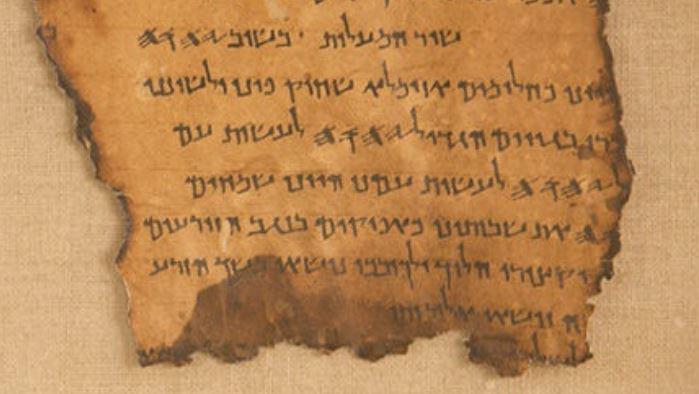
א"ר שמעון בן לקיש שלשה ספרים נמצאו בעזרה ספר מעונה ספר זאטוטי ספר היא באחד מצאו כתוב מעון ובשנים כתוב מעונה אלקי קדם (שם לג) וקיימו שנים ובטלו אחד באחד מצאו כתוב וישלח אל זאטוטי בני ישראל ובשנים מצאו כתוב וישלח את נערי בני ישראל (שמות כ״ד:ה׳) וקיימו שנים ובטלו א׳ באחד כתוב אחד עשר הוא ובשנים מצאו כתוב אחד עשר היא וקיימו שנים ובטלו אחד:
R. Simeon b. Laḳish said: Three scrolls of the Torah were found in the Temple court:19Presumably when the text of Scripture was about to be fixed. the Ma‘on20So GRA. V has מענה. This and the following two names were derived from the peculiar word which distinguished each scroll. scroll, the Za’aṭuṭë scroll, and the Hu’ scroll. In one of these they found the expression of ma‘on,21Meaning ‘dwelling place’, the noun being in the masculine form. and in the other two it was written, The eternal God is me‘onah22Deut. 33, 27, the same noun in the feminine. (a dwelling place), so they adopted the reading of the two scrolls and discarded that of the one scroll. In another of the scrolls they found it written, And he sent the za‘aṭuṭë (nobles) of the children of Israel,23Ex. 24, 5. and in the other two they found written And he sent na‘arë (the young men of) the children of Israel, so they retained the reading of the two and abandoned that of the one. In one of the scrolls hu’24The third person sing. masc. which is used in the Pentateuch for hi’, third person fem. sing. pronoun. was written eleven times, but in the other two hi’25The correct feminine form, being exceptions to the usual written form. A list of these is given in ARN XXXIV, above p. 167. was written eleven times, so they adopted the reading of the two and discarded that of the one.