




 Save
Save Copy
Copy Add to Collection
 Export to Google Docs
 Share
Share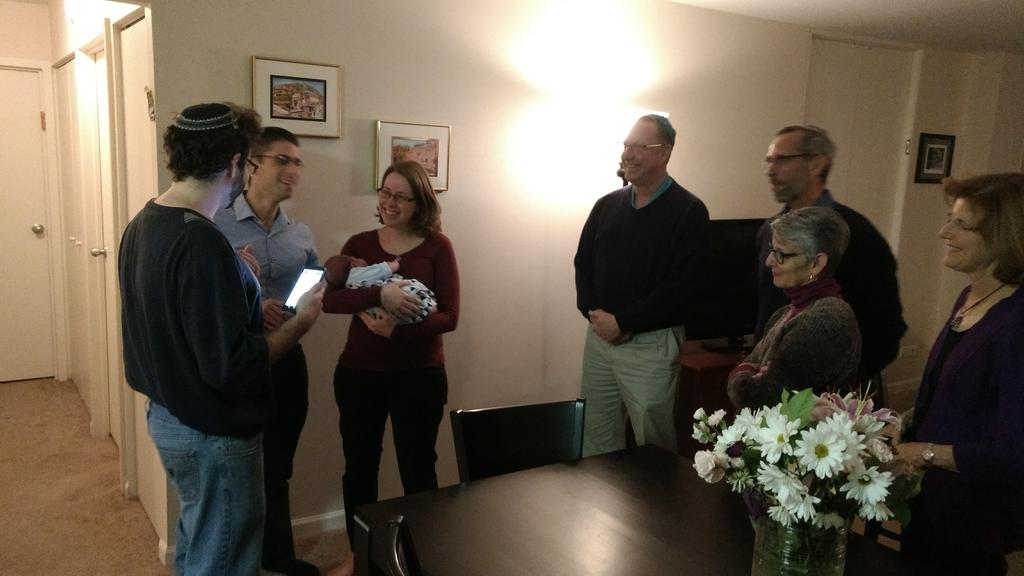
They all stopped to listen to Charlie’s strange request. “Pigeon,” Mama repeated, puzzled. “What pigeon?”
Charlie explained patiently. “You said we were going to a party and there’s a pigeon and his name is Ben. I don’ see no pigeon.”
Question:
Is it possible to have a Pidyon Haben in absentia, the child being elsewhere and the father in camp?
1. Establishing that the child is a firstborn.
2. Establishing that the father wishes to redeem the child from the Kohen.
3. The “al pidyon haben” blessing.
4. The “Shehechiyanu” blessing.
5. Blessing the child
6. The “Borei P’ri Hagafen” blessing (may be near or at the very end)
The father, presenting his son to the Kohen, declares:
This is my firstborn son, the first issue of his mother’s womb. The Holy Blessed One has commanded us to redeem him, as it is said:
Those who are to be redeemed, you must redeem from the age of one month, at the fixed price of five shekels of silver by the sacred standard, which is twenty gerahs to the shekel - Numbers 18:16
And as it is said:
Consecrate to Me every firstborn; the first of every womb among the people of Israel, whether of human or beast, belongs to Me. - Exodus 13:2
Which do you prefer: to give me your firstborn son, the first birth of his mother, or to redeem him for five selas as you are bound to do according to the Torah?
חָפֵץ אֲנִי לִפְדוֹת אֶת בְּנִי וְהֵילָךְ דְמֵי פִדְיוֹנוֹ כְּדִמְחַיַבְנָא מִדְאוֹרַיְתָא
I wish to redeem my son. I present you with the cost of his redemption which I am bound to give according to the Torah.
בָּרוּךְ אַתָּה יהוה אֱלהֵינוּ מֶלֶךְ הָעוֹלָם. אֲשֶׁר קִדְּשָׁנוּ בְּמִצְוֹתָיו. וְצִוָּנוּ עַל פִּדְיוֹן הַבֵּן
Praised are You, L-rd our G‑d, Ruler of the Universe, who has sanctified us with the Divine commandments and commanded us concerning the redemption of a son.
בָּרוּךְ אַתָּה יהוה אֱלהֵינוּ מֶלֶךְ הָעוֹלָם. שֶׁהֶחֱיָנוּ וְקִיְּמָנוּ וְהִגִּיעָנוּ לַזְמַן הַזֶּה
Praised are You, L-rd our G‑d, Ruler of the Universe, who has granted us life, sustained us and enabled us to reach this occasion.
בָּרוּךְ אַתָּה יהוה אֱלהֵינוּ מֶלֶךְ הָעוֹלָם. בּוֹרֵא פְּרִי הַגָּפֶן
Praised are You, L-rd our G‑d, Ruler of the Universe, who creates the fruit of the vine.
יְשִׂימְךָ אֱלהִים כְּאֶפְרַיִם וְכִמְנַשֶּׁה
יְבָרֶכְךָ יהוה וְיִשְׁמְרֶךָ
יָאֵר יהוה פָּנָיו אֵלֶיךָ וִיחֻנֶּךָּ
יִשָּׂא יהוה פָּנָיו אֵלֶיךָ וְיָשֵׂם לְךָ שָׁלוֹם
יהוה שׁמְרֶךָ יהוה צִלּךָ עַל יַד יְמִינֶךָ
יהוה יִשְׁמָרְךָ מִכָּל רָע יִשְׁמר אֶת נַפְשֶׁךָ
כִּי אוֹרֶךְ יָמִים וּשְׁנוֹת חַיִּים וְשָׁלוֹם יוֹסִיפוּ לָךְ
May G‑d make you like Ephraim and Manasseh.
May G‑d bless you and guard you.
May G‑d shine the Divine countenance upon you and be gracious to you.
May G‑d turn the Divine countenance towards you and grant you peace.
The Lord is your guardian; the Lord is your protection at your right hand.
The Lord will guard you against all harm, guarding your life.
Length of days, years of life, and peace may G-d increase for you.
(3)Answer:
(4) Beth Joseph to Tur Yore Deah Hilchoth Pidyon B'chor quotes Sefer Mitzvoth Katan as follows:
(5) "Even in another city where the first-born child is not present, the father can redeem him."
(6) The question is referred to also in Isserles' note to Schulchan Aruch, Yore Deah 305,10. In discussing the questions of the ritual and the formulas to be recited by the father and the priest and the blessings to be recited, Isserles says, "Thus do we do in these provinces if the father is with the son, namely, he brings the son before the priest and tells him he has a first born, etc.; but if the father is not with the son, he redeems him merely by saying to the priest that he has a son and the priest says, "What do you desire more?' etc." The various corroborating references are given there.
(7) It is clear, therefore, that the soldier may have a Pidyon Haben without the child being present.
Why was everyone laughing so hard, wondered Charlie. “I wanna see Benny the Pigeon!” insisted Charlie.
Papa swept him up into his arms. “Charlie, what you’re going to see is even better — like a little play. Come, and I’ll explain it to you while we’re watching.” He smiled at Grace. “And to you too, Grace.”
In the parlor, the company had already arranged themselves in a wide circle. A tall, thin man dressed in a frock coat stepped forward. “That’s the Cohen,” Papa told Grace. A Cohen is descended from the tribe of Aaron. Only such a one is allowed to perform this ceremony. In ancient times, the oldest son was required to serve in the Temple. If one wanted to release his son from this service, he had to pay for it. Today the Cohen will act like the High Priest in the Temple of old.”
The room grew quiet. Presently Uncle Hyman appeared from the bedroom. On a cushion in his arms lay the baby, dressed in an exquisitely embroidered white dress. Solemnly he walked to the Cohen and offered the child up to him. He began to recite in Hebrew. Grace turned to Papa inquiringly. In a low whisper, Papa translated. “This, my first born, is the first born of his mother…”
The Cohen took the child from his father. “Which do you prefer,” he asked, “To give my thy first born for God’s service… or to redeem him for five shekels which you are by law required to give?”
Charlie pulled on Papa’s hand. “Papa, why is that man taking the baby from Uncle Hyman?”
“Don’t worry, Charlie. Uncle Hyman’ll get him back.”
Uncle Hyman held up five silver dollars and answered the Cohen. “I prefer to redeem my son. Here is the value… which I am required to pay.”
The Cohen accepted the money and returned the child to Uncle Hyman. Holding the coins over the infant’s head, the Cohen proclaimed, “This in exchange of that… May it be the will of God that… this child may be spared to enter the study of the law, the state of marriage, and the practice of good deeds. Amen!”
Placing his hands upon the baby’s head, he blessed the little one: “The Lord shall guard thee against all evil… Amen!”
“Amen!” answered the guests. “May you have much joy and honor from him!” They crowded around, oohing and ahhing over the baby and showering congratulations on the parents.
As the guests circled about, Uncle Hyman started shooing them toward the dining room. “Let’s go to the table! Let’s go to the table!” he coaxed.
….
Charlie was so tired that Papa had to carry him all the way home. They were just entering the house when the little boy suddenly raised his head. “Papa,” he asked, “doe the Cohen keep all the pigeon money for himself?”
“Oh no, Charlie,” replied Papa. “The Pidyon Haben money goes to charity.”
By Lee Meyerhoff Hendler
(א) וַיְדַבֵּ֥ר יהוה אֶל־מֹשֶׁ֥ה לֵּאמֹֽר׃(ב) קַדֶּשׁ־לִ֨י כָל־בְּכ֜וֹר פֶּ֤טֶר כָּל־רֶ֙חֶם֙ בִּבְנֵ֣י יִשְׂרָאֵ֔ל בָּאָדָ֖ם וּבַבְּהֵמָ֑ה לִ֖י הֽוּא׃…(יא) וְהָיָ֞ה כִּֽי־יְבִֽאֲךָ֤ יהוה אֶל־אֶ֣רֶץ הַֽכְּנַעֲנִ֔י כַּאֲשֶׁ֛ר נִשְׁבַּ֥ע לְךָ֖ וְלַֽאֲבֹתֶ֑יךָ וּנְתָנָ֖הּ לָֽךְ׃(יב) וְהַעֲבַרְתָּ֥ כָל־פֶּֽטֶר־רֶ֖חֶם לַֽיהוה וְכָל־פֶּ֣טֶר ׀ שֶׁ֣גֶר בְּהֵמָ֗ה אֲשֶׁ֨ר יִהְיֶ֥ה לְךָ֛ הַזְּכָרִ֖ים לַיהוה׃(יג) וְכָל־פֶּ֤טֶר חֲמֹר֙ תִּפְדֶּ֣ה בְשֶׂ֔ה וְאִם־לֹ֥א תִפְדֶּ֖ה וַעֲרַפְתּ֑וֹ וְכֹ֨ל בְּכ֥וֹר אָדָ֛ם בְּבָנֶ֖יךָ תִּפְדֶּֽה׃(יד) וְהָיָ֞ה כִּֽי־יִשְׁאָלְךָ֥ בִנְךָ֛ מָחָ֖ר לֵאמֹ֣ר מַה־זֹּ֑את וְאָמַרְתָּ֣ אֵלָ֔יו בְּחֹ֣זֶק יָ֗ד הוֹצִיאָ֧נוּ יהוה מִמִּצְרַ֖יִם מִבֵּ֥ית עֲבָדִֽים׃(טו) וַיְהִ֗י כִּֽי־הִקְשָׁ֣ה פַרְעֹה֮ לְשַׁלְּחֵנוּ֒ וַיַּהֲרֹ֨ג יהוה כָּל־בְּכוֹר֙ בְּאֶ֣רֶץ מִצְרַ֔יִם מִבְּכֹ֥ר אָדָ֖ם וְעַד־בְּכ֣וֹר בְּהֵמָ֑ה עַל־כֵּן֩ אֲנִ֨י זֹבֵ֜חַ לַֽיהוה כָּל־פֶּ֤טֶר רֶ֙חֶם֙ הַזְּכָרִ֔ים וְכָל־בְּכ֥וֹר בָּנַ֖י אֶפְדֶּֽה׃(טז) וְהָיָ֤ה לְאוֹת֙ עַל־יָ֣דְכָ֔ה וּלְטוֹטָפֹ֖ת בֵּ֣ין עֵינֶ֑יךָ כִּ֚י בְּחֹ֣זֶק יָ֔ד הוֹצִיאָ֥נוּ יהוה מִמִּצְרָֽיִם׃ (ס)
(1) The LORD spoke further to Moses, saying,(2) “Consecrate to Me every first-born; man and beast, the first issue of every womb among the Israelites is Mine.”…(11) “And when the LORD has brought you into the land of the Canaanites, as He swore to you and to your fathers, and has given it to you,(12) you shall set apart for the LORD every first issue of the womb: every male firstling that your cattle drop shall be the LORD’s.(13) But every firstling ass you shall redeem with a sheep; if you do not redeem it, you must break its neck. And you must redeem every first-born male among your children.(14) And when, in time to come, your son asks you, saying, ‘What does this mean?’ you shall say to him, ‘It was with a mighty hand that the LORD brought us out from Egypt, the house of bondage.(15) When Pharaoh stubbornly refused to let us go, the LORD slew every first-born in the land of Egypt, the first-born of both man and beast. Therefore I sacrifice to the LORD every first male issue of the womb, but redeem every first-born among my sons.’(16) “And so it shall be as a sign upon your hand and as a symbol on your forehead that with a mighty hand the LORD freed us from Egypt.”
(יב) וַאֲנִ֞י הִנֵּ֧ה לָקַ֣חְתִּי אֶת־הַלְוִיִּ֗ם מִתּוֹךְ֙ בְּנֵ֣י יִשְׂרָאֵ֔ל תַּ֧חַת כׇּל־בְּכ֛וֹר פֶּ֥טֶר רֶ֖חֶם מִבְּנֵ֣י יִשְׂרָאֵ֑ל וְהָ֥יוּ לִ֖י הַלְוִיִּֽם׃(יג) כִּ֣י לִי֮ כׇּל־בְּכוֹר֒ בְּיוֹם֩ הַכֹּתִ֨י כׇל־בְּכ֜וֹר בְּאֶ֣רֶץ מִצְרַ֗יִם הִקְדַּ֨שְׁתִּי לִ֤י כׇל־בְּכוֹר֙ בְּיִשְׂרָאֵ֔ל מֵאָדָ֖ם עַד־בְּהֵמָ֑ה לִ֥י יִהְי֖וּ אֲנִ֥י יהוה׃ {פ}
(12) I hereby take the Levites from among the Israelites in place of all the male first-born, the first issue of the womb among the Israelites: the Levites shall be Mine.(13) For every male first-born is Mine: at the time that I smote every [male] first-born in the land of Egypt, I consecrated every male first-born in Israel, human and beast, to Myself, to be Mine, יהוה’s.
(מ) וַיֹּ֨אמֶר יהוה אֶל־מֹשֶׁ֗ה פְּקֹ֨ד כׇּל־בְּכֹ֤ר זָכָר֙ לִבְנֵ֣י יִשְׂרָאֵ֔ל מִבֶּן־חֹ֖דֶשׁ וָמָ֑עְלָה וְשָׂ֕א אֵ֖ת מִסְפַּ֥ר שְׁמֹתָֽם׃(מא) וְלָקַחְתָּ֨ אֶת־הַלְוִיִּ֥ם לִי֙ אֲנִ֣י יהוה תַּ֥חַת כׇּל־בְּכֹ֖ר בִּבְנֵ֣י יִשְׂרָאֵ֑ל וְאֵת֙ בֶּהֱמַ֣ת הַלְוִיִּ֔ם תַּ֣חַת כׇּל־בְּכ֔וֹר בְּבֶהֱמַ֖ת בְּנֵ֥י יִשְׂרָאֵֽל׃(מב) וַיִּפְקֹ֣ד מֹשֶׁ֔ה כַּאֲשֶׁ֛ר צִוָּ֥ה יהוה אֹת֑וֹ אֶֽת־כׇּל־בְּכ֖וֹר בִּבְנֵ֥י יִשְׂרָאֵֽל׃(מג) וַיְהִי֩ כׇל־בְּכ֨וֹר זָכָ֜ר בְּמִסְפַּ֥ר שֵׁמֹ֛ת מִבֶּן־חֹ֥דֶשׁ וָמַ֖עְלָה לִפְקֻדֵיהֶ֑ם שְׁנַ֤יִם וְעֶשְׂרִים֙ אֶ֔לֶף שְׁלֹשָׁ֥ה וְשִׁבְעִ֖ים וּמָאתָֽיִם׃ {פ}
(מד) וַיְדַבֵּ֥ר יהוה אֶל־מֹשֶׁ֥ה לֵּאמֹֽר׃(מה) קַ֣ח אֶת־הַלְוִיִּ֗ם תַּ֤חַת כׇּל־בְּכוֹר֙ בִּבְנֵ֣י יִשְׂרָאֵ֔ל וְאֶת־בֶּהֱמַ֥ת הַלְוִיִּ֖ם תַּ֣חַת בְּהֶמְתָּ֑ם וְהָיוּ־לִ֥י הַלְוִיִּ֖ם אֲנִ֥י יהוה׃(מו) וְאֵת֙ פְּדוּיֵ֣י הַשְּׁלֹשָׁ֔ה וְהַשִּׁבְעִ֖ים וְהַמָּאתָ֑יִם הָעֹֽדְפִים֙ עַל־הַלְוִיִּ֔ם מִבְּכ֖וֹר בְּנֵ֥י יִשְׂרָאֵֽל׃(מז) וְלָקַחְתָּ֗ חֲמֵ֧שֶׁת חֲמֵ֛שֶׁת שְׁקָלִ֖ים לַגֻּלְגֹּ֑לֶת בְּשֶׁ֤קֶל הַקֹּ֙דֶשׁ֙ תִּקָּ֔ח עֶשְׂרִ֥ים גֵּרָ֖ה הַשָּֽׁקֶל׃(מח) וְנָתַתָּ֣ה הַכֶּ֔סֶף לְאַהֲרֹ֖ן וּלְבָנָ֑יו פְּדוּיֵ֕י הָעֹדְפִ֖ים בָּהֶֽם׃(מט) וַיִּקַּ֣ח מֹשֶׁ֔ה אֵ֖ת כֶּ֣סֶף הַפִּדְי֑וֹם מֵאֵת֙ הָעֹ֣דְפִ֔ים עַ֖ל פְּדוּיֵ֥י הַלְוִיִּֽם׃(נ) מֵאֵ֗ת בְּכ֛וֹר בְּנֵ֥י יִשְׂרָאֵ֖ל לָקַ֣ח אֶת־הַכָּ֑סֶף חֲמִשָּׁ֨ה וְשִׁשִּׁ֜ים וּשְׁלֹ֥שׁ מֵא֛וֹת וָאֶ֖לֶף בְּשֶׁ֥קֶל הַקֹּֽדֶשׁ׃(נא) וַיִּתֵּ֨ן מֹשֶׁ֜ה אֶת־כֶּ֧סֶף הַפְּדֻיִ֛ם לְאַהֲרֹ֥ן וּלְבָנָ֖יו עַל־פִּ֣י יהוה כַּאֲשֶׁ֛ר צִוָּ֥ה יהוה אֶת־מֹשֶֽׁה׃ {פ}
(40) יהוה said to Moses: Record every first-born male of the Israelite people from the age of one month up, and make a list of their names;(41) and take the Levites for Me, יהוה, in place of every male first-born among the Israelite people, and the cattle of the Levites in place of every male first-born among the cattle of the Israelites.(42) So Moses recorded all the male first-born among the Israelites, as יהוה had commanded him.(43) All the first-born males as listed by name, recorded from the age of one month up, came to 22,273.(44) יהוה spoke to Moses, saying:(45) Take the Levites in place of all the male first-born among the Israelite people, and the cattle of the Levites in place of their cattle; and the Levites shall be Mine, יהוה’s.(46) And as the redemption price of the 273 Israelite male first-born over and above the number of the Levites,(47) take five shekels per head—take this by the sanctuary weight, twenty gerahs to the shekel—(48) and give the money to Aaron and his sons as the redemption price for those who are in excess.(49) So Moses took the redemption money from those over and above the ones redeemed by the Levites;(50) he took the money from the male first-born of the Israelites, 1,365 sanctuary shekels.(51) And Moses gave the redemption money to Aaron and his sons at יהוה’s bidding, as יהוה had commanded Moses.
(יד) וְהִבְדַּלְתָּ֙ אֶת־הַלְוִיִּ֔ם מִתּ֖וֹךְ בְּנֵ֣י יִשְׂרָאֵ֑ל וְהָ֥יוּ לִ֖י הַלְוִיִּֽם׃(טו) וְאַֽחֲרֵי־כֵן֙ יָבֹ֣אוּ הַלְוִיִּ֔ם לַעֲבֹ֖ד אֶת־אֹ֣הֶל מוֹעֵ֑ד וְטִֽהַרְתָּ֣ אֹתָ֔ם וְהֵנַפְתָּ֥ אֹתָ֖ם תְּנוּפָֽה׃(טז) כִּי֩ נְתֻנִ֨ים נְתֻנִ֥ים הֵ֙מָּה֙ לִ֔י מִתּ֖וֹךְ בְּנֵ֣י יִשְׂרָאֵ֑ל תַּ֩חַת֩ פִּטְרַ֨ת כׇּל־רֶ֜חֶם בְּכ֥וֹר כֹּל֙ מִבְּנֵ֣י יִשְׂרָאֵ֔ל לָקַ֥חְתִּי אֹתָ֖ם לִֽי׃(יז) כִּ֣י לִ֤י כׇל־בְּכוֹר֙ בִּבְנֵ֣י יִשְׂרָאֵ֔ל בָּאָדָ֖ם וּבַבְּהֵמָ֑ה בְּי֗וֹם הַכֹּתִ֤י כׇל־בְּכוֹר֙ בְּאֶ֣רֶץ מִצְרַ֔יִם הִקְדַּ֥שְׁתִּי אֹתָ֖ם לִֽי׃(יח) וָאֶקַּ֖ח אֶת־הַלְוִיִּ֑ם תַּ֥חַת כׇּל־בְּכ֖וֹר בִּבְנֵ֥י יִשְׂרָאֵֽל׃(יט) וָאֶתְּנָ֨ה אֶת־הַלְוִיִּ֜ם נְתֻנִ֣ים ׀ לְאַהֲרֹ֣ן וּלְבָנָ֗יו מִתּוֹךְ֮ בְּנֵ֣י יִשְׂרָאֵל֒ לַעֲבֹ֞ד אֶת־עֲבֹדַ֤ת בְּנֵֽי־יִשְׂרָאֵל֙ בְּאֹ֣הֶל מוֹעֵ֔ד וּלְכַפֵּ֖ר עַל־בְּנֵ֣י יִשְׂרָאֵ֑ל וְלֹ֨א יִהְיֶ֜ה בִּבְנֵ֤י יִשְׂרָאֵל֙ נֶ֔גֶף בְּגֶ֥שֶׁת בְּנֵֽי־יִשְׂרָאֵ֖ל אֶל־הַקֹּֽדֶשׁ׃
(14) Thus you shall set the Levites apart from the Israelites, and the Levites shall be Mine.(15) Thereafter the Levites shall be qualified for the service of the Tent of Meeting, once you have purified them and designated them as an elevation offering.(16) For they are formally assigned to Me from among the Israelites: I have taken them for Myself in place of all the first issue of the womb, of all the male first-born of the Israelites.(17) For every male first-born among the Israelites, human as well as beast, is Mine; I consecrated them to Myself at the time that I smote every [male] first-born in the land of Egypt.(18) Now I take the Levites instead of every male first-born of the Israelites;(19) and from among the Israelites I formally assign the Levites to Aaron and his sons, to perform the service for the Israelites in the Tent of Meeting and to make expiation for the Israelites, so that no plague may afflict the Israelites for coming too near the sanctuary.
(א) וַיֹּ֤אמֶר יהוה אֶֽל־אַהֲרֹ֔ן אַתָּ֗ה וּבָנֶ֤יךָ וּבֵית־אָבִ֙יךָ֙ אִתָּ֔ךְ... (טו) כָּל־פֶּ֣טֶר רֶ֠חֶם לְֽכָל־בָּשָׂ֞ר אֲשֶׁר־יַקְרִ֧יבוּ לַֽיהוה בָּאָדָ֥ם וּבַבְּהֵמָ֖ה יִֽהְיֶה־לָּ֑ךְ אַ֣ךְ ׀ פָּדֹ֣ה תִפְדֶּ֗ה אֵ֚ת בְּכ֣וֹר הָֽאָדָ֔ם וְאֵ֛ת בְּכֽוֹר־הַבְּהֵמָ֥ה הַטְּמֵאָ֖ה תִּפְדֶּֽה׃(טז) וּפְדוּיָו֙ מִבֶּן־חֹ֣דֶשׁ תִּפְדֶּ֔ה בְּעֶ֨רְכְּךָ֔ כֶּ֛סֶף חֲמֵ֥שֶׁת שְׁקָלִ֖ים בְּשֶׁ֣קֶל הַקֹּ֑דֶשׁ עֶשְׂרִ֥ים גֵּרָ֖ה הֽוּא׃
(1) The LORD said to Aaron: You and your sons and the ancestral house under your charge... (15) The first issue of the womb of every being, man or beast, that is offered to the LORD, shall be yours; but you shall have the first-born of man redeemed, and you shall also have the firstling of unclean animals redeemed.(16) Take as their redemption price, from the age of one month up, the money equivalent of five shekels by the sanctuary weight, which is twenty gerahs.
רב כהנא שקל סודרא בפדיון הבן בשביל אשתו היה לוקח כדאמרינן בפ' הזרוע (חולין דף קלב.)
Tosfot: Female kohanim may perform the redemption of the first born (pidyon haben)
(טז) יוֹצֵא דֹּפֶן וְהַבָּא אַחֲרָיו כְּדַרְכּוֹ שְׁנֵיהֶם פְּטוּרִים. הָרִאשׁוֹן לְפִי שֶׁלֹּא יָצָא מִן הָרֶחֶם וְהַשֵּׁנִי מִפְּנֵי שֶׁקְּדָמוֹ אַחֵר:
(יז) מֵאֵימָתַי יִתְחַיֵּב בְּפִדְיוֹן. מִשֶּׁיַּשְׁלִים שְׁלֹשִׁים יוֹם שֶׁנֶּאֱמַר (במדבר יח טז) "וּפְדוּיָו מִבֶּן חֹדֶשׁ תִּפְדֶּה". מֵת הַבֵּן בְּתוֹךְ שְׁלֹשִׁים וַאֲפִלּוּ בְּיוֹם שְׁלֹשִׁים. וְכֵן אִם נַעֲשָׂה טְרֵפָה. אֵינוֹ חַיָּב בַּחֲמִשָּׁה סְלָעִים:
(16) When a baby is born by Caesarian section, both it and the next birth are exempt: the first because it did not emerge from the womb, and the second, because it was preceded by another birth.
(17) When does the obligation for redemption take effect? When the baby completes 30 days of life, [I.e., as soon as the thirty-first day begins. These days are counted from sunset to sunset and not from hour to hour. It is customary to redeem the son on his thirty-first day of life, because one should not delay the observance of a mitzvah. If, however, the thirty-first day is the Sabbath or a festival, the redemption is performed at the earliest possible opportunity afterwards.] as (Numbers 18:16) states: "And those to be redeemed should be redeemed from the age of a month." If the son died within the thirty days - even on the thirtieth day - or it became mortally ill, there is no obligation [to pay the priest] five selaim.
וזה יהיה משפט הכהנים. מנהג פדיון הבן, אבי הבן מברך שתי ברכות - על פדיון הבן ושהחיינו, ונותן חמש סלעים לכהן. וכהן מברך על הכוס בורא פרי הגפן ועל ההדס בורא עצי בשמים, ועוד מברך ברוך אתה ד' אלהינו מלך העולם אשר קדש עובר במעי אמו ולארבעים יום חלק אבריו. מאתים וארבעים ושמנה אברים. ואחר כך נפח בו נשמה שנאמר ויפח באפיו נשמת חיים. עור ובשר הלבישו ובעצמות וגידים סככו. שנאמר עור ובשר תלבישני ובעצמות וגידים תסוככני. וצוה לו מאכל ומשתה דבש וחלב להתענג. וזמן לו שני מלאכים לשמרו בתוך מעי אמו. שנאמר חיים וחסד עשית עמדי ופקדתך שמרה רוחי. אביו אומר זה בני בכורי הוא. ואני מוזהר לפדותו שנאמר (שמות י"ג) וכל בכור אדם בבניך תפדה. יהי רצון מלפניך ד' אלהינו כשם שזכית את אביו לפדותו כן תזכהו להכניסו לתורה לחופה ולמעשים טובים ברוך אתה ד' מקדש בכורי ישראל לפדיונם. ונוטל הכהן הכספים ומעבירם על ראש הבן ואומר זה תחת זה. זה חלוף זה. זה מחולל על זה. יצא זה לכהן ויכנס הבן הזה לחיים לתורה וליראת שמים. ונותן הכהן ידו על ראש הבן ומברכו. כגון יברכך ד' וישמרך וגו' ואורך ימים ושנות חיים יוסיפו לך וכיוצא באלו:
וזה יהיה משפט הכהנים, The Pidyon Haben procedure: The father recites two blessings, על פדיון הבן and שהחיינו and gives 5 selaim to the priest. The priest pronounces the blessing over the cup of wine, i.e. בורא פרי הגפן when a firstborn is redeemed; he pronounces the blessing over the myrtle branch, בורא עצי בשמים, (during the same ceremony) and he also recites the benediction containing the words אשר קדש עובר במעי אמו ולארבעים יום חלק אבריו מאתים וארבעים ושמונה אברים, ואחר כך נפח בו נשמה שנאמר: ויפח באפיו נשמת חיים (Genesis 2,7) עור ובשר הלבישו ובעצמות וגדים סככו (Job 10,11). וצוה לו מאכל ומשתה דבש וחלב להתענג, וזימן לו שני מלאכים לשמרו בתוך מעי אמו שנאמר (Job 10,12) חיים וחסד עשית עמדי ופקדך שמרה רוחי. [The above version is found on page 330/331 in פדיון הבן כהלכתו based on versions used in the period of the Geonim. Ed.]
The translation of the long benediction is as follows: (after the customary introductory formula) “Who has sanctified the fetus in the womb of his mother, and Who after completion of forty days of pregnancy furnished the fetus with 248 limbs and blew into him a living soul, as per Genesis 2,7 ‘He blew into his nose a living soul, so that man became a living creature.’ He covered the limbs with skin and tendons, as we know from Job 10,11-12, and commanded food for the fetus consisting out of milk and honey for him to enjoy. He arranged for two angels to protect him while within his mother’s womb, something we also know from these verses in Job, Job commending G’d for having watched over his spirit while in his mother’s womb.”
Following these benedictions by the priest, the father of the baby recites the following: “this is my firstborn son, and I have been commanded to redeem him in Exodus 13,13. May it be the will of the Lord our G’d that just as You have given his father the opportunity to redeem him, so you will grant him the opportunity to bring him to the studying of Torah, the marriage canopy, and the performance of good deeds.” He concludes with the benediction “Who sanctifies the firstborn of His people Israel through their being redeemed.” At that point the priest receives the silver coins and places them over the head of the baby, saying: “this in lieu of this, this as an exchange for this; this has been given secular status by means of this. May this one enter into a realm of life of Torah and reverence for Heaven.” The priest then places his hand on top of the baby and recites the well known priestly blessing (Numbers 6,24), followed by a wish for the baby to enjoy long life taken from Proverbs 3,2, as well as other verses in the same vein.
By: Miron Hirsch, used with permission
| The Encampment of the Israelites | ||||||
| North | ||||||
| Asher | DAN | Naphtali | ||||
| Benjamin | Merari | Issachar | ||||
| West | EPHRAIM | Gershon | THE TABERNACLE | Priests | JUDAH | East |
| Manasseh | Kohath | Zebulun | ||||
| Gad | REUBEN | Simeon | ||||
| South |
3:13—
כִּ֣י לִי֮ כׇּל־בְּכוֹר֒ בְּיוֹם֩ הַכֹּתִ֨י כׇל־בְּכ֜וֹר בְּאֶ֣רֶץ מִצְרַ֗יִם הִקְדַּ֨שְׁתִּי לִ֤י כׇל־בְּכוֹר֙ בְּיִשְׂרָאֵ֔ל מֵאָדָ֖ם עַד־בְּהֵמָ֑ה לִ֥י יִהְי֖וּ אֲנִ֥י ה׃ {פ}For every male first-born is Mine: at the time that I smote every [male] first-born in the land of Egypt, I consecrated every male first-born in Israel, human and beast, to Myself, to be Mine, Adonai’s.
Later there is some substitution going on, and despite the levi’im taking on the ritual roles of the first born, there are still a few firstborn that need redeeming at 5 silver sheks a head:
ֽYHVH spoke to Moshe, saying: Take the Levites in place of all the male first-born among the Israelite people, and the cattle of the Levites in place of their cattle; and the Levites shall be Mine, YHVH’s. And as the redemption price of the 273 Israelite male first-born over and above the number of the Levites, take five shekels per head—take this by the sanctuary weight, twenty gerahs to the shekel— and give the money to Aharon and his sons as the redemption price for those who are in yet to be redeemed. So Moshe took the redemption money from those over and above the ones redeemed by the Levites;he took the money from the male first-born of the Israelites, 1,365 sanctuary shekels.
On average, 32% of babies born in the United states are born by cesarian section, which disqualifies the infant from requiring a redemption, since the verse says all breachers of the womb belong to me, and the C-section is not what the Torah has in mind in terms of breaching the womb- at least, not as the Rabbis have interpreted since the 2nd temple period.
In addition roughly 10% of Jewish men identify as either being kohen or Levi, and all such call kohanim and levi’im being already dedicated to the temple, their sons are exempt from a redemption. They are stuck. Furthermore, even having a mother who was a bat kohen or bat levi removes the infant from those needing a redemption. There is no easy way to be sure of just how many families qualify in this regard but it would not be unreasonable to say it's another 10% who are disqualified this way. So now 255 families remain out of our hypothetical 1000.
Sadly, we must add the really awful things here at the end: Stillbirths and late miscarriages do not disqualify our being compassionate to a family, but they do absolve any boys born after such awful losses from requiring a Pidyon. And then add babies born with health problems where after 30 days after birth the male baby has yet to have a public name, or a bris, because the parents are basically living at the hospital as their boy struggles for life. Or a parent is fighting cancer, or called up on reserve duty in the USAF and the Pidyon is pushed away and forgotten. I would suggest that leaves us about 5 in every 1000.
5 in 1000. Actually, let’s make it 4 in 1000. There are Jews who are synagogue affiliated, Jewish educated, ritually obligated, and who reject doing pidyon Haben because they see it as anti-egalitarian and patriarchal; on feminist grounds alone they reject performing this mitzvah. I was in the room when a member of my extended family, a first born son, lofted a question about his pidyon haben to his father the Talmud professor. The father happily noted that he had rejected performing the rite for the reasons I mentioned, but then began to muse, as Jewish academics often do, as to the repercussions of his not redeeming his son. Was my relative now obligated to redeem himself? Or was his father still on the hook? Certainly the dad was suddenly re-evaluating the choice given his son’s look of disappointment. He had just learned that his father had left him on the hook for about $125 in silver coins he was going to have to fork over to his best friend, a kohen.
(Note: It seems this is a case of Safek Deoraitah Lechumrah- Halacha goes strict in mitzvot laid out in the Torah, and the current practice is to assume both requirements are in need of resolution, and therefore the Kohen must be presented with 10 silver coins-- five from the father who redeems his son, and five from the son who redeems himself. This may seem completely absurd, but this is the way it all played out.)
You might say that- and you would not be alone.
Skolnik writes:
“The absence of a halakhic time-mandate for a smichat bat affords parents the opportunity to hold the ceremony at their convenience. Unless they are specifically wedded to the parallelism of a brit bat ceremony on the eighth day after birth, there is no reason why the simchat bat ceremony for a firstborn female child could not be held on the day when a pidyon would have been held for a male 1rst-born child.”
Do we look at such discrepancies, weigh them, and in the balance find them all lacking? Do we say that the particular, being exclusionary, must be replaced with the universal, being for all? Do we reject Brit Milah and Pidyon haben, and the quicker they are eliminated, the better?
Or do we take a nuanced approach, and see the freedom to welcome a daughter with rituals that are still becoming, still shifting, not as inferior but as an opportunity? Not as flawed but as blessing and a gift?
From: Scott Bolton
https://www.sefaria.org/sheets/270319?lang=bi
יָלְדָה לִי בֵּן זֶה הַבְּכוֹר
We have been blessed with a firstborn son.
With the money extended, the father explains:
חָפֵץ אֲנִי לִפְדוֹת אֶת בְּנִי וְהֵא לְךָ דְמֵי פִדְיוֹנוֹ שֶׁנִתְחַיַבְתִּי מִן הַתּוֹרָה
I want to redeem my son, and here you have the coins that I am required by the Torah to give.
Barukh Atah Adonai Eloheinu Melekh HaOlam Asher Kidshanu B'mitzvotav v'tzivanu al Pidyon haBen
בָּרוּךְ אַתָּה יהוה אֱלהֵינוּ מֶלֶךְ הָעוֹלָם. אֲשֶׁר קִדְּשָׁנוּ בְּמִצְוֹתָיו. וְצִוָּנוּ עַל פִּדְיוֹן הַבֵּן
Blessed are You, L-rd our G‑d, King of the Universe, who has sanctified us with His commandments and commanded us concerning the redemption of a son.
בָּרוּךְ אַתָּה יהוה אֱלהֵינוּ מֶלֶךְ הָעוֹלָם. שֶׁהֶחֱיָנוּ וְקִיְּמָנוּ וְהִגִּיעָנוּ לַזְמַן הַזֶּה
Blessed are You, L-rd our G‑d, King of the Universe, who has granted us life, sustained us and enabled us to reach this occasion.
Zeh tahat zeh, zeh hiluf zeh, zeh mahul zeh, v'yikanes zeh haben l'chaim l'Torah u'l'yirat Shamayim
זֶה תַחַת זֶה, זֶה חִילוּף זֶה, זֶה מָחוּל עַל זֶה. וְיִכָּנֵס זֶה הַבֵּן לְחַיִים לְתּוֹרָה וּלְיִרְאַת שָׁמַיִם.
This comes to show gratitude for life; as God has granted breath so will the parents breath life into their child. With this we begin teaching how meaningful and beautiful the gift of life is. Parents and extended family, friends and community all symbolized by me pledge to help this family pursue lives guided by Jewish values and God's Presence.
יְבָרֶכְךָ יהוה וְיִשְׁמְרֶךָ
יָאֵר יהוה פָּנָיו אֵלֶיךָ וִיחֻנֶּךָּ
יִשָּׂא יהוה פָּנָיו אֵלֶיךָ וְיָשֵׂם לְךָ שָׁלוֹם
יהוה שׁמְרֶךָ יהוה צִלּךָ עַל יַד יְמִינֶךָ
יהוה יִשְׁמָרְךָ מִכָּל רָע יִשְׁמר אֶת נַפְשֶׁךָ
כִּי אוֹרֶךְ יָמִים וּשְׁנוֹת חַיִּים וְשָׁלוֹם יוֹסִיפוּ לָךְ
יהוה יִשְׁמָרְךָ מִכָּל רָע יִשְׁמר אֶת נַפְשֶׁךָ
May God make you like Ephraim and Manasseh.
May God bless you and guard you.
May God shine His countenance upon you and grant you grace.
May God turn His countenance towards you and grant you peace.
God should guard you against all evil, [may He] guard your soul.
For long days and years of life shall be added to you.
G‑d should guard you against all evil, [may He] guard your soul.
בָּרוּךְ אַתָּה יהוה אֱלהֵינוּ מֶלֶךְ הָעוֹלָם. בּוֹרֵא פְּרִי הַגָּפֶן
Blessed are You, L-rd our G‑d, King of the Universe, who created fruit of the vine.
Note that traditionally, if the first delivery is a Caesarian-section, neither that child nor the next one need to be redeemed.
A typical pidyon haben ceremony will include these components:
- The parents hand their son to a Kohein, the priest,who symbolically represents the ancient priesthood.
- They recite a formula in Hebrew meaning: "This is our first-born son, and the Holy One, blessed be God, has commanded us to redeem him."
- The Kohein asks the parents: "Which would you rather do-give me your first-born son, the first-born of his mother, or redeem him for five shekels, as you are obligated to give according to the Torah?"
- The parents respond: "We prefer to redeem our son. And here is his redemption price, which we must give according to the Torah."
- The parents then give the Kohein a sum of money, usually $5. The Kohein takes the money and hands the baby back to his parents.
- The parents recite two blessings,one regarding the mitzvah of pidyon haben the other the Shehecheyanu, to thank God for bringing them to this occasion.
- The Kohein places the money on the child's head and says: "This for that, this in commutation of that, this in remission of that." He then invokes a blessing, wishing the child a life filled with Torah, a happy marriage, and performance of good deeds. The Priestly Benediction and the Kiddush over the wine, then conclude the ceremony.
By: Marilyn Rest
Used with permission of the author
• A non-Jewish woman
• A convert
• a divorcee
• an adulteress (i.e. a widow who had cheated on her late husband). If a single woman has an affair with a married man, that would not be considered adultery according to Jewish law.
• a woman who had ever committed or been a victim of incest
• a Chalitzah widow
• a woman who has ever had relations with a non-Jew
• the daughter of a Kohen and a woman who he is forbidden to marry
• The strictest: You can’t serve meat.
• The most lenient: The Seudah is Mitzvah Meal, so you can serve meat if you wish.
• Only the parents (and perhaps the grandparents) can eat meat. The others should be served a parve meal.
• Only a Minyan (10 men) can have meat. The others should be served a parve meal.
• Only 10 people (men or women) can have meat. The others should be served a parve meal.
