Intro to Rashi and Rashi’s Daughters
Looking at Rashi and some of his commentaries
User uploaded image
https://images7.alphacoders.com/376/thumb-1920-376174.jpg
This is an ordinary potato.
It is a common tater.
User uploaded image
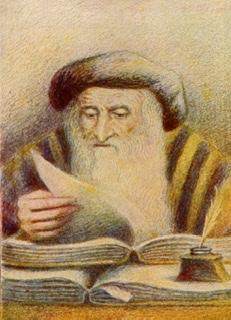
https://4.bp.blogspot.com/-KunGPh5sXJw/UHeztex6L2I/AAAAAAAAAVc/Ugg9HykOMCg/s1600/rashi.jpg
This is Rashi.
He is a commentator.
A Jewish Joke
Q: What’s a Bible reader’s favorite flavor of ice cream?
A: Rashi Road (Rocky Road)
Rashi “on one foot”:
Rashi was a very very important commentator (explainer) on the Bible and the Babylonian Talmud. He lived 1040-1105 in France.
What kind of name is Rashi?
“Rashi” is an acronym for “Rabbi Shlomo ben Yitzchak” (sometimes “Rabbi Shlomo Yitzchaki”), “Rabbi Solomon son of Isaac”.
Why is Rashi such a big deal?
Rashi tried to explain things in the Bible and (Babylonian) Talmud that he thought would be puzzling to ordinary readers, usually focusing on the “pshat” or literal / simple meaning of the text. Because he is writing for the common person, he is therefore the first stop for anybody trying to understand a piece of either the Bible or the Talmud. Moreover, he was the first person to write a Talmudic commentary that explained things instead of trying to resolve inconclusive discussions. It is not an exaggeration to say that the Talmud would have fallen into obscurity if Rashi had not made it accessible to so many more people.
Another goal of Rashi was to find the midrashim (Rabbinic stories) and Talmudic law drawn from each of the Bible verses so that people didn’t have to go through lots of different books just to find the “hyperlinks”. Therefore, if Rashi is presenting more than just a few words of quick explanation, it’s likely he’s quoting from a previous source.
Because Rashi’s explanation of the Bible was considered so important, it was the first Hebrew book printed by the new-fangled printing press in 1475, even before the Torah itself was printed.
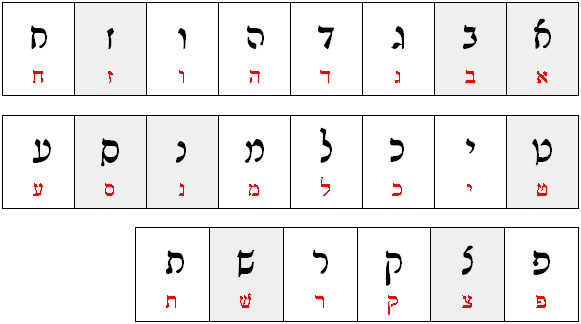
When the Talmud was first printed in Italy in the late 1400s and early 1500s, Rashi’s commentary was considered so important that it was given the place of prominence next to the binding on the page. To make it more obvious what was Rashi and what was the original Talmud, Rashi’s commentaries were written in “Rashi script” (as is the Tosafot commentary on the other side of each page) by the Bomberg printers in 1523. To be clear, Rashi himself didn’t use this style of writing -— it was invented 400ish years after he died. Rashi script was based on “solitreo”, 1400s Sefardic semi-cursive handwriting script.
User uploaded image
Context: This is "Rashi script".
One other group of people who really value Rashi is scholars of medieval French language. This is because when something was hard to understand, Rashi would provide a French term to clear things up. As French evolved, his commentary provided a snapshot of certain terminology from how French was in 1065, right before the French language invaded England at the Battle of Hastings.
What do we know about Rashi’s life?
Rashi was an only child, born in Troyes (pronounced “twah” in French, a city in the Champagne region of France east of Paris. There were only about 100 Jews there during his lifetime, so he learned Torah with his father Isaac until his father died when Rashi was still a child. Rashi got married to Rivka at age 17 and then went to study at a yeshiva in Worms, Germany, only returning to see his wife on Yom Kippur, Passover, and Shavuot. Eight years later, Rashi went to study in Mainz (also Germany, but closer to France). While there, he studied with the students of Rabbeinu Gershom, the leading Jewish scholar of the previous generation. Rabbeinu Gershom’s best-known innovations were a ban on polygamy, a ban on reading other people’s mail, a ban on divorcing women against their will, and, regarding people who left and then returned to Judaism, reminding them about what had happened. Rashi took many notes from the lectures in Mainz.
When he was 25, Rashi returned to his wife in Troyes, where he joined the Beit Din (rabbinical court) and answered halachic questions about Jewish law (his decisions have been preserved in the works of his students, like in the “Machzor Vitry”). He opened a school in 1070, though he didn’t take money from his students. Instead, he was a vintner, growing grapes and making wine. One of his letters has him apologizing for the shortness of his response on grounds that he and his family were busy with the grape harvest (Jewish Literacy, Telushkin, p. 180). Rashi wrote his commentaries on the entire Hebrew Bible and 30 of the 39 tractates of the Babylonian Talmud, and died on July 13, 1105.
Did Rashi have any children?
Yes, all daughters, all born in Troyes. They each married leading students of their father. It is thought that Rashi gave each of his daughters the same sort of education that he would have given them had they been sons.
Yocheved was born between 1058 and 1062 and married Meir ben Samuel. They had 4 sons: Isaac, Samuel (Rashbam, father of another Isaac), Solomon, and Jacob (Rabbeinu Tam). They also had 2 daughters: Hannah, and Miriam.
Miriam was also born between 1058 and 1062 (but after Yocheved) and married Judah ben Nathan. They had 3 sons: Yom Tov, Samson, and Eliezer (they all started a yeshiva in Paris). They also had 1 daughter: Alvina.
Rachel was born around 1070 and married Eliezer. They had no children. There’s a letter from Jacob (son of Yocheved) to his cousin Yom Tov (son of Miriam) mentioning that their Aunt Rachel was divorced.
There is a series by Maggie Anton called “Rashi’s Daughters” and it has a book for each one.
How did Rashi know what questions to ask?
Before modern scholarship came up with the Documentary Hypothesis (that different people wrote different parts of the Torah and then they were redacted into one document around 444 BCE), there was an assumption that the Torah was perfect and everything in there was intentional. This led to the five “kushiyot” (difficulties, related to “kasheh” meaning “hard”) [kippah tip to Joel Lurie Grishaver’s book Learning Torah for this section].
1. Contradictions
A. Different details between 2 versions of the story: Did G-d create males and females in one go (Gen. 1:27) or take a rib from the man to make the woman (Gen. 2:22)?
B. One story contradicts facts from a previous story: How did Cain’s wife conceive (Gen. 4:17) if no girls had been born yet?
C. A pattern changes: If Genesis 1 says “one day..…a second day..…a third day” why does it say “the sixth day”?
2. Extra language
A. Repeating a phrase or incident: If it says “In the beginning G-d created the heaven and the earth” (Gen. 1:1), why do we need “When the Lord G-d made earth and heaven” (Gen. 2:4) and why is the order reversed?
B. Effectively repeating the same thing: Instead of “Go from your land, from your birthplace, from your father’s house to a land that I will show you” (Gen. 12:1), why not just say “Go to where I will show you”?
C. Extra words in a sentence: In the sentence “And these are the days of the years of Abraham’s life which he lived” (Gen. 25:7), why do we need “which he lived”?
D. Word reversals: “Honor your father and mother” (Ex. 20:12) vs. “You shall each revere your mother and father” (Lev. 19:3).
3. Juxtaposition
A. Two stories are linked: When it says, “And it came to pass after these things” (Gen. 22:1), why the connection?
B. One sentence with two subjects: When it says, “You shall each revere your mother and father, and keep My sabbaths..…” (Lev. 19:30), why the connection?
4. Behavior
A. G-d doing unG-d-like things: When “The Lord G-d called unto the man and said to him ‘Where are you’?” (Gen. 3:9), why didn’t G-d know where he was?
B. Biblical heroes violating commandments: When Abraham “took cream and milk and the calf which he dressed, and he set it before them,” (Gen. 18:8) why wasn’t Abraham keeping kosher?
5. Grammar / Meaning
A. We don’t get what we expected: “When it says, “Let them make me a dwelling-place [sanctuary] that I may dwell in them” (Ex. 25:8), why does it say that G-d will dwell in the people instead of in the sanctuary?
B. Interesting word usage: “Noah walked with G-d” (Gen. 6:9) vs. “The Lord before whom I [Abraham] walk” (Gen. 24:40).
Let’s Play “What’s Bothering Rashi?” !
Round 1:

(ב) וַיֹּ֡אמֶר קַח־נָ֠א אֶת־בִּנְךָ֨ אֶת־יְחִֽידְךָ֤ אֲשֶׁר־אָהַ֙בְתָּ֙ אֶת־יִצְחָ֔ק וְלֶ֨ךְ־לְךָ֔ אֶל־אֶ֖רֶץ הַמֹּרִיָּ֑ה וְהַעֲלֵ֤הוּ שָׁם֙ לְעֹלָ֔ה עַ֚ל אַחַ֣ד הֶֽהָרִ֔ים אֲשֶׁ֖ר אֹמַ֥ר אֵלֶֽיךָ׃

(2) “Take your son, your favored one, Isaac, whom you love, and go to the land of Moriah, and offer him there as a burnt offering on one of the heights that I will point out to you.”

What's bothering Rashi?
Answer:

(ב)את בנך. אָמַר לוֹ שְׁנֵי בָנִים יֵשׁ לִי, אָמַר לוֹ אֶת יְחִידְךָ; אָמַר לוֹ זֶה יָחִיד לְאִמּוֹ וְזֶה יָחִיד לְאִמּוֹ, אָמַר לוֹ אֲשֶׁר אָהַבְתָּ; אָמַר לוֹ שְׁנֵיהֶם אֲנִי אוֹהֵב, אָמַר לוֹ אֶת יִצְחָק (סנהדרין פ"ט).

(2) את בנך THY SON — Abraham said to God, “I have two sons”. “He answered him, “Thine only son”. Abraham said, “This one is the only son of his mother and the other is the only son of his mother”. God then said, “the one whom thou lovest”. Abraham replied, “I love both of them”. Whereupon God said “even Isaac”. (Sanhedrin 89b:11)

Round 2:

(יב) וַיֹּ֣אמֶר יְהֹוָה֮ אֶל־מֹשֶׁה֒ אֱמֹר֙ אֶֽל־אַהֲרֹ֔ן נְטֵ֣ה אֶֽת־מַטְּךָ֔ וְהַ֖ךְ אֶת־עֲפַ֣ר הָאָ֑רֶץ וְהָיָ֥ה לְכִנִּ֖ם בְּכׇל־אֶ֥רֶץ מִצְרָֽיִם׃

(12) Then GOD said to Moses, “Say to Aaron: Hold out your rod and strike the dust of the earth, and it shall turn to lice throughout the land of Egypt.”

What's bothering Rashi?
Answer:

(א)אמר אל אהרן. לֹא הָיָה הֶעָפָר כְּדַאי לִלְקוֹת עַ"יְ מֹשֶׁה, לְפִי שֶׁהֵגֵן עָלָיו כְּשֶׁהָרַג אֶת הַמִּצְרִי וַיִּטְמְנֵהוּ בַּחוֹל, וְלָקָה עַל יְדֵי אַהֲרֹן (שמות רבה):

(1) אמר אל אהרן SAY UNTO AARON — The dust did not deserve to be smitten by Moses because it had protected him when he slew the Egyptian, for “he hid him in the sand”; and it was therefore smitten by Aaron (Tanchuma; Exodus Rabbah 10:7).

Round 3:

(י) וַיֹּ֖אמֶר מֶ֣ה עָשִׂ֑יתָ ק֚וֹל דְּמֵ֣י אָחִ֔יךָ צֹעֲקִ֥ים אֵלַ֖י מִן־הָֽאֲדָמָֽה׃

(10) “What have you done? Hark, your brother’s blood [literally "bloods"] cries out to Me from the ground!

What’s bothering Rashi?
Answer:

(א)דמי אחיך. דָּמוֹ וְדַם זַרְעִיּוֹתָיו.

(1) דמי אחיך THY BROTHERS BLOOD — דמי is plural — bloods” — his blood and the blood of his possible descendants (Genesis Rabbah 22:9).

Round 4:

(ה) וַיֵּ֣רֶד יְהֹוָ֔ה לִרְאֹ֥ת אֶת־הָעִ֖יר וְאֶת־הַמִּגְדָּ֑ל אֲשֶׁ֥ר בָּנ֖וּ בְּנֵ֥י הָאָדָֽם׃

(5) GOD came down to look at the city and tower that the mortals had built,

What’s bothering Rashi?
Answer:

(א)וירד ה' לראות. לֹא הֻצְרַךְ לְכָךְ, אֶלָּא בָא לְלַמֵּד לְדַיָּנִים שֶׁלֹּא יַרְשִׁיעוּ הַנִּדּוֹן עַד שֶׁיִּרְאוּ וְיָבִינוּ, מִדְרַשׁ רַבִּי תַנְחוּמָא:

(1) 'וירד ה לראות AND THE LORD CAME DOWN TO SEE — God really did not need to do this, but Scripture intends to teach the judges that they should not proclaim a defendant guilty before they have seen the case and thoroughly understand the matter in question. This is to be found in Midrash of R. Tanchuma.

Round 5:

(ו) וַתֵּ֣רֶא הָֽאִשָּׁ֡ה כִּ֣י טוֹב֩ הָעֵ֨ץ לְמַאֲכָ֜ל וְכִ֧י תַֽאֲוָה־ה֣וּא לָעֵינַ֗יִם וְנֶחְמָ֤ד הָעֵץ֙ לְהַשְׂכִּ֔יל וַתִּקַּ֥ח מִפִּרְי֖וֹ וַתֹּאכַ֑ל וַתִּתֵּ֧ן גַּם־לְאִישָׁ֛הּ עִמָּ֖הּ וַיֹּאכַֽל׃

(6) When the woman saw that the tree was good for eating and a delight to the eyes, and that the tree was desirable as a source of wisdom, she took of its fruit and ate. She also gave some to her husband, and he ate.

What's bothering Rashi?
Answer:

(ה)ותתן גם לאישה. שֶׁלֹּא תָמוּת הִיא וְיִחְיֶה הוּא, וְיִשָּׂא אַחֶרֶת:

(5) ותתן גם לאשה AND SHE GAVE ALSO TO HER HUSBAND so that she should not die and he remain alive to take another wife (Genesis Rabbah 19:5).

Context: This is a 2022 video by Unpacked about Rashi.
Context: This is a 2019 Bible Raps song by Matt Barr about Rashi (and ibn Ezra and Rambam).
Slightly complicating the picture
It is worth noting that there are at least 250 manuscripts of Rashi’s commentary, and so there are lots of versions of what he wrote. Some scholars think that 10-30% of what is attributed to him was actually written by students of his, just done in his style. When the printing press came along, it became harder to discern what was his original work. If this interests you, check out:
https://www.kotzkblog.com/2019/02/213-and-what-does-rashi-say.html and
https://www.yu.edu/revel/2015/12/14/review-of-dr-lisa-fredmans-lecture-rashis-biblical-commentaries-can-we-know-what-rashi-actually-wrote
There are also many translations of Rashi, including a large number into English as well as many other languages. That process began shortly after he died as Jews in other lands wanted to access his commentary.
Finally, there are 300 “super-commentaries” on Rashi where the commentators are discussing not the original Tanach / Talmud but rather are discussing what Rashi had to say about it.
With appreciation to: The Talmud: A Biography by Harry Freedman, Jewish Literacy by Rabbi Joseph Telushkin, Wikipedia, Learning Torah by Joel Lurie Grishaver,
Appendix: A Basic Explanation of Rashi
From: A History of the Jews, by Solomon Grayzel
Among the very great names in the long history of the Jewish people that of Rabbi Solomon ben Isaac holds high place. For century after century since his death, every Jewish boy became acquainted with him on the very threshold of education. Adults, too, found him an indispensable intellectual companion. As in the case of every great Jewish name, the name of this man was also affectionally abbreviated, the R from Rabbi, the Sh from Shelomo, and the I from his father’s name being combined into Rashi.
He was born in 1040 into a scholarly and well-to-do family. He evidently enjoyed a fair income throughout his life, his earnings being derived from a vineyard which he inherited near his native city of Troyes, in the French district of Champagne. His teachers, including his father, had been directly or indirectly pupils of Rabbeinu Gershom, so that Rashi was brought up in accordance with the finest traditions of Jewish scholarship. Sometime during his twenties he felt the need of going to Mayence [Mainz] and to Worms, then the seats of great academies. Upon his return home, he gathered some pupils about him and inspired them by his piety as much as by his learning. Even his daughters, for he had no sons, were brought up to a fair degree of Jewish learning. He led a quiet, simple life about which not much is known. There is probably little enough to tell about a man whose life was confined to his study.
Rashi’s great reputation rests upon his two commentaries: one explaining the Bible, the other the Talmud. His object was not to show how learned or clever he was, but rather to guide the student through difficult passages and enable him to understand the plain meaning of the two fundamental books of Jewish life. He wrote, therefore, in a clear, simple Hebrew, the sort that even a beginner could follow. When he came across a word in the text that was hard to explain, he gave its translation in the French language, the one which he spoke. Into his commentary on the Humash (Pentateuch — the Five Books of Moses) he put many of the most beautiful midrashic stories and ethical maxims, thus making it an inspiring textbook in the good Jewish life. His commentary on the Talmud turned it from a collection of discussions understood only by the scholar into a work which an intelligent Jew could understand with comparative ease. Frequently a single word of his sheds light on an entire passage and makes a complicated argument perfectly clear. There have been many other commentaries on Bible and Talmud, but Rashi has remained the teacher of generation after generation of Jews.
P. 288-289