




 Save
 Copy
 Add to Collection
 Export to Google Docs
 Share
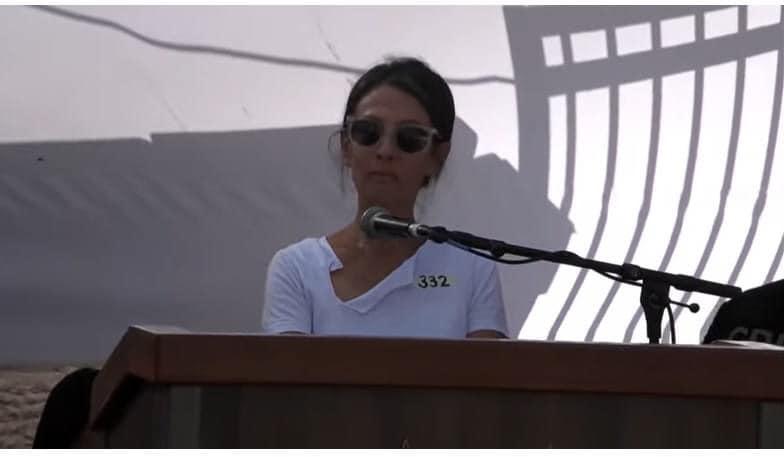
Now I no longer have to worry about you. I know you are no longer in danger. You are with beautiful Aner; he will show you around. You will hopefully meet my grandparents, who will adore you, and start to play chess with Papa Stan. But now my worry shifts to us: Dada, Leebie, Orly and me. How do we do the rest of this life without you?
וְכֵן בְּדִין, שֶׁשְּׁלָשְׁתָּן שׁוּתָּפִין בּוֹ. תָּנוּ רַבָּנַן: שְׁלֹשָׁה שׁוּתָּפִין הֵן בָּאָדָם: הַקָּדוֹשׁ בָּרוּךְ הוּא, וְאָבִיו, וְאִמּוֹ. בִּזְמַן שֶׁאָדָם מְכַבֵּד אֶת אָבִיו וְאֶת אִמּוֹ אָמַר הַקָּדוֹשׁ בָּרוּךְ הוּא: מַעֲלֶה אֲנִי עֲלֵיהֶם כְּאִילּוּ דַּרְתִּי בֵּינֵיהֶם, וְכִבְּדוּנִי.
And so too, the equating of one’s attitude toward his parents to his attitude toward God is a logical derivation, as the three of them are partners in his creation. As the Sages taught: There are three partners in the forming of a person: The Holy One, Blessed be He, who provides the soul, and his father and his mother. When a person honors his father and mother, the Holy One, Blessed be He, says: I ascribe credit to them as if I dwelt between them and they honor Me as well.
1. Rachel states, "Out of all the mothers in the world, God chose to give Hersh to me." How is that reflected in this Talmudic text?
2. Later in her eulogy, Rachel stated, "You never raised your voice to me in your life. You treated me respectfully always, even when you chose a different path." How does this connect to the idea of kibud av v'eim/ honoring one's father and mother (reflected in this source, and also found in the Ten Commandments)?
(משלי לא י): "אשת חיל מי ימצא" - זו היא התורה; "ורחוק מפנינים מכרה" - שהיתה לפני לפנים, וזכה משה והורידה למטה לארץ. (משלי לא יא): "בטח בה לב בעלה ושלל לא יחסר" - שלא חסר בה דבר. ד"א "אשת חיל מי ימצא" - אמרו: מעשה היה ברבי מאיר, שהיה יושב ודורש בבית המדרש בשבת במנחה, ומתו שני בניו. מה עשתה אמו? הניחה שניהם על המטה ופרשה סדין עליהם. במוצאי שבת בא ר' מאיר מבית המדרש לביתו. אמר לה 'היכן שני בני?', אמרה 'לבית המדרש הלכו', אמר לה 'צפיתי לבית המדרש ולא ראיתי אותם', נתנו לו כוס של הבדלה והבדיל, חזר ואמר 'היכן שני בני?', אמרה לו 'הלכו למקום אחר ועכשיו הם באים', הקריבה לפניו המאכל ואכל ובירך, לאחר שבירך אמרה לו 'רבי, שאלה אחת יש לי לשאול לך', אמר לה 'אמרי שאלתך', אמרה לו 'רבי, קודם היום בא אדם אחד ונתן לי פקדון, ועכשיו בא ליטול אותו, נחזיר לו או לא?', אמר לה 'בתי, מי שיש פקדון אצלו, הוא צריך להחזירו לרבו', אמרה לו 'רבי, חוץ מדעתך לא הייתי נותנת אצלו', מה עשתה? תפשתו בידה, והעלה אותו לאותו חדר, והקריבה אותו למטה, ונטלה סדין מעליהם, וראה שניהם מתים ומונחים על המטה, התחיל בוכה ואומר 'בני! בני! רבי! רבי! בני בדרך ארץ, ורבי שהיו מאירין פני בתורתן!', באותה שעה אמרה לו לרבי מאיר 'רבי, לא כך אמרת לי - אני צריך להחזיר הפקדון לרבו?', אמר (איוב א כא): "ה׳ נתן וה׳ לקח, יהי שם ה׳ מבורך". אמר רבי חנינא: בדבר הזה נחמתו ונתיישבה דעתו, לכך נאמר "אשת חיל מי ימצא".
"A valiant woman, who can find" (Proverbs 31:10): That is the Torah; "and further than pearls (peninim) is her price" - as it was 'in front of Me and inside (lefanim)' and Moshe merited to bring it down to earth. "Her husband puts his confidence in her, and lacks no 'booty'" - that there is nothing lacking in it. Another explanation: "A valiant woman, who can find" - They said, "There was a story about Rabbi Meir who was sitting and expounding in the study hall on Shabbat afternoon, when two of his sons died. What did his mother do? She placed both of them on the bed and spread a sheet over them. At the end of Shabbat, Rabbi Meir came home from the study hall. He said to her, 'Where are my two sons?' She said [back], 'They went to the study hall.' He said to her, 'I scanned the study hall and I did not see them.' They gave him the cup of Havdalah and he separated [the days of the week with the closure of Shabbat]. He repeated and said, 'Where are my two sons?' She said, 'They went elsewhere and they are coming now.' She placed food in front of him and he ate and blessed. After he blessed, she said to him, 'I have a question to ask you.' He said to her, 'Say your question.' She said to him, 'Rabbi, before today, a man came and deposited something with me, and now he is coming to take it. Should we return it to him or not?' He said, 'My daughter, one who has a deposit with him must return it to its owner.' She said to him, 'Were it not for your consent, I would not have given it to him.' What did she do? She grabbed his hand, brought him up to that room, had him approach the bed and took off the sheet from upon them. When he saw both of them dead and laying upon the bed, he began to cry and say, 'My sons, my sons, my teachers, my teachers - my sons in the way of the world, my teachers in that they would enlighten my eyes with their Torah.' At that time, she said to Rabbi Meir, 'Rabbi, is this not what I told you - do I not need to return the deposit to its Owner?' He said, '"The Lord has given and the Lord has taken; may the name of the Lord be blessed"' (Job 1:21)." Rabbi Chanina said, "With this thing, she consoled him and his mind became composed - that is why it states, 'A valiant woman, who can find.'"
1. What happened to Rabbi Meir's sons?
2. What question did Rabbi Meir's wife (Beruriah) ask him regarding a loan that she had received? What did Rabbi Meir tell her to do?
3. Why did Beruriah frame it this way to Rabbi Meir?
4. How was this comforting?
5. How can we connect this Midrash to Rachel's words, "And I am so grateful to G-d, and I want to do hakarat hatov and thank G-d right now, for giving me this magnificent present of my Hersh…. For 23 years I was privileged to have this most stunning treasure, to be Hersh’s Mama. I’ll take it and say thank you. I just wish it had been for longer"?
אָמַר רַבִּי אֲבָהוּ: כׇּל שֶׁאוֹמְרִים בִּפְנֵי הַמֵּת, יוֹדֵעַ, עַד שֶׁיִּסָּתֵם הַגּוֹלֵל. פְּלִיגִי בַּהּ רַבִּי חִיָּיא וְרַבִּי שִׁמְעוֹן בְּרַבִּי. חַד אָמַר: עַד שֶׁיִּסָּתֵם הַגּוֹלֵל, וְחַד אָמַר: עַד שֶׁיִּתְעַכֵּל הַבָּשָׂר.
Rabbi Abbahu said: Everything people say before the deceased, he knows, until the tomb is sealed with the top-stone. Rabbi Ḥiyya and Rabbi Shimon, son of Rabbi Yehuda HaNasi, disagreed with regard to the meaning of this statement. One of them said that the deceased is aware until the tomb is sealed with the top-stone, which is referring to the covering of the grave (Tosafot). And one of them said that it is until the flesh decomposes.
וְהָאֲמַר לֵיהּ רַב לְרַב שְׁמוּאֵל בַּר שִׁילַת: אַחֵים בְּהֶסְפֵּידָא, דְּהָתָם קָאֵימְנָא!
Rav [said] to Rav Shmuel bar Sheilat: Stir the hearts of those gathered during my eulogy, for I will be standing there and listening to your words.
חייב אדם לכבד את המת בבכי ובהספד. ואם תאמר ומה הרגש יש למת בכבוד שעושין לו, והרי הוא כאבן דומה. זה אינו, שהרי אמרו רז“ל )שבת קנב ע“ב( כל מה שאומרים לפני המת יודע עד שיסתם הגולל. והטעם בזה מפני הרגל דבקות הנפש בגוף אינה יכולה להפרד מן הגוף כל כך במהרה, אלא הולכת ובאה מחופפת ומרחפת על הגוף במקום שהיתה רגילה לדור... ובירושלמי )מו“ק ג ה( כל תלתא יומין נפשא טייסא על גופא... בתר תלתא יומין... שבקא ליה ואזלא לה.
Rabbi Yaakov Sliki, Torat Ha-Minchah, Derush 11 – Weeping at the eulogy is a way of honoring the spirit that clings to the body. (from Morasha Syllabus)
A person is obligated to honor the deceased with weeping and eulogy. If you should ask, what feeling does the deceased have for the honor we afford him, for surely he is as an inanimate stone? The answer is as the Sages teach, “Everything that is said before the dead is known to him, until the grave is sealed” (Shabbat 152b). The reason for this is that the soul cannot be entirely severed from the body so quickly, but rather it separates slowly, and hovers over the body – the place in which it was accustomed to dwell. In the Jerusalem Talmud we thus learn that for three days the spirit hovers over the body…and only after three days, it leaves it and departs.
Throughout her eulogy, Rachel addresses her son Hersh directly. For example, she states, "Hersh, for all of these months I have been in such torment worrying about you every millisecond of everyday." According to Jewish tradition, can Hersh hear her?
Excerpt from Aish.com article 'What Happens Right After We Die?' (Link)
Immediately upon a person’s death, Kabbalistic sources state that soul is granted a glimpse of God’s Divine Presence. The soul feels a deep sense of serenity, of being at peace with itself – as if it is preparing to return home. Jewish literature records cases of great rabbis, immediately prior to their deaths, announcing the souls which had come to accompany them to the next world (e.g. Talmud Brachot 28b). Likewise, many pious people, Jews and non-Jews, have died mentioning the names of their parents or other close relatives who had come to greet them. No doubt, the moment of death is very frightening for a soul. The presence of familiar faces greatly helps smooth the transition and calm the person down.
QUESTION TO CONSIDER
Rachel states, "You are with beautiful Aner; he will show you around. You will hopefully meet my grandparents, who will adore you, and start to play chess with Papa Stan." How does Rachel's vision for Hersh's life in עולם הבא, the World to Come, accord with Jewish tradition?
Excerpt from Dignity beyond Death: The Jewish Preparation for Burial by Rochel U. Berman
- _________, son/ daughter of _________, we ask forgiveness of you if we did not treat you respectfully, but we acted in accordance with our custom. May you be an advocate for all of Israel. Go in peace, rest in peace, and arise in your turn at the end of days.
QUESTION TO CONSIDER
דַּבֵּ֤ר אֶֽל־אַהֲרֹן֙ וְאֶל־בָּנָ֣יו לֵאמֹ֔ר כֹּ֥ה תְבָרְכ֖וּ אֶת־בְּנֵ֣י יִשְׂרָאֵ֑ל אָמ֖וֹר לָהֶֽם׃ {ס} יְבָרֶכְךָ֥ ה׳ וְיִשְׁמְרֶֽךָ׃ {ס} יָאֵ֨ר ה׳ ׀ פָּנָ֛יו אֵלֶ֖יךָ וִֽיחֻנֶּֽךָּ׃ {ס} יִשָּׂ֨א ה׳ ׀ פָּנָיו֙ אֵלֶ֔יךָ וְיָשֵׂ֥ם לְךָ֖ שָׁלֽוֹם׃ {ס}
Speak to Aaron and his sons: Thus shall you bless the people of Israel. Say to them: ה׳ bless you and protect you! ה׳ make His face shine upon you and deal graciously with you! ה׳ bestow [divine] favor upon you and grant you peace!
וְיָשֹׁ֧ב הֶעָפָ֛ר עַל־הָאָ֖רֶץ כְּשֶׁהָיָ֑ה וְהָר֣וּחַ תָּשׁ֔וּב אֶל־הָאֱלֹקִ֖ים אֲשֶׁ֥ר נְתָנָֽהּ׃
And the dust returns to the groundAs it was,And the lifebreath [soul] returns to GodWho bestowed it.
וַיְהִ֗י בְּרֶ֤דֶת מֹשֶׁה֙ מֵהַ֣ר סִינַ֔י וּשְׁנֵ֨י לֻחֹ֤ת הָֽעֵדֻת֙ בְּיַד־מֹשֶׁ֔ה בְּרִדְתּ֖וֹ מִן־הָהָ֑ר וּמֹשֶׁ֣ה לֹֽא־יָדַ֗ע כִּ֥י קָרַ֛ן ע֥וֹר פָּנָ֖יו בְּדַבְּר֥וֹ אִתּֽוֹ׃
So Moses came down from Mount Sinai. And as Moses came down from the mountain bearing the two tablets of the Pact, Moses was not aware that the skin of his face was radiant, since he had spoken with God.
The illustrious medieval theologian, philosopher and poet Rabbi Yehuda HaLevi (1075 Spain-1171 Israel) in his famous Kuzari (4:15) on the fundamental beliefs of Judaism, illuminates the relationship between G-d and humanity with the analogy of the sun to stones on the earth. Light is radiated from the sun equally to all. The relationship of this light to the different types of rocks varies not according to the light, which is constant, but rather to the various qualities of the stones. Some are opaque and occluded, and reveal little of the light; others are luminescent and reflect sparkles of the light; yet others, the precious, polished gems, are translucent, such that their pristine purity enables them to become infused with the light, which penetrates them and is transmitted through them.
So too, coarse human beings reveal little of the sacred light. More refined people reflect the sacred light externally. However, the light seen emanating from the truly elevated, pious and pure individuals, like polished, precious, translucent gems, is actually His light shining through them from the “other side”. And His Light projected through them is via the Divine soul, as in the verse, “Man’s soul is the candle of G-d” (Prov. 20:27). Thus, their soul is actually His flame, His light.
According to this explanation, the light emanating from Moshe was not a “reflection” of his closeness to G-d. It was G-d’s light itself shining from within him. For this reason the people could not gaze upon that light, as one cannot gaze upon the light of the sun.
QUESTION TO CONSIDER
Rachel states, "As we transform our hope into grief and this new unknown brand of pain, I beg of you, please do what you can to have your light shine down on me." When Rachel references Hersh's light, would Jewish tradition see that as metaphorical? Or is this more than a metaphor? Consider the sources above.
אַךְ הַדֶּרֶךְ כְּדֵי לְהַגִּיעַ אֶל מְחוֹז חֶפְצֵנוּ זֶה, הוּא זֶה הָעוֹלָם. וְהוּא מָה שֶׁאָמְרוּ זִכְרוֹנָם לִבְרָכָה (אבות ד): הָעוֹלָם הַזֶּה דּוֹמֶה לִפְרוֹזְדוֹר בִּפְנֵי הָעוֹלָם הַבָּא.
But the path to arrive at the "desired haven" (Ps. 107:30) of ours is this world. This is what our sages of blessed memory said: "this world is like a corridor before the World to Come" (Avot 4:16).
אָמְנָם לִכְשֶׁיִּזְכֶּה הָאָדָם לַטּוֹבָה הַזֹּאת, רָאוּי שֶׁיַּעֲמֹל רִאשׁוֹנָה וְיִשְׁתַּדֵּל בִּיגִיעוֹ לִקְנוֹתָהּ, וְהַיְנוּ שֶׁיִּשְׁתַּדֵּל לִדָּבֵק בּוֹ יִתְבָּרַךְ בְּכֹחַ מַעֲשִׂים שֶׁתּוֹלַדְתָּם זֶה הָעִנְיָן וְהֵם הֵם הַמִּצְוֹת.
For a person to attain this good, it is proper that he first exert himself strenuously to acquire it, namely, to exert himself to cling to the blessed G-d through the power of deeds whose consequence is this end. These deeds are the mitzvot, commandments.
וְאִם יִהְיֶה לְבֶן חַיִל וִינַצַּח הַמִּלְחָמָה מִכָּל הַצְּדָדִין, הוּא יִהְיֶה הָאָדָם הַשָּׁלֵם אֲשֶׁר יִזְכֶּה לִדָּבֵק בְּבוֹרְאוֹ וְיֵצֵא מִן הַפְּרוֹזְדוֹר הַזֶּה וְיִכָּנֵס בַּטְּרַקְלִין לֵאוֹר בְּאוֹר הַחַיִּים.
If he will be a man of valor, emerging from the battle victorious on all fronts - he will be the "Adam HaShalem" (whole/perfect man) who will merit to cling to his Creator and will emerge from this corridor to enter into the palace to enlighten in the Light of (eternal) Life.
1. Rachel discusses her son's extraordinary kibud av v'eim/ honoring of his parents, a mitzvah, at various points throughout her eulogy. One statement she makes is, "When you wrote to us from the bomb shelter you had just seen Aner get killed. You had lost your arm, and you thought you were dying. You wrote to us, “I’m sorry” because you knew how crushing it would be for us to lose you, so you fought to stay alive… all this time." Consider the presence of mind Hersh had to consider, at that time, not the pain he was in, but the pain his parents would feel. What has Hersh achieved through this action?
אַחֵינוּ כָּל בֵּית יִשְׂרָאֵל, הַנְּתוּנִים בְּצָרָה וּבַשִּׁבְיָה, הָעוֹמְדִים בֵּין בַּיָּם וּבֵין בַּיַּבָּשָׁה, הַמָּקוֹם יְרַחֵם עֲלֵיהֶם, וְיוֹצִיאֵם מִצָּרָה לִרְוָחָה, וּמֵאֲפֵלָה לְאוֹרָה, וּמִשִּׁעְבּוּד לִגְאֻלָּה, הַשְׁתָּא בַּעֲגָלָא וּבִזְמַן קָרִיב.
As for our brothers, the whole house of Israel, who are given over to trouble or captivity, whether they abide on the sea or on the dry land: May the All-present have mercy upon them, and bring them forth from trouble to enlargement, from darkness to light, and from subjection to redemption, now speedily and at a near time.
