מנהגים


 Save
Save Copy
Copy Add to Collection
 Export to Google Docs
 Share
ShareWhat are Minhagim and what are some Halochos surrounding them?
...ומנהג ישראל תורה היא
Types of מנהגים
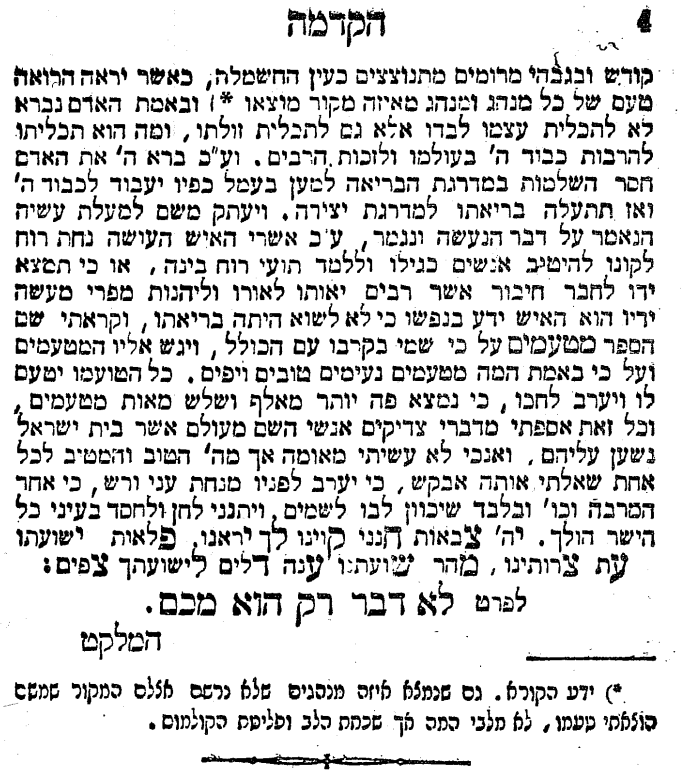
In the הקדמה of ספר המטעמים, Rabbi Yitzchak Lifiatz from Shedlitz quotes the Sefer תמת ישרים which categorises מנהגים into 3 categories:
- סוגיים - These are מנהגים made to protect and make a fence around תורה
- מעוררים - This category is broken into 2 subcategories:a. מנהגים made to make מצוות more excitingb. מנהגים established to awaken the hearts and focus away from distractions although people are busy in their lives.
- חובבים - This includes the majority of מנהגים that are made to increase our affection for מצוות
Are מנהגים binding?
מַאן תְּנָא הָא דְּתַנְיָא: דְּבָרִים הַמּוּתָּרִים וַאֲחֵרִים נָהֲגוּ בָּהֶן אִיסּוּר — אִי אַתָּה רַשַּׁאי לִנְהוֹג בָּהֶם הֶיתֵּר כְּדֵי לְבַטְּלָן, מִשּׁוּם שֶׁנֶּאֱמַר ״לֹא יַחֵל דְּבָרוֹ״, דָּבָר אַחֵר: ״לֹא יַחֵל דְּבָרוֹ״ — מִכָּאן לְתַלְמִיד חָכָם שֶׁאֵין מֵפֵר נִדְרֵי עַצְמוֹ. מַנִּי? רַבָּן גַּמְלִיאֵל הִיא.
The Gemara asks: Who is the tanna who taught that which is taught in a baraita: With regard to matters that are permitted, but others were accustomed to treat them as a prohibition, you are not allowed to treat them as permitted in a manner that may cause the negation of their custom, as it is stated: “He shall not profane his word” (Numbers 30:3). The verse indicates that any vow in which a person renders a matter forbidden to himself, i.e., “his word,” is considered a quasi-vow, which may not be profaned. The Gemara presents another interpretation of the verse: Alternatively, the verse states: “He shall not profane his word”; from here it may be derived that a halakhic authority cannot dissolve his own vows. Whose opinion is this? It is that of Rabban Gamliel, who maintains that a man should nullify his wife’s vow even if it does not actually take effect.
משום שנאמר לא יחל דברו מני ר"ג היא - דדריש דברו לומר דאפי' מידי שאינו נדר גמור אלא דבור בעלמא אפ"ה לא יחל כדי שלא ינהוג קלות ראש בנדרים גמורים הכא נמי כיון שנהגו איסור בדברים המותרין הוה ליה לגבייהו כדברים האסורים. ומכאן היה אומר ה"ר יהודה הכהן ז"ל שאם נהג אדם שלא לאכול בשר ושלא לשתות יין בזמן מיוחד ושוב רוצה לשתות יין או לאכול בשר באותו הזמן צריך היתר:
From a Shiur by Rav Hershel Schachter:
ובתשובה אחת כתב החתם סופר, שאף דספק דרבנן לקולא, בספק במנהג אזלינן לחומרא, שמאחר דהוא מטעם נדר, ונדר הוי דין דאורייתא, הרי דינו כספק דאורייתא ולחומרא...
בְּנֵי בַיְישָׁן נְהוּג דְּלָא הֲווֹ אָזְלִין מִצּוֹר לְצִידוֹן בְּמַעֲלֵי שַׁבְּתָא. אֲתוֹ בְּנַיְיהוּ קַמֵּיהּ דְּרַבִּי יוֹחָנָן, אָמְרוּ לוֹ: אֲבָהָתִין אֶפְשָׁר לְהוּ, אֲנַן לָא אֶפְשָׁר לַן. אֲמַר לְהוּ: כְּבָר קִיבְּלוּ אֲבוֹתֵיכֶם עֲלֵיהֶם, שֶׁנֶּאֱמַר: ״שְׁמַע בְּנִי מוּסַר אָבִיךָ וְאַל תִּטּוֹשׁ תּוֹרַת אִמֶּךָ״. בְּנֵי חוֹזָאֵי נָהֲגִי דְּמַפְרְשִׁי חַלָּה מֵאָרוֹזָא, אֲתוֹ וַאֲמַרוּ לֵיהּ לְרַב יוֹסֵף. אֲמַר לְהוּ: נֵיכְלַהּ זָר בְּאַפַּיְיהוּ. אֵיתִיבֵיהּ אַבָּיֵי: דְּבָרִים הַמּוּתָּרִים וַאֲחֵרִים נָהֲגוּ בָּהֶן אִיסּוּר אִי אַתָּה רַשַּׁאי לְהַתִּירָן בִּפְנֵיהֶם. אָמַר לוֹ: וְלָאו מִי אִיתְּמַר עֲלַהּ, אָמַר רַב חִסְדָּא: בְּכוּתָאֵי! כּוּתָאֵי מַאי טַעְמָא — מִשּׁוּם דִּמְסָרְכִי מִילְּתָא, הָנָךְ אִינָשֵׁי נָמֵי סָרְכִי מִילְּתָא.
As the mishna discusses the requirement to observe local customs, the Gemara relates: The residents of Beit She’an were accustomed not to travel from Tyre to market day in Sidon on Shabbat eve. In deference to Shabbat, they adopted a stringency and would not interrupt their Shabbat preparations even for a short sea voyage. Their children came before Rabbi Yoḥanan to request that he repeal this custom. They said to him: Due to their wealth, it was possible for our fathers to earn a living without traveling to the market on Friday; however, it is not possible for us to do so. He said to them: Your fathers already accepted this virtuous custom upon themselves, and it remains in effect for you, as it is stated: “My son, hear your father’s rebuke and do not abandon your mother’s teaching” (Proverbs 1:8). In addition to adhering to one’s father’s rebuke, i.e., halakha, one is also required to preserve his mother’s teaching, i.e., ancestral customs. The Gemara relates additional customs: The residents of the city of Ḥozai were accustomed to separate ḥalla from rice dough. They came and told Rav Yosef about this custom. He said to them: Let a non-priest eat this dough in their presence to show them unequivocally that this custom has no legal basis. Abaye raised an objection to him: With regard to matters that are permitted, but others were accustomed to treat them as a prohibition,
בית יוסף יורה דעה ריד
(א) דברים המותרים ואחרים היודעים שהם מותרים נוהגים בהם איסור הוי כאילו קבלום עליהם בנדר וכו׳ בפ״ב דנדרים (דף טו:) תניא דברים המותרים ואחרים נהגו בהם איסור אי אתה רשאי להתירם בפניהם שנאמר לא יחל דברו ובר״פ מקום שנהגו (פסחים נ:) מייתי לה ומשמע דלנהוג היתר בפניהם נמי אסור ומוקי לה התם בכותאי או במקום שאינם בני תורה משום דמסרכי ומדמו מילתא למילתא ואתו למישרי איסורא דאורייתא כתבו התוס׳ והרא״ש וקשה היאך התיר ר׳ בית שאן בפ״ק דחולין (ו:) משום דהעידו על. ר״מ שאכל שם עלה ירק בלא מעשר מ״מ המקום נהגו בו איסור ופירש הר״י במגלת סתרים דוקא דברים שידוע להם שהם מותרים ונוהגים בהם איסור לפי שרוצים להחמיר על עצמם אבל אם נוהגים מחמת טעות שסבורים שהוא אסור והוא מותר יכול להתירן בפניהם ולפ״ז ניחא הך עובדא דבית שאן דטעות היה שהיו סבורין שהיה ארץ ישראל והכי איתא בהדיא בירושלמי רבי יוסי בר בון אומר כל דבר שאין יודע בו שהוא מותר והוא טועה ונוהג בו איסור נשאל ומתירים לו וכל דבר שיודע בו שהוא מותר ונוהג בו איסור נשאל ואין מתירים לו כלומר אם בא לחכם לישאל אם יכול לזלזל במנהג שנהגו בו אבותיו לא יתיר לו החכם וכן נמי אדם שנהג איסור בדבר המותר לסייג ולפרישות לא יתיר לו החכם המנהג ההוא ממילא דהוי כמו נדר כדאיתא בפ״ב דנדרים אבל החכם יכול להתיר לו בחרטה כמו שאר דברים ויפתח בחרטה שהוא מתחרט שנהג כן לשם נדר עכ״ל הרא״ש ז״ל:
נמצא דדברים המותרים ואחרים יודעים שהם מותרים ואעפ״כ נהגו בהם איסור משום סייג ופרישות אי אתה רשאי להתירם אם לא שיבואו וישאלו על נדרם ויתירו להם כדין התרת שאר נדרים ואם הם נוהגים בה איסור מחמת טעות שהם סבורים שמן הדין הוא אסור אתה רשאי להתיר להם בלא שום התרת נדר אלא לומר להם טועים אתם בדין ומותרים אתם ובכה״ג הוה ההיא דבית שאן שהתיר רבי ולפי זה הכי פי׳ דירושלמי כל דבר שאין יודע בו שהוא מותר והוא טועה ונוהג בו איסור נשאל ומתירין לו כלומר שאומרים לו טועה אתה בדין ומותר אתה וא״צ התרת נדר כלל דטעות היה זה ולא נדר וכל דבר שיודע בו שהוא מותר ונוהג בו איסור נשאל ואין מתירין כלומר אין החכם אומר מותר אתה ממילא אלא צריך לפתוח לו בחרטה ולהתירו לו כמו שמתירין שאר נדרים ולפי זה צ״ל דהא דאמרינן בפרק מקום שנהגו דברים המותרים ואחרים נהגו בהם איסור אי אתה רשאי להתיר בפניהן דהיינו דוקא בכותאי ובמקום שאינם בני תורה היינו דוקא כשהיו יודעים שהם מותרים ואסרו עצמם בהם א״נ שאבותיהם היו יודעים שהיו מותרים ואסרו עצמם כהם ובניהם החזיקו במנהג אבותיהם וסוברים דמדינא אסירי כההיא דבני בישן דאיתא התם אי אתה רשאי להתירם להם ממילא בלא התרת נדר ומיהו ע״י שאלת חכם ופתח דחרטה מתירים להם כשאר נדרים ולא חיישי׳ דמסרכי ומדמו מילתא למילתא כיון שאין מתירין להם אלא ע״י פתח דחרטה והתרת נדר אבל אם תחלת מנהג זה היה בטעות שהיו סוברים דמדינא אסורים משמע דאפי׳ לכותאי ומקום שאינם בני תורה מתירין להם ממילא בלא התרת נדר אלא שאומרים להם טועים אתם בדין ומותרין אתם והשתא ק״ל מאי איכא בין מקום שהם בני תורה למקום שאינם בני תורה שאם היו יודעים בו שהוא מותר ואף עפ״כ נהגו בו איסור אף לבני תורה אין מתירין להם אלא ע״י התרת נדר ואם היו טועים וסוברים דמדינא אסור אף לכותאי למקום שאינם בני תורה מתירין להן ממילא בלא התרת נדר ונ״ל שאין בין מקום שהם בני תורה למקום שאינם בני תורה אלא לענין לנהוג היתר בפניהם בדברים המותרים ותחלת המנהג לא היה בטעת אלא משום סייג ופרישות שאם הם בני תורה מי שאינו מבני מקומם רשאי לנהוג היתר לעצמו בפניהם ואם אינם בני תורה אינו רשאי לנהוג לעצמו היתר בפניהם משום דמסרכי ומדמו מילתא למילתא אבל בשאר כל הדברים אין חילוק בין מקום שהם בני תורה למקום שאינם בני תורה ומטעם זה סתם רבינו דבריו ולא חילק בין מקום שהם בני תורה למקום שאינם בני תורה דבמאי דאיירי בסימן זה ליכא פלוגתא בינייהו....כתב הריב״ש בתשובה שלפנינו סימן רמ״ט בשם הרמב״ן במשפט החרם שכל קבלת הרבים חלה עליהם ועל זרעם ואפי׳ בדברים שלא קבלו עליהם בני העיר בהסכמה אלא שנהגו כן מעצמם לעשות גדר וסייג לתורה אף הבנים חיובים באותו הגדר כדמוכח עובדא דבני בישן וכן הבאים מחוץ לעיר לדור שם הרי הם כאנשי העיר וחייבין לעשות כתקנתן ואף בדברים שהיו אסורין בהם בעירם מפני מנהגם הותרו בהם אם אין דעתם לחזור ואין מנהג העיר שבאו לדור בה לאסור כדאמרינן בפ״ק דחולין (יח.) עכ״ל.
מנהג המקום
מַתְנִי׳ מָקוֹם שֶׁנָּהֲגוּ לַעֲשׂוֹת מְלָאכָה בְּעַרְבֵי פְסָחִים עַד חֲצוֹת — עוֹשִׂין. מָקוֹם שֶׁנָּהֲגוּ שֶׁלֹּא לַעֲשׂוֹת — אֵין עוֹשִׂין. הַהוֹלֵךְ מִמָּקוֹם שֶׁעוֹשִׂין לְמָקוֹם שֶׁאֵין עוֹשִׂין, אוֹ מִמָּקוֹם שֶׁאֵין עוֹשִׂין לְמָקוֹם שֶׁעוֹשִׂין — נוֹתְנִין עָלָיו חוּמְרֵי מָקוֹם שֶׁיָּצָא מִשָּׁם וְחוּמְרֵי מָקוֹם שֶׁהָלַךְ לְשָׁם.
MISHNA: In a place where the people were accustomed to perform labor on Passover eve until midday, one may do so on that day. In a place where the people were accustomed not to perform labor, one may not do so. The performance of labor on the eve of Passover is not prohibited by Torah law, but is dependent on local custom. If one travels from a place where people perform labor on Passover eve to a place where people do not perform labor, or from a place where people do not perform labor on Passover eve to a place where people perform labor, the Sages impose upon him the stringencies of both the place from which he left and the stringencies of the place to which he went. In both cases, he may not perform labor.
(ד) ההולך ממקו' שעושים למקום שאין עושים לא יעשה ביישוב מפני המחלוקת אבל עושה הוא במדבר וההולך ממקו' שאין עושים למקום שעושי' לא יעשה ונותנים עליו חומרי מקום שיצא משם וחומרי מקום שהלך לשם ואעפ"כ לא יתראה בפניהם שהוא בטל מפני איסור לעולם אל ישנה אדם מפני המחלוקת וכן מי שדעתו לחזור למקומו נוהג כאנשי מקומו בין להקל בין להחמיר והוא שלא יתראה בפני אנשי המקום שהוא בו מפני המחלוק':
(ב) קבלת הרבים חלה עליהם ועל זרעם ואפילו בדברים שלא קבלו עליהם בני העיר בהסכמה אלא שנוהגין כן מעצמם לעשות גדר וסייג לתורה וכן הבאים מחוץ לעיר לדור שם הרי הם כאנשי העיר וחייבים לעשות כתקנתן ואף בדברים שהיו אסורים בהם בעירם מפני מנהגם ואין מנהג העיר שבאו לדור בה לאסור הותרו בהם אם אין דעתם לחזור:
(2) Quand les notables d’une communauté ont institué une coutume formant «haie à la Loi», cette coutume subsiste comme un vœu, et doit être suivie par la postérité, même si elle a été établie sans l’assentiment des membres de la communauté. Lorsque des habitants d’une autre ville viennent s’établir dans une ville où existe une de ces interdictions, ils sont tenus de s’y conformer. Inversement si des habitants d’une ville, où existe une de ces interdictions, viennent s’établir dans une autre ville, où elle n’est pas en vigueur, ils ne doivent plus obéir à l’interdiction dont il s’agit.(d)Cet article mérite réflexion. On comprend bien la pensée de l’auteur, qui veut à la fois assurer le respect des «haies» protectrices de la Loi et le respect de l’autorité, indispensable au maintien de l’ordre et des bonnes mœurs. Mais si les usages diffèrent suivant les localités, en raison de la nature même de l’homme, ne diffèrent-ils pas bien plus encore selon les époques? Comment donc aurions-nous le devoir de suivre tous les «usages» établis avant nous? Réflexion bien souvent faite et développée dans le Talmud et dans les Commentaires. Je crois, d’après des textes extrêmement nombreux de ces ouvrages, pouvoir interpréter ainsi la pensée de l’auteur: Aucun individu n’a le droit de faire litière d’un «usage» établi: mais il est du devoir des chefs de la communauté de déférer cet usage aux rabbins; ceux-ci détermineront si l’usage en question est actuellement bon ou mauvais, et distingueront ce qui est «usage» (minhag) de ce qui est règle religieuse (dîne). Beaucoup de nos plus éminents rabbins ne condamnent-ils pas plus d’un minhag comme actuellement dépourvu de sens? Voilà, selon nous, pourquoi l’auteur fait un devoir au nouvel habitant d’une ville d’abandonner un minhag spécial à son ancienne ville. Mais ce que nous venons de dire suppose des rabbins parfaitement intègres et parfaitement instruits dans le Talmud et les Commentaires. Faute de quoi les résultats pourraient être désastreux pour la religion.
נוסח ותפילה
האר"י ז"ל לא היה אומר פיוטים ופזמונים אלא מה שסדרו הראשונים כגון הקלירי שנתקנו ע"ד האמת, אמנם המנהגים שנהגו בשרשי התפלה אין לשנות ממנהג מקומו כי י"ב שערים בשמים נגד י"ב שבטים וכל שבט יש לו שער ומנהג לבד מה שנזכר בגמרא שוה לכל (הכוונות) וז"ל הגמרא ירושלמי אף על פי ששלחנו לכם סדר התפלות אל תשנו ממנהג אבותיכם עכ"ל
שו"ת מהר"ם שיק חושן משפט כ"ב
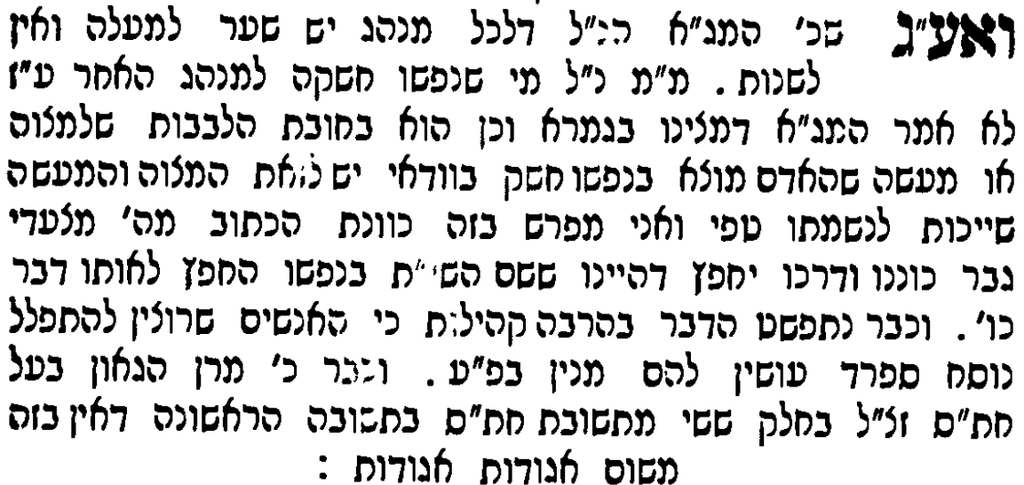
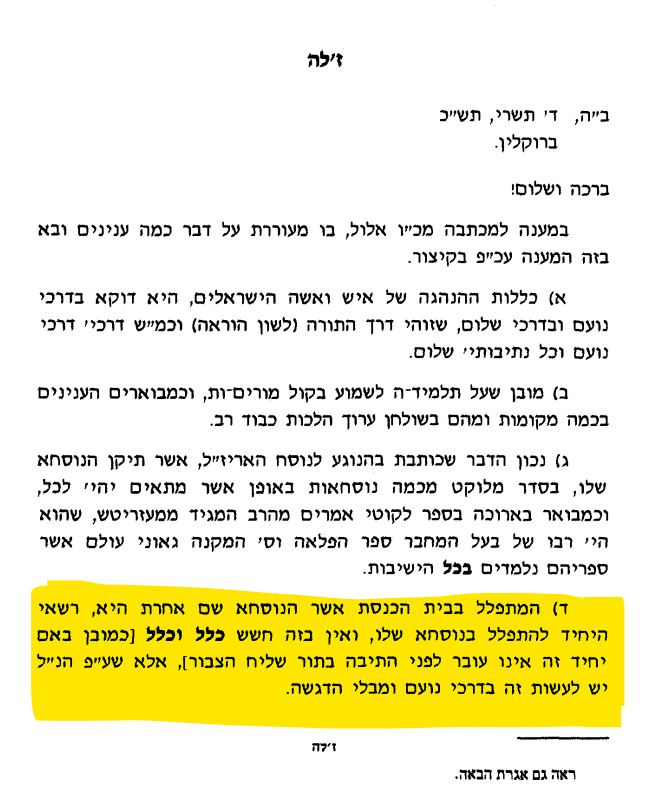
A letter from the Lubavitcher Rebbe 22 Kislev 5722
"Replying to your questions: when you Daven individually, you should follow Nusach Ari; when you act as Shliach-Tzibbur (if there is a need for it) - you should follow the Nusach of the majority of the congregation..."
שערי הלכה ומנהג - אורח חיים - חלק א - שניאורסאהן, מנחם מענדל בן לוי יצחק (אדמו"ר מליובאוויטש)
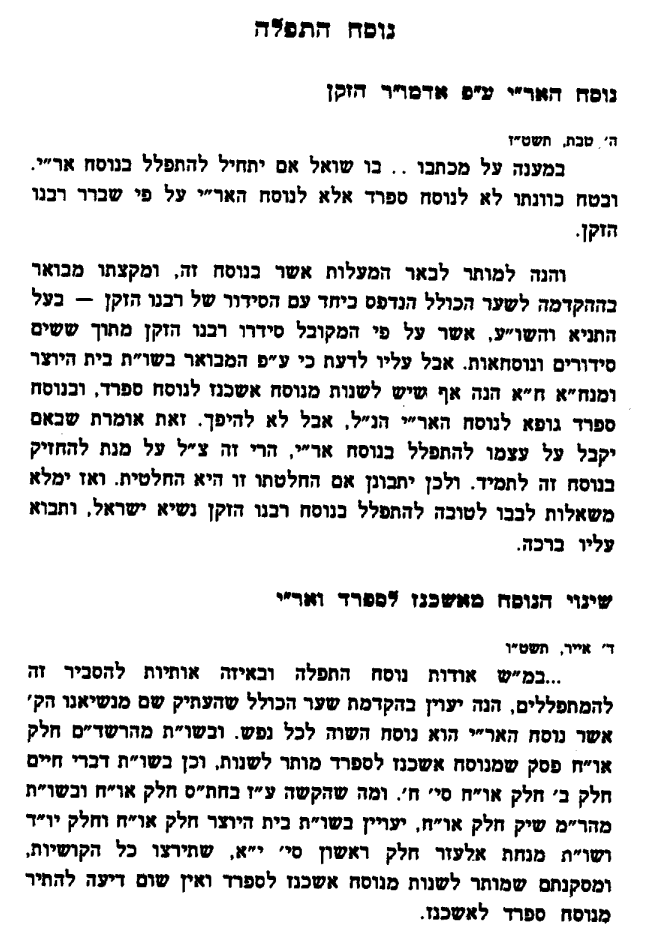
An Excerpt from Peninei Halakha - Rabbi Eliezer MelamedAn Ashkenazi who wants to pray according to the Ari’s writings, and for that purpose wishes to switch to Nusach Sephard-Chassidi, is permitted to do so. There were some prominent individuals from Ashkenaz who did this, among them the Chatam Sofer’s rabbis, Rabbi Natan Adler, and Rabbi Pinchas, the author of the Hafla’ah. Nevertheless, their families and students continued to pray in Nusach Ashkenaz, for they understood that only a specific individual who wants to pray according to the kavanot Ha’Ari is permitted to change his nusach, but it is not proper for someone who does not pray with those kavanot to do so. However, the leaders of the Chassidic movement encouraged all their followers to switch from Nusach Ashkenaz to Nusach Sephard-Chassidi, despite the fact that most of them were not familiar with the Ari’s kavanot. Indeed, prominent rabbis have vehemently disagreed with them, wondering how they could have changed their minhag, but the eminent leaders of the Chassidic movement, who were also illustrious world figures, decided to change their custom and surely had honorable reasons. Nowadays, no one objects to their practice (see She’arim Metzuyanim BaHalachah 18:4; Igrot Moshe, Orach Chaim, part 2, 24).
If a person has a choice of two synagogues, one where the prayer service is conducted in his family’s nusach but where no Torah classes are organized, and another, which provides Torah study but where the people pray in a different nusach, he must consider his options. If he reasons that praying in the synagogue with more Torah will help him learn more, it is better that he pray there even though the service is not conducted in his family’s tradition. Likewise, in choosing a yeshiva, one should not choose a place of learning according to the nusach of the prayers. Instead, he should choose the yeshiva in which he can become more elevated in Torah and mitzvot.
Similarly, if a person must choose between two synagogues: one, where the congregation prays in his family’s nusach, but he is concerned that he will not be able to connect with the people because they are either too old, too young, or too few in number and another, where they do not pray in his family’s nusach, but there is a unified congregation with which he can better identify. If he feels that by joining the prayers of the latter synagogue, his connection to the Jewish religious community will intensify, thereby enhancing or at least sustaining his spiritual level, it is preferable that he pray there, even though the prayers are not his family’s nusach.
Other resources:
אָמַר רַבִּי תַּנְחוּם בַּר חֲנִילַאי: לְעוֹלָם אַל יְשַׁנֶּה אָדָם מִן הַמִּנְהָג, שֶׁהֲרֵי מֹשֶׁה עָלָה לַמָּרוֹם וְלֹא אָכַל לֶחֶם, מַלְאֲכֵי הַשָּׁרֵת יָרְדוּ לְמַטָּה וְאָכְלוּ לֶחֶם...
The Gemara asks: And why do I need three calves? One calf should be sufficient for three guests. Rav Ḥanan bar Rava said: Abraham prepared three calves in order to feed the guests three tongues with mustard, a particular delicacy. With regard to this incident, Rabbi Tanḥum bar Ḥanilai says: A person should never deviate from the local custom, as Moses ascended to heaven on high and did not eat bread while he was there, whereas the ministering angels descended down to this world, as guests visiting Abraham, and they ate bread. You say: And they ate bread? Can it enter your mind that they actually ate food? Rather, say that they merely appeared as though they ate and drank.