Save
Save Copy
Copy Add to Collection
 Export to Google Docs
 Share
ShareRains
(יא) וְהָאָ֗רֶץ אֲשֶׁ֨ר אַתֶּ֜ם עֹבְרִ֥ים שָׁ֙מָּה֙ לְרִשְׁתָּ֔הּ אֶ֥רֶץ הָרִ֖ים וּבְקָעֹ֑ת לִמְטַ֥ר הַשָּׁמַ֖יִם תִּשְׁתֶּה־מָּֽיִם׃
(11) but the land you are about to cross into and possess, a land of hills and valleys, soaks up its water from the rains of heaven.
The world in which the ancient Israelites lived was surrounded by two major centers of civilization: Mesopotamia and Egypt.
Mesopotamia's economy and culture were based on irrigation from the Tigris and Euphrates, just as Egypt's was based on the Nile. These societies set their time cycles accordingly: the year began in the spring, after the snow had begun melting in the mountains and had started flowing into the rivers.
Ancient Canaanite religion expressed the transitions from season to season mythically in terms of their primary deity, Baal or Hadad, the storm god who brings the rain and causes the soil to be fertile. This mythic connection finds expression in the demythologized term sdeh ba`al (lit. "field of ba`al," m. Baba Batra 3;1) used to describe a field irrigated by the rain. The pagan origins of this mishnaic phrase are obvious.
https://www.thetorah.com/article/babylonian-rosh-hashanah-battle-creation-enthronement-and-justice
Depending on time and place, the Mesopotamian New Year began either in the beginning of autumn, on the first day of the seventh month, called Tashritu (the origin of the Hebrew month-name Tishrei, not yet found in the Bible), literally meaning "Beginning"; and in the beginning of spring, on the first day of the first month, called Nisannu (Hebrew Nisan, found in the late biblical texts Esther 3:7 and Nehemiah 2:1), originally a Sumerian word meaning "First-fruit (offering)." Thus, even the names of both months exhibit their calendrical role as "beginnings."
| Species | Type of Water |
| Etrog/Citron/P'ri Etz Hadar | Doesn't need natural water source (any water, including irrigation) |
| Palm/Lulav | Grows near fountains of water |
| Myrtle/Hadas | Depends on rainwater to grow |
| Willow/Arava | Symbolizes water in brooks and streams |
http://www.neohasid.org/stoptheflood/sukkot_in-between/
| Species | Habitats in Israel |
| Etrog/Citron/P'ri Etz Hadar | Lowlands, agricultural land |
| Palm/Lulav | Desert |
| Myrtle/Hadas | Mountains |
| Willow/Arava | Rivers and Streams |
(א) מֵאֵימָתַי מַזְכִּירִין גְּבוּרוֹת גְּשָׁמִים. רַבִּי אֱלִיעֶזֶר אוֹמֵר, מִיּוֹם טוֹב הָרִאשׁוֹן שֶׁל חָג. רַבִּי יְהוֹשֻׁעַ אוֹמֵר, מִיּוֹם טוֹב הָאַחֲרוֹן שֶׁל חָג. אָמַר לוֹ רַבִּי יְהוֹשֻׁעַ. הוֹאִיל וְאֵין הַגְּשָׁמִים אֶלָּא סִימַן קְלָלָה בֶּחָג, לָמָּה מַזְכִּיר. אָמַר לוֹ רַבִּי אֱלִיעֶזֶר, אַף אֲנִי לֹא אָמַרְתִּי לִשְׁאוֹל, אֶלָּא לְהַזְכִּיר מַשִּׁיב הָרוּחַ וּמוֹרִיד הַגֶּשֶׁם בְּעוֹנָתוֹ. אָמַר לוֹ, אִם כֵּן, לְעוֹלָם יְהֵא מַזְכִּיר:
(ב) אֵין שׁוֹאֲלִין אֶת הַגְּשָׁמִים אֶלָּא סָמוּךְ לַגְּשָׁמִים. רַבִּי יְהוּדָה אוֹמֵר, הָעוֹבֵר לִפְנֵי הַתֵּבָה בְּיוֹם טוֹב הָאַחֲרוֹן שֶׁל חַג, הָאַחֲרוֹן מַזְכִּיר, הָרִאשׁוֹן אֵינוֹ מַזְכִּיר. בְּיוֹם טוֹב הָרִאשׁוֹן שֶׁל פֶּסַח, הָרִאשׁוֹן מַזְכִּיר, הָאַחֲרוֹן אֵינוֹ מַזְכִּיר. עַד אֵימָתַי שׁוֹאֲלִין אֶת הַגְּשָׁמִים, רַבִּי יְהוּדָה אוֹמֵר, עַד שֶׁיַּעֲבֹר הַפָּסַח. רַבִּי מֵאִיר אוֹמֵר, עַד שֶׁיֵּצֵא נִיסָן, שֶׁנֶּאֱמַר (יואל ב) וַיּוֹרֶד לָכֶם גֶּשֶׁם, מוֹרֶה וּמַלְקוֹשׁ בָּרִאשׁוֹן:
(ג) בִּשְׁלשָׁה בְמַרְחֶשְׁוָן שׁוֹאֲלִין אֶת הַגְּשָׁמִים. רַבָּן גַּמְלִיאֵל אוֹמֵר, בְּשִׁבְעָה בוֹ, חֲמִשָּׁה עָשָׂר יוֹם אַחַר הֶחָג, כְּדֵי שֶׁיַּגִּיעַ אַחֲרוֹן שֶׁבְּיִשְׂרָאֵל לִנְהַר פְּרָת:
(ד) הִגִּיעַ שִׁבְעָה עָשָׂר בְּמַרְחֶשְׁוָן וְלֹא יָרְדוּ גְשָׁמִים, הִתְחִילוּ הַיְחִידִים מִתְעַנִּין שָׁלשׁ תַּעֲנִיּוֹת. אוֹכְלִין וְשׁוֹתִין מִשֶּׁחֲשֵׁכָה, וּמֻתָּרִין בִּמְלָאכָה וּבִרְחִיצָה וּבְסִיכָה וּבִנְעִילַת הַסַּנְדָּל וּבְתַשְׁמִישׁ הַמִּטָּה:
(ה) הִגִּיעַ רֹאשׁ חֹדֶשׁ כִּסְלֵו וְלֹא יָרְדוּ גְשָׁמִים, בֵּית דִּין גּוֹזְרִין שָׁלשׁ תַּעֲנִיוֹת עַל הַצִּבּוּר. אוֹכְלִין וְשׁוֹתִין מִשֶּׁחֲשֵׁכָה, וּמֻתָּרִין בִּמְלָאכָה וּבִרְחִיצָה וּבְסִיכָה וּבִנְעִילַת הַסַּנְדָּל וּבְתַשְׁמִישׁ הַמִּטָּה:
(ו) עָבְרוּ אֵלּוּ וְלֹא נַעֲנוּ, בֵּית דִּין גּוֹזְרִין שָׁלשׁ תַּעֲנִיּוֹת אֲחֵרוֹת עַל הַצִּבּוּר. אוֹכְלִין וְשׁוֹתִין מִבְּעוֹד יוֹם, וַאֲסוּרִין בִּמְלָאכָה וּבִרְחִיצָה וּבְסִיכָה וּבִנְעִילַת הַסַּנְדָּל וּבְתַשְׁמִישׁ הַמִּטָּה, וְנוֹעֲלִין אֶת הַמֶּרְחֲצָאוֹת. עָבְרוּ אֵלּוּ וְלֹא נַעֲנוּ, בֵּית דִּין גּוֹזְרִין עֲלֵיהֶם עוֹד שֶׁבַע, שֶׁהֵן שְׁלשׁ עֶשְׂרֵה תַּעֲנִיּוֹת עַל הַצִּבּוּר. הֲרֵי אֵלּוּ יְתֵרוֹת עַל הָרִאשׁוֹנוֹת, שֶׁבָּאֵלּוּ מַתְרִיעִין וְנוֹעֲלִין אֶת הַחֲנוּיוֹת, בַּשֵּׁנִי מַטִּין עִם חֲשֵׁכָה, וּבַחֲמִישִׁי מֻתָּרִין מִפְּנֵי כְבוֹד הַשַּׁבָּת:
(ז) עָבְרוּ אֵלּוּ וְלֹא נַעֲנוּ, מְמַעֲטִין בְּמַשָּׂא וּמַתָּן, בְּבִנְיָן וּבִנְטִיעָה, בְּאֵרוּסִין וּבְנִשּׂוּאִין וּבִשְׁאֵלַת שָׁלוֹם בֵּין אָדָם לַחֲבֵרוֹ, כִּבְנֵי אָדָם הַנְּזוּפִין לַמָּקוֹם. הַיְחִידִים חוֹזְרִים וּמִתְעַנִּים עַד שֶׁיֵּצֵא נִיסָן. יָצָא נִיסָן וְלֹא יָרְדוּ גְשָׁמִים, סִימַן קְלָלָה, שֶׁנֶּאֱמַר (שמואל א יב) הֲלוֹא קְצִיר חִטִּים הַיּוֹם, וְגוֹ':
(1)From when, i.e., from which date, does one begin to mention the might of the rains by inserting the phrase: He makes the wind blow and rain fall, in the second blessing of the Amida prayer? Rabbi Eliezer says: The phrase is inserted from the first Festival day of the festival of Sukkot. Rabbi Yehoshua says: From the last Festival day of the festival of Sukkot. Rabbi Yehoshua said to Rabbi Eliezer: Since rain is nothing other than a sign of a curse during the festival of Sukkot, as rainfall forces Jews to leave their sukkot, why should one mention the might of rain during this period? Rabbi Eliezer said to him: I too did not say that it is proper to request rain at this time, but it is proper only to mention the phrase: He makes the wind blow and rain fall, in its due time. Rabbi Yehoshua said to him: If so, i.e., if reciting the phrase does not constitute a request for rain, one should always mention rain, even in the summer.
(2) The mishna states a general principle: One requests rain only immediately preceding the rainy season. Rabbi Yehuda says: With regard to the one who passes before the ark as prayer leader on the concluding Festival day of the festival of Sukkot, the Eighth Day of Assembly: The last prayer leader, who leads the additional prayer, mentions rain, whereas the first prayer leader, for the morning prayer, does not mention rain. The opposite is the case at the conclusion of the period for mentioning rain on the first Festival day of Passover: Here, the first prayer leader, who leads the morning prayer, mentions rain, while the last prayer leader, who leads the additional prayer, does not mention rain. Until when does one request rain? Rabbi Yehuda says: We request rain until Passover has passed. Rabbi Meir says: Until the month of Nisan has ended, as it is stated: “And He causes to come down for you the rain, the first rain and the last rain, in the first month” (Joel 2:23). Since the verse states that it rains in Nisan, the first month, this indicates that the entire month is considered part of the rainy season.
(3)On the third of the month of Marḥeshvan one starts to request rain by inserting the phrase: And give dew and rain, in the blessing of the years, the ninth blessing of the Amida. Rabban Gamliel says: One starts to request rain on the seventh of Marḥeshvan, which is fifteen days after the festival of Sukkot. Rabban Gamliel explains that one waits these extra four days so that the last pilgrim of the Jewish people, who traveled to Jerusalem on foot for the Festival, can reach the Euphrates River without being inconvenienced by rain on his journey home.
(4) If the seventeenth of Marḥeshvan arrived and rain has not fallen, individuals, but not the entire community, begin to fast three fasts for rain. How are these fasts conducted? As the fast begins in the morning, one may eat and drink after dark, and one is permitted during the days of the fasts themselves to engage in the performance of work, in bathing, in smearing oil on one’s body, in wearing shoes, and in conjugal relations.(5) If the New Moon of Kislev arrived and rain has still not fallen, the court decrees three fasts on the entire community. Similar to the individual fasts, everyone may eat and drink after dark, and they are permitted to engage in the performance of work, in bathing, in smearing one’s body with oil, in wearing shoes, and in conjugal relations.(6)If these three regular fasts have passed and they have not been answered with rain, the court decrees three other fasts upon the community. These are severe fasts, in which one may eat and drink only while it is still day, before the beginning of the night of the fast, and on the day of the fast itself they are prohibited to engage in the performance of work, in bathing, in smearing with oil, in wearing shoes, and in marital relations; and they lock the bathhouses so that no one should come to bathe on that day. If these three fasts have passed and they still have not been answered, the court decrees on them another seven fasts, which are a total of thirteen fasts, upon the community, not including the first three fasts observed by individuals. These seven fast days are more severe than the first ones, as on these days, in addition to all the earlier stringencies, they sound the alarm, as will be explained in the Gemara, and they lock the stores. Although shops must remained closed most of the time on these days, on Monday they open them a little at nightfall to allow people to purchase food for breaking their fast, and on Thursday they are permitted to open the stores all day in deference to Shabbat, so that people may purchase food for the sacred day.
(7)If these fasts have passed and they have not been answered the court does not decree additional fasts, but the entire community observes the customs of mourning. They decrease their engagement in business transactions, in building and planting, in betrothals and marriages, and in greetings between each person and his fellow, like people who have been rebuked by God. The individuals, i.e., Torah scholars, resume fasting every Monday and Thursday until the month of Nisan ends. After this date they no longer pray for rain, since if Nisan has ended and rains subsequently fall, they are a sign of a curse, as it is stated: “Is not the wheat harvest today? I will call to the Lord that He may send thunder and rain, and you will know and see that your wickedness is great” (I Samuel 12:17). The wheat harvest is around the time of Shavuot, well after Nisan.
Local vs Central
(א) אֵ֠לֶּה הַֽחֻקִּ֣ים וְהַמִּשְׁפָּטִים֮ אֲשֶׁ֣ר תִּשְׁמְר֣וּן לַעֲשׂוֹת֒ בָּאָ֕רֶץ אֲשֶׁר֩ נָתַ֨ן ה׳ אֱלֹקֵ֧י אֲבֹתֶ֛יךָ לְךָ֖ לְרִשְׁתָּ֑הּ כׇּ֨ל־הַיָּמִ֔ים אֲשֶׁר־אַתֶּ֥ם חַיִּ֖ים עַל־הָאֲדָמָֽה׃ (ב) אַבֵּ֣ד תְּ֠אַבְּד֠וּן אֶֽת־כׇּל־הַמְּקֹמ֞וֹת אֲשֶׁ֧ר עָֽבְדוּ־שָׁ֣ם הַגּוֹיִ֗ם אֲשֶׁ֥ר אַתֶּ֛ם יֹרְשִׁ֥ים אֹתָ֖ם אֶת־אֱלֹהֵיהֶ֑ם עַל־הֶהָרִ֤ים הָֽרָמִים֙ וְעַל־הַגְּבָע֔וֹת וְתַ֖חַת כׇּל־עֵ֥ץ רַעֲנָֽן׃ (ג) וְנִתַּצְתֶּ֣ם אֶת־מִזְבְּחֹתָ֗ם וְשִׁבַּרְתֶּם֙ אֶת־מַצֵּ֣בֹתָ֔ם וַאֲשֵֽׁרֵיהֶם֙ תִּשְׂרְפ֣וּן בָּאֵ֔שׁ וּפְסִילֵ֥י אֱלֹֽהֵיהֶ֖ם תְּגַדֵּע֑וּן וְאִבַּדְתֶּ֣ם אֶת־שְׁמָ֔ם מִן־הַמָּק֖וֹם הַהֽוּא׃ (ד) לֹֽא־תַעֲשׂ֣וּן כֵּ֔ן לַה׳ אֱלֹקֵיכֶֽם׃ (ה) כִּ֠י אִֽם־אֶל־הַמָּק֞וֹם אֲשֶׁר־יִבְחַ֨ר ה׳ אֱלֹֽהֵיכֶם֙ מִכׇּל־שִׁבְטֵיכֶ֔ם לָשׂ֥וּם אֶת־שְׁמ֖וֹ שָׁ֑ם לְשִׁכְנ֥וֹ תִדְרְשׁ֖וּ וּבָ֥אתָ שָּֽׁמָּה׃ (ו) וַהֲבֵאתֶ֣ם שָׁ֗מָּה עֹלֹֽתֵיכֶם֙ וְזִבְחֵיכֶ֔ם וְאֵת֙ מַעְשְׂרֹ֣תֵיכֶ֔ם וְאֵ֖ת תְּרוּמַ֣ת יֶדְכֶ֑ם וְנִדְרֵיכֶם֙ וְנִדְבֹ֣תֵיכֶ֔ם וּבְכֹרֹ֥ת בְּקַרְכֶ֖ם וְצֹאנְכֶֽם׃ (ז) וַאֲכַלְתֶּם־שָׁ֗ם לִפְנֵי֙ ה׳ אֱלֹֽקֵיכֶ֔ם וּשְׂמַחְתֶּ֗ם בְּכֹל֙ מִשְׁלַ֣ח יֶדְכֶ֔ם אַתֶּ֖ם וּבָתֵּיכֶ֑ם אֲשֶׁ֥ר בֵּֽרַכְךָ֖ ה׳ אֱלֹקֶֽיךָ׃ (ח) לֹ֣א תַעֲשׂ֔וּן כְּ֠כֹ֠ל אֲשֶׁ֨ר אֲנַ֧חְנוּ עֹשִׂ֛ים פֹּ֖ה הַיּ֑וֹם אִ֖ישׁ כׇּל־הַיָּשָׁ֥ר בְּעֵינָֽיו׃ (ט) כִּ֥י לֹא־בָאתֶ֖ם עַד־עָ֑תָּה אֶל־הַמְּנוּחָה֙ וְאֶל־הַֽנַּחֲלָ֔ה אֲשֶׁר־ה׳ אֱלֹקֶ֖יךָ נֹתֵ֥ן לָֽךְ׃
(1) These are the laws and rules that you must carefully observe in the land that the ETERNAL, God of your ancestors, is giving you to possess, as long as you live on earth. (2) You must destroy all the sites at which the nations you are to dispossess worshiped their gods, whether on lofty mountains and on hills or under any luxuriant tree. (3) Tear down their altars, smash their pillars, put their sacred posts to the fire, and cut down the images of their gods, obliterating their name from that site. (4) Do not worship the ETERNAL your God in like manner, (5) but look only to the site that the ETERNAL your God will choose amidst all your tribes as God’s habitation, to establish the divine name there. There you are to go, (6) and there you are to bring your burnt offerings and other sacrifices, your tithes and contributions, your votive and freewill offerings, and the firstlings of your herds and flocks. (7) Together with your households, you shall feast there before the ETERNAL your God, happy in all the undertakings in which the ETERNAL your God has blessed you. (8) You shall not act at all as we now act here, everyone as they please, (9) because you have not yet come to the allotted haven that the ETERNAL your God is giving you.
(יח) הַבָּנִ֞ים מְלַקְּטִ֣ים עֵצִ֗ים וְהָאָבוֹת֙ מְבַעֲרִ֣ים אֶת־הָאֵ֔שׁ וְהַנָּשִׁ֖ים לָשׁ֣וֹת בָּצֵ֑ק לַעֲשׂ֨וֹת כַּוָּנִ֜ים לִמְלֶ֣כֶת הַשָּׁמַ֗יִם וְהַסֵּ֤ךְ נְסָכִים֙ לֵאלֹקִ֣ים אֲחֵרִ֔ים לְמַ֖עַן הַכְעִסֵֽנִי׃
(18) The children gather sticks, the fathers build the fire, and the mothers knead dough, to make cakes for the Queen of Heaven, and they pour libations to other gods, to vex Me.
(ד) וְיָשְׁב֗וּ אִ֣ישׁ תַּ֧חַת גַּפְנ֛וֹ וְתַ֥חַת תְּאֵנָת֖וֹ וְאֵ֣ין מַחֲרִ֑יד כִּי־פִ֛י ה׳ צְבָא֖וֹת דִּבֵּֽר׃
(4)But every family shall sitUnder its own vine and fig treeWith no one to disturb them.For it was GOD of Hosts who spoke.
Moons
Only in Leviticus 23 (Emor) and Numbers 28 (Pinchas) are ‘Pesach’ and ‘Sukkot’ holidays dated precisely to begin in the middle of the month, at full moon.
(Pinchas and Behaalotcha: new moon offerings. Exodus 12: the original mitzva - ‘this new moon shall be to you the first of moon[th]s.’ Leviticus 23: first day of the seventh month a day of teruah.)
Both the later strata of Torah and the Tannaim - rabbis of the Mishnaic period - make the moon much more focal, as we know it today. Both Rosh Chodesh and certain full moons gain a lot of emphasis.
(א) אַרְבָּעָה רָאשֵׁי שָׁנִים הֵם.
בְּאֶחָד בְּנִיסָן רֹאשׁ הַשָּׁנָה לַמְּלָכִים וְלָרְגָלִים.
בְּאֶחָד בֶּאֱלוּל רֹאשׁ הַשָּׁנָה לְמַעְשַׂר בְּהֵמָה. רַבִּי אֶלְעָזָר וְרַבִּי שִׁמְעוֹן אוֹמְרִים, בְּאֶחָד בְּתִשְׁרֵי.
בְּאֶחָד בְּתִשְׁרֵי רֹאשׁ הַשָּׁנָה לַשָּׁנִים וְלַשְּׁמִטִּין וְלַיּוֹבְלוֹת, לַנְּטִיעָה וְלַיְרָקוֹת.
בְּאֶחָד בִּשְׁבָט, רֹאשׁ הַשָּׁנָה לָאִילָן, כְּדִבְרֵי בֵית שַׁמַּאי. בֵּית הִלֵּל אוֹמְרִים, בַּחֲמִשָּׁה עָשָׂר בּוֹ:
(1)They are four days in the year that serve as the New Year, each for a different purpose: On the first of Nisan is the New Year for kings; it is from this date that the years of a king’s rule are counted. And the first of Nisan is also the New Year for the order of the Festivals, as it determines which is considered the first Festival of the year and which the last.
On the first of Elul is the New Year for animal tithes; all the animals born prior to that date belong to the previous tithe year and are tithed as a single unit, whereas those born after that date belong to the next tithe year. Rabbi Elazar and Rabbi Shimon say: The New Year for animal tithes is on the first of Tishrei.On the first of Tishrei is the New Year for counting years, as will be explained in the Gemara; for calculating Sabbatical Years and Jubilee Years, i.e., from the first of Tishrei there is a biblical prohibition to work the land during these years; for planting, for determining the years of orla, the three-year period from when a tree has been planted during which time its fruit is forbidden; and for tithing vegetables, as vegetables picked prior to that date cannot be tithed together with vegetables picked after that date.
On the first of Shevat is the New Year for the tree; the fruit of a tree that was formed prior to that date belong to the previous tithe year and cannot be tithed together with fruit that was formed after that date; this ruling is in accordance with the statement of Beit Shammai. But Beit Hillel say: The New Year for trees is on the fifteenth of Shevat.
“The history of the Jewish calendar may be divided into three periods—the Biblical, the Talmudic, and the post-Talmudic. The first rested purely on the observation of the sun and the moon, the second on observation and reckoning, the third entirely on reckoning…
The oldest term in Hebrew for the science of the calendar is kiviuta di‘yarcha ("fixing of the month"); later kiddush ha’chodesh ("sanctification of the new moon"); kiddush ha’chodesh al pi re’iyah ("sanctification of the new moon by means of observation"); kiddush ha’chodesh al pi cheshbon ("sanctification of the new moon by means of reckoning"); yediyah bi’kviuta di’yarcha ("science of fixing the month"); hilchot kiddush ha’chodesh ("rules for the sanctification of the new moon"). Among other names besides these we find sod ha’ibur ("the secret of intercalation"). The medieval and modern name is luach (“table” or “calendar.”)”
From
https://www.jewishencyclopedia.com/articles/3920-calendar-history-of
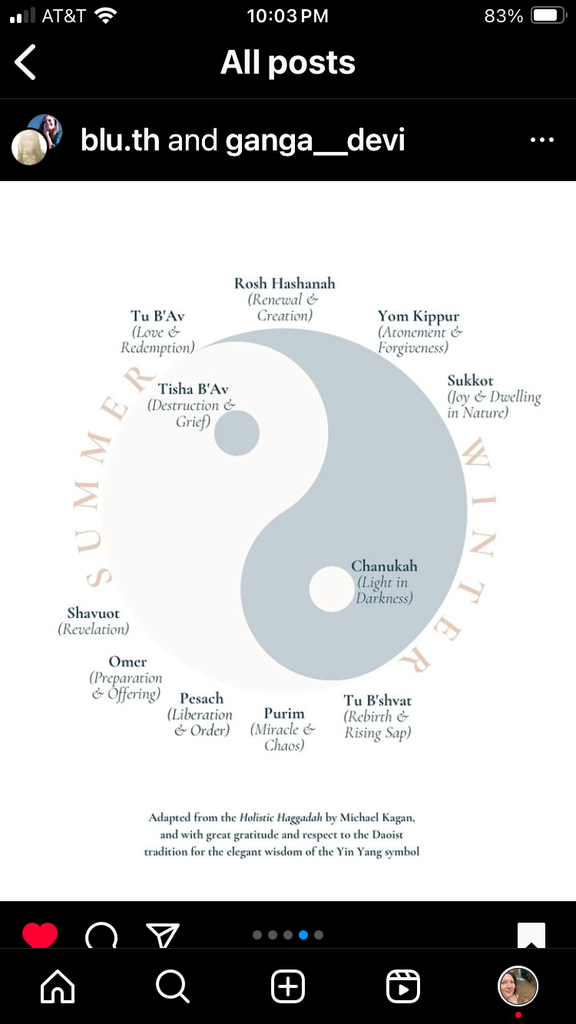
Sun, Moon and Seasons - Elements in Balance
(יד) וַיֹּ֣אמֶר אֱלֹקִ֗ים יְהִ֤י מְאֹרֹת֙ בִּרְקִ֣יעַ הַשָּׁמַ֔יִם לְהַבְדִּ֕יל בֵּ֥ין הַיּ֖וֹם וּבֵ֣ין הַלָּ֑יְלָה וְהָי֤וּ לְאֹתֹת֙ וּלְמ֣וֹעֲדִ֔ים וּלְיָמִ֖ים וְשָׁנִֽים׃
(14) God said, “Let there be lights in the expanse of the sky to separate day from night; they shall serve as signs for the set times—the days and the years;
(יט) עָשָׂ֣ה יָ֭רֵחַ לְמוֹעֲדִ֑ים שֶׁ֝֗מֶשׁ יָדַ֥ע מְבוֹאֽוֹ:
(19) He made the moon to mark the seasons;
the sun knows when to set.
(לה) וראשי חדשי הראשון הרביעי השביעי והעשירי, המה ימי הזיכרון וימי חג בארבע תקופות השנה:
(לו) כתובים וחקוקים המה לעדות מימים ימימה:
(לז) וישם אותם נוח לו למועדים לדורות עולם, להיות לו בהם חג זיכרון:
(35) On the new moons of the first, fourth, seventh and tenth months: these are the days of remembrance, and the days of the seasons [chag] in the four divisions [tekufot] of the year.
(36) These are written and ordained as a testimony for ever. (37) And Noah ordained them for himself as feasts [moadim] for the generations for ever, so that they have become thereby a memorial [chag zikaron] unto him.
תְּקוּפָה הָרִאשׁוֹנָה שֶׁל נִיסָן נִכְנֶסֶת בָּרֹאשׁ בִּשְׁעַת שַׁבְּתַאי, תְּקוּפַת תַּמּוּז נִכְנָס בְּחֶצְיָהּ שֶׁל שַׁבְּתַאי, תְּקוּפָה הָרִאשׁוֹנָה שֶׁל תִּשְׁרִי נִכְנֶסֶת בְּרֹאשׁ שְׁעוֹת צֶדֶק, תְּקוּפַת טֵבֵת נִכְנֶסֶת בְּחֶצְיוֹ שֶׁל צֶדֶק, וּשְׁאָר כָּל הַתְּקוּפוֹת נִכְנָסִין בְּרָאשָׁן שֶׁל שָׁעוֹת וּבְחֶצְיָן שֶׁל שָׁעוֹת.
The first Teḳuphah of Nisan took place at the beginning (of the hours) of Saturn. The Teḳuphah of Tammuz (took place) at the middle (of the hours) of Saturn. The Teḳuphah of Tishri (occurred) at the beginning of the hours of Jupiter. The Teḳuphah of Ṭebeth (took place) at the middle (of the hours) of Jupiter. And thus with all the other Teḳuphoth, which occur at the beginning of the hours or at the middle of the hours.
עֹ֖ד כׇּל־יְמֵ֣י הָאָ֑רֶץ זֶ֡רַע וְ֠קָצִ֠יר וְקֹ֨ר וָחֹ֜ם וְקַ֧יִץ וָחֹ֛רֶף וְי֥וֹם וָלַ֖יְלָה לֹ֥א יִשְׁבֹּֽתוּ:
“So long as the earth endures,
Seedtime and harvest,
Cold and heat,
Summer and winter,
Day and night
Shall not cease.”
מֵיתִיבִי: רַבָּן שִׁמְעוֹן בֶּן גַּמְלִיאֵל מִשּׁוּם רַבִּי מֵאִיר אוֹמֵר, וְכֵן הָיָה רַבִּי שִׁמְעוֹן בֶּן מְנַסְיָא אוֹמֵר כִּדְבָרָיו:
חֲצִי תִשְׁרֵי, מְרַחְשְׁוָן, וַחֲצִי כִסְלֵיו – זֶרַע.
חֲצִי כִסְלֵיו, טֵבֵת, וַחֲצִי שְׁבָט – חוֹרֶף.
חֲצִי שְׁבָט, אֲדָר, וַחֲצִי נִיסָן – קוֹר.
חֲצִי נִיסָן, אִיָּיר, וַחֲצִי סִיוָן – קָצִיר.
חֲצִי סִיוָן, תַּמּוּז, וַחֲצִי אָב – קַיִץ.
חֲצִי אָב, אֱלוּל, וַחֲצִי תִּשְׁרֵי – חוֹם.
רַבִּי יְהוּדָה מוֹנֶה מִתִּשְׁרִי, רַבִּי שִׁמְעוֹן מוֹנֶה מִמְּרַחְשְׁוָן.
The Gemara raises an objection to this from a baraita that discusses the verse: “While the earth remains, planting and harvest, and cold and heat, and summer and winter, and day and night shall not cease” (Genesis 8:22).
The baraita interprets this verse as referring to six seasons of the year: Rabban Shimon ben Gamliel says in the name of Rabbi Meir, and similarly, Rabbi Shimon ben Menasya would say in accordance with his statement:
The second half of Tishrei, all of Marḥeshvan, and the first half of Kislev are the days of planting.
The second half of Kislev, all of Tevet, and the first half of Shevat are the winter days.
The second half of Shevat, all of Adar, and the first half of Nisan are the period of cold;
the second half of Nisan, all of Iyar, and the first half of Sivan are the harvest period.
The second half of Sivan, all of Tammuz, and half of Av are the summer season, while
the second half of Av, all of Elul, and the first half of Tishrei are the season of heat.
The baraita adds: Rabbi Yehuda also would divide the year into these six seasons, but he counts from the beginning of Tishrei rather than from the middle. Rabbi Shimon counts from Marḥeshvan, so that Marḥeshvan and Kislev constitute the season of planting, and so on.
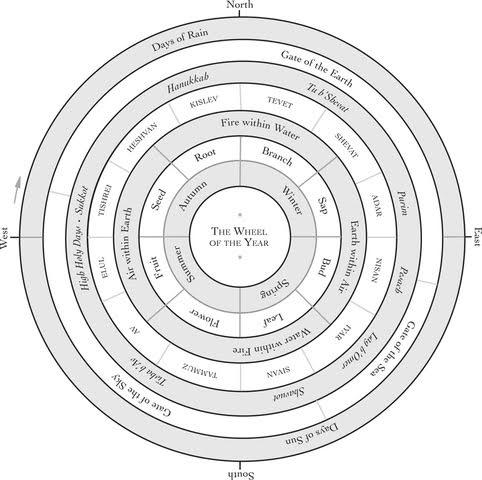
If we look carefully at the Jewish calendar, another possible interpretation of Genesis 8:22 appears — another midrash on Jewish time. In fact, the words the Divine speaks to Noah contain eight phrases: seed time, harvest, cold, heat, summer, winter, day, and night. The Sages ignore day and night as irrelevant, but what if we interpreted those phrases more metaphorically and saw them also as seasons? …
[Four new moons begin four seasons - see Pirkei d’Rabbi Eliezer and Book of Jubilees… plus the “cross-quarter days” of 15 Heshvan, Tu b’Shvat, Lag ba’Omer and Tu b’Av form approximate midpoints to each season.]
Half of Heshvan and Kislev: This is called night.
Tevet and half of Shvat: This is called winter.
Half of Shvat and Adar: This is called Cold.
Nisan and half of Iyar: This is called harvest.
Half of Iyar and Sivan: This is called day.
Tamuz and half of Av: This is called summer.
Half of Av and Elul: This is called heat.
The seed, corresponding to seed time.
The root, buried in the darkness of the soil.
The branch, laid bare in winter.
The sap, beginning to run in the cold season.
The bud, emerging to be harvested in its time.
The leaf, drawing in the light during the long days.
The flower, beginning to fade in the summer sun.
The fruit, ripening in the heat of summer.