Save
Save Copy
Copy Add to Collection
 Export to Google Docs
 Share
Share(א) וַתֵּ֣רֶא רָחֵ֗ל כִּ֣י לֹ֤א יָֽלְדָה֙ לְיַעֲקֹ֔ב וַתְּקַנֵּ֥א רָחֵ֖ל בַּאֲחֹתָ֑הּ וַתֹּ֤אמֶר אֶֽל־יַעֲקֹב֙ הָֽבָה־לִּ֣י בָנִ֔ים וְאִם־אַ֖יִן מֵתָ֥ה אָנֹֽכִי׃ (ב) וַיִּֽחַר־אַ֥ף יַעֲקֹ֖ב בְּרָחֵ֑ל וַיֹּ֗אמֶר הֲתַ֤חַת אֱלֹהִים֙ אָנֹ֔כִי אֲשֶׁר־מָנַ֥ע מִמֵּ֖ךְ פְּרִי־בָֽטֶן׃ (ג) וַתֹּ֕אמֶר הִנֵּ֛ה אֲמָתִ֥י בִלְהָ֖ה בֹּ֣א אֵלֶ֑יהָ וְתֵלֵד֙ עַל־בִּרְכַּ֔י וְאִבָּנֶ֥ה גַם־אָנֹכִ֖י מִמֶּֽנָּה׃ (ד) וַתִּתֶּן־ל֛וֹ אֶת־בִּלְהָ֥ה שִׁפְחָתָ֖הּ לְאִשָּׁ֑ה וַיָּבֹ֥א אֵלֶ֖יהָ יַעֲקֹֽב׃ (ה) וַתַּ֣הַר בִּלְהָ֔ה וַתֵּ֥לֶד לְיַעֲקֹ֖ב בֵּֽן׃ (ו) וַתֹּ֤אמֶר רָחֵל֙ דָּנַ֣נִּי אֱלֹהִ֔ים וְגַם֙ שָׁמַ֣ע בְּקֹלִ֔י וַיִּתֶּן־לִ֖י בֵּ֑ן עַל־כֵּ֛ן קָרְאָ֥ה שְׁמ֖וֹ דָּֽן׃ (ז) וַתַּ֣הַר ע֔וֹד וַתֵּ֕לֶד בִּלְהָ֖ה שִׁפְחַ֣ת רָחֵ֑ל בֵּ֥ן שֵׁנִ֖י לְיַעֲקֹֽב׃ (ח) וַתֹּ֣אמֶר רָחֵ֗ל נַפְתּוּלֵ֨י אֱלֹהִ֧ים ׀ נִפְתַּ֛לְתִּי עִם־אֲחֹתִ֖י גַּם־יָכֹ֑לְתִּי וַתִּקְרָ֥א שְׁמ֖וֹ נַפְתָּלִֽי׃ (ט) וַתֵּ֣רֶא לֵאָ֔ה כִּ֥י עָמְדָ֖ה מִלֶּ֑דֶת וַתִּקַּח֙ אֶת־זִלְפָּ֣ה שִׁפְחָתָ֔הּ וַתִּתֵּ֥ן אֹתָ֛הּ לְיַעֲקֹ֖ב לְאִשָּֽׁה׃ (י) וַתֵּ֗לֶד זִלְפָּ֛ה שִׁפְחַ֥ת לֵאָ֖ה לְיַעֲקֹ֥ב בֵּֽן׃ (יא) וַתֹּ֥אמֶר לֵאָ֖ה (בגד) [בָּ֣א גָ֑ד] וַתִּקְרָ֥א אֶת־שְׁמ֖וֹ גָּֽד׃ (יב) וַתֵּ֗לֶד זִלְפָּה֙ שִׁפְחַ֣ת לֵאָ֔ה בֵּ֥ן שֵׁנִ֖י לְיַעֲקֹֽב׃ (יג) וַתֹּ֣אמֶר לֵאָ֔ה בְּאׇשְׁרִ֕י כִּ֥י אִשְּׁר֖וּנִי בָּנ֑וֹת וַתִּקְרָ֥א אֶת־שְׁמ֖וֹ אָשֵֽׁר׃
(1) When Rachel saw that she had borne Jacob no children, she became envious of her sister; and Rachel said to Jacob, “Give me children, or I shall die.” (2) Jacob was incensed at Rachel, and said, “Can I take the place of God, who has denied you fruit of the womb?” (3) She said, “Here is my maid Bilhah. Consort with her, that she may bear on my knees and that through her I too may have children.” (4) So she gave him her maid Bilhah as concubine, and Jacob cohabited with her. (5) Bilhah conceived and bore Jacob a son. (6) And Rachel said, “God has vindicated me; [Heb. dananni, connected with “Dan.” ] indeed, [God] has heeded my plea and given me a son.” Therefore she named him Dan. (7) Rachel’s maid Bilhah conceived again and bore Jacob a second son. (8) And Rachel said, “A fateful contest I waged [Heb. naphtule … naphtalti, connected with “Naphtali.” Lit. “A contest of God….” ] with my sister; yes, and I have prevailed.” So she named him Naphtali. (9) When Leah saw that she had stopped bearing children, she took her maid Zilpah and gave her to Jacob as concubine. (10) And when Leah’s maid Zilpah bore Jacob a son, (11) Leah said, “What luck!” [Heb. “luck has come”; connected with “Gad.” ] So she named him Gad. (12) When Leah’s maid Zilpah bore Jacob a second son, (13) Leah declared, “What fortune!” [Heb. be’oshri, connected with “Asher.” ] meaning, “Women will deem me fortunate.” So she named him Asher.
(א) וַיְהִ֗י אַחֲרֵי֙ הַדְּבָרִ֣ים הָאֵ֔לֶּה וַיֹּ֣אמֶר לְיוֹסֵ֔ף הִנֵּ֥ה אָבִ֖יךָ חֹלֶ֑ה וַיִּקַּ֞ח אֶת־שְׁנֵ֤י בָנָיו֙ עִמּ֔וֹ אֶת־מְנַשֶּׁ֖ה וְאֶת־אֶפְרָֽיִם׃ (ב) וַיַּגֵּ֣ד לְיַעֲקֹ֔ב וַיֹּ֕אמֶר הִנֵּ֛ה בִּנְךָ֥ יוֹסֵ֖ף בָּ֣א אֵלֶ֑יךָ וַיִּתְחַזֵּק֙ יִשְׂרָאֵ֔ל וַיֵּ֖שֶׁב עַל־הַמִּטָּֽה׃ (ג) וַיֹּ֤אמֶר יַעֲקֹב֙ אֶל־יוֹסֵ֔ף אֵ֥ל שַׁדַּ֛י נִרְאָֽה־אֵלַ֥י בְּל֖וּז בְּאֶ֣רֶץ כְּנָ֑עַן וַיְבָ֖רֶךְ אֹתִֽי׃ (ד) וַיֹּ֣אמֶר אֵלַ֗י הִנְנִ֤י מַפְרְךָ֙ וְהִרְבִּיתִ֔ךָ וּנְתַתִּ֖יךָ לִקְהַ֣ל עַמִּ֑ים וְנָ֨תַתִּ֜י אֶת־הָאָ֧רֶץ הַזֹּ֛את לְזַרְעֲךָ֥ אַחֲרֶ֖יךָ אֲחֻזַּ֥ת עוֹלָֽם׃ (ה) וְעַתָּ֡ה שְׁנֵֽי־בָנֶ֩יךָ֩ הַנּוֹלָדִ֨ים לְךָ֜ בְּאֶ֣רֶץ מִצְרַ֗יִם עַד־בֹּאִ֥י אֵלֶ֛יךָ מִצְרַ֖יְמָה לִי־הֵ֑ם אֶפְרַ֙יִם֙ וּמְנַשֶּׁ֔ה כִּרְאוּבֵ֥ן וְשִׁמְע֖וֹן יִֽהְיוּ־לִֽי׃ (ו) וּמוֹלַדְתְּךָ֛ אֲשֶׁר־הוֹלַ֥דְתָּ אַחֲרֵיהֶ֖ם לְךָ֣ יִהְי֑וּ עַ֣ל שֵׁ֧ם אֲחֵיהֶ֛ם יִקָּרְא֖וּ בְּנַחֲלָתָֽם׃
(1) Some time afterward, Joseph was told, “Your father is ill.” So he took with him his two sons, Manasseh and Ephraim. (2) When Jacob was told, “Your son Joseph has come to see you,” Israel summoned his strength and sat up in bed. (3) And Jacob said to Joseph, “El Shaddai, who appeared to me at Luz in the land of Canaan, blessed me— (4) and said to me, ‘I will make you fertile and numerous, making of you a community of peoples; and I will assign this land to your offspring to come for an everlasting possession.’ (5) Now, your two sons, who were born to you in the land of Egypt before I came to you in Egypt, shall be mine; Ephraim and Manasseh shall be mine no less than Reuben and Simeon. (6) But progeny born to you after them shall be yours; they shall be recorded instead of their brothers in their inheritance.
(א) וַיֵּ֥לֶךְ אִ֖ישׁ מִבֵּ֣ית לֵוִ֑י וַיִּקַּ֖ח אֶת־בַּת־לֵוִֽי׃ (ב) וַתַּ֥הַר הָאִשָּׁ֖ה וַתֵּ֣לֶד בֵּ֑ן וַתֵּ֤רֶא אֹתוֹ֙ כִּי־ט֣וֹב ה֔וּא וַֽתִּצְפְּנֵ֖הוּ שְׁלֹשָׁ֥ה יְרָחִֽים׃ (ג) וְלֹא־יָכְלָ֣ה עוֹד֮ הַצְּפִינוֹ֒ וַתִּֽקַּֽח־לוֹ֙ תֵּ֣בַת גֹּ֔מֶא וַתַּחְמְרָ֥הֿ בַחֵמָ֖ר וּבַזָּ֑פֶת וַתָּ֤שֶׂם בָּהּ֙ אֶת־הַיֶּ֔לֶד וַתָּ֥שֶׂם בַּסּ֖וּף עַל־שְׂפַ֥ת הַיְאֹֽר׃ (ד) וַתֵּתַצַּ֥ב אֲחֹת֖וֹ מֵרָחֹ֑ק לְדֵעָ֕ה מַה־יֵּעָשֶׂ֖ה לֽוֹ׃ (ה) וַתֵּ֤רֶד בַּת־פַּרְעֹה֙ לִרְחֹ֣ץ עַל־הַיְאֹ֔ר וְנַעֲרֹתֶ֥יהָ הֹלְכֹ֖ת עַל־יַ֣ד הַיְאֹ֑ר וַתֵּ֤רֶא אֶת־הַתֵּבָה֙ בְּת֣וֹךְ הַסּ֔וּף וַתִּשְׁלַ֥ח אֶת־אֲמָתָ֖הּ וַתִּקָּחֶֽהָ׃ (ו) וַתִּפְתַּח֙ וַתִּרְאֵ֣הוּ אֶת־הַיֶּ֔לֶד וְהִנֵּה־נַ֖עַר בֹּכֶ֑ה וַתַּחְמֹ֣ל עָלָ֔יו וַתֹּ֕אמֶר מִיַּלְדֵ֥י הָֽעִבְרִ֖ים זֶֽה׃ (ז) וַתֹּ֣אמֶר אֲחֹתוֹ֮ אֶל־בַּת־פַּרְעֹה֒ הַאֵלֵ֗ךְ וְקָרָ֤אתִי לָךְ֙ אִשָּׁ֣ה מֵינֶ֔קֶת מִ֖ן הָעִבְרִיֹּ֑ת וְתֵינִ֥ק לָ֖ךְ אֶת־הַיָּֽלֶד׃ (ח) וַתֹּֽאמֶר־לָ֥הּ בַּת־פַּרְעֹ֖ה לֵ֑כִי וַתֵּ֙לֶךְ֙ הָֽעַלְמָ֔ה וַתִּקְרָ֖א אֶת־אֵ֥ם הַיָּֽלֶד׃ (ט) וַתֹּ֧אמֶר לָ֣הּ בַּת־פַּרְעֹ֗ה הֵילִ֜יכִי אֶת־הַיֶּ֤לֶד הַזֶּה֙ וְהֵינִקִ֣הוּ לִ֔י וַאֲנִ֖י אֶתֵּ֣ן אֶת־שְׂכָרֵ֑ךְ וַתִּקַּ֧ח הָאִשָּׁ֛ה הַיֶּ֖לֶד וַתְּנִיקֵֽהוּ׃ (י) וַיִּגְדַּ֣ל הַיֶּ֗לֶד וַתְּבִאֵ֙הוּ֙ לְבַת־פַּרְעֹ֔ה וַֽיְהִי־לָ֖הּ לְבֵ֑ן וַתִּקְרָ֤א שְׁמוֹ֙ מֹשֶׁ֔ה וַתֹּ֕אמֶר כִּ֥י מִן־הַמַּ֖יִם מְשִׁיתִֽהוּ׃
(1) A certain member of the house of Levi went and took [into his household as his wife] a woman of Levi. (2) The woman conceived and bore a son; and when she saw how beautiful he was, she hid him for three months. (3) When she could hide him no longer, she got a wicker basket for him and caulked it with bitumen and pitch. She put the child into it and placed it among the reeds by the bank of the Nile. (4) And his sister stationed herself at a distance, to learn what would befall him. (5) The daughter of Pharaoh came down to bathe in the Nile, while her maidens walked along the Nile. She spied the basket among the reeds and sent her slave girl to fetch it. (6) When she opened it, she saw that it was a child, a boy crying. She took pity on it and said, “This must be a Hebrew child.” (7) Then his sister said to Pharaoh’s daughter, “Shall I go and get you a Hebrew nurse to suckle the child for you?” (8) And Pharaoh’s daughter answered, “Yes.” So the girl went and called the child’s mother. (9) And Pharaoh’s daughter said to her, “Take this child and nurse it for me, and I will pay your wages.” So the woman took the child and nursed it. (10) When the child grew up, she brought him to Pharaoh’s daughter, who made him her son. She named him Moses, explaining, “I drew him out of the water.”
(ג) וְאֵלֶּה בְּנֵי בִּתְיָה בַת פַּרְעֹה, רַבִּי יְהוֹשֻׁעַ דְּסִכְנִין בְּשֵׁם רַבִּי לֵוִי אָמַר לָהּ הַקָּדוֹשׁ בָּרוּךְ הוּא לְבִתְיָה בַּת פַּרְעֹה, משֶׁה לֹא הָיָה בְּנֵךְ וּקְרָאתוֹ בְּנֵךְ, אַף אַתְּ לֹא אַתְּ בִּתִּי וַאֲנִי קוֹרֵא אוֹתָךְ בִּתִּי, שֶׁנֶּאֱמַר: אֵלֶּה בְּנֵי בִּתְיָה, בַּת יָהּ. (דברי הימים א ד, יח):
(3) “These are the sons of Bitya daughter of Pharaoh” (I Chronicles 4:18) – Rabbi Yehoshua of Sikhnin said in the name of Rabbi Levi: The Holy Blessed One said to Bitya daughter of Pharaoh: ‘Moses was not your son, but you called him your son; you, too, are not My daughter, but I call you My daughter,’ as it is stated: “These are the sons of Bitya,” the daughter of God [bat Yah].
(ט) עֶרְוַ֨ת אֲחֽוֹתְךָ֤ בַת־אָבִ֙יךָ֙ א֣וֹ בַת־אִמֶּ֔ךָ מוֹלֶ֣דֶת בַּ֔יִת א֖וֹ מוֹלֶ֣דֶת ח֑וּץ לֹ֥א תְגַלֶּ֖ה עֶרְוָתָֽן׃ {ס}
(9) The nakedness of your sister—your father’s daughter or your mother’s, whether born into the household or outside—do not uncover their nakedness.
(א) וְאֵ֛לֶּה תּוֹלְדֹ֥ת אַהֲרֹ֖ן וּמֹשֶׁ֑ה בְּי֗וֹם דִּבֶּ֧ר יהוה אֶת־מֹשֶׁ֖ה בְּהַ֥ר סִינָֽי׃ (ב) וְאֵ֛לֶּה שְׁמ֥וֹת בְּֽנֵי־אַהֲרֹ֖ן הַבְּכֹ֣ר ׀ נָדָ֑ב וַאֲבִיה֕וּא אֶלְעָזָ֖ר וְאִיתָמָֽר׃ (ג) אֵ֗לֶּה שְׁמוֹת֙ בְּנֵ֣י אַהֲרֹ֔ן הַכֹּהֲנִ֖ים הַמְּשֻׁחִ֑ים אֲשֶׁר־מִלֵּ֥א יָדָ֖ם לְכַהֵֽן׃
(1) This is the line of Aaron and Moses at the time that יהוה spoke with Moses on Mount Sinai. (2) These were the names of Aaron’s sons: Nadav, the first-born, and Avihu, Eleazar and Itamar; (3) those were the names of Aaron’s sons, the anointed priests who were ordained for priesthood.
ואלה תולדת אהרן ומשה. וְאֵינוֹ מַזְכִּיר אֶלָּא בְנֵי אַהֲרֹן וְנִקְרְאוּ תוֹלְדוֹת מֹשֶׁה, לְפִי שֶׁלִּמְּדָן תּוֹרָה, מְלַמֵּד שֶׁכָּל הַמְלַמֵּד אֶת בֶּן חֲבֵרוֹ תּוֹרָה מַעֲלֶה עָלָיו הַכָּתוּב כְּאִלּוּ יְלָדוֹ (סנהדרין י"ט):
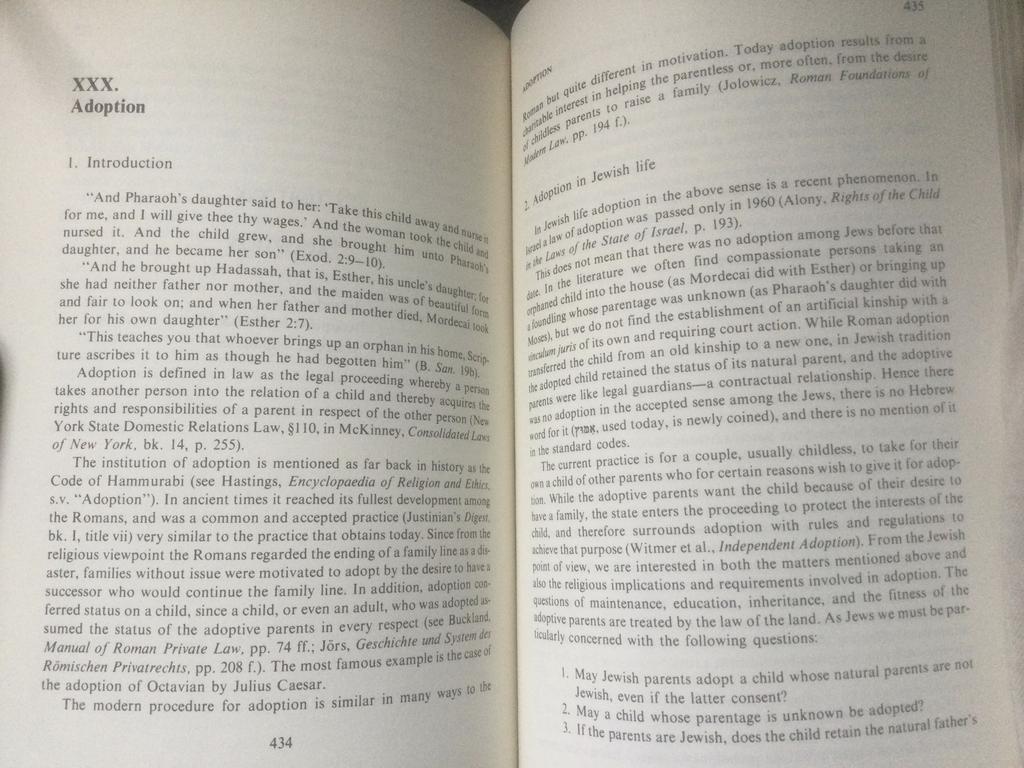
ואלה תולדת אהרן ומשה AND THESE ARE THE OFFSPRING OF AARON AND MOSES — But it mentions only the sons of Aaron! But they also are called the sons of Moses because he taught them the Torah. This tells us that whoever teaches the Torah to the son of his fellow man Scripture regards it to him as though he had begotten him (Sanhedrin 19b).
(כג) וּלְמִיכַל֙ בַּת־שָׁא֔וּל לֹא־הָ֥יָה לָ֖הּ יָ֑לֶד עַ֖ד י֥וֹם מוֹתָֽהּ׃ {פ}
(23) So to her dying day Michal daughter of Saul had no children.
(ח) וַיִּקַּ֣ח הַמֶּ֡לֶךְ אֶת־שְׁ֠נֵ֠י בְּנֵ֨י רִצְפָּ֤ה בַת־אַיָּה֙ אֲשֶׁ֣ר יָלְדָ֣ה לְשָׁא֔וּל אֶת־אַרְמֹנִ֖י וְאֶת־מְפִבֹ֑שֶׁת וְאֶת־חֲמֵ֗שֶׁת בְּנֵי֙ מִיכַ֣ל בַּת־שָׁא֔וּל אֲשֶׁ֥ר יָלְדָ֛ה לְעַדְרִיאֵ֥ל בֶּן־בַּרְזִלַּ֖י הַמְּחֹלָתִֽי׃
(8) Instead, the king took Armoni and Mephibosheth, the two sons that Rizpah daughter of Aiah bore to Saul, and the five sons that Michal daughter of Saul bore to Adriel son of Barzillai the Meholathite,
וְרַבִּי יְהוֹשֻׁעַ בֶּן קׇרְחָה נָמֵי, הָכְתִיב: ״אֶת חֲמֵשֶׁת בְּנֵי מִיכַל בַּת שָׁאוּל״? אָמַר לְךָ רַבִּי יְהוֹשֻׁעַ: וְכִי מִיכַל יָלְדָה? וַהֲלֹא מֵירַב יָלְדָה! מֵירַב יָלְדָה וּמִיכַל גִּידְּלָה, לְפִיכָךְ נִקְרְאוּ עַל שְׁמָהּ. לְלַמֶּדְךָ שֶׁכׇּל הַמְגַדֵּל יָתוֹם בְּתוֹךְ בֵּיתוֹ מַעֲלֶה עָלָיו הַכָּתוּב כְּאִילּוּ יְלָדוֹ.
The Gemara asks: And according to Rabbi Yehoshua ben Korḥa as well, isn’t it written: “And the five sons of Michal, daughter of Saul, whom she bore to Adriel” (II Samuel 21:8). Rabbi Yehoshua ben Korḥa could have said to you to understand it this way: And did Michal give birth to these children? But didn’t Merav give birth to them for Adriel? Rather, Merav gave birth to them and died, and Michal raised them in her house. Therefore, the children were called by her name, to teach you that with regard to anyone who raises an orphan in his house, the verse ascribes him credit as if he gave birth to him.
(ה) אִ֣ישׁ יְהוּדִ֔י הָיָ֖ה בְּשׁוּשַׁ֣ן הַבִּירָ֑ה וּשְׁמ֣וֹ מׇרְדֳּכַ֗י בֶּ֣ן יָאִ֧יר בֶּן־שִׁמְעִ֛י בֶּן־קִ֖ישׁ אִ֥ישׁ יְמִינִֽי׃ (ו) אֲשֶׁ֤ר הׇגְלָה֙ מִיר֣וּשָׁלַ֔יִם עִם־הַגֹּלָה֙ אֲשֶׁ֣ר הׇגְלְתָ֔ה עִ֖ם יְכׇנְיָ֣ה מֶֽלֶךְ־יְהוּדָ֑ה אֲשֶׁ֣ר הֶגְלָ֔ה נְבוּכַדְנֶצַּ֖ר מֶ֥לֶךְ בָּבֶֽל׃ (ז) וַיְהִ֨י אֹמֵ֜ן אֶת־הֲדַסָּ֗ה הִ֤יא אֶסְתֵּר֙ בַּת־דֹּד֔וֹ כִּ֛י אֵ֥ין לָ֖הּ אָ֣ב וָאֵ֑ם וְהַנַּעֲרָ֤ה יְפַת־תֹּ֙אַר֙ וְטוֹבַ֣ת מַרְאֶ֔ה וּבְמ֤וֹת אָבִ֙יהָ֙ וְאִמָּ֔הּ לְקָחָ֧הּ מׇרְדֳּכַ֛י ל֖וֹ לְבַֽת׃
(5) In the fortress Shushan lived a Jew by the name of Mordecai, son of Yair son of Shimei son of Kish, a Benjaminite. (6) [Kish] had been exiled from Jerusalem in the group that was carried into exile along with King Jeconiah of Judah, which had been driven into exile by King Nebuchadnezzar of Babylon. (7) He was foster father to Hadassah—that is, Esther—his uncle’s daughter, for she had neither father nor mother. The maiden was shapely and beautiful; and when her father and mother died, Mordecai adopted her as his own daughter.
״יָלְדָה״? וְהָא רַבּוֹיֵי רַבִּיתֵיהּ! לוֹמַר לְךָ שֶׁכׇּל הַמְגַדֵּל יָתוֹם וִיתוֹמָה בְּתוֹךְ בֵּיתוֹ — מַעֲלֶה עָלָיו הַכָּתוּב כְּאִילּוּ יְלָדוֹ.
The Gemara asks: Pharaoh’s daughter bore Moses? But didn’t she merely raise him? Rather, it is telling you that with regard to anyone who raises an orphan boy or girl in his house, the verse ascribes him credit as if he gave birth to him.
״אַשְׁרֵי שׁוֹמְרֵי מִשְׁפָּט עוֹשֵׂה צְדָקָה בְכׇל עֵת״. וְכִי אֶפְשָׁר לַעֲשׂוֹת צְדָקָה בְּכׇל עֵת? ... רַבִּי שְׁמוּאֵל בַּר נַחְמָנִי אָמַר: זֶה הַמְגַדֵּל יָתוֹם וִיתוֹמָה בְּתוֹךְ בֵּיתוֹ וּמַשִּׂיאָן.
The Gemara discusses a point related to one of the ordinances of Usha. The verse states: “Happy are they who keep justice, who perform charity at all times” (Psalms 106:3). But is it possible to perform charity at all times? Is one always in the presence of paupers? ...Rabbi Shmuel bar Naḥmani said: This is referring to one who raises an orphan boy or an orphan girl in his house, takes care of them, and marries them off.
(ו) הֶרְאָה לוֹ הַקָּדוֹשׁ בָּרוּךְ הוּא אֶת כָּל הָאוֹצָרוֹת שֶׁל מַתַּן שָׂכָר שֶׁהֵן מְתֻקָּנִין לַצַּדִּיקִים וְהוּא אוֹמֵר הָאוֹצָר הַזֶּה שֶׁל מִי הוּא, וְהוּא אוֹמֵר שֶׁל עוֹשֵׂי מִצְווֹת, וְהָאוֹצָר הַזֶּה שֶׁל מִי הוּא, שֶׁל מְגַדְּלֵי יְתוֹמִים
(6) The Holy One Blessed One showed [Moses] all the storehouses of reward that are designated for the righteous. [Moses] said: ‘Who does this storehouse belong to?’ [God] said: ‘It belongs to those who perform mitzvot.’ ‘And who does this storehouse belong to?’ ‘It belongs to those who raise orphans.’
(כח) וַיְבָ֣רֶךְ אֹתָם֮ אֱלֹהִים֒ וַיֹּ֨אמֶר לָהֶ֜ם אֱלֹהִ֗ים פְּר֥וּ וּרְב֛וּ וּמִלְא֥וּ אֶת־הָאָ֖רֶץ וְכִבְשֻׁ֑הָ וּרְד֞וּ בִּדְגַ֤ת הַיָּם֙ וּבְע֣וֹף הַשָּׁמַ֔יִם וּבְכׇל־חַיָּ֖ה הָֽרֹמֶ֥שֶׂת עַל־הָאָֽרֶץ׃
(28) God blessed them and God said to them, “Be fertile and increase, fill the earth and master it; and rule the fish of the sea, the birds of the sky, and all the living things that creep on earth.”
(ז) וְשִׁנַּנְתָּ֣ם לְבָנֶ֔יךָ וְדִבַּרְתָּ֖ בָּ֑ם בְּשִׁבְתְּךָ֤ בְּבֵיתֶ֙ךָ֙ וּבְלֶכְתְּךָ֣ בַדֶּ֔רֶךְ וּֽבְשׇׁכְבְּךָ֖ וּבְקוּמֶֽךָ׃
(7) Impress them upon your children. Recite them when you stay at home and when you are away, when you lie down and when you get up.
(טז) שֶׁכָּל הַמּוֹסִיף נֶפֶשׁ אַחַת בְּיִשְׂרָאֵל כְּאִלּוּ בָּנָה עוֹלָם.
(16) Anyone who adds a soul to the Jewish people is considered as if he built an entire world.
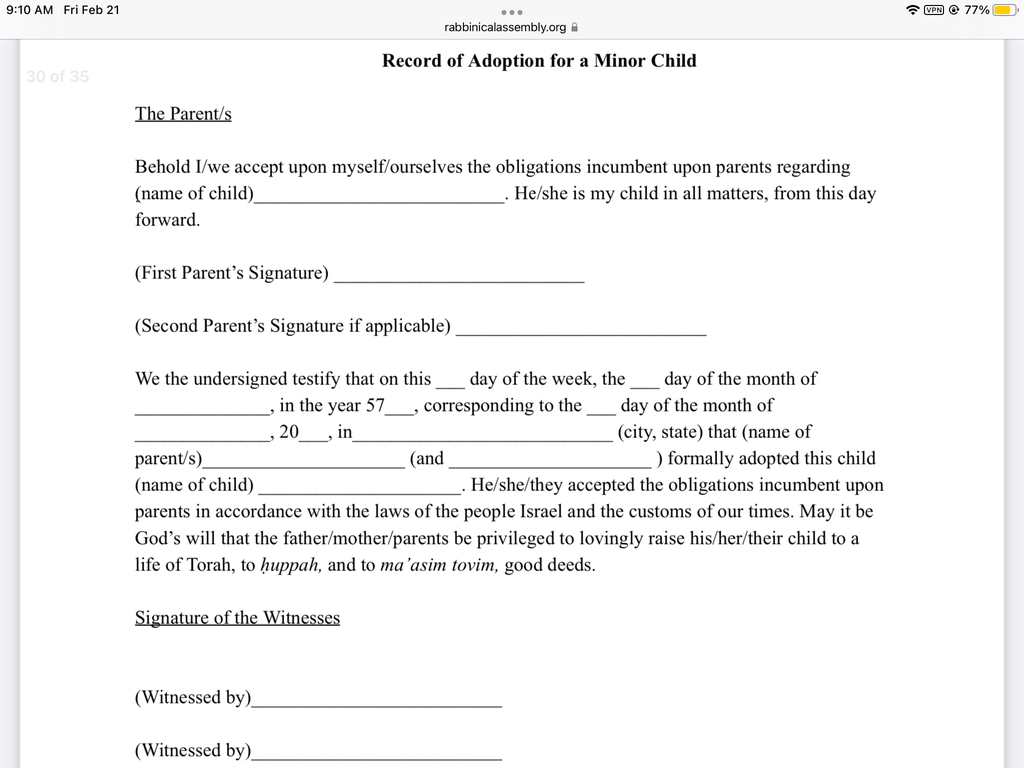
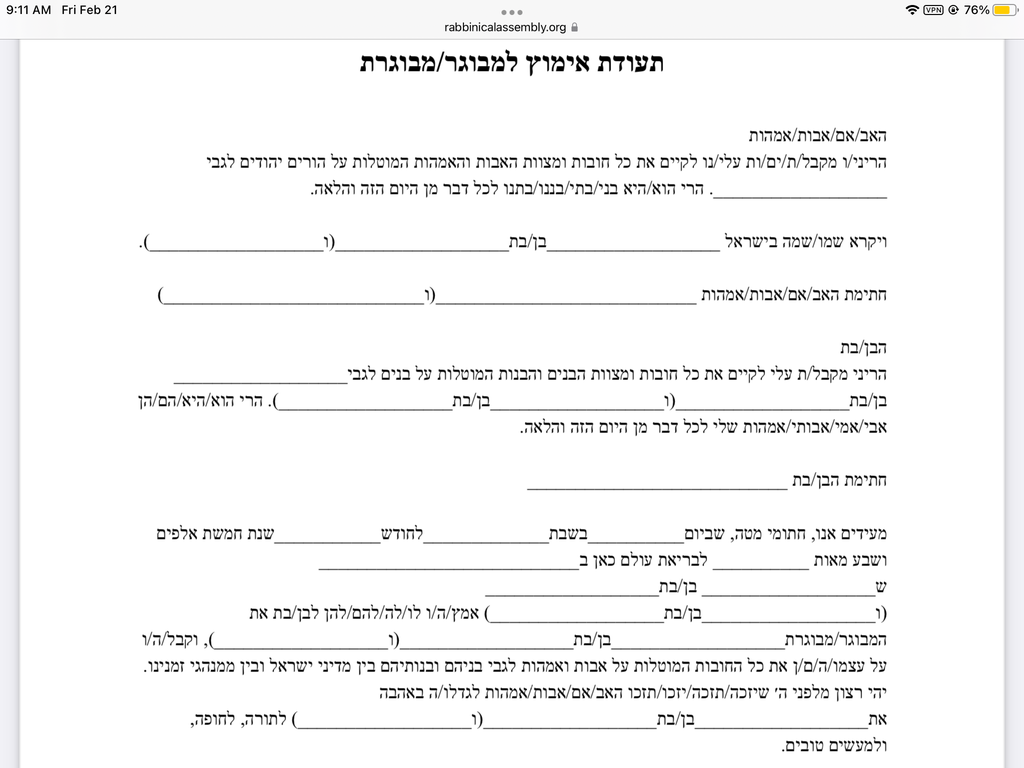
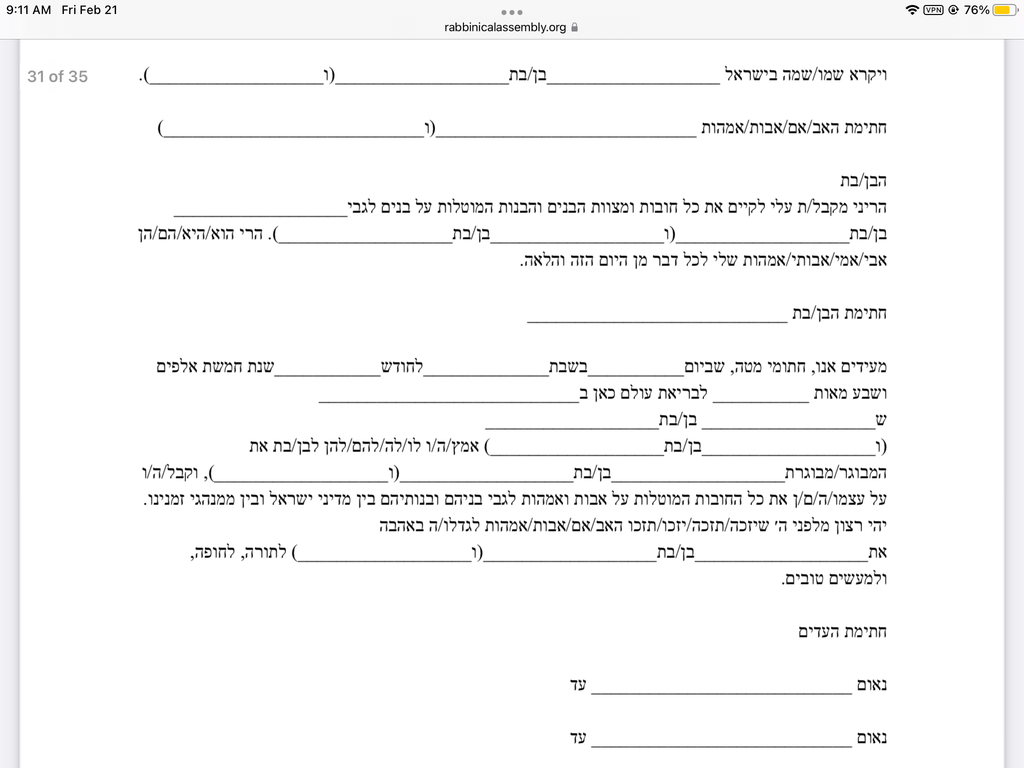
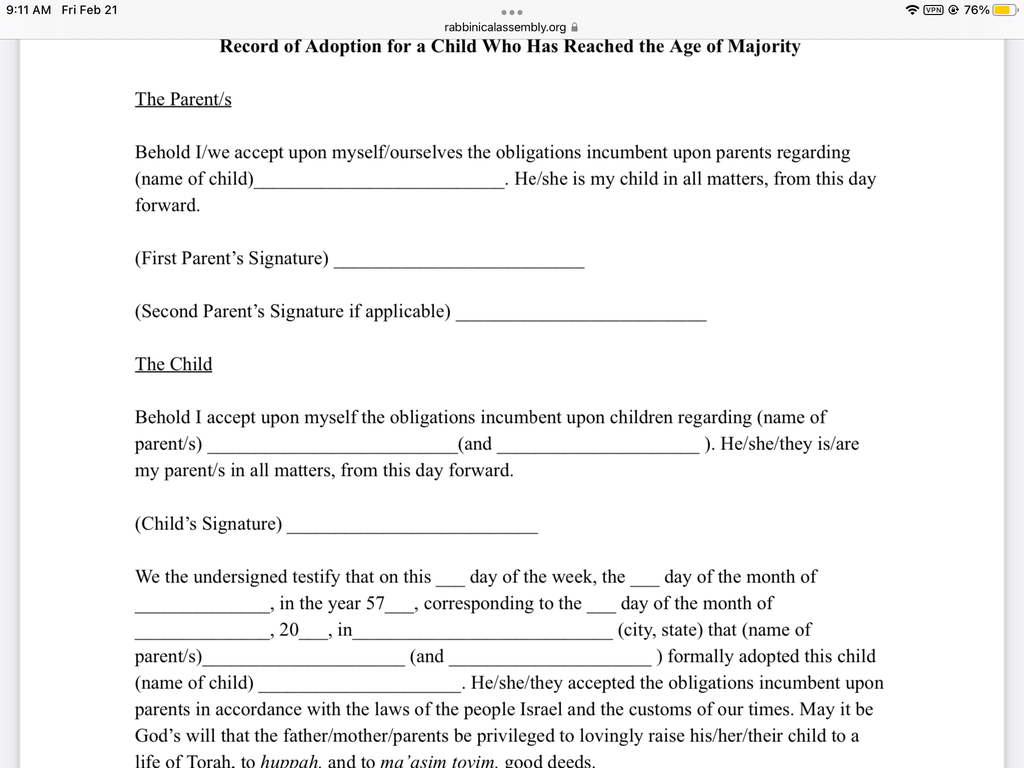
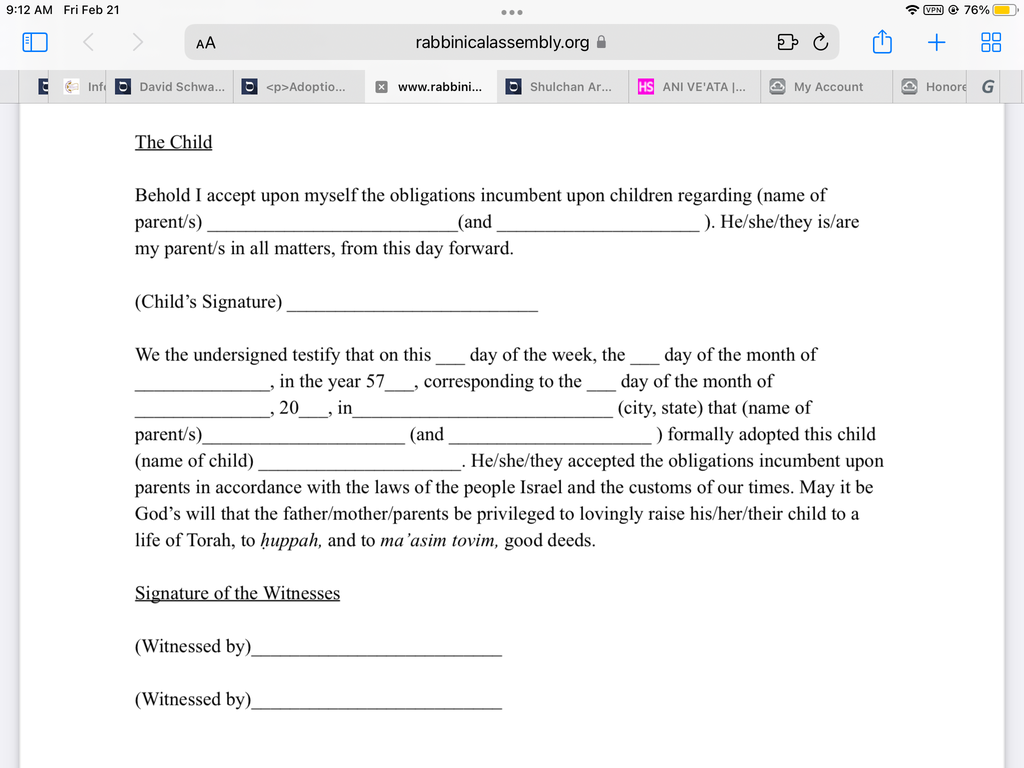
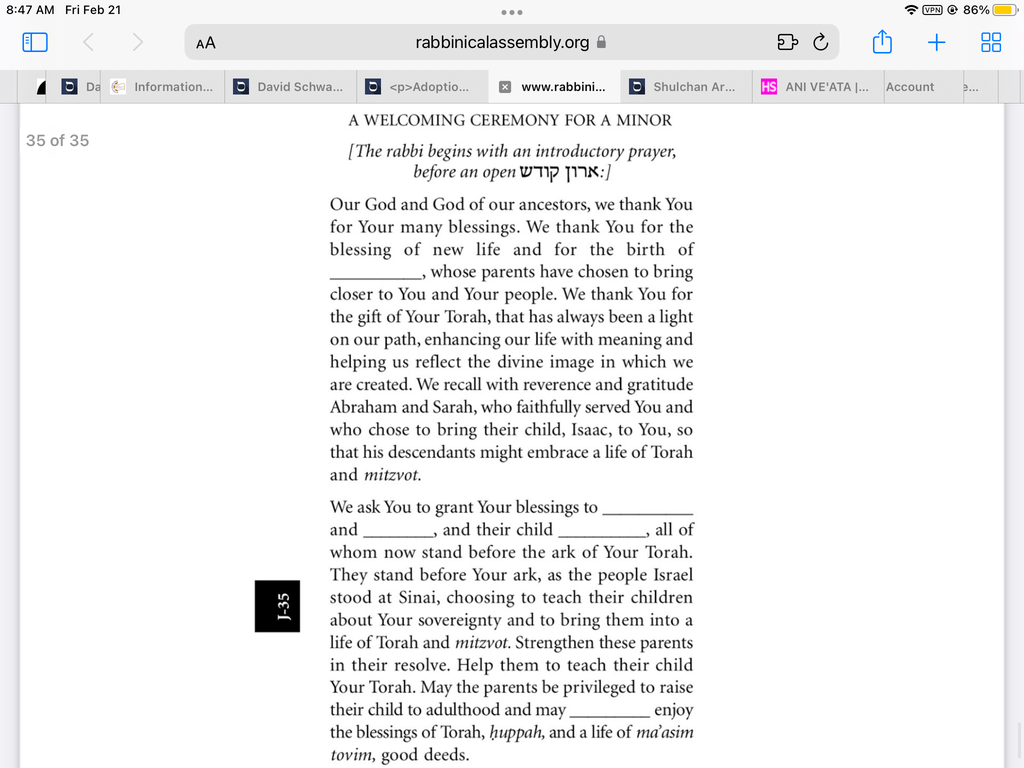
HOWEVER, if the child is being raised as a Jew, then it is better to consider this an Affirmation Ceremony rather than a Conversion Ceremony, because we are merely affirming the parents' intent to raise the child as a Jew. This language is particularly helpful for adoptive parents when the child is still very young and didn't have time to be raised in a different religion from which they need to be "converted".
Also, there’s a different blessing said after the circumcision over a cup of wine: ברוך אתה … אשר קדשנו במצותיו וציונו למול את הגרים ולהטיף מהם דם ברית שאלמלא דם בריתלא נתקיימו שמים וארץ שנאמר לא ברותי יומם ולילה חוקות שמים וארץ לא שמתי. ברוך אתה ה, כורת הברית
Blessed are you ... who commanded us to circumcise converts, to draw the blood of the covenant for if it were not for the blood of the covenant, the heavens and the earth would not exist, as it is written, If it were not for my covenant, I would not have made day and night, nor the laws of heaven and earth.
Ideally this circumcision is done before a Beit Din of three experts, but if that can’t be done then you need to witnesses to sign written testimony to the Beit Din that this happened. The mohel (ritual circumcisor) can be one of the witnesses, but the adopting parents can not count for this. If the mohel knows in advance they can try to arrange for somebody else to count as a witness, or the parents can find a (Jewish) non-related witness to count.
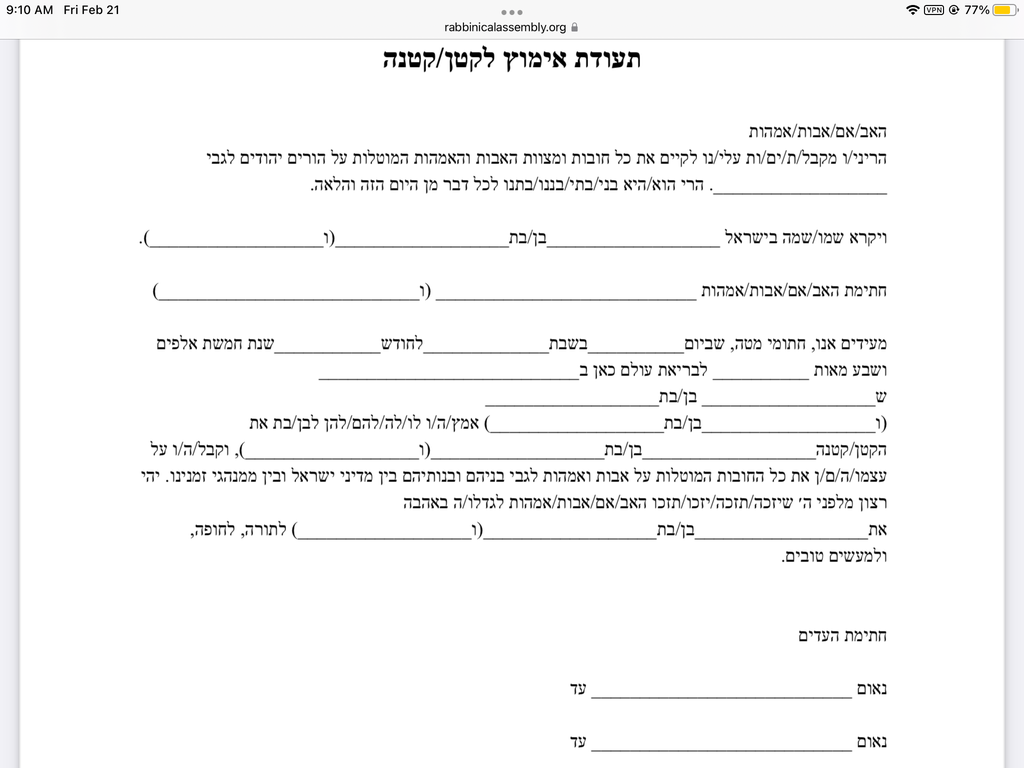
For an overview of the process, see: https://www.kveller.com/article/converting-an-adopted-child/ and https://www.myjewishlearning.com/article/converting-infants-and-children/
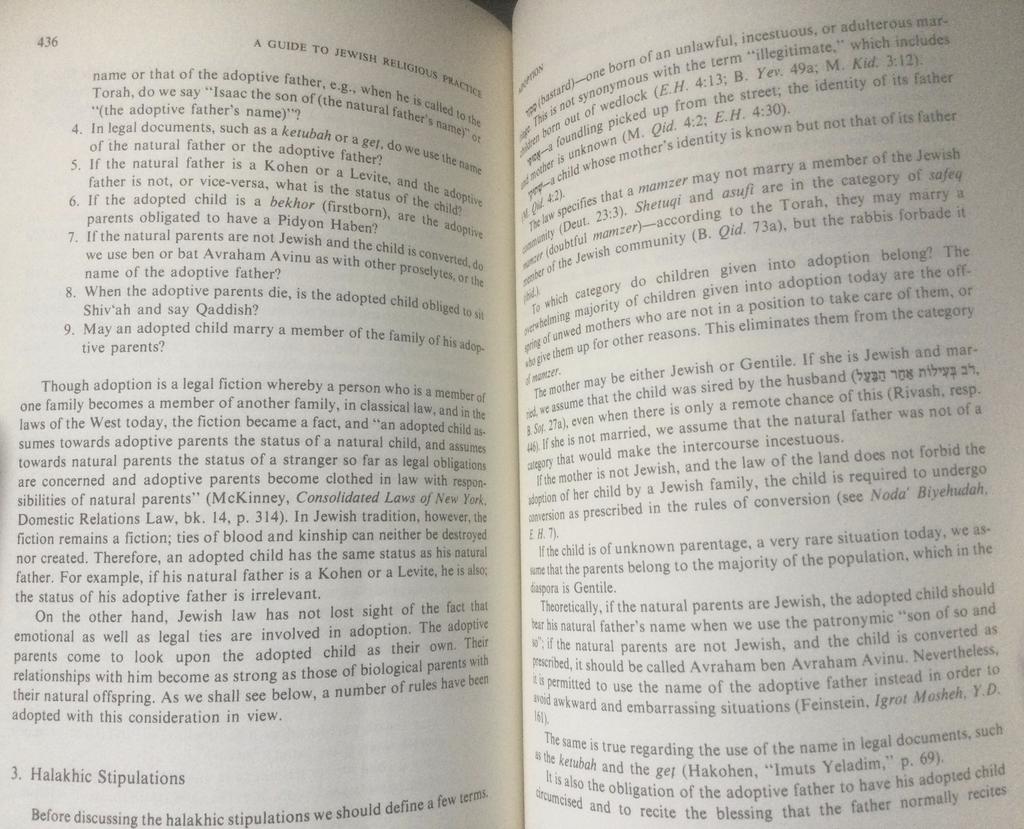
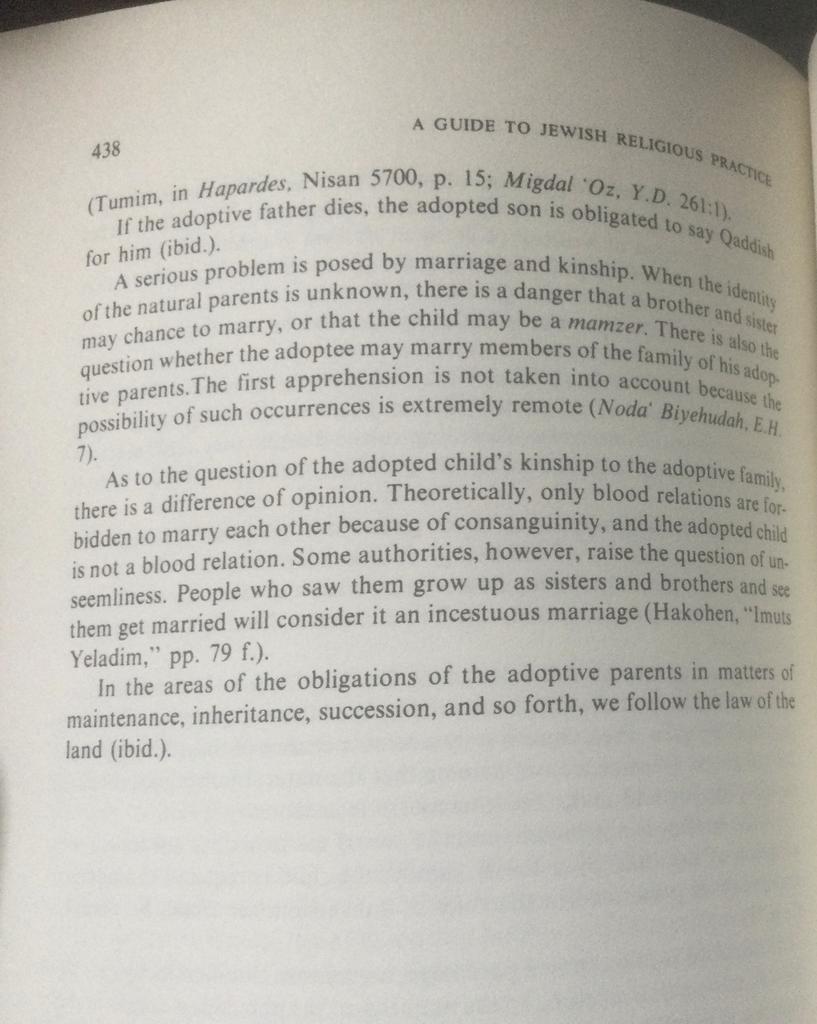
For more about adoption and Jewish aspects thereof, see: https://www.rabbinicalassembly.org/sites/default/files/adoption_-_rabbi_nate_crane_-_final.pdf
Millions of people today have fertility issues, and half of them will not be successfully treated. Even Biblically, some women with fertility issues managed to have children through Divine intervention (Sarah, Rebecca, Rachel, and Hannah), while others did not (Michal). A commandment can only be binding when one has the ability to obey (Nedarim 27a:7, Bava Kamma 28b:18, Avodah Zara 54a:3; Bava Kamma 84a:3-4, Hullin 12a:1, Niddah 67b:14). If one can not have children naturally, or with the aid of medical technology, then adoption would fulfill what G-d says to the first humans: "Be fruitful and multiply".
Moreover, some people choose adoption, not because they cannot procreate biologically, but for other social or emotional reasons. This path to family building, for whatever reason, is Jewishly viable and laudable.
Moreover, adoption can help a person fulfill their obligation to “Teach them [these rules about Judaism] to your children”.
Additionally, having the adoptee open lines of communication with their birth family can help with knowing their medical history, as many conditions have a higher risk if you have (birth) family members who also have those conditions.
That being said, there might be emotional challenges that come up when meeting birth parents. Research, both online and in talking with other people in the adoptee community, can help with preparation, though every person's experience is their own. See here for one person's experience: https://www.yourtango.com/2015281175/eight-things-nobody-tells-you-about-meeting-your-birth-father
For more on this and other considerations around adoption see: https://www.rabbinicalassembly.org/sites/default/files/assets/public/halakhah/teshuvot/19912000/dorff_artificial.pdf
For further reading on this topic, here are some responsa from the Committee on Jewish Law and Standards: https://www.rabbinicalassembly.org/sites/default/files/assets/public/halakhah/teshuvot/19861990/lincoln_surrogate.pdf (1984), https://www.rabbinicalassembly.org/sites/default/files/assets/public/halakhah/teshuvot/19912000/mackler_surrogate.pdf (1997), https://www.rabbinicalassembly.org/sites/default/files/assets/public/halakhah/teshuvot/19912000/spitz_surrogate.pdf (1997), https://www.rabbinicalassembly.org/sites/default/files/assets/public/halakhah/teshuvot/19912000/macklerspitz_surrogates.pdf (1997),
There are many ways to approach the question of conversion when adopting a child. “If the birth mother was not Jewish, or if the religious identity of the birth mother is not known, the child would require halachic conversion to be considered Jewish,” says Rabbi Adler. “It is worth noting that Jewish adopting parents are not necessarily required to convert the child. Doing so would seem to make sense, but if there might be unique reasons why not converting the child would be preferable, then conversion is not imperative. Clearly, every decision should be based upon the best short- and long-term interests of the child. Adoption and conversion should always be first and foremost about the child.”
Rabbi Hesch Sommer, director of the Jewish Wellness and Healing Center of Greater New Haven, works with Rashba in the Stars of David program. Taking an adopted child through a conversion process depends on which of the Jewish denominations the family feels most comfortable with, he says, as each movement has slightly different conversion requirements.
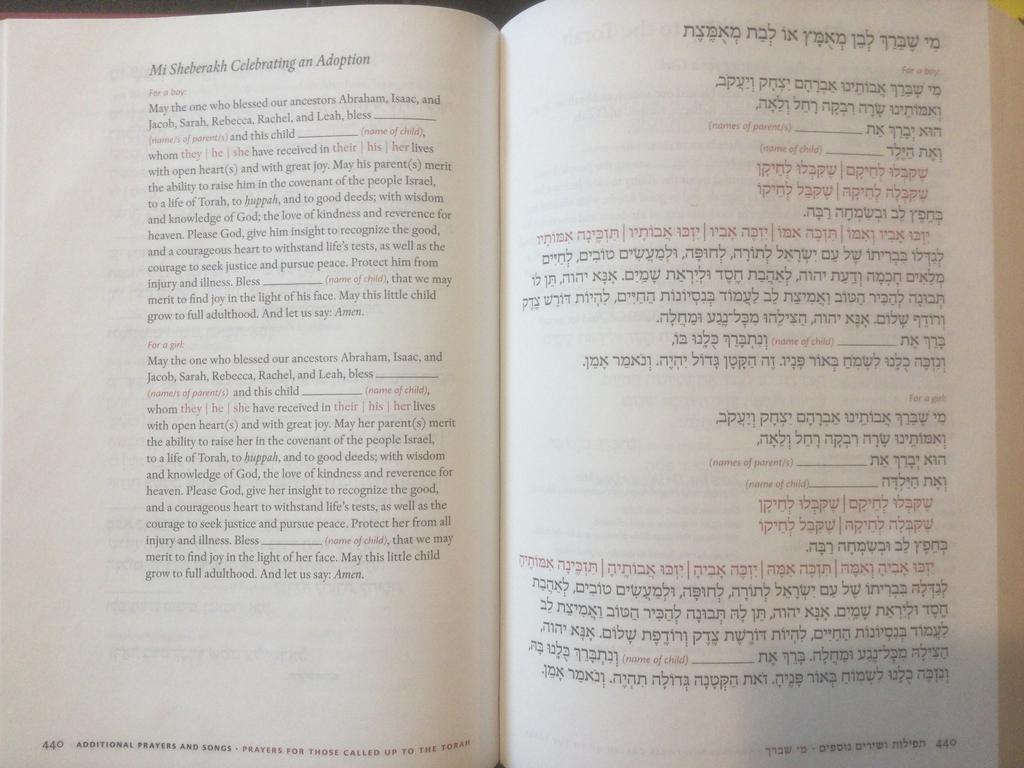
While parents might consider brit-milah or tipat dam (taking a symbolic drop of blood from an older male child), a pediatrician should always be consulted to make sure that the child is able to cope with the procedure. Most adoptive parents give their child a Hebrew name in a naming ceremony. “Part of the conversion process is a commitment on the parents’ part to see it as a stepping-stone to the child’s Jewish identity through education and participation in Jewish life,” he says.
“It has been a privilege I have been blessed to share with several families to partner in bringing adopted children into the Jewish faith,” says Adler. “It can – and should – be a profoundly sensitive and bonding experience for a rabbi to be included in the discussions and the process. Aside from the actual technicalities of the conversion, it is amazing to see a family use love to grow more complete through the gift of adoption. Every adoptive family has my life-long respect and admiration.”