


 Save
 Copy
 Add to Collection
 Export to Google Docs
 Share
1) the Anti-semitism of the Damascus Affair of 1840
2) the Anti-blackness of the white US population during Chattel slavery during the 1860s
3) The extremist ideology of the Jewish right wing groups espoused by Meir Kahane and his followers like Itamar Ben-Givr
4) Modern day anti-Semitism
In 1860, Jews in New York City were at a crossroads. It was the year of the 1860 Presidential Elections and the two major candidates were Abraham Lincoln, a Republican who ran in favor of abolishing slavery or John C. Breckinridge, a southern Democrat from Kentucky who ran in favor of continuing slavery. Many in the US were nervous that abolishing slavery would tear the country apart into Civil War but for many Jews there was also an additional anxiety. Like other religious minorities in the US, the collapse of the US would also mean the collapse of a country where they had experienced more religious freedom than in Europe. On the other hand, many Jews likely felt conflicted about slavery.
A key figure emerges when you study Jewish history during this period around 1860s, Rabbi Morris Raphall of B’Nei Jeshurin synagogue. He was born on October 3 1798 to June 23, 1868 in Sweden. He was a defendant in an insurance fraud cause, traveled to England to become a Rabbi there after completing an MA and PhD. He travelled to Syria to investigate the Damascus Blood Libel case. He wrote several responsa to the Blood Libel case and then moved to the US where he became a famous Rabbi. He was previously called “The most important Jew in the US” due to his influence on national politics with this very sermon being featured in the New York Times He was the first Rabbi to speak before the US Congress. R'Raphall was pro-slavery and worked ardently to defend his views about slavery to other Jews, Southern Christians and almost anyone who would listen about how the Bible endorsed slavery and how it was part of the natural social order. In his famous January 4, 1861 speech, at B’nai Jeshurin (formerly called Green Street Synogogue), the "Bible view of Slavery", on the National Fast Day by President James Buchanan. His arguments revolve around the following points:
1) Jews in the US are far closer aligned to White European Christians than Black people due to shared heritage from "Judeo-Christian" values
2) Critics of his viewpoint are wrong because they are claiming a false sense of moral superiority and appealing to rationalism ande feelings and laws "of man" rather than the law of the Divine
3) The Bible (which is shared by both Jews and Christians) differentiates between the slavery of Jews and non Jews which reinforces Jewish superiority over other groups
4) The Patriarchs of the Bible held slaves - are we better than them? (further emphasizing the shared cultural ancestry between the Jews and Christians)
5) The racial order in the Bible places Europeans at the top, Jews next then Muslims followed by Black people far far at the bottom and since slavery is a practice of the White People and Jews historically, that is meant to be at the top, this racial order should be continued
6) The Bible explicitly deals with escaped slaves and indicates they should be returned, any clear inconsistencies in the argument should be ignored and accepted on face value because the Bible says so
7) Jewish people find themselves in a time similar to Nineveh where something bad is about to happen and it is up to the Jews to be like Jonah and warn people about avoiding this by repenting and following the Divine Law including upholding the law about slavery
Tanakh, Talmud and New Testament (?!?!) are used to support these arguments:
שׁוּב מַעֲשֶׂה בְּגוֹי אֶחָד שֶׁבָּא לִפְנֵי שַׁמַּאי. אָמַר לוֹ: גַּיְּירֵנִי עַל מְנָת שֶׁתְּלַמְּדֵנִי כׇּל הַתּוֹרָה כּוּלָּהּ כְּשֶׁאֲנִי עוֹמֵד עַל רֶגֶל אַחַת! דְּחָפוֹ בְּאַמַּת הַבִּנְיָן שֶׁבְּיָדוֹ. בָּא לִפְנֵי הִלֵּל, גַּיְירֵיהּ. אָמַר לוֹ: דַּעֲלָךְ סְנֵי לְחַבְרָךְ לָא תַּעֲבֵיד — זוֹ הִיא כׇּל הַתּוֹרָה כּוּלָּהּ, וְאִידַּךְ פֵּירוּשָׁהּ הוּא, זִיל גְּמוֹר.
There was another incident involving one gentile who came before Shammai and said toShammai: Convert me on condition that you teach me the entire Torah while I am standing on one foot.Shammaipushed him away with the builder’s cubit in his hand. This was a common measuring stick and Shammai was a builder by trade. The same gentile came before Hillel. He converted him and said to him: That which is hateful to you do not do to another; that is the entire Torah, and the rest is its interpretation. Go study.
(יח) לֹֽא־תִקֹּ֤ם וְלֹֽא־תִטֹּר֙ אֶת־בְּנֵ֣י עַמֶּ֔ךָ וְאָֽהַבְתָּ֥ לְרֵעֲךָ֖ כָּמ֑וֹךָ אֲנִ֖י יהוה׃
(18) You shall not take vengeance or bear a grudge against members of your people. Love your fellow [Israelite] as yourself: I am יהוה.
(ה) וַֽיַּאֲמִ֛ינוּ אַנְשֵׁ֥י נִֽינְוֵ֖ה בֵּֽאלֹהִ֑ים וַיִּקְרְאוּ־צוֹם֙ וַיִּלְבְּשׁ֣וּ שַׂקִּ֔ים מִגְּדוֹלָ֖ם וְעַד־קְטַנָּֽם׃ (ו) וַיִּגַּ֤ע הַדָּבָר֙ אֶל־מֶ֣לֶךְ נִֽינְוֵ֔ה וַיָּ֙קׇם֙ מִכִּסְא֔וֹ וַיַּעֲבֵ֥ר אַדַּרְתּ֖וֹ מֵֽעָלָ֑יו וַיְכַ֣ס שַׂ֔ק וַיֵּ֖שֶׁב עַל־הָאֵֽפֶר׃ (ז) וַיַּזְעֵ֗ק וַיֹּ֙אמֶר֙ בְּנִֽינְוֵ֔ה מִטַּ֧עַם הַמֶּ֛לֶךְ וּגְדֹלָ֖יו לֵאמֹ֑ר הָאָדָ֨ם וְהַבְּהֵמָ֜ה הַבָּקָ֣ר וְהַצֹּ֗אן אַֽל־יִטְעֲמוּ֙ מְא֔וּמָה אַ֨ל־יִרְע֔וּ וּמַ֖יִם אַל־יִשְׁתּֽוּ׃ (ח) וְיִתְכַּסּ֣וּ שַׂקִּ֗ים הָֽאָדָם֙ וְהַבְּהֵמָ֔ה וְיִקְרְא֥וּ אֶל־אֱלֹהִ֖ים בְּחׇזְקָ֑ה וְיָשֻׁ֗בוּ אִ֚ישׁ מִדַּרְכּ֣וֹ הָֽרָעָ֔ה וּמִן־הֶחָמָ֖ס אֲשֶׁ֥ר בְּכַפֵּיהֶֽם׃ (ט) מִֽי־יוֹדֵ֣עַ יָשׁ֔וּב וְנִחַ֖ם הָאֱלֹהִ֑ים וְשָׁ֛ב מֵחֲר֥וֹן אַפּ֖וֹ וְלֹ֥א נֹאבֵֽד׃ (י) וַיַּ֤רְא הָֽאֱלֹהִים֙ אֶת־מַ֣עֲשֵׂיהֶ֔ם כִּי־שָׁ֖בוּ מִדַּרְכָּ֣ם הָרָעָ֑ה וַיִּנָּ֣חֶם הָאֱלֹהִ֗ים עַל־הָרָעָ֛ה אֲשֶׁר־דִּבֶּ֥ר לַעֲשׂוֹת־לָהֶ֖ם וְלֹ֥א עָשָֽׂה׃
(5) The people of Nineveh believed God. They proclaimed a fast, and great and small alike put on sackcloth. (6) When the news reached the king of Nineveh, he rose from his throne, took off his robe, put on sackcloth, and sat in ashes. (7) And he had the word cried through Nineveh: “By decree of the king and his nobles: No human or animal—of flock or herd—shall taste anything! They shall not graze, and they shall not drink water! (8) They shall be covered with sackcloth—human and animal—and shall cry mightily to God. Let everyone turn back from their own evil ways and from the injustice of which they are guilty. (9) Who knows but that God may turn and relent? [God] may turn back from wrathfulness, so that we do not perish.” (10) God saw what they did, how they were turning back from their evil ways. And God renounced the punishment that had been planned for them, and did not carry it out.
(כה) וַיֹּ֖אמֶר אָר֣וּר כְּנָ֑עַן עֶ֥בֶד עֲבָדִ֖ים יִֽהְיֶ֥ה לְאֶחָֽיו׃
(25) he said, “Cursed be Canaan; The lowest of slaves Shall he be to his brothers.”
וּמְנָלַן דְּנֶאֶסְרוּ? דִּכְתִיב: ״וּבָאתָ אֶל הַתֵּבָה אַתָּה וּבָנֶיךָ וְאִשְׁתְּךָ וּנְשֵׁי בָנֶיךָ אִתָּךְ״, וּכְתִיב: ״צֵא מִן הַתֵּבָה אַתָּה וְאִשְׁתְּךָ וּבָנֶיךָ וּנְשֵׁי בָנֶיךָ אִתָּךְ״. וְאָמַר רַבִּי יוֹחָנָן: מִיכָּן (אָמְרוּ) שֶׁנֶּאֶסְרוּ בְּתַשְׁמִישׁ הַמִּטָּה.
The Gemara asks: And from where do we derive that it was prohibited for them to engage in intercourse while in the ark? The Gemara answers: It is derived from that which is written: “And you shall come into the ark, you, and your sons, and your wife, and your sons’ wives with you” (Genesis 6:18); and it is written: “Emerge from the ark, you and your wife, and your sons and your sons’ wives with you” (Genesis 8:16). And Rabbi Yoḥanan says: From here, the Sages derived and said that it was prohibited to engage in intercourse while in the ark, as when Noah and his family entered, the husbands and wives were listed separately, and when they emerged, the husbands were listed with their wives.
“Let us for an instant stop at this curse by Noah with which slavery after the Flood is recalled into existence. Among the many prophecies contained in the Bible and having reference to particular times, persons, and events, there are three singular predictions referring to three distinct races or peoples, which seem to be intended for all times, and accordingly remain in full force to this day. The first of these is the doom of Ham's descendants, the African race, pronounced upwards of 4,000 years ago. The second is the character of the descendants of Ishmael, the Arabs, pronounced nearly 4,000 years ago; and the third and last is the promise of continued and indestructible nationality promised to us, Israelites, full 2500 years ago. ”
(כז) יַ֤פְתְּ אֱלֹהִים֙ לְיֶ֔פֶת וְיִשְׁכֹּ֖ן בְּאׇֽהֳלֵי־שֵׁ֑ם וִיהִ֥י כְנַ֖עַן עֶ֥בֶד לָֽמוֹ׃
(27) May God enlarge Japheth, And let him dwell in the tents of Shem; And let Canaan be a slave to them.”
When Rabbi Raphall spent a great amount of the sermon speaking about a blood trench in Dahomey - why could this be?
At a time of Race Science (or Pseudo-Science) is being spread, Jews are trying desperately to repair their images especially the Jews of Europe. Is it possible that it is these views that several prominent Jews brought back with them to the US such as Rabbi Raphall to separate themselves from the blood libel archetype by placing it on to black people. It is really important to note the way that anti-black and anti-Arab bias go hand in hand.
Meir Kahane is one of the most influential Jewish thinkers of the 20th century on American and Israeli politics both in his theology but also in the impact of his extremist violence. I am heavily influenced by David Sheen and his work on Meir Kahane and the influence of Kahanism in the US and Israel. Sheen sees an intersectional web of oppression between anti-semitism, zionism and globalized anti-blackness both in the US and Israel and how that links with the oppression of Palestinians. David Sheen has a book coming up called "Messiah Mode: How the Jewish Far Right Remade the Mainstream in Israel and the United States", that comes out this November. In advance of that, the article, "Kahanism and American Politics: The Democratic Party's Decades-Long Courtship of Racist Fanatics" from 2023 was a wake up call for me on the importance of the intersection of Talmud, Theology and electoral politics.
אָמַר רַב יְהוּדָה אָמַר רַב: כׇּל הַמַּרְעִיב עַצְמוֹ בִּשְׁנֵי רְעָבוֹן, — נִיצָּל מִמִּיתָה מְשׁוּנָּה, שֶׁנֶּאֱמַר: ״בָּרָעָב פָּדְךָ מִמָּוֶת״. ״מֵרָעָב״ מִיבְּעֵי לֵיהּ, אֶלָּא הָכִי קָאָמַר: בִּשְׂכַר שֶׁמַּרְעִיב עַצְמוֹ בִּשְׁנֵי רְעָבוֹן — נִיצּוֹל מִמִּיתָה מְשׁוּנָּה.
Rav Yehuda said that Rav said: Anyone who has food for himself but nevertheless starves himself in years of famine will be saved from an unusual death, as it is stated: “In famine, He will redeem you from death” (Job 5:20). This is derived from the precise wording of the verse. According to its straightforward meaning, instead of “in famine,” it should have said: From famine, as one is delivered from famine. Rather, this is what the verse is saying: As a reward for starving himself in years of famine,Jobwill be saved from an unusual death.
“We must ask why our Jewish leadership failed to act, because that same leadership still shepards us and still speaks in our name and gives us guidance. We must learn from history so as not to repeat it. Worse, we must learn form the past because we may be repeating it again, in the case of Soviet Jewry”
(ו) בַּמֶּה דְּבָרִים אֲמוּרִים בְּשֶׁעָבַר וְעָשָׂה הֶעָוֹן שֶׁחַיָּב עָלָיו מִיתַת בֵּית דִּין. אֲבָל הָרוֹדֵף אַחַר חֲבֵרוֹ לְהָרְגוֹ אֲפִלּוּ הָיָה הָרוֹדֵף קָטָן הֲרֵי כָּל יִשְׂרָאֵל מְצֻוִּין לְהַצִּיל הַנִּרְדָּף מִיַּד הָרוֹדֵף וַאֲפִלּוּ בְּנַפְשׁוֹ שֶׁל רוֹדֵף:
(6) When does the above apply? When the person has already transgressed and performed the transgression for which he is liable to be executed by the court. When, however, a person is pursuing a colleague with the intention of killing him - even if the pursuer is a minor - every Jewish person is commanded to attempt to save the person being pursued, even if it is necessary to kill the pursuer.
""If one pursues another for the purpose of slaying him, every Jew is commanded to save the one being pursued from the hands of the pursuer, even at the expense of the pursuer."
This is surely not a pean to pacificism but rather a commandment to violent action."
According to Kahane, Jews have to take preemptive defensive action because he believes that anti-semitism is the order of the world. Meir Kahane believes that it goes back to the law of:
"It is a natural law that Esau hates Jacob..."
כיוצא בו (שם י"ט) ולא ידע בשכבה ובקומה, נקוד על ובקומה לומר בשכבה לא ידע ובקומה ידע. כיוצא בו (שם ל"ג) וישקהו שלא נשקו בכל לבו. רשב"י אומר הלכה בידוע שעשו שונא ליעקב אלא נהפך רחמיו באותה שעה ונשקו בכל לבו. כיוצא בו (שם ל"ז) וילכו אחיו לרעות
.
“If one comes to slay you – slay him first.” (Berachot 58)
Ben Gvir often quotes from the Talmud: “If someone comes to kill you, rise up and kill him first.” And he stands firm on the idea that “Eretz Israel was promised to the people of Israel and not to the Arabs, and that’s why we must not give up.” This is well received and moves hearts, not only in right-wing and religious circles, but all over the country.
“He definitely comes across as someone who genuinely cares about Israel. He knows this and can say it in the right vocabulary, soundly and bravely in front of the camera. And the young people in the country love that.”
What are the alternatives to this?
Rabbis at the time of Michael Heilperin and David Einhorn and Sabato Morais spoke out against Rabbi Raphall by offering alternative readings of the Talmud and Tanakh for abolition of US Chattel Slavery. Anti-Zionist Rabbis across the US are writing articles and sharing source sheets on Sefaria to combat Itamar Ben Gvir but I believe and I hope that we will continue to see more work on tackling the racial supremacist aspects of the Kahanist philosophy. Some very helpful questions is to ask the ways in which white supremacy can be differentiated by Meir Kahane and Itamar Ben Gvir. It is especially important to note how people like Itamar Ben Gvir who is a Mizrahi Jew with Iraqi Jewish heritage. It is important to note how his racial views are contributing to his extreme right ideologies including his extreme worship of Jewish extremist mass murderer Baruch Goldstein and Meir Kahane given the status of Mizrahi Jews in Israeli society. That is why I take on this work because I think it is important for non-Ashkenazi Jews to also take on repudiating the use of the Talmud by these extremist forces.
I also argue that rather than taking a page out of the racial determinism, "survival of the fittest" and pseudo-science of race from the 1800s and 1900s, that we instead reject these frameworks all together. Theories of Change such as Mutual Aid are a far better response to facism, racism and anti-semitism than trying to "become" the white oppressors. I find it incredibly ironic that these "great" men who spent so much of their lives to study, especially when it is added that Meir Kahane was supposedly a great student of Mussar. Mussar or a system of Jewish ethics clearly does not call for the bombing of Soviet Jewish musicians because apparently the way we protect Soviet Jews is by bombing Soviet Jews.
I have to say I must agree with the Rabbi Hillel when he said:
"לך ללמוד"
1. "Antisemitic fliers thrown from car in Squirrel Hill neighborhood of Pittsburgh" by Grace Gilson (5/19/2025) https://www.jta.org/2025/05/19/united-states/antisemitic-fliers-thrown-from-car-in-squirrel-hill-neighborhood
2. "Judeopessimism: Antisemitism, History and Critical Race Theory" by Shaul Magid (2024) by Cambridge University Press
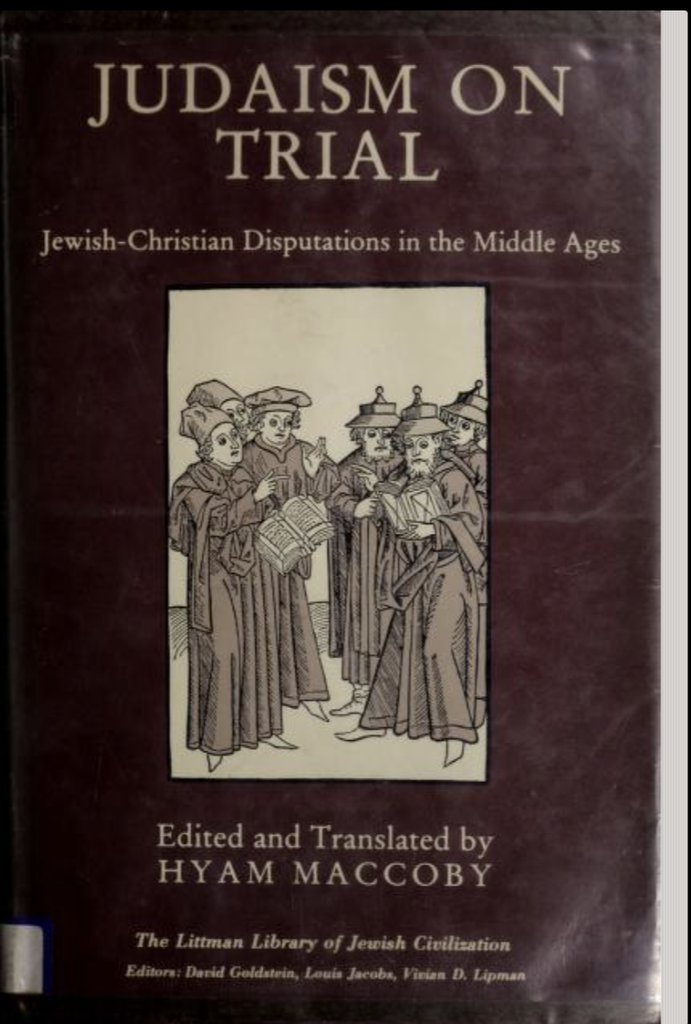
3. "Judeopessimism: On Antisemitism and Afropessimism" by Shaul Magid (January 1, 2021) on Ayin Press 4. Judiasm on Trial: Jewish Christian disputations in the Middle Ages" Edited and Tanslated by Hyam MacCoby (1982)
5. "Black Jews" Bibliography by EBSCO Host. https://www.ebsco.com/research-starters/religion-and-philosophy/black-jews
6. Bible View of Slavery: A Discourse, delivered at the Jewish, synogogue, "Bnai Jeshurum", New York on the day of the national fast, Jan 4, 1861 at the Library of Congress
7. New York's Pro-Slavery Rabbi"Congregants Gathering at the famously libereal B'nai Jeshurun may not know about a dark chapter in its past" by Howard B. Rock (September 19,2012) in the Tablet Magazine (online).
8. Black Jewish Relations: The Legacy of Rabbi David Einhorn by J. Clay Smith Jr in Selected Speeches 105 from May 19, 1987.
9. The Hamitic Curse : The 'Curse of Ham': How people of faith used a story in Genesis to justify slavery by Paul Ham on The Conversation. (On March 12, 2024)
10. [Video] "Is the Talmud Racist?" by Rabbi Dr. Mira Wasserman and Steve Weitzman on Jan 29, 2021 by Katz Center for Advanced Judaic Studies, hosted on YouTube.
11. "The Curse of Ham" by Manishtana by the Tablet Magazine (online). (October 15, 2015).
12. "The Biblical View of Slavery, Then and Now: In Commemoration of the 150th anniversary of the Emancipation Proclamation." by Yaakov S. Winstein in Hakirah: The Flatbush Journal of Jewish Law and Thought in 2012.
13. "Post Biblical History of the Jews; From the Close of the Old Testament, About the year 420 BCE Till the Destruction of the Second Temple, in the year, 70 C.E." by Morris J. Raphall. PhDr. Rabbi-Preacher at the Synogogue Green St., New York, (Moss & Brother, 1855).
14. "Blood Libel: On the Trail of an Antisemitic Myth" by Magda Teter in 2020 by Harvard University Press.
15. Anaïs Massot, “Blood libels, Elite Competition and Inter-Confessional Violence: Jewish-Christian
Relations in Ottoman Damascus in the first part of the 19th century”, Cahiers de la Méditerranée [Online],
105 | 2022, Online since 15 June 2023, connection on 07 September 2023. URL: http://journals.openedition.org/cdlm/1621 https://doi.org/10.4000/cdlm.16211
16. Facing History & Ourselves, “The Science of Race”, last updated August 2, 2016. https://www.facinghistory.org/resource-library/science-race
17. "Into The Depths of Evil: How the Nazis "Recruited" the Talmud for Anti-semitic Propaganda" by Daniel Lipson on January 19, 20121.18. "The Bible View of Slavery by Rabbi M.J. Raphall" by Transcript by the Jewish-American History Foundation (online)
19. "Jews Mostly Supported Slavery - Or Kept Silent - During the Civil War." by Ken Yellis (July 1, 2013) online via the Forward.
20. "Never Again: A Program for Survival" by Meir Kahane (1971).
21. Howard B. Rock, "Noah’s Curse: On the Eve of the Civil War, a Rabbi Declares Black Slavery Biblical" TheTorah.com (2022). https://thetorah.com/article/noahs-curse-on-the-eve-of-the-civil-war-a-rabbi-declares-black-slavery-biblical
22. "The Textual History of Religious Anti-Zionism Liberation Shavous 5785" by Rabbi Abby Stein, online (Sefaria).
23. "Kahanism and American Politics: The Democratic Party's Decades-Long Courtship of Racist Fanatics" from 2023 by David Sheen for Institute for Palestine Studies.
24. Tachles with Aviel - "The Thing with Itamar Ben Givr" from Oct 27 2022.https://www.israeltoday.co.il/read/tachles-with-aviel-the-thing-with-itamar-ben-gvir/
25. "Ben-Gvir Can't Bring Himself to Pretend" by Graeme Wood April 25, 2025 from the Atlantic (online)
26. "Messiah Mode: How the Far Right Remade the Mainstream in Israel and the US" by David Sheen, upcoming publishing November 2025.
27. Mutual Aid, A Factor of Evolution by Peter Kropotkin (1902).