Save
Save Copy
Copy Add to Collection
 Export to Google Docs
 Share
Share
question that I suggest is a profound one that contains lessons for us today, at the critical moment we are in.
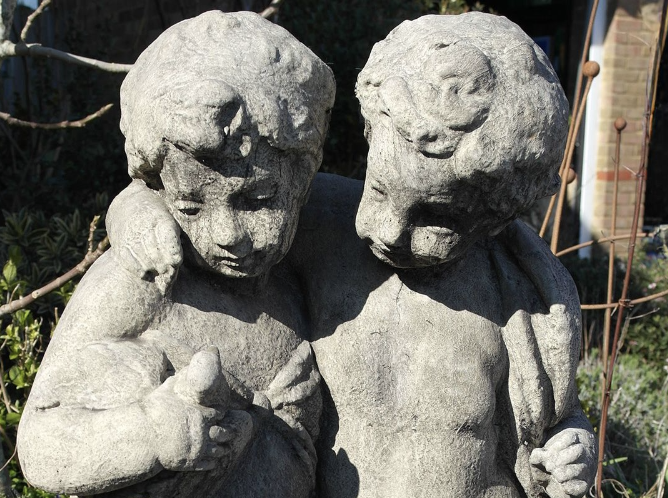
(כב) וַיִּתְרֹֽצְצ֤וּ הַבָּנִים֙ בְּקִרְבָּ֔הּ וַתֹּ֣אמֶר אִם־כֵּ֔ן לָ֥מָּה זֶּ֖ה אָנֹ֑כִי וַתֵּ֖לֶךְ לִדְרֹ֥שׁ אֶת־יהוה׃
(22) But the children struggled in her womb, and she said, “If so, why do I exist?” She went to inquire of יהוה.
mean struggle; it can also mean crush, oppress, crush into pieces. And the form of the verb here - hitpael / reflexive - tells us that the subjects of the action are engaged in a process that, somehow, they’re doing to themselves.
her.
וַתֹּ֣אמֶר אִם־כֵּ֔ן לָ֥מָּה זֶּ֖ה אָנֹ֑כִי
mental pain and apprehension and anguish of this moment … she can barely come forth with a full sentence… and she says "if…so… why… this… I…"
asking? What might each of us be asking at a similar moment of
unexpected inner struggle and loss of our compass?
mean? Where am I going? How can I continue? What is the purpose of this journey? Why me? What is the meaning of my life in the context of these wrenching challenges? How can it be that I’m being crushed and torn apart by my own dreams and aspirations?
from God. It’s notable that the verse doesn’t simply say that Rebecca “asks” God; it says that she “goes to ask”.
וַתֵּ֖לֶךְלִדְרֹ֥שׁ
ourselves but also with a source of wisdom and comfort outside of
ourselves. For many of us, this means being in conversation with God.
dimension of Rebecca’s question or how it leads her to prayer. Rashi and other early commentators focus on her apprehensions about being pregnant, with what seems like an unusual pregnancy. I’m much more interested in what Rebecca is asking about herself and what she is asking of God: she is in a situation where she knows is going to be changed. It seems to be out of her hands - and – indeed, it is out of her hands. Yes, she agreed to come on this journey. But… did she agree to be torn apart and crushed by the complexity of what she would go through?
Rebecca went and inquired of God, and comments that this teaches us that it is Rebecca who initiated this human-Divine interaction… [which] suggests that Rebecca is already in possession of a strong spiritual life when she goes to inquire [of God]”. Rabbi Singer conceptualizes Rebecca’s question as a “heartfelt prayer” and reminds us that “asking existential questions is part of the spiritual process of discovering meaning in our lives”.
(טז) וְאֵ֣ת ׀ שְׂעִ֣יר הַֽחַטָּ֗את דָּרֹ֥שׁ דָּרַ֛שׁ מֹשֶׁ֖הוְהִנֵּ֣ה שֹׂרָ֑ף וַ֠יִּקְצֹ֠ף עַל־אֶלְעָזָ֤ר וְעַל־אִֽיתָמָר֙ בְּנֵ֣י אַהֲרֹ֔ן הַנּוֹתָרִ֖ם לֵאמֹֽר׃
(16) Then Moses inquired (intensively asked) about the goat of sin offering, and it had already been burned! He was angry with Eleazar and Ithamar, Aaron’s remaining sons, and said...
(ט) וַיִּקְבְּר֨וּ אֹת֜וֹ יִצְחָ֤ק וְיִשְׁמָעֵאל֙ בָּנָ֔יו אֶל־מְעָרַ֖ת הַמַּכְפֵּלָ֑ה אֶל־שְׂדֵ֞ה עֶפְרֹ֤ן בֶּן־צֹ֙חַר֙ הַֽחִתִּ֔י אֲשֶׁ֖ר עַל־פְּנֵ֥י מַמְרֵֽא׃
(9) His sons Isaac and Ishmael buried him in the cave of Machpelah, in the field of Ephron son of Zohar the Hittite, facing Mamre,
(ט) וַיֵּ֥לֶךְ עֵשָׂ֖ו אֶל־יִשְׁמָעֵ֑אל וַיִּקַּ֡ח אֶֽת־מָחֲלַ֣ת ׀ בַּת־יִשְׁמָעֵ֨אל בֶּן־אַבְרָהָ֜ם אֲח֧וֹת נְבָי֛וֹת עַל־נָשָׁ֖יו ל֥וֹ לְאִשָּֽׁה׃ {ס}
(9) So Esau went to Ishmael and took to wife, in addition to the wives he had, Mahalath the daughter of Ishmael son of Abraham, sister of Nebaioth.
(ט) וַיִּהְי֣וּ הַכְּרֻבִים֩ פֹּרְשֵׂ֨י כְנָפַ֜יִם לְמַ֗עְלָה סֹֽכְכִ֤ים בְּכַנְפֵיהֶם֙ עַל־הַכַּפֹּ֔רֶת וּפְנֵיהֶ֖ם אִ֣ישׁ אֶל־אָחִ֑יו אֶ֨ל־הַכַּפֹּ֔רֶת הָי֖וּ פְּנֵ֥י הַכְּרֻבִֽים׃ {פ}
(9) The cherubim had their wings spread out above, shielding the cover with their wings. They faced each other; the faces of the cherubim were turned toward the cover.
(יא) חֶסֶד־וֶאֱמֶ֥ת נִפְגָּ֑שׁוּ צֶ֖דֶק וְשָׁל֣וֹם נָשָֽׁקוּ׃
(11) Faithfulness and truth have met; righteousness and peace have kissed.
(א) שִׁ֥יר הַֽמַּעֲל֗וֹת לְדָ֫וִ֥ד הִנֵּ֣ה מַה־טּ֭וֹב וּמַה־נָּעִ֑ים שֶׁ֖בֶת אַחִ֣ים גַּם־יָֽחַד׃
(1) A song of ascents. Of David. How good and how pleasant it is that brothers dwell together.