




 Save
Save Copy
Copy Add to Collection
 Export to Google Docs
 Share
ShareThe Sages taught: The basic mitzva of Hanukkah is each day to have a light kindled by a person, the head of the household, for himself and his household. And the mehadrin, i.e., those who are meticulous in the performance of mitzvot, kindle a light for each and every one in the household... Beit Shammai says: On the first day, one kindles eight lights and, from there on, gradually decreases until, on the last day of Hanukkah, he kindles one light. And Beit Hillel says: On the first day, one kindles one light, and from there on, gradually increases the number of lights until, on the last day, he kindles eight.
One said that Beit Shammai’s opinion corresponds to the incoming days. On the first day, eight days remain in Hanukkah, one kindles eight lights, and on the second day, seven days remain, one kindles seven, etc. The reason for Beit Hillel’s opinion is that the number of lights corresponds to the days of Hanukkah that were already observed. And one said that Beit Shammai’s number of lights corresponds to the bulls of the festival of Sukkot: Thirteen were sacrificed on the first day, and each day one fewer was sacrificed (Numbers 29:12–31). The reason for Beit Hillel’s opinion is that one increases in matters of sanctity and one does not downgrade.
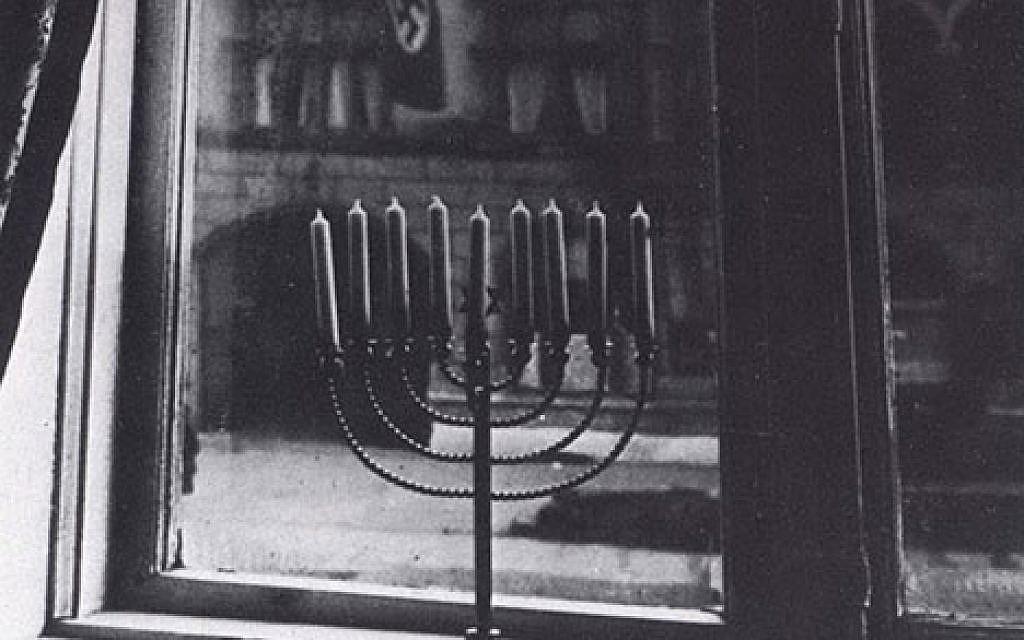
The Sages taught: It is a mitzva to place the Hanukkah lamp at the entrance to one’s house on the outside, so that all can see it. If he lived upstairs, he places it at the window. And in a time of danger, when the gentiles issued decrees to prohibit kindling lights, he places it on the table. Rava said: One must kindle another light in addition to the Hanukkah lights in order to use its light, as it is prohibited to use the light of the Hanukkah lights.
The Gemara asks: What is Hanukkah, and why are lights kindled on Hanukkah? The Gemara answers: The Sages taught in Megillat Ta’anit: Beginning on the twenty-fifth of Kislev, there are eight days of Hanukkah. What is the reason? When the Greeks entered the Sanctuary they defiled all the oils that were in the Sanctuary by touching them. And when the Hasmoneans (Maccabees) emerged victorious, they searched and found only one cruse of oil with the seal of the High Priest, undisturbed by the Greeks. And there was sufficient oil to light the candelabrum for only one day. A miracle occurred and they lit the candelabrum for eight days. The next year the Sages instituted those days and made them holidays with special thanksgiving in prayer and blessings.
- Imagine lighting EIGHT candles on the first night and then one less until the last night. Would that change the way you feel about Hanukkah? Do you agree with Hillel's version, and do you think there are good reasons for Shammai's way of lighting?
- What do you think about Hillel's argument that we only increase in sanctity?
- What do you think about the laws concerning where we place a menorah, including during times of danger? (See more on that below)
- Regarding using the Hanukkah lights, remember that people lit candles to see before we had electricity! Why do you think the rabbis prohibit using the Hanukkah lights for regular use?
- Does the Hanukkah story, as it's described in the Talmud, reflect what you remember about the story?
(After the Maccabees defeat the Greeks)
Then said Judas and his brethren, Behold, our enemies are defeated: let us go up to cleanse and dedicate the sanctuary. Everyone assembled themselves together, and went up into mount Zion.
And when they saw the sanctuary desolate, and the altar profaned, and the gates burned up, and shrubs growing in the courts as in a forest, or in one of the mountains, and the priests' chambers pulled down; They tore their clothes, and mourned, and cast ashes upon their heads, And fell down to the ground, and blew an alarm with the trumpets, and cried toward heaven.
Then Judas appointed men to fight against those in the fortress, until he had cleansed the sanctuary. He chose priests…Who cleansed the sanctuary... They made new holy vessels, and into the temple they brought the candlesticks, the altar of burnt offerings, the altar of incense, and the table. And burned incense upon the altar, and lit the lamps, to give light in the temple.
- What oil-related miracle is missing from the story in the Maccabees?
- The rabbis of the Talmud and their community (several hundred years after the Maccabees) are living in exile under Roman rule. Why might they have added this oil-related miracle instead of celebrating a revolt against the majority?
- The rabbis also decided what went into our Bible! The books of the Maccabees is missing, despite the fact that we celebrate Chanukah! What do you think about that??
- Chanukah in Hebrew means "dedication." Why do you think that name was chosen for this holiday?
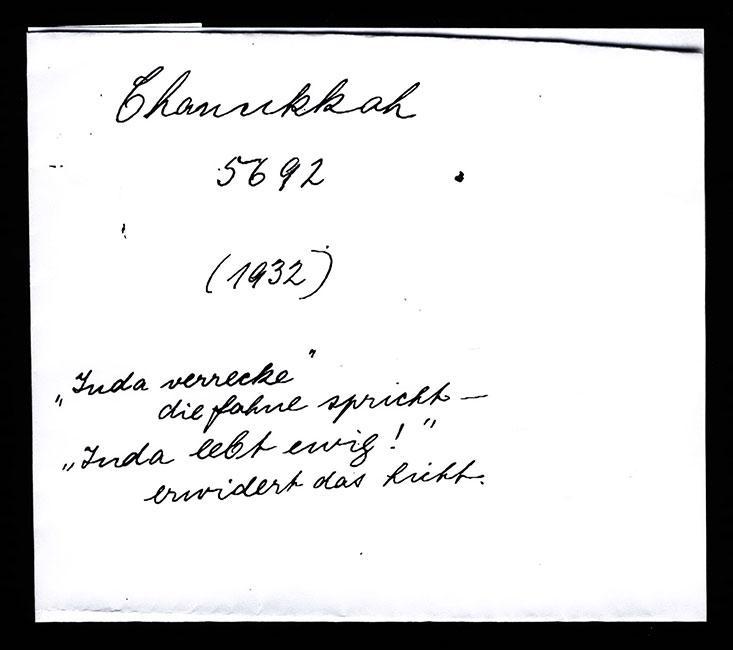
“As a Jewish person, do you plan to put your menorah
in a window this Hanukkah?”

(ז) מִצְוַת נֵר חֲנֻכָּה, לְהַדְלִיק בַּפֶּתַח הַסָּמוּךְ לִרְשׁוּת הָרַבִּים, מִשּׁוּם פִּרְסוּמֵי נִסָּא, וְכָךְ הָיוּ עוֹשִׂין בִּזְמַן הַמִּשְׁנָה וְהַגְּמָרָא. וּבַזְּמַן הַזֶּה שֶׁאָנוּ דָרִים בֵּין הָאֻמּוֹת, מַדְלִיקִין בַּבַּיִת שֶׁהוּא דָר בּוֹ. וְאִם יֶשׁ לוֹ חַלּוֹן לִרְשׁוּת הָרַבִּים, יַדְלִיקֵם שָׁם. וְאִם לָאו, מַדְלִיקָן אֵצֶל הַפָּתַח. וּמִצְוָה שֶׁיַנִּיחֵם בַּטֶּפַח הַסָּמוּךְ לַפֶּתַח מִשְּׂמֹאל, שֶׁתְּהֵא מְזוּזָה מִיָמִין, וְנֵר חֲנֻכָּה מִשְּׂמֹאל, וְנִמְצָא שֶהוּא מְסֻבָּב בְּמִצְוֹת. וְיוֹתֵר טוֹב לְהַנִּיחָם בַּחֲלַל הַפָּתַח.
(7) It is a mitzvah to light the menorah in the doorway that opens to the street, [public domain], in order to publicize the miracle; and it was done in this manner in the days of the Mishnah and the Talmud. Now, since we live among non-Jews, we light the menorah in the house, and if you have a window facing the street, you should light it there; if not, you should light it near the door. It is a mitzvah to place the menorah within a tefach of the left side of the door so that the mezuzah will be on the right and the Chanukah lights on the left, and in so doing you find yourself surrounded by mitzvot. It is preferable to place the menorah within the open space of the door.
‘The wax is the body and the wick is the soul. Bring the flame of Torah to the soul, then the body will fulfill the purpose for which it was created. And that, Reb Yehuda, is what I try to do--to ignite the soul of every Jew with the fire of Torah, with the passion of our tradition, and the sanctity of our heritage, so that each individual will fulfill the real purpose for which he or she was created.’
- What comes up for you when thinking about making your Menorah more visible?
- This year, where do you want to shine your light?
