Vayigash and Vayechi 5786: Are we lost? Is contemporary Judaism experiencing dementia? Memory | trauma | the future
Is Jacob experiencing dementia in Vayigash and Vayechi? Is contemporary Judaism similarly losing clarity of mind
User uploaded image
I've been thinking a lot about dementia.
Dementia: a category that encompasses numerous conditions; a descriptor of a tragic and concerning condition to which we humans are susceptible, usually as we age, and at other times for different reasons.
Dementia: usually a gradual decline in our mentation, a journey away from our fundamental personalities. It involves many losses. Losing our way in familiar places. Not recognizing familiar persons. Disorientation. Odd and illogical speech. Bizarre and illogical behaviors.
Losing ourselves.
The very first person diagnosed with what's come to be called Alzheimer's dementia was a relatively young woman named Auguste Deter, who repeatedly said,
"I have lost myself. I have lost myself." (German: Ich habe mich verloren. Ich habe mich verloren.)
https://en.wikipedia.org/wiki/Auguste_Deter
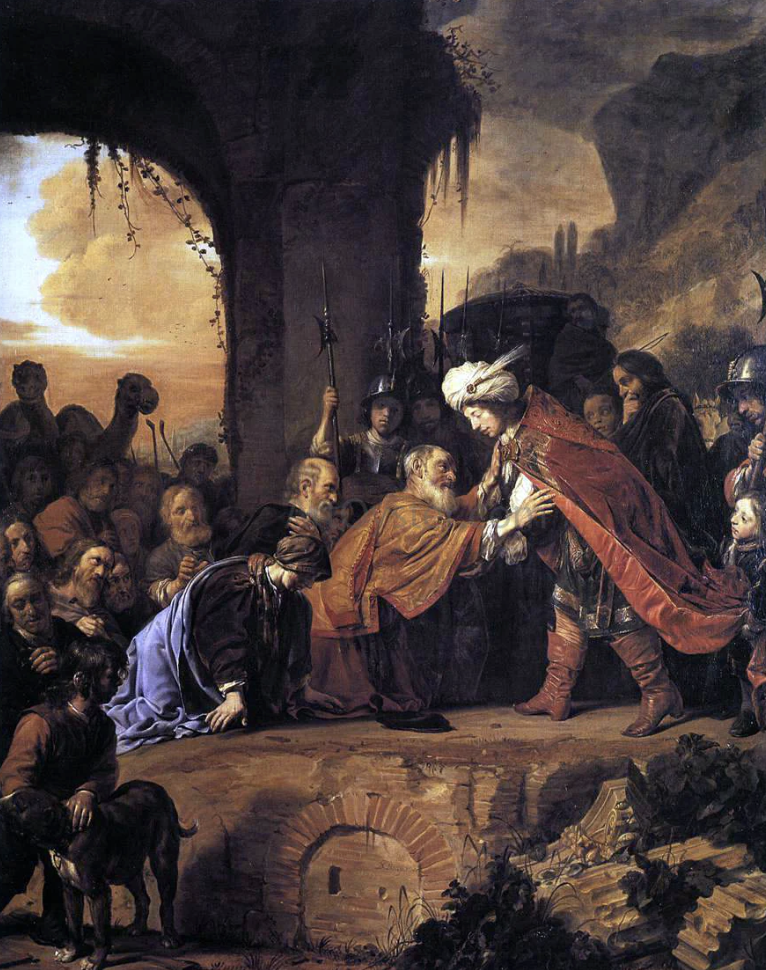
What is it like when we are in the process of losing our familiar state of mind? What do we forget? What do we remember?
Some readers of my Torah commentaries are aware that I am a physician as well as a rabbi. Less than a year ago I joined the medical staff of a very large nursing home run by the Department of Public Health here in San Francisco, Laguna Honda Hospital, which has given me the honor and opportunity to work closely with many people who are suffering from dementia.
As we've approached the end of the Book of Genesis in this year's Torah cycle, I've found myself wondering if Jacob is suffering from dementia as he nears the end of his life; whether his variable state of mind can be understood as an evolving case of dementia. Some of his actions are illogical, strange, and (to my mind) even more difficult to understand than earlier actions of his. Shortly I will share some examples of verses from both Parashat Vayigash and Parashat Vayechi that are illustrative of this feature in Jacob's story.
But first, with this possibly imponderable question in mind (does Jacob have dementia at the end of Genesis?), I invite you to join me in a thought experiment:
Don't blink: What is the most important Jewish value to you? What is the most important ethical lesson you have learned from Torah study?
What would it be like if you lost your awareness of this most important ethical lesson? Who would you be? How would you act?
At this time in history - local, national, international; the history of Judaism - I often wonder: have "we" (individually and collectively) lost our deepest values?
And this week, musing about dementia and about Jacob's actions at the end of the Book of Genesis, I wonder: are "we" suffering from encroaching dementia? Individually and / or collectively? What are we forgetting? What have we lost?
Have we - Jews - lost ourselves in recent years, and in particular since 7 October 2023? Not only "organized religion", but also each of us as individual Jews. Have we lost ourselves with respect to the values we hold most dear?
And if we have: Is this condition reversible? Sometimes, what seems clinically like dementia is due to a reversible cause, such as a vitamin deficiency, inadequately treated depression, or a slow intracranial bleed. It's well known that a history of trauma seems to predispose people to developing dementia. History of trauma... part of the Jewish experience.

(י) וְעֵינֵ֤י יִשְׂרָאֵל֙ כָּבְד֣וּ מִזֹּ֔קֶן לֹ֥א יוּכַ֖ל לִרְא֑וֹת וַיַּגֵּ֤שׁ אֹתָם֙ אֵלָ֔יו וַיִּשַּׁ֥ק לָהֶ֖ם וַיְחַבֵּ֥ק לָהֶֽם׃

(10) Now Israel’s eyes were [dim] heavy with age; he could not see. So [Joseph] brought them [his sons] close to him, and he kissed them and embraced them.
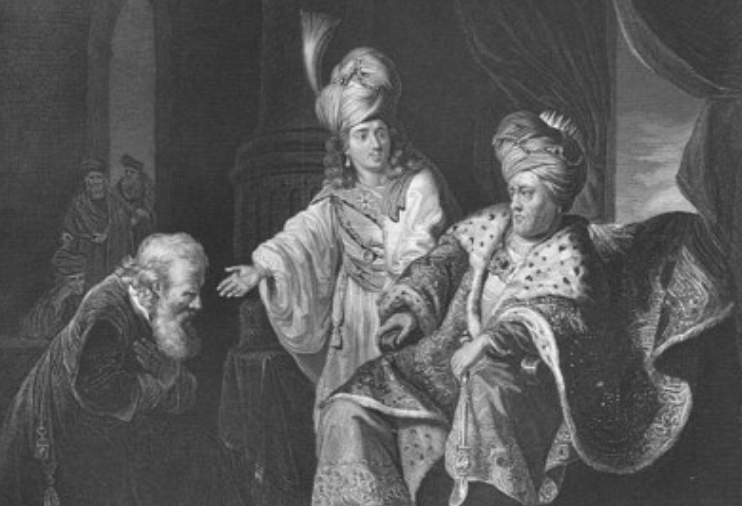
Heavy with age, and he could not see.
Can we no longer "see" our most deeply held values of justice, acts of kindness, honoring of life? Are familiar themes of some elements of the Jewish world "heavy with age"... in need of revivification, animation? Does this heaviness limit our vision?
Just yesterday, breaking news: Israel will ban nearly forty international humanitarian organizations from operating in the Gaza Strip starting 1/1/2026. Some of the best known humanitarian aid groups in the world including Oxfam, Doctors with Borders (Médecins Sans Frontières - MSF). Israeli authorities said that the groups failed to share required information about Palestinian and international staff. MSF predicts that this action will cause a large number of people in Gaza to lose access to water, medical care, and life saving support.
Does this sound like a course of action that reflects the fundamental Jewish values of preserving life, welcoming the stranger, not standing idly by?
Back to Jacob: At the end of his life, toward the end of the Book of Genesis, we see Jacob acting in ways that are dramatic, strange, illogical, and at times incomprehensible. Is he confused, is his memory failing?
I will offer a number of examples. The first: at the end of Parashat Vayigash: when Joseph introduces Jacob to Pharaoh, Jacob's response to Pharaoh is perplexing and strange.
User uploaded image

(ז) וַיָּבֵ֤א יוֹסֵף֙ אֶת־יַֽעֲקֹ֣ב אָבִ֔יו וַיַּֽעֲמִדֵ֖הוּ לִפְנֵ֣י פַרְעֹ֑ה וַיְבָ֥רֶךְ יַעֲקֹ֖ב אֶת־פַּרְעֹֽה׃ (ח) וַיֹּ֥אמֶר פַּרְעֹ֖ה אֶֽל־יַעֲקֹ֑ב כַּמָּ֕ה יְמֵ֖י שְׁנֵ֥י חַיֶּֽיךָ׃ (ט) וַיֹּ֤אמֶר יַעֲקֹב֙ אֶל־פַּרְעֹ֔ה יְמֵי֙ שְׁנֵ֣י מְגוּרַ֔י שְׁלֹשִׁ֥ים וּמְאַ֖ת שָׁנָ֑ה מְעַ֣ט וְרָעִ֗ים הָיוּ֙ יְמֵי֙ שְׁנֵ֣י חַיַּ֔י וְלֹ֣א הִשִּׂ֗יגוּ אֶת־יְמֵי֙ שְׁנֵי֙ חַיֵּ֣י אֲבֹתַ֔י בִּימֵ֖י מְגוּרֵיהֶֽם׃ (י) וַיְבָ֥רֶךְ יַעֲקֹ֖ב אֶת־פַּרְעֹ֑ה וַיֵּצֵ֖א מִלִּפְנֵ֥י פַרְעֹֽה׃

(7) Joseph then brought his father Jacob and presented him to Pharaoh; and Jacob greeted Pharaoh. (8) Pharaoh asked Jacob, “How many are the days of the years of your life?” (9) And Jacob answered Pharaoh, “The days of the years of my sojourn [on earth] are one hundred and thirty. Few and hard have been the years of my life, nor do they come up to the life spans of my ancestors during their sojourns.” (10) Then Jacob bade Pharaoh farewell, and left Pharaoh’s presence.

What does Jacob mean? Are 130 years really "few"?
It is true that Jacob's father Isaac is said to have lived until the age of 180 years, and his grandfather Abraham to the age of 175; however, "few and hard have been the years of my life"... what does this mean?
An impression I have from this verse is that what stands out primarily for Jacob as he looks back on his life are the traumas, the losses: it seems, particularly Rachel's death and Jacob's mistaken idea that Joseph was dead (an idea he held for more than twenty years). Has the suffering that Jacob has endured somehow foreshortened, distorted, warped his sense of time? When he looks back at his life, does he only see his losses?

(א)שני מגורי. יְמֵי גֵרוּתִי; כָּל יָמַי הָיִיתִי גֵּר בָּאָרֶץ:

(1) שני מגורי — means the days of my being a stranger. All my days I have been a stranger in other peoples’ lands.

Is Jacob saying that he has been homeless all of his life?
There is a robust body of medical research that reveals that people experiencing homelessness suffer the effects of aging at a faster rate than people who have homes. Margot Kushel MD here in San Francisco has been at the forefront of this work.
https://homelessness.ucsf.edu/leadership/margot-kushel-md
Similarly there is research exploring how homelessness is a risk factor for dementia; for example "Potentially modifiable risk factors for dementia in people experiencing homelessness: a scoping review"
https://www.tandfonline.com/doi/abs/10.1080/10530789.2022.2069405
So, Jacob describes himself to Pharaoh as someone who has had an unfortunate life, homeless, filled with suffering. In this state of mind, his experience of the past and the present, and his imaginations of the future, are all affected.
The foreshortening / collapse of a sense of time occurs in a number of conditions (depression, PTSD, dementia). And when our consciousness is afixed to a foreshortened experience of the past, it is likely that we will be challenged to enter into the future.
The function of memory as connector between the past and the future.
"During the past few years, there has been a dramatic increase in research examining the role of memory in imagination and future thinking. This work has revealed striking similarities between remembering the past and imagining or simulating the future, including the finding that a common brain network underlies both memory and imagination."
Schacter DL, Addis DR, Hassabis D, Martin VC, Spreng RN, Szpunar KK. The future of memory: remembering, imagining, and the brain. Neuron. 2012 Nov 21;76(4):677-94.
https://pmc.ncbi.nlm.nih.gov/articles/PMC3815616/
"Our capacity to experience and calibrate the passage of time anchors us in the flux of sensory experience and allows us to track external events, conduct our daily affairs and most fundamentally, maintain a sense of self-continuity from past to future. Our awareness of time is not dictated simply by the clock: it is a complex and elastic, subjective psychological construct, encompassing multiple, hierarchically embedded scales, ranging from fractions of a second to an entire lifetime."
Requena-Komuro MC, Marshall CR, Bond RL, Russell LL, Greaves C, Moore KM, Agustus JL, Benhamou E, Sivasathiaseelan H, Hardy CJD, Rohrer JD, Warren JD. Altered Time Awareness in Dementia. Front Neurol. 2020 Apr 21;11:291.
https://pmc.ncbi.nlm.nih.gov/articles/PMC7186333/
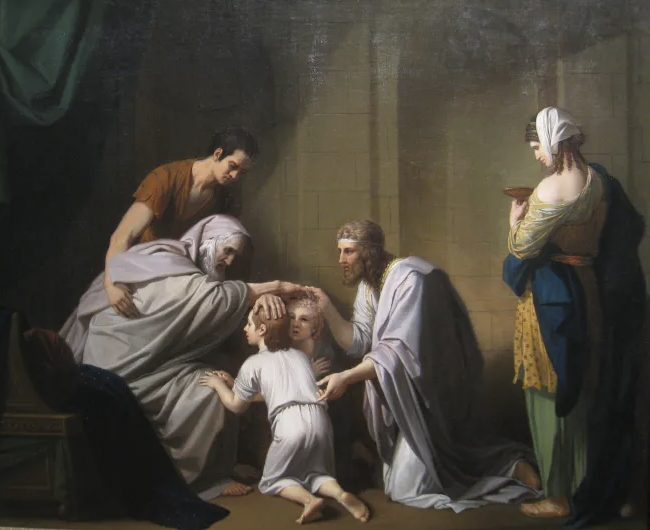
A collapsed sense of time; a strong identification with having been traumatized / victimized... do these elements of Jacob's mental state prevent him from having new ideas, of looking to the future with hope or imagination? Are we today similarly fixed in our self image as trauma victims, unable to move forward in new way?
Perhaps these psychological factors are present in people today. This narrowing of cognitive and imaginative scope, with an increasingly narrow focus on particular details of a person's life.... my mind turns to the singular focus in the past two plus years in Israel and broadly throughout the world on the "return of the hostages", to the pervasive and perplexing disregard for the lives of the millions of Palestinians who also were suffering.
The second and third examples of Jacob's imponderable / confusing /illogical actions that I will share are from Parashat Vayechi.
First: the lengthy and perplexing episode of Jacob blessing Joseph's two sons, doing so in a sort of "against the rules" manner such that he gives the foremost blessing to the younger son. Of course this reminds us of Jacob's very own usurping of his older twin brother's place by "stealing Esau's blessing" from their father, Isaac. Are we seeing that the intergenerational family trauma persists, that inadequate repair has been done?
At the start of this episode, Joseph has brought his two sons, Manasseh and Ephraim, to Jacob.
User uploaded image
Has Joseph done this so that his two sons will receive blessings from their grandfather?

(א) וַיְהִ֗י אַחֲרֵי֙ הַדְּבָרִ֣ים הָאֵ֔לֶּה וַיֹּ֣אמֶר לְיוֹסֵ֔ף הִנֵּ֥ה אָבִ֖יךָ חֹלֶ֑ה וַיִּקַּ֞ח אֶת־שְׁנֵ֤י בָנָיו֙ עִמּ֔וֹ אֶת־מְנַשֶּׁ֖ה וְאֶת־אֶפְרָֽיִם׃ (ב) וַיַּגֵּ֣ד לְיַעֲקֹ֔ב וַיֹּ֕אמֶר הִנֵּ֛ה בִּנְךָ֥ יוֹסֵ֖ף בָּ֣א אֵלֶ֑יךָ וַיִּתְחַזֵּק֙ יִשְׂרָאֵ֔ל וַיֵּ֖שֶׁב עַל־הַמִּטָּֽה׃

(1) Some time afterward, Joseph was told, “Your father is ill.” So he took with him his two sons, Manasseh and Ephraim. (2) When Jacob was told, “Your son Joseph has come to see you,” Israel summoned his strength and sat up in bed.

Jacob then seems to offer a preamble, and then tells Joseph that he is granting special status to these two grandsons:

(ג) וַיֹּ֤אמֶר יַעֲקֹב֙ אֶל־יוֹסֵ֔ף אֵ֥ל שַׁדַּ֛י נִרְאָֽה־אֵלַ֥י בְּל֖וּז בְּאֶ֣רֶץ כְּנָ֑עַן וַיְבָ֖רֶךְ אֹתִֽי׃ (ד) וַיֹּ֣אמֶר אֵלַ֗י הִנְנִ֤י מַפְרְךָ֙ וְהִרְבִּיתִ֔ךָ וּנְתַתִּ֖יךָ לִקְהַ֣ל עַמִּ֑ים וְנָ֨תַתִּ֜י אֶת־הָאָ֧רֶץ הַזֹּ֛את לְזַרְעֲךָ֥ אַחֲרֶ֖יךָ אֲחֻזַּ֥ת עוֹלָֽם׃ (ה) וְעַתָּ֡ה שְׁנֵֽי־בָנֶ֩יךָ֩ הַנּוֹלָדִ֨ים לְךָ֜ בְּאֶ֣רֶץ מִצְרַ֗יִם עַד־בֹּאִ֥י אֵלֶ֛יךָ מִצְרַ֖יְמָה לִי־הֵ֑ם אֶפְרַ֙יִם֙ וּמְנַשֶּׁ֔ה כִּרְאוּבֵ֥ן וְשִׁמְע֖וֹן יִֽהְיוּ־לִֽי׃ (ו) וּמוֹלַדְתְּךָ֛ אֲשֶׁר־הוֹלַ֥דְתָּ אַחֲרֵיהֶ֖ם לְךָ֣ יִהְי֑וּ עַ֣ל שֵׁ֧ם אֲחֵיהֶ֛ם יִקָּרְא֖וּ בְּנַחֲלָתָֽם׃

(3) And Jacob said to Joseph, “El Shaddai, who appeared to me at Luz in the land of Canaan, blessed me— (4) and said to me, ‘I will make you fertile and numerous, making of you a community of peoples; and I will assign this land to your offspring to come for an everlasting possession.’ (5) Now, your two sons, who were born to you in the land of Egypt before I came to you in Egypt, shall be mine; Ephraim and Manasseh shall be mine no less than Reuben and Simeon. (6) But progeny born to you after them shall be yours; they shall be recorded instead of their brothers in their inheritance.

Fair enough; this seems intelligble. But then we have:

(ז) וַאֲנִ֣י ׀ בְּבֹאִ֣י מִפַּדָּ֗ן מֵ֩תָה֩ עָלַ֨י רָחֵ֜ל בְּאֶ֤רֶץ כְּנַ֙עַן֙ בַּדֶּ֔רֶךְ בְּע֥וֹד כִּבְרַת־אֶ֖רֶץ לָבֹ֣א אֶפְרָ֑תָה וָאֶקְבְּרֶ֤הָ שָּׁם֙ בְּדֶ֣רֶךְ אֶפְרָ֔ת הִ֖וא בֵּ֥ית לָֽחֶם׃ (ח) וַיַּ֥רְא יִשְׂרָאֵ֖ל אֶת־בְּנֵ֣י יוֹסֵ֑ף וַיֹּ֖אמֶר מִי־אֵֽלֶּה׃

(7) I [do this because], when I was returning from Paddan, Rachel died, to my sorrow, while I was journeying in the land of Canaan, when still some distance short of Ephrath; and I buried her there on the road to Ephrath”—now Bethlehem. (8) Noticing Joseph’s sons, Israel asked, “Who are these?”

Genesis 48:8 seems like an interruption.... a surprising narrative moment: "Who are these?" Jacob has been (re)telling his experiences at Luz, and seemingly suddenly he is talking about Rachel's death. The manner of his speech here suggests to me that Rachel is always with him, that her death and losing her is always with him. Jacob seems momentarily to be transported; his awareness oscillates between the present moment and past losses, with what seems like a heavy magnetic pull back into that state of loss and grief.
In these two verses, I suggest we can perceive Jacob's atemporal fixity on his loss of Rachel (now, many years prior), which when he recalls it, disrupts his sense of time, disorients him, so much so that he needs to ask who his grandsons are. This has always struck me as strange; he has just been talking about these grandsons, and now he needs to ask who they are.
Following this puzzling question, we have the even more puzzling events in which Jacob gives the older grandson's blessing to the younger, in a very cinematic mis-choreography:

(ט) וַיֹּ֤אמֶר יוֹסֵף֙ אֶל־אָבִ֔יו בָּנַ֣י הֵ֔ם אֲשֶׁר־נָֽתַן־לִ֥י אֱלֹהִ֖ים בָּזֶ֑ה וַיֹּאמַ֕ר קָֽחֶם־נָ֥א אֵלַ֖י וַאֲבָרְכֵֽם׃ (י) וְעֵינֵ֤י יִשְׂרָאֵל֙ כָּבְד֣וּ מִזֹּ֔קֶן לֹ֥א יוּכַ֖ל לִרְא֑וֹת וַיַּגֵּ֤שׁ אֹתָם֙ אֵלָ֔יו וַיִּשַּׁ֥ק לָהֶ֖ם וַיְחַבֵּ֥ק לָהֶֽם׃ (יא) וַיֹּ֤אמֶר יִשְׂרָאֵל֙ אֶל־יוֹסֵ֔ף רְאֹ֥ה פָנֶ֖יךָ לֹ֣א פִלָּ֑לְתִּי וְהִנֵּ֨ה הֶרְאָ֥ה אֹתִ֛י אֱלֹהִ֖ים גַּ֥ם אֶת־זַרְעֶֽךָ׃ (יב) וַיּוֹצֵ֥א יוֹסֵ֛ף אֹתָ֖ם מֵעִ֣ם בִּרְכָּ֑יו וַיִּשְׁתַּ֥חוּ לְאַפָּ֖יו אָֽרְצָה׃ (יג) וַיִּקַּ֣ח יוֹסֵף֮ אֶת־שְׁנֵיהֶם֒ אֶת־אֶפְרַ֤יִם בִּֽימִינוֹ֙ מִשְּׂמֹ֣אל יִשְׂרָאֵ֔ל וְאֶת־מְנַשֶּׁ֥ה בִשְׂמֹאל֖וֹ מִימִ֣ין יִשְׂרָאֵ֑ל וַיַּגֵּ֖שׁ אֵלָֽיו׃ (יד) וַיִּשְׁלַח֩ יִשְׂרָאֵ֨ל אֶת־יְמִינ֜וֹ וַיָּ֨שֶׁת עַל־רֹ֤אשׁ אֶפְרַ֙יִם֙ וְה֣וּא הַצָּעִ֔יר וְאֶת־שְׂמֹאל֖וֹ עַל־רֹ֣אשׁ מְנַשֶּׁ֑ה שִׂכֵּל֙ אֶת־יָדָ֔יו כִּ֥י מְנַשֶּׁ֖ה הַבְּכֽוֹר׃ (טו) וַיְבָ֥רֶךְ אֶת־יוֹסֵ֖ף וַיֹּאמַ֑ר הָֽאֱלֹהִ֡ים אֲשֶׁר֩ הִתְהַלְּכ֨וּ אֲבֹתַ֤י לְפָנָיו֙ אַבְרָהָ֣ם וְיִצְחָ֔ק הָֽאֱלֹהִים֙ הָרֹעֶ֣ה אֹתִ֔י מֵעוֹדִ֖י עַד־הַיּ֥וֹם הַזֶּֽה׃ (טז) הַמַּלְאָךְ֩ הַגֹּאֵ֨ל אֹתִ֜י מִכׇּל־רָ֗ע יְבָרֵךְ֮ אֶת־הַנְּעָרִים֒ וְיִקָּרֵ֤א בָהֶם֙ שְׁמִ֔י וְשֵׁ֥ם אֲבֹתַ֖י אַבְרָהָ֣ם וְיִצְחָ֑ק וְיִדְגּ֥וּ לָרֹ֖ב בְּקֶ֥רֶב הָאָֽרֶץ׃ (יז) וַיַּ֣רְא יוֹסֵ֗ף כִּי־יָשִׁ֨ית אָבִ֧יו יַד־יְמִינ֛וֹ עַל־רֹ֥אשׁ אֶפְרַ֖יִם וַיֵּ֣רַע בְּעֵינָ֑יו וַיִּתְמֹ֣ךְ יַד־אָבִ֗יו לְהָסִ֥יר אֹתָ֛הּ מֵעַ֥ל רֹאשׁ־אֶפְרַ֖יִם עַל־רֹ֥אשׁ מְנַשֶּֽׁה׃ (יח) וַיֹּ֧אמֶר יוֹסֵ֛ף אֶל־אָבִ֖יו לֹא־כֵ֣ן אָבִ֑י כִּי־זֶ֣ה הַבְּכֹ֔ר שִׂ֥ים יְמִינְךָ֖ עַל־רֹאשֽׁוֹ׃ (יט) וַיְמָאֵ֣ן אָבִ֗יו וַיֹּ֙אמֶר֙ יָדַ֤עְתִּֽי בְנִי֙ יָדַ֔עְתִּי גַּם־ה֥וּא יִֽהְיֶה־לְּעָ֖ם וְגַם־ה֣וּא יִגְדָּ֑ל וְאוּלָ֗ם אָחִ֤יו הַקָּטֹן֙ יִגְדַּ֣ל מִמֶּ֔נּוּ וְזַרְע֖וֹ יִהְיֶ֥ה מְלֹֽא־הַגּוֹיִֽם׃ (כ) וַיְבָ֨רְכֵ֜ם בַּיּ֣וֹם הַהוּא֮ לֵאמוֹר֒ בְּךָ֗ יְבָרֵ֤ךְ יִשְׂרָאֵל֙ לֵאמֹ֔ר יְשִֽׂמְךָ֣ אֱלֹהִ֔ים כְּאֶפְרַ֖יִם וְכִמְנַשֶּׁ֑ה וַיָּ֥שֶׂם אֶת־אֶפְרַ֖יִם לִפְנֵ֥י מְנַשֶּֽׁה׃

(9) And Joseph said to his father, “They are my sons, whom God has given me here.” “Bring them up to me,” he said, “that I may bless them.” (10) Now Israel’s eyes were dim with age; he could not see. So [Joseph] brought them close to him, and he kissed them and embraced them. (11) And Israel said to Joseph, “I never expected to see you again, and here God has let me see your children as well.” (12) Joseph then removed them from his knees, and bowed low with his face to the ground. (13) Joseph took the two of them, Ephraim with his right hand—to Israel’s left—and Manasseh with his left hand—to Israel’s right—and brought them close to him. (14) But Israel stretched out his right hand and laid it on Ephraim’s head, though he was the younger, and his left hand on Manasseh’s head—thus crossing his hands—although Manasseh was the first-born. (15) And he blessed Joseph, saying,
“The God in whose ways my fathers Abraham and Isaac walked,
The God who has been my shepherd from my birth to this day—
(16) The Messenger who has redeemed me from all harm—
Bless the lads.
In them may my name be recalled,
And the names of my fathers Abraham and Isaac,
And may they be teeming multitudes upon the earth.” (17) When Joseph saw that his father was placing his right hand on Ephraim’s head, he thought it wrong; so he took hold of his father’s hand to move it from Ephraim’s head to Manasseh’s. (18) “Not so, Father,” Joseph said to his father, “for the other is the first-born; place your right hand on his head.” (19) But his father objected, saying, “I know, my son, I know. He too shall become a people, and he too shall be great. Yet his younger brother shall be greater than he, and his offspring shall be plentiful enough for nations.” (20) So he blessed them that day, saying, “By you shall Israel invoke blessings, saying: God make you like Ephraim and Manasseh.” Thus he put Ephraim before Manasseh.
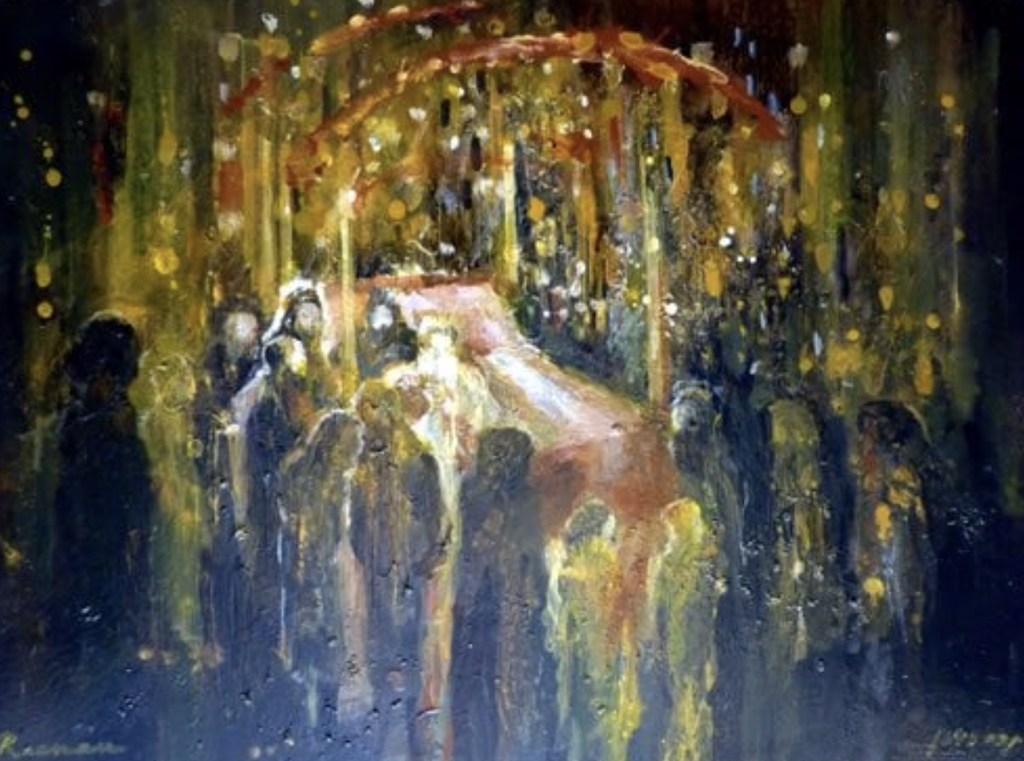
The younger son receiving the blessing meant for the older son: of course we are reminded of Jacob's very own theft of his older brother Esau's blessing from their father, Isaac. Other resonances too: Jacob's having been tricked by his father-in-law Laban, who put Leah (the older sister) in the place of Rachel as Jacob's first wife.
Intergenerational trauma, perhaps, which as is well known continues to perpetuate itself, particularly when unconscious.
The final examples I will bring of Jacob's illogical behavior are from Genesis 49, in which we have his final "blessings" to his sons.
User uploaded image
Artist: Yoram Raanan
First: Jacob seems to be preparing to share some sort of prophetic information with his sons: "I will tell you what is to happen to you in the last days":

(א) וַיִּקְרָ֥א יַעֲקֹ֖ב אֶל־בָּנָ֑יו וַיֹּ֗אמֶר הֵאָֽסְפוּ֙ וְאַגִּ֣ידָה לָכֶ֔ם אֵ֛ת אֲשֶׁר־יִקְרָ֥א אֶתְכֶ֖ם בְּאַחֲרִ֥ית הַיָּמִֽים׃ (ב) הִקָּבְצ֥וּ וְשִׁמְע֖וּ בְּנֵ֣י יַעֲקֹ֑ב וְשִׁמְע֖וּ אֶל־יִשְׂרָאֵ֥ל אֲבִיכֶֽם׃ (ג) רְאוּבֵן֙ בְּכֹ֣רִי אַ֔תָּה כֹּחִ֖י וְרֵאשִׁ֣ית אוֹנִ֑י יֶ֥תֶר שְׂאֵ֖ת וְיֶ֥תֶר עָֽז׃

(1) And Jacob called his sons and said, “Come together that I may tell you what is to befall you in days to come.
(2) Assemble and hearken, O sons of Jacob;
Hearken to Israel your father:
(3) Reuben, you are my first-born,
My might and first fruit of my vigor,
Exceeding in rank
And exceeding in honor.

However, what follows directly is not any sort of revelation of what will happen in the days to come, but rather an inconsistent array of "blessings" to each of his twelve sons, which vary in length, in tone, and in content.
This shift in Jacob's speech is notable; what has happened between Verse 2 and 3? There is much commentary on this, ranging from Rashi's suggestion:

The other striking example for me of Jacob's disrupted thought process in Parashat Vayechi comes through a brief and disconnected interjection he makes in Chapter 49. This is in the midst of the lengthy section of his blessing his sons. First I'll mention that the blessings as a group are irregular: some are essentially one-liners (only one verse for Benjamin, the beloved second son of Jacob's beloved Rachel); and others are longer and seem to include nonsequiturs or unusual combinations of ideas.
More than halfway through this series of blessings (after seven of the twelve - Reuben, Shimon, Levi, Judah [by far the longest blessing], Issachar, Dan) we have a sudden interjection by Jacob (49:18), after which come the blessings to Gad, Asher, Naftali, Joseph (compare length to Judah), Benjamin.

(יח) לִישׁוּעָֽתְךָ֖ קִוִּ֥יתִי יהוה׃ {ס}

(18) I wait for Your deliverance, O יהוה !

As we are reading through the verses before and after this verse, the incongruence and opacity of this interjection is deeply thought-provoking. Some commentators connect this verse to Jacob's comments to Dan that immediately preceed it.

(טז) דָּ֖ן יָדִ֣ין עַמּ֑וֹ כְּאַחַ֖ד שִׁבְטֵ֥י יִשְׂרָאֵֽל׃ (יז) יְהִי־דָן֙ נָחָ֣שׁ עֲלֵי־דֶ֔רֶךְ שְׁפִיפֹ֖ן עֲלֵי־אֹ֑רַח הַנֹּשֵׁךְ֙ עִקְּבֵי־ס֔וּס וַיִּפֹּ֥ל רֹכְב֖וֹ אָחֽוֹר׃ (יח) לִישׁוּעָֽתְךָ֖ קִוִּ֥יתִי יהוה׃ {ס}

(16) Dan shall govern his people,
As one of the tribes of Israel.
(17) Dan shall be a serpent by the road,
A viper by the path,
That bites the horse’s heels
So that his rider is thrown backward.
(18) I wait for Your deliverance, O יהוה !

In itself, these are strange words to one's son: "shall govern his people as one of the tribes of Israel" seems to make sense. But "a serpent by the road", "bites the horse's heels", "rider thrown backward"... what does this mean? Are these exemplary, admirable qualities?
Some commentary connects this description of Dan to Samson:

(יז)יְהִי דָן נָחָשׁ עֲלֵי דֶרֶךְ, שְׁפִיפֹן, מין נחש עֲלֵי אֹרַח, הַנֹּשֵׁךְ עִקְּבֵי סוּס, שכאשר הוא נושך בעקבי הסוס, וַיִּפֹּל רֹכְבוֹ אָחוֹר. הסוס אינו מחזיק מעמד, ובנפלו, נופל עמו רוכבו. דימוי הנחש המכיש רומז לשמשון, שלא יצא למערכה צבאית, ולא עמד בראש צבא, אלא פעל לבדו והזיק לאויביו בדרכים יוצאות דופן.

(17)Dan shall be a serpent on the road, a viper on the path, that bites a horse’s heels and his rider falls backward. In this scenario, the horse cannot remain standing, and when it falls, the rider falls with it. This depiction of a biting snake alludes to Samson, who did not engage in a military war and was not the head of an army, but acted alone and killed his enemies in unusual ways.

Is this helpful? "Killed his enemies in unusul ways"... perhaps this is what prompts Jacob to seemingly suddenly interject "and then connects Jacob's "I wait for Your deliverance, O יהוה !"
But would this mean that, momentarily, Jacob is imagining himself a victim of his son's (or of Samson's)?
Rav Hirsch draws a connection between Jacob's thinking that his son Dan would be
"compelled to resort to cunning in this situation, Jacob may well have recalled the time when he himself found himself in a similar predicament with Laban, and he now hopes to God that, just as he succeeded in remaining a righteous man (ish tam) amidst this test of prudence and preserving his upright and honest character, his children may also succeed, under pressure and conflict that forces them to employ cunning, in never allowing shrewdness to become a fundamental trait of their character..." (Rav Hirsch on Torah, Genesis 49:17)
... although where Rav Hirsch starts here leads me to a different conclusion: perhaps, as Jacob imagines the cunning resourcefulness of his son, he is instantly reminded of all of his own similar actions, and fears for himself, thinking that he is far from a righteous man, and thus calls out for God's deliverance.
In either of these cases, this sudden interjection of Jacob's reveals his illusory, dynamic, and tenuous state of mind; his vulnerability to the very intergenerational and internalized trauma that his "blessings" to his sons seem to perpetuate.
What is the purpose of my trying to assess for the presence of dementia in our foreparent Jacob? Why have I gone through this exercise of delineating moments in which I perceive some slippage in the continuity of Jacob's thought process?
It is simply this: to extrapolate to our current state of mind today, individually and collectively, in order to examine ourselves and thus to explore / discern whether we may have fallen into states of mind similar to dementia that despite the profound causative factors, hopefully can be reversed by intentional efforts to broader our perspectives and look at ourselves unflinchingly and honestly.
I pray that the factors behind our current individual and collective forgetting of our values are reversible. Let us each remember the values that are most dear to us, so that we can imagine and work for a future that lives out those values. Let us remember, rather than forget. Let us build a future of peace, of wholeness, of shalom; let us gather together, for redemption cannot come when there is unprovoked strife and hatred.

Shenei Luchot Haberit, Torah Shebiktav, Vayechi, Derekh Chayim 14 (on Genesis 49:1-2):

האספו ואגידה לכם את אשר יקרא אתכם באחרית הימים (בראשית מט, א). ביקש לגלות להם את הקץ, על כן אמר לשון האספו, כי אי אפשר להקץ שיבא כשיש ביניכם שנאת חנם, רק צריכים אתם להיות כולכם באסיפה אחת ובאגודה אחת: האספו ואגידה לכם את אשר יקרא אתכם באחרית הימים

Jacob wanted to reveal to the brothers details about the final redemption; this is why he used the expression האספר, gather together, since redemption cannot come when there is strife and unprovoked hatred between them.

(יא) כִּי֩ אָנֹכִ֨י יָדַ֜עְתִּי אֶת־הַמַּחֲשָׁבֹ֗ת אֲשֶׁ֧ר אָנֹכִ֛י חֹשֵׁ֥ב עֲלֵיכֶ֖ם נְאֻם־יהוה מַחְשְׁב֤וֹת שָׁלוֹם֙ וְלֹ֣א לְרָעָ֔ה לָתֵ֥ת לָכֶ֖ם אַחֲרִ֥ית וְתִקְוָֽה׃

(11) For I am mindful of the plans I have made concerning you—declares GOD—plans for your welfare, not for disaster, to give you a hopeful future.
User uploaded image
Joseph Receives His Father and Brothers in Egypt. Salomon de Bray (Dutch)1655