


 Save
 Copy
 Add to Collection
 Export to Google Docs
 Share
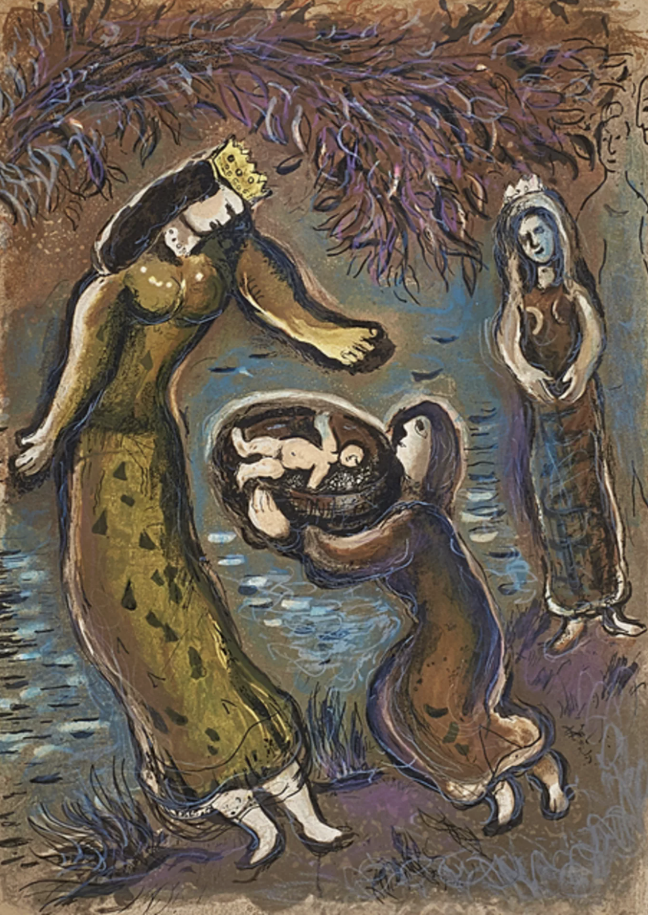
(ב) וַתַּ֥הַר הָאִשָּׁ֖ה וַתֵּ֣לֶד בֵּ֑ן וַתֵּ֤רֶא אֹתוֹ֙ כִּי־ט֣וֹב ה֔וּא וַֽתִּצְפְּנֵ֖הוּ שְׁלֹשָׁ֥ה יְרָחִֽים׃
(2) The woman [Moses' mother] conceived and bore a son; and when she saw how good / beautiful / valuable he was, she hid him for three months.
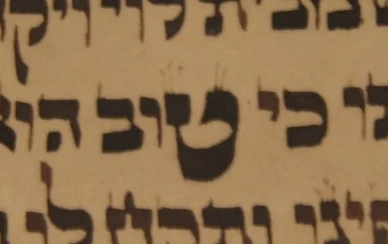
כּי־טוב how good
Nitzavim x Psalm 27 / Elul 5784 Extraordinary points
Vayishlach 5785 Esau's kiss: an affiliative and healing act: "Righteousness and peace have kissed"
Chayei Sarah 5786 - Grief can connect us: Small letter, large meaning
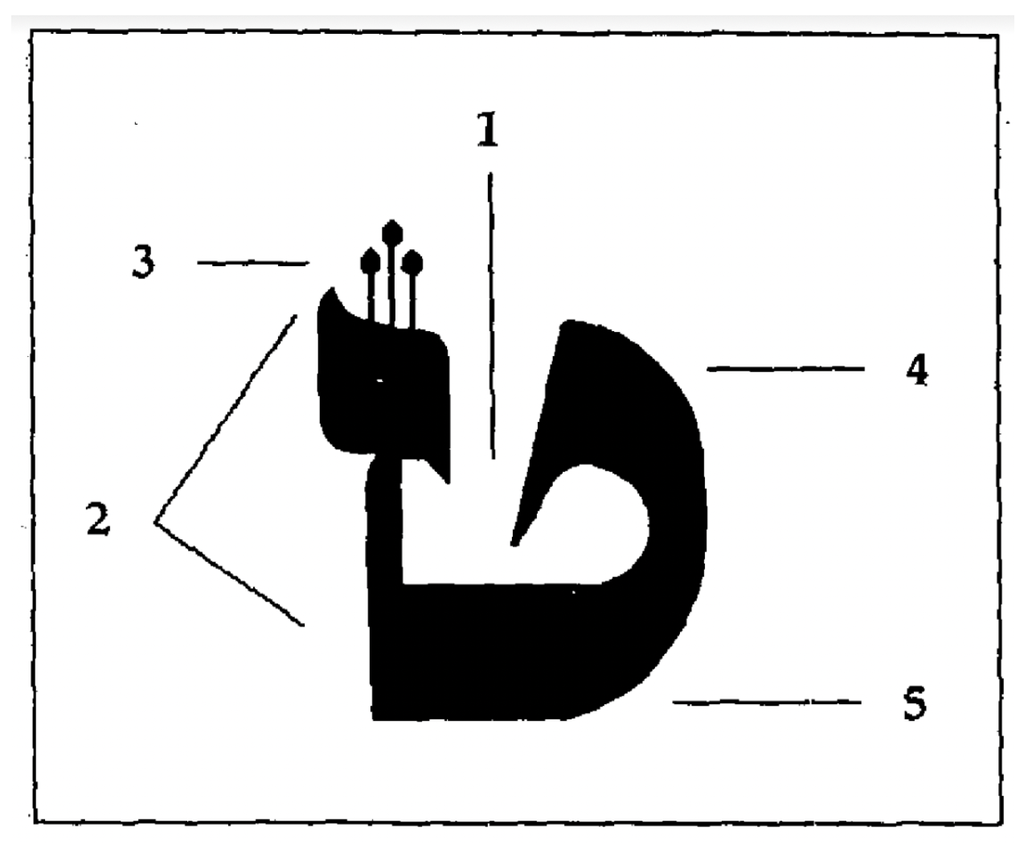
- concealed goodness which is connected with:
- the fact that the shape of this letter is seen as an vessel
- the ninth letter in the Hebrew alphabet, tet is connected with the ninth sefira (emanation of God in the Kabbalistic tree of life) which is yesod, foundation, toward the base of the "tree of life".
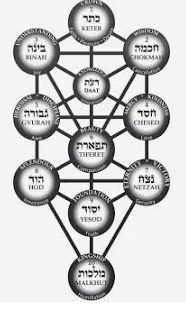
- Tet as the ninth letter is connected with the nine months of pregnancy.
- Yesod, meaning "foundation" in Kabbalah, represents connection, bonding, integrity, and the channel for bringing spiritual energy into reality, acting as a conduit between higher sefirot and the physical world (Malchut, the tenth and "lowest" sefira).
- "Yesod appears in the configuration of the sefirot along the middle axis, directly beneath tiferet, and corresponds in the tzelem Elokim to the procreative organ (in the male; in the female, to the womb).Yesod is associated in the soul with the power to contact, connect and communicate with outer reality (represented by the sefirah of malchut). The foundation (yesod) of a building is its "grounding," its union with the earth (malchut).Corresponding to the procreative organ of man, yesod is the foundation of generations to come. The power to procreate is the manifestation of infinity within the finite context of the created human being. Each individual man is "small" relative to all generations to come (from him). The yesod is referred to as the "small limb" of man, the "small that holds the large [infinite]." The yesod is the "small" and "narrow" bridge between the infinite potential of procreation that flows into it and its actual manifestation in the progeny of man.For this reason, the sefirah of yesod is identified in the Torah with the tzadik (righteous one), as is said: "and the tzadik is the foundation of the world." In particular, this refers to the one, perfect tzadik of the generation. In the very body of the tzadik, finite and limited in time and space, God's infinite light and creative lifeforce becomes manifest. The tzadik procreates on the spiritual plane as well as on the physical plane. He experiences procreation in the inner eye of his consciousness, in the continual flow of new insights and true innovations in Torah. He procreates by arousing the souls of his generation to return to God and the Torah." https://inner.org/sefirot/sefyesod.htm
״וַתֵּרֶא אוֹתוֹ כִּי טוֹב הוּא״. תַּנְיָא, רַבִּי מֵאִיר אוֹמֵר: ״טוֹב״ שְׁמוֹ. רַבִּי יְהוּדָה אוֹמֵר: ״טוֹבִיָּה״ שְׁמוֹ. רַבִּי נְחֶמְיָה אוֹמֵר: הָגוּן לִנְבִיאוּת. אֲחֵרִים אוֹמְרִים: נוֹלַד כְּשֶׁהוּא מָהוּל. וַחֲכָמִים אוֹמְרִים: בְּשָׁעָה שֶׁנּוֹלַד מֹשֶׁה, נִתְמַלֵּא הַבַּיִת כּוּלּוֹ אוֹר. כְּתִיב הָכָא: ״וַתֵּרֶא אוֹתוֹ כִּי טוֹב הוּא״, וּכְתִיב הָתָם: ״וַיַּרְא אֱלֹקִים אֶת הָאוֹר כִּי טוֹב״.
The verse states with regard to the birth of Moses: “And the woman conceived, and bore a son; and when she saw him that he was a goodly [tov] child, she hid him three months” (Exodus 2:2). It is taught in a baraita that Rabbi Meir says: “Tov” is his,Moses’, real name, as it was given to him by his parents when he was born. Rabbi Yehuda says: His name was Toviya. Rabbi Neḥemya says: They said he was good because they saw that he was fit for prophecy. Others say: They said he was good because he was born when he was already circumcised. And the Rabbis say: At the time when Moses was born, the entire house was filled with light, as it is written here: “And when she saw him that he was a goodly [tov] child,” and it is written there: “And God saw the light, that it was good [tov]” (Genesis 1:4).
(ו) וַתִּפְתַּח֙ וַתִּרְאֵ֣הוּ אֶת־הַיֶּ֔לֶד וְהִנֵּה־נַ֖עַר בֹּכֶ֑ה וַתַּחְמֹ֣ל עָלָ֔יו וַתֹּ֕אמֶר מִיַּלְדֵ֥י הָֽעִבְרִ֖ים זֶֽה׃
(6) When she [Pharaoh's daughter] opened it [the closed basket into which Moses' mother had placed him into the Nile], she saw that it was a child, a boy crying. She took pity on it and said, “This must be a Hebrew child.”
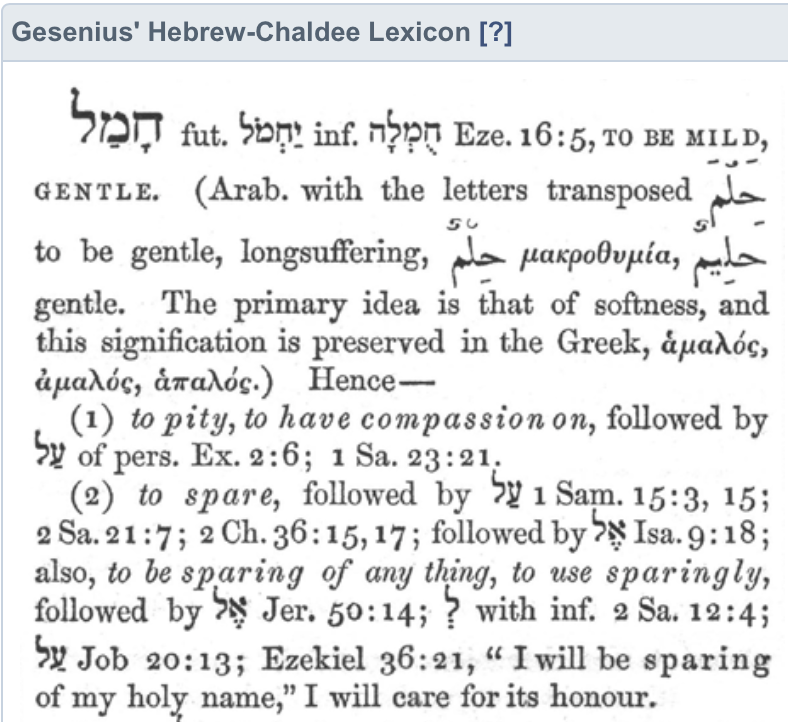
the verbal root is √חמל
בְּשָׁעָה שֶׁהַקָּדוֹשׁ בָּרוּךְ הוּא זוֹכֵר אֶת בָּנָיו שֶׁשְּׁרוּיִים בְּצַעַר בֵּין אוּמּוֹת הָעוֹלָם מוֹרִיד שְׁתֵּי דְמָעוֹת לַיָּם הַגָּדוֹל, וְקוֹלוֹ נִשְׁמָע מִסּוֹף הָעוֹלָם וְעַד סוֹפוֹ, וְהַיְינוּ גּוּהָא.
...when the Holy One, Blessed be He, remembers His children who are suffering among the nations of the world, He sheds two tears into the great sea. The sound of their reverberation is heard from one end of the earth to the other. And that is an earthquake.
A fable
She takes the girl, and raises her as an Israeli (in other words - gives the girl a life of safety and privilege). She sees the inherent goodness in this child: כִּי־ט֣וֹב.
Years later, the girl - now grown - becomes a great leader among her own people, the Palestinian people, a charismatic teacher and prophet, filled with spirit and gravitas, who inspires and leads her people to a new kind of freedom.
(יג) וְ֭אֵלֶּה צָפַ֣נְתָּ בִלְבָבֶ֑ךָ יָ֝דַ֗עְתִּי כִּי־זֹ֥את עִמָּֽךְ׃
(13)Yet these things You hid in Your heart;
I know that You had this in mind...
(ו) אַ֤ךְ ׀ ט֤וֹב וָחֶ֣סֶד יִ֭רְדְּפוּנִי כׇּל־יְמֵ֣י חַיָּ֑י וְשַׁבְתִּ֥י בְּבֵית־ה׳ לְאֹ֣רֶךְ יָמִֽים׃ {פ}
(6) Surely goodness and steadfast love shall pursue me all the days of my life,
and I shall dwell in the house of God for many long years.
