


Sefaria Scoop: January 2026 | Issue 49


 Save
Save Copy
Copy Add to Collection
 Export to Google Docs
 Share
ShareWelcome to the Sefaria Scoop, a digest newsletter to catch you up on the latest news, tech developments, and text additions to your digital Torah library.
We're starting off 2026 strong, with a new add-on that connects your AI assistant to our digital stacks, a fun Torah learning project based on Sefaria's data, and a newly available kabbalistic commentary. Let's dive in!
News

Sefaria-fying Your AI Queries
Do you ever ask ChatGPT a question about Jewish texts? With Sefaria's MCPs, your AI assistant has a direct line to the library and can prioritize Sefaria's collection of texts when searching for an answer. Use the Sefaria Text MCP to ask questions about texts, or the Sefaria Developers MCP for writing code.
Learn how it works >>
Do you ever ask ChatGPT a question about Jewish texts? With Sefaria's MCPs, your AI assistant has a direct line to the library and can prioritize Sefaria's collection of texts when searching for an answer. Use the Sefaria Text MCP to ask questions about texts, or the Sefaria Developers MCP for writing code.
Learn how it works >>
Share Your Input on AI & Tech in Jewish Learning
Speaking of AI… we want to hear from you! Our team is gathering input on how Sefaria users are using AI tools and technology in their daily lives. We're eager to hear from people of all backgrounds, perspectives, and levels of AI usage (including none).
Take the 5-minute survey >>
Speaking of AI… we want to hear from you! Our team is gathering input on how Sefaria users are using AI tools and technology in their daily lives. We're eager to hear from people of all backgrounds, perspectives, and levels of AI usage (including none).
Take the 5-minute survey >>
Over 30K Parashah Learners
If your New Year's resolution was to follow the weekly Torah cycle, we've got something just for you! Right now, over 30,000 people are enjoying a quick summary of the portion, relevant commentaries, questions for contemplation, and more every Monday. Plus, we just dove into the book of Exodus last week, so it's a great time to join this free weekly newsletter.
Get on the list >>
If your New Year's resolution was to follow the weekly Torah cycle, we've got something just for you! Right now, over 30,000 people are enjoying a quick summary of the portion, relevant commentaries, questions for contemplation, and more every Monday. Plus, we just dove into the book of Exodus last week, so it's a great time to join this free weekly newsletter.
Get on the list >>
In the Library

Fruit of the Citrus Tree
Got a hankering for some dried fruit or a handful of pomegranate seeds? Next week we welcome the Jewish month of Shevat, during which we celebrate Tu Bishvat (literally, the 15th of Shevat), the new year of trees. The 18th-century kabbalistic text Peri Etz Hadar (Fruit of the Citrus Tree) explains the basis for a Tu Bishvat seder, along with selections from biblical and mystical texts and relevant blessings for fruits eaten during this celebratory meal.
Start reading >>
Got a hankering for some dried fruit or a handful of pomegranate seeds? Next week we welcome the Jewish month of Shevat, during which we celebrate Tu Bishvat (literally, the 15th of Shevat), the new year of trees. The 18th-century kabbalistic text Peri Etz Hadar (Fruit of the Citrus Tree) explains the basis for a Tu Bishvat seder, along with selections from biblical and mystical texts and relevant blessings for fruits eaten during this celebratory meal.
Start reading >>
Siftei Kohen on Torah
Nature, spirituality, and Torah connect in this kabbalistic Torah commentary, written in early-17th-century Safed by Rabbi Mordechai Kohen. It's now available in the Sefaria library in Hebrew.
Start reading >>
Nature, spirituality, and Torah connect in this kabbalistic Torah commentary, written in early-17th-century Safed by Rabbi Mordechai Kohen. It's now available in the Sefaria library in Hebrew.
Start reading >>
Tech Updates
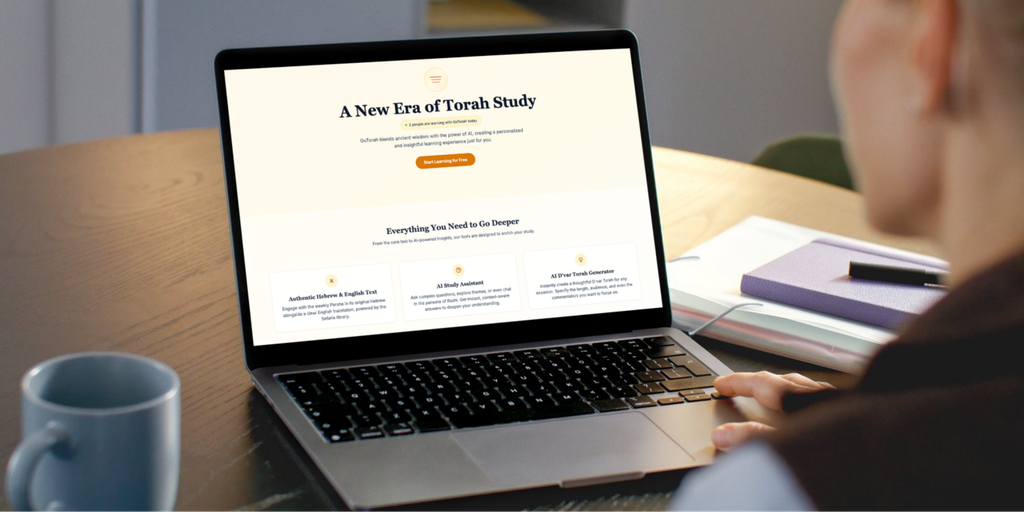
Powered by Sefaria: GoTorah
By making nearly all of our data open and free to use, Sefaria powers a wide variety of Torah tech projects. A recent example is GoTorah, an AI-powered Torah learning app. GoTorah offers an AI study assistant for those looking to study the weekly Torah portion alongside classical commentary by the 11th-century scholar Rashi.
Learn more >>
By making nearly all of our data open and free to use, Sefaria powers a wide variety of Torah tech projects. A recent example is GoTorah, an AI-powered Torah learning app. GoTorah offers an AI study assistant for those looking to study the weekly Torah portion alongside classical commentary by the 11th-century scholar Rashi.
Learn more >>
Shape API for Software Developers
Chapters and verses and essays, oh my! Sometimes it can be hard to understand the structure of a digitized text you're accessing when using Sefaria's API. That's why we've got the Shape API. Use this to retrieve basic information about the Index (text) in question, such as number of chapters or segments per chapter.
Learn more >>
Chapters and verses and essays, oh my! Sometimes it can be hard to understand the structure of a digitized text you're accessing when using Sefaria's API. That's why we've got the Shape API. Use this to retrieve basic information about the Index (text) in question, such as number of chapters or segments per chapter.
Learn more >>
In Case You Missed It
A Bite of Torah in Your Browser
If all you want is a little nosh of Torah, grab a snack with Torah Tab. This browser extension will open a short passage of text from the Sefaria Library in your browser window every time you open a new tab. Add a moment of meaning to every tab with this free add-on!
Get the extension >>
If all you want is a little nosh of Torah, grab a snack with Torah Tab. This browser extension will open a short passage of text from the Sefaria Library in your browser window every time you open a new tab. Add a moment of meaning to every tab with this free add-on!
Get the extension >>
