




 Save
Save Copy
Copy Add to Collection
 Export to Google Docs
 Share
Share
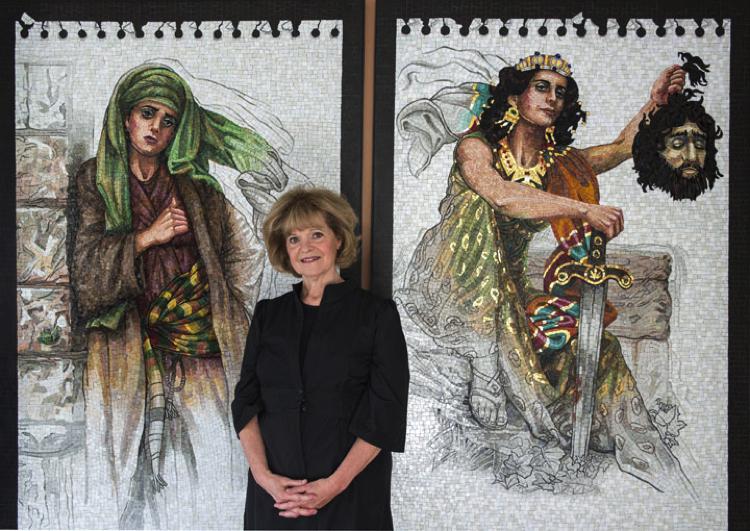
Growing up in an age where Yael was one of the more common names for girls in American Jewish day schools, I have always been surprised by the extremes of opinion surrounding Yael, the powerful Jewish action hero in the book of Judges. I was always taught that Yael was a femme formidable, a hero of the ancient world who seized her chance to lay low a villain who had escaped justice for too long. However, it is almost impossible to find a sympathetic portrait of Yael in the Christian world of Western art and literature, whereas Judith, her sword-wielding Hellenistic counterpart, receives notable attention. Art historians will quickly assure me that much of the paint spilled on Judith’s behalf is done in praise of her womanly wiles, with or without her trademark fashion sense. And unfortunately, the Sages in the Babylonian Talmud take a not wholly dissimilar attitude towards Yael, courtesy of the poetic language which the prophetess Devorah uses in her praise. The powerfully literate Orthodox women who taught me did not think this way: Devorah uses the language of power, of destiny, and of motherhood. Yael does also, which led me to imagine an instinctive sympathy between the two women.
https://thelehrhaus.com/culture/nifrad-mikayin-a-story-of-ancient-israel/
Part 1: War in the South
(ו) בִּימֵ֞י שַׁמְגַּ֤ר בֶּן־עֲנָת֙ בִּימֵ֣י יָעֵ֔ל חָֽדְל֖וּ אֳרָח֑וֹת וְהֹלְכֵ֣י נְתִיב֔וֹת יֵלְכ֕וּ אֳרָח֖וֹת עֲקַלְקַלּֽוֹת׃
(6)In the days of Shamgar ben Anat, in the days of Yael, caravans ceased,
and wayfarers went by roundabout paths.
Part 2.1: Judgement Under the Palm Tree
(ד) וּדְבוֹרָה֙ אִשָּׁ֣ה נְבִיאָ֔ה אֵ֖שֶׁת לַפִּיד֑וֹת הִ֛יא שֹׁפְטָ֥ה אֶת־יִשְׂרָאֵ֖ל בָּעֵ֥ת הַהִֽיא׃ (ה) וְ֠הִ֠יא יוֹשֶׁ֨בֶת תַּחַת־תֹּ֜מֶר דְּבוֹרָ֗ה בֵּ֧ין הָרָמָ֛ה וּבֵ֥ין בֵּֽית־אֵ֖ל בְּהַ֣ר אֶפְרָ֑יִם וַיַּעֲל֥וּ אֵלֶ֛יהָ בְּנֵ֥י יִשְׂרָאֵ֖ל לַמִּשְׁפָּֽט׃
(4) Now Devorah, wife of Lappidot (alt. "a fiery woman"), was a prophet; she led Israel at that time. (5) She used to sit under Tomer Devorah ("the Palm of Deborah"), between Ramah and Beit-El in the hill country of Ephraim, and the Israelites would come to her for judgement.
Part 2.2: Devorah and Barak
(ו) וַתִּשְׁלַ֗ח וַתִּקְרָא֙ לְבָרָ֣ק בֶּן־אֲבִינֹ֔עַם מִקֶּ֖דֶשׁ נַפְתָּלִ֑י וַתֹּ֨אמֶר אֵלָ֜יו הֲלֹ֥א צִוָּ֣ה ׀ ה` אֱלֹהֵֽי־יִשְׂרָאֵ֗ל לֵ֤ךְ וּמָֽשַׁכְתָּ֙ בְּהַ֣ר תָּב֔וֹר וְלָקַחְתָּ֣ עִמְּךָ֗ עֲשֶׂ֤רֶת אֲלָפִים֙ אִ֔ישׁ מִבְּנֵ֥י נַפְתָּלִ֖י וּמִבְּנֵ֥י זְבֻלֽוּן׃ (ז) וּמָשַׁכְתִּ֨י אֵלֶ֜יךָ אֶל־נַ֣חַל קִישׁ֗וֹן אֶת־סִֽיסְרָא֙ שַׂר־צְבָ֣א יָבִ֔ין וְאֶת־רִכְבּ֖וֹ וְאֶת־הֲמוֹנ֑וֹ וּנְתַתִּ֖יהוּ בְּיָדֶֽךָ׃ (ח) וַיֹּ֤אמֶר אֵלֶ֙יהָ֙ בָּרָ֔ק אִם־תֵּלְכִ֥י עִמִּ֖י וְהָלָ֑כְתִּי וְאִם־לֹ֥א תֵֽלְכִ֛י עִמִּ֖י לֹ֥א אֵלֵֽךְ׃ (ט) וַתֹּ֜אמֶר הָלֹ֧ךְ אֵלֵ֣ךְ עִמָּ֗ךְ אֶ֚פֶס כִּי֩ לֹ֨א תִֽהְיֶ֜ה תִּֽפְאַרְתְּךָ֗ עַל־הַדֶּ֙רֶךְ֙ אֲשֶׁ֣ר אַתָּ֣ה הוֹלֵ֔ךְ כִּ֣י בְֽיַד־אִשָּׁ֔ה יִמְכֹּ֥ר ה` אֶת־סִֽיסְרָ֑א וַתָּ֧קׇם דְּבוֹרָ֛ה וַתֵּ֥לֶךְ עִם־בָּרָ֖ק קֶֽדְשָׁה׃ (י) וַיַּזְעֵ֨ק בָּרָ֜ק אֶת־זְבוּלֻ֤ן וְאֶת־נַפְתָּלִי֙ קֶ֔דְשָׁה וַיַּ֣עַל בְּרַגְלָ֔יו עֲשֶׂ֥רֶת אַלְפֵ֖י אִ֑ישׁ וַתַּ֥עַל עִמּ֖וֹ דְּבוֹרָֽה׃
(6) She summoned Barak son of Avinoam, of Kedesh in Naphtali, and said to him, “The ETERNAL, the God of Israel, has commanded: Go, march up to Mount Tavor, and take with you ten thousand men of Naphtali and Zevulun. (7) And I will draw Sisera, Yabin’s army commander, with his chariots and his troops, toward you up to Nachal Kishon [the wadi in that region]; and I will deliver him into your hands.” (8) But Barak said to her, “If you will go with me, I will go; if not, I will not go.” (9) “I will certainly go with you,” she answered. “[But keep your personal hopes at] zero: there will be no glory for you in the course you are taking, for then GOD will deliver Sisera into the hands of a woman.” So Devorah went with Barak to Kedesh. (10) Barak then mustered Zevulun and Naphtali at Kedesh; ten thousand men marched up after him; and Devorah went up with him.
Part 3.1: Hever the Kainite
(יא)וְחֶ֤בֶר הַקֵּינִי֙ נִפְרָ֣ד מִקַּ֔יִן מִבְּנֵ֥י חֹבָ֖ב חֹתֵ֣ן מֹשֶׁ֑ה וַיֵּ֣ט אׇֽהֳל֔וֹ עַד־אֵיל֥וֹן (בצענים)[בְּצַעֲנַנִּ֖ים] אֲשֶׁ֥ר אֶת־קֶֽדֶשׁ׃
(11)Now Chever the Kenite had separated from the other Kainites, the descendants of Chovav, father-in-law of Moshe [Rabbeinu], and had pitched his tent at Elon-beTzaanannim ("the oak in Tza'ananim"), which is near Kedesh.
(כב) וְצִלָּ֣ה גַם־הִ֗וא יָֽלְדָה֙ אֶת־תּ֣וּבַל קַ֔יִן לֹטֵ֕שׁ כׇּל־חֹרֵ֥שׁ נְחֹ֖שֶׁת וּבַרְזֶ֑ל...
(22) As for Tzillah, she also bore Tuval-Kayin, who forged all implements of copper and iron...
(ו) וַיֹּ֣אמֶר שָׁא֣וּל אֶֽל־הַקֵּינִ֡י לְכוּ֩ סֻּ֨רוּ רְד֜וּ מִתּ֣וֹךְ עֲמָלֵקִ֗י פֶּן־אֹֽסִפְךָ֙ עִמּ֔וֹ וְאַתָּ֞ה עָשִׂ֤יתָֽה חֶ֙סֶד֙ עִם־כׇּל־בְּנֵ֣י יִשְׂרָאֵ֔ל בַּעֲלוֹתָ֖ם מִמִּצְרָ֑יִם וַיָּ֥סַר קֵינִ֖י מִתּ֥וֹךְ עֲמָלֵֽק׃
(6) Shaul said to the Kainite, “Go, withdraw at once from among the Amalekites, lest I [accidentally] destroy you along with them; for you showed kindness to all the Israelites when they left Egypt.” So the Kainites withdrew from among the Amalekites.
***
***
Part 3.2: El Elyon, the Mother Goddess, and Yael the Kainite
(יז) וַיְהִ֛י כִּרְא֥וֹת אַחְאָ֖ב אֶת־אֵלִיָּ֑הוּ וַיֹּ֤אמֶר אַחְאָב֙ אֵלָ֔יו הַאַתָּ֥ה זֶ֖ה עֹכֵ֥ר יִשְׂרָאֵֽל׃ (יח) וַיֹּ֗אמֶר לֹ֤א עָכַ֙רְתִּי֙ אֶת־יִשְׂרָאֵ֔ל כִּ֥י אִם־אַתָּ֖ה וּבֵ֣ית אָבִ֑יךָ בַּעֲזׇבְכֶם֙ אֶת־מִצְוֺ֣ת יהוה וַתֵּ֖לֶךְ אַחֲרֵ֥י הַבְּעָלִֽים׃ (יט) וְעַתָּ֗ה שְׁלַ֨ח קְבֹ֥ץ אֵלַ֛י אֶת־כׇּל־יִשְׂרָאֵ֖ל אֶל־הַ֣ר הַכַּרְמֶ֑ל וְאֶת־נְבִיאֵ֨י הַבַּ֜עַל אַרְבַּ֧ע מֵא֣וֹת וַחֲמִשִּׁ֗ים וּנְבִיאֵ֤י הָאֲשֵׁרָה֙ אַרְבַּ֣ע מֵא֔וֹת אֹכְלֵ֖י שֻׁלְחַ֥ן אִיזָֽבֶל׃ (כ) וַיִּשְׁלַ֥ח אַחְאָ֖ב בְּכׇל־בְּנֵ֣י יִשְׂרָאֵ֑ל וַיִּקְבֹּ֥ץ אֶת־הַנְּבִיאִ֖ים אֶל־הַ֥ר הַכַּרְמֶֽל׃ (כא) וַיִּגַּ֨שׁ אֵלִיָּ֜הוּ אֶל־כׇּל־הָעָ֗ם וַיֹּ֙אמֶר֙ עַד־מָתַ֞י אַתֶּ֣ם פֹּסְחִים֮ עַל־שְׁתֵּ֣י הַסְּעִפִּים֒ אִם־ה` הָאֱלֹהִ-ים֙ לְכ֣וּ אַחֲרָ֔יו וְאִם־הַבַּ֖עַל לְכ֣וּ אַחֲרָ֑יו וְלֹא־עָנ֥וּ הָעָ֛ם אֹת֖וֹ דָּבָֽר׃
(17) When Ahab caught sight of Eliyahu, [King] Ach'av said to him, “Is that you, you troubler of Israel?” (18) He retorted, “It is not I who have brought trouble on Israel, but you and your father’s House, by forsaking the commandments of GOD and going after the Ba'alim. (19) Now summon all Israel to join me at Mount Carmel, together with the four hundred and fifty prophets of Baal and the four hundred prophets of Asherah, who eat at Jezebel’s table.” (20) Ach'av sent orders to all the Israelites and gathered the prophets at Mount Carmel. (21) Eliyahu approached all the people and said, “How long will you keep hopping between two opinions? If the ETERNAL is God, then follow [the ETERNAL]; and if B'aal, follow [Ba'al]! [Monotheism, people! Your attempt to do both at once Does! Not! Fly!]” But the people answered him not a word.
(לט) וַיַּרְא֙ כׇּל־הָעָ֔ם וַֽיִּפְּל֖וּ עַל־פְּנֵיהֶ֑ם וַיֹּ֣אמְר֔וּ ה` ה֣וּא הָאֱלֹהִ֔-ים ה` ה֥וּא הָאֱלֹהִֽ-ים׃
(39) When they saw this, all the people flung themselves on their faces and cried out: “the ETERNAL One alone is God, the ETERNAL One alone is God!”
(מ) וַיֹּ֩אמֶר֩ אֵלִיָּ֨הוּ לָהֶ֜ם תִּפְשׂ֣וּ ׀ אֶת־נְבִיאֵ֣י הַבַּ֗עַל אִ֛ישׁ אַל־יִמָּלֵ֥ט מֵהֶ֖ם וַֽיִּתְפְּשׂ֑וּם וַיּוֹרִדֵ֤ם אֵלִיָּ֙הוּ֙ אֶל־נַ֣חַל קִישׁ֔וֹן וַיִּשְׁחָטֵ֖ם שָֽׁם׃
(40) Then Elijah said to them, “Seize the prophets of Ba'al, let not a single one of them get away.” They seized them, and Eliyahu took them down to Nachal Kishon and slaughtered them there.
Part 3.3 Maternal, Not Sexual
(יז) וְסִֽיסְרָא֙ נָ֣ס בְּרַגְלָ֔יו אֶל־אֹ֣הֶל יָעֵ֔ל אֵ֖שֶׁת חֶ֣בֶר הַקֵּינִ֑י כִּ֣י שָׁל֗וֹם בֵּ֚ין יָבִ֣ין מֶלֶךְ־חָצ֔וֹר וּבֵ֕ין בֵּ֖ית חֶ֥בֶר הַקֵּינִֽי׃ (יח) וַתֵּצֵ֣א יָעֵל֮ לִקְרַ֣את סִֽיסְרָא֒ וַתֹּ֣אמֶר אֵלָ֗יו סוּרָ֧ה אֲדֹנִ֛י סוּרָ֥ה אֵלַ֖י אַל־תִּירָ֑א וַיָּ֤סַר אֵלֶ֙יהָ֙ הָאֹ֔הֱלָה וַתְּכַסֵּ֖הוּ בַּשְּׂמִיכָֽה׃(יט) וַיֹּ֧אמֶר אֵלֶ֛יהָ הַשְׁקִינִי־נָ֥א מְעַט־מַ֖יִם כִּ֣י צָמֵ֑אתִי וַתִּפְתַּ֞ח אֶת־נֹ֧אוד הֶחָלָ֛ב וַתַּשְׁקֵ֖הוּ וַתְּכַסֵּֽהוּ׃
(17) Sisera, meanwhile, had fled on foot to the tent of Yael, wife of Chever the Kainnite; for there was friendship between King Yavin of Chatzor and the family of Chever the Kainite. (18) Yael came out to greet Sisera and said to him, “Come in, my lord, come in here, do not be afraid.” So he entered her tent, and she covered him with a blanket. (19) He said to her, “Please let me have some water; I am thirsty.” She opened a skin of milk and gave him some to drink; and she covered him back up.
(כז)בֵּ֣ין רַגְלֶ֔יהָ כָּרַ֥ע נָפַ֖ל שָׁכָ֑ב בֵּ֤ין רַגְלֶ֙יהָ֙ כָּרַ֣ע נָפָ֔ל בַּאֲשֶׁ֣ר כָּרַ֔ע שָׁ֖ם נָפַ֥ל שָׁדֽוּד׃
(27)At her feet [lit. "between her legs"] he sank, fell, lay there,
"Between her legs" he sank, fell;
Where he sank, there he fell—destroyed.
(כח) בְּעַד֩ הַחַלּ֨וֹן נִשְׁקְפָ֧ה וַתְּיַבֵּ֛ב אֵ֥ם סִֽיסְרָ֖א בְּעַ֣ד הָאֶשְׁנָ֑ב מַדּ֗וּעַ בֹּשֵׁ֤שׁ רִכְבּוֹ֙ לָב֔וֹא מַדּ֣וּעַ אֶֽחֱר֔וּ פַּעֲמֵ֖י מַרְכְּבוֹתָֽיו׃
(28)Through the window peered Sisera’s mother,
Behind the lattice she whined,
“Why is his [lazy] chariot so long in coming?
Why so late, O bells of his chariot?”
(כט) חַכְמ֥וֹת שָׂרוֹתֶ֖יהָ תַּעֲנֶ֑ינָּה אַף־הִ֕יא תָּשִׁ֥יב אֲמָרֶ֖יהָ לָֽהּ׃ (ל) הֲלֹ֨א יִמְצְא֜וּ יְחַלְּק֣וּ שָׁלָ֗ל רַ֤חַם רַחֲמָתַ֙יִם֙ לְרֹ֣אשׁ גֶּ֔בֶר...
(29)The wisest of her ladies give answer; she, too, replies to herself: (30)
“They must be dividing the spoil they have found:
A wench or two [lit. "a uterus or two"] for the head of each man,..."
(לג) וַיֹּ֣אמֶר שְׁמוּאֵ֔ל כַּאֲשֶׁ֨ר שִׁכְּלָ֤ה נָשִׁים֙ חַרְבֶּ֔ךָ כֵּן־תִּשְׁכַּ֥ל מִנָּשִׁ֖ים אִמֶּ֑ךָ וַיְשַׁסֵּ֨ף שְׁמוּאֵ֧ל אֶת־אֲגָ֛ג לִפְנֵ֥י ה` בַּגִּלְגָּֽל׃
(33) Samuel said:
“As your sword has bereaved women,
So shall your mother be bereaved among women!”
And Samuel cut Agag down before the ETERNAL at Gilgal.
***
(כד) תְּבֹרַךְ֙ מִנָּשִׁ֔ים יָעֵ֕ל אֵ֖שֶׁת חֶ֣בֶר הַקֵּינִ֑י מִנָּשִׁ֥ים בָּאֹ֖הֶל תְּבֹרָֽךְ׃
(24)Most blessed of women be Yael,
Wife of Chever the Kainite,
By women in the tents shall she be blessed.
אֶלָּא אֵימָא: כְּמִצְוָה שֶׁלֹּא לִשְׁמָהּ. דִּכְתִיב: ״תְּבֹרַךְ מִנָּשִׁים יָעֵל אֵשֶׁת חֶבֶר הַקֵּינִי מִנָּשִׁים בָּאֹהֶל תְּבֹרָךְ״. מַאן נָשִׁים שֶׁבָּאֹהֶל — שָׂרָה רִבְקָה רָחֵל וְלֵאָה.
Rather, say: A sin for the sake of Heaven is equivalent to a mitzvah performed selfishly not for its own sake. The proof is as it is written: “Blessed above women shall Yael be, the wife of Chever the Kainite, above women in the tent she shall be blessed” (Judges 5:24), and it is taught: Who are these “women in the tent?” They are our [grateful matriarchs] Sarah, Rebecca, Rachel, and Leah, whose descendants were saved from violence by the selfless deeds of this brave woman whom they would have been pleased to call Sister.
Part 4: The Shirah, The Song of Deborah
חָדְל֧וּ פְרָז֛וֹן בְּיִשְׂרָאֵ֖ל חָדֵ֑לּוּ עַ֤ד שַׁקַּ֙מְתִּי֙ דְּבוֹרָ֔ה שַׁקַּ֥מְתִּי אֵ֖ם בְּיִשְׂרָאֵֽל׃
I don’t see Devorah haughtily praising herself, singing of her accomplishments in first person. I like to think that Barak and the grateful troops called it out, and she proudly acknowledged their praise.
"שִׁמְעוּ מְלָכִים,"
the prophetess thunders.
" הַאֲזִ֖ינוּ רֹֽזְנִ֑ים אָנֹכִ֗י לַֽה֙' אָנֹכִ֣י אָשִׁ֔ירָה אֲזַמֵּ֕ר לַָ֖יהוה אֱלֹהֵ֥י יִשְׂרָאֵֽל׃"
Barak answers, “Praised is Adonai for the generous hearts of our volunteers from afar!”
The prophetesses' words bring light to Yael’s heart. In Seir dwells her only living child, her precious daughter, whom she sent off in marriage away from the soldiers as soon as the girl had grown hair enough to be a bride. The wings of the wind and the tremors of the earth will bring the good news to her from afar. The upstart rain god had been put in his place and her mother is no longer the humbled wife of a traitor.
(ו) בִּימֵ֞י שַׁמְגַּ֤ר בֶּן־עֲנָת֙ בִּימֵ֣י יָעֵ֔ל חָֽדְל֖וּ אֳרָח֑וֹת וְהֹלְכֵ֣י נְתִיב֔וֹת יֵלְכ֕וּ אֳרָח֖וֹת עֲקַלְקַלּֽוֹת׃ (ז) חָדְל֧וּ פְרָז֛וֹן בְּיִשְׂרָאֵ֖ל חָדֵ֑לּוּ עַ֤ד שַׁקַּ֙מְתִּי֙ דְּבוֹרָ֔ה שַׁקַּ֥מְתִּי אֵ֖ם בְּיִשְׂרָאֵֽל׃
Brave scouts will ride with the dawn to bring the news to Shamgar ben Anat, the wizened old war chief of the south. Perhaps someday the roads will be safe enough for Yael to travel to see her daughter. Perhaps there are grandchildren now. The soldiers from little villages cheer. Perhaps someday they can go home, too.
Barak is radiant with relief. He has led his people to victory, neither falling short in his faith nor letting his ego make him their enemy.“For twenty years we have skulked around the back roads with no deliverance to be found, until you arose, Devorah!” Barak cheers. “Until you arose, a Mother in Israel.” Devorah dips her head, pleased with the recognition and harmonizes proudly. Even now, it is not considered good manners for a woman to admit she has any worth at all, other than as a helpmeet and a tool for others to use. But God has led her: to deny her worthiness is to belittle God’s choice.
The mevasrot, the female sopranos whose high, carrying voices ululate national security news from mountain peak to mountain peak (Isaiah 40:9), follow after him in chorus. Their voices rise louder than a volley of arrows, louder than a waterfall, as they sing about the rescue of the unprotected villagers.
",עוּרִ֤י עוּרִי֙ דְּבוֹרָ֔ה ע֥וּרִי ע֖וּרִי דַּבְּרִי־שִׁ֑יר"
the women sing, and the men respond:
ק֥וּם בָּרָ֛ק וּֽשְׁבֵ֥ה שֶׁבְיְךָ֖ בֶּן־אֲבִינֹֽעַם׃
(יד) מִנִּ֣י אֶפְרַ֗יִם שׇׁרְשָׁם֙ בַּעֲמָלֵ֔ק אַחֲרֶ֥יךָ בִנְיָמִ֖ין בַּעֲמָמֶ֑יךָ מִנִּ֣י מָכִ֗יר יָֽרְדוּ֙ מְחֹ֣קְקִ֔ים וּמִ֨זְּבוּלֻ֔ן מֹשְׁכִ֖ים בְּשֵׁ֥בֶט סֹפֵֽר׃
“Who’s here from Ephrayim?” Barak calls. “Raise your voice to God if you had to wend your way around Amalek to get here!” The men of that tribe sing and cheer.
“Let’s hear it for the gangs from Binyamin!” the warriors call. “You ravening wolves, who tore the enemy to pieces!”Ten separate groups of men raise wolf howls from around the field, and the meshorrerot take up the howl themselves.
“Let’s give it up for the leaders of Machir, prince of Menashe!” the prophetess calls, “whose resources fed our troops and equipped our farmers.” The musicians strike up the Song of the Feast.
“Let’s hear it for the marshals of Zevulun!” call those same noblemen under the black flags of the auroch-ox. “Give it up for the students from their academies, who ate more in one month than ten thousand men could do in a year!” There is good-natured shoving and catcalling among the men, and some of them call out, “Let’s hear it for the scribes of Zevulun,who put away their scribal tools and laid their hands to the bow!”
A great crowd of men under the blue flag of the sun & moon continue the chant. “The princes of Yissaschar are with Devorah!” calls the prophetess as she harmonizes. “Let’s hear it for Barak,” those men respond, “The thunderbolt of Kedesh Naphtali!”
(טו) וְשָׂרַ֤י בְּיִשָּׂשכָר֙ עִם־דְּבֹרָ֔ה וְיִשָּׂשכָר֙ כֵּ֣ן בָּרָ֔ק בָּעֵ֖מֶק שֻׁלַּ֣ח בְּרַגְלָ֑יו בִּפְלַגּ֣וֹת רְאוּבֵ֔ן גְּדֹלִ֖ים חִקְקֵי־לֵֽב׃ (טז) לָ֣מָּה יָשַׁ֗בְתָּ בֵּ֚ין הַֽמִּשְׁפְּתַ֔יִם לִשְׁמֹ֖עַ שְׁרִק֣וֹת עֲדָרִ֑ים לִפְלַגּ֣וֹת רְאוּבֵ֔ן גְּדוֹלִ֖ים חִקְרֵי־לֵֽב׃
Barak laughs and ululates YIYIYIYEEEEE with the meshorrerot. He grows merry. “Let’s hear it for the great hearts of Reuven, who thought about coming to our aid!”
The whole field laughs and boos and catcalls. They know there is no one here from that tribe. “Reuven stays in the field with his sheep!” they howl. “They thought about coming to our aid, and still they are thinking.”
(יז) גִּלְעָ֗ד בְּעֵ֤בֶר הַיַּרְדֵּן֙ שָׁכֵ֔ן וְדָ֕ן לָ֥מָּה יָג֖וּר אֳנִיּ֑וֹת אָשֵׁ֗ר יָשַׁב֙ לְח֣וֹף יַמִּ֔ים וְעַ֥ל מִפְרָצָ֖יו יִשְׁכּֽוֹן׃
“Is anyone here from Gil’ad?” Barak asks sardonically. The princes of Machir wave their black flags and beat their drums and boo loudly. “They remained across the river! To come to our aid, they would have had to wet their tender feet.”
Yael’s sides ache with laughter. It is hard for twelve tribes to come together. Now they are making sport of the seafearing tribes. “Let’s hear it for the navies of Dan and the coastal fortresses of Asher, who secured the coast against the navy of Yavin Melech K’naan!” This is too much for Yael, who joins in the singing. “What a pity that Yavin Melech K’naan has no coastal territory and cannot put to sea!” The student volunteers from Zevulun harmonize with a jolly tune, “When C’naan reared its ugly head, they all got on their ships and fled! Brave, brave, brave, brave, Dan and Asher’s men."
(יח) זְבֻל֗וּן עַ֣ם חֵרֵ֥ף נַפְשׁ֛וֹ לָמ֖וּת וְנַפְתָּלִ֑י עַ֖ל מְרוֹמֵ֥י שָׂדֶֽה׃ (יט) בָּ֤אוּ מְלָכִים֙ נִלְחָ֔מוּ אָ֤ז נִלְחֲמוּ֙ מַלְכֵ֣י כְנַ֔עַן בְּתַעְנַ֖ךְ עַל־מֵ֣י מְגִדּ֑וֹ בֶּ֥צַע כֶּ֖סֶף לֹ֥א לָקָֽחוּ׃
“Let’s raise a cup!” calls Barak more soberly. “To all our brothers of Zevulun who have died in the fighting, and to those here who risked death to bring them home.”
“To Naphtali!” call the men of Zevulun. “Who risked their necks taking the high ground so we could succeed in doing so.”
Kings came, and fought over, but they got no spoil of silver. This war was not for profit, nor for armchair philosophers without death at their own doors.
(כ) מִן־שָׁמַ֖יִם נִלְחָ֑מוּ הַכּֽוֹכָבִים֙ מִמְּסִלּוֹתָ֔ם נִלְחֲמ֖וּ עִם־סִֽיסְרָֽא׃ (כא) נַ֤חַל קִישׁוֹן֙ גְּרָפָ֔ם נַ֥חַל קְדוּמִ֖ים נַ֣חַל קִישׁ֑וֹן תִּדְרְכִ֥י נַפְשִׁ֖י עֹֽז׃ (כב) אָ֥ז הָלְמ֖וּ עִקְּבֵי־ס֑וּס מִֽדַּהֲר֖וֹת דַּהֲר֥וֹת אַבִּירָֽיו׃ (כג) א֣וֹרוּ מֵר֗וֹז אָמַר֙ מַלְאַ֣ךְ יהוה אֹ֥רוּ אָר֖וֹר יֹשְׁבֶ֑יהָ כִּ֤י לֹֽא־בָ֙אוּ֙ לְעֶזְרַ֣ת ה` לְעֶזְרַ֥ת ה` בַּגִּבּוֹרִֽים׃
“To all of the kings, judges, and messengers,” Barak intones, “on earth below and in heaven above, who, all across this land, took a stand against this brutality without thought for material gain!”
“Our fight was from heaven!” the prophetess assures them. “If we followed God’s will and did no harm, the stars in their courses will fight against Sisera.”
“Curse those who turn away from innocent blood and call their ignorance their justification!” roars Barak. “Who cheer for bloodshed and rapine when it is comfortably far away but protest when the roaring tide brings violence and blood to their own shores.”
But a roaring tide has done the Israelites a good service.
“Up with Nachal Kishon!” Yael chimes in, and the students began the Chant of Mighty Waters. “The mighty Kishon, a road for those who try to stem the bloodshed and a river to sweep away all those who fight to uphold the rule of evil!” The Thunderbolt of Naphtali harmonizes with them, “Ah, my soul, may you march on in strength to do likewise!”
But a roaring tide has done the Israelites a good service.
“Up with Nachal Kishon!” Yael chimes in, and the students began the Chant of Mighty Waters. “The mighty Kishon, a road for those who try to stem the bloodshed and a river to sweep away all those who fight to uphold the rule of evil!” The Thunderbolt of Naphtali harmonizes with them, “Ah, my soul, may you march on in strength to do likewise!”
(כד) תְּבֹרַךְ֙ מִנָּשִׁ֔ים יָעֵ֕ל אֵ֖שֶׁת חֶ֣בֶר הַקֵּינִ֑י מִנָּשִׁ֥ים בָּאֹ֖הֶל תְּבֹרָֽךְ׃ (כה) מַ֥יִם שָׁאַ֖ל חָלָ֣ב נָתָ֑נָה בְּסֵ֥פֶל אַדִּירִ֖ים הִקְרִ֥יבָה חֶמְאָֽה׃ (כו) יָדָהּ֙ לַיָּתֵ֣ד תִּשְׁלַ֔חְנָה וִימִינָ֖הּ לְהַלְמ֣וּת עֲמֵלִ֑ים וְהָלְמָ֤ה סִֽיסְרָא֙ מָחֲקָ֣ה רֹאשׁ֔וֹ וּמָחֲצָ֥ה וְחָלְפָ֖ה רַקָּתֽוֹ׃ (כז) בֵּ֣ין רַגְלֶ֔יהָ כָּרַ֥ע נָפַ֖ל שָׁכָ֑ב בֵּ֤ין רַגְלֶ֙יהָ֙ כָּרַ֣ע נָפָ֔ל בַּאֲשֶׁ֣ר כָּרַ֔ע שָׁ֖ם נָפַ֥ל שָׁדֽוּד׃
“Blessed is Yael, wife of the Master Armorer!” sings the prophetess, and there is a great chant of YaYaYaYaYaaaa from the edges of the field. Yael’s slavewomen are singing from the doors of her tent, and a crowd of women has joined them, rescued slaves and orphans and the wives and sisters of the Hebrew tribesmen.
“From all the women in tents shall her praises rise!”
“For those within, who do not dare step out!” calls one woman.
“For those laid low by men who should have honored their places!” calls another.
“For those who have had to bow and serve power and wickedness against the wishes of their hearts and their gods!” calls Gataru, Yael’s oldest and most trusted slave.
“For all those who have asked, ‘What can I do?’”
The holy woman acts out Yael’s story for all to know the truth of what happened, and the men keep time for her, AIYAYAYAYAI-ing as she sets the record straight. The men lean forward eagerly as she tells how Yael soothed the man to sleep with his bloody hands, how he tossed the empty cup away and lay down to greet Death.
This line men cheer lustily, and Yael is not blind to the winks and nudges among the soldiers. If there is a pile of mud anywhere, dirty boys will find it and play in it. It is clear that they have never birthed a child, never seen the red blood of life or the black blood of death pour from the body of a mother as the goddess decides her fate. But she does not feel insulted or wounded in her reputation: all around, the men are smiling for her and signalling, “Well done, woman!” One man does start to make a gesture with his hands, but he is punched and smacked into place by four others.
“Would you speak of your mother that way?” one says, whacking him upside the head, “let alone the savior of our entire nation?”
“Who has accused you of bastardy?” asks another, “that you speak against the wife of Iron Chever the Kainii, who could kill you seven times over without leaving his forge?”
“If she did no wrong, you have defamed a heroine of C’naan and Israel,” scolds a third. “And if she did use her wiles to get That Wicked Man to sleep, let all the virgins and matriarchs of Israel praise this mighty woman for doing what the laws of man and God prohibited them from doing! Why should she not use him for her own pleasure before sending him to meet his victims in Sheol below? If she enjoyed him seven times over, that would be more good than any woman else has ever had of him.”
“Except his own mother, no doubt!” laughs a fourth.
(כח) בְּעַד֩ הַחַלּ֨וֹן נִשְׁקְפָ֧ה וַתְּיַבֵּ֛ב אֵ֥ם סִֽיסְרָ֖א בְּעַ֣ד הָאֶשְׁנָ֑ב מַדּ֗וּעַ בֹּשֵׁ֤שׁ רִכְבּוֹ֙ לָב֔וֹא מַדּ֣וּעַ אֶֽחֱר֔וּ פַּעֲמֵ֖י מַרְכְּבוֹתָֽיו׃ (כט) חַכְמ֥וֹת שָׂרוֹתֶ֖יהָ תַּעֲנֶ֑ינָּה אַף־הִ֕יא תָּשִׁ֥יב אֲמָרֶ֖יהָ לָֽהּ׃ (ל) הֲלֹ֨א יִמְצְא֜וּ יְחַלְּק֣וּ שָׁלָ֗ל רַ֤חַם רַחֲמָתַ֙יִם֙ לְרֹ֣אשׁ גֶּ֔בֶר שְׁלַ֤ל צְבָעִים֙ לְסִ֣יסְרָ֔א שְׁלַ֥ל צְבָעִ֖ים רִקְמָ֑ה צֶ֥בַע רִקְמָתַ֖יִם לְצַוְּארֵ֥י שָׁלָֽל׃
My translation of the Shirah ends here. The final verse of Devorah’s song, though insightful with feminine perspective, explores truly unprintable sentiments and are dealt with in the last section of story. Look for the man with a woman on either arm, and the reclaiming of the embroidery by those whose families sewed it--clearly a family of Israel trying to rebuild their lives after a tragedy, not growing rich on wartime theft and seizure.
(לא) כֵּ֠ן יֹאבְד֤וּ כׇל־אוֹיְבֶ֙יךָ֙ ה` וְאֹ֣הֲבָ֔יו כְּצֵ֥את הַשֶּׁ֖מֶשׁ בִּגְבֻרָת֑וֹ וַתִּשְׁקֹ֥ט הָאָ֖רֶץ אַרְבָּעִ֥ים שָׁנָֽה׃
How may we defeat your enemies, O God, and bring peace after eighty years to your war-torn land?
Part 5: The Long Way Home
...דִּכְתִיב: ״יוֹם תְּרוּעָה יִהְיֶה לָכֶם״, וּמְתַרְגְּמִינַן: ״יוֹם יַבָּבָא יְהֵא לְכוֹן״. וּכְתִיב בְּאִימֵּיהּ דְּסִיסְרָא: ״בְּעַד הַחַלּוֹן נִשְׁקְפָה וַתְּיַבֵּב אֵם סִיסְרָא״. מָר סָבַר גַּנּוֹחֵי גַּנַּח. וּמָר סָבַר יַלּוֹלֵי יַלֵּיל.
...As it is written: “It is a day of sounding the shofar [t'ruah] to you” (Numbers 29:1), and we translate this verse in Aramaic as: It is a day of yevava to you. And to define a yevava, the Gemara quotes what is written about the mother of Sisera: “Through the window she looked forth and wailed [vateyabev], the mother of Sisera” (Judges 5:28). One Sage, the tanna of the baraita, holds that this means moanings, broken sighs, as in the blasts called shevarim. And one Sage, the tanna of the mishna, holds that it means whimpers, like a child. Or like one who has lost a child.