Save
Save Copy
Copy Add to Collection
 Export to Google Docs
 Share
Share
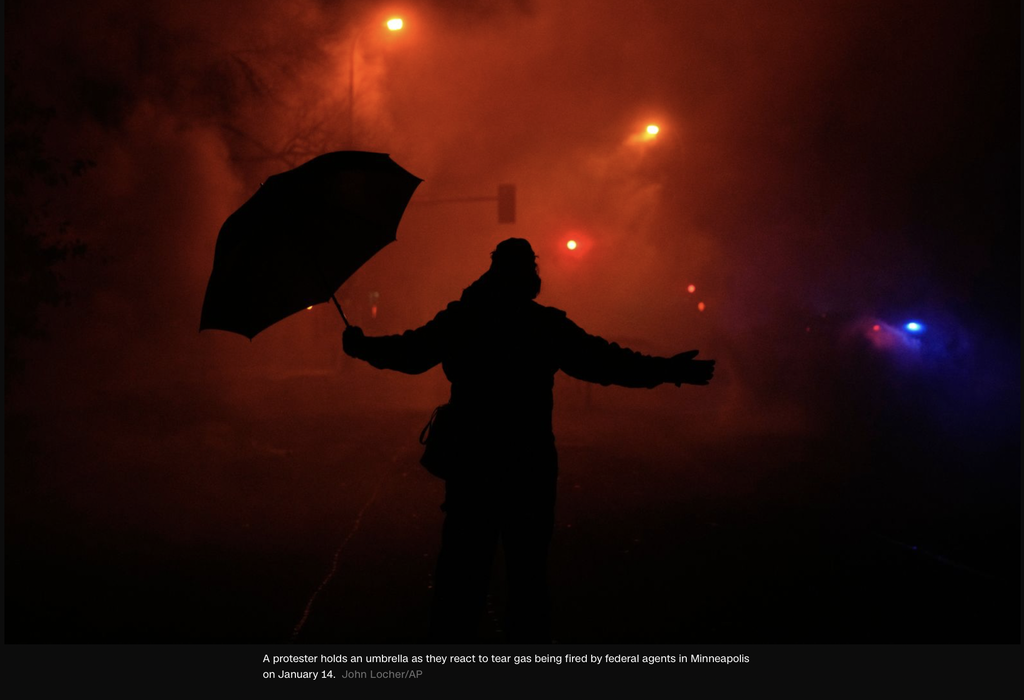
(יח) בְּעֶבְרַ֛ת יהוה צְבָא֖וֹת נֶעְתַּ֣ם אָ֑רֶץ וַיְהִ֤י הָעָם֙ כְּמַאֲכֹ֣לֶת אֵ֔שׁ אִ֥ישׁ אֶל־אָחִ֖יו לֹ֥א יַחְמֹֽלוּ׃
(18)...the people became like devouring fire: no person shall spare their brother.

(ה) כִּֽי־תֵצֵ֨א אֵ֜שׁ וּמָצְאָ֤ה קֹצִים֙ וְנֶאֱכַ֣ל גָּדִ֔ישׁ א֥וֹ הַקָּמָ֖ה א֣וֹ הַשָּׂדֶ֑ה שַׁלֵּ֣ם יְשַׁלֵּ֔ם הַמַּבְעִ֖ר אֶת־הַבְּעֵרָֽה׃ {ס}
(5) When a fire is started and spreads to thorns, so that stacked, standing, or growing grain is consumed, the one who started the fire must make restitution.
(א)כי תצא אש. אֲפִלּוּ מֵעַצְמָהּ (בבא קמא כ"ב):
(1) כי תצא אש IF A FIRE GOETH FORTH — i. e. even if it goeth forth (extends) by itself (Bava Kamma 24b) from the field in which it has been lit into another persons field.
אָמַר לָהֶן: אִי הָכִי, אֵימָא לְכוּ מִלְּתָא דְּשָׁוְיָא לְתַרְוַיְיכוּ: ״כִּי תֵצֵא אֵשׁ וּמָצְאָה קֹצִים״ – ״תֵּצֵא״ מֵעַצְמָהּ, ״שַׁלֵּם יְשַׁלֵּם הַמַּבְעִר אֶת הַבְּעֵרָה״. אָמַר הַקָּדוֹשׁ בָּרוּךְ הוּא: עָלַי לְשַׁלֵּם אֶת הַבְּעֵרָה שֶׁהִבְעַרְתִּי –
Rabbi Yitzḥak Nappaḥa continued and said to them: If so, I will say to you a matter that is appropriate to both of you, which contains both halakha and aggada. In the verse that states: “If a fire breaks out, and catches in thorns” (Exodus 22:5), the term “breaks out” indicates that it breaks out by itself. Yet, the continuation of the verse states: “The one who kindled the fire shall pay compensation,” which indicates that he must pay only if the fire spread due to his negligence. The verse can be explained allegorically: The Holy One, Blessed be He, said that although the fire broke out in the Temple due to the sins of the Jewish people, it is incumbent upon Me to pay restitution for the fire that I kindled.
(כ) וְגֵ֥ר לֹא־תוֹנֶ֖ה וְלֹ֣א תִלְחָצֶ֑נּוּ כִּֽי־גֵרִ֥ים הֱיִיתֶ֖ם בְּאֶ֥רֶץ מִצְרָֽיִם׃ (כא) כׇּל־אַלְמָנָ֥ה וְיָת֖וֹם לֹ֥א תְעַנּֽוּן׃
(20) You shall not wrong or oppress a stranger, for you were strangers in the land of Egypt. (21) You shall not ill-treat any widow or orphan.
(א) לֹ֥א תִשָּׂ֖א שֵׁ֣מַע שָׁ֑וְא אַל־תָּ֤שֶׁת יָֽדְךָ֙ עִם־רָשָׁ֔ע לִהְיֹ֖ת עֵ֥ד חָמָֽס׃
(1) You must not carry false rumors; you shall not join hands with the guilty to act as a malicious witness:
(יז) וְלֹ֤א תוֹנוּ֙ אִ֣ישׁ אֶת־עֲמִית֔וֹ וְיָרֵ֖אתָ מֵֽאֱלֹהֶ֑יךָ כִּ֛י אֲנִ֥י יהוה אֱלֹהֵיכֶֽם׃
(17) Do not wrong one another, but fear your God; for I the ETERNAL am your God.
(י) כְּשֵׁם שֶׁאוֹנָאָה בְמִקָּח וּמִמְכָּר, כָּךְ אוֹנָאָה בִדְבָרִים. לֹא יֹאמַר לוֹ בְּכַמָּה חֵפֶץ זֶה, וְהוּא אֵינוֹ רוֹצֶה לִקַּח. אִם הָיָה בַעַל תְּשׁוּבָה, לֹא יֹאמַר לוֹ זְכֹר מַעֲשֶׂיךָ הָרִאשׁוֹנִים. אִם הוּא בֶן גֵּרִים, לֹא יֹאמַר לוֹ זְכֹר מַעֲשֵׂה אֲבוֹתֶיךָ, שֶׁנֶּאֱמַר (שמות כב) וְגֵר לֹא תוֹנֶה וְלֹא תִלְחָצֶנּוּ:
(10)Just as there is a prohibition against exploitation [ona’a] in buying and selling, so is there ona’a in statements, i.e., verbal mistreatment. The mishna proceeds to cite examples of verbal mistreatment. One may not say to a seller: For how much are you selling this item, if he does not wish to purchase it. He thereby upsets the seller when the deal fails to materialize. The mishna lists other examples: If one is a penitent, another may not say to him: Remember your earlier deeds. If one is the child of converts, another may not say to him: Remember the deeds of your ancestors, as it is stated: “And a convert shall you neither mistreat, nor shall you oppress him” (Exodus 22:20).
"...ona’at devarim elevates accountability and obligation: it emerges in the Mishnah in Seder Nezikin, the order of Mishnah and Talmud that deals with damages. A rigorous application of ona’at devarim in our religious lives moves us away from an approach to free speech that asks “What are the limits on what I can say?” and instead asks “What do I owe the person I am speaking to?” Rather than emphasizing our individual freedoms, a commitment to avoiding ona’at devarim demands that we honor the material, bodily impact of what we say—and what we censor—on those with whom we speak. We have to acknowledge that speech creates worlds—and that is not a free activity."
(ד) כִּ֣י תִפְגַּ֞ע שׁ֧וֹר אֹֽיִבְךָ֛ א֥וֹ חֲמֹר֖וֹ תֹּעֶ֑ה הָשֵׁ֥ב תְּשִׁיבֶ֖נּוּ לֽוֹ׃ {ס}(ה) כִּֽי־תִרְאֶ֞ה חֲמ֣וֹר שֹׂנַאֲךָ֗ רֹבֵץ֙ תַּ֣חַת מַשָּׂא֔וֹ וְחָדַלְתָּ֖ מֵעֲזֹ֣ב ל֑וֹ עָזֹ֥ב תַּעֲזֹ֖ב עִמּֽוֹ׃ {ס}
(4) When you encounter your enemy’s ox or donkey wandering, you must take it back. (5) When you see the donkey of your enemy lying under its burden and would refrain from raising it, you must nevertheless help raise it.
(א) לֹֽא־תִרְאֶה֩ אֶת־שׁ֨וֹר אָחִ֜יךָ א֤וֹ אֶת־שֵׂיוֹ֙ נִדָּחִ֔ים וְהִתְעַלַּמְתָּ֖ מֵהֶ֑ם הָשֵׁ֥ב תְּשִׁיבֵ֖ם לְאָחִֽיךָ׃ (ב) וְאִם־לֹ֨א קָר֥וֹב אָחִ֛יךָ אֵלֶ֖יךָ וְלֹ֣א יְדַעְתּ֑וֹ וַאֲסַפְתּוֹ֙ אֶל־תּ֣וֹךְ בֵּיתֶ֔ךָ וְהָיָ֣ה עִמְּךָ֗ עַ֣ד דְּרֹ֤שׁ אָחִ֙יךָ֙ אֹת֔וֹ וַהֲשֵׁבֹת֖וֹ לֽוֹ׃ (ג) וְכֵ֧ן תַּעֲשֶׂ֣ה לַחֲמֹר֗וֹ וְכֵ֣ן תַּעֲשֶׂה֮ לְשִׂמְלָתוֹ֒ וְכֵ֣ן תַּעֲשֶׂ֗ה לְכׇל־אֲבֵדַ֥ת אָחִ֛יךָ אֲשֶׁר־תֹּאבַ֥ד מִמֶּ֖נּוּ וּמְצָאתָ֑הּ לֹ֥א תוּכַ֖ל לְהִתְעַלֵּֽם׃ {ס}
(1) If you see your fellow Israelite’s ox or sheep gone astray, do not ignore it; you must take it back to your peer. (2) If your fellow Israelite does not live near you or you do not know who [the owner] is, you shall bring it home and it shall remain with you until your peer claims it; then you shall give it back. (3) You shall do the same with their donkey; you shall do the same with their garment; and so too shall you do with anything that your fellow Israelite loses and you find: you must not remain indifferent.
In a fascinating 2011 article, "Maimonides' Appreciation for Medicine", Benjamin Gesundheit M.D., Ph.D. further explores Maimonides' expansion of the obligation to return lost object to matters involving health and well-being.
https://www.ncbi.nlm.nih.gov/pmc/articles/PMC3678790/
"A fake post that was designed to look as if it were from President Trump’s social media feed spread widely online over the weekend, adding confusion to the ongoing debate over Mr. Trump’s social media activity this week. Posts on X circulating the forgery reached at least 3.7 million views by Saturday."
Ki Teitzei 5784 - You must not be indifferent - Returning what is lost.)
Müller, Vincent C. (2022), ‘The history of digital ethics’, in Carissa Ve liz (ed.), Oxford handbook of digital ethics (Oxford: Oxford University Press).
In Yale philosopher Jason Stanley's 2018 book, How Fascism Works, the Politics of Us and Them (2018), we read that fascism has three components:
"--Populism: fosters domestic divisiveness
--Nativism: tends to surround racial, ethnic, or religious purity, and is often complemented by xenophobia
--Authoritarianism: submission to authority, often by mindless adherence to larger-than-life leader who thinks they’re solely capable of running the world.
“Fascist politicians transform the population’s shared understanding of reality by twisting the language of ideals through propaganda and promoting anti-intellectualism, attacking universities and educational systems that might challenge their ideas. Eventually…fascist politics creates a state of unreality, in which conspiracy theories and fake news replace reasoned debate.”

Mimetic desire leads to escalation as our shared desire, by mutual feedback, reinforces and enflames our belief in the value of the object. Moreover, the original subject and model become also obstacles to one another, and now also imitate each other’s adversarial behavior. Over time it may happen that the original object of desire slips from attention, and only the hostility of the opponent is emulated. As this mimetic desire and rivalry spreads in a social group, an escalation ensues that can lead to a war of all against all.
According to Girard, the primary means for avoiding total escalation and destruction came through what he calls the scapegoat mechanism, in which violence against a someone who is different from the others, such as one with a disability or a foreigner, becomes a model for the rest of the group. The fight of all against all turns into a fight of all against one, who is blamed and excluded or killed. Aggression disappears along with the supposedly guilty victim, and a calm unanimity and social order mysteriously return to the community. Achieving social order in this way is only possible, however, if the excluding parties unanimously believe that the person or group expelled is truly guilty or dangerous."
Earlier in Isaiah 9 the promise of redemption at a future time is announced:
(ה) כִּֽי־יֶ֣לֶד יֻלַּד־לָ֗נוּ בֵּ֚ן נִתַּן־לָ֔נוּ וַתְּהִ֥י הַמִּשְׂרָ֖ה עַל־שִׁכְמ֑וֹ וַיִּקְרָ֨א שְׁמ֜וֹ פֶּ֠לֶא יוֹעֵץ֙ אֵ֣ל גִּבּ֔וֹר אֲבִי־עַ֖ד שַׂר־שָׁלֽוֹם׃
(5) For a child has been born to us, A son has been given us. And authority has settled on his shoulders. He has been named “The Mighty God is planning grace; The Eternal Father, a peaceable ruler"