




 Save
Save Copy
Copy Add to Collection
 Export to Google Docs
 Share
ShareA sock and a shoe.
Let's Play "What's the Mood?"!
(ג) וְיִשְׂרָאֵ֗ל אָהַ֤ב אֶת־יוֹסֵף֙ מִכׇּל־בָּנָ֔יו כִּֽי־בֶן־זְקֻנִ֥ים ה֖וּא ל֑וֹ וְעָ֥שָׂה ל֖וֹ כְּתֹ֥נֶת פַּסִּֽים׃
(3) Now Israel loved Joseph best of all his sons—he was the child of his old age; and he had made him an ornamented tunic.
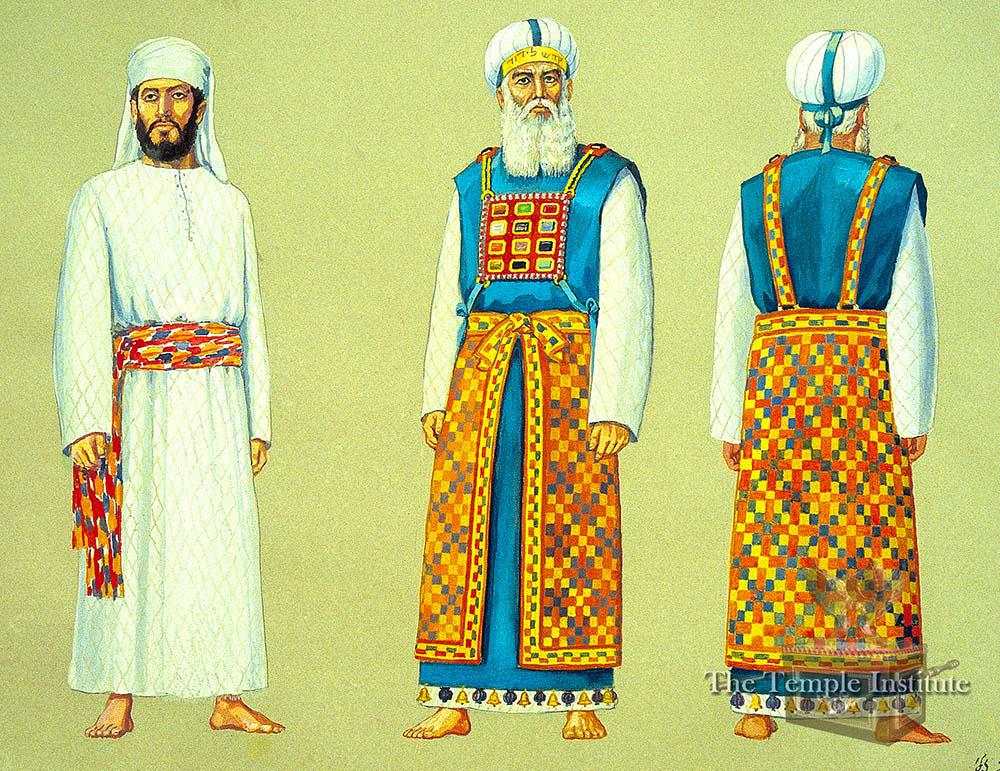
(ד) וְאֵ֨לֶּה הַבְּגָדִ֜ים אֲשֶׁ֣ר יַעֲשׂ֗וּ חֹ֤שֶׁן וְאֵפוֹד֙ וּמְעִ֔יל וּכְתֹ֥נֶת תַּשְׁבֵּ֖ץ מִצְנֶ֣פֶת וְאַבְנֵ֑ט וְעָשׂ֨וּ בִגְדֵי־קֹ֜דֶשׁ לְאַהֲרֹ֥ן אָחִ֛יךָ וּלְבָנָ֖יו לְכַהֲנוֹ־לִֽי׃
(4) These are the vestments they are to make: a breastpiece, an ephod, a robe, a fringed tunic, a headdress, and a sash. They shall make those sacral vestments for your brother Aaron and his sons, for priestly service to Me.
(לא) וְעָשִׂ֛יתָ אֶת־מְעִ֥יל הָאֵפ֖וֹד כְּלִ֥יל תְּכֵֽלֶת׃ (לב) וְהָיָ֥ה פִֽי־רֹאשׁ֖וֹ בְּתוֹכ֑וֹ שָׂפָ֡ה יִֽהְיֶה֩ לְפִ֨יו סָבִ֜יב מַעֲשֵׂ֣ה אֹרֵ֗ג כְּפִ֥י תַחְרָ֛א יִֽהְיֶה־לּ֖וֹ לֹ֥א יִקָּרֵֽעַ׃ (לג) וְעָשִׂ֣יתָ עַל־שׁוּלָ֗יו רִמֹּנֵי֙ תְּכֵ֤לֶת וְאַרְגָּמָן֙ וְתוֹלַ֣עַת שָׁנִ֔י עַל־שׁוּלָ֖יו סָבִ֑יב וּפַעֲמֹנֵ֥י זָהָ֛ב בְּתוֹכָ֖ם סָבִֽיב׃ (לד) פַּעֲמֹ֤ן זָהָב֙ וְרִמּ֔וֹן פַּֽעֲמֹ֥ן זָהָ֖ב וְרִמּ֑וֹן עַל־שׁוּלֵ֥י הַמְּעִ֖יל סָבִֽיב׃ (לה) וְהָיָ֥ה עַֽל־אַהֲרֹ֖ן לְשָׁרֵ֑ת וְנִשְׁמַ֣ע ק֠וֹל֠וֹ בְּבֹא֨וֹ אֶל־הַקֹּ֜דֶשׁ לִפְנֵ֧י יהוה וּבְצֵאת֖וֹ וְלֹ֥א יָמֽוּת׃ {ס}
(31) You shall make the robe of the ephod of pure blue. (32) The opening for the head shall be in the middle of it; the opening shall have a binding of woven work round about—it shall be like the opening of a coat of mail—so that it does not tear. (33) On its hem make pomegranates of blue, purple, and crimson yarns, all around the hem, with bells of gold between them all around: (34) a golden bell and a pomegranate, a golden bell and a pomegranate, all around the hem of the robe. (35) Aaron shall wear it while officiating, so that the sound of it is heard when he comes into the sanctuary before GOD and when he goes out—that he may not die.
(ט) לֹא־תִזְרַ֥ע כַּרְמְךָ֖ כִּלְאָ֑יִם פֶּן־תִּקְדַּ֗שׁ הַֽמְלֵאָ֤ה הַזֶּ֙רַע֙ אֲשֶׁ֣ר תִּזְרָ֔ע וּתְבוּאַ֖ת הַכָּֽרֶם׃ {ס}(י) לֹֽא־תַחֲרֹ֥שׁ בְּשׁוֹר־וּבַחֲמֹ֖ר יַחְדָּֽו׃ (יא) לֹ֤א תִלְבַּשׁ֙ שַֽׁעַטְנֵ֔ז צֶ֥מֶר וּפִשְׁתִּ֖ים יַחְדָּֽו׃ {ס}
(9) You shall not sow your vineyard with a second kind of seed, else the crop—from the seed you have sown—and the yield of the vineyard may not be used. (10) You shall not plow with an ox and a donkey together. (11) You shall not wear cloth [sha'atneiz] combining wool and linen.
(יג) וְנִשְׁל֨וֹחַ סְפָרִ֜ים בְּיַ֣ד הָרָצִים֮ אֶל־כׇּל־מְדִינ֣וֹת הַמֶּ֒לֶךְ֒ לְהַשְׁמִ֡יד לַהֲרֹ֣ג וּלְאַבֵּ֣ד אֶת־כׇּל־הַ֠יְּהוּדִ֠ים מִנַּ֨עַר וְעַד־זָקֵ֜ן טַ֤ף וְנָשִׁים֙ בְּי֣וֹם אֶחָ֔ד בִּשְׁלוֹשָׁ֥ה עָשָׂ֛ר לְחֹ֥דֶשׁ שְׁנֵים־עָשָׂ֖ר הוּא־חֹ֣דֶשׁ אֲדָ֑ר וּשְׁלָלָ֖ם לָבֽוֹז׃ (יד) פַּתְשֶׁ֣גֶן הַכְּתָ֗ב לְהִנָּ֤תֵֽן דָּת֙ בְּכׇל־מְדִינָ֣ה וּמְדִינָ֔ה גָּל֖וּי לְכׇל־הָֽעַמִּ֑ים לִהְי֥וֹת עֲתִדִ֖ים לַיּ֥וֹם הַזֶּֽה׃ (טו) הָֽרָצִ֞ים יָצְא֤וּ דְחוּפִים֙ בִּדְבַ֣ר הַמֶּ֔לֶךְ וְהַדָּ֥ת נִתְּנָ֖ה בְּשׁוּשַׁ֣ן הַבִּירָ֑ה וְהַמֶּ֤לֶךְ וְהָמָן֙ יָשְׁב֣וּ לִשְׁתּ֔וֹת וְהָעִ֥יר שׁוּשָׁ֖ן נָבֽוֹכָה׃ {ס}(א) וּמׇרְדֳּכַ֗י יָדַע֙ אֶת־כׇּל־אֲשֶׁ֣ר נַעֲשָׂ֔ה וַיִּקְרַ֤ע מׇרְדֳּכַי֙ אֶת־בְּגָדָ֔יו וַיִּלְבַּ֥שׁ שַׂ֖ק וָאֵ֑פֶר וַיֵּצֵא֙ בְּת֣וֹךְ הָעִ֔יר וַיִּזְעַ֛ק זְעָקָ֥ה גְדוֹלָ֖ה וּמָרָֽה׃ (ב) וַיָּב֕וֹא עַ֖ד לִפְנֵ֣י שַֽׁעַר־הַמֶּ֑לֶךְ כִּ֣י אֵ֥ין לָב֛וֹא אֶל־שַׁ֥עַר הַמֶּ֖לֶךְ בִּלְב֥וּשׁ שָֽׂק׃ (ג) וּבְכׇל־מְדִינָ֣ה וּמְדִינָ֗ה מְקוֹם֙ אֲשֶׁ֨ר דְּבַר־הַמֶּ֤לֶךְ וְדָתוֹ֙ מַגִּ֔יעַ אֵ֤בֶל גָּדוֹל֙ לַיְּהוּדִ֔ים וְצ֥וֹם וּבְכִ֖י וּמִסְפֵּ֑ד שַׂ֣ק וָאֵ֔פֶר יֻצַּ֖ע לָֽרַבִּֽים׃ (ד)(ותבואינה)[וַ֠תָּב֠וֹאנָה] נַעֲר֨וֹת אֶסְתֵּ֤ר וְסָרִיסֶ֙יהָ֙ וַיַּגִּ֣ידוּ לָ֔הּ וַתִּתְחַלְחַ֥ל הַמַּלְכָּ֖ה מְאֹ֑ד וַתִּשְׁלַ֨ח בְּגָדִ֜ים לְהַלְבִּ֣ישׁ אֶֽת־מׇרְדֳּכַ֗י וּלְהָסִ֥יר שַׂקּ֛וֹ מֵעָלָ֖יו וְלֹ֥א קִבֵּֽל׃
(13) Accordingly, written instructions were dispatched by couriers to all the king’s provinces to destroy, massacre, and exterminate all the Jews, young and old, children and women, on a single day, on the thirteenth day of the twelfth month—that is, the month of Adar—and to plunder their possessions. (14) The text of the document was to the effect that a law should be proclaimed in every single province; it was to be publicly displayed to all the peoples, so that they might be ready for that day. (15) The couriers went out posthaste on the royal mission, and the decree was proclaimed in the fortress Shushan. The king and Haman sat down to feast, but the city of Shushan was dumfounded. (1) When Mordecai learned all that had happened, Mordecai tore his clothes and put on sackcloth and ashes. He went through the city, crying out loudly and bitterly, (2) until he came in front of the palace gate; for one could not enter the palace gate wearing sackcloth.— (3) Also, in every province that the king’s command and decree reached, there was great mourning among the Jews, with fasting, weeping, and wailing, and everybody lay in sackcloth and ashes.— (4) When Esther’s maids and eunuchs came and informed her, the queen was greatly agitated. She sent clothing for Mordecai to wear, so that he might take off his sackcloth; but he refused.
(א) יוֹם הַכִּפּוּרִים אָסוּר בַּאֲכִילָה וּבִשְׁתִיָּה וּבִרְחִיצָה וּבְסִיכָה וּבִנְעִילַת הַסַּנְדָּל וּבְתַשְׁמִישׁ הַמִּטָּה.
(1) On Yom Kippur, the day on which there is a commandment by Torah law to afflict oneself, it is prohibited to engage in eating and in drinking, and in bathing, and in smearing oil on one’s body, and in wearing shoes, and in conjugal relations.
(מב) בַּסֻּכֹּ֥ת תֵּשְׁב֖וּ שִׁבְעַ֣ת יָמִ֑ים כׇּל־הָֽאֶזְרָח֙ בְּיִשְׂרָאֵ֔ל יֵשְׁב֖וּ בַּסֻּכֹּֽת׃ (מג) לְמַ֘עַן֮ יֵדְע֣וּ דֹרֹֽתֵיכֶם֒ כִּ֣י בַסֻּכּ֗וֹת הוֹשַׁ֙בְתִּי֙ אֶת־בְּנֵ֣י יִשְׂרָאֵ֔ל בְּהוֹצִיאִ֥י אוֹתָ֖ם מֵאֶ֣רֶץ מִצְרָ֑יִם אֲנִ֖י יהוה אֱלֹהֵיכֶֽם׃
(42) You shall live in booths seven days; all citizens in Israel shall live in booths, (43) in order that future generations may know that I made the Israelite people live in booths when I brought them out of the land of Egypt—I the ETERNAL your God.
(ח) מותר לישא אשה בפורים: הגה בין בי"ד בין בט"ו וכ"ש שמותר לעשות פדיון הבן (תוס' פרק קמא דמועד קטן) מה שנהגו ללבוש פרצופים בפורים וגבר לובש שמלת אשה ואשה כלי גבר אין איסור בדבר מאחר שאין מכוונין אלא לשמחה בעלמא וכן בלבישת כלאים (תשובת מהר"י מינץ סי' י"ז):
(8) One may marry a woman on Purim, Rema: both on the fourteenth and on the fifteenth. All the more so, one may redeem one's firstborn (Tosfot to ch. 1 of Moed Qatan). The custom of wearing costumes on Purim, and of crossdressing, is totally permitted because of its innocent and joyful purpose, as is the wearing of shaatnez. (Responsum of Mahari Minz #17).
(ג) ילבש בגדיו הנאים וישמח בביאת שבת כיוצא לקראת המלך וכיוצא לקראת חתן וכלה דרבי חנינא מעטף וקאי בפניא דמעלי שבתא ואמר בואו ונצא לקראת שבת מלכתא רבי ינאי אמר בואי כלה בואי כלה: הגה וילביש עצמו בבגדי שבת מיד אחר שרחץ עצמו וזהו כבוד השבת ועל כן לא ירחץ לשבת אלא סמוך לערב שילביש עצמו מיד (הגהות מרדכי החדשים):
(3) One should wear nice clothes and celebrate the arrival of Shabbat like the greeting of the king or the greeting of bride and groom. Rebbe Chanina would shroud himself in his garment and stand waiting on the evening approaching Shabbat and say " Come and go out to greet the Shabbat queen" and Rebbe Yannai would say "Come bride, Come bride." Rema: and one should dress himself in Shabbat garments immediately after he bathes himself and this is an honor for Shabbat, and because of this, one should only bathe close to the evening [approaching Shabbat] so that he may dress himself immediately. (The new Hagahos Mordechai)
(לא) וַיִּקְח֖וּ אֶת־כְּתֹ֣נֶת יוֹסֵ֑ף וַֽיִּשְׁחֲטוּ֙ שְׂעִ֣יר עִזִּ֔ים וַיִּטְבְּל֥וּ אֶת־הַכֻּתֹּ֖נֶת בַּדָּֽם׃ (לב) וַֽיְשַׁלְּח֞וּ אֶת־כְּתֹ֣נֶת הַפַּסִּ֗ים וַיָּבִ֙יאוּ֙ אֶל־אֲבִיהֶ֔ם וַיֹּאמְר֖וּ זֹ֣את מָצָ֑אנוּ הַכֶּר־נָ֗א הַכְּתֹ֧נֶת בִּנְךָ֛ הִ֖וא אִם־לֹֽא׃ (לג) וַיַּכִּירָ֤הּ וַיֹּ֙אמֶר֙ כְּתֹ֣נֶת בְּנִ֔י חַיָּ֥ה רָעָ֖ה אֲכָלָ֑תְהוּ טָרֹ֥ף טֹרַ֖ף יוֹסֵֽף׃ (לד) וַיִּקְרַ֤ע יַעֲקֹב֙ שִׂמְלֹתָ֔יו וַיָּ֥שֶׂם שַׂ֖ק בְּמׇתְנָ֑יו וַיִּתְאַבֵּ֥ל עַל־בְּנ֖וֹ יָמִ֥ים רַבִּֽים׃
(31) Then they took Joseph’s tunic, slaughtered a kid, and dipped the tunic in the blood. (32) They had the ornamented tunic taken to their father, and they said, “We found this. Please examine it; is it your son’s tunic or not?” (33) He recognized it, and said, “My son’s tunic! A savage beast devoured him! Joseph was torn by a beast!” (34) Jacob rent his clothes, put sackcloth on his loins, and observed mourning for his son many days.
(סד) וַתִּשָּׂ֤א רִבְקָה֙ אֶת־עֵינֶ֔יהָ וַתֵּ֖רֶא אֶת־יִצְחָ֑ק וַתִּפֹּ֖ל מֵעַ֥ל הַגָּמָֽל׃ (סה) וַתֹּ֣אמֶר אֶל־הָעֶ֗בֶד מִֽי־הָאִ֤ישׁ הַלָּזֶה֙ הַהֹלֵ֤ךְ בַּשָּׂדֶה֙ לִקְרָאתֵ֔נוּ וַיֹּ֥אמֶר הָעֶ֖בֶד ה֣וּא אֲדֹנִ֑י וַתִּקַּ֥ח הַצָּעִ֖יף וַתִּתְכָּֽס׃
(64) Raising her eyes, Rebekah saw Isaac. She alighted from the camel (65) and said to the servant, “Who is that man walking in the field toward us?” And the servant said, “That is my master.” So she took her veil and covered herself.
(כג) וַיְהִ֣י בָעֶ֔רֶב וַיִּקַּח֙ אֶת־לֵאָ֣ה בִתּ֔וֹ וַיָּבֵ֥א אֹתָ֖הּ אֵלָ֑יו וַיָּבֹ֖א אֵלֶֽיהָ׃ (כד) וַיִּתֵּ֤ן לָבָן֙ לָ֔הּ אֶת־זִלְפָּ֖ה שִׁפְחָת֑וֹ לְלֵאָ֥ה בִתּ֖וֹ שִׁפְחָֽה׃ (כה) וַיְהִ֣י בַבֹּ֔קֶר וְהִנֵּה־הִ֖וא לֵאָ֑ה וַיֹּ֣אמֶר אֶל־לָבָ֗ן מַה־זֹּאת֙ עָשִׂ֣יתָ לִּ֔י הֲלֹ֤א בְרָחֵל֙ עָבַ֣דְתִּי עִמָּ֔ךְ וְלָ֖מָּה רִמִּיתָֽנִי׃
(23) When evening came, [Laban] took his daughter Leah and brought her to [Jacob]; and [Jacob] cohabited with her.— (24) Laban had given his maidservant Zilpah to his daughter Leah as her maid.— (25) When morning came, there was Leah! So [Jacob] said to Laban, “What is this you have done to me? I was in your service for Rachel! Why did you deceive me?”
וּמִדְּרַב נַחְמָן בַּר יִצְחָק נָמֵי אֵין מַזָּל לְיִשְׂרָאֵל. דְּאִימֵּיהּ דְּרַב נַחְמָן בַּר יִצְחָק אָמְרִי לַהּ כַּלְדָּאֵי: בְּרִיךְ גַּנָּבָא הָוֵה. לָא שְׁבַקְתֵּיהּ גַּלּוֹיֵי רֵישֵׁיהּ. אֲמַרָה לֵיהּ: כַּסִּי רֵישָׁיךָ, כִּי הֵיכִי דְּתִיהְוֵי עֲלָךְ אֵימְתָא דִשְׁמַיָּא, וּבְעִי רַחֲמֵי. לָא הֲוָה יָדַע אַמַּאי קָאָמְרָה לֵיהּ. יוֹמָא חַד יָתֵיב קָא גָרֵיס תּוּתֵי דִיקְלָא, נְפַל גְּלִימָא מֵעִילָּוֵי רֵישֵׁיהּ, דְּלִי עֵינֵיהּ חֲזָא לְדִיקְלָא, אַלְּמֵיהּ יִצְרֵיהּ, סְלֵיק, פַּסְקֵיהּ לְקִיבּוּרָא בְּשִׁינֵּיהּ.
And from that which transpired to Rav Naḥman bar Yitzḥak as well it can be derived that there is no constellation for the Jewish people, As Chaldean astrologers told Rav Naḥman bar Yitzḥak’s mother: Your son will be a thief. She did not allow him to uncover his head. She said to her son: Cover your head so that the fear of Heaven will be upon you, and pray for Divine mercy. He did not know why she said this to him. One day he was sitting and studying beneath a palm tree that did not belong to him, and the cloak fell off of his head. He lifted his eyes and saw the palm tree. He was overcome by impulse and he climbed up and detached a bunch of dates with his teeth. Apparently, he had an inborn inclination to steal, but was able to overcome that inclination with proper education and prayer.
(לז) וַיֹּ֥אמֶר יהוה אֶל־מֹשֶׁ֥ה לֵּאמֹֽר׃ (לח) דַּבֵּ֞ר אֶל־בְּנֵ֤י יִשְׂרָאֵל֙ וְאָמַרְתָּ֣ אֲלֵהֶ֔ם וְעָשׂ֨וּ לָהֶ֥ם צִיצִ֛ת עַל־כַּנְפֵ֥י בִגְדֵיהֶ֖ם לְדֹרֹתָ֑ם וְנָ֥תְנ֛וּ עַל־צִיצִ֥ת הַכָּנָ֖ף פְּתִ֥יל תְּכֵֽלֶת׃ (לט) וְהָיָ֣ה לָכֶם֮ לְצִיצִת֒ וּרְאִיתֶ֣ם אֹת֗וֹ וּזְכַרְתֶּם֙ אֶת־כׇּל־מִצְוֺ֣ת יהוה וַעֲשִׂיתֶ֖ם אֹתָ֑ם וְלֹֽא־תָת֜וּרוּ אַחֲרֵ֤י לְבַבְכֶם֙ וְאַחֲרֵ֣י עֵֽינֵיכֶ֔ם אֲשֶׁר־אַתֶּ֥ם זֹנִ֖ים אַחֲרֵיהֶֽם׃ (מ) לְמַ֣עַן תִּזְכְּר֔וּ וַעֲשִׂיתֶ֖ם אֶת־כׇּל־מִצְוֺתָ֑י וִהְיִיתֶ֥ם קְדֹשִׁ֖ים לֵאלֹֽהֵיכֶֽם׃ (מא) אֲנִ֞י יהוה אֱלֹֽהֵיכֶ֗ם אֲשֶׁ֨ר הוֹצֵ֤אתִי אֶתְכֶם֙ מֵאֶ֣רֶץ מִצְרַ֔יִם לִהְי֥וֹת לָכֶ֖ם לֵאלֹהִ֑ים אֲנִ֖י יהוה אֱלֹהֵיכֶֽם׃ {פ}
(37) GOD said to Moses as follows: (38) Speak to the Israelite people and instruct them to make for themselves fringes on the corners of their garments throughout the ages; let them attach a cord of blue to the fringe at each corner. (39) That shall be your fringe; look at it and recall all GOD’s commandments and observe them, so that you do not follow your heart and eyes in your urge to stray. (40) Thus you shall be reminded to observe all My commandments and to be holy to your God. (41) I am the ETERNAL your God, who brought you out of the land of Egypt to be your God: I, your ETERNAL God.
(ח) וּקְשַׁרְתָּ֥ם לְא֖וֹת עַל־יָדֶ֑ךָ וְהָי֥וּ לְטֹטָפֹ֖ת בֵּ֥ין עֵינֶֽיךָ׃
(8) Bind them as a sign on your hand and let them serve as a symbol on your forehead;
(ד) נוהגים בכל מקום להרבו' נרות בבתי כנסיו' ולהציע בגדים נאים בבית הכנסת: הגה ... יש שכתבו שנהגו ללבוש בגדים לבנים ונקיים ביוה"כ דוגמת מלאכי השרת וכן נוהגין ללבוש הקיטל שהוא לבן ונקי גם הוא בגד מתים ועי"ז לב האדם נכנע ונשבר (ד"ע מהגהות מיימוני פ"ז דשביתת עשור):
(4) It is customary in all places to increase the (number of) lights in the synagogues and to spread nice cloths (i.e., carpets, curtains) in the synagogue.
Hagah:.... There are those who wrote that it is customary to dress in clean, white clothes on Yom Kippur, analogous to the ministering angels, and likewise it is customary to wear a kittel which is white and clean, and it is also the clothing of the dead (the shroud), and therefore the heart of a man is humbled and broken, (ד״ע מהגהות מיימוני פ״ז דשביתת עשור). A Kittel, the German word for gown, is a white garment worn in some Ashkenazi rites by worshippers during the services on Rosh HaShanah and Yom Kippur. It is also worn by the ḥazzan, the chanter (cantor) of the prayer service, during the Musaf Service (see footnote 166) on Shemini Aẓeret, which is the eighth day of Sukkot (see footnote 248) when the recitation of the prayer for rain is begun, and on the first day of Passover, when the recitation of the prayer for dew commences. There are some communities where the kittel is also worn by the person who conducts the Passover seder and by the bridegroom during the wedding ceremony. The color white has always been associated with purity, and here, with forgiveness of sins. There is solemn joy when the kittel is worn. The day of marriage is considered like a day of atonement and the kittel has been associated with the idea of atonement and penitence which is also associated with death. Therefore the dead are clothed in a white kittel.
Editorial Staff, E. J., v. 10, p. 1079.
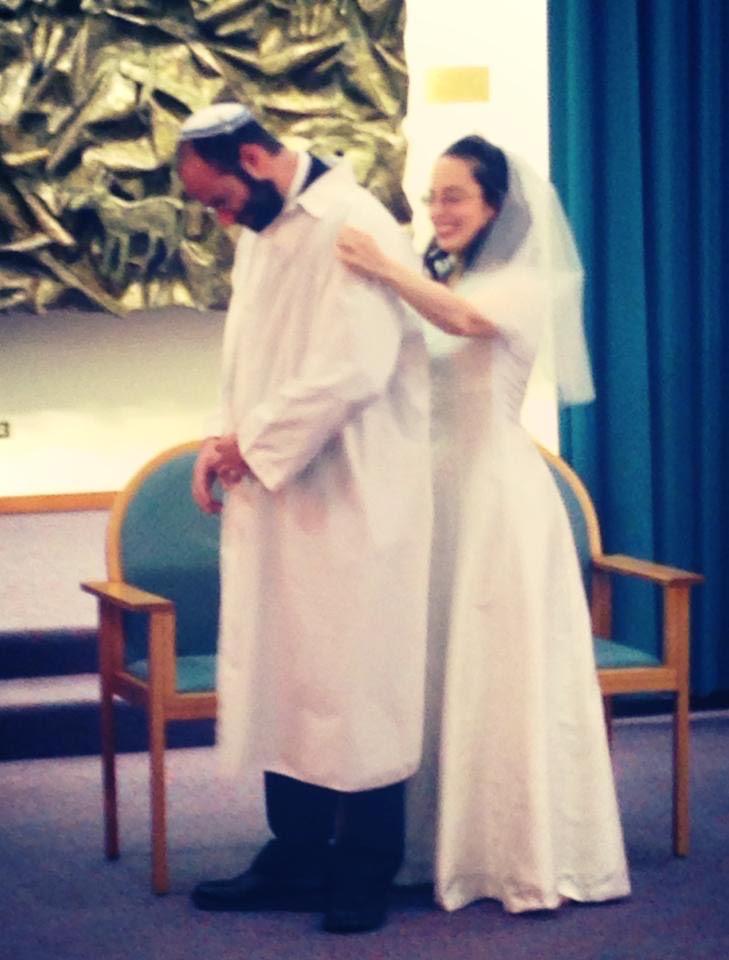
In the Bible (Exodus 34) we are told that at times Moses wore a veil when appearing before the people, which he would remove when talking to G-d. As we draw close to G-d, we can remove our own veils -— the masks that keep us partially hidden, that we wear for fear of being exposed, embarrassed, open before other human beings. Before G-d, no one need hide or dissemble. There is expectation, to be sure, but also understanding. There is law, but always suffused with love.
