




 Save
Save Copy
Copy Add to Collection
 Export to Google Docs
 Share
Share(א) דִּבַּרְתִּי אֲנִי עִם לִבִּי, הַלֵּב רוֹאֶה, שֶׁנֶּאֱמַר: וְלִבִּי רָאָה הַרְבֵּה. הַלֵּב שׁוֹמֵעַ, שֶׁנֶּאֱמַר (מלכים א ג, ט): וְנָתַתָּ לְעַבְדְּךָ לֵב שֹׁמֵעַ. הַלֵּב מְדַבֵּר, שֶׁנֶּאֱמַר: דִּבַּרְתִּי אֲנִי עִם לִבִּי. הַלֵּב הוֹלֵךְ, שֶׁנֶּאֱמַר (מלכים ב ה, כו): לֹא לִבִּי הָלַךְ. הַלֵּב נוֹפֵל, שֶׁנֶּאֱמַר (שמואל א יז, לב): אַל יִפֹּל לֵב אָדָם עָלָיו. הַלֵּב עוֹמֵד, שֶׁנֶּאֱמַר (יחזקאל כב, יד): הֲיַעֲמֹד לִבֵּךְ. הַלֵּב שָׂמֵחַ, שֶׁנֶּאֱמַר (תהלים טז, ט): לָכֵן שָׂמַח לִבִּי וַיָּגֶל כְּבוֹדִי. הַלֵּב צוֹעֵק, שֶׁנֶּאֱמַר (איכה ב, יח): צָעַק לִבָּם אֶל יהוה. הַלֵּב מִתְנַחֵם, שֶׁנֶּאֱמַר (ישעיה מ, ב): דַּבְּרוּ עַל לֵב יְרוּשָׁלָיִם. הַלֵּב מִצְטָעֵר, שֶׁנֶּאֱמַר (דברים טו, י): וְלֹא יֵרַע לְבָבְךָ. הַלֵּב מִתְחַזֵּק, שֶׁנֶּאֱמַר (שמות ט, יב): וַיְחַזֵּק יהוה אֶת לֵב פַּרְעֹה. הַלֵּב מִתְרַכֵּךְ, שֶׁנֶּאֱמַר (דברים כ, ג): אַל יֵרַךְ לְבַבְכֶם. הַלֵּב מִתְעַצֵּב, שֶׁנֶּאֱמַר (בראשית ו, ו): וַיִתְעַצֵּב אֶל לִבּוֹ. הַלֵּב מִתְפַּחֵד, שֶׁנֶּאֱמַר (דברים כח, סז): מִפַּחַד לְבָבְךָ. הַלֵּב מִשְּׁתַּבֵּר, שֶׁנֶּאֱמַר (תהלים נא, יט): לֵב נִשְׁבָּר וְנִדְכֶּה. הַלֵּב מִתְגָּאֶה, שֶׁנֶּאֱמַר (דברים ח, יד): וְרָם לְבָבֶךָ. הַלֵּב מְסָרֵב, שֶׁנֶּאֱמַר (ירמיה ה, כג): וְלָעָם הַזֶּה הָיָה לֵב סוֹרֵר וּמוֹרֶה. הַלֵּב מִתְבַּדֶּה, שֶׁנֶּאֱמַר (מלכים א יב, לג): בַּחֹדֶשׁ אֲשֶׁר בָּדָא מִלִּבּוֹ. הַלֵּב מְהַרְהֵר, שֶׁנֶּאֱמַר (דברים כט, יח): כִּי בִּשְׁרִרוּת לִבִּי אֵלֵךְ. הַלֵּב מְרַחֵשׁ, שֶׁנֶּאֱמַר (תהלים מה, ב): רָחַשׁ לִבִּי דָּבָר טוֹב. הַלֵּב מְחַשֵּׁב, שֶׁנֶּאֱמַר (משלי יט, כא): רַבּוֹת מַחֲשָׁבוֹת בְּלֶב אִישׁ. הַלֵּב מִתְאַוֶּה, שֶׁנֶּאֱמַר (תהלים כא, ג): תַּאֲוַת לִבּוֹ נָתַתָּ לוֹ. הַלֵּב סוֹטֶה, שֶׁנֶּאֱמַר (משלי ז, כה): אַל יֵשְׂטְ אֶל דְּרָכֶיהָ לִבֶּךָ. הַלֵּב זוֹנֶה, שֶׁנֶּאֱמַר (במדבר טו, לט): וְלֹא תָתוּרוּ אַחֲרֵי לְבַבְכֶם וגו'. הַלֵּב נִסְעָד, שֶׁנֶּאֱמַר (בראשית יח, ה): וְסַעֲדוּ לִבְּכֶם. הַלֵּב נִגְנָב, שֶׁנֶּאֱמַר (בראשית לא, כ): וַיִּגְנֹב יַעֲקֹב אֶת לֵב לָבָן. הַלֵּב נִכְנָע, שֶׁנֶּאֱמַר (ויקרא כו, מא): אוֹ אָז יִכָּנַע לְבָבָם. הַלֵּב מִשְׁתַּדֵּל, שֶׁנֶּאֱמַר (בראשית לד, ג): וַיְדַבֵּר עַל לֵב הַנַּעֲרָה. הַלֵּב תּוֹעֶה, שֶׁנֶּאֱמַר (ישעיה כא, ד): תָּעָה לְבָבִי. הַלֵּב חָרֵד, שֶׁנֶּאֱמַר (שמואל א ד, יג): כִּי הָיָה לִבּוֹ חָרֵד. הַלֵּב נֵעוֹר, שֶׁנֶּאֱמַר (שיר השירים ה, ב): : אֲנִי יְשֵׁנָה וְלִבִּי עֵר. הַלֵּב אוֹהֵב, שֶׁנֶּאֱמַר (דברים ו, ה): וְאָהַבְתָּ אֵת יהוה אֱלֹהֶיךָ בְּכָל לְבָבְךָ. הַלֵּב שׂוֹנֵא, שֶׁנֶּאֱמַר (ויקרא יט, יז): לֹא תִשְׂנָא אֶת אָחִיךָ בִּלְבָבֶךָ. הַלֵּב מְקַנֵּא, שֶׁנֶּאֱמַר (משלי כג, יז): אַל יְקַנֵּא לִבְּךָ וגו'. הַלֵּב נֶחְקָר, שֶׁנֶּאֱמַר (ירמיה יז, י): אֲנִי יהוה חֹקֵר לֵב וגו'. הַלֵּב נִקְרָע, שֶׁנֶּאֱמַר (יואל ב, יג): וְקִרְעוּ לְבַבְכֶם וְאַל בִּגְדֵיכֶם. הַלֵּב הוֹגֶה, שֶׁנֶּאֱמַר (תהלים מט, ד): וְהָגוּת לִבִּי תְבוּנוֹת. הַלֵּב הוּא כָּאֵשׁ, שֶׁנֶּאֱמַר (ירמיה כ, ט): וְהָיָה בְלִבִּי כְּאֵשׁ. הַלֵּב הוּא כָּאֶבֶן, שֶׁנֶּאֱמַר (יחזקאל לו, כו): וַהֲסִרֹתִי אֶת לֵב הָאֶבֶן. הַלֵּב שָׁב בִּתְשׁוּבָה, שֶׁנֶּאֱמַר (מלכים ב כג, כה): אֲשֶׁר שָׁב אֶל יהוה בְּכָל לְבָבוֹ. הַלֵּב חַם, שֶׁנֶּאֱמַר (דברים יט, ו): כִּי יֵחַם לְבָבוֹ. הַלֵּב מֵת, שֶׁנֶּאֱמַר (שמואל א כה, לז): וַיָּמָת לִבּוֹ בְּקִרְבּוֹ. הַלֵּב נָמֵס, שֶׁנֶּאֱמַר (יהושע ז, ה): וַיִּמַּס לְבַב הָעָם. הַלֵּב מְקַבֵּל דְּבָרִים, שֶׁנֶּאֱמַר (דברים ו, ו): וְהָיוּ הַדְּבָרִים הָאֵלֶּה אֲשֶׁר אָנֹכִי מְצַוְּךָ הַיּוֹם עַל לְבָבֶךָ. הַלֵּב מְקַבֵּל יִרְאָה, שֶׁנֶּאֱמַר (ירמיה לב, מ): וְאֶת יִרְאָתִי אֶתֵּן בִּלְבָבָם. הַלֵּב מוֹדֶה, שֶׁנֶּאֱמַר (תהלים קיא, א): אוֹדֶה יהוה בְּכָל לֵבָב. הַלֵּב חוֹמֵד, שֶׁנֶּאֱמַר (משלי ו, כה): אַל תַּחְמֹד יָפְיָהּ בִּלְבָבֶךָ. הַלֵּב מִתְקַשֶּׁה, שֶׁנֶּאֱמַר (משלי כח, יד): וּמַקְשֶׁה לִבּוֹ. הַלֵּב מֵטִיב, שֶׁנֶּאֱמַר (שופטים טז, כה): וַיְהִי כְּטוֹב לִבָּם, הַלֵּב עוֹשֶׂה מִרְמָה, שֶׁנֶּאֱמַר (משלי יב, כ): מִרְמָה בְּלֵב חֹרְשֵׁי רָע. הַלֵּב מִתּוֹכוֹ מְדַבֵּר, שֶׁנֶּאֱמַר (שמואל א א, יג): וְחַנָּה הִיא מְדַבֶּרֶת עַל לִבָּהּ. הַלֵּב אוֹהֵב שֹׁחַד, שֶׁנֶּאֱמַר (ירמיה כב, יז): כִּי אֵין עֵינֶיךָ וְלִבְּךָ וגו'. הַלֵּב כּוֹתֵב דְּבָרִים, שֶׁנֶּאֱמַר (משלי ג, ג): כָּתְבֵם עַל לוּחַ לִבֶּךָ. הַלֵּב חוֹרֵשׁ, שֶׁנֶּאֱמַר (משלי ו, יד): תַּהְפֻּכוֹת בְּלִבּוֹ חֹרֵשׁ רָע. הַלֵּב מְקַבֵּל מִצְווֹת, שֶׁנֶּאֱמַר (משלי י, ח): חֲכַם לֵב יִקַּח מִצְוֹת. הַלֵּב עוֹשֶׂה זָדוֹן, שֶׁנֶּאֱמַר (עובדיה א, ג): זְדוֹן לִבְּךָ הִשִּׁיאֶךָ. הַלֵּב עוֹשֶׂה סְדָרִים, שֶׁנֶּאֱמַר (משלי טז, א): לְאָדָם מַעַרְכֵי לֵב. הַלֵּב מִתְגַּדֵּל, שֶׁנֶּאֱמַר (דברי הימים ב כה, יט): וּנְשָׂאֲךָ לִבְּךָ. הֱוֵי דִּבַּרְתִּי אֲנִי עִם לִבִּי לֵאמֹר אֲנִי הִנֵּה הִגְדַּלְתִּי וגו'.
(1)“I have spoken with my heart, saying: Behold, I have amassed and added wisdom, beyond all who were before me over Jerusalem; my heart has seen much wisdom and knowledge” (Ecclesiastes 1:16).
“I have spoken with my heart” – the hearts sees, as it is stated: “My heart has seen much.” The heart hears, as it is stated; “Give your servant an understanding [shome’a] heart” (I Kings 3:9). The heart speaks, as it is stated: “I have spoken with my heart.” The heart goes, as it is stated: “Didn’t my heart go?” (II Kings 5:26). The heart falls, as it is stated: “Let no man’s heart fall” (I Samuel 17:32). The heart stands, as it is stated: “Will your heart endure [haya’amod]” (Ezekiel 22:14). The heart rejoices, as it is stated: “Therefore, my heart rejoices” (Psalms 16:9). The heart cries out, as it is stated: Their heart cried out to the Lord” (Lamentations 2:18). The heart is consoled, as it is stated: “Speak to the heart of Jerusalem” (Isaiah 40:2). The heart grieves, as it is stated: “Your heart shall not be grieved” (Deuteronomy 15:10). The heart hardens, as it is stated: “The Lord hardened Pharaoh’s heart” (Exodus 9:12). The heart softens [mitrakekh], as it is stated: “Let your heart not be faint” (Deuteronomy 20:3). The heart is saddened, as it is stated: “He was saddened in His heart” (Genesis 6:6). The heart fears, as it is stated: “From the fear of your heart” (Deuteronomy 28:67). The heart breaks, as it is stated: “A broken and contrite heart” (Psalms 51:19). The heart becomes conceited, as it is stated: “Your heart will grow haughty” (Deuteronomy 8:14). The heart is recalcitrant, as it is stated: “But this people had a revolting and rebellious heart” (Jeremiah 5:23). The heart fabricates, as it is stated: “The month that he fabricated from his heart” (I Kings 12:33). The heart contemplates, as it is stated: “[I will have peace] though I walk in the stubbornness of my heart” (Deuteronomy 29:18). The heart overflows, as it is stated: “My heart overflows with goodly matter” (Psalms 45:2). The heart calculates [meḥashev], as it is stated: “Many are the thoughts [maḥshavot] in the heart of man” (Proverbs 19:21). The heart desires, as it is stated: “The desire of his heart You have granted him” (Psalms 21:3). The heart deviates, as it is stated: “Let your heart not turn aside to her ways” (Proverbs 7:25). The heart strays, as it is stated: “You shall not follow after your heart…[after which you stray]” (Numbers 15:39). The heart is sustained, as it is stated: “And sustain your heart” (Genesis 18:5). The heart is stolen, as it is stated: “Jacob stole the heart of Laban” (Genesis 31:20). The heart is humbled, as it is stated: “Perhaps then their hearts will be humbled” (Leviticus 26:41). The heart is enticed, as it is stated: “He spoke soothingly to the young woman” (Genesis 34:3). The heart goes astray, as it is stated: “My heart has gone astray” (Isaiah 21:4). The heart trembles, as it is stated: “For his heart was trembling” (I Samuel 4:13). The heart awakens, as it is stated: “I am asleep but my heart is awake” (Song of Songs 5:2). The heart loves, as it is stated: “You shall love the Lord your God with all your heart” (Deuteronomy 6:5). The heart hates, as it is stated: “Do not hate your brother in your heart” (Leviticus 19:17). The heart envies, as it is stated: “Let your heart not envy…” (Proverbs 23:17). The heart is searched, as it is stated: “I the Lord search the heart…” (Jeremiah 17:10). The heart is rent, as it is stated: “Rend your heart and not your garments” (Joel 2:13). The heart meditates, as it is stated: “The meditation of my heart will be understanding” (Psalms 49:4). The heart is like fire, as it is stated: “My heart will be like fire” (Jeremiah 20:9). The heart is like stone, as it is stated: “I will remove the heart of stone” (Ezekiel 36:26). The heart repents, as it is stated: “Who returned to the Lord with all his heart” (II Kings 23:25). The heart is incensed, as it is stated: “For his heart is incensed” (Deuteronomy 19:6). The heart dies, as it is stated: “His heart died within him” (I Samuel 25:37). The heart melts, as it is stated “The heart of the people melted” (Joshua 7:5). The heart absorbs matters, as it is stated: “These matters that I command you today shall be upon your heart” (Deuteronomy 6:6). The heart absorbs fear, as it is stated: “I will place My fear in their hearts” (Jeremiah 32:40). The heart thanks, as it is stated: “I will thank my Lord with all my heart” (Psalms 111:1). The heart covets, as it is stated: “Do not covet her beauty in your heart” (Proverbs 6:25). The heart is toughened, as it is stated: “And one who toughens his heart” (Proverbs 28:14). The heart becomes merry, as it is stated: “It was when their hearts were merry” (Judges 16:25). The heart deceives, as it is stated: “Deceit is in the heart of those who devise evil” (Proverbs 12:20). The heart speaks from within, as it is stated: “Hannah was speaking in her heart” (I Samuel 1:13). The heart loves a bribe, as it is stated: “Your eyes and your heart [are only on your ill-gotten gain]” (Jeremiah 22:17). The heart writes matters, as it is stated: “Write them on the tablet of your heart” (Proverbs 3:3). The heart devises, as it is stated: “Duplicity is in his heart, he devises evil” (Proverbs 6:14). The heart absorbs mitzvot, as it is stated: “The wise of heart will grasp mitzvot (Proverbs 10:8). The heart acts with malice, as it is stated: “The malice of your heart deceived you” (Obadiah 1:3). The heart arranges, as it is stated: “To a person are the arrangements of the heart” (Proverbs 16:1). The heart glorifies, as it is stated: “Your heart has glorified you” (II Chronicles 25:19). That is, “I have spoken with my heart, saying: Behold, I have amassed…”
Midrash
Kohelet Rabbah is a midrash on Ecclesiastes with verse-by-verse interpretations, compiled between the 6th and 8th centuries. The work mostly presents material from earlier sources, including Bereishit Rabbah, Pesiḳta d’Rav Kahana, Eikhah Rabbah, Vayiḳra Rabbah, Shir haShirim Rabbah, and the Jerusalem and Babylonian Talmuds. Ecclesiastes is interpreted in the midrash as a religious allegory. Verses that celebrate the joy of eating and drinking, for example, are read as metaphors for learning Torah and performing mitzvot. Composed: Talmudic Israel/Babylon (c.700 – c.950 CE)
(א)ענין השקטה מכ"ק מרן אדמו"ר זצללה"ה הי"ד
(ב) בשנת תרצ"ו או צ"ז בעת שהייתי בחברותא אחת עם ידידי האברך היקר כמר יששכר נחמן זאב הי"ד זכינו בעשי"ת להקרא אל הקודש פנימה בזכותו של האברך הנ"ל כי כנראה היה אדמו"ר מאוד מסכים לחברותנו. ובעת שהיה קורא אותו גם אני נקראתי. בפעם הראשונה שמעתי אז את הענין השקטה. אבל חבל על דאבדין שאיני זוכר כל הענין רק מה שאזכור הנני כותב למזכרת.
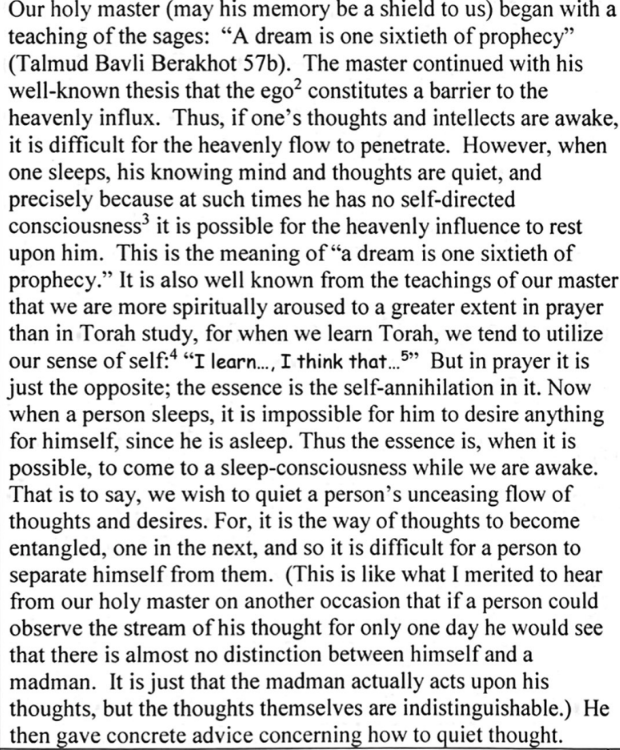
(ג) אדמו"ר זצללה"ה התחיל אז בהמאמר חז"ל (ברכות נז:) חלום אחד מששים בנבואה. כנודע דרכו של אדמו"ר בספריו כי הישות של האדם הוא המתנגד להשראה ממרום. ואם דעתו ומחשבותיו ערים או קשה שתשרה עליו השראה ממרום, ובעת שהאדם ישן ודעתו ומחשבותיו שוקטים אז דוקא כיון שאין לו אז דעת לעצמו אפשר שתשרה עליו השראה ממרום, וזה הענין חלום אחד וכו'. כנודע גם מאמרו של אדמו"ר על מה שיותר מתעוררים בתפלה מאשר בתורה כי בתורה משתמשים יותר עם האנוכיות היינו איך לעדין, איך קלער, אבל בתפלה להיפך העיקר הוא הביטול בה. אבל בעת שהאיש ישן אז אי אפשר לו לרצות דבר מה כי הלא ישן הוא, ובכן העיקר לבוא בהקיץ בעת שאפשר לו לרצות למצב של שינה, היינו בהשקטת מחשבותיו ורצונותיו השוטפים באדם לבלי קץ כי כך דרכה של המחשבה שמסתבכת זו בזו וקשה לו להאדם לפרוש מהן (כמו שזכיתי פעם לשמוע מכ"ק מרן אדמו"ר שליט"א [זצ"ל] שבאם יסתכל איש על מחשבותיו הנובעות אף של יום אחד אז יראה שכמעט אין חילוק בינו לבין משוגע רק בזה שהמשוגע עושה ומביא מחשבותיו לפועל אבל מחשבותיו לעצמו הם אצלו ממש כמו אצל משוגע) ונתן בזה עצות ממשיות איך להשקיט מחשבותיו.
(ד) ודיבר אז שיתחיל האיש להביט על מחשבותיו שעה קלה לערך איזה רגעים היינו מה אני חושב, אז ירגיש לאט לאט שראשו מתרוקן ומחשבותיו עמדו משטפן הרגיל, ואז יתחיל לאמר פסוק אחד כגון ד' אלהים אמת כדי לקשר עכשיו ראשו החלל משאר מחשבות למחשבה אחת של קדושה. ואחר כך כבר יכול הוא לבקש צרכיו באיזה מדה שהוא צריך להתתקן בחיזוק אמונה או אהבה ויראה, וזכיתי לשמוע אז ממנו אופן השקטה בחיזוק אמונה. ואמר בלשונו הק' איך בין מאמין באמונה שלימה אז דאר אייבערשטער איז דער איינציגער נמצא אויף דער וועלט, אין אז עס איז נישט דא קיין שום מציאות חוץ דער אייבערשטין אין די גאנצע וועלט, אין אלץ וואס עס איז דא אין איר, אין נאר הארת ד', (אני מאמין באמונה שלימה שהבורא הוא הנמצא היחידי בעולם ואין שום מציאות זולתו, וכל העולם וכל אשר בו, הם רק הארת אור ד'), וכך שינן איזה פעמים אבל לא שיאמר זאת בחזקה כי כל הענין הוא רק להשקיט מחשבותיו ובאמירת בתוקף יכול הוא רק לעורר את האנוכיות שלו רק אדרבה באופן קל מאוד. גם זכיתי לשמוע בענין אהבה וזה היה לשונו הק' איך וואלט געוואלט זיין אזוי נאהנט צום הייליגען באשעפער, איך וואלט גוואלט פילען התקרבות צום גרויסען באשעפער (רציתי מאוד להיות קרוב להשם יתברך, הייתי מאוד רוצה להרגיש התקרבות להבורא הגדול). ואמר אז שיכולים זאת ההשקטה לשמש לכל תיקוני המדות גרועות אבל לא באופן שלילי רק באופן חיובי באופן היפך המדה רעה, כגון מי שנלקה במדת העצלות לא ידבר בענין הרחקת העצלות רק בענין קניית הזריזות. והסביר זאת בזה שרואים בחוש אצל תינוק שבאם בוכה ואומרים לו שלא יבכה כל מה שמוסיפים לדבר לו הוא יותר בוכה, גם אפשר להשתמש להשקטה בהבטה על שעון על המחוג הקטן שכמעט אינו זז משך איזה זמן. כי גם זה משקיט רצוניו ומחשבותיו, לאחר השקטה שזה צריך להביא לאיזה מין השראה ממרום צוה לאמר הפסוק הורני ד' דרכיך בניגונו המיוחד של אדמו"ר. כמה נעים ונורא ביחד היה אז המחזה אשר זכיתי לראות ולשמוע בזכות חברי ידידי הנ"ל. ומאוד הפליג אדמו"ר אז בענין הזה ואמר כי בטוח לו שיועיל הרבה, ודיבר כגון לענין אמונה לאחר ההשתמשות איזה שבועות בהשקטה אז כשיאמר זה א־לי ואנוהו יהי' בחינת מראין באצבע כמו שאיתא כל זה במדרש. בפעם הראשונה לא זכינו לעמוד על תחילת דעתו של אדמו"ר זצללה"ה ואחר איזה משך זמן זיכנו השם שנית לשמוע מפי קדשו הדברים בתוספת ביאור ומאוד הזהיר לנו לעשות זה הענין.


Chasidut
Derekh HaMelekh (The Way of the King) is a collection of dated sermons on the weekly Torah portion and on holidays that were delivered by the Piaseczno rebbe, Rabbi Kalonymus Kalman Shapira. These sermons were delivered between the World Wars, in the 1920s and 1930s, and were published from copies made by the rebbe’s students. They were printed alongside other documents, including letters, portions of a planned work called Chovat HaAvreichim, and a description of Rabbi Shapira’s mind-quieting (“hashkata”) technique aimed at calming one’s thoughts in order to connect with God. Like Rabbi Shapira’s other writings, the work expresses emotional and psychological insights and seeks to offer spiritual guidance.
Jay Deshpande
is not the cat I hear, at left, plunge metallically
into leaves piled fat and wide, leaves that,
in another light, would be the same color as the cat.
so I move on. for the dark here to carry me
home would be unsettling. I know I go
to places by myself with mind made wild
by night and night’s indifference, yes,
I hear it whistle through its teeth.
one more block of crosswalk’s gentle math
to pattern my tall shepherd, I want its black
and white to go forever, I do, and it does.
this wish and still it walks with me. yes and breath or prayer. good
night. all of it falls on, I know.
what I have given of myself I gave up willingly.
