Save
 Copy
 Add to Collection
 Export to Google Docs
 Share

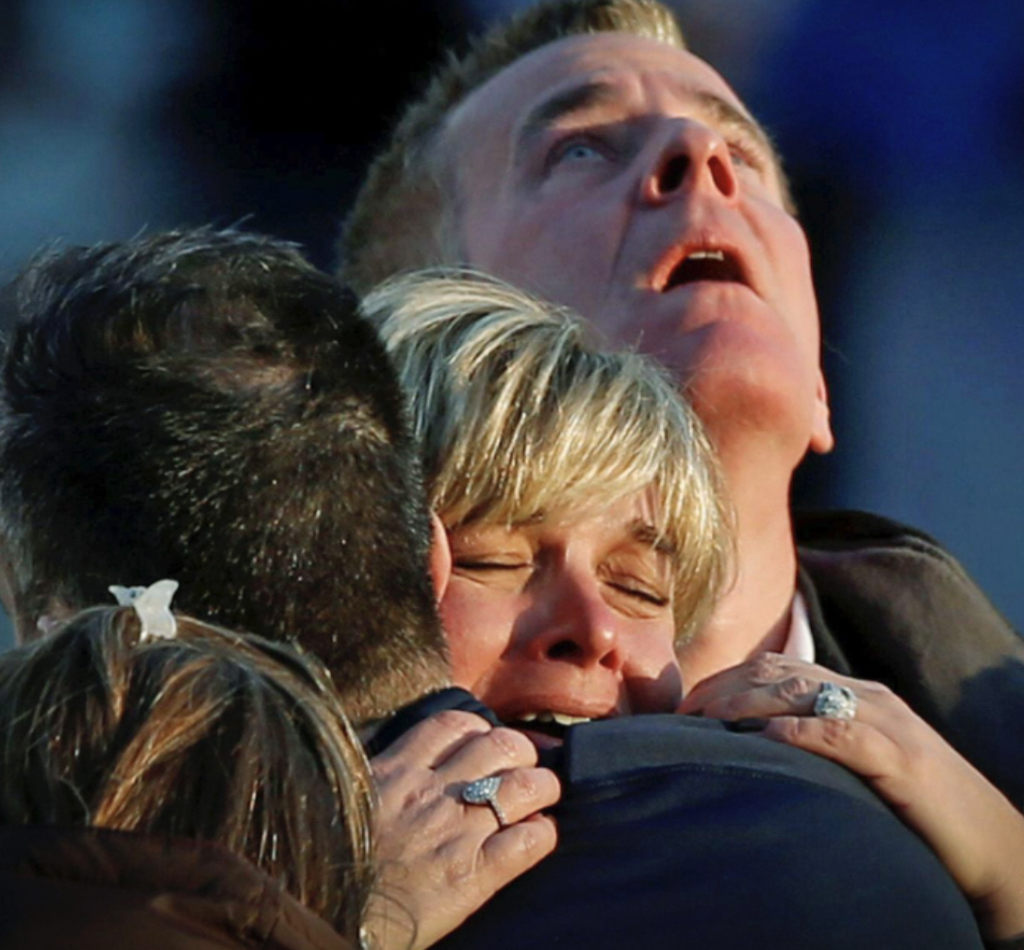
(א) וַיִּרְגַּ֣ז הַמֶּ֗לֶךְ וַיַּ֛עַל עַל־עֲלִיַּ֥ת הַשַּׁ֖עַר וַיֵּ֑בְךְּ וְכֹ֣ה ׀ אָמַ֣ר בְּלֶכְתּ֗וֹ בְּנִ֤י אַבְשָׁלוֹם֙ בְּנִ֣י בְנִ֣י אַבְשָׁל֔וֹם מִֽי־יִתֵּ֤ן מוּתִי֙ אֲנִ֣י תַחְתֶּ֔יךָ אַבְשָׁל֖וֹם בְּנִ֥י בְנִֽי׃
(1) The king was shaken. He went up to the upper chamber of the gateway and wept, moaning these words as he went, “My son Absalom! O my son, my son Absalom! If only I had died instead of you! O Absalom, my son, my son!”
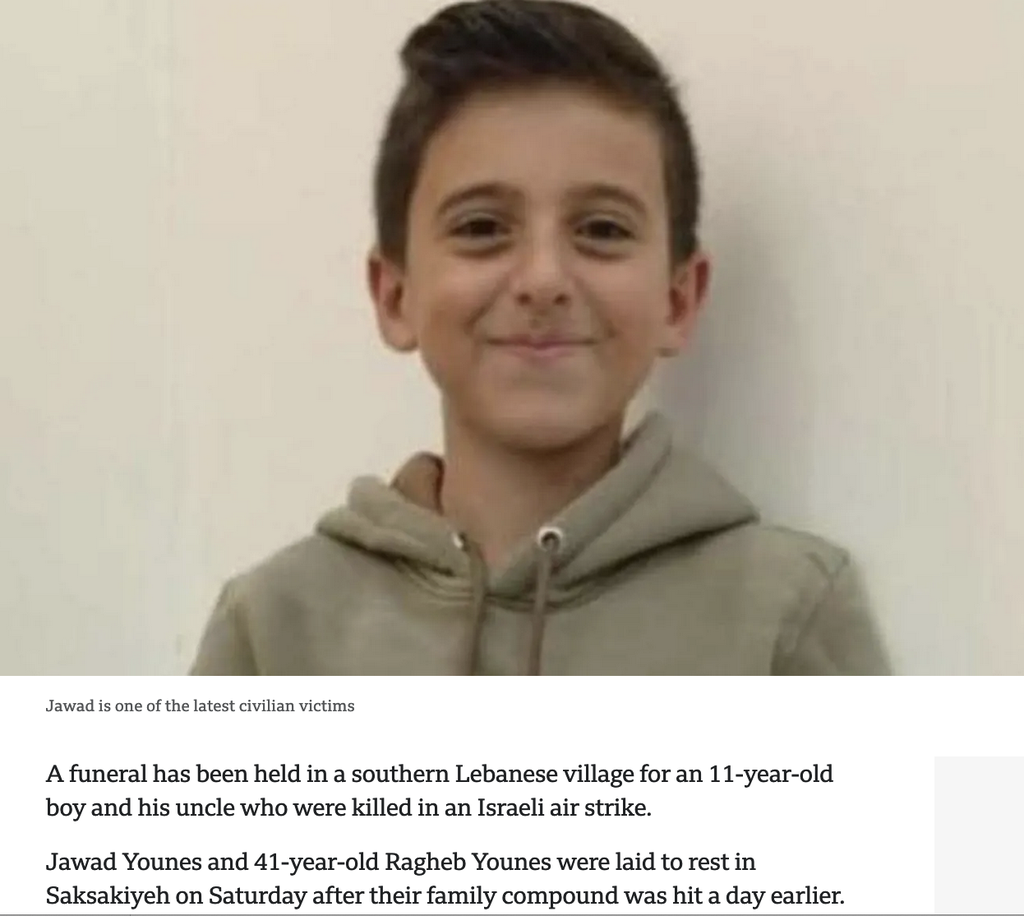

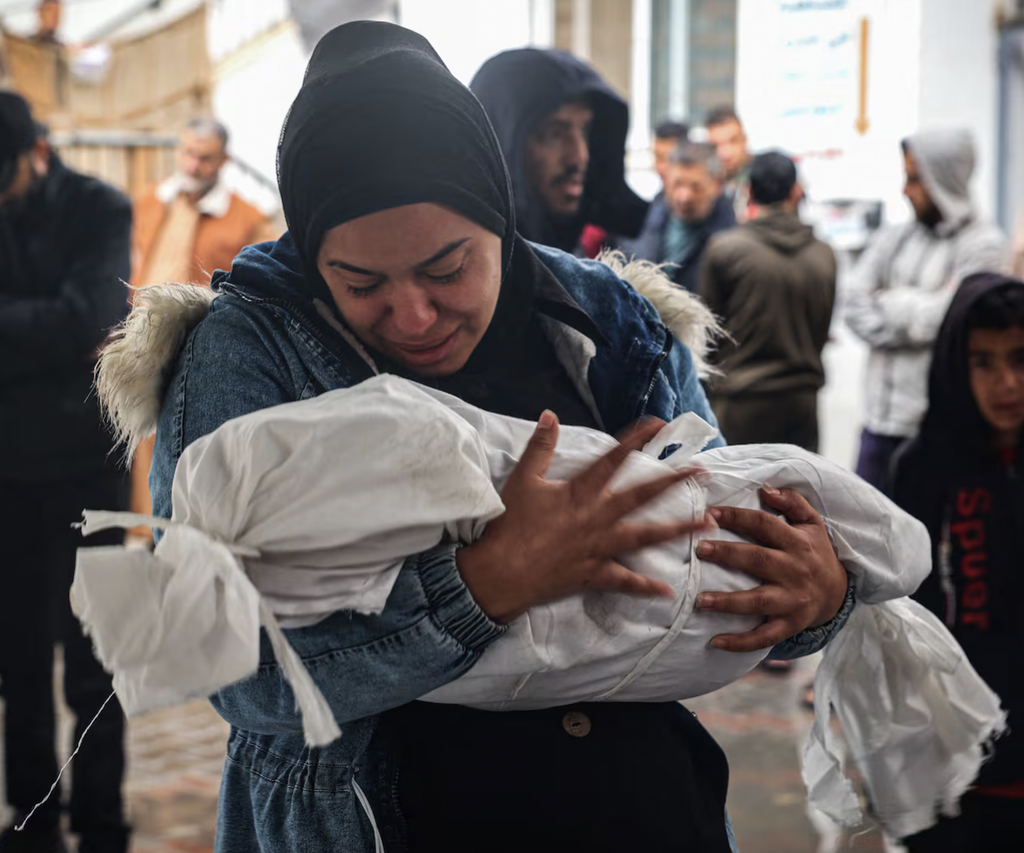
https://www.opb.org/article/2024/05/15/why-the-u-n-revised-the-numbers-of-women-and-children-killed-in-gaza/

(טו) כֹּ֣ה ׀ אָמַ֣ר יהוה ק֣וֹל בְּרָמָ֤ה נִשְׁמָע֙ נְהִי֙ בְּכִ֣י תַמְרוּרִ֔ים רָחֵ֖ל מְבַכָּ֣ה עַל־בָּנֶ֑יהָ מֵאֲנָ֛ה לְהִנָּחֵ֥ם עַל־בָּנֶ֖יהָ כִּ֥י אֵינֶֽנּוּ׃ {ס}
(15)Thus said GOD: A cry is heard in Ramah—
Wailing, bitter weeping—Rachel weeping for her children.
She refuses to be comforted for her children, who are gone.
(א) וַיִּקְח֣וּ בְנֵֽי־אַ֠הֲרֹ֠ן נָדָ֨ב וַאֲבִיה֜וּא אִ֣ישׁ מַחְתָּת֗וֹ וַיִּתְּנ֤וּ בָהֵן֙ אֵ֔שׁ וַיָּשִׂ֥ימוּ עָלֶ֖יהָ קְטֹ֑רֶת וַיַּקְרִ֜יבוּ לִפְנֵ֤י יהוה אֵ֣שׁ זָרָ֔ה אֲשֶׁ֧ר לֹ֦א צִוָּ֖ה אֹתָֽם׃ (ב) וַתֵּ֥צֵא אֵ֛שׁ מִלִּפְנֵ֥י יהוה וַתֹּ֣אכַל אוֹתָ֑ם וַיָּמֻ֖תוּ לִפְנֵ֥י יהוה׃
(1) Now Aaron’s sons Nadab and Abihu each took his fire pan, put fire in it, and laid incense on it; and they offered before GOD alien fire—which had not been enjoined upon them. (2) And fire came forth from GOD and consumed them; thus they died by GOD’s will.
(טז) וְאֵ֣ת ׀ שְׂעִ֣יר הַֽחַטָּ֗את דָּרֹ֥שׁ דָּרַ֛שׁ מֹשֶׁ֖ה וְהִנֵּ֣ה שֹׂרָ֑ף וַ֠יִּקְצֹ֠ף עַל־אֶלְעָזָ֤ר וְעַל־אִֽיתָמָר֙ בְּנֵ֣י אַהֲרֹ֔ן הַנּוֹתָרִ֖ם לֵאמֹֽר׃ (יז) מַדּ֗וּעַ לֹֽא־אֲכַלְתֶּ֤ם אֶת־הַחַטָּאת֙ בִּמְק֣וֹם הַקֹּ֔דֶשׁ כִּ֛י קֹ֥דֶשׁ קׇֽדָשִׁ֖ים הִ֑וא וְאֹתָ֣הּ ׀ נָתַ֣ן לָכֶ֗ם לָשֵׂאת֙ אֶת־עֲוֺ֣ן הָעֵדָ֔ה לְכַפֵּ֥ר עֲלֵיהֶ֖ם לִפְנֵ֥י יהוה׃ (יח) הֵ֚ן לֹא־הוּבָ֣א אֶת־דָּמָ֔הּ אֶל־הַקֹּ֖דֶשׁ פְּנִ֑ימָה אָכ֨וֹל תֹּאכְל֥וּ אֹתָ֛הּ בַּקֹּ֖דֶשׁ כַּאֲשֶׁ֥ר צִוֵּֽיתִי׃
(16) Then Moses diligently inquired about the goat of purgation offering, and it had already been burned! He was angry with Eleazar and Ithamar, Aaron’s remaining sons, and said, (17) “Why did you not eat the purgation offering in the sacred area? For it is most holy, and it is what was given to you to remove the guilt of the community and to make expiation for them before GOD. (18) Since its blood was not brought inside the sanctuary, you should certainly have eaten it in the sanctuary, as I commanded.”
(ה) וּמִזְבַּ֣ח הַנְּחֹ֗שֶׁת אֲשֶׁ֤ר עָשָׂה֙ בְּצַלְאֵל֙ בֶּן־אוּרִ֣י בֶן־ח֔וּר שָׁ֕ם לִפְנֵ֖י מִשְׁכַּ֣ן יהוה וַיִּדְרְשֵׁ֥הוּ שְׁלֹמֹ֖ה וְהַקָּהָֽל׃
(5) The bronze altar, which Bezalel son of Uri son of Hur had made, was also there before the Tabernacle of GOD, and Solomon and the congregation sought it out [made their way to it].

(יט) וַיְדַבֵּ֨ר אַהֲרֹ֜ן אֶל־מֹשֶׁ֗ה הֵ֣ן הַ֠יּ֠וֹם הִקְרִ֨יבוּ אֶת־חַטָּאתָ֤ם וְאֶת־עֹֽלָתָם֙ לִפְנֵ֣י יהוה וַתִּקְרֶ֥אנָה אֹתִ֖י כָּאֵ֑לֶּה וְאָכַ֤לְתִּי חַטָּאת֙ הַיּ֔וֹם הַיִּיטַ֖ב בְּעֵינֵ֥י יהוה׃
(כ) וַיִּשְׁמַ֣ע מֹשֶׁ֔ה וַיִּיטַ֖ב בְּעֵינָֽיו׃ {פ}
(19) And Aaron spoke to Moses, “See, this day they brought their purgation offering and their burnt offering before GOD, and such things have befallen me! Had I eaten purgation offering today, would GOD have approved?”
(20) And when Moses heard this, he approved.
Current Causes of Death in Children and Adolescents in the United StatesPublished April 20, 2022 The New England Journal of Medicine
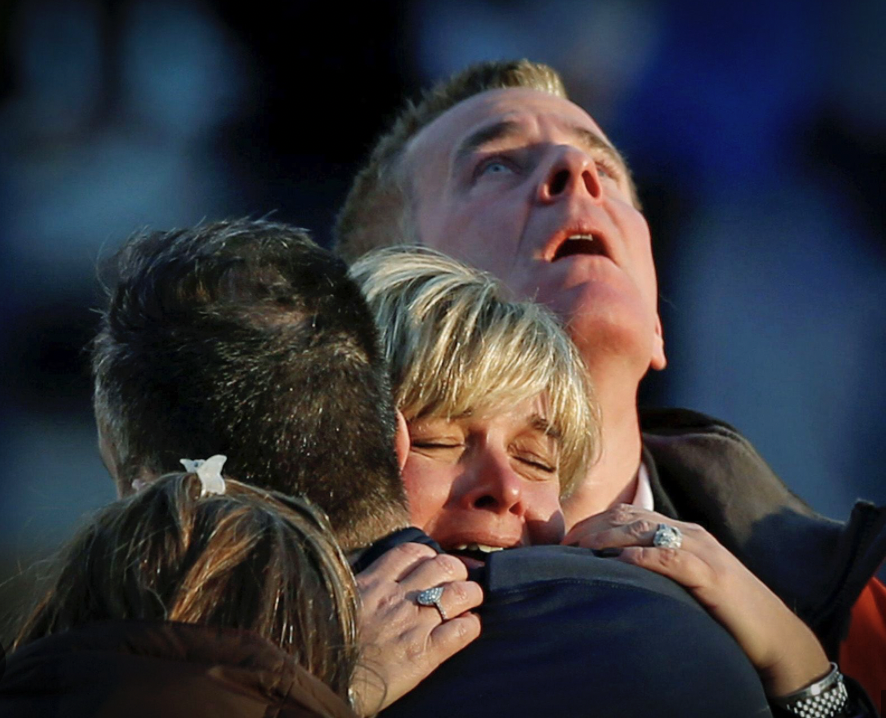
"The Centers for Disease Control and Prevention (CDC) recently released updated official mortality data that showed 45,222 firearm-related deaths in the United States in 2020 — a new peak. Although previous analyses have shown increases in firearm-related mortality in recent years (2015 to 2019), as compared with the relatively stable rates from earlier years (1999 to 2014) these new data show a sharp 13.5% increase in the crude rate of firearm-related death from 2019 to 2020. This change was driven largely by firearm homicides, which saw a 33.4% increase in the crude rate from 2019 to 2020....increasing firearm-related mortality reflects a longer-term trend and shows that we continue to fail to protect our youth from a preventable cause of death."
'Not the new normal’ – 2024 ‘one of the worst years in UNICEF’s history’ for children in conflict
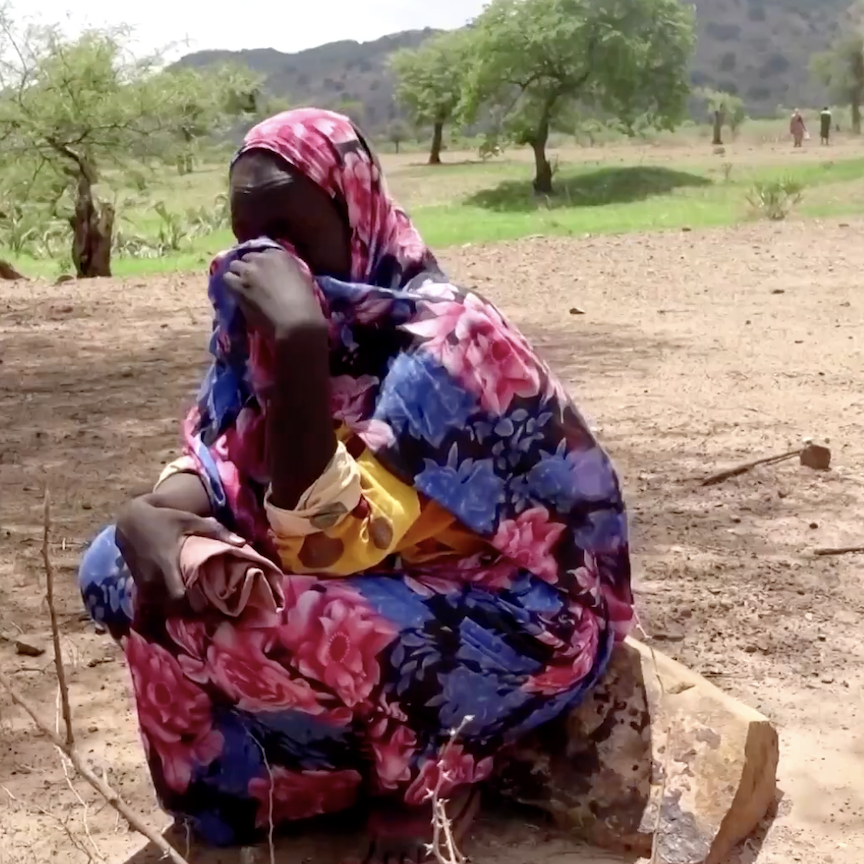
“By almost every measure, 2024 has been one of the worst years on record for children in conflict in UNICEF’s history—both in terms of the number of children affected and the level of impact on their lives. A child growing up in a conflict zone is far more likely to be out of school, malnourished, or forced from their home—too often repeatedly—compared to a child living in places of peace. This must not be the new normal. We cannot allow a generation of children to become collateral damage to the world’s unchecked wars.” - UNICEF Executive Director Catherine Russell.
"The victims of today’s wars are civilians, the majority of whom are women and children, as recent armed conflicts have shown. From 7 October 2023 to January 2025, over 47 000 people, including about 18 000 children, were killed by the Israeli military as a result of traumatic injuries in the Gaza Strip, according to the official Palestinian Ministry of Health. It is estimated that a further 50% of these deaths are unaccounted for due to situations where entire families are killed simultaneously, leaving no one to report, or where an unknown number of people die in the collapse of a large building and are buried without going through a morgue."
"Background
High-quality mortality estimates are crucial for understanding the human cost of conflict. The Gaza Ministry of Health (MoH) has provided regular updates to their violent death toll for the Gaza Strip following Oct 7, 2023, but these reports have attracted both criticism and support. Independent estimates of both violent and non-violent deaths were needed.
Methods
We conducted a population-representative household survey, the Gaza Mortality Survey, between Dec 30, 2024, and Jan 5, 2025. We surveyed 2000 households across 200 primary sampling units, documenting the vital status of 9729 household members as of Oct 6, 2023, plus newborns. The sample was stratified by dwelling type and Governorate of origin. We used raking procedures to adjust for demographic characteristics and calculated confidence intervals using Taylor series linearisation. Sampling occurred in accessible areas, with displaced populations representing inaccessible Governorates.
Findings
We estimated 75 200 violent deaths (95% CI 63 600–86 800) between Oct 7, 2023, and Jan 5, 2025, representing approximately 3·4% of the Gaza Strip's pre-conflict population. Women, children (ie, younger than 18 years), and older people (ie, older than 64 years) comprised 56·2% (95% CI 50·4–61·9) of violent deaths, totalling 42 200 deaths (95% CI 33 100–51 300). We also estimated 16 300 non-violent deaths (12 300–20 200), of which 8540 (4540–12 500) represent excess deaths above pre-conflict projections. The MoH figure for this period (49 090 violent deaths) was 34·7% below our central estimate."
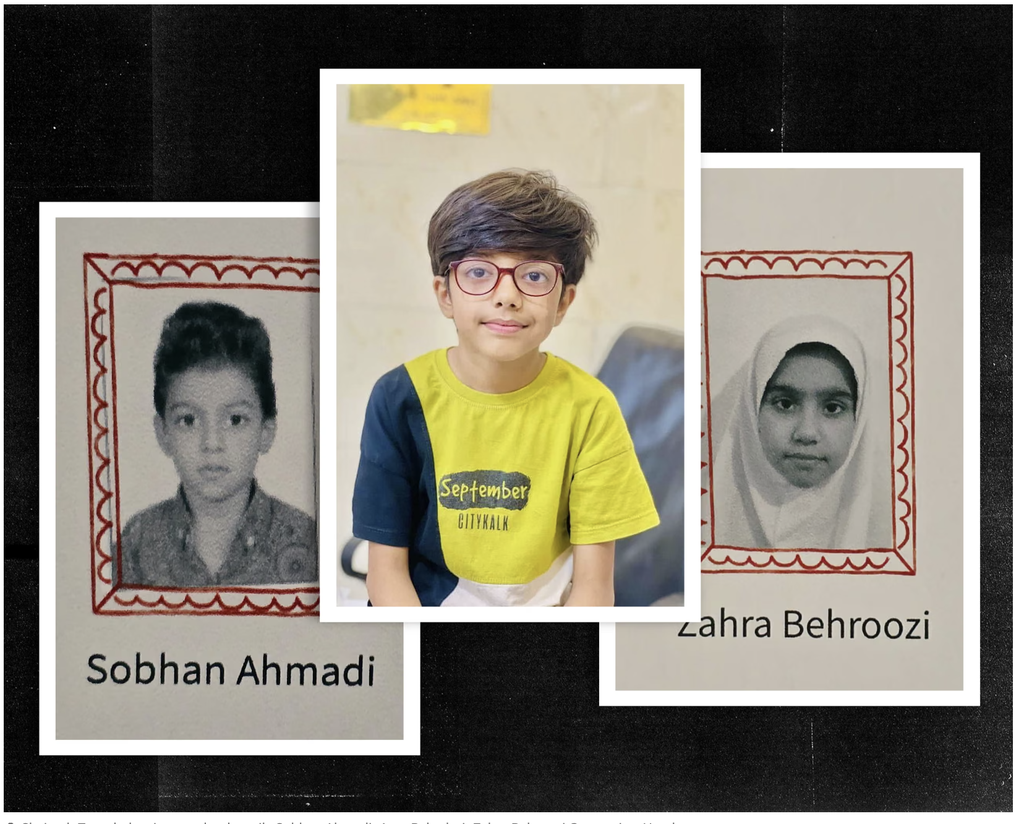
(טו) הֲֽלֹא־בַ֭בֶּטֶן עֹשֵׂ֣נִי עָשָׂ֑הוּ וַ֝יְכֻנֶ֗נּוּ בָּרֶ֥חֶם אֶחָֽד׃
(15)Did not the One who made me in my mother’s belly make him?Did not One form us both in the womb?
(לד) כְּאֶזְרָ֣ח מִכֶּם֩ יִהְיֶ֨ה לָכֶ֜ם הַגֵּ֣ר ׀ הַגָּ֣ר אִתְּכֶ֗ם וְאָהַבְתָּ֥ לוֹ֙ כָּמ֔וֹךָ כִּֽי־גֵרִ֥ים הֱיִיתֶ֖ם בְּאֶ֣רֶץ מִצְרָ֑יִם אֲנִ֖י יהוה אֱלֹהֵיכֶֽם׃
(34) The strangers who reside with you shall be to you as your citizens; you shall love each one as yourself, for you were strangers in the land of Egypt: I the ETERNAL am your God.