


 Save
 Copy
 Add to Collection
 Export to Google Docs
 Share
(ו) שִׂימֵ֨נִי כַֽחוֹתָ֜ם עַל־לִבֶּ֗ךָ כַּֽחוֹתָם֙ עַל־זְרוֹעֶ֔ךָ כִּֽי־עַזָּ֤ה כַמָּ֙וֶת֙ אַהֲבָ֔ה קָשָׁ֥ה כִשְׁא֖וֹל...
(6) Set me as a seal upon your heart,
Set me as a seal upon your arm;
For love is strong as death,
Passion is mighty as Sheol...
or:
You shall welcome the stranger, for you were strangers in Egypt
or:
Love your neighbor as yourself
or
We are all made in the image of God?
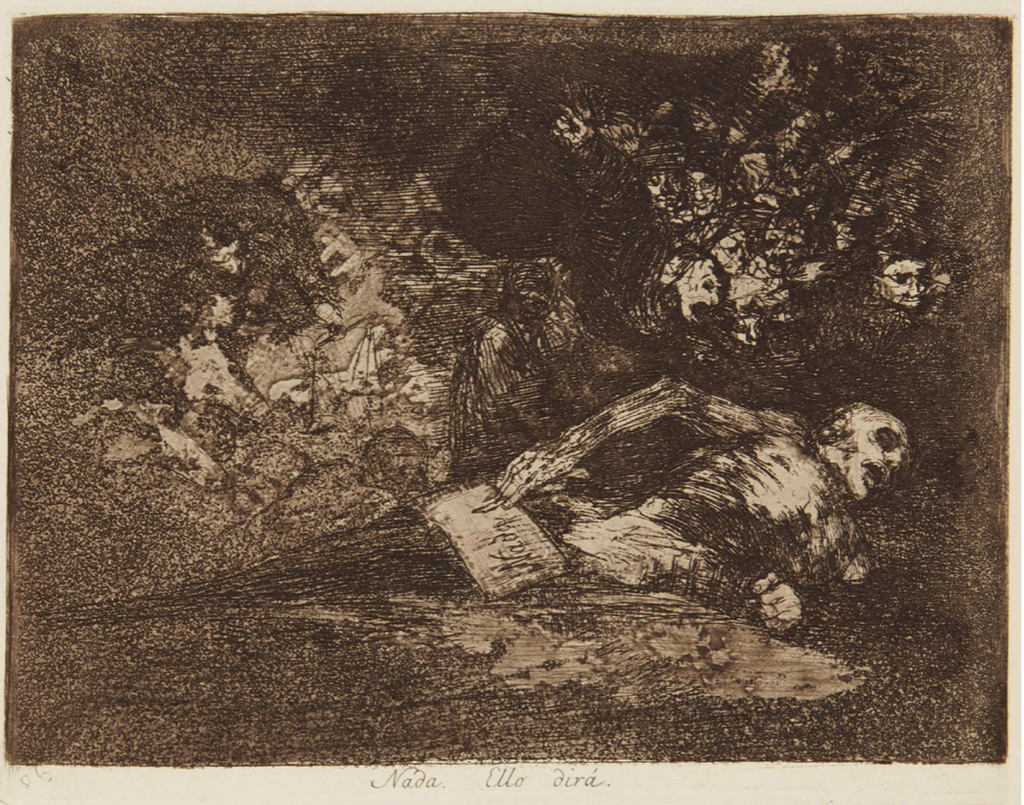
"Nada. Ello dirá" | "Nothing... the event itself will tell..."
from last week:
Pinchas 5786 Apocalypse vav: broken peace, incomplete shalom; is wholeness possible? Can peace result from violence? Learning from the broken vav in Parashat Pinchas
(ז) וַֽיִּצְבְּאוּ֙ עַל־מִדְיָ֔ן כַּאֲשֶׁ֛ר צִוָּ֥ה יְהֹוָ֖ה אֶת־מֹשֶׁ֑ה וַיַּֽהַרְג֖וּ כׇּל־זָכָֽר׃ (ח) וְאֶת־מַלְכֵ֨י מִדְיָ֜ן הָרְג֣וּ עַל־חַלְלֵיהֶ֗ם אֶת־אֱוִ֤י וְאֶת־רֶ֙קֶם֙ וְאֶת־צ֤וּר וְאֶת־חוּר֙ וְאֶת־רֶ֔בַע חֲמֵ֖שֶׁת מַלְכֵ֣י מִדְיָ֑ן וְאֵת֙ בִּלְעָ֣ם בֶּן־בְּע֔וֹר הָרְג֖וּ בֶּחָֽרֶב׃ (ט) וַיִּשְׁבּ֧וּ בְנֵי־יִשְׂרָאֵ֛ל אֶת־נְשֵׁ֥י מִדְיָ֖ן וְאֶת־טַפָּ֑ם וְאֵ֨ת כׇּל־בְּהֶמְתָּ֧ם וְאֶת־כׇּל־מִקְנֵהֶ֛ם וְאֶת־כׇּל־חֵילָ֖ם בָּזָֽזוּ׃ (י) וְאֵ֤ת כׇּל־עָרֵיהֶם֙ בְּמ֣וֹשְׁבֹתָ֔ם וְאֵ֖ת כׇּל־טִֽירֹתָ֑ם שָׂרְפ֖וּ בָּאֵֽשׁ׃
(7) They took the field against Midian, as GOD had commanded Moses, and slew every male.(8) Along with their other victims, they slew the kings of Midian: Evi, Rekem, Zur, Hur, and Reba, the five kings of Midian. They also put Balaam son of Beor to the sword. (9) The Israelites took the women and other noncombatants of the Midianites captive, and seized as booty all their beasts, all their herds, and all their wealth. (10) And they destroyed by fire all the towns in which they were settled, and their encampments.
(יד) וַיִּקְצֹ֣ף מֹשֶׁ֔ה עַ֖ל פְּקוּדֵ֣י הֶחָ֑יִל שָׂרֵ֤י הָאֲלָפִים֙ וְשָׂרֵ֣י הַמֵּא֔וֹת הַבָּאִ֖ים מִצְּבָ֥א הַמִּלְחָמָֽה׃ (טו) וַיֹּ֥אמֶר אֲלֵיהֶ֖ם מֹשֶׁ֑ה הַֽחִיִּיתֶ֖ם כׇּל־נְקֵבָֽה׃ (טז) הֵ֣ן הֵ֜נָּה הָי֨וּ לִבְנֵ֤י יִשְׂרָאֵל֙ בִּדְבַ֣ר בִּלְעָ֔ם לִמְסׇר־מַ֥עַל בַּיהֹוָ֖ה עַל־דְּבַר־פְּע֑וֹר וַתְּהִ֥י הַמַּגֵּפָ֖ה בַּעֲדַ֥ת יְהֹוָֽה׃ (יז) וְעַתָּ֕ה הִרְג֥וּ כׇל־זָכָ֖ר בַּטָּ֑ף וְכׇל־אִשָּׁ֗ה יֹדַ֥עַת אִ֛ישׁ לְמִשְׁכַּ֥ב זָכָ֖ר הֲרֹֽגוּ׃ (יח) וְכֹל֙ הַטַּ֣ף בַּנָּשִׁ֔ים אֲשֶׁ֥ר לֹא־יָדְע֖וּ מִשְׁכַּ֣ב זָכָ֑ר הַחֲי֖וּ לָכֶֽם׃
(14)Moses became angry with the commanders of the army, the officers of thousands and the officers of hundreds, who had come back from the military campaign. (15)Moses said to them, “You have spared every female!(16) Yet they are the very ones who, at the bidding of Balaam, induced the Israelites to trespass against GOD in the matter of Peor, so that GOD’s community was struck by the plague. (17)Now, therefore, slay every male among the noncombatants, and slay also every woman who has known a man carnally;(18) but spare every female noncombatant who has not had carnal relations with a man.
"Collective punishment is a punishment or sanction imposed on a group or whole community for acts allegedly perpetrated by a member or some members of that group or area, which could be an ethnic or political group, or just the family, friends and neighbors of the perpetrator, as well as entire cities and communities where the perpetrator (s) allegedly committed the crime. Because individuals who are not responsible for the acts are targeted, collective punishment is not compatible with the basic principle of individual responsibility. The punished group may often have no direct association with the perpetrator other than living in the same area and can not be assumed to exercise control over the perpetrator's actions. Collective punishment is prohibited by treaty in both international and non-international armed conflicts, more specifically Common Article 33 of the Fourth Geneva Convention and Article 4 of the Additional Protocol II.
"No protected person may be punished for an offence he or she has not personally committed. Collective penalties and likewise all measures of intimidation or of terrorism are prohibited. Pillage is prohibited."
(מט) וַיֹּֽאמְרוּ֙ אֶל־מֹשֶׁ֔ה עֲבָדֶ֣יךָ נָֽשְׂא֗וּ אֶת־רֹ֛אשׁ אַנְשֵׁ֥י הַמִּלְחָמָ֖ה אֲשֶׁ֣ר בְּיָדֵ֑נוּ וְלֹא־נִפְקַ֥ד מִמֶּ֖נּוּ אִֽישׁ׃ (נ) וַנַּקְרֵ֞ב אֶת־קׇרְבַּ֣ן יְהֹוָ֗ה אִישׁ֩ אֲשֶׁ֨ר מָצָ֤א כְלִֽי־זָהָב֙ אֶצְעָדָ֣ה וְצָמִ֔יד טַבַּ֖עַת עָגִ֣יל וְכוּמָ֑ז לְכַפֵּ֥ר עַל־נַפְשֹׁתֵ֖ינוּ לִפְנֵ֥י יְהֹוָֽה׃
(49) They [the officers who had led the violent campaign against the Midianites] said to Moses, “Your servants have made a check of the warriors in our charge, and not one of us is missing.
(50) So we have brought as an offering to GOD such articles of gold as each of us came upon: armlets, bracelets, signet rings, earrings, and pendants, that expiation may be made for our persons before GOD.”
(לה) וְנֶ֣פֶשׁ אָדָ֔ם מִ֨ן־הַנָּשִׁ֔ים אֲשֶׁ֥ר לֹֽא־יָדְע֖וּ מִשְׁכַּ֣ב זָכָ֑ר כׇּל־נֶ֕פֶשׁ שְׁנַ֥יִם וּשְׁלֹשִׁ֖ים אָֽלֶף׃
(35) and a total of 32,000 human beings, namely, the females who had not had carnal relations.
(נג) אַנְשֵׁי֙ הַצָּבָ֔א בָּזְז֖וּ אִ֥ישׁ לֽוֹ׃
(53) But in the ranks, everyone kept his booty for himself.—
the spoils of war are dispersed among, and permeate, the people.

"Estragos de la guerra" | "The ravages of war"
(יא) ... וְעַמִּ֛י הֵמִ֥יר כְּבוֹד֖וֹ בְּל֥וֹא יוֹעִֽיל׃
(11)... My people has exchanged its glory for what can do no good.
(ו) שִׂימֵ֨נִי כַֽחוֹתָ֜ם עַל־לִבֶּ֗ךָ כַּֽחוֹתָם֙ עַל־זְרוֹעֶ֔ךָ כִּֽי־עַזָּ֤ה כַמָּ֙וֶת֙ אַהֲבָ֔ה קָשָׁ֥ה כִשְׁא֖וֹל ...
(6) Set me as a seal upon your heart,
Set me as a seal upon your arm;
For love is strong as death,
Passion is mighty as Sheol...
(כא) וְאֵרַשְׂתִּ֥יךְ לִ֖י לְעוֹלָ֑ם וְאֵרַשְׂתִּ֥יךְ לִי֙ בְּצֶ֣דֶק וּבְמִשְׁפָּ֔ט וּבְחֶ֖סֶד וּֽבְרַחֲמִֽים׃ (כב) וְאֵרַשְׂתִּ֥יךְ לִ֖י בֶּאֱמוּנָ֑ה וְיָדַ֖עַתְּ אֶת־יְהֹוָֽה׃ {פ}
(21) And I will betrothe you unto me forever: I will betrothed you with righteousness and justice, And with goodness and mercy, (22)And I will betrothe you unto me with faithfulness; And you will deeply understand God.
