


 Save
 Copy
 Add to Collection
 Export to Google Docs
 Share
(א) כִּ֤י יְבִֽיאֲךָ֙ יְהֹוָ֣ה אֱלֹהֶ֔יךָ אֶל־הָאָ֕רֶץ אֲשֶׁר־אַתָּ֥ה בָא־שָׁ֖מָּה לְרִשְׁתָּ֑הּ וְנָשַׁ֣ל גּֽוֹיִם־רַבִּ֣ים ׀ מִפָּנֶ֡יךָ הַֽחִתִּי֩ וְהַגִּרְגָּשִׁ֨י וְהָאֱמֹרִ֜י וְהַכְּנַעֲנִ֣י וְהַפְּרִזִּ֗י וְהַֽחִוִּי֙ וְהַיְבוּסִ֔י שִׁבְעָ֣ה גוֹיִ֔ם רַבִּ֥ים וַעֲצוּמִ֖ים מִמֶּֽךָּ׃ (ב) וּנְתָנָ֞ם יְהֹוָ֧ה אֱלֹהֶ֛יךָ לְפָנֶ֖יךָ וְהִכִּיתָ֑ם הַחֲרֵ֤ם תַּחֲרִים֙ אֹתָ֔ם לֹא־תִכְרֹ֥ת לָהֶ֛ם בְּרִ֖ית וְלֹ֥א תְחׇנֵּֽם׃
(1) When the ETERNAL your God brings you to the land that you are about to enter and possess, and dislodges many nations before you—the Hittites, Girgashites, Amorites, Canaanites, Perizzites, Hivites, and Jebusites, seven nations much larger than you— (2) and the ETERNAL your God delivers them to you and you defeat them, you must doom them to destruction: grant them no terms and give them no quarter.
Convention on the Prevention and Punishment of the Crime of Genocide
Article III In the present Convention, genocide means any of the following acts committed with intent to destroy, in whole or in part, a national, ethnical, racial or religious group, as such:
Killing members of the group;
Causing serious bodily or mental harm to members of the group;
Deliberately inflicting on the group conditions of life calculated to bring about its physical destruction in whole or in part;
Imposing measures intended to prevent births within the group;Forcibly transferring children of the group to another group.
Elements of the crime
The Genocide Convention establishes in Article I that the crime of genocide may take place in the context of an armed conflict, international or non-international, but also in the context of a peaceful situation. The latter is less common but still possible. The same article establishes the obligation of the contracting parties to prevent and to punish the crime of genocide.
do the disasters and calamities we have suffered justify our afflicting others with calamaties and disasters? - is an urgently presssing one.
(טז) וְאָכַלְתָּ֣ אֶת־כׇּל־הָֽעַמִּ֗ים אֲשֶׁ֨ר יְהֹוָ֤ה אֱלֹהֶ֙יךָ֙ נֹתֵ֣ן לָ֔ךְ לֹא־תָח֥וֹס עֵֽינְךָ֖ עֲלֵיהֶ֑ם וְלֹ֤א תַעֲבֹד֙ אֶת־אֱלֹ֣הֵיהֶ֔ם כִּֽי־מוֹקֵ֥שׁ ה֖וּא לָֽךְ׃ {ס}
(16) You shall destroy all the peoples that the ETERNAL your God delivers to you, showing them no pity. And you shall not worship their gods, for that would be a snare to you.
(כג) וּנְתָנָ֛ם יְהֹוָ֥ה אֱלֹהֶ֖יךָ לְפָנֶ֑יךָ וְהָמָם֙ מְהוּמָ֣ה גְדֹלָ֔ה עַ֖ד הִשָּׁמְדָֽם׃ (כד) וְנָתַ֤ן מַלְכֵיהֶם֙ בְּיָדֶ֔ךָ וְהַאֲבַדְתָּ֣ אֶת־שְׁמָ֔ם מִתַּ֖חַת הַשָּׁמָ֑יִם לֹֽא־יִתְיַצֵּ֥ב אִישׁ֙ בְּפָנֶ֔יךָ עַ֥ד הִשְׁמִֽדְךָ֖ אֹתָֽם׃
(23) The ETERNAL your God will deliver them up to you, throwing them into utter panic until they are wiped out. (24) Their kings will be delivered into your hand, and you shall obliterate their name from under the heavens; no one shall stand up to you, until you have wiped them out.
(יב) וְעַתָּה֙ יִשְׂרָאֵ֔ל מָ֚ה יְהֹוָ֣ה אֱלֹהֶ֔יךָ שֹׁאֵ֖ל מֵעִמָּ֑ךְ כִּ֣י אִם־לְ֠יִרְאָ֠ה אֶת־יְהֹוָ֨ה אֱלֹהֶ֜יךָ לָלֶ֤כֶת בְּכׇל־דְּרָכָיו֙ וּלְאַהֲבָ֣ה אֹת֔וֹ וְלַֽעֲבֹד֙ אֶת־יְהֹוָ֣ה אֱלֹהֶ֔יךָ בְּכׇל־לְבָבְךָ֖ וּבְכׇל־נַפְשֶֽׁךָ׃ (יג) לִשְׁמֹ֞ר אֶת־מִצְוֺ֤ת יְהֹוָה֙ וְאֶת־חֻקֹּתָ֔יו אֲשֶׁ֛ר אָנֹכִ֥י מְצַוְּךָ֖ הַיּ֑וֹם לְט֖וֹב לָֽךְ׃ (יד) הֵ֚ן לַיהֹוָ֣ה אֱלֹהֶ֔יךָ הַשָּׁמַ֖יִם וּשְׁמֵ֣י הַשָּׁמָ֑יִם הָאָ֖רֶץ וְכׇל־אֲשֶׁר־בָּֽהּ׃
(12) And now, O Israel, what does the ETERNAL your God demand of you? Only this: to revere the ETERNAL your God, to walk only in divine paths, to love and to serve the ETERNAL your God with all your heart and soul, (13) keeping GOD’s commandments and laws, which I enjoin upon you today, for your good. (14) Mark, the heavens to their uttermost reaches belong to the ETERNAL your God, the earth and all that is on it!
(טז) וּמַלְתֶּ֕ם אֵ֖ת עׇרְלַ֣ת לְבַבְכֶ֑ם וְעׇ֨רְפְּכֶ֔ם לֹ֥א תַקְשׁ֖וּ עֽוֹד׃ (יז) כִּ֚י יְהֹוָ֣ה אֱלֹֽהֵיכֶ֔ם ה֚וּא אֱלֹהֵ֣י הָֽאֱלֹהִ֔ים וַאֲדֹנֵ֖י הָאֲדֹנִ֑ים הָאֵ֨ל הַגָּדֹ֤ל הַגִּבֹּר֙ וְהַנּוֹרָ֔א אֲשֶׁר֙ לֹא־יִשָּׂ֣א פָנִ֔ים וְלֹ֥א יִקַּ֖ח שֹֽׁחַד׃ (יח) עֹשֶׂ֛ה מִשְׁפַּ֥ט יָת֖וֹם וְאַלְמָנָ֑ה וְאֹהֵ֣ב גֵּ֔ר לָ֥תֶת ל֖וֹ לֶ֥חֶם וְשִׂמְלָֽה׃ (יט) וַאֲהַבְתֶּ֖ם אֶת־הַגֵּ֑ר כִּֽי־גֵרִ֥ים הֱיִיתֶ֖ם בְּאֶ֥רֶץ מִצְרָֽיִם׃
(16) Cut away, therefore, the thickening about your hearts and stiffen your necks no more. (17) For the ETERNAL your God is God supreme and Sovereign supreme, the great, the mighty, and the awesome God, who shows no favor and takes no bribe, (18) but upholds the cause of the fatherless and the widow, and befriends the stranger, providing food and clothing.— (19) You too must befriend the stranger, for you were strangers in the land of Egypt.
Not by Numbers, but by Blessing: Israel and Parashat Eikev
If you read it you will see that the writer (a rabbi) endorses, accepts, and does not question Israel's application of collective punishment in Gaza: from that piece:
"As I return to Parashat Eikev, I feel as though I am reading a prophecy, a spiritual message spoken directly to our generation. Within its verses lies not only the story of the wilderness and mitzvot, but a living light shining upon the path of modern Israel. From 1948 until today, Israel lives by the core principle of this portion: not by numbers, not by might, but by faithfulness and Divine blessing does the Jewish people endure....
"Eikev Is About Now
Parashat Eikev is not ancient history. It is now. It is about the Israel of the 21st century. About the soldiers on the borders. The children in bomb shelters. The doctors, the scientists, the rabbis, the programmers, the mothers, the volunteers. About a people who still believe, still endure, still carry light.
Eikev reminds us: not by numbers, but by spirit. Not by might, but by faith. Not by politics, but by covenant.And if we remember this—then the light continues. Even in the wilderness. Even under fire..."
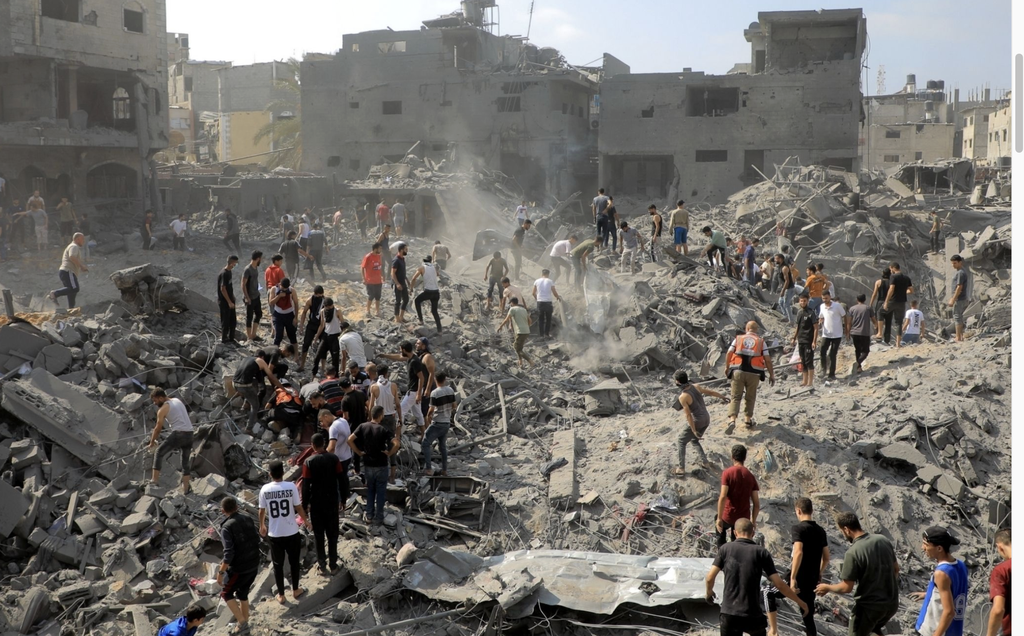
Israeli armed forces have dropped at least 29,000 explosive munitions in Gaza since the start of the conflict, according to US intelligence. During the first two weeks of the conflict, about 90 percent of these were 1,000-pound and 2,000-pound satellite-guided bombs. A 2,000-pound bomb, with an estimated crater size of 14 meters, was used in the Jabalia refugee camp airstrike that killed at least 126 civilians, including 69 children, on 31 October 2023, according to Airwars.
"Given the heavy explosive payload of these bombs, they are not often the weapon-of-choice by militaries conducting operations in urban areas, and military analysts have been surprised by their use in Gaza given their effects. For example, the largest bombs used by the US and allied forces in the battle for Mosul were 500-pounds."
(כב) וְנָשַׁל֩ יְהֹוָ֨ה אֱלֹהֶ֜יךָ אֶת־הַגּוֹיִ֥ם הָאֵ֛ל מִפָּנֶ֖יךָ מְעַ֣ט מְעָ֑ט לֹ֤א תוּכַל֙ כַּלֹּתָ֣ם מַהֵ֔ר פֶּן־תִּרְבֶּ֥ה עָלֶ֖יךָ חַיַּ֥ת הַשָּׂדֶֽה׃
(22) The ETERNAL your God will dislodge those peoples before you little by little; you will not be able to put an end to them at once, else the wild beasts would multiply to your hurt.
(ה) וְאָ֣הַבְתָּ֔ אֵ֖ת יְהֹוָ֣ה אֱלֹהֶ֑יךָ בְּכׇל־לְבָבְךָ֥ וּבְכׇל־נַפְשְׁךָ֖ וּבְכׇל־מְאֹדֶֽךָ׃ (ו) וְהָי֞וּ הַדְּבָרִ֣ים הָאֵ֗לֶּה אֲשֶׁ֨ר אָנֹכִ֧י מְצַוְּךָ֛ הַיּ֖וֹם עַל־לְבָבֶֽךָ׃ (ז) וְשִׁנַּנְתָּ֣ם לְבָנֶ֔יךָ וְדִבַּרְתָּ֖ בָּ֑ם בְּשִׁבְתְּךָ֤ בְּבֵיתֶ֙ךָ֙ וּבְלֶכְתְּךָ֣ בַדֶּ֔רֶךְ וּֽבְשׇׁכְבְּךָ֖ וּבְקוּמֶֽךָ׃ (ח) וּקְשַׁרְתָּ֥ם לְא֖וֹת עַל־יָדֶ֑ךָ וְהָי֥וּ לְטֹטָפֹ֖ת בֵּ֥ין עֵינֶֽיךָ׃ (ט) וּכְתַבְתָּ֛ם עַל־מְזֻז֥וֹת בֵּיתֶ֖ךָ וּבִשְׁעָרֶֽיךָ׃ {ס}
(5) You shall love the ETERNAL your God with all your heart and with all your soul and with all your might. (6) Take to heart these instructions with which I charge you this day. (7) Impress them upon your children. Recite them when you stay at home and when you are away, when you lie down and when you get up. (8) Bind them as a sign on your hand and let them serve as a symbol on your forehead; (9) inscribe them on the doorposts of your house and on your gates.
