


 Save
 Copy
 Add to Collection
 Export to Google Docs
 Share
סוּכָּה שֶׁהִיא גְּבוֹהָה לְמַעְלָה מֵעֶשְׂרִים אַמָּה — פְּסוּלָה. וְרַבִּי יְהוּדָה מַכְשִׁיר.
MISHNA:A sukka, i.e., its roofing, which is the main and most crucial element of the mitzva, that is more than twenty cubits high is unfit. Rabbi Yehuda deems it fit.
אָמַר רַבָּה, דְּאָמַר קְרָא: ״לְמַעַן יֵדְעוּ דוֹרוֹתֵיכֶם כִּי בַסּוּכּוֹת הוֹשַׁבְתִּי אֶת בְּנֵי יִשְׂרָאֵל״, עַד עֶשְׂרִים אַמָּה, אָדָם יוֹדֵעַ שֶׁהוּא דָּר בַּסּוּכָּה, לְמַעְלָה מֵעֶשְׂרִים אַמָּה — אֵין אָדָם יוֹדֵעַ שֶׁדָּר בַּסּוּכָּה, מִשּׁוּם דְּלָא שָׁלְטָא בַּהּ עֵינָא.
Rabba said that it is derived as the verse states: “So that your future generations will know that I caused the children of Israel to reside in sukkot when I took them out of the land of Egypt” (Leviticus 23:43). In a sukkaup to twenty cubits high, even without a concerted effort, a person is aware that he is residing in a sukka. His eye catches sight of the roofing, evoking the sukka and its associated mitzvot. However, in a sukka that is more than twenty cubits high, a person is not aware that he is residing in a sukka because his eye does not involuntarily catch sight of the roof, as at that height, without a concerted effort one would not notice the roofing.
רַבִּי זֵירָא אָמַר מֵהָכָא: ״וְסוּכָּה תִּהְיֶה לְצֵל יוֹמָם מֵחוֹרֶב״, עַד עֶשְׂרִים אַמָּה אָדָם יוֹשֵׁב בְּצֵל סוּכָּה, לְמַעְלָה מֵעֶשְׂרִים אַמָּה — אֵין אָדָם יוֹשֵׁב בְּצֵל סוּכָּה אֶלָּא בְּצֵל דְּפָנוֹת.
Rabbi Zeira said that it is derived from here: The verse states: “And there shall be a sukka for shade in the daytime from the heat, and for refuge and cover from storm and from rain” (Isaiah 4:6). In a sukkaup to twenty cubits high, a person is sitting in the shade of the sukka, i.e., the shade of the roofing; in a sukka that is more than twenty cubits high, a person is not sitting in the shade of the roofing of the sukka but rather in the shade of the walls of the sukka, as their considerable height provides constant shade, rendering the shade of the roofing irrelevant.
כְּמַאן אָזְלָא הָא דְּאָמַר רַב הוּנָא אָמַר רַב: מַחְלוֹקֶת בְּשֶׁאֵין בָּהּ אֶלָּא אַרְבַּע אַמּוֹת עַל אַרְבַּע אַמּוֹת, אֲבָל יֵשׁ בָּהּ יוֹתֵר מֵאַרְבַּע אַמּוֹת עַל אַרְבַּע אַמּוֹת — אֲפִילּוּ לְמַעְלָה מֵעֶשְׂרִים אַמָּה כְּשֵׁרָה. כְּמַאן?
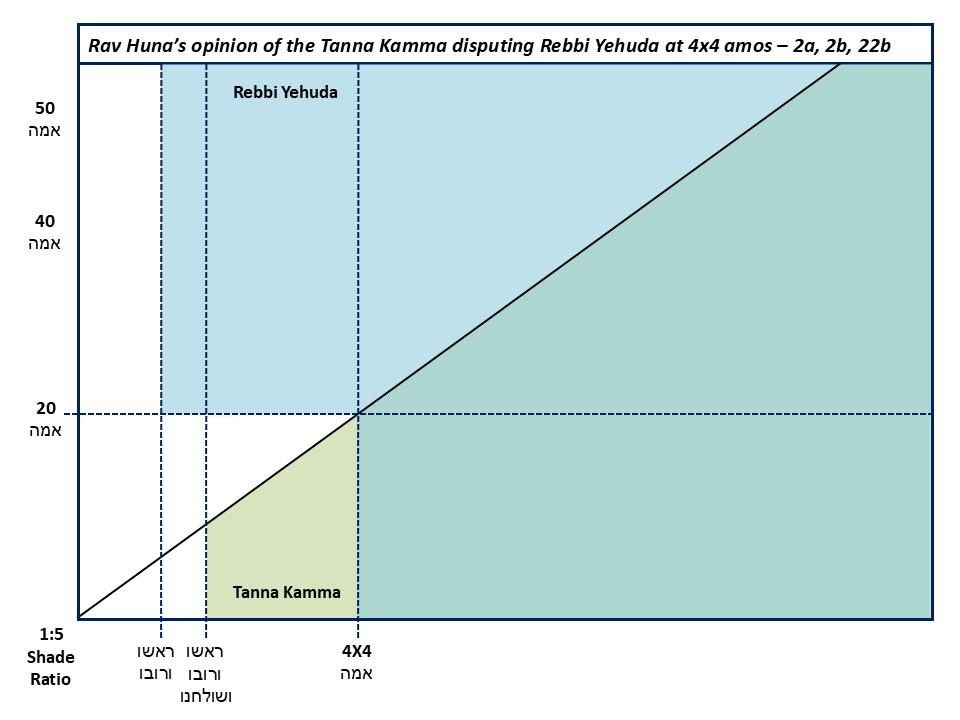
The Gemara asks: In accordance with whose opinion is that which Rav Huna said that Rav said: The dispute between Rabbi Yehuda and the Rabbis with regard to the fitness of a sukka more than twenty cubits high is specifically in a case where there is not an area of four cubits by four cubits in the sukka; however, in a case where there is an area of more than four cubits by four cubits in the sukka, the Rabbis concede that even if the roofing is more than twenty cubits high, it is fit. In accordance with whose opinion is it?
כְּרַבִּי זֵירָא, דְּאָמַר: מִשּׁוּם צֵל הוּא, וְכֵיוָן דִּרְוִיחָא — אִיכָּא צֵל סוּכָּה.
It is in accordance with the opinion of Rabbi Zeira, who says that a sukka that high is unfit due to the shade that is provided by the walls and not by the roofing; and since the sukka in this case is spacious and has a large area, there is shade from the roofing of the sukka and not only from the walls.
כְּמַאן אָזְלָא הָא דְּאָמַר רַב חָנָן בַּר רַבָּה אָמַר רַב: מַחְלוֹקֶת בְּשֶׁאֵינָהּ מַחְזֶקֶת אֶלָּא כְּדֵי רֹאשׁוֹ וְרוּבּוֹ וְשׁוּלְחָנוֹ, אֲבָל מַחְזֶקֶת יוֹתֵר מִכְּדֵי רֹאשׁוֹ וְרוּבּוֹ וְשׁוּלְחָנוֹ — אֲפִילּוּ לְמַעְלָה מֵעֶשְׂרִים אַמָּה כְּשֵׁרָה. כְּמַאן — דְּלָא כְּחַד.
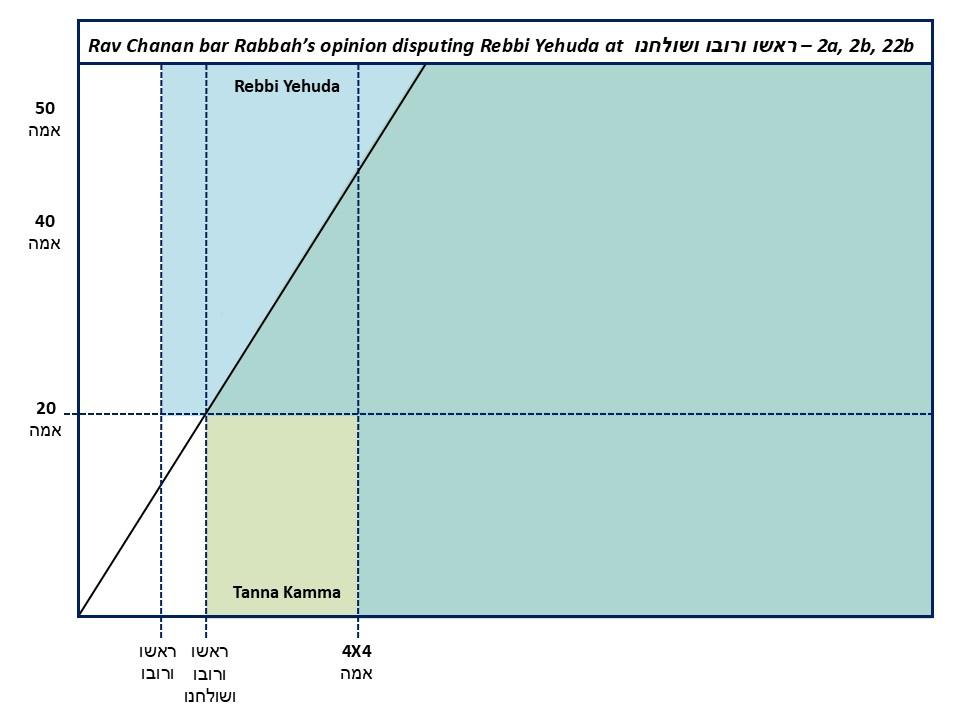
The Gemara asks: In accordance with whose opinion is that which Rav Ḥanan bar Rabba said that Rav said: The dispute between Rabbi Yehuda and the Rabbis with regard to the fitness of a sukka more than twenty cubits high is specifically in a case where the sukka is only large enough to hold one’s head, most of his body, and his table, as, if the sukka were smaller, it would not qualify as a sukka; however, in a case where it is sufficiently large to hold more than one’s head, most of his body, and his table, even if it is more than twenty cubits high, it is fit. In accordance with whose opinion is it? It is not in accordance with the opinion of any one of them. This statement cannot be explained according to any of the rationales for the fact that a sukka more than twenty cubits high is unfit.
בִּשְׁלָמָא דְּרַבִּי יֹאשִׁיָּה פְּלִיגָא אַדְּרַב הוּנָא וְרַב חָנָן בַּר רַבָּה, דְּאִינְהוּ קָא יָהֲבִי שִׁעוּרָא בִּמְשָׁכָא, וְאִיהוּ לָא קָא יָהֵיב שִׁעוּרָא בִּמְשָׁכָא.
With regard to the three aforementioned halakhot, the Gemara notes: Granted, the statement of Rabbi Yoshiya differs from the statements of Rav Huna and Rav Ḥanan bar Rabba, as they are providing the measure of the extent of the sukka while he is not providing a measure. In Rabbi Yoshiya’s opinion, the halakha is based on whether the top of the walls reach the roofing, which indicates a fundamentally different understanding of the issue of a sukka more than twenty cubits high.
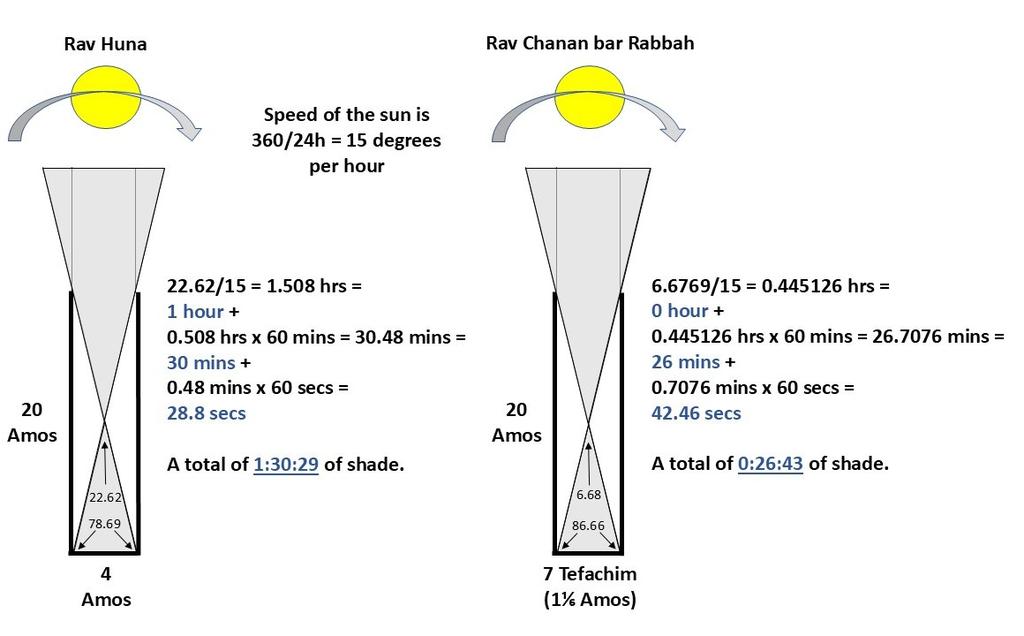
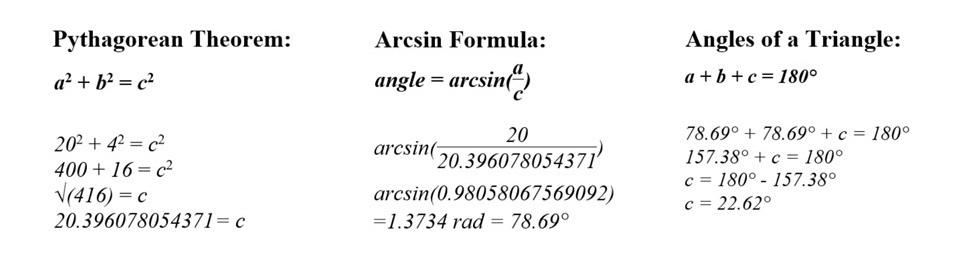
So the question sharpens: a ratio of what to what, and measuring what?
וְשֶׁצִּילָּתָהּ מְרוּבָּה מֵחַמָּתָהּ כְּשֵׁרָה. הָא כִּי הֲדָדֵי — פְּסוּלָה. וְהָא תְּנַן בְּאִידַּךְ פִּירְקִין: וְשֶׁחֲמָתָהּ מְרוּבָּה מִצִּילָּתָהּ פְּסוּלָה, הָא כִּי הֲדָדֵי — כְּשֵׁרָה!
§ The mishna continues: A sukka whose shade exceeds its sunlight is fit. From the formulation of the mishna, it can be inferred that if its shade and sunlight are equal, the sukka is unfit. The Gemara asks: But didn’t we learn in a mishna in another chapter in this tractate: A sukka whose sunlight exceeds its shade is unfit. From the formulation of that mishna it can be inferred that if its sunlight and shade are equal, the sukka is fit. The inferences of the two mishnayot are contradictory.
לָא קַשְׁיָא: כָּאן מִלְּמַעְלָה, כָּאן מִלְּמַטָּה. אָמַר רַב פָּפָּא, הַיְינוּ דְּאָמְרִי אִינָשֵׁי: כְּזוּזָא מִלְּעֵיל, כְּאִיסְתְּרָא מִלְּתַחַת.
The Gemara answers: This is not difficult. Here, where the inference was that when the sunlight and shade are equal the sukka is unfit, it is referring to the ratio of shade to sunlight from above, in the sukka roofing itself; and there, where the inference was that when the sunlight and shade are equal the sukka is fit, it is referring to the ratio of shade to sunlight from below, on the sukka floor. The two inferences are not contradictory, as the lower in the sukka one observes the light, the more diffused it is. Therefore, if the shade and the sunlight are equal on the floor of the sukka, clearly, the roofing is sufficiently dense and exceeds the gaps. Rav Pappa said: That is the meaning of the folk saying with regard to light: Like a zuz coin above, like an istera coin below.
אֲמַר לֵיהּ מָר קַשִּׁישָׁא בְּרֵיהּ דְּרַב חִסְדָּא לְרַב אָשֵׁי: מִי סָבְרַתְּ גַּבְרָא בְּאַמְּתָא יָתֵיב, תְּלָתָא גַּבְרֵי בְּתַרְתֵּי אַמְּתָא יָתְבִי. כַּמָּה הָווּ לְהוּ — שִׁיתְּסַר, אֲנַן שִׁיבְסַר נְכֵי חוּמְשָׁא בָּעֵינַן! לָא דָּק.
Mar Keshisha, i.e., the elder, son of Rav Ḥisda, said to Rav Ashi: Do you hold that when a man sits, he sits and occupies one cubit, and consequently a sukka that seats twenty-four people must have a circumference of twenty-four cubits? In fact, three people sit and occupy two cubits. The Gemara asks: How many cubits are there in the sukka required by Rabbi Yoḥanan? There are sixteen cubits. But we require a sukka with a circumference of seventeen cubits minus one-fifth, as calculated above. The Gemara answers: He was not precise and rounded the figure down to the lower whole number; actually, the required circumference is four-fifths of a cubit larger.
וְאֵימָא בֵּיצַת בַּר יוֹכָנִי! תָּפַסְתָּ מְרוּבֶּה לֹא תָּפַסְתָּ, תָּפַסְתָּ מוּעָט תָּפַסְתָּ. וְאֵימָא בֵּיעֲתָא דְּצִיפַּורְתָּא דְּזוּטַר טוּבָא!
The Gemara asks: Even if we claim that the measure for impure foods is an egg-bulk, one could say it is referring to the giant egg-bulk of the bird called bar yokhani. The Gemara answers: If you grasped many, you did not grasp anything; if you grasped few, you grasped something. This means that in a case of doubt, take the smaller number, as it is included in the larger number. Therefore, the correct measure is the volume of a chicken egg. The Gemara questions this: If so, say it is referring to a very small bird’s egg. Consequently, no proof can be brought from the verse that the volume of a chicken egg is the measure for ritual impurity.
אֵימוֹר דְּאָמְרִינַן לָא דָּק לְחוּמְרָא, לְקוּלָּא מִי אָמְרִינַן לָא דָּק?
The Gemara rejects this explanation: Say that we say that the Sage was not precise when the result is a stringency, e.g., he required a sukka whose dimensions are greater than the minimum required dimensions; however, when the result is a leniency, do we say the Sage was not precise? In that case, the lack of precision will lead to establishing a sukka whose dimensions are smaller than the minimum requirement.
מֵיתִיבִי: סוּכָּה שֶׁהִיא גְּבוֹהָה לְמַעְלָה מֵעֶשְׂרִים אַמָּה — פְּסוּלָה, וְרַבִּי יְהוּדָה מַכְשִׁיר עַד אַרְבָּעִים וַחֲמִשִּׁים אַמָּה.
The Gemara raises an objection from a baraita: A sukka that is more than twenty cubits high is unfit. Rabbi Yehuda deems a sukka fit even if it is up to forty or fifty cubits high.
אָמַר אַבָּיֵי: רַבִּי, וְרַבִּי יֹאשִׁיָּה, וְרַבִּי יְהוּדָה, וְרַבִּי שִׁמְעוֹן, וְרַבָּן גַּמְלִיאֵל, וּבֵית שַׁמַּאי, וְרַבִּי אֱלִיעֶזֶר, וַאֲחֵרִים — כּוּלְּהוּ סְבִירָא לְהוּ: סוּכָּה דִּירַת קֶבַע בָּעֵינַן.
Abaye said: Rabbi Yehuda HaNasi, and Rabbi Yoshiya, and Rabbi Yehuda, and Rabbi Shimon, and Rabban Gamliel, and Beit Shammai, and Rabbi Eliezer, and Aḥerim all hold that we require the sukka to be sturdy and fit for dwelling like a permanent residence.
בֵּית שַׁמַּאי — דִּתְנַן: מִי שֶׁהָיָה רֹאשׁוֹ וְרוּבּוֹ בַּסּוּכָּה וְשׁוּלְחָנוֹ בְּתוֹךְ הַבַּיִת, בֵּית שַׁמַּאי פּוֹסְלִין, וּבֵית הִלֵּל מַכְשִׁירִין.
Beit Shammai agree, as we learned in a mishna: In the case of one whose head and most of his body were in the sukka and his table was in the house, Beit Shammai deem the sukka unfit, since a small sukka is unfit for use and one cannot fulfill the mitzva of sukka with it. And Beit Hillel deem it fit. Apparently, Beit Shammai require that the sukka be similar to a permanent structure.