


 Save
 Copy
 Add to Collection
 Export to Google Docs
 Share
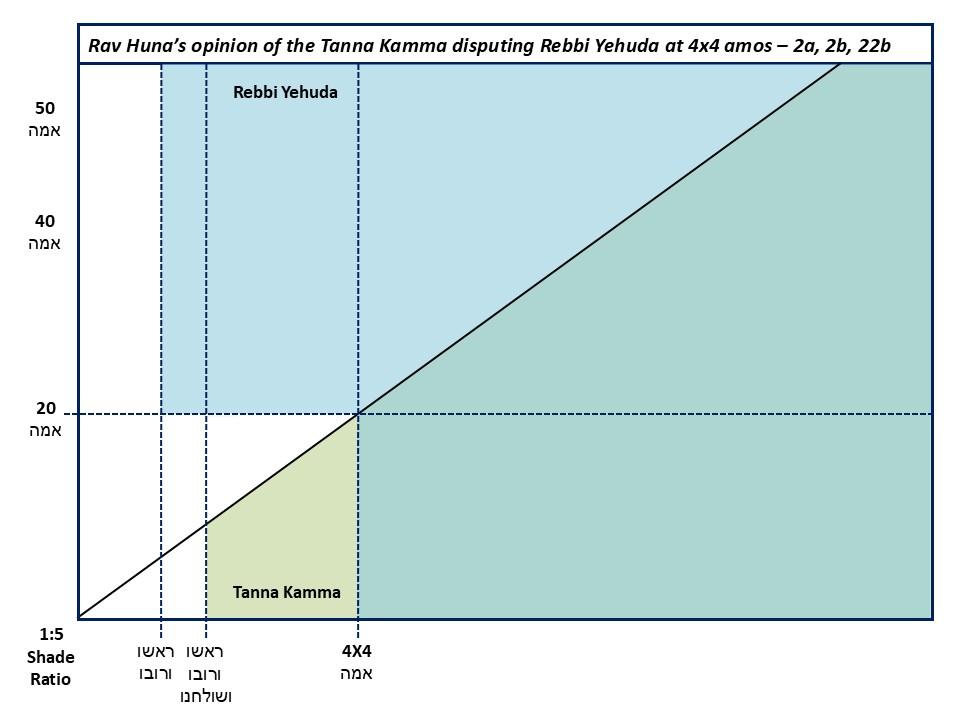
Everything that follows on 3a is an attempt to escape that consequence, and the Gemara’s refusal to allow the escape. What is decided in the process is not only the minimum size of a sukkah, but where the twenty amos limitation comes from.
כְּמַאן אָזְלָא הָא דְּאָמַר רַב הוּנָא אָמַר רַב: מַחְלוֹקֶת בְּשֶׁאֵין בָּהּ אֶלָּא אַרְבַּע אַמּוֹת עַל אַרְבַּע אַמּוֹת, אֲבָל יֵשׁ בָּהּ יוֹתֵר מֵאַרְבַּע אַמּוֹת עַל אַרְבַּע אַמּוֹת — אֲפִילּוּ לְמַעְלָה מֵעֶשְׂרִים אַמָּה כְּשֵׁרָה. כְּמַאן?
The Gemara asks: In accordance with whose opinion is that which Rav Huna said that Rav said: The dispute between Rabbi Yehuda and the Rabbis with regard to the fitness of a sukka more than twenty cubits high is specifically in a case where there is not an area of four cubits by four cubits in the sukka; however, in a case where there is an area of more than four cubits by four cubits in the sukka, the Rabbis concede that even if the roofing is more than twenty cubits high, it is fit. In accordance with whose opinion is it?
כְּרַבִּי זֵירָא, דְּאָמַר: מִשּׁוּם צֵל הוּא, וְכֵיוָן דִּרְוִיחָא — אִיכָּא צֵל סוּכָּה.
It is in accordance with the opinion of Rabbi Zeira, who says that a sukka that high is unfit due to the shade that is provided by the walls and not by the roofing; and since the sukka in this case is spacious and has a large area, there is shade from the roofing of the sukka and not only from the walls.
מֵיתִיבִי: סוּכָּה שֶׁהִיא גְּבוֹהָה לְמַעְלָה מֵעֶשְׂרִים אַמָּה — פְּסוּלָה, וְרַבִּי יְהוּדָה מַכְשִׁיר עַד אַרְבָּעִים וַחֲמִשִּׁים אַמָּה.
The Gemara raises an objection from a baraita: A sukka that is more than twenty cubits high is unfit. Rabbi Yehuda deems a sukka fit even if it is up to forty or fifty cubits high.
אָמַר רַבִּי יְהוּדָה: מַעֲשֶׂה בְּהֵילֶנִי הַמַּלְכָּה בְּלוֹד שֶׁהָיְתָה סוּכָּתָהּ גְּבוֹהָה מֵעֶשְׂרִים אַמָּה, וְהָיוּ זְקֵנִים נִכְנָסִין וְיוֹצְאִין לְשָׁם וְלֹא אָמְרוּ לָהּ דָּבָר. אָמְרוּ לוֹ: מִשָּׁם רְאָיָיה? אִשָּׁה הָיְתָה וּפְטוּרָה מִן הַסּוּכָּה. אָמַר לָהֶן: וַהֲלֹא שִׁבְעָה בָּנִים הֲווֹ לָהּ, וְעוֹד: כׇּל מַעֲשֶׂיהָ לֹא עָשְׂתָה אֶלָּא עַל פִּי חֲכָמִים.
Rabbi Yehuda said: There was an incident involving Queen Helene in Lod where her sukka was more than twenty cubits high, and the Elders were entering and exiting the sukka and did not say anything to her about the sukka not being fit.
The Rabbis said to him: Is there proof from there? She was, after all, a woman and therefore exempt from the mitzva of sukka. Consequently, the fact that her sukka was not fit did not warrant a comment from the Elders.
Rabbi Yehuda said to them in response: Didn’t she have seven sons and therefore require a fit sukka? And furthermore, she performed all of her actions only in accordance with the directives of the Sages.
בִּשְׁלָמָא לְמַאן דְּאָמַר בְּשֶׁאֵין דְּפָנוֹת מַגִּיעוֹת לַסְּכָךְ מַחְלוֹקֶת, דַּרְכָּהּ שֶׁל מַלְכָּה לֵישֵׁב בְּסוּכָּה שֶׁאֵין דְּפָנוֹת מַגִּיעוֹת לַסְּכָךְ,
The Gemara explores the statements of the amora’im who quoted Rav in light of this baraita. Granted, according to the one, Rabbi Yoshiya, who said that it is specifically in a case where the walls of the sukka do not reach up to the roofing that there is a dispute between Rabbi Yehuda and the Rabbis, the baraita can be explained as dealing with a sukka of that type, as it is customary for a queen to reside in a sukka in which the walls do not reach up to the roofing,
מִשּׁוּם אַוֵּירָא. אֶלָּא לְמַאן דְּאָמַר בְּסוּכָּה קְטַנָּה מַחְלוֹקֶת, וְכִי דַּרְכָּהּ שֶׁל מַלְכָּה לֵישֵׁב בְּסוּכָּה קְטַנָּה? אָמַר רַבָּה בַּר רַב אַדָּא: לֹא נִצְרְכָה אֶלָּא סוּכָּה הָעֲשׂוּיָה קִיטוֹנִיּוֹת קִיטוֹנִיּוֹת.
due to the fresh air that circulates through the openings in the wall. However, according to the one who said that it is specifically in the case of a small sukka that there is a dispute between Rabbi Yehuda and the Rabbis, in which case the baraita is referring to a case where Queen Helene resided in a small sukka, is it customary for a queen to reside in a small sukka whose area is less than four cubits squared? Rabba bar Rav Adda said: This ruling is necessary only in the case of a sukka that is constructed with several small rooms [kitoniyyot]. The sukka was large, but it was subdivided into many small rooms, each of which was smaller than four square cubits.
אָמַר רַב שְׁמוּאֵל בַּר יִצְחָק: הֲלָכָה, צְרִיכָה שֶׁתְּהֵא מַחְזֶקֶת רֹאשׁוֹ וְרוּבּוֹ וְשׁוּלְחָנוֹ. אֲמַר לֵיהּ רַבִּי אַבָּא: כְּמַאן, כְּבֵית שַׁמַּאי? אֲמַר לֵיהּ: אֶלָּא כְּמַאן?!
§ Rav Shmuel bar Yitzḥak said: The halakha is that one’s sukkamust be large enough to hold his head, and most of his body, and his table. Rabbi Abba said to him, astonished: In accordance with whose opinion did you rule? Was it in accordance with the opinion of Beit Shammai? This is the subject of a dispute between Beit Shammai and Beit Hillel, and according to Beit Hillel it is sufficient for the sukka to be large enough to hold one’s head and most of his body; it need not be large enough to hold his table as well. The halakhic ruling that you issued is in accordance with the opinion of Beit Shammai, despite the fact that in disputes between Beit Shammai and Beit Hillel, the halakha is in accordance with the opinion of Beit Hillel. Rav Shmuel bar Yitzḥak said to him: Rather, in accordance with whose opinion should I rule? Yes, my ruling is in accordance with the opinion of Beit Shammai because in this case that is the halakha.
אִיכָּא דְּאָמְרִי, אָמַר רַבִּי אַבָּא: דַּאֲמַר לָךְ מַנִּי? אֲמַר לֵיהּ: בֵּית שַׁמַּאי הִיא, וְלָא תְּזוּז מִינַּהּ.
Some say that the exchange between the amora’im was slightly different. Rabbi Abba said: Who stated that opinion to you? Rav Shmuel bar Yitzḥak said to him: It was Beit Shammai, and nevertheless do not budge from it, as that is the established halakha. Based on either version of the exchange, there is a dispute between Beit Shammai and Beit Hillel with regard to the minimum measure of a small sukka.
מַתְקֵיף לַהּ רַב נַחְמָן בַּר יִצְחָק: מִמַּאי דְּבֵית שַׁמַּאי וּבֵית הִלֵּל בְּסוּכָּה קְטַנָּה פְּלִיגִי? דִּלְמָא בְּסוּכָּה גְּדוֹלָה פְּלִיגִי, וּכְגוֹן דְּיָתֵיב אַפּוּמָּא דִּמְטוּלְּתָא וְשׁוּלְחָנוֹ בְּתוֹךְ הַבַּיִת. דְּבֵית שַׁמַּאי סָבְרִי: גָּזְרִינַן שֶׁמָּא יִמָּשֵׁךְ אַחַר שׁוּלְחָנוֹ, וּבֵית הִלֵּל סָבְרִי: לָא גָּזְרִינַן.
Rav Naḥman bar Yitzḥak strongly objects to this assumption: From where do you conclude that Beit Shammai and Beit Hillel disagree with regard to the minimum measure of a small sukka? Perhaps it is with regard to a large sukka that they disagree, and in a case where one is sitting at the entrance of the sukka and his table is inside the house. As Beit Shammai hold that we issue a decree to prohibit one from sitting that way lest he be drawn after his table while eating, to the extent that his head and most of his body will be inside the house and not inside the sukka. And Beit Hillel hold that we do not issue that decree.
וְדַיְקָא נָמֵי, דְּקָתָנֵי: מִי שֶׁהָיָה רֹאשׁוֹ וְרוּבּוֹ בַּסּוּכָּה וְשׁוּלְחָנוֹ בְּתוֹךְ הַבַּיִת, בֵּית שַׁמַּאי פּוֹסְלִין וּבֵית הִלֵּל מַכְשִׁירִין. וְאִם אִיתָא, מַחְזֶקֶת וְאֵינָהּ מַחְזֶקֶת מִיבְּעֵי לֵיהּ.
And the language of the mishna is also precise, as it teaches: In the case of one whose head and most of his body were in the sukka and his table was in the house, Beit Shammai deem it unfit and Beit Hillel deem it fit. And if it is so that the dispute is with regard to the minimum measure of the sukka, the formulation of the mishna is missing the essential point. The distinction between a sukka that holds and a sukka that does not hold his head and most of his body is what the mishna needed to say. Since the mishna does not make that distinction, apparently the dispute is not with regard to the minimum measure of a sukka.
If Beis Shammai and Beis Hillel divide only over a decree — lest a man drift after his table — then their dispute is rabbinic, and the minimum size of a sukkah is no longer tied to whether a sukkah is עֲרַאי or קֶבַע. And if it is not tied to that, then a Tanna Kamma holding Rav Huna may still pasken Beis Hillel’s רֹאשׁוֹ וְרוּבּוֹ, because it no longer matters that Rav Huna permits above twenty amos. Rav Huna survives.
וּבְסוּכָּה קְטַנָּה לָא פְּלִיגִי? וְהָתַנְיָא: מַחְזֶקֶת רֹאשׁוֹ וְרוּבּוֹ וְשׁוּלְחָנוֹ — כְּשֵׁרָה. רַבִּי אוֹמֵר: עַד שֶׁיְּהֵא בָּהּ אַרְבַּע אַמּוֹת עַל אַרְבַּע אַמּוֹת.
The Gemara questions this conclusion: And in the case of a small sukka do Beit Shammai and Beit Hillel not disagree? But isn’t it taught in another baraita: A sukka that holds his head, and most of his body, and his table is fit. Rabbi Yehuda HaNasi says: It is unfit until it measures at least four cubits by four cubits.
וְתַנְיָא אִידַּךְ, רַבִּי אוֹמֵר: כׇּל סוּכָּה שֶׁאֵין בָּהּ אַרְבַּע אַמּוֹת עַל אַרְבַּע אַמּוֹת — פְּסוּלָה. וַחֲכָמִים אוֹמְרִים: אֲפִילּוּ אֵינָהּ מַחְזֶקֶת אֶלָּא רֹאשׁוֹ וְרוּבּוֹ — כְּשֵׁרָה. וְאִילּוּ שׁוּלְחָנוֹ לָא קָתָנֵי. קַשְׁיָין אַהֲדָדֵי. אֶלָּא לָאו, שְׁמַע מִינַּהּ: הָא בֵּית שַׁמַּאי, הָא בֵּית הִלֵּל.
And it is taught in yet anotherbaraita that Rabbi Yehuda HaNasi says: Any sukka that does not have an area of at least four cubits by four cubits is unfit. And the Rabbis say: Even if it holds only his head and most of his body, it is fit. However, the term: His table, is not taught in this baraita. If so, these two tannaitic sources contradict each other, as each attributes a different opinion to the Rabbis. Rather, must one not conclude from it that thisbaraita, in which: His table, is taught, is in accordance with the opinion of Beit Shammai, while thatbaraita, in which: His table, is not taught, is in accordance with the opinion of Beit Hillel? Apparently, they do dispute the minimum measure of a small sukka.
אָמַר מָר זוּטְרָא: מַתְנִיתִין נָמֵי דַּיְקָא, מִדְּקָתָנֵי: ״בֵּית שַׁמַּאי פּוֹסְלִין, וּבֵית הִלֵּל מַכְשִׁירִין״, וְאִם אִיתָא, ״בֵּית שַׁמַּאי אוֹמְרִים לֹא יָצָא, וּבֵית הִלֵּל אוֹמְרִים יָצָא״ מִיבְּעֵי לֵיהּ.
Mar Zutra said: And the language of the mishna is also precise, and it indicates that Beit Shammai and Beit Hillel indeed dispute the minimum measure of a small sukkafrom the fact that it teaches: Beit Shammai deem it unfit and Beit Hillel deem it fit. And if it is so that the dispute is with regard to the conduct of one sitting at the entrance of a large sukka, then Beit Shammai say: He did not fulfill his obligation, and Beit Hillel say: He fulfilled his obligation, is what the mishna needed to say. However, the terms fit and unfit indicate that the dispute is with regard to the halakhic status of the sukka itself, not the individual’s behavior.
לְעוֹלָם בְּתַרְתֵּי פְּלִיגִי: פְּלִיגִי בְּסוּכָּה קְטַנָּה, וּפְלִיגִי בְּסוּכָּה גְּדוֹלָה. וְחַסּוֹרֵי מִיחַסְּרָא וְהָכִי קָתָנֵי: מִי שֶׁהָיָה רֹאשׁוֹ וְרוּבּוֹ בַּסּוּכָּה וְשׁוּלְחָנוֹ בְּתוֹךְ הַבַּיִת, בֵּית שַׁמַּאי אוֹמְרִים: לֹא יָצָא, וּבֵית הִלֵּל אוֹמְרִים: יָצָא. וְשֶׁאֵינָהּ מַחְזֶקֶת אֶלָּא כְּדֵי רֹאשׁוֹ וְרוּבּוֹ בִּלְבַד, בֵּית שַׁמַּאי פּוֹסְלִין, וּבֵית הִלֵּל מַכְשִׁירִין.
The Gemara answers: Actually, they disagree with regard to two issues; they disagree with regard to the minimum measure of a small sukka, and they disagree with regard to where one may sit in a large sukka. And the mishna is incomplete and this is what it is teaching: One whose head and most of his body were in the sukka and his table was in the house, Beit Shammai say that he did not fulfill his obligation and Beit Hillel say that he fulfilled his obligation. And with regard to a sukkathat holds only his head and most of his body, Beit Shammai deem it unfit and Beit Hillel deem it fit. In this way, the dispute in the mishna is understood as relating to the measure of a small sukka and the manner in which one fulfills his obligation in a large sukka.
מַתְנִי׳ כׇּל שִׁבְעַת הַיָּמִים אָדָם עוֹשֶׂה סוּכָּתוֹ קֶבַע, וּבֵיתוֹ עֲרַאי. יָרְדוּ גְּשָׁמִים, מֵאֵימָתַי מוּתָּר לְפַנּוֹת — מִשֶּׁתִּסְרַח הַמִּקְפָּה. מָשְׁלוּ מָשָׁל לְמָה הַדָּבָר דּוֹמֶה — לְעֶבֶד שֶׁבָּא לִמְזוֹג כּוֹס לְרַבּוֹ, וְשָׁפַךְ לוֹ קִיתוֹן עַל פָּנָיו.
MISHNA: All seven days of Sukkot, a person renders his sukka his permanent residence and his house his temporary residence. If rain fell, from when is it permitted to vacate the sukka? It is permitted from the point that it is raining so hard that the congealed dish will spoil. The Sages told a parable: To what is this matter comparable? It is comparable to a servant who comes to pour wine for his master, and he pours a jug [kiton] of water in his face to show him that his presence is not desired. So too, in the sukka, rain is an indication that the Holy One, Blessed be He, does not want the person to fulfill the mitzva of sukka.
גְּמָ׳ תָּנוּ רַבָּנַן: כׇּל שִׁבְעַת הַיָּמִים אָדָם עוֹשֶׂה סוּכָּתוֹ קֶבַע וּבֵיתוֹ עֲרַאי, כֵּיצַד? הָיוּ לוֹ כֵּלִים נָאִים מַעֲלָן לַסּוּכָּה, מַצָּעוֹת נָאוֹת — מַעֲלָן לַסּוּכָּה, אוֹכֵל וְשׁוֹתֶה וּמְטַיֵּיל בַּסּוּכָּה. מְנָא הָנֵי מִילֵּי? דְּתָנוּ רַבָּנַן: ״תֵּשְׁבוּ״ — כְּעֵין תָּדוּרוּ, מִכָּאן אָמְרוּ: כׇּל שִׁבְעַת הַיָּמִים עוֹשֶׂה אָדָם סוּכָּתוֹ קֶבַע וּבֵיתוֹ עֲרַאי. כֵּיצַד? הָיוּ לוֹ כֵּלִים נָאִים — מַעֲלָן לַסּוּכָּה, מַצָּעוֹת נָאוֹת — מַעֲלָן לַסּוּכָּה, אוֹכֵל וְשׁוֹתֶה וּמְטַיֵּיל בַּסּוּכָּה וּמְשַׁנֵּן בַּסּוּכָּה.
GEMARA: The Sages taught: All seven days of Sukkot, a person renders his sukka his permanent residence and his house his temporary residence. How so? If he has beautiful vessels, he takes them up to the sukka, which was typically built on the roof. If he has beautiful bedding, he takes it up to the sukka. He eats and drinks and relaxes in the sukka. The Gemara asks: From where are these matters derived? The Gemara explains that it is as the Sages taught: “In sukkot shall you reside” (Leviticus 23:42), and they interpreted: Reside as you dwell in your permanent home. From here they said: All seven days, a person renders his sukka his permanent residence and his house his temporary residence. How so? If he has beautiful vessels, he takes them up to the sukka; if he has beautiful bedding, he takes it up to the sukka; he eats and drinks and relaxes in the sukka and studies Torah in the sukka.
מַתְנִי׳ מִי שֶׁהָיָה רֹאשׁוֹ וְרוּבּוֹ בַּסּוּכָּה וְשׁוּלְחָנוֹ בְּתוֹךְ הַבַּיִת — בֵּית שַׁמַּאי פּוֹסְלִין וּבֵית הִלֵּל מַכְשִׁירִין. אָמְרוּ לָהֶם בֵּית הִלֵּל לְבֵית שַׁמַּאי: לֹא כָּךְ הָיָה מַעֲשֶׂה שֶׁהָלְכוּ זִקְנֵי בֵּית שַׁמַּאי וְזִקְנֵי בֵּית הִלֵּל לְבַקֵּר אֶת רַבִּי יוֹחָנָן בֶּן הַחוֹרָנִית, וּמְצָאוּהוּ שֶׁהָיָה יוֹשֵׁב רֹאשׁוֹ וְרוּבּוֹ בַּסּוּכָּה וְשׁוּלְחָנוֹ בְּתוֹךְ הַבַּיִת, וְלֹא אָמְרוּ לוֹ דָּבָר. אָמְרוּ לָהֶם בֵּית שַׁמַּאי: מִשָּׁם רְאָיָה?! אַף הֵם אָמְרוּ לוֹ: אִם כֵּן הָיִיתָ נוֹהֵג, לֹא קִיַּימְתָּ מִצְוַת סוּכָּה מִיָּמֶיךָ.
MISHNA: In the case of one whose head and most of his body were in the sukka and his table was in the house, Beit Shammai deem it unfit, and Beit Hillel deem it fit. Beit Hillel said to Beit Shammai: And wasn’t there an incident where the Elders of Beit Shammai and the Elders of Beit Hillel went to visit Rabbi Yoḥanan ben HaḤoranit and they found him such that he was sitting with his head and most of his body in the sukka and his table in the house, and they said nothing to him? Even Beit Shammai did not object. Beit Shammai said to them: Is there proof from there? That is not what happened; rather, they said to him: If you were accustomed to act in this manner, you have never fulfilled the mitzva of sukka in your life.
וְרָבָא אָמַר, מֵהָכָא: ״בַּסּוּכּוֹת תֵּשְׁבוּ שִׁבְעַת יָמִים״. אָמְרָה תּוֹרָה: כׇּל שִׁבְעַת הַיָּמִים צֵא מִדִּירַת קֶבַע וְשֵׁב בְּדִירַת עֲרַאי. עַד עֶשְׂרִים אַמָּה אָדָם עוֹשֶׂה דִּירָתוֹ דִּירַת עֲרַאי, לְמַעְלָה מֵעֶשְׂרִים אַמָּה — אֵין אָדָם עוֹשֶׂה דִּירָתוֹ דִּירַת עֲרַאי אֶלָּא דִּירַת קֶבַע.
Rava said that the halakha is derived from here: “In sukkot shall you reside seven days” (Leviticus 23:42). The Torah said: For the entire seven days, emerge from the permanent residence in which you reside year round and reside in a temporary residence, the sukka. In constructing a sukkaup to twenty cubits high, a person can render his residence a temporary residence, as up to that height one can construct a structure that is not sturdy; however, in constructing a sukkaabove twenty cubits high, one cannot render his residence a temporary residence; rather, he must construct a sturdy permanent residence, which is unfit for use as a sukka.