


 Save
 Copy
 Add to Collection
 Export to Google Docs
 Share
Connecting the dots: Ingathering + Kohelet (Ecclesiastes)
the festival of ingathering + the season of our joy + Ecclesiastes (Kohelet)
What are we gathering in?
How do ingathering and joy connect with the Book of Ecclesiastes (Kohelet), famous for its verses of fatalism and nihilism?
(טז) וְחַ֤ג הַקָּצִיר֙ בִּכּוּרֵ֣י מַעֲשֶׂ֔יךָ אֲשֶׁ֥ר תִּזְרַ֖ע בַּשָּׂדֶ֑ה וְחַ֤ג הָֽאָסִף֙ בְּצֵ֣את הַשָּׁנָ֔ה בְּאׇסְפְּךָ֥ אֶֽת־מַעֲשֶׂ֖יךָ מִן־הַשָּׂדֶֽה׃
(16) and the Feast of the Harvest, of the first fruits of your work, of what you sow in the field [Shavuot]; and the Feast of Ingathering at the end of the year, when you gather in the results of your work from the field.
(כב) וְחַ֤ג שָׁבֻעֹת֙ תַּעֲשֶׂ֣ה לְךָ֔ בִּכּוּרֵ֖י קְצִ֣יר חִטִּ֑ים וְחַג֙ הָֽאָסִ֔יף תְּקוּפַ֖ת הַשָּׁנָֽה׃
(22) You shall observe the Feast of Weeks, of the first fruits of the wheat harvest; and the Feast of Ingathering at the turn of the year.
(לד) דַּבֵּ֛ר אֶל־בְּנֵ֥י יִשְׂרָאֵ֖ל לֵאמֹ֑ר בַּחֲמִשָּׁ֨ה עָשָׂ֜ר י֗וֹם לַחֹ֤דֶשׁ הַשְּׁבִיעִי֙ הַזֶּ֔ה חַ֧ג הַסֻּכּ֛וֹת שִׁבְעַ֥ת יָמִ֖ים לַיהֹוָֽה׃
(34) Say to the Israelite people:
On the fifteenth day of this seventh month there shall be the Feast of Booths [ha-Sukkot] to GOD, [to last] seven days.
(מב) בַּסֻּכֹּ֥ת תֵּשְׁב֖וּ שִׁבְעַ֣ת יָמִ֑ים כׇּל־הָֽאֶזְרָח֙ בְּיִשְׂרָאֵ֔ל יֵשְׁב֖וּ בַּסֻּכֹּֽת׃ (מג) לְמַ֘עַן֮ יֵדְע֣וּ דֹרֹֽתֵיכֶם֒ כִּ֣י בַסֻּכּ֗וֹת הוֹשַׁ֙בְתִּי֙ אֶת־בְּנֵ֣י יִשְׂרָאֵ֔ל בְּהוֹצִיאִ֥י אוֹתָ֖ם מֵאֶ֣רֶץ מִצְרָ֑יִם אֲנִ֖י יְהֹוָ֥ה אֱלֹהֵיכֶֽם׃
(42) You shall live in booths seven days; all citizens in Israel shall live in booths,
(43) in order that future generations may know that I made the Israelite people live in booths when I brought them out of the land of Egypt—I the ETERNAL your God.
(א)כי בסכות הושבתי. עַנְנֵי כָבוֹד (שם; מכילתא י"ב):
(1) כי בסכות הושבתי THAT I MADE [THE CHILDREN OF ISRAEL] ABIDE IN BOOTHS — This does not mean literally “booths” but, “the clouds of Glory" by which they were sheltered
season of our joy - from the later rabbis who were consolidating the structure of prayer services and the liturgy
to gather, collect, take in, harvest, to take to oneself, to receive, to assemble
(ט) מִֽי־יֹ֭אמַר זִכִּ֣יתִי לִבִּ֑י טָ֝הַ֗רְתִּי מֵחַטָּאתִֽי׃
(9)Who can say, “I have cleansed my heart, I am purged of my sin”?
"The flow from Yom Kippur into Sukkos insures that our Teshuvah will leave us feeling more expansive, and not the reverse. Our innate sense of wholeness and joy that may have been lost in the proces of the Days of Awe is restored in the Days of Joy. Sukkos is a time devoted to the rejuvenation and revitalization of our broken and humbled spirit."
Reclaiming the Self, On the Pathway of Teshuvah (2011) by DovBer Pinson (a contemporary Chabad rabbi / author / "modern kabbalist") (p. 225)
We dwell in temporary and vulnerable structures.
We welcome strangers and newcomers into these structures.
We perform rituals connected with gratitude and nature and abundance.
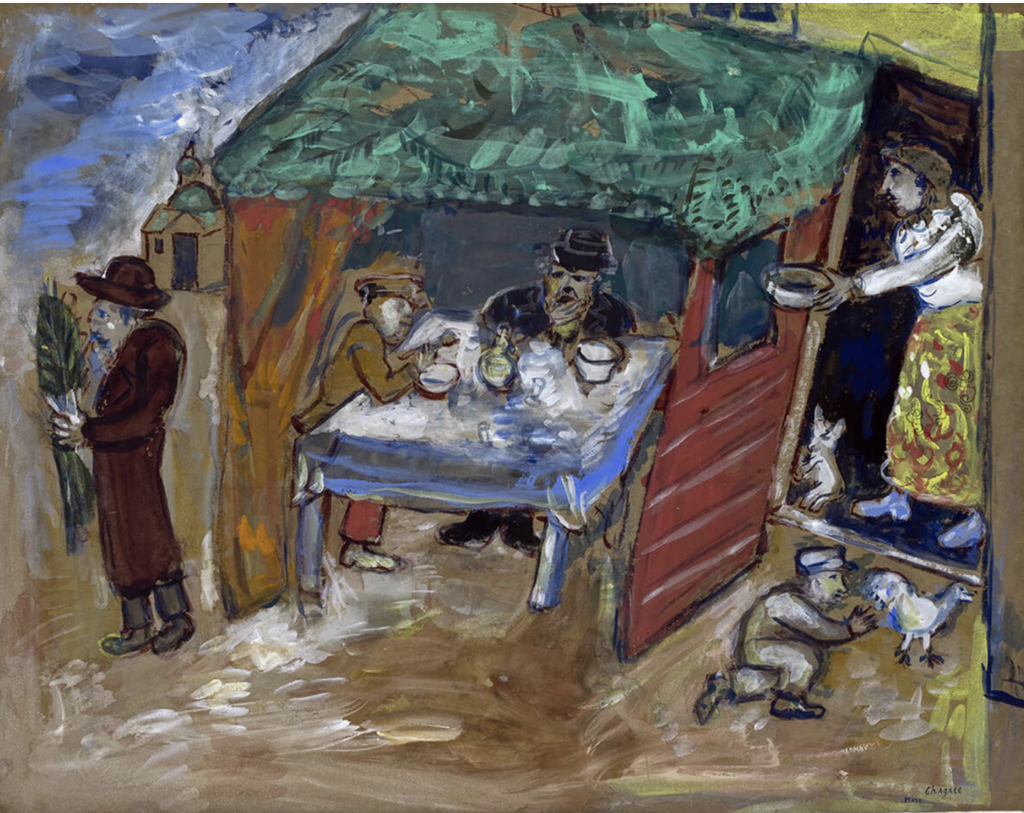
a home
a booth
a harvest
11th Century - earliest explicit, written records of a communal custom to read Kohelet on Sukkot appear in Franco-Germany (Ashkenaz). The students of Rashi (1040–1105) document in the Siddur Rashi that the congregation reads the scroll of Kohelet on the Shabbat of the intermediate days of Sukkot (Chol HaMoed)
(ב) הֲבֵ֤ל הֲבָלִים֙ אָמַ֣ר קֹהֶ֔לֶת הֲבֵ֥ל הֲבָלִ֖ים הַכֹּ֥ל הָֽבֶל׃ (ג) מַה־יִּתְר֖וֹן לָֽאָדָ֑ם בְּכׇ֨ל־עֲמָל֔וֹ שֶֽׁיַּעֲמֹ֖ל תַּ֥חַת הַשָּֽׁמֶשׁ׃ (ד) דּ֤וֹר הֹלֵךְ֙ וְד֣וֹר בָּ֔א וְהָאָ֖רֶץ לְעוֹלָ֥ם עֹמָֽדֶת׃
(2) Utter futility/ vanity / transience!—said Koheleth—Utter futility/ vanity / transience! All is futile / in vain / transient!
(3) What real value is there for humankind in all the gains they make beneath the sun?
(4) One generation goes, another comes, But the earth remains the same forever.
(ט) מַה־שֶּֽׁהָיָה֙ ה֣וּא שֶׁיִּהְיֶ֔ה וּמַה־שֶּׁנַּֽעֲשָׂ֔ה ה֖וּא שֶׁיֵּעָשֶׂ֑ה וְאֵ֥ין כׇּל־חָדָ֖שׁ תַּ֥חַת הַשָּֽׁמֶשׁ׃
(9) Only that shall happen
That has happened,
Only that occur
That has occurred;
There is nothing new
Beneath the sun!
(א) לַכֹּ֖ל זְמָ֑ן וְעֵ֥ת לְכׇל־חֵ֖פֶץ תַּ֥חַת הַשָּׁמָֽיִם׃ {ס}(ב) עֵ֥ת לָלֶ֖דֶת וְעֵ֣ת לָמ֑וּת עֵ֣ת לָטַ֔עַת וְעֵ֖ת לַעֲק֥וֹר נָטֽוּעַ׃ (ג) עֵ֤ת לַהֲרוֹג֙ וְעֵ֣ת לִרְפּ֔וֹא עֵ֥ת לִפְר֖וֹץ וְעֵ֥ת לִבְנֽוֹת׃ (ד) עֵ֤ת לִבְכּוֹת֙ וְעֵ֣ת לִשְׂח֔וֹק עֵ֥ת סְפ֖וֹד וְעֵ֥ת רְקֽוֹד׃ (ה) עֵ֚ת לְהַשְׁלִ֣יךְ אֲבָנִ֔ים וְעֵ֖ת כְּנ֣וֹס אֲבָנִ֑ים עֵ֣ת לַחֲב֔וֹק וְעֵ֖ת לִרְחֹ֥ק מֵחַבֵּֽק׃ (ו) עֵ֤ת לְבַקֵּשׁ֙ וְעֵ֣ת לְאַבֵּ֔ד עֵ֥ת לִשְׁמ֖וֹר וְעֵ֥ת לְהַשְׁלִֽיךְ׃ (ז) עֵ֤ת לִקְר֙וֹעַ֙ וְעֵ֣ת לִתְפּ֔וֹר עֵ֥ת לַחֲשׁ֖וֹת וְעֵ֥ת לְדַבֵּֽר׃ (ח) עֵ֤ת לֶֽאֱהֹב֙ וְעֵ֣ת לִשְׂנֹ֔א עֵ֥ת מִלְחָמָ֖ה וְעֵ֥ת שָׁלֽוֹם׃ {ס}
(1)A season is set for everything, a time for every experience under heaven:
(2)A time for birthing and a time for dying,A time for planting and a time for uprooting the planted;
(3)A time for slaying and a time for healing, A time for tearing down and a time for building up;
(4)A time for weeping and a time for laughing,A time for wailing and a time for dancing;
(5)A time for throwing stones and a time for gathering stones,A time for embracing and a time for shunning embraces;
(6)A time for seeking and a time for losing,A time for keeping and a time for discarding;
(7)A time for ripping and a time for sewing,A time for silence and a time for speaking;
(8)A time for loving and a time for hating;A time for war and a time for peace.
(יא) אֶת־הַכֹּ֥ל עָשָׂ֖ה יָפֶ֣ה בְעִתּ֑וֹ גַּ֤ם אֶת־הָעֹלָם֙ נָתַ֣ן בְּלִבָּ֔ם מִבְּלִ֞י אֲשֶׁ֧ר לֹא־יִמְצָ֣א הָאָדָ֗ם אֶת־הַֽמַּעֲשֶׂ֛ה אֲשֶׁר־עָשָׂ֥ה הָאֱלֹהִ֖ים מֵרֹ֥אשׁ וְעַד־סֽוֹף׃
(11) [God] brings everything to pass precisely at its time; [God] also puts eternity in their mind, but without people ever guessing, from first to last, all the things that God brings to pass.
(JPS)
or:
God has made everything beautiful in its time; also, God has also set the mystery of the world in their hearts, so that no person can understand the work which God has made from beginning to end. (King James Bible)
(ז) וּמָת֖וֹק הָא֑וֹר וְט֥וֹב לַֽעֵינַ֖יִם לִרְא֥וֹת אֶת־הַשָּֽׁמֶשׁ׃
(7) How sweet is the light, what a delight for the eyes to behold the sun!
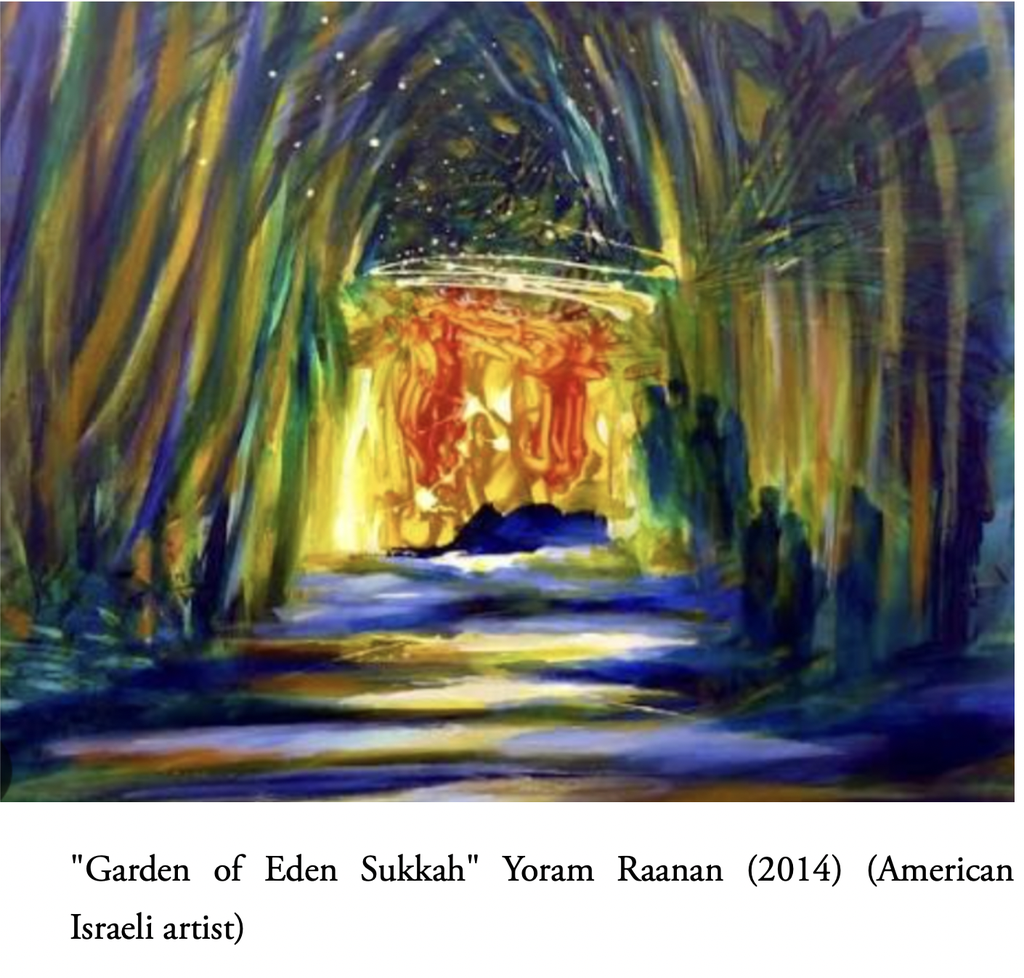

Sukkot / Hallel - Psalms of praise (Psalms 113-118)
Psalm 117, the shortest Psalm in the entire book of Tehilim:
(א) הַֽלְל֣וּ אֶת־יְ֭הֹוָה כׇּל־גּוֹיִ֑ם שַׁ֝בְּח֗וּהוּ כׇּל־הָאֻמִּֽים׃
(ב) כִּ֥י־גָ֘בַ֤ר עָלֵ֨ינוּ ׀ חַסְדּ֗וֹ וֶאֱמֶת־יְהֹוָ֥ה לְעוֹלָ֗ם הַֽלְלוּ־יָֽהּ׃
(1) Praise GOD, all you nations; extol [God], all you peoples,
(2) for great is this steadfast love toward us; GOD’s faithfulness endures forever. Hallelujah.
(א)הַלְלוּ אֶת ה', כָּל גּוֹיִם, עמים, שַׁבְּחוּהוּ, כָּל הָאֻמִּים, האומות, שכן הם יכולים לראות את נפלאות ה', (ב)כִּי גם אתם רואים שגָבַר, חזק וגלוי עָלֵינוּ, עמו ועבדיו חַסְדּוֹ, וכן את האֱמֶת של ה' הקיימת לְעוֹלָם. הַלְלוּיָהּ.
(1)Praise the Lord, all nations; extol Him, all peoples. All nations can see and extol the greatness of God, even when His miracles occur in other places or to other peoples.
(2)For His kindness toward us is overwhelming. You, the nations of the world, can see the revelation of God’s overwhelming kindness toward His people, His servants. And the truth of the Lord is forever. Halleluya.
(א) וּזְכֹר֙ אֶת־בּ֣וֹרְאֶ֔יךָ בִּימֵ֖י בְּחוּרֹתֶ֑יךָ עַ֣ד אֲשֶׁ֤ר לֹא־יָבֹ֙אוּ֙ יְמֵ֣י הָֽרָעָ֔ה וְהִגִּ֣יעוּ שָׁנִ֔ים אֲשֶׁ֣ר תֹּאמַ֔ר אֵֽין־לִ֥י בָהֶ֖ם חֵֽפֶץ׃ (ב) עַ֠ד אֲשֶׁ֨ר לֹֽא־תֶחְשַׁ֤ךְ הַשֶּׁ֙מֶשׁ֙ וְהָא֔וֹר וְהַיָּרֵ֖חַ וְהַכּוֹכָבִ֑ים וְשָׁ֥בוּ הֶעָבִ֖ים אַחַ֥ר הַגָּֽשֶׁם׃
(1) So appreciate your vigor in the days of your youth, before those days of sorrow come and those years arrive of which you will say, “I have no pleasure in them”; (2) before sun and light and moon and stars grow dark, and the clouds come back again after the rain:
(ב) עַ֠ד אֲשֶׁ֨ר לֹֽא־תֶחְשַׁ֤ךְ הַשֶּׁ֙מֶשׁ֙ וְהָא֔וֹר וְהַיָּרֵ֖חַ וְהַכּוֹכָבִ֑ים וְשָׁ֥בוּ הֶעָבִ֖ים אַחַ֥ר הַגָּֽשֶׁם׃ (ג) בַּיּ֗וֹם שֶׁיָּזֻ֙עוּ֙ שֹׁמְרֵ֣י הַבַּ֔יִת וְהִֽתְעַוְּת֖וּ אַנְשֵׁ֣י הֶחָ֑יִל וּבָטְל֤וּ הַטֹּֽחֲנוֹת֙ כִּ֣י מִעֵ֔טוּ וְחָשְׁכ֥וּ הָרֹא֖וֹת בָּאֲרֻבּֽוֹת׃ (ד) וְסֻגְּר֤וּ דְלָתַ֙יִם֙ בַּשּׁ֔וּק בִּשְׁפַ֖ל ק֣וֹל הַֽטַּחֲנָ֑ה וְיָקוּם֙ לְק֣וֹל הַצִּפּ֔וֹר וְיִשַּׁ֖חוּ כׇּל־בְּנ֥וֹת הַשִּֽׁיר׃
(2) before sun and light and moon and stars grow dark, and the clouds come back again after the rain: (3)When the guards of the house become shaky,And the soldiers are bent,And the maids that grind, grown few, are idle,And the ladies that peer through the windows grow dim,(4)And the doors to the street are shut—With the noise of the hand mill growing fainter,And the song of the bird growing feebler, And all the strains of music dying down;
(ו) עַ֣ד אֲשֶׁ֤ר לֹֽא־[יֵרָתֵק֙](ירחק) חֶ֣בֶל הַכֶּ֔סֶף וְתָר֖וּץ גֻּלַּ֣ת הַזָּהָ֑ב וְתִשָּׁ֤בֶר כַּד֙ עַל־הַמַּבּ֔וּעַ וְנָרֹ֥ץ הַגַּלְגַּ֖ל אֶל־הַבּֽוֹר׃ (ז) וְיָשֹׁ֧ב הֶעָפָ֛ר עַל־הָאָ֖רֶץ כְּשֶׁהָיָ֑ה וְהָר֣וּחַ תָּשׁ֔וּב אֶל־הָאֱלֹהִ֖ים אֲשֶׁ֥ר נְתָנָֽהּ׃ (ח) הֲבֵ֧ל הֲבָלִ֛ים אָמַ֥ר הַקּוֹהֶ֖לֶת הַכֹּ֥ל הָֽבֶל׃
(6)Before the silver cord snapsAnd the golden bowl crashes,The jar is shattered at the spring,And the jug is smashed at the cistern. (7)And the dust returns to the groundAs it was,And the lifebreath returns to GodWho bestowed it.
(8)Utter futility—said Koheleth—All is futile!
(ב) כִּ֤י אִ֥ם־בְּתוֹרַ֥ת יְהֹוָ֗ה חֶ֫פְצ֥וֹ וּֽבְתוֹרָת֥וֹ יֶהְגֶּ֗ה יוֹמָ֥ם וָלָֽיְלָה׃
(2)rather, this one delights in GOD’s teaching,and studies that teaching day and night.
(ח) יְֽהֹוָ֗ה יִשְׁמׇר־צֵאתְךָ֥ וּבוֹאֶ֑ךָ מֵ֝עַתָּ֗ה וְעַד־עוֹלָֽם׃ {פ}
(8)GOD will guard your going and coming now and forever.
(יט) וְלִמַּדְתֶּ֥ם אֹתָ֛ם אֶת־בְּנֵיכֶ֖ם לְדַבֵּ֣ר בָּ֑ם בְּשִׁבְתְּךָ֤ בְּבֵיתֶ֙ךָ֙ וּבְלֶכְתְּךָ֣ בַדֶּ֔רֶךְ וּֽבְשׇׁכְבְּךָ֖ וּבְקוּמֶֽךָ׃
(19) and teach them to your children—reciting them when you stay at home and when you are away, when you lie down and when you get up;
לְלַמֶּדְךָ שֶׁאֵין הַשְּׁכִינָה שׁוֹרָה, לֹא מִתּוֹךְ עַצְלוּת וְלֹא מִתּוֹךְ עַצְבוּת וְלֹא מִתּוֹךְ שְׂחוֹק וְלֹא מִתּוֹךְ קַלּוּת רֹאשׁ וְלֹא מִתּוֹךְ דְּבָרִים בְּטֵלִים, אֶלָּא מִתּוֹךְ דְּבַר שִׂמְחָה שֶׁל מִצְוָה. שֶׁנֶּאֱמַר: ״וְעַתָּה קְחוּ לִי מְנַגֵּן וְהָיָה כְּנַגֵּן הַמְנַגֵּן וַתְּהִי עָלָיו יַד ה׳״.
The Gemara adds: Incidentally, this serves to teach you that the Divine Presence rests upon an individual neither from an atmosphere of laziness, nor from an atmosphere of sadness, nor from an atmosphere of laughter, nor from an atmosphere of frivolity, nor from an atmosphere of idle chatter, but rather from an atmosphere imbued with the joy of a mitzva. As it is stated with regard to Elisha, after he became angry at the king of Israel,his prophetic spirit left him until he requested: “But now bring me a minstrel; and it came to pass when the minstrel played, that the hand of the Lord came upon him” (II Kings 3:15).
(יד) כִּ֚י אֶת־כׇּל־מַֽעֲשֶׂ֔ה הָאֱלֹהִ֛ים יָבִ֥א בְמִשְׁפָּ֖ט עַ֣ל כׇּל־נֶעְלָ֑ם אִם־ט֖וֹב וְאִם־רָֽע׃
(14)
For God will bring all deeds to judgment, even that which is hidden, whether good or bad. (my translation)
