


 Save
 Copy
 Add to Collection
 Export to Google Docs
 Share
(לג) וַיְדַבֵּ֥ר יְהֹוָ֖ה אֶל־מֹשֶׁ֥ה לֵּאמֹֽר׃ (לד) דַּבֵּ֛ר אֶל־בְּנֵ֥י יִשְׂרָאֵ֖ל לֵאמֹ֑ר בַּחֲמִשָּׁ֨ה עָשָׂ֜ר י֗וֹם לַחֹ֤דֶשׁ הַשְּׁבִיעִי֙ הַזֶּ֔ה חַ֧ג הַסֻּכּ֛וֹת שִׁבְעַ֥ת יָמִ֖ים לַיהֹוָֽה׃ (לה) בַּיּ֥וֹם הָרִאשׁ֖וֹן מִקְרָא־קֹ֑דֶשׁ כׇּל־מְלֶ֥אכֶת עֲבֹדָ֖ה לֹ֥א תַעֲשֽׂוּ׃ (לו) שִׁבְעַ֣ת יָמִ֔ים תַּקְרִ֥יבוּ אִשֶּׁ֖ה לַיהֹוָ֑ה בַּיּ֣וֹם הַשְּׁמִינִ֡י מִקְרָא־קֹ֩דֶשׁ֩ יִהְיֶ֨ה לָכֶ֜ם וְהִקְרַבְתֶּ֨ם אִשֶּׁ֤ה לַֽיהֹוָה֙ עֲצֶ֣רֶת הִ֔וא כׇּל־מְלֶ֥אכֶת עֲבֹדָ֖ה לֹ֥א תַעֲשֽׂוּ׃ (לז) אֵ֚לֶּה מוֹעֲדֵ֣י יְהֹוָ֔ה אֲשֶׁר־תִּקְרְא֥וּ אֹתָ֖ם מִקְרָאֵ֣י קֹ֑דֶשׁ לְהַקְרִ֨יב אִשֶּׁ֜ה לַיהֹוָ֗ה עֹלָ֧ה וּמִנְחָ֛ה זֶ֥בַח וּנְסָכִ֖ים דְּבַר־י֥וֹם בְּיוֹמֽוֹ׃ (לח) מִלְּבַ֖ד שַׁבְּתֹ֣ת יְהֹוָ֑ה וּמִלְּבַ֣ד מַתְּנֽוֹתֵיכֶ֗ם וּמִלְּבַ֤ד כׇּל־נִדְרֵיכֶם֙ וּמִלְּבַד֙ כׇּל־נִדְבֹ֣תֵיכֶ֔ם אֲשֶׁ֥ר תִּתְּנ֖וּ לַיהֹוָֽה׃ (לט) אַ֡ךְ בַּחֲמִשָּׁה֩ עָשָׂ֨ר י֜וֹם לַחֹ֣דֶשׁ הַשְּׁבִיעִ֗י בְּאׇסְפְּכֶם֙ אֶת־תְּבוּאַ֣ת הָאָ֔רֶץ תָּחֹ֥גּוּ אֶת־חַג־יְהֹוָ֖ה שִׁבְעַ֣ת יָמִ֑ים בַּיּ֤וֹם הָֽרִאשׁוֹן֙ שַׁבָּת֔וֹן וּבַיּ֥וֹם הַשְּׁמִינִ֖י שַׁבָּתֽוֹן׃ (מ) וּלְקַחְתֶּ֨ם לָכֶ֜ם בַּיּ֣וֹם הָרִאשׁ֗וֹן פְּרִ֨י עֵ֤ץ הָדָר֙ כַּפֹּ֣ת תְּמָרִ֔ים וַעֲנַ֥ף עֵץ־עָבֹ֖ת וְעַרְבֵי־נָ֑חַל וּשְׂמַחְתֶּ֗ם לִפְנֵ֛י יְהֹוָ֥ה אֱלֹהֵיכֶ֖ם שִׁבְעַ֥ת יָמִֽים׃ (מא) וְחַגֹּתֶ֤ם אֹתוֹ֙ חַ֣ג לַֽיהֹוָ֔ה שִׁבְעַ֥ת יָמִ֖ים בַּשָּׁנָ֑ה חֻקַּ֤ת עוֹלָם֙ לְדֹרֹ֣תֵיכֶ֔ם בַּחֹ֥דֶשׁ הַשְּׁבִיעִ֖י תָּחֹ֥גּוּ אֹתֽוֹ׃ (מב)בַּסֻּכֹּ֥ת תֵּשְׁב֖וּ שִׁבְעַ֣ת יָמִ֑ים כׇּל־הָֽאֶזְרָח֙ בְּיִשְׂרָאֵ֔ל יֵשְׁב֖וּ בַּסֻּכֹּֽת׃ (מג) לְמַ֘עַן֮ יֵדְע֣וּ דֹרֹֽתֵיכֶם֒ כִּ֣י בַסֻּכּ֗וֹת הוֹשַׁ֙בְתִּי֙ אֶת־בְּנֵ֣י יִשְׂרָאֵ֔ל בְּהוֹצִיאִ֥י אוֹתָ֖ם מֵאֶ֣רֶץ מִצְרָ֑יִם אֲנִ֖י יְהֹוָ֥ה אֱלֹהֵיכֶֽם׃
(33) GOD spoke to Moses, saying: (34) Say to the Israelite people:
On the fifteenth day of this seventh month there shall be the Feast of Booths to GOD, [to last] seven days. (35) The first day shall be a sacred occasion: you shall not work at your occupations; (36) seven days you shall bring offerings by fire to GOD. On the eighth day you shall observe a sacred occasion and bring an offering by fire to GOD; it is a solemn gathering: you shall not work at your occupations. (37) Those are the set times of GOD that you shall celebrate as sacred occasions, bringing offerings by fire to GOD—burnt offerings, grain offerings, sacrifices, and libations, on each day what is proper to it— (38) apart from the sabbaths of GOD, and apart from your gifts and from all your votive offerings and from all your freewill offerings that you give to GOD. (39) Mark, on the fifteenth day of the seventh month, when you have gathered in the yield of your land, you shall observe the festival of GOD [to last] seven days: a complete rest on the first day, and a complete rest on the eighth day. (40) On the first day you shall take the product of hadar trees, branches of palm trees, boughs of leafy trees, and willows of the brook, and you shall rejoice before the ETERNAL your God seven days. (41) You shall observe it as a festival of GOD for seven days in the year; you shall observe it in the seventh month as a law for all time, throughout the ages. (42)You shall live in booths seven days; all citizens in Israel shall live in booths, (43) in order that future generations may know that I made the Israelite people live in booths when I brought them out of the land of Egypt—I the ETERNAL your God.
הָנִיחָא לְמַאן דְּאָמַר עַנְנֵי כָבוֹד הָיוּ. אֶלָּא לְמַאן דְּאָמַר סוּכּוֹת מַמָּשׁ עָשׂוּ לָהֶם, מַאי אִיכָּא לְמֵימַר? דְּתַנְיָא: ״כִּי בַסּוּכּוֹת הוֹשַׁבְתִּי אֶת בְּנֵי יִשְׂרָאֵל״, עַנְנֵי כָבוֹד הָיוּ, דִּבְרֵי רַבִּי אֱלִיעֶזֶר. רַבִּי עֲקִיבָא אוֹמֵר: סוּכּוֹת מַמָּשׁ עָשׂוּ לָהֶם. הָנִיחָא לְרַבִּי אֱלִיעֶזֶר, אֶלָּא לְרַבִּי עֲקִיבָא מַאי אִיכָּא לְמֵימַר?
The Gemara asks: This works out well according to the one who said that the sukkot mentioned in the verse: “I made the children of Israel to reside in sukkot” (Leviticus 23:43), were clouds of glory, as it is reasonable that the roofing of the sukka is modeled after clouds. However, according to the one who said that the children of Israel established for themselves actual sukkot in the desert, and the sukkot of today commemorate those, what can be said? According to that opinion, there is no connection between a sukka and a cloud. As it is taught in a baraita that the verse states: “I made the children of Israel to reside in sukkot”; these booths were clouds of glory, this is the statement of Rabbi Eliezer. Rabbi Akiva says: They established for themselves actual sukkot. This works out well according to Rabbi Eliezer; however, according to Rabbi Akiva what can be said?
(א)הלכות סוכה
בסוכות תשבו שבעת ימים וגו' למען ידעו דורותיכם כי בסוכות הושבתי את בני ישראל בהוציאי אותם וגו' תלה הכתוב מצות סוכה ביציאת מצרים וכן הרבה מצות לפי שהוא דבר שראינו בעינינו ובאזנינו שמענו ואין אדם יכול להכחישנו והיא המורה על אמיתת מציאות הבורא יתעלה שהוא ברא הכל לרצונו והוא אשר לו הכח והממשלה והיכולת בעליונים ובתחתונים לעשות בהן כרצונו ואין מי שיאמר לו מה תעשה כאשר עשה עמנו בהוציאו אותנו מארץ מצרים באותות ובמופתים והסוכות שאומר הכתוב שהושיבנו בהם הם ענני כבודו שהקיפן בהם לבל יכה בהם שרב ושמש ודוגמא לזה צונו לעשות סוכות כדי שנזכור נפלאותיו ונוראותיו ואע"פ שיצאנו ממצרים בחדש ניסן לא צונו לעשות סוכה באותו הזמן לפי שהוא ימות הקיץ ודרך כל אדם לעשות סוכה לצל ולא היתה ניכרת עשייתנו בהם שהם במצות הבורא יתברך ולכן צוה אותנו שנעשה בחדש השביעי שהוא זמן הגשמים ודרך כל אדם לצאת מסוכתו ולישב בביתו ואנחנו יוצאין מן הבית לישב בסוכה בזה יראה לכל שמצות המלך היא עלינו לעשותה וסוכה זו צריך שתהיה במקום הראוי לעשותה וממין הראוי ושיהיו דפנותיה כראוי בשיעורם ובמנינם ושיהיה סככה כראוי ושלא תהא גבוה יותר משיעורה ולא נמוכה פחות משיעורה ולא קטנה משיעורה:
(1) “For a seven day period you shall live in booths...in order that your [ensuing] generations should know that I had the children of Israel live in booths when I took them out of the land of Egypt. I am the Lord, your God.” The verse links the commandment of building a Sukkah with the exodus from Egypt. Likewise, many other commandments are linked to the exodus since it was an event which we saw with our eyes and heard with our ears and no man can deny. The Exodus instructs us regarding the truth of the reality of the Creator, may He be uplifted: that He created everything according to His will, and He has the power and the rule and the ability, in the upper spheres and the lower spheres, to do His will. There is no being which can impose his will on Him, as He demonstrated with us when He took us out from the Land of Egypt with signs and wonders. And the Sukkot, of which verse states He caused us to dwell in, were the Clouds of Glory which surrounded them lest they be struck by heat or the sun. And as a demonstration of these occurrences, He commanded us to make Sukkot in order that we remember His wonders and awesome deeds. Now even though we left Egypt in the month of Nissan, He did not command us to make a Sukkah in that time of year since it is in the summer, and it is common for people to make huts for shade. Thus, it would not be apparent that we made the Sukkah in fulfillment of the mitzvah of our Creator, may He be blessed. Therefore, He commanded us to make Sukkot in the seventh month (Tishrei) which is in the rainy season and when it is customary for people to leave their summer huts and return inside their homes. However, we leave our homes and dwell in our Sukkot. Through this action, we show that our dwelling in the Sukkah is in fulfillment of our King’s command…
-[Quick note I do apologies, Sefaria does not have the full collection so I had to outsource it]- link
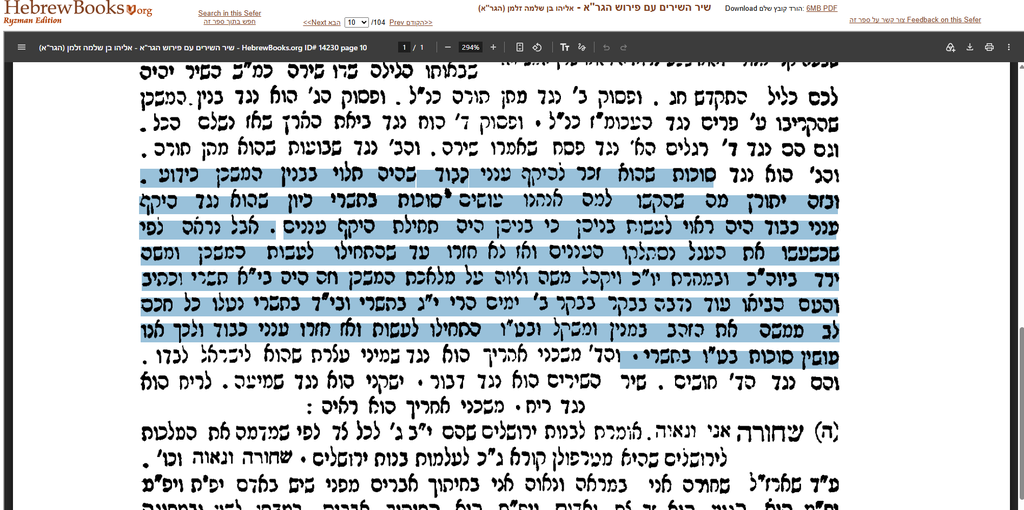
(ב)תשובה אף לאחר חורבן הבית היו מקדשין ע"פ הראיה כדתנן בפ' בתרא דר"ה (ל:) משחרב ביהמ"ק התקין ריב"ז שיהו מקבלין עדות החדש כל היום וגם בימי התנאים האחרונים כדאמרי' בפ' אם אינן מכירין (ראש השנה כה.) דאמר ליה רבי לר"ח זיל לעין טב וקדשיה וגם בימי האמוראים כ"ז שהיו סמוכין בארץ כדאיתא בשלהי פ"ק (כא.) דר' חייא בר אבא שהיה תלמידו של ר' יוחנן כדאיקלע לההוא אתרא דמטו שלוחי ניסן ולא מטו שלוחי תשרי ועבדי חד יומא הוא ואייבו בר נגרי וגם אחרי כן כמו שנזכר שם ובמקומות אחרים שכל זמן שהיו סמוכין בארץ ישראל צריכין החדשים להתקדש ע"פ ב"ד מומחין כדתניא בנדרים פ' נערה (נדרים עח:) מועדי ה' צריכין קדוש ב"ד ואין שבת בראשית צריכה קדוש ב"ד מועדי ה' צריכין מומחין ואין פר' נדרים צריכה מומחין אלא אפי' בשלשה הדיוטות אלא בזמן ביהמ"ק העדים שראו את החדש מחללין את השבת בכל החדשים כדי שיבואו למקום הועד להעיד בפני ב"ד מפני קרבן של ר"ח כמו שהוכיחו מדכתיב אשר תקראו אותם במועדם אבל לאחר חורבן שאין שם קרבן אין העדים מחללין את השבת אלא על ניסן ועל תשרי בלבד מפני תקנות המועדות כדתנן בפ"ק (כא:) על שני חדשים מחללין את השבת על ניסן ועל תשרי שבהן שלוחין יוצאין לסוריא ובהן מתקנין את המועדות ובזמן שביהמ"ק קיים מחללין על כלם מפני תקנת קרבן ר"ל קרבן מוסף ר"ח הדוחה שבת וכן שנינו שם (יח.) על ששה חדשים השלוחים יוצאין על ניסן מפני הפסח ועל אב מפני התענית ועל אלול מפני ר"ה ועל תשרי מפני תקנת המועדות ועל כסלו מפני חנוכ' ועל אדר מפני פורים וכשביהמ"ק קיים יוצאין אף על אייר מפני פסח קטן אבל בשאר החדשים לא היה להם דבר שהיו צריכין להודיע לגולה וגם בחודש סיון מפני שבועו' לא היו צריכין להודיעם כיון שכבר ידעו הפסח הנה חג השבועות ידוע ליום חמשים לעומר ומ"מ לעול' צריכין לקדש החדשי' על פי הראי' כל שיש סמוכין שמצות עשה היא לקדש חדשים בדרך זו כדכתיב החודש הזה לכם ראש חדשים ובאה הקבלה שהראהו הקב"ה למשה לבנה בחדושה ואמר לו כזה ראה וקדש ומצוה זו בין בזמן בהמ"ק בין לאחר החרבן כל שיש סמוכין בארץ ואף על אייר וסיון צריכין לקדש ע"פ הראי' ולא מפני חג שבועות שהרי לא תלאו הכתוב בחדש סיון אלא בנ' יום לעומר וכיון שידעו ניסן חג שבועות כבר קבוע זמנו אלא מקדשין אותם לקיים מצות עשה וקודם חרבן מחללין את השבת כדי להעיד מפני קרבן ר"ח ולאחר חרבן אין מחללין. ומה שהוקשה לך אם כבר עברו ניסן וקדשו אייר ביום ל"א מה צריך להמתין לעדים לקדש חודש סיון שהרי צריך לקדשו ביום שלשי' כדי שישלימו חמשים לעומר בששה בסיון שבו נתנה תורה שאם לא יבואו עדים וימתינו מלקדשו עד יום אחד ושלשים הנה ישלימו חמשי' לעומר בחמשה בסיון ואינו יום שנתנה בו התורה דלרבנן הוא הוא ששה בסיון ולרבי יוסי שבעה י"ל שאין קפידא בזה שלא תלה הכתוב חג שבועות ביום מתן תורה אלא ביום חמשים לעומר אלא שבזמן הזה דידעינן בקביעא דירחא ולעולם ניסן מלא ואייר חסר כלים חמשים לעומר ביום ו' בסיון שנתנה בו תורה לדעת רבנן כדאיתא במסכת שבת בפ' אמר רבי עקיבא (שבת פו:) ולזה אנו מזכירין בתפלה זמן מתן תורתינו. ותדע לך שהרי מתבאר שם בפרק הנזכר דבין לרבנן בין לרבי יוסי ביום שבת נתנה תורה וט"ו בניסן שבו יצאו ישראל ממצרים היה חמישי בשבת אלא דלרבנן עשו ניסן ואייר שניהם מלאין הוקבע ר"ח סיון בשני בשבת ולכן יום שבת שאחריו שבו נתנה תורה היה ו' בסיון ולרבי יוסי היה אייר חסר והוקבע ר"ח סיון בא' בשבת ולכן יום שבת שבו נתנה תורה הי' ז' בסיון וכשתמנה מי"ו בניסן שהוא זמן העומר חמשים יום תמצא שהם כלים בערב שבת שבו נתנה תורה והשבת היה יום חמשי' ואחד לזמן העומר אלא שאז לא קרב העומר כי לא נתחייבו בו עד שנכנסו לארץ וגם עדין לא נצטוו בשביתת המועדות עד לאחר שהוקם המשכן ומ"מ למדנו שאין הכרח להיות חמשים יום לעומר שתלה בו הכתוב חג שבועו' שיהיה ביום שנתנה בו תורה לא פחות ולא יותר אלא שעתה לפי חשבונינו שניסן מלא ואייר חסר יבא כן לעולם שהחמשים כלים ו' בסיון ובפ"ק דר"ה (ו:) גרסי' תני רב שמעיה עצרת פעמים ה' פעמים ו' פעמים ז' הא כיצד שניהם מלאים ר"ל ניסן ואייר ה' אחד מלא ואחד חסר ו' שניהם חסרים ז' ע"כ והרי זה מבואר שלא היו מקפידין שיבא שבועות לזמן שנתנ' בו תור' כך נ"ל לומ' בשאלותיך וחתמתי שמי יצחק ב"ר ששת זלה"ה:
...And still there was no Prohibitions on the Festivals until the completion of the Mishkahn...
תָּא שְׁמַע: נִיסָן שֶׁבּוֹ יָצְאוּ יִשְׂרָאֵל מִמִּצְרַיִם, בְּאַרְבָּעָה עָשָׂר שָׁחֲטוּ פִּסְחֵיהֶם, וּבַחֲמִשָּׁה עָשָׂר יָצְאוּ, וְלָעֶרֶב לָקוּ בְּכוֹרוֹת. לָעֶרֶב סָלְקָא דַּעְתָּךְ?! אֶלָּא: מִבָּעֶרֶב לָקוּ בְּכוֹרוֹת, וְאוֹתוֹ הַיּוֹם חֲמִישִׁי בַּשַּׁבָּת הָיָה. מִדַּחֲמֵיסַר בְּנִיסָן חַמְשָׁא בְּשַׁבָּא, רֵישׁ יַרְחָא דְאִיָּיר שַׁבְּתָא, וְרֵישׁ יַרְחָא דְסִיוָן חַד בְּשַׁבָּת, קַשְׁיָא לְרַבָּנַן!
Come and hear an additional proof with regard to the day of the revelation at Sinai from what was taught in a baraita: In the month of Nisan during which the Jewish people left Egypt, on the fourteenth, they slaughtered their Paschal lambs; on the fifteenth, they left Egypt; and in the evening, the firstborn were stricken. The Gemara asks: Does it enter your mind to say that they were stricken in the evening? Was the Plague of the Firstborn after the Jews left Egypt? Rather, say that the evening before, the firstborn were stricken. And that day was the fifth day of the week. From the fact that the fifteenth of Nisan was a Thursday, the New Moon of Iyyar was Shabbat, as Nisan is typically thirty days long. And the New Moon of Sivan was on the first day of the week, as Iyyar is typically twenty-nine days long. This is difficult according to the opinion of the Rabbis, who hold that the New Moon of Sivan that year was on Monday.
(ד) עלה בשמנה עשר כו', פירוש עלה להר להתפלל, ולא להיות שם כל ארבעים יום, אלא כל הארבעים יום האמצעים היה בתוך המחנה, אלא היה עולה בכל יום על ההר להתפלל וירד תיכף, וכן היה כל הארבעים יום, ודלא כהתוספות שכתבו שבארבעים יום אמצעים היה ג"כ בהר והגיהו בפרקי דרבי אליעזר, אבל א"א לומר כן, דא"כ לא ירד ביוה"כ שלא שלמו עדיין ארבעים יום, מפני שצ"ל שעלה בר"ח אלול, אלא כמו שכתבתי, ומאי דתני ירד (מן ההר) בעשרים ושמנה, פירוש מפני שעלה בכ"ח להתפלל, ונתרצה וירד לעשות לוחות שניות, ולא היה צריך להשלים ארבעים יום וארבעים לילות, ועלה בכ"ט והוא היה ביום ה', נמצא היה תשעה בתשרי ביום ב', ובאותו יום נתרצה הקב"ה, אלא שלא ירד, שעדיין לא שלמו ארבעים יום עם לילות עד למחר, וביום הכפורים ירד ובשרם שנתרצה המקום נתקיים יום חוק וזכרון, ואתי שפיר הכל, עיין בתוספות בבא קמא פרק מרובה (בבא קמא פ"ב א' ד"ה כדי):
... He ascended on the 29th, which was a Friday, so it turns out that the 9th of Tishrei was on a Monday ...
Okay, that's great and all, but why is this important?
(יט) וְהִקְרַבְתֶּ֨ם אִשֶּׁ֤ה עֹלָה֙ לַֽיהֹוָ֔ה פָּרִ֧ים בְּנֵי־בָקָ֛ר שְׁנַ֖יִם וְאַ֣יִל אֶחָ֑ד וְשִׁבְעָ֤ה כְבָשִׂים֙ בְּנֵ֣י שָׁנָ֔ה תְּמִימִ֖ם יִהְי֥וּ לָכֶֽם׃
(19) You shall present an offering by fire, a burnt offering, to GOD: two bulls of the herd, one ram, and seven yearling lambs—see that they are without blemish.
(כז) וְהִקְרַבְתֶּ֨ם עוֹלָ֜ה לְרֵ֤יחַ נִיחֹ֙חַ֙ לַֽיהֹוָ֔ה פָּרִ֧ים בְּנֵי־בָקָ֛ר שְׁנַ֖יִם אַ֣יִל אֶחָ֑ד שִׁבְעָ֥ה כְבָשִׂ֖ים בְּנֵ֥י שָׁנָֽה׃
(27) You shall present a burnt offering of pleasing odor to GOD: two bulls of the herd, one ram, seven yearling lambs.
(יג) וְהִקְרַבְתֶּ֨ם עֹלָ֜ה אִשֵּׁ֨ה רֵ֤יחַ נִיחֹ֙חַ֙ לַֽיהֹוָ֔ה פָּרִ֧ים בְּנֵי־בָקָ֛ר שְׁלֹשָׁ֥ה עָשָׂ֖ר אֵילִ֣ם שְׁנָ֑יִם כְּבָשִׂ֧ים בְּנֵֽי־שָׁנָ֛ה אַרְבָּעָ֥ה עָשָׂ֖ר תְּמִימִ֥ם יִהְיֽוּ׃
(13) You shall present a burnt offering, an offering by fire of pleasing odor to GOD: Thirteen bulls of the herd, two rams, fourteen yearling lambs; they shall be without blemish.
Chag Sameach.
