




 Save
 Copy
 Add to Collection
 Export to Google Docs
 Share
(כז) וַיִּבְרָ֨א אֱלֹהִ֤ים ׀ אֶת־הָֽאָדָם֙ בְּצַלְמ֔וֹ בְּצֶ֥לֶם אֱלֹהִ֖ים בָּרָ֣א אֹת֑וֹ זָכָ֥ר וּנְקֵבָ֖ה בָּרָ֥א אֹתָֽם׃
(27) And God created humankind in the divine image, creating it in the image of God—creating them male and female.
1. The female was Lilith, Adam's first wife. She was turned into a demon because she wanted to be on top (yes, like that). She later became the inspiration for Lilith magazine, starting in 1976.
(טו) וַיִּקַּ֛ח יְהֹוָ֥ה אֱלֹהִ֖ים אֶת־הָֽאָדָ֑ם וַיַּנִּחֵ֣הוּ בְגַן־עֵ֔דֶן לְעׇבְדָ֖הּ וּלְשׇׁמְרָֽהּ׃ (טז) וַיְצַו֙ יְהֹוָ֣ה אֱלֹהִ֔ים עַל־הָֽאָדָ֖ם לֵאמֹ֑ר מִכֹּ֥ל עֵֽץ־הַגָּ֖ן אָכֹ֥ל תֹּאכֵֽל׃ (יז) וּמֵעֵ֗ץ הַדַּ֙עַת֙ ט֣וֹב וָרָ֔ע לֹ֥א תֹאכַ֖ל מִמֶּ֑נּוּ כִּ֗י בְּי֛וֹם אֲכׇלְךָ֥ מִמֶּ֖נּוּ מ֥וֹת תָּמֽוּת׃
(15) The ETERNAL God settled the Human in the garden of Eden, to till it and tend it. (16) And the ETERNAL God commanded the Human, saying, “Of every tree of the garden you are free to eat; (17) but as for the tree of knowledge of good and bad, you must not eat of it; for as soon as you eat of it, you shall die.”
(יח) וַיֹּ֙אמֶר֙ יְהֹוָ֣ה אֱלֹהִ֔ים לֹא־ט֛וֹב הֱי֥וֹת הָֽאָדָ֖ם לְבַדּ֑וֹ אֶֽעֱשֶׂה־לּ֥וֹ עֵ֖זֶר כְּנֶגְדּֽוֹ׃ (יט) וַיִּ֩צֶר֩ יְהֹוָ֨ה אֱלֹהִ֜ים מִן־הָֽאֲדָמָ֗ה כׇּל־חַיַּ֤ת הַשָּׂדֶה֙ וְאֵת֙ כׇּל־ע֣וֹף הַשָּׁמַ֔יִם וַיָּבֵא֙ אֶל־הָ֣אָדָ֔ם לִרְא֖וֹת מַה־יִּקְרָא־ל֑וֹ וְכֹל֩ אֲשֶׁ֨ר יִקְרָא־ל֧וֹ הָֽאָדָ֛ם נֶ֥פֶשׁ חַיָּ֖ה ה֥וּא שְׁמֽוֹ׃ (כ) וַיִּקְרָ֨א הָֽאָדָ֜ם שֵׁמ֗וֹת לְכׇל־הַבְּהֵמָה֙ וּלְע֣וֹף הַשָּׁמַ֔יִם וּלְכֹ֖ל חַיַּ֣ת הַשָּׂדֶ֑ה וּלְאָדָ֕ם לֹֽא־מָצָ֥א עֵ֖זֶר כְּנֶגְדּֽוֹ׃ (כא) וַיַּפֵּל֩ יְהֹוָ֨ה אֱלֹהִ֧ים ׀ תַּרְדֵּמָ֛ה עַל־הָאָדָ֖ם וַיִּישָׁ֑ן וַיִּקַּ֗ח אַחַת֙ מִצַּלְעֹתָ֔יו וַיִּסְגֹּ֥ר בָּשָׂ֖ר תַּחְתֶּֽנָּה׃ (כב) וַיִּ֩בֶן֩ יְהֹוָ֨ה אֱלֹהִ֧ים ׀ אֶֽת־הַצֵּלָ֛ע אֲשֶׁר־לָקַ֥ח מִן־הָֽאָדָ֖ם לְאִשָּׁ֑ה וַיְבִאֶ֖הָ אֶל־הָֽאָדָֽם׃ (כג) וַיֹּ֘אמֶר֮ הָֽאָדָם֒ זֹ֣את הַפַּ֗עַם עֶ֚צֶם מֵֽעֲצָמַ֔י וּבָשָׂ֖ר מִבְּשָׂרִ֑י לְזֹאת֙ יִקָּרֵ֣א אִשָּׁ֔ה כִּ֥י מֵאִ֖ישׁ לֻֽקְחָה־זֹּֽאת׃ (כד) עַל־כֵּן֙ יַֽעֲזׇב־אִ֔ישׁ אֶת־אָבִ֖יו וְאֶת־אִמּ֑וֹ וְדָבַ֣ק בְּאִשְׁתּ֔וֹ וְהָי֖וּ לְבָשָׂ֥ר אֶחָֽד׃ (כה) וַיִּֽהְי֤וּ שְׁנֵיהֶם֙ עֲרוּמִּ֔ים הָֽאָדָ֖ם וְאִשְׁתּ֑וֹ וְלֹ֖א יִתְבֹּשָֽׁשׁוּ׃
(18) The ETERNAL God said, “It is not good for the Human to be alone; I will make a fitting counterpart for him.” (19) And the ETERNAL God formed out of the earth all the wild beasts and all the birds of the sky, and brought them to the Human to see what he would call them; and whatever the Human called each living creature, that would be its name. (20) And the Human gave names to all the cattle and to the birds of the sky and to all the wild beasts; but no fitting counterpart for a human being was found. (21) So the ETERNAL God cast a deep sleep upon the Human; and, while he slept, [God] took one of his sides and closed up the flesh at that site. (22) And the ETERNAL God fashioned the side that had been taken from the Human into a woman, bringing her to the Human. (23) Then the Human said,
“This one at last Is bone of my bones And flesh of my flesh. This one shall be called the Woman, For from the Man was she taken.”(24) Hence a man leaves his father and mother and clings to his wife, so that they become one flesh. (25) The two of them were naked, the Human and his wife, yet they felt no shame.
(א) וְהַנָּחָשׁ֙ הָיָ֣ה עָר֔וּם מִכֹּל֙ חַיַּ֣ת הַשָּׂדֶ֔ה אֲשֶׁ֥ר עָשָׂ֖ה יְהֹוָ֣ה אֱלֹהִ֑ים וַיֹּ֙אמֶר֙ אֶל־הָ֣אִשָּׁ֔ה אַ֚ף כִּֽי־אָמַ֣ר אֱלֹהִ֔ים לֹ֣א תֹֽאכְל֔וּ מִכֹּ֖ל עֵ֥ץ הַגָּֽן׃ (ב) וַתֹּ֥אמֶר הָֽאִשָּׁ֖ה אֶל־הַנָּחָ֑שׁ מִפְּרִ֥י עֵֽץ־הַגָּ֖ן נֹאכֵֽל׃ (ג) וּמִפְּרִ֣י הָעֵץ֮ אֲשֶׁ֣ר בְּתוֹךְ־הַגָּן֒ אָמַ֣ר אֱלֹהִ֗ים לֹ֤א תֹֽאכְלוּ֙ מִמֶּ֔נּוּ וְלֹ֥א תִגְּע֖וּ בּ֑וֹ פֶּן־תְּמֻתֽוּן׃ (ד) וַיֹּ֥אמֶר הַנָּחָ֖שׁ אֶל־הָֽאִשָּׁ֑ה לֹֽא־מ֖וֹת תְּמֻתֽוּן׃ (ה) כִּ֚י יֹדֵ֣עַ אֱלֹהִ֔ים כִּ֗י בְּיוֹם֙ אֲכׇלְכֶ֣ם מִמֶּ֔נּוּ וְנִפְקְח֖וּ עֵֽינֵיכֶ֑ם וִהְיִיתֶם֙ כֵּֽאלֹהִ֔ים יֹדְעֵ֖י ט֥וֹב וָרָֽע׃ (ו) וַתֵּ֣רֶא הָֽאִשָּׁ֡ה כִּ֣י טוֹב֩ הָעֵ֨ץ לְמַאֲכָ֜ל וְכִ֧י תַֽאֲוָה־ה֣וּא לָעֵינַ֗יִם וְנֶחְמָ֤ד הָעֵץ֙ לְהַשְׂכִּ֔יל וַתִּקַּ֥ח מִפִּרְי֖וֹ וַתֹּאכַ֑ל וַתִּתֵּ֧ן גַּם־לְאִישָׁ֛הּ עִמָּ֖הּ וַיֹּאכַֽל׃ (ז) וַתִּפָּקַ֙חְנָה֙ עֵינֵ֣י שְׁנֵיהֶ֔ם וַיֵּ֣דְע֔וּ כִּ֥י עֵֽירֻמִּ֖ם הֵ֑ם וַֽיִּתְפְּרוּ֙ עֲלֵ֣ה תְאֵנָ֔ה וַיַּעֲשׂ֥וּ לָהֶ֖ם חֲגֹרֹֽת׃
(1) Now the serpent was the shrewdest of all the wild beasts that the ETERNAL God had made. It said to the woman, “Did God really say: You shall not eat of any tree of the garden?” (2) The woman replied to the serpent, “We may eat of the fruit of the other trees of the garden. (3) It is only about fruit of the tree in the middle of the garden that God said: ‘You shall not eat of it or touch it, lest you die.’” (4) And the serpent said to the woman, “You are not going to die, (5) but God knows that as soon as you eat of it your eyes will be opened and you will be like divine beings who know good and bad.” (6) When the woman saw that the tree was good for eating and a delight to the eyes, and that the tree was desirable as a source of wisdom, she took of its fruit and ate. She also gave some to her husband, and he ate. (7) Then the eyes of both of them were opened and they perceived that they were naked; and they sewed together fig leaves and made themselves loincloths.
(ח) וַֽיִּשְׁמְע֞וּ אֶת־ק֨וֹל יְהֹוָ֧ה אֱלֹהִ֛ים מִתְהַלֵּ֥ךְ בַּגָּ֖ן לְר֣וּחַ הַיּ֑וֹם וַיִּתְחַבֵּ֨א הָֽאָדָ֜ם וְאִשְׁתּ֗וֹ מִפְּנֵי֙ יְהֹוָ֣ה אֱלֹהִ֔ים בְּת֖וֹךְ עֵ֥ץ הַגָּֽן׃ (ט) וַיִּקְרָ֛א יְהֹוָ֥ה אֱלֹהִ֖ים אֶל־הָֽאָדָ֑ם וַיֹּ֥אמֶר ל֖וֹ אַיֶּֽכָּה׃ (י) וַיֹּ֕אמֶר אֶת־קֹלְךָ֥ שָׁמַ֖עְתִּי בַּגָּ֑ן וָאִירָ֛א כִּֽי־עֵירֹ֥ם אָנֹ֖כִי וָאֵחָבֵֽא׃ (יא) וַיֹּ֕אמֶר מִ֚י הִגִּ֣יד לְךָ֔ כִּ֥י עֵירֹ֖ם אָ֑תָּה הֲמִן־הָעֵ֗ץ אֲשֶׁ֧ר צִוִּיתִ֛יךָ לְבִלְתִּ֥י אֲכׇל־מִמֶּ֖נּוּ אָכָֽלְתָּ׃ (יב) וַיֹּ֖אמֶר הָֽאָדָ֑ם הָֽאִשָּׁה֙ אֲשֶׁ֣ר נָתַ֣תָּה עִמָּדִ֔י הִ֛וא נָֽתְנָה־לִּ֥י מִן־הָעֵ֖ץ וָאֹכֵֽל׃ (יג) וַיֹּ֨אמֶר יְהֹוָ֧ה אֱלֹהִ֛ים לָאִשָּׁ֖ה מַה־זֹּ֣את עָשִׂ֑ית וַתֹּ֙אמֶר֙ הָֽאִשָּׁ֔ה הַנָּחָ֥שׁ הִשִּׁיאַ֖נִי וָאֹכֵֽל׃ (יד) וַיֹּ֩אמֶר֩ יְהֹוָ֨ה אֱלֹהִ֥ים ׀ אֶֽל־הַנָּחָשׁ֮ כִּ֣י עָשִׂ֣יתָ זֹּאת֒ אָר֤וּר אַתָּה֙ מִכׇּל־הַבְּהֵמָ֔ה וּמִכֹּ֖ל חַיַּ֣ת הַשָּׂדֶ֑ה עַל־גְּחֹנְךָ֣ תֵלֵ֔ךְ וְעָפָ֥ר תֹּאכַ֖ל כׇּל־יְמֵ֥י חַיֶּֽיךָ׃ (טו) וְאֵיבָ֣ה ׀ אָשִׁ֗ית בֵּֽינְךָ֙ וּבֵ֣ין הָֽאִשָּׁ֔ה וּבֵ֥ין זַרְעֲךָ֖ וּבֵ֣ין זַרְעָ֑הּ ה֚וּא יְשׁוּפְךָ֣ רֹ֔אשׁ וְאַתָּ֖ה תְּשׁוּפֶ֥נּוּ עָקֵֽב׃ {ס}(טז) אֶֽל־הָאִשָּׁ֣ה אָמַ֗ר הַרְבָּ֤ה אַרְבֶּה֙ עִצְּבוֹנֵ֣ךְ וְהֵֽרֹנֵ֔ךְ בְּעֶ֖צֶב תֵּֽלְדִ֣י בָנִ֑ים וְאֶל־אִישֵׁךְ֙ תְּשׁ֣וּקָתֵ֔ךְ וְה֖וּא יִמְשׇׁל־בָּֽךְ׃ {ס}(יז) וּלְאָדָ֣ם אָמַ֗ר כִּֽי־שָׁמַ֘עְתָּ֮ לְק֣וֹל אִשְׁתֶּ֒ךָ֒ וַתֹּ֙אכַל֙ מִן־הָעֵ֔ץ אֲשֶׁ֤ר צִוִּיתִ֙יךָ֙ לֵאמֹ֔ר לֹ֥א תֹאכַ֖ל מִמֶּ֑נּוּ אֲרוּרָ֤ה הָֽאֲדָמָה֙ בַּֽעֲבוּרֶ֔ךָ בְּעִצָּבוֹן֙ תֹּֽאכְלֶ֔נָּה כֹּ֖ל יְמֵ֥י חַיֶּֽיךָ׃ (יח) וְק֥וֹץ וְדַרְדַּ֖ר תַּצְמִ֣יחַֽ לָ֑ךְ וְאָכַלְתָּ֖ אֶת־עֵ֥שֶׂב הַשָּׂדֶֽה׃ (יט) בְּזֵעַ֤ת אַפֶּ֙יךָ֙ תֹּ֣אכַל לֶ֔חֶם עַ֤ד שֽׁוּבְךָ֙ אֶל־הָ֣אֲדָמָ֔ה כִּ֥י מִמֶּ֖נָּה לֻקָּ֑חְתָּ כִּֽי־עָפָ֣ר אַ֔תָּה וְאֶל־עָפָ֖ר תָּשֽׁוּב׃ (כ) וַיִּקְרָ֧א הָֽאָדָ֛ם שֵׁ֥ם אִשְׁתּ֖וֹ חַוָּ֑ה כִּ֛י הִ֥וא הָֽיְתָ֖ה אֵ֥ם כׇּל־חָֽי׃ (כא) וַיַּ֩עַשׂ֩ יְהֹוָ֨ה אֱלֹהִ֜ים לְאָדָ֧ם וּלְאִשְׁתּ֛וֹ כׇּתְנ֥וֹת ע֖וֹר וַיַּלְבִּשֵֽׁם׃ {פ}(כב) וַיֹּ֣אמֶר ׀ יְהֹוָ֣ה אֱלֹהִ֗ים הֵ֤ן הָֽאָדָם֙ הָיָה֙ כְּאַחַ֣ד מִמֶּ֔נּוּ לָדַ֖עַת ט֣וֹב וָרָ֑ע וְעַתָּ֣ה ׀ פֶּן־יִשְׁלַ֣ח יָד֗וֹ וְלָקַח֙ גַּ֚ם מֵעֵ֣ץ הַֽחַיִּ֔ים וְאָכַ֖ל וָחַ֥י לְעֹלָֽם׃ (כג) וַֽיְשַׁלְּחֵ֛הוּ יְהֹוָ֥ה אֱלֹהִ֖ים מִגַּן־עֵ֑דֶן לַֽעֲבֹד֙ אֶת־הָ֣אֲדָמָ֔ה אֲשֶׁ֥ר לֻקַּ֖ח מִשָּֽׁם׃ (כד) וַיְגָ֖רֶשׁ אֶת־הָֽאָדָ֑ם וַיַּשְׁכֵּן֩ מִקֶּ֨דֶם לְגַן־עֵ֜דֶן אֶת־הַכְּרֻבִ֗ים וְאֵ֨ת לַ֤הַט הַחֶ֙רֶב֙ הַמִּתְהַפֶּ֔כֶת לִשְׁמֹ֕ר אֶת־דֶּ֖רֶךְ עֵ֥ץ הַֽחַיִּֽים׃ {ס}
(8) They heard the sound of the ETERNAL God moving about in the garden at the breezy time of day; and the Human and his wife hid from the ETERNAL God among the trees of the garden. (9) The ETERNAL God called out to the Human and said to him, “Where are you?” (10) He replied, “I heard the sound of You in the garden, and I was afraid because I was naked, so I hid.” (11) “Who told you that you were naked? Did you eat of the tree from which I had forbidden you to eat?” (12) The Human said, “The woman You put at my side—she gave me of the tree, and I ate.” (13) And the ETERNAL God said to the woman, “What is this you have done!” The woman replied, “The serpent duped me, and I ate.” (14) Then the ETERNAL God said to the serpent,
“Because you did this, More cursed shall you be Than all cattle And all the wild beasts: On your belly shall you crawl And dirt shall you eat All the days of your life.(15)I will put enmity Between you and the woman, And between your offspring and hers; They shall strike at your head, And you shall strike at their heel.”(16) And to the woman [God] said, “I will greatly expand Your toil—and your pregnancies; In hardship shall you bear children. Yet your urge shall be for your husband, And his will shall prevail over yours.”(17) To Adam [God] said, “Because you did as your wife said and ate of the tree about which I commanded you, ‘You shall not eat of it,’ Cursed be the ground because of you; By toil shall you eat of it All the days of your life:(18)Thorns and thistles shall it sprout for you. But your food shall be the grasses of the field;(19)By the sweat of your brow Shall you get bread to eat, Until you return to the ground—For from it you were taken. For dust you are, And to dust you shall return.”(20) The Human named his wife Eve, because she was the mother of all the living. (21) And the ETERNAL God made garments of skins for Adam and his wife, and clothed them. (22) And the ETERNAL God said, “Now that humankind has become like any of us, knowing good and bad, what if one should stretch out a hand and take also from the tree of life and eat, and live forever!” (23) So the ETERNAL God banished them from the garden of Eden, to till the humus from which they were taken: (24) humankind was driven out; and east of the garden of Eden were stationed the cherubim and the fiery ever-turning sword, to guard the way to the tree of life.
Scene 1
(א) וְהָ֣אָדָ֔ם יָדַ֖ע אֶת־חַוָּ֣ה אִשְׁתּ֑וֹ וַתַּ֙הַר֙ וַתֵּ֣לֶד אֶת־קַ֔יִן וַתֹּ֕אמֶר קָנִ֥יתִי אִ֖ישׁ אֶת־יְהֹוָֽה׃ (ב) וַתֹּ֣סֶף לָלֶ֔דֶת אֶת־אָחִ֖יו אֶת־הָ֑בֶל וַֽיְהִי־הֶ֙בֶל֙ רֹ֣עֵה צֹ֔אן וְקַ֕יִן הָיָ֖ה עֹבֵ֥ד אֲדָמָֽה׃
(1) Now the Human knew his wife Eve, and she conceived and bore Cain, saying, “I have gained someone new with GOD’s help.” (2) She then bore his brother Abel. Abel became a keeper of sheep, and Cain became a tiller of the soil.
(כה) וַיֵּ֨דַע אָדָ֥ם עוֹד֙ אֶת־אִשְׁתּ֔וֹ וַתֵּ֣לֶד בֵּ֔ן וַתִּקְרָ֥א אֶת־שְׁמ֖וֹ שֵׁ֑ת כִּ֣י שָֽׁת־לִ֤י אֱלֹהִים֙ זֶ֣רַע אַחֵ֔ר תַּ֣חַת הֶ֔בֶל כִּ֥י הֲרָג֖וֹ קָֽיִן׃ (כו) וּלְשֵׁ֤ת גַּם־הוּא֙ יֻלַּד־בֵּ֔ן וַיִּקְרָ֥א אֶת־שְׁמ֖וֹ אֱנ֑וֹשׁ אָ֣ז הוּחַ֔ל לִקְרֹ֖א בְּשֵׁ֥ם יְהֹוָֽה׃ {ס}(א) זֶ֣ה סֵ֔פֶר תּוֹלְדֹ֖ת אָדָ֑ם בְּי֗וֹם בְּרֹ֤א אֱלֹהִים֙ אָדָ֔ם בִּדְמ֥וּת אֱלֹהִ֖ים עָשָׂ֥ה אֹתֽוֹ׃ (ב) זָכָ֥ר וּנְקֵבָ֖ה בְּרָאָ֑ם וַיְבָ֣רֶךְ אֹתָ֗ם וַיִּקְרָ֤א אֶת־שְׁמָם֙ אָדָ֔ם בְּי֖וֹם הִבָּֽרְאָֽם׃ (ג) וַיְחִ֣י אָדָ֗ם שְׁלֹשִׁ֤ים וּמְאַת֙ שָׁנָ֔ה וַיּ֥וֹלֶד בִּדְמוּת֖וֹ כְּצַלְמ֑וֹ וַיִּקְרָ֥א אֶת־שְׁמ֖וֹ שֵֽׁת׃ (ד) וַיִּֽהְי֣וּ יְמֵי־אָדָ֗ם אַֽחֲרֵי֙ הוֹלִיד֣וֹ אֶת־שֵׁ֔ת שְׁמֹנֶ֥ה מֵאֹ֖ת שָׁנָ֑ה וַיּ֥וֹלֶד בָּנִ֖ים וּבָנֽוֹת׃ (ה) וַיִּֽהְי֞וּ כׇּל־יְמֵ֤י אָדָם֙ אֲשֶׁר־חַ֔י תְּשַׁ֤ע מֵאוֹת֙ שָׁנָ֔ה וּשְׁלֹשִׁ֖ים שָׁנָ֑ה וַיָּמֹֽת׃ {ס}
(25) Adam knew his wife again, and she bore a son and named him Seth, meaning, “God has provided me with another offspring in place of Abel,” for Cain had killed him. (26) And to Seth, in turn, a son was born, and he named him Enosh. It was then that GOD began to be invoked by name. (1) This is the record of Adam’s line.—When God created humankind, it was made in the likeness of God; (2) they were created male and female. And when they were created, [God] blessed them and called them Humankind.— (3) When Adam had lived 130 years, he begot a son in his likeness after his image, and he named him Seth. (4) After the birth of Seth, Adam lived 800 years and begot sons and daughters. (5) All the days that Adam lived came to 930 years; then he died.
2. Assuming Adam didn’t have a wife after Eve, how long did she live?
By: Alicia Jo Rabins
Open the Ground a song in Eve’s voice by Alicia Jo Rabins/Girls in Trouble
The raven showed us how to open the ground And feed it what it grew But all the while as we buried your brother I was thinking of you
Narrator 1: And G-d created humankind in the Divine image, creating it in the image of G-d -— creating them male and female.
Narrator 2: The Eternal G-d settled the Human in the Garden of Eden, to work it and to guard it.
G-d: Of every tree of the garden you are free to eat; but as for the Tree of Knowledge of Good and Bad, you must not eat of it; for as soon as you eat of it, you shall die.
G-d: It is not good for the Human to be alone; I will make a fitting counterpart for him.
Narrator 1: The Eternal G-d formed out of the earth all the wild beasts and all the birds of the sky, and brought them to the Human to see what he would call them; and whatever the Human called each living creature, that would be its name. And the Human gave names to all the cattle and to the birds of the sky and to all the wild beasts; but no fitting counterpart for a human being was found.
Narrator 2: So the Eternal G-d cast a deep sleep upon the Human, and, while he slept, G-d took one of his sides and closed up the flesh at that site. And the Eternal G-d fashioned the side that had been taken from the Human into a woman, bringing her to the Human.
Adam: This one at last is bone of my bones and flesh of my flesh. This one shall be called the Woman, for from the Man was she taken.
Narrator 1: Hence a man leaves his father and mother and clings to his wife, so that they become one flesh. The two of them were naked, the Human and his wife, yet they felt no shame.
Narrator 2: Now the serpent was the shrewdest of all the wild beasts that the Eternal G-d had made.
Serpent: Did G-d really say “You shall not eat of any tree of the garden?”
Eve: We may eat of the fruit of the other trees of the garden. It is only about fruit of the tree in the middle of the garden that G-d said, “You shall not eat of it or touch it, lest you die.”
Serpent: You are not going to die, but G-d knows that as soon as you eat of it your eyes will be opened and you will be like divine beings who know good and bad.
Narrator 1: When the woman saw that the tree was good for eating and a delight to the eyes, and that the tree was desirable as a source of wisdom, she took of its fruit and ate. She also gave some to her husband, and he ate.
Narrator 2: Then the eyes of both of them were opened and they perceived that they were naked. They sewed together fig leaves and made themselves loinclothes.
Narrator 1: They heard the sound of the Eternal G-d moving about in the garden at the breezy time of day, and the Human and his wife hid from the Eternal G-d among the trees of the garden.
G-d: Where are you?
Adam: I heard the sound of You in the garden, and I was afraid because I was naked, so I hid.
G-d: Who told you that you were naked? Did you eat of the tree from which I had forbidden you to eat?
Adam: The woman You put at my side -— she gave me of the tree, and I ate.
G-d: (to Eve) What is this you have done?
Eve: The serpent duped me, and I ate.
G-d: (to Serpent) Because you did this, more cursed shall you be than all cattle and all the wild beasts -— on your belly shall you crawl and dirt shall you eat all the days of your life. I will put enmity between you and the woman, and between your offspring and hers; they shall strike at your head, and you shall strike at their heel.
G-d: (to Eve) I will greatly expand your toil and your pregnancies; in hardship shall you bear children. Yet your urge shall be for your husband, and his will shall prevail over yours.
G-d: (to Adam) Because you did as your wife said and ate of the tree about which I commanded you, “You shall not eat of it,” cursed be the ground because of you. By toil shall you eat of it all the days of your life -— thorns and thistles shall it sprout for you. But your food shall be the grasses of the field. By the sweat of your brow shall you get food to eat, until you return to the ground, for from it were you taken. For dust you are, and to dust shall you return.
Narrator 2: The Human named his wife Eve, because she was the mother of all the living. And the Eternal G-d made garments of skins for Adam and his wife, and clothed them.
G-d: Now that humankind has become like any of us, knowing good and bad, what if one should stretch out a hand and take also from the Tree of Life and eat, and live forever!
Narrator 1: So the Eternal G-d banished them from the Garden of Eden, to work the soil from which they were taken.
Narrator 2: Humankind was driven out, and east of the Garden of Eden were stationed the cherubim and the fiery ever-turning sword, to guard the way to the Tree of Life.
Narrator 1: Now the Human knew his wife Eve, and she conceived and bore Cain.
Eve: I have gained someone knew with G-d’s help.
Narrator 2: She then bore his brother Abel. Abel became a keeper of sheet, and Cain became a tiller of the soil.
Narrator 1: After Cain killed Abel, Adam knew his wife again, and she bore a son and named him “Seth”, meaning, “G-d has provided me with another offspring in place of Abel,” for Cain had killed Abel. And to Seth, in turn, a son was born, and he named him Enosh. It was then that G-d began to be invoked by name.
Narrator 2: This is the record of Adam’s line: When G-d created humankind, it was made in the likeness of G-d; they were created male and female. And when they were created, G-d blessed them and called them Humankind.
Narrator 1: When Adam had lived 130 years, he begot a son in his likeness after his image, and he named him Seth. After the birth of Seth, Adam lived 800 years.
Narrator 2: He begot sons and daughters. All the days that Adam lived came to 930 years; then he died.
From the author's website
https://www.brucefeiler.com/books-articles/the-first-love-story/
Jewish Review of Books, Fall 2023
Fruit of the Fall
Reviewed By: Philip Getz
Temptation Transformed: The Story of How the Forbidden Fruit Became an Apple
By: Azzan Yadin-Israel; University of Chicago Press; 232 pp., $27.50
Back in 1997, a horticulturist at Washington State University named Bruce Barritt placed pollen from a Honeycrisp on the stigma of an Enterprise apple flower. Twenty-two years of testing later the Cosmic Crisp apple was released, to great acclaim. The New York Times described it as “dramatically dark, richly flavored and explosively crisp and juicy,” almost sinfully good, one might say.
This wasn’t the first time apples burst cosmically onto the cultural scene. In twelfth-century France, apples began showing up in Christian depictions of “the Fall of Man,” everywhere from the Cathedral of Notre Dame to illuminated Bibles and psalm books. These red and gold apples supplanted the previous identification of grapes and figs as the forbidden fruit with which the serpent tempted Eve and Eve tempted Adam. Grapes and figs are low-hanging fruit, biblically speaking. The Land of Israel, for instance, is described as “a land of wheat and barley, of vines, figs, and pomegranates, a land of olive trees and honey” (Deut. 8:8)—but not of apples, not here or anywhere else in the Bible. Where did they come from? This is the central question of Azzan Yadin-Israel’s scrumptious scholarly morsel of a book, Temptation Transformed.
As readers of Hebrew will know, the story of Genesis never identifies the actual species of fruit that was forbidden to Adam and Eve in the Garden of Eden, referring to it with the generic peri (fruit). The early Aramaic, Greek, and Latin translations are faithfully generic as well: peirei, karpos, and fructus (and, importantly, as we’ll see later, pomum). The earliest interpretive tradition, dating back to 1 Enoch in the third century BCE, has the forbidden fruit “resembling a cluster of grapes.” 3 Baruch (from the first century CE) and the Apocalypse of Abraham (second century CE) take up this tradition. It is, of course, a plausible association given the grape’s intoxicating powers. The Rabbis were not particularly occupied with identifying the species of fruit in the story, but when they did take up the question, they tended to agree. Rabbi Meir, for instance, said, “That tree from which Adam ate was a vine, for nothing but wine (yayin) brings wailing (yelalah) to man (adam)” (Sanhedrin 70a).
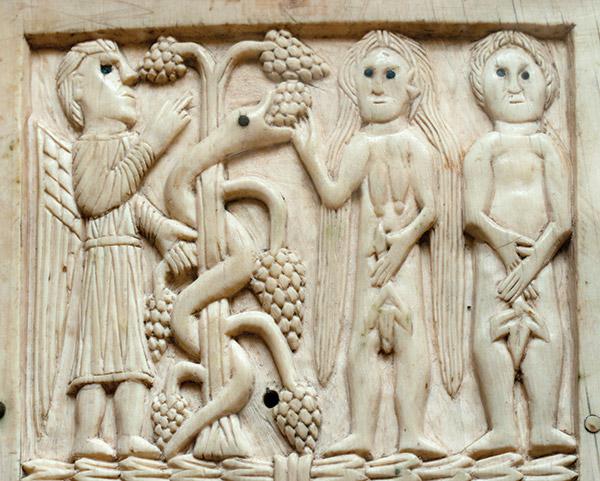
Saint Augustine, who was himself famously tempted by a pear as a boy, nevertheless followed the other dominant ancient interpretation, which identified the forbidden fruit as a fig. This tradition is, if anything, even more textually plausible than that of the grape. Immediately after Adam and Eve ate of the fruit they realized that they were naked “and they sewed fig leaves together and made loincloths for themselves” (Gen. 3:7). This would make sense if they were standing under a fig tree. Christian artists doubled down on the fig tradition, featuring both the fruit and fig leaves prominently in the catacomb frescoes and sarcophagi depicting the sin that introduced mortality. As Yadin-Israel writes, “Fortunately, fig leaves have a distinct morphology—they are wide and consist of three to five distinct lobes—making it easier to identify the Tree of Knowledge.”
In addition to being a philological detective story, Temptation Transformed is a kind of mini- ature coffee-table book, employing forty-two images of Fall of Man art to chart the transformation from grape and fig (and a few other fruits) to apple. (Yadin-Israel has compiled hundreds more—which can be sorted by fruit, region of origin, or medium—on the book’s companion website, treeofknowledgeart.com.) And so we find ourselves accompanying the author on his linguistic-artistic expedition to discover how and why the apple came to represent the forbidden fruit of the Tree of Knowledge of Good and Bad.
Yadin-Israel is not the first to discuss this erroneous identification of the forbidden fruit with the apple. In 1646, Sir Thomas Browne published a book called Pseudodoxia Epidemica: or, Enquiries into Very Many Received Tenets and Commonly Presumed Truths, also known by the simpler title Vulgar Errors, which is what it cataloged. Book 7 concerned biblical misconceptions, first among them being that the fruit of the Tree of Knowledge was an apple. Browne suggested that some authorities had identified that as the forbidden fruit because in Latin the word “malum” means both “bad” and “apple.” As Yadin-Israel puts it:
The logic seems compelling: the forbidden fruit caused the Fall of Man, introducing death into the world—a terrible malum (“evil”) if ever there was one. What fruit, then, would medieval scholars who read and interpreted the Bible in Latin consider better suited to the role than the malum (“apple”)?
This neat explanation was taken up by modern scholars, including the distinguished twentieth-century German Lutheran scholar Gerhard von Rad and, more recently, Ziony Zevit in a widely read book called What Really Happened in the Garden of Eden? Whatever did happen in the Garden of Eden, Yadin-Israel demonstrates that this linguistic misunderstanding never occurred, no matter how plausible it sounds. It turns out that the word “malum” so rarely appears in Latin translations of Genesis that this explanation is certainly false. In fact, the word was specifically avoided precisely because of its malevolent resonance.
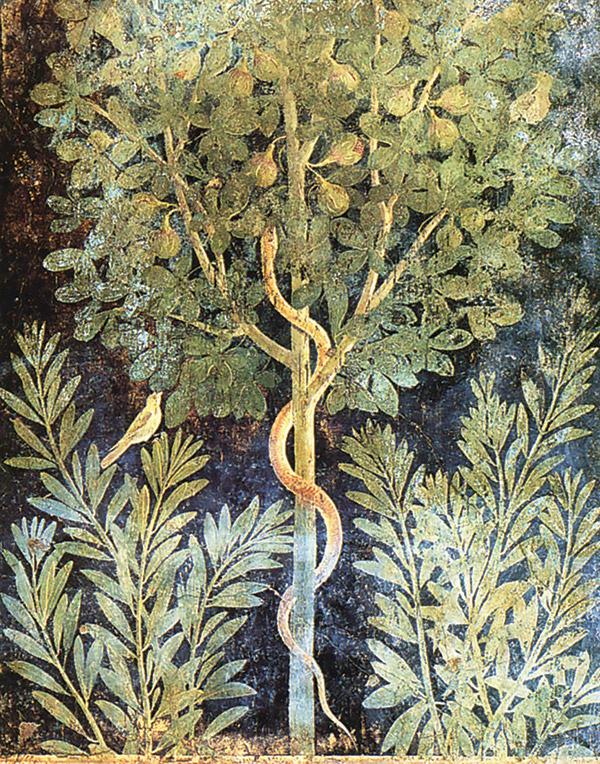
Yadin-Israel considers several other possibilities as to how the fruit became an apple before learnedly, patiently, refuting them. My favorite of these takedowns is his consideration of the hypothesis that the transformation was inspired by the rejuvenation of apple cultivation in twelfth-century France. Again, it sounds plausible. Quoting Erika Janik’s Apple: A Global History, and crediting the fortunately named Natan Paradise of the University of Minnesota with the suggestion, Yadin-Israel writes, “In twelfth-century Europe, the expansion of the Cistercian order of monks . . . renewed the cultivation of apples across the continent.” Understanding this hypothesis requires understanding at least the basics of apple cultivation. It turns out that every apple is a little like the Cosmic Crisp. As Yadin-Israel deftly summarizes:
Apple trees are self-incompatible, that is, the apple blossoms of one tree require pollination from another apple tree. Left to their own devices, then, new apple trees will not produce the same apples as those that provided their seeds. Farmers can combat this generational inconsistency by grafting a shoot from the parent tree onto the rootstock of the descendant, thus ensuring the offspring will be true to stock. This technique was familiar to Roman farmers, but declined in the early Middle Ages, and with it apple cultivation. Grafting was revived in the twelfth century by the monks of the Cistercian order.
But, as Yadin-Israel demonstrates, the art of apple cultivation was never really as lost as this story suggests. He quotes a Carolingian from the late eighth or early ninth century referring to “various kinds of apple trees, various kinds of pear trees, various kinds of plum trees, sorb, medlar, chestnut and peach, etc.” He further cuts down the Cistercian hypothesis by noting, among other things, that local fruit cultivation does not seem to have particularly influenced previous depictions of the forbidden fruit:
The implied causal connection between local agriculture and iconographic conventions is tenuous at best: though figs and grapes do not grow in cold climates, they figured prominently in the medieval iconography of Germany and Russia, respectively. Conversely, pears were common in France but never associated with the forbidden fruit.
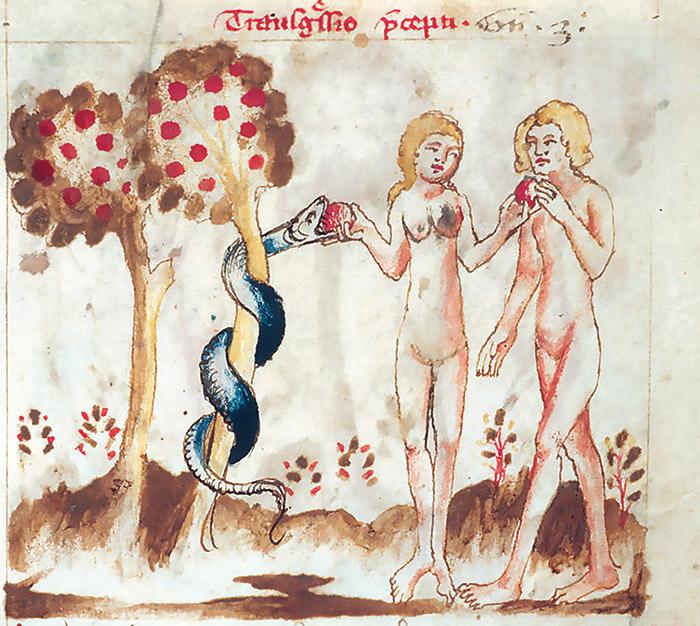
There may be room to quibble here. As Yadin-Israel has already shown us earlier, figs and grapes are almost natural choices, given their ubiquity in the Bible, the association of grapes and wine with sin, and the place of fig leaves in the story. The entrenched ecclesiastical tradition identifying these fruits with the Fall would, arguably, be enough to keep them in the picture(s) even in lands to which they were not agriculturally suited. Regardless, Yadin-Israel is a master of philological and iconographic detective work, and the joy of this beautiful little book is in following his reasoning as he thinks through words (in a daunting number of languages) and images.
Much as Rashi did in the very time and place in question, Yadin-Israel eventually finds answers in the Old French. The generic word for fruit in Old French, pom, derives from the Latin pomum, which had been the Latin word commonly used to translate the similarly generic Hebrew peri. But in the twelfth century pom began specifically to designate apples. French readers of the Latin then projected this new meaning of pom onto its linguistic ancestor pomum, thereby transforming the generic fruit into their vernacular pom: a tempting apple.
Philip Getz is senior editor for history and religion at Palgrave Macmillan and the former associate editor of the Jewish Review of Books.https://jewishreviewofbooks.com/philosophy/14750/fruit-of-the-fall/
”The scene shows the woman’s thoughts: “The woman saw that the tree was good for food, that it was a delight to the eyes,,,, and that the tree was desirable to contemplate [or: desirable for becoming intelligent], and she took of its fruit and she ate, and she gave also to her husband with her, and he ate.” This verse is unique for its complete emphasis on the woman’s perspective in the scene: the serpent has receded completely, as if he had been only a figment of her imagination in the first place, and as if it were the thoughts that now reign in her that lead her to partake of the tree. Moreover, the man is represented as if he had been there all along, a mere appendage to her thoughts and deeds. His thoughts are not presented at all, as if to trivialize his own motivations for joining her in the transgression. Whether it was the tree’s delightful appearance, the taste of its fruit, the serpent’s blandishments, the woman’s coaxing, or simply the man’s passive acquiescence that led to his eating, the result is the same. That the woman here is presented as the active figure will make clearer the nature of her punishment in Gen. 3:16, where she is made subordinate to the man (as women will generally be shown throughout the rest of the Bible, with certain notable exceptions).
- P. 55
The Lord God, who cares about this creature, then realizes "It is not good that the man [ha'adam] should be alone; I will make him a helper as his partner" (Hebrew 'ezer kenegdo) (Gen 2:18). The first word, 'ezer, "helper", does not imply subordination; it may be used of an equal or even someone superior. It appears in popular personal names such as Ezra (helper) and Azariah (or its variant, Azaryahu), meaning "the Lord is [my] helper"; it also describes God in Psalm 121:2: "My help ['ezer] comes from the Lord / who made heaven and earth." The second word, neged, means "in front of", "corresponding to", and even "opposite". Thus, this helper should be understood as a partner for ha'adam.
Also see:
וּפָגְשׁ֤וּ צִיִּים֙ אֶת־אִיִּ֔ים וְשָׂעִ֖יר עַל־רֵעֵ֣הוּ יִקְרָ֑א אַךְ־שָׁם֙ הִרְגִּ֣יעָה לִּילִ֔ית וּמָצְאָ֥ה לָ֖הּ מָנֽוֹחַ׃
Wildcats shall meet hyenas,
Goat-demons shall greet each other;There too the lilith shall repose
And find herself a resting place.
לִּילִית. שֵׁם שֵׁדָה:
lilith The name of a female demon.
ה׳) א״ל המלאכים הממונים לרפואה סנוי סנסנוי סמנגלוף (11). כשברא הקב״ה אדם הראשון יחיד, אמר לא טוב היות האדם לבדו, ברא לו אשה מן האדמה כמוהו וקראה לילית, מיד התחילו מתגרין זה בזה, אמרה היא איני שוכבת למטה, והוא אומר איני שוכב למטה אלא למעלה שאת ראויה למטה ואני למעלה, אמרה לו שנינו שוין לפי ששנינו מאדמה, ולא היו שומעין זה לזה, כיון שראתה לילית אמרה שם המפורש ופרחה באויר העולם, עמד אדם בתפלה לפני קונו ואמר, רבש״ע אשה שנתת לי ברחה ממני, מיד שגר הקב״ה שלשה מלאכים הללו אחריה להחזירה, אמר לו הקב״ה אם תרצה לחזור מוטב, ואם לאו תקבל על עצמה שימותו מבניה בכל יום מאה בנים, עזבו אותה והלכו אחריה והשיגוה בתוך הים במים עזים שעתידין המצריים לטבוע בו וספרוה דבר ה' ולא רצתה לחזור, אמרו לה אנו נטביעך בים, אמרה להם הניחוני שלא נבראתי אלא להחליש התינוקות כשהן משמונה ימים מיום שיולד אשלוט בו אם הוא זכר, ואם נקבה מיום ילדותה עד עשרים יום. וכששמעו דבריה הפצירו לקחתה, נשבעת להם בשם אל חי וקיים שכל זמן שאני רואה אתכם או שמכם או תבניתכם בקמיע לא אשלוט באותו התינוק, וקבלה על עצמה שימותו מבניה מאה בכל יום, לפיכך בכל יום מתים מאה מן השדים, ולכך אנו כותבים שמותם בקמיע של נערים קטנים ורואה אותם וזוכרת השבועה ומתרפא הילד. לאחר ימים אמר לו המלך יש לי בת אחת ומתעטשת בכל שעה אלף עיטושים רפא אותה, אמר לו שגרה לי בבקר עם סריסיה וארפאנה, בבקר באה אליו עם סריסיה, כשראה אותה התחיל לכעוס, אמרה לו למה כעסת, אמר לה אביך גזר עלי שאעטוש אלף עטושים לפניו למחר ומחרתים ואפחד שמא ימיתני, והמתין עלי שלשה ימים ולא אדע מה אעשה, אמרה לו אל תדאג בזה אני אלך במקומך ואעטוש לפניו אלף עטושים בשבילך ובשבילי, אמר לה הואיל וכך הדבר שבי עמי שלשה ימים ואל תעטוש בהם ויהיו מוכנים ליום השלישי, מיד כל שעה שבא לה העיטוש היתה עומדת ברגלה ומרחבת בין עיניה כאשר אמר לה וסובלת עצמה וסוגרת את פיה מעט מעט ונפסק ממנה העיטוש כלל. לאחר שלשה ימים לא יצא מפיה עיטוש, ליום השלישי לקחה לאביה ואמר לה לכי עטשי לאביך אלפים עטושים, באה לפניו ולא יכולה לעטוש אפילו פעם אחת, מיד עמד ונשקו. התחיל לשואלו שאלות, אמר לו:
ה He said to him, "The angels appointed for healing: Sanoy, Sansanoy, Semangalof. When the Holy Blessed One created the first Adam alone, They said, (Genesis 2:18) 'It is not good for this Adam to be alone.' They created for him a wife out of the Earth like he had been, and called her Lilith. Immediately they began to challenge each other. She said, 'I will not lie below,' and he said, 'I will not lie beneath you, but only on top. For you are fit only to be in the bottom position, while I am to be the superior one.' Lilith responded, 'We are equal to each other inasmuch as we were both created from the Earth.' But they would not listen to one another. When Lilith saw this, she pronounced the Ineffable Name and flew away into the world's air. Adam stood in prayer before his Creator and said, 'Sovereign of the universe! The woman you gave me has run away from me.' Immediately, the Holy Blessed One sent these three angels to bring her back. The Holy Blessed One said to Adam, 'If she agrees to come back, good. If not, she must permit one hundred of her children to die every day.' They departed and pursued her, and overtook her in the midst of the sea, in the mighty waters wherein the Egyptians would ultimately drown. They told her God's word, but she did not wish to return. The angels said, 'We shall drown you in the sea.' She said to them, 'Let me be. I was created only to cause illness to infants. I have dominion over them for eight days after birth if they are male, and if female, after birth for twenty days.' When the angels heard Lilith's words, they insisted on taking her. But she swore to them by the name of the living and eternal God, 'Whenever I see you or your names or your forms in an amulet, I will have no power over that infant.' She also agreed to have one hundred of her children die every day. Accordingly, every day one hundred demons perish, and for the same reason, we write their names on the amulets of young children, and she sees them, she remembers her oath, and the child is healed." After some time, the king said to him, "I have one daughter who sneezes [note- a euphemism for passing gas] one thousand sneezes in an hour. Heal her." He said to him, "Send her to me in the morning with her guards and I will heal her." In the morning, she came to him with her guards. When he saw her, he began to get angry. She said to him, "Why did you get angry?" He said to her, "Your father has decreed upon me to sneeze a thousand sneezes before him tomorrow and in two days, and I am afraid that he will kill me. He has waited for me for three days, and I do not know what I will do." She said to him, "Do not worry about this- I will go in your place and I will sneeze before him a thousand sneezes for you and for myself." He said to her, "Since that is the case, stay with me for three days and do not sneeze during them, and be 'prepared for the third day.' Immediately, every time when the sneeze came to her, she would stand on her feet and stretch between her eyes, as he had told her, and she suffered with herself and closed her mouth little by little, and the sneeze ended from her entirely. After three days, no sneeze came from her mouth. On the third day, he took her to her father and said to her, "Go sneeze two thousand sneezes for your father." She went before him, and she could not sneeze even one time. Immediately, he stood up and kissed him. He began asking him questions. He said to him:
אָמַר רַב פָּפָּא, נְקִיטִינַן: אַרְיֵה אַבֵּי תְּרֵי — לָא נָפֵיל. הָא קָא חָזֵינַן דְּנָפֵיל? הָהוּא כִּדְרָמֵי בַּר אַבָּא. דְּאָמַר רָמֵי בַּר אַבָּא: אֵין חַיָּה שׁוֹלֶטֶת בָּאָדָם עַד שֶׁנִּדְמָה לוֹ כִּבְהֵמָה, שֶׁנֶּאֱמַר: ״אָדָם בִּיקָר בַּל יָלִין נִמְשַׁל כַּבְּהֵמוֹת נִדְמוּ״. אָמַר רַבִּי חֲנִינָא: אָסוּר לִישַׁן בַּבַּיִת יְחִידִי, וְכׇל הַיָּשֵׁן בַּבַּיִת יְחִידִי — אֹחַזְתּוֹ לִילִית.
Rav Pappa said: We hold that a lion does not pounce upon two people. The Gemara challenges this: But how can that be? We see that it does pounce upon two people. The Gemara answers: That statement of Rav Pappa must be in accordance with that which Rami bar Abba said: An animal does not overpower a person until he appears to it as an animal, as it is stated: “But man does not abide in honor, he is like the beasts that perish” (Psalms 49:13). However, animals do not attack people who are human in their spiritual character. In a similar vein, Rabbi Ḥanina said: It is prohibited to sleep alone in a house, and anyone who sleeps alone in a house will be seized by the evil spirit Lilith.
לילית. העוף שיעוף בלילה:
ליליתThe screech owl. A bird that flies abroad by night.
לתקן כל התפלות הפסולים אשר הם אסורים ביד מלאכים הממונים על זה, והן הנה התפלות המעורבות במחשבות זרות, שכל השנה מסורים התפלות הפסולות ביד הממונים, עד שיתעורר האדם ומתפלל תפלה הגונה, אז מעלה התפלות הפסולות, מהמוונה שנקרא סהדיא"ל למלאך הנקרא סנדלפו"ן, ומוליכה למעלה, ואם לא התפלל תפלה הגונה אזי ממתין הממונה עד [ראש השנה] ויום הכיפורים, וכשיתפלל אז כהוגן אז עולין התפלות הפסולות גם כן למעלה, ואם לאו, הממונה משליכה למקום פסולי המוקדשין, שהוא חוץ לרקיע, ושם אשת זנונים לילית חייבת, ונוטלת התפלות הפסולות ועושין מהן רקיע של שוא ועולה ומשטנת על אותן התפלות ר"ל:
To rectify all the disqualified prayers that are imprisoned in the hands of the angels designated over this, and those are the prayers that have external thoughts mixed with them. For the disqualified prayers are given over to the hands of the appointed ones the whole year until a person prays a proper prayer. Then the disqualified prayers arise from the appointed one called Sahadiel to the angel that is called Sandalfon, and he brings it up above. But if one does not pray a proper prayer, then the appointed one waits until [Rosh Hashanah] and Yom Kippur. And when one then prays properly, then the disqualified prayers also arise. But if not, the appointed one hurls them to the disqualified sanctified [offerings], which is outside of the firmament. And that is where the woman of licentious, Lilith, holds sway. So she takes the disqualified prayers and makes a firmament out of them, a worthless firmament. Then she goes up and prosecutes about those prayers, God forbid.
וּכְנֶגֶד זֶה צִוָּה לָנוּ הַקָּדוֹשׁ בָּרוּךְ הוּא מִצְוַת סֻכָּה, וְלָכֵן כְּתִיב: בַּחֲמִשָּׁה עָשָׂר יוֹם לַחֹדֶשׁ הַשְּׁבִיעִי הוּא חַג הַסֻּכּוֹת שִׁבְעַת יָמִים לַה'. 'סֻכֹּת' — כְּתִיב חָסֵר וָי"ו, כִּי 'סֻכֹּת' הוּא גִּימַטְרִיָּא אַרְבַּע מֵאוֹת וּשְׁמוֹנִים, שֶׁהוּא בִּקְדֻשָּׁה, כִּי 'סֻכֹּת' מַכְנִיעַ לִקְלִפַּת לִילִית, שֶׁהִיא גִּימַטְרִיָּא אַרְבַּע מֵאוֹת וּשְׁמוֹנִים. וְכָל הַמְקַיֵּם מִצְוַת סֻכָּה כָּרָאוּי, הוּא מְבַטֵּל כֹּחַ וּמֶמְשָׁלָה שֶׁל לִילִית הָרְשָׁעָה. וְלָכֵן נִרְאֶה לִי, כֵּיוָן דִּבְיוֹם כִּפּוּר אֵין לְהַשָּׂטָן וְלִילִית שׁוּם שְׁלִיטָה עַל יִשְׂרָאֵל, וְתֵכֶף אַחַר יוֹם כִּפּוּר מַתְחִיל לְקַטְרֵג מֵחָדָשׁ עַל יִשְׂרָאֵל, לָכֵן יִשְׂרָאֵל קְדוֹשִׁים הֵם עוֹסְקִים בְּמִצְוַת 'סֻכּוֹת', שֶׁהוּא גִּימַטְרִיָּא אַרְבַּע מֵאוֹת וּשְׁמוֹנִים, וְתֵכֶף אַחַר יוֹם כִּפּוּר כְּדֵי לְבַטֵּל הַקִּטְרוּג שֶׁל לִילִית הָרְשָׁעָה, כִּי כָּל מִצְוָה שֶׁהוּא גִּימַטְרִיָּה אַרְבַּע מֵאוֹת וּשְׁמוֹנִים, מְבַטֵּל הַקְּלִפּוֹת לִילִית. כְּמוֹ שֶׁכָּתַב הָרַב גַּלַּאנְטִי עַל הַפָּסוּק בִּישַׁעְיָה: מְלֵאָתִי מִשְׁפָּט וְעַתָּה מְרַצְּחִים: דַּע, שֶׁהָיוּ בִּירוּשָׁלַיִם אַרְבַּע מֵאוֹת וּשְׁמוֹנִים בָּתֵּי כְּנֵסִיּוֹת, וְעִם הַבֵּית מִקְדָּשׁ הָיוּ אַרְבַּע מֵאוֹת וּשְׁמוֹנִים וְאֶחָד, כְּמִנְיַן 'מְלֵאָתִי'. וְאַחַר כָּךְ, כְּשֶׁחָרְבָה יְרוּשָׁלַיִם, נִתְגַּבְּרָה הַלִּילִית וּמַחֲנוֹתֶיהָ, וְהָיְתָה הוֹרֶגֶת בְּיִשְׂרָאֵל, עַם כְּחוֹל הַיָּם, וְלָכֵן נִתְקַיֵּם 'וְעַתָּה מְרַצְּחִים', בַּעֲווֹנוֹתֵינוּ הָרַבִּים.
Correspondingly, the Holy One Blessed is He has commanded us regarding the mitzvah of sukkah, as it is stated, “On the fifteenth day of this seventh month shall be the Yom Tov of Sukkos for seven days to Hashem” (Vayikra 23:34). The word “Sukkos,” which is written without a letter vav, [סכת] has a value of 480 to indicate that whoever fulfills this mitzvah fully, nullifies the power and dominion of the wicked Lilis. Therefore it seems to me that on Yom Kippur neither Satan nor Lilis has any power over Israel, but immediately after Yom Kippur they begin accusing them afresh, it is for this reason that the holy people Israel immerse themselves in the mitzvah of sukkah, with a numerical value of 480, immediately after Yom Kippur, to counteract the accusations of the evil Lilis. For every mitzvah that has a value of 480 has the power to nullify the impure shell of Lilis. Rav Galanti writes concerning the verse, “She [i.e., Jerusalem] was filled with justice but now, murderers” (Yeshayahu 1:21), that in Jerusalem there were four hundred and eighty synagogues (Midrash Eichah Rabbah, Pesikta12; 2:4) and together with the Holy Temple they totaled 481, the value of the word ‘filled’ [melei’asi]. But then when Jerusalem was destroyed, Lilis and her cohorts grew stronger so that she was then able to kill a multitude of Israel like the sand of the sea. This was in fulfillment of the words, ‘but now, murderers,’ on account of our many sins.”
(שנז) (ויקרא ח"י) עֶרְוַת אֲחוֹת אָבִיךָ לֹא תְגַלֵּה. רִבִּי חִיָּיא פָּתַח, וְאִישׁ אֲשֶׁר יִקַּח אֶת אֲחוֹתוֹ בַּת אָבִיו אוֹ בַת אִמּוֹ וְרָאָה אֶת עֶרְוָתָהּ וְגוֹ'. תַּמָּן תָּנֵינָן, מְאָה וּתְלָתִין שְׁנִין, אִתְפְּרַשׁ אָדָם מְאִתְּתֵיהּ, וְלָא הֲוָה אוֹלִיד. מִדְּקָטַל קַיִן לְהֶבֶל, לָא בָּעָא אָדָם לְאִזְדַּוְּוגָא בְּאִתְּתֵיהּ. רִבִּי יוֹסֵי אָמַר, מִשַׁעֲתָא דְּאִתְגְּזַר עָלֵיהּ וְעַל כָּל עָלְמָא מִיתָה, אָמַר, אֲמַאי אֲנָא אוֹלִיד לִבְעַתּוּתָא. מִיַּד אִתְפְּרַשׁ מֵאִתְּתֵיהּ.
(שנח) וּתְרֵין רוּחִין נוּקְבִין, הֲווֹ אַתְיָין וְאִזְדַּוְּוגָן עִמֵּיהּ, וְאוֹלִידוּ. וְאִינּוּן דְּאוֹלִידוּ הֲווֹ מַזִּיקִין דְּעָלְמָא, וְאִקְרוּן נִגְעֵי בְּנֵי אָדָם. וְאִלֵּין סָאטָן לִבְנֵי אָדָם, וְשַׁרְיָין בְּפִתְחָא דְּבֵיתָא, וּבְבִירָאֵי, וּבְבָתֵּי כִּסְאֵי. וְעַל דָּא בַּר נָשׁ, דְּאִשְׁתְּכַח בְּפִתְחָא דְּבֵיתֵיהּ שְׁמָא קַדִּישָׁא שַׁדַּי בְּכִתְרִין עִלָּאִין, כֻּלְּהוּ עַרְקָאן וְאִתְרַחֲקָן מִנֵּיהּ, הֲדָא הוּא דִכְתִיב, (תהילים צ״א:י׳) וְנֶגַע לָא יִקְרַב בְּאָהֳלֶךָ. מַאי וְנֶגַע לָא יִקְרַב. אִלֵּין נִגְעֵי בְּנֵי אָדָם.
(שנט) וְתָאנָא, בְּשַׁעֲתָא דְּנָחַת אָדָם בְּדִיּוּקְנָא עִלָּאָה, בְּדִיּוּקְנָא קַדִּישָׁא, וְחָמוּ לֵיהּ עִלָּאֵי וְתַתָּאֵי, כֻּלְּהוּ קְרִיבוּ גַּבֵּיהּ, וְאַמְלְכוּהוּ עַל הַאי עָלְמָא. בָּתַר דְּאָתָא חִוְיָא עַל חַוָּה, וְאָטִיל בָּהּ זוּהֲמָא, לְבָתַר אוֹלִידַת קַיִן. (בראשית קע"ח ע"א) מִתַּמָּן (ס"א נתייחסו) נִתְחַיְיבוּ כָּל דָּרִין חַיָּיבִין דְּעָלְמָא. וּמָדוֹרָא דְּשֵׁדִין וְרוּחִין, מִתַּמָּן אִשְׁתְּכָחוּ, וּמִסִּטְרוֹי. וּבְגִּינֵי כַּךְ כָּל רוּחִין וְשֵׁדִין, פַּלְגּוּתָא אִית בְּהוּ מִבְּנֵי נָשָׁא דִּלְתַתָּא, וּפַלְגּוּתָא מִמַּלְאֲכֵי עִלָּאֵי דִּלְעֵילָּא. וְכֵן כַּד אִתְיְילִידוּ מֵאָדָם אִינּוּן אָחֳרָנִין, כֻּלְּהוּ אִשְׁתְּכָחוּ כְּהַאי גַּוְונָא, פַּלְגוּ מִתַּתָּאֵי, וּפַלְגּוּ מֵעִלָּאֵי.
(שס) בָּתַר דְּאִתְיְילִידוּ מֵאָדָם, (ס"א אהדרו ליה קצת מאינון רוחין דנפקו מתיאובתיה בחלמא) אוֹלִיד מֵאִינּוּן רוּחֵי בְּנָתָן, דְּדַמְיָן לִשְׁפִּירוּ דְּעִלָאֵי, וּלִשְׁפִּירוּ דְּתַתָּאֵי. וְעַל דָּא כְּתִיב, (בראשית ו׳:ב׳) וַיִּרְאוּ בְנֵי הָאֱלֹהִים אֶת בְּנוֹת הָאָדָם כִּי טוֹבוֹת הֵנָּה וְגוֹ', וְטָעָן כֹּלָּא בַּתְרַיְיהוּ. וְחַד דְּכוּרָא אִשְׁתְּכַח, דְּאָתָא לְעָלְמָא מִרוּחֵיהּ דְּסִטְרָא דְּקַיִן, וְקָרוּן לֵיהּ תּוּבַל קַיִן. וַחֲדָא נוּקְבָּא נָפְקַת עִמֵּיהּ, וַהֲווּ בִּרְיָין וְטָעָאן בַּתְרָאָה, וְאִתְקְרֵי נַעֲמָ"ה. מִינָּהּ נַפְקוּ רוּחִין וְשֵׁדִין אָחֳרָנִין. וְאִינּוּן (בראשית צ"ב ע"א, י"ו ע"א, קמ"ג ע"ב, ר"ה ע"א) תַּלְיָין בַּאֲוִירָא, וְאוֹדְעִין מִלִּין לְאִינּוּן אָחֳרָנִין דִּשְׁכִיחִין לְתַתָּא.
(שסא) וְדָא תּוּבַל קַיִן, אַפִּיק זַיְינֵי קִטּוּלָא לְעָלְמָא. וְדָא נַעֲמָה אִתְרְגִישַׁת בְּרִיגְשָׁהָא, וְאִתְדַּבְּקַת בְּסִטְרָהָא. וְעַד כְּעַן הִיא קַיְּימָא, וּמָדוֹרָהָא בֵּין רִיגְשֵׁי יַמָּא רַבָּא, וְנַפְקַת וְחַיְּיכַת בִּבְנֵי נָשָׁא, וְאִתְחַמְּמַת מִנַּיְיהוּ בְּחֶלְמָא, בְּהַהוּא תִּיאוּבְתָּא דְּבַּר נָשׁ, וְאִתְדַּבְּקַת בֵּיהּ. תִּיאוּבְתָּא נַטְלַת וְלָא יַתִּיר. וּמֵהַהוּא תִּיאוּבְתָּא אִתְעַבְּרַת, וְאַפִּיקַת זַיְנִין אָחֳרָנִין לְעָלְמָא.
(שסב) וְאִלֵּין בְּנִין דְּאוֹלִידַת מִבְּנֵי נָשָׁא, מִשְׁתַּכְּחִין לָקֳבְלֵי נוּקְבֵי בְּנֵי נָשָׁא, וּמִתְעַבְּרָן מִנַּיְיהוּ, וְאוֹלִידָן רוּחִין, וְכֻלְּהוּ אַזְלִין לְלִילִית קַדְמִיתָא, וְהִיא מְגַדֶּלֶת לוֹן. וְהִיא נַפְקַת לְעָלְמָא, וּבַעְיָא רַבְיָיהָא, וְחָמַת רַבְיֵי בְּנֵי נָשָׁא, וְאִתְדַּבְּקַת בְּהוּ, לְקָטְלָא לְהוּ, וּלְאִשְׁתְּאֲבָא בְּרוּחַיְיהוּ דְּרַבְיֵי בְּנֵי נָשָׁא וְהִיא אַזְלַת בְּהַהוּא רוּחָא (נ"א רביא), וְאִזְדַמְּנָן תַּמָּן ג' רוּחִין קַדִּישִׁין, וְטָאסִין קַמָּהּ, וְנַטְלִין הַהוּא רוּחָא (נ"א רביא) מִנָּהּ, וּמַנִיחִין לֵיהּ קָמֵי קוּדְשָׁא בְּרִיךְ הוּא, וְתַמָּן מִתְגַּלְּפֵי (ס"א מתאלפי) קַמֵּיהּ.
(שסג) בְּגִינֵי כַּךְ אוֹרַיְיתָא אַזְהֲרַת לְהוּ לִבְנֵי נָשָׁא, וְהִתְקַדִּשְׁתֶּם וִהְיִיתֶם קְדוֹשִׁים וַדַּאי. אִי אִשְׁתְּכַח בַּר נָשׁ קַדִּישָׁא, לָא מִסְתָּפֵי מִינָּהּ, דִּכְדֵין זַמִּין קוּדְשָׁא בְּרִיךְ הוּא לְאִלֵּין ג' מַלְאֲכִין קַדִּישִׁין דְּאַמָרָן, וְנַטְרִין לֵיהּ לְהַהוּא רַבְיָיא, וְהִיא לָא יַכְלָא לְאַבְאָשָׁא לֵיהּ, הֲדָא הוּא דִכְתִיב, (תהילים צ״א:י׳) לֹא תְאוּנֶּה אֵלֶיךָ רָעָה וְנֶגַע לֹא יִקְרַב בְּאָהֳלֶךָ. מַאי טַעֲמָא לֹא תְאוּנֶּה אֵלֶיךָ רָעָה. בְּגִין כִּי מַלְאָכָיו יְצַוְּה לָּךְ, וּכְתִיב (תהלים צ) כִּי בִי חָשַׁק וַאֲפַלְּטֵהוּ.
(שסד) דְּאִי בַּר נָשׁ לָא אִשְׁתְּכַח קַדִּישָׁא, וְאַשְׁלִיף רוּחָא מִסִּטְרָא דִּמְסָאֲבָא, כְּדֵין הִיא אַתְיָא וְחַיְּיכַת בֵּיהּ בְּהַהוּא רַבְיָא. וְאִי קַטִּילַת לֵיהּ, אִשְׁתְּאֲבַת בְּהַהוּא רוּחָא, וְלָא תַּעְדֵי מִנֵיהּ לְעָלְמִין. וְאִי תֵּימָא אִינּוּן אָחֳרָנִין, דְּקַטִּילַת לוֹן, וְאִזְדָּמְנוּ קַמָּהּ אִינּוּן תְּלָתָא קַדִּישִׁין, וְנַטְלִין מִנָּהּ הַהוּא רוּחָא, הָא לָא בְּסִטְרָא דִּמְסָאֲבָא אִשְׁתְּכָחוּ, אֲמַאי שַׁלְטָא לְקָטְלָא לְהוּ. אֶלָּא, הַאי כַּד בַּר נָשׁ לָא אִתְקַדָּשׁ, אֲבָל לָא אִתְכַּוָּון לְאִסְתַּאֲבָא וְלָא אִסְתְּאַב, בְּגִין כַּךְ יַכְלָא לְשַׁלְּטָאָה בְּגוּפָא, וְלָא בְּרוּחָא.
(שסה) וְזִמְנִין אִשְׁתְּכַח דְּנָפְקָת נַעֲמָה לְעָלְמָא, לְאִתְחַמְמָא מִבְּנֵי נָשָׁא, ואִשְׁתְּכַח בַּר נָשׁ בְּקִשְׁרָא (נ"א בקשויא) דְּתִיאוּבְתָא עִמָּהּ, וְאִתְּעַר מִשֵּׁנָתֵיהּ, וְאָחִיד בְּאִנְתְּתֵיהּ, וְשָׁכִיב עִמָה, וּרְעוּתָא דִילֵיה בְּהַהוּא תִיאוּבְתָא דְּהַוִה לְיֵהּ בְּחַלְמֵיה, כְּדֵין הַהוּא בַּר דְּאוֹלִיד, מִסִּטְרָא דְּנַעֲמָה קָא אַתְיָא, דְּהָא בְּתִיאוּבְתָּא דִּילָהּ אִשְׁתְּכַח הַאי, כַּד נַפְקָא לִילִי"ת וְחָמָאת לֵיהּ, יַדְעַת מִלָּה, וְהִיא אִתְקְטָרַת בֵּיהּ, וּמַגְדְּלַת לֵיהּ כְּאִינּוּן אָחֳרָנִין בְּנוֹי דְּנַעֲמָ"ה, וְאִשְׁתְּכָחַת עִמֵּיהּ זִמְנִין סַגִּיאִין, וְלָא קַטָלָא לֵיהּ.
(שסו) הַאי הוּא בַּר נָשׁ, דִּבְכָל סִיהֲרָא וְסִיהֲרָא אִתְפְּגִים, וְלָא אִתְיָאֲשָׁא מִנֵּיהּ לְעָלְמִין, דְּהָא בְּכָל סִיהֲרָא וְסִיהֲרָא כַּד אִתְחַדְּשָׁא בְּעָלְמָא, לִילִי"ת נָפְקָא, וּפַקְדָּא עַל כֻּלְּהוּ דְּהִיא מַגְדְּלַת, וְחַיְּיכָא בְּהוּ, וּכְדֵין הַהוּא בַּר נָשׁ פָּגִים בְּהַהוּא זִמְנָא, זַכָּאִין אִינּוּן צַדִּיקַיָּיא, דְּמִתְקַדְּשֵׁי בִּקְדוּשָּׁה דְּמַלְכָּא, עָלַיְיהוּ כְּתִיב (ישעיהו ס״ו:כ״ג) וְהָיָה מִדֵּי חֹדֶשׁ בְּחָדְשׁוֹ וּמִדֵּי שַׁבָּת בְּשַׁבַּתוֹ וְגוֹ'.
(שסז) מִלִּין אִלֵּין גַּלֵּי שְׁלֹמֹה מַלְכָּא, בְּסִפְרָא דְּאַשְׁמְדָאי מַלְכָּא, וְאַשְׁכַּחְנָא בֵּיהּ (ע"ט ע"א) אֶלַף וְאַרְבַּע מְאָה וַחֲמֵשׁ זִינֵי מְסַאֲבוּתָא, דְּמִסְתַּאֲבֵי בְּהוּ בְּנֵי נָשָׁא. דְּגַלֵּי דָּא אַשְׁמְדָאי לִשְׁלֹמֹה מַלְכָּא.
(שסח) וַוי לְהוּ לִבְנֵי נָשָׁא, דְּכֻלְּהוּ אֲטִימִין וּסְתִימִין עַיְינִין, וְלָא יַדְעִין, וְלָא שַׁמְעִין, וְלָא מַשְׁגִּיחִין, הֵיךְ קַיְימִין בְּעָלְמָא. וְהָא עֵיטָא וְאַסְווּתָא קָמַיְיהוּ, וְלָא מִסְתַּכְּלִין. דְּהָא לָא יַכְלִין בְּנֵי נָשָׁא לְאִשְׁתְּזָבָא, אֶלָּא בְּעֵיטָא דְּאוֹרַיְיתָא. דִּכְתִּיב, (דברים כ״ג:י״א) כִּי יִהְיֶה בְךָ אִישׁ אֲשֶׁר לֹא יִהְיֶה טָהוֹר מִקְּרֵה לָיְלָה. אֲשֶׁר לֹא יִהְיֶה טָהוֹר דַּיְיקָא, מִקְּרֵה לָיְלָה דַּיְיקָא, וְהָא אוֹקִימְנָא מִלֵּי, בְּעֵיטָא דְּאוֹרַיְיתָא קַדִּישָׁא. דְּהָכִי כְּתִיב בְּאוֹרַיְיתָא קַדִּישָׁא, וְהִתְקַדִּשְׁתֶּם וִהְיִיתֶם קְדוֹשִׁים כִּי אֲנִי יְיָ' אֱלֹהֵיכֶם.
(357)THOU SHALT NOT UNCOVER THE NAKEDNESS OF THY FATHER’S SISTER.We have learnt elsewhere that Adam separated from his wife a hundred and thirty years after Cain killed Abel. R. Jose said: ‘When death was decreed for him and for all mankind, he said: Why should I beget children for confusion? and he therefore separated from his wife.
(358) Then two female spirits used to come to him and they bore from him. Their offspring were demons and were called “plagues of the children of men”.
(359) We have learnt that when man came down to earth in the supernal likeness all who saw him, both higher and lower beings, came to him and made him king of this world. Eve bore Cain from the filth of the serpent, and therefore from him were descended all the wicked generations, and from his side is the abode of spirits and demons. Therefore all spirits and demons are half of the class of human beings below and half of the class of angels above. So, too, those that were born from Adam afterwards were half of the lower and half of the upper sphere.
(360) After these were born from Adam, he begat from those spirits daughters with the beauty of the heavenly beings and also with the beauty of the lower beings, so that the sons of God went astray after them. One male came into the world from the side of the spirit of the side of Cain, and they called him Tubal Cain. A female came with him who was called Naamah, from whom issued other spirits and demons; these hover in the air and tell things to those others below.
(361) This Tubal Cain produced weapons of war, and this Naamah clung to her own side, and she still exists, having her abode among the waves of the great sea. She goes forth and makes sport with men and conceives from them through their lustful dreams. From that lust she becomes pregnant and brings forth further species in the world.
(362) The sons whom she bears from human beings show themselves to the females of mankind, who become pregnant from them and bring forth spirits, and they all go to the ancient Lilith, who brings them up. She goes out into the world and seeks her little ones, and when she sees little children she cleaves to them in order to kill them and to insinuate herself into their spirits. There are, however, three holy spirits which fly in front of her and take that spirit from her and set it before the Holy One, blessed be He, and there they are taught before Him.
(363) Thus they guard that child and she cannot hurt him.
(364) But if a man is not holy, and draws upon himself a spirit from the unclean side, she comes and makes sport with that child, and if she kills him she enters into his spirit and never leaves it. You may say: What about those others whom she has killed, although the three angels confronted her and took from her their spirits? Since they were not on the side of uncleanness, why had she power to kill them? This happens when a man does not sanctify himself, but yet does not purposely try to defile himself nor actually do so. In such cases she has power over the body but not the spirit.
(365) Sometimes it happens that Naamah goes forth to have intercourse with men and a man is linked with her in lust, and then suddenly wakes and clasps his wife though his mind is still full of the lust of his dream. In that case the son so born is of the side of Naamah, and when Lilith goes forth she sees him and knows what has happened, and brings him up like the other children of Naamah, and he is often with her, and she does not kill him.
(366) This is the man who receives a blemish on every New Moon. For Lilith never gives them up, but at every New Moon she goes forth and visits all those whom she has brought up and makes sport with them; hence this man receives a blemish at that time.
(367) These things King Solomon revealed in the book of Asmodai, and we find therein a thousand and four hundred and five manners of defilement which can affect mankind.
(368) Alas for mankind that they close their eyes and observe not nor take any heed how they are preserved in the world! Counsel and healing are before them but they heed not, for they cannot deliver themselves save by the counsel of the Torah, as it is written: “Ye shall sanctify yourselves and ye shall be holy, for I am the Lord your God.”
אָמַר רַב יְהוּדָה אָמַר שְׁמוּאֵל: הַמַּפֶּלֶת דְּמוּת לִילִית, אִמּוֹ טְמֵאָה לֵידָה, וָלָד הוּא אֶלָּא שֶׁיֵּשׁ לוֹ כְּנָפַיִם. תַּנְיָא נָמֵי הָכִי: אָמַר רַבִּי יוֹסֵי, מַעֲשֶׂה בְּסִימוֹנְיָא בְּאַחַת שֶׁהִפִּילָה דְּמוּת לִילִית, וּבָא מַעֲשֶׂה לִפְנֵי חֲכָמִים וְאָמְרוּ: וָלָד הוּא אֶלָּא שֶׁיֵּשׁ לוֹ כְּנָפַיִם.
§ Rav Yehuda says that Shmuel says: In the case of a woman who discharges a fetus that has the form of a lilith, a female demon with wings and a human face, its mother is impure with the impurity of a woman after childbirth, as it is a viable offspring, only it has wings. This is also taught in a baraita: Rabbi Yosei said: An incident occurred in Simoni involving a certain woman who discharged a fetus that had the form of a lilith, and the incident was brought before the Sages; and they said that it is a viable offspring, only it has wings.
וַיִּבְרָא אֱלֹהִים אֶת הַתַּנִּינִים הַגְּדוֹלִים. אִלֵּין לִוְיָתָן וּבַת זוּגוֹ. אֶת כָּל נֶפֶשׁ הַחַיָּה הָרוֹמֶשֶׂת. דָּא נֶפֶשׁ דְּהַהִיא חַיָּה דְּאִיהִי רוֹמֶשֶׂת לְד' סִטְרֵי עָלְמָא. וּמָאן אִיהִי חַיָּה דְּאִיהִי רוֹמֶשֶׂת. הוֵי אֵימָא דָּא לִילִית.
AND GOD CREATED THE GREAT SEA MONSTERS. These are the Leviathan and its female. AND EVERY LIVING CREATURE THAT CREEPETH. This is the soul of the creature which creeps to the four quarters of the globe, to wit, Lilith.
(שטז) תָּא חֲזִי, מִנוּקְבָּא דִּתְהוֹמָא רַבָּא עִלָּאָה, אִשְׁתְּכַחַת חַד נוּקְבָּא רוּחַתָא דְּכָל רוּחִין, וְהָא אוֹקִימְנָא לִילִית שְׁמָהּ. וְהִיא אִשְׁתְּכַחַת בְּקַדְמִיתָא לְגַבֵּי אָדָם. וּבְשַׁעֲתָא דְּאִתְבְּרֵי אָדָם, וְאִשְׁתְּלִים גּוּפֵיהּ, אִזְדְּמָנוּ עַל הַהוּא גּוּפָא אֶלֶף רוּחִין מִסִּטְרָא דִּשְׂמָאלָא. דָּא בְּדָא לְאַעֲלָא בֵּיהּ, וְדָא בָּעָא לְאַעֲלָא בֵּיהּ, וְלָא הֲווֹ יַכְלֵי, עַד דְּגָעַר בְּהוּ קוּדְשָׁא בְּרִיךְ הוּא, וְאָדָם הֲוָה שָׁכִיב גּוּפָא בְּלָא רוּחָא, וְחֵיזוּ דִּילֵיהּ יְרוֹקָא הֲוָה, וְכָל אִינּוּן רוּחִין סָחֲרָן עָלֵיהּ.
(שיז) בְּהַהִיא שַׁעֲתָא נָחִית עֲנָנָא חַד, ודָחָא (וזריק) לְכָל אִינּוּן רוּחִין. וּבְשַׁעֲתָא דָּא כְּתִיב, (בראשית א׳:כ״ד) וַיֹאמֶר אֱלהִים תּוֹצֵא הָאָרֶץ נֶפֶשׁ חַיָּה וְהָא אוֹקִימְנָא, דְּנוּקְבָּא אִתְעַבְּרַת מִן דְּכוּרָא מִן הַהוּא נֶפֶשׁ דְּאָדָם, וְהִיא אַפִּיקַת הַהוּא רוּחָא, לְנָשְׁבָא בֵּיהּ בָּאָדָם, כָּלִיל מִתְּרֵין סִטְרִין כַּדְקָא חֲזִי, הֲדָא הוּא דִכְתִיב, (בראשיתב) וַיִּפַּח בְּאַפָּיו נִשְׁמַת חַיִּים וַיְהִי הָאָדָם לְנֶפֶשׁ חַיָּה. לְנֶפֶשׁ חַיָּה מַמָּשׁ. וּמַאן דְּאִסְתָּפַּק בְּהַאי, בְּגִין דְּלָא יָדַע, אִי חַיָּה זוֹ הִיא חַיָּה תַּתָּאָה, אוֹ חַיָּה דִּשְׁמָהּ יִשְׂרָאֵל, אוֹ מִדְּכוּרָא אוֹ מִנוּקְבָּא. אֲבָל לָא כְּתִיב לְנֶפֶשׁ הַחַיָּה, אֶלָּא לְנְפֶשׁ חַיָּה סְתָם, דְּמַשְׁמַע כֹּלָּא.
(שיח) וכַד קָם אָדָם, הֲוַות נוּקְבָתֵיהּ תְּקוּעָה בְּסִטְרוֹי. וְהַהִיא נִשְׁמְתָא קַדִּישָׁא דְּבֵיהּ, הֲוָה אַסְגֵּי לְהַאי סִטְרָא, וּלְהַאי סִטְרָא, וְסַגֵי לְהַאי וּלְהַאי, בְּגִין דְּהָכִי אִתְכְּלִילַת. לְבָתַר נָסַר קוּדְשָׁא בְּרִיךְ הוּא לְאָדָם, וְתָקִין לְנוּקְבֵיהּ, הֲדָא הוּא דִכְתִיב (בראשית ב׳:כ״ב) וַיִּבֶן יְיָ' אֱלֹהִים אֶת הַצֵּלָע וְגוֹ'. אֶת הַצֵּלָע הָא אוֹקִימְנָא, כְּמָה דְאַתְּ אָמֵר (שמות כ״ו:כ׳) וּלְצֶלַע הַמִּשְׁכָּן. וַיְבִיאֶהָ אֶל הָאָדָם, בְּתִקּוּנָהָא כְּכַלָּה לַחוּפָּה.
(שיט) כֵּיון דְּחָמַת לִילִית דָּא, עַרְקַת, וְהִיא בִּכְרַכֵי יַמָּא, וְעַד כְּעַן הִיא זְמִינָא לְאַבְאָשָׁא בְּנֵי עָלְמָא. וְכַד זַמִּין קוּדְשָׁא בְּרִיךְ הוּא לְחַרְבָּא רוֹמִי רְשִׁיעָתָא, וּלְמֶהֱוֵי חוֹרְבָּן לְעָלְמִין, יְסַלֵּק לְהַאי לִילִית, וְיִשְׁרֵי לָהּ לְהַאי חוּרְבָּא, בְּגִין דְּהִיא חוֹרְבְּנָא דְּעָלְמָא. הֲדָא הוּא דִכְתִיב, (ישעיה לה) אַךְ שָׁם הִרְגִּיעָה לִילִית וּמָצְאָה לָהּ מָנוֹחַ.
(שכ) וּבְסִפְרֵי קַדְמָאֵי אַמְרֵי, דְּאִיהִי עַרְקַת מִן אָדָם מִקַּדְמַת דְּנָא, וַאֲנָן לָא תָּנֵינָן הָכֵי, בְּגִין דְּהָא נוּקְבָּא דָּא אִשְׁתְּכָּחַת עִמֵּיהּ, אֲבָל עַד לָא קַמָת הַאי נֶפֶשׁ (ס"א דהא נוקבא דא לא אשתכחת עמיה אבל עד לא אתתקנת נוקבא דא) עִמֵּיהּ דְּאָדָם כְּדְקָא יֵאוֹת, הֲוַת מִזְדַּוְוגָא עִמֵּיהּ וְכַד הַאי אִתְתַּקְּנַת עִמֵּיהּ כְּדְקָא יֵאוֹת, עַרְקַת הִיא לְיַמָא, וּזְמִינָא לְאַבְאָשָׁא בְּנִי עָלְמָא.
(שכא) אַסְוָותָא לְהַאי, בְּהַהִיא שַׁעֲתָא דְּאִזְדָּוַּוג בַּר נָשׁ בְּאִתְּתֵיהּ, יְכַוִּון לִבֵּיהּ בִּקְדוּשָּׁה דְּמָארֵי, וְלֵימָא הָכֵי, עֲטִיפָא בְּקִטְפָא אִזְדַּמְּנַת, שָׁארֵי שָׁארֵי, לָא תִּעוֹל וְלָא תִּנְפּוֹק, לָא דִּידָךְ וְלָא בְּעַדְבָךְ. תּוּב תּוּב, יַמָּא אִתְרְגִישָׁא, גַּלְגַּלּוֹי לִיךְ קָרָאן, בְּחוּלָקָא קַדִּישָׁא אֲחִידְנָא, בִּקְדוּשָּׁה דְּמַלְכָּא אִתְעָטַּפְנָא.
(שכב) וּלְחַפְיָא לֵיהּ לְרֵישֵׁיהּ וּלְאִתְּתֵיהּ עַד שַׁעֲתָא חֲדָא, וְכֵן בְּכָל זִמְנָא, עַד ג' יוֹמִין לַקְּלִיטָה, דְּכָל הַרְכָּבָה דְּלָא קוֹלֶטֶת לְג' יוֹמִין, תּוּב לֵיתָא קוֹלֶטֶת. וּבְסִפְרָא דְּאָנַח אַשְׁמְדָאי לִשְׁלֹמֹה מַלְכָּא אָמַר, תְּלָתִין יוֹמִין. וְאָמַר דִּלְבָתַר דְּסִיֵּים עוֹבָדָא, לִישְׁדֵי מַיִין צְלִילָן סוֹחֲרָנֵיהּ לְעַרְסֵיהּ. וּנְטוּרָא דְּכֹלָּא. (לבתר)
(316) Now in the depth of the great abyss there is a certain hot fiery female spirit named Lilith, who at first cohabited with man. For when man was created and his body completed, a thousand spirits from the left side assembled round that body, each endeavouring to enter, until at last
(317) a cloud descended and drove them away and God said, “Let the earth bring forth a living soul” (Gen. 1, 24), and it then brought forth a spirit to breathe into man, who thus became complete with two sides, as it says, “And he breathed in his nostrils the breath of life, and the man became a living soul” (Gen. 2, 7).
(318) When man arose, his female was affixed to his side, and the holy spirit in him spread to each side, thus perfecting itself. Afterwards God sawed the man in two and fashioned his female and brought her to him like a bride to the canopy.
(319) When Lilith saw this she fled, and she is still in the cities of the sea coast trying to snare mankind. And when the Almighty will destroy the wicked Rome, He will settle Lilith among the ruins, since she is the ruin of the world, as it is written: “For there Lilith shall settle and find her a place of rest” (Isa. 34, 14).
(320) In ancient books it says that she fled from man before this, but we have learnt differently, that she associated with man until this soul (neshamah) was placed in him, and then she fled to the seaside, where she tries to harm mankind.
(321) The remedy is this. When a man unites with his wife, he should sanctify his heart to his Master and say: “She that is wrapped in a robe is here. Thou shalt not enter nor take out; it is neither of thee nor of thy lot. Return, return, the sea is heaving, its waves await thee. I cleave to the holy portion, I am wrapped in the holiness of the King.”
(322) He should then cover his head and the head of his wife for a short time. In the book which Ashmedai gave to King Solomon, it says that he should then sprinkle clean water round the bed.
The Divine resolution to bestow a companion on Adam met the wishes of man, who had been overcome by a feeling of isolation when the animals came to him in pairs to be named. To banish his loneliness, Lilith was first given to Adam as wife. Like him she had been created out of the dust of the ground. But she remained with him only a short time, because she insisted upon enjoying full equality with her husband. She derived her rights from their identical origin. With the help of the Ineffable Name, which she pronounced, Lilith flew away from Adam, and vanished in the air. Adam complained before God that the wife He had given him had deserted him, and God sent forth three angels to capture her. They found her in the Red Sea, and they sought to make her go back with the threat that, unless she went, she would lose a hundred of her demon children daily by death. But Lilith preferred this punishment to living with Adam. She takes her revenge by injuring babes--baby boys during the first night of their life, while baby girls are exposed to her wicked designs until they are twenty days old. The only way to ward off the evil is to attach an amulet bearing the names of her three angel captors to the children, for such had been the agreement between them.
