


What is Israel/Zionism’s role in Judaism?


 Save
Save Copy
Copy Add to Collection
 Export to Google Docs
 Share
ShareWhat is Israel/Zionism’s role in Judaism?
(ח) וְנָתַתִּ֣י לְ֠ךָ֠ וּלְזַרְעֲךָ֨ אַחֲרֶ֜יךָ אֵ֣ת ׀ אֶ֣רֶץ מְגֻרֶ֗יךָ אֵ֚ת כׇּל־אֶ֣רֶץ כְּנַ֔עַן לַאֲחֻזַּ֖ת עוֹלָ֑ם וְהָיִ֥יתִי לָהֶ֖ם לֵאלֹהִֽים׃
(8) I assign the land you sojourn in to you and your offspring to come, all the land of Canaan, as an everlasting holding. I will be their God.”
(כ) וּֽלְיִשְׁמָעֵאל֮ שְׁמַעְתִּ֒יךָ֒ הִנֵּ֣ה ׀ בֵּרַ֣כְתִּי אֹת֗וֹ וְהִפְרֵיתִ֥י אֹת֛וֹ וְהִרְבֵּיתִ֥י אֹת֖וֹ בִּמְאֹ֣ד מְאֹ֑ד שְׁנֵים־עָשָׂ֤ר נְשִׂיאִם֙ יוֹלִ֔יד וּנְתַתִּ֖יו לְג֥וֹי גָּדֽוֹל׃ (כא) וְאֶת־בְּרִיתִ֖י אָקִ֣ים אֶת־יִצְחָ֑ק אֲשֶׁר֩ תֵּלֵ֨ד לְךָ֤ שָׂרָה֙ לַמּוֹעֵ֣ד הַזֶּ֔ה בַּשָּׁנָ֖ה הָאַחֶֽרֶת׃
(20) As for Ishmael, I have heeded you. I hereby bless him. I will make him fertile and exceedingly numerous. He shall be the father of twelve chieftains, and I will make of him a great nation. (21) But My covenant I will maintain with Isaac, whom Sarah shall bear to you at this season next year.”
Discussion Questions:
1. The land of Canaan is God's covenant with Abraham through Isaac. Ishmael is still given a blessing by God, but that does not include the land. What do you make of this?
2. How do you feel about inherited land?
3. What does the land represent for God? for Abraham? for his descendants?
(טו) וְהִנֵּ֨ה אָנֹכִ֜י עִמָּ֗ךְ וּשְׁמַרְתִּ֙יךָ֙ בְּכֹ֣ל אֲשֶׁר־תֵּלֵ֔ךְ וַהֲשִׁ֣בֹתִ֔יךָ אֶל־הָאֲדָמָ֖ה הַזֹּ֑את כִּ֚י לֹ֣א אֶֽעֱזׇבְךָ֔ עַ֚ד אֲשֶׁ֣ר אִם־עָשִׂ֔יתִי אֵ֥ת אֲשֶׁר־דִּבַּ֖רְתִּי לָֽךְ׃
(15) Remember, I am with you: I will protect you wherever you go and will bring you back to this land. I will not leave you until I have done what I have promised you.”
(כה) וַיִּוָּתֵ֥ר יַעֲקֹ֖ב לְבַדּ֑וֹ וַיֵּאָבֵ֥ק אִישׁ֙ עִמּ֔וֹ עַ֖ד עֲל֥וֹת הַשָּֽׁחַר׃ (כו) וַיַּ֗רְא כִּ֣י לֹ֤א יָכֹל֙ ל֔וֹ וַיִּגַּ֖ע בְּכַף־יְרֵכ֑וֹ וַתֵּ֙קַע֙ כַּף־יֶ֣רֶךְ יַעֲקֹ֔ב בְּהֵאָֽבְק֖וֹ עִמּֽוֹ׃ (כז) וַיֹּ֣אמֶר שַׁלְּחֵ֔נִי כִּ֥י עָלָ֖ה הַשָּׁ֑חַר וַיֹּ֙אמֶר֙ לֹ֣א אֲשַֽׁלֵּחֲךָ֔ כִּ֖י אִם־בֵּרַכְתָּֽנִי׃ (כח) וַיֹּ֥אמֶר אֵלָ֖יו מַה־שְּׁמֶ֑ךָ וַיֹּ֖אמֶר יַעֲקֹֽב׃ (כט) וַיֹּ֗אמֶר לֹ֤א יַעֲקֹב֙ יֵאָמֵ֥ר עוֹד֙ שִׁמְךָ֔ כִּ֖י אִם־יִשְׂרָאֵ֑ל כִּֽי־שָׂרִ֧יתָ עִם־אֱלֹהִ֛ים וְעִם־אֲנָשִׁ֖ים וַתּוּכָֽל׃ (ל) וַיִּשְׁאַ֣ל יַעֲקֹ֗ב וַיֹּ֙אמֶר֙ הַגִּֽידָה־נָּ֣א שְׁמֶ֔ךָ וַיֹּ֕אמֶר לָ֥מָּה זֶּ֖ה תִּשְׁאַ֣ל לִשְׁמִ֑י וַיְבָ֥רֶךְ אֹת֖וֹ שָֽׁם׃ (לא) וַיִּקְרָ֧א יַעֲקֹ֛ב שֵׁ֥ם הַמָּק֖וֹם פְּנִיאֵ֑ל כִּֽי־רָאִ֤יתִי אֱלֹהִים֙ פָּנִ֣ים אֶל־פָּנִ֔ים וַתִּנָּצֵ֖ל נַפְשִֽׁי׃
(25) Jacob was left alone. And a figure wrestled with him until the break of dawn. (26) When he saw that he had not prevailed against him, he wrenched Jacob’s hip at its socket, so that the socket of his hip was strained as he wrestled with him. (27) Then he said, “Let me go, for dawn is breaking.” But he answered, “I will not let you go, unless you bless me.” (28) Said the other, “What is your name?” He replied, “Jacob.” (29) Said he, “Your name shall no longer be Jacob, but Israel, for you have striven with beings divine and human, and have prevailed.” (30) Jacob asked, “Pray tell me your name.” But he said, “You must not ask my name!” And he took leave of him there. (31) So Jacob named the place Peniel, meaning, “I have seen a divine being face to face, yet my life has been preserved.”
Discussion Questions:
1. This is the origin of the word "Israel." Does its translation of "wrestling with beings divine and human" resonate with you?
2. Am Yisrael - the people of Israel - literally means "the nation of Jacob." Does this change your perception of the word itself? If yes, how? If not, what does it mean for you to be a part of am Yisrael?
(כד) וַיֹּ֤אמֶר יוֹסֵף֙ אֶל־אֶחָ֔יו אָנֹכִ֖י מֵ֑ת וֵֽאלֹקִ֞ים פָּקֹ֧ד יִפְקֹ֣ד אֶתְכֶ֗ם וְהֶעֱלָ֤ה אֶתְכֶם֙ מִן־הָאָ֣רֶץ הַזֹּ֔את אֶל־הָאָ֕רֶץ אֲשֶׁ֥ר נִשְׁבַּ֛ע לְאַבְרָהָ֥ם לְיִצְחָ֖ק וּֽלְיַעֲקֹֽב׃ (כה) וַיַּשְׁבַּ֣ע יוֹסֵ֔ף אֶת־בְּנֵ֥י יִשְׂרָאֵ֖ל לֵאמֹ֑ר פָּקֹ֨ד יִפְקֹ֤ד אֱלֹקִים֙ אֶתְכֶ֔ם וְהַעֲלִתֶ֥ם אֶת־עַצְמֹתַ֖י מִזֶּֽה׃ (כו) וַיָּ֣מׇת יוֹסֵ֔ף בֶּן־מֵאָ֥ה וָעֶ֖שֶׂר שָׁנִ֑ים וַיַּחַנְט֣וּ אֹת֔וֹ וַיִּ֥ישֶׂם בָּאָר֖וֹן בְּמִצְרָֽיִם׃
(24) At length, Joseph said to his brothers, “I am about to die. God will surely take notice of you and bring you up from this land to the land promised on oath to Abraham, to Isaac, and to Jacob.” (25) So Joseph made the sons of Israel swear, saying, “When God has taken notice of you, you shall carry up my bones from here.” (26) Joseph died at the age of one hundred and ten years; and he was embalmed and placed in a coffin in Egypt.
Discussion Questions:
1. Why is it so important for Joseph to be buried in the land that was promised to his forefathers?
2. What does the land represent to him?
(ו) לָכֵ֞ן אֱמֹ֥ר לִבְנֵֽי־יִשְׂרָאֵל֮ אֲנִ֣י ה׳ וְהוֹצֵאתִ֣י אֶתְכֶ֗ם מִתַּ֙חַת֙ סִבְלֹ֣ת מִצְרַ֔יִם וְהִצַּלְתִּ֥י אֶתְכֶ֖ם מֵעֲבֹדָתָ֑ם וְגָאַלְתִּ֤י אֶתְכֶם֙ בִּזְר֣וֹעַ נְטוּיָ֔ה וּבִשְׁפָטִ֖ים גְּדֹלִֽים׃ (ז) וְלָקַחְתִּ֨י אֶתְכֶ֥ם לִי֙ לְעָ֔ם וְהָיִ֥יתִי לָכֶ֖ם לֵֽאלֹקִ֑ים וִֽידַעְתֶּ֗ם כִּ֣י אֲנִ֤י ה׳ אֱלֹ֣קֵיכֶ֔ם הַמּוֹצִ֣יא אֶתְכֶ֔ם מִתַּ֖חַת סִבְל֥וֹת מִצְרָֽיִם׃ (ח) וְהֵבֵאתִ֤י אֶתְכֶם֙ אֶל־הָאָ֔רֶץ אֲשֶׁ֤ר נָשָׂ֙אתִי֙ אֶת־יָדִ֔י לָתֵ֣ת אֹתָ֔הּ לְאַבְרָהָ֥ם לְיִצְחָ֖ק וּֽלְיַעֲקֹ֑ב וְנָתַתִּ֨י אֹתָ֥הּ לָכֶ֛ם מוֹרָשָׁ֖ה אֲנִ֥י ה׳׃
(6) Say, therefore, to the Israelite people: I am ה׳. I will free you from the labors of the Egyptians and deliver you from their bondage. I will redeem you with an outstretched arm and through extraordinary chastisements. (7) And I will take you to be My people, and I will be your God. And you shall know that I, ה׳, am your God who freed you from the labors of the Egyptians. (8) I will bring you into the land which I swore to give to Abraham, Isaac, and Jacob, and I will give it to you for a possession, I am ה׳.”
Discussion Question:
1. It has now been 400 years of slavery in Egypt. What might the Israelites be thinking or feeling about the "promised land?"
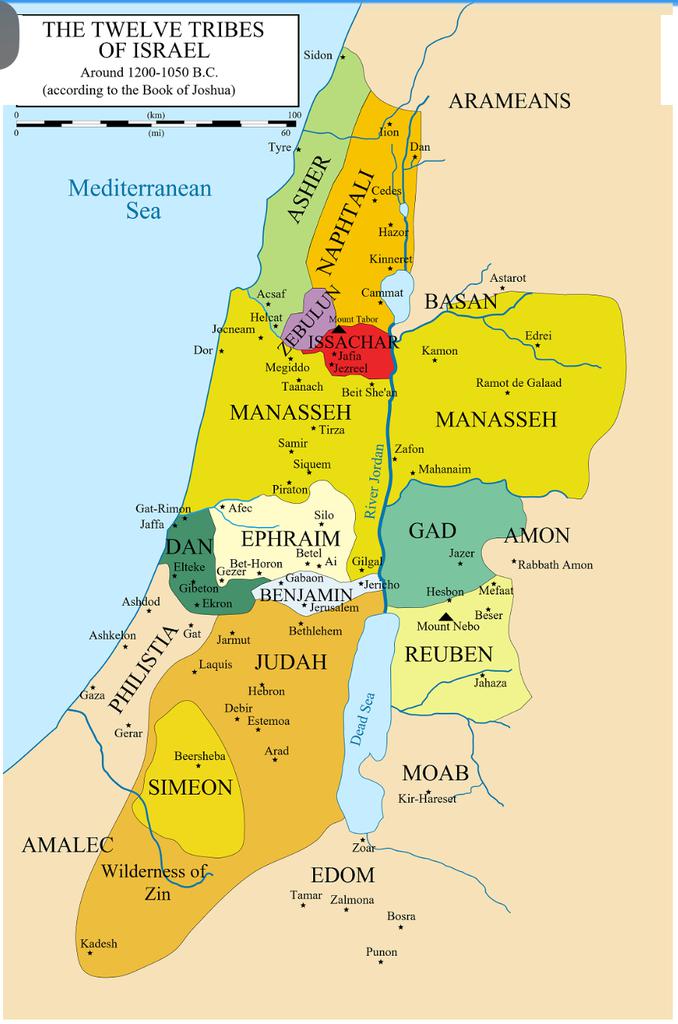
(א) וַיְדַבֵּ֥ר יְהֹוָ֖ה אֶל־מֹשֶׁ֥ה לֵּאמֹֽר׃ (ב) צַ֞ו אֶת־בְּנֵ֤י יִשְׂרָאֵל֙ וְאָמַרְתָּ֣ אֲלֵהֶ֔ם כִּֽי־אַתֶּ֥ם בָּאִ֖ים אֶל־הָאָ֣רֶץ כְּנָ֑עַן זֹ֣את הָאָ֗רֶץ אֲשֶׁ֨ר תִּפֹּ֤ל לָכֶם֙ בְּֽנַחֲלָ֔ה אֶ֥רֶץ כְּנַ֖עַן לִגְבֻלֹתֶֽיהָ׃ (ג) וְהָיָ֨ה לָכֶ֧ם פְּאַת־נֶ֛גֶב מִמִּדְבַּר־צִ֖ן עַל־יְדֵ֣י אֱד֑וֹם וְהָיָ֤ה לָכֶם֙ גְּב֣וּל נֶ֔גֶב מִקְצֵ֥ה יָם־הַמֶּ֖לַח קֵֽדְמָה׃ (ד) וְנָסַ֣ב לָכֶם֩ הַגְּב֨וּל מִנֶּ֜גֶב לְמַעֲלֵ֤ה עַקְרַבִּים֙ וְעָ֣בַר צִ֔נָה (והיה) [וְהָיוּ֙] תּֽוֹצְאֹתָ֔יו מִנֶּ֖גֶב לְקָדֵ֣שׁ בַּרְנֵ֑עַ וְיָצָ֥א חֲצַר־אַדָּ֖ר וְעָבַ֥ר עַצְמֹֽנָה׃ (ה) וְנָסַ֧ב הַגְּב֛וּל מֵעַצְמ֖וֹן נַ֣חְלָה מִצְרָ֑יִם וְהָי֥וּ תוֹצְאֹתָ֖יו הַיָּֽמָּה׃ (ו) וּגְב֣וּל יָ֔ם וְהָיָ֥ה לָכֶ֛ם הַיָּ֥ם הַגָּד֖וֹל וּגְב֑וּל זֶֽה־יִהְיֶ֥ה לָכֶ֖ם גְּב֥וּל יָֽם׃ (ז) וְזֶֽה־יִהְיֶ֥ה לָכֶ֖ם גְּב֣וּל צָפ֑וֹן מִן־הַיָּם֙ הַגָּדֹ֔ל תְּתָא֥וּ לָכֶ֖ם הֹ֥ר הָהָֽר׃ (ח) מֵהֹ֣ר הָהָ֔ר תְּתָא֖וּ לְבֹ֣א חֲמָ֑ת וְהָי֛וּ תּוֹצְאֹ֥ת הַגְּבֻ֖ל צְדָֽדָה׃ (ט) וְיָצָ֤א הַגְּבֻל֙ זִפְרֹ֔נָה וְהָי֥וּ תוֹצְאֹתָ֖יו חֲצַ֣ר עֵינָ֑ן זֶֽה־יִהְיֶ֥ה לָכֶ֖ם גְּב֥וּל צָפֽוֹן׃ (י) וְהִתְאַוִּיתֶ֥ם לָכֶ֖ם לִגְב֣וּל קֵ֑דְמָה מֵחֲצַ֥ר עֵינָ֖ן שְׁפָֽמָה׃ (יא) וְיָרַ֨ד הַגְּבֻ֧ל מִשְּׁפָ֛ם הָרִבְלָ֖ה מִקֶּ֣דֶם לָעָ֑יִן וְיָרַ֣ד הַגְּבֻ֔ל וּמָחָ֛ה עַל־כֶּ֥תֶף יָם־כִּנֶּ֖רֶת קֵֽדְמָה׃ (יב) וְיָרַ֤ד הַגְּבוּל֙ הַיַּרְדֵּ֔נָה וְהָי֥וּ תוֹצְאֹתָ֖יו יָ֣ם הַמֶּ֑לַח זֹאת֩ תִּהְיֶ֨ה לָכֶ֥ם הָאָ֛רֶץ לִגְבֻלֹתֶ֖יהָ סָבִֽיב׃
(1) יהוה spoke to Moses, saying: (2) Instruct the Israelite people and say to them: When you enter the land of Canaan, this is the land that shall fall to you as your portion, the land of Canaan with its various boundaries: (3) Your southern sector shall extend from the wilderness of Zin alongside Edom. Your southern boundary shall start on the east from the tip of the Dead Sea. (4) Your boundary shall then turn to pass south of the ascent of Akrabbim and continue to Zin, and its limits shall be south of Kadesh-barnea, reaching Hazar-addar and continuing to Azmon. (5) From Azmon the boundary shall turn toward the Wadi of Egypt and terminate at the Sea. (6) For the western boundary you shall have the coast of the Great Sea; that shall serve as your western boundary. (7) This shall be your northern boundary: Draw a line from the Great Sea to Mount Hor; (8) from Mount Hor draw a line to Lebo-hamath, and let the boundary reach Zedad. (9) The boundary shall then run to Ziphron and terminate at Hazar-enan. That shall be your northern boundary. (10) For your eastern boundary you shall draw a line from Hazar-enan to Shepham. (11) From Shepham the boundary shall descend to Riblah on the east side of Ain; from there the boundary shall continue downward and abut on the eastern slopes of the Sea of Chinnereth. (12) The boundary shall then descend along the Jordan and terminate at the Dead Sea. That shall be your land as defined by its boundaries on all sides.
(ט) וַיֹּ֨אמֶר יְהֹוָ֜ה אֵלַ֗י אַל־תָּ֙צַר֙ אֶת־מוֹאָ֔ב וְאַל־תִּתְגָּ֥ר בָּ֖ם מִלְחָמָ֑ה כִּ֠י לֹֽא־אֶתֵּ֨ן לְךָ֤ מֵֽאַרְצוֹ֙ יְרֻשָּׁ֔ה כִּ֣י לִבְנֵי־ל֔וֹט נָתַ֥תִּי אֶת־עָ֖ר יְרֻשָּֽׁה׃
(9) And יהוה said to me: Do not harass the Moabites or provoke them to war. For I will not give you any of their land as a possession; I have assigned Ar as a possession to the descendants of Lot.—
Discussion Questions:
1. Why does God say this?
2. What do we learn about our possession of the land?
תָּנוּ רַבָּנַן: לְעוֹלָם יָדוּר אָדָם בְּאֶרֶץ יִשְׂרָאֵל אֲפִילּוּ בְּעִיר שֶׁרוּבָּהּ גּוֹיִם, וְאַל יָדוּר בְּחוּצָה לָאָרֶץ וַאֲפִילּוּ בְּעִיר שֶׁרוּבָּהּ יִשְׂרָאֵל, שֶׁכׇּל הַדָּר בְּאֶרֶץ יִשְׂרָאֵל דּוֹמֶה כְּמִי שֶׁיֵּשׁ לוֹ אֱלוֹקַּ, וְכׇל הַדָּר בְּחוּצָה לָאָרֶץ דּוֹמֶה כְּמִי שֶׁאֵין לוֹ אֱלוֹקַּ. שֶׁנֶּאֱמַר: ״לָתֵת לָכֶם אֶת אֶרֶץ כְּנַעַן לִהְיוֹת לָכֶם לֵאלֹהִים״. וְכֹל שֶׁאֵינוֹ דָּר בָּאָרֶץ אֵין לוֹ אֱלוֹקַּ? אֶלָּא לוֹמַר לָךְ: כׇּל הַדָּר בְּחוּצָה לָאָרֶץ כְּאִילּוּ עוֹבֵד עֲבוֹדָה זָרָה. וְכֵן בְּדָוִד הוּא אוֹמֵר: ״כִּי גֵרְשׁוּנִי הַיּוֹם מֵהִסְתַּפֵּחַ בְּנַחֲלַת ה׳ לֵאמֹר לֵךְ עֲבוֹד אֱלֹקִים אֲחֵרִים״, וְכִי מִי אָמַר לוֹ לְדָוִד לֵךְ עֲבוֹד אֱלֹקִים אֲחֵרִים? אֶלָּא לוֹמַר לָךְ: כׇּל הַדָּר בְּחוּצָה לָאָרֶץ — כְּאִילּוּ עוֹבֵד עֲבוֹדָה זָרָה. רַבִּי זֵירָא הֲוָה קָמִשְׁתְּמִיט מִינֵּיהּ דְּרַב יְהוּדָה דִּבְעָא לְמִיסַּק לְאֶרֶץ יִשְׂרָאֵל, דְּאָמַר רַב יְהוּדָה: כׇּל הָעוֹלֶה מִבָּבֶל לְאֶרֶץ יִשְׂרָאֵל עוֹבֵר בַּעֲשֵׂה, שֶׁנֶּאֱמַר: ״בָּבֶלָה יוּבָאוּ וְשָׁמָּה יִהְיוּ עַד יוֹם פׇּקְדִי אוֹתָם נְאֻם ה׳״.
§ In relation to the basic point raised by the mishna concerning living in Eretz Yisrael, the Sages taught: A person should always reside in Eretz Yisrael, even in a city that is mostly populated by gentiles, and he should not reside outside of Eretz Yisrael, even in a city that is mostly populated by Jews. The reason is that anyone who resides in Eretz Yisrael is considered as one who has a God, and anyone who resides outside of Eretz Yisrael is considered as one who does not have a God. As it is stated: “To give to you the land of Canaan, to be your God” (Leviticus 25:38). The Gemara expresses surprise: And can it really be said that anyone who resides outside of Eretz Yisrael has no God? Rather, this comes to tell you that anyone who resides outside of Eretz Yisrael is considered as though he is engaged in idol worship. And so it says with regard to David: “For they have driven me out this day that I should not cleave to the inheritance of the Lord, saying: Go, serve other gods” (I Samuel 26:19). But who said to David: Go, serve other gods? Rather, this comes to tell you that anyone who resides outside of Eretz Yisrael is considered as though he is engaged in idol worship. § The Gemara relates: Rabbi Zeira was avoiding being seen by his teacher, Rav Yehuda, as Rabbi Zeira sought to ascend to Eretz Yisrael and his teacher disapproved. As Rav Yehuda said: Anyone who ascends from Babylonia to Eretz Yisrael transgresses a positive mitzva, as it is stated: “They shall be taken to Babylonia and there they shall remain until the day that I recall them, said the Lord” (Jeremiah 27:22).
Discussion Questions:
1. What does it mean that one who resides outside of Israel is like one who has no God?
2. What is the connection between the land and God?
3. This Gemara seems to contradict itself. Rav Yehuda says we actually shouldn't live in the land post-expulsion because it will be God who brings us back during redemption. What do you think of this argument? Why does the Talmud maintain both contradictions?
דָּרַשׁ רַבִּי שִׂמְלַאי: מִפְּנֵי מָה נִתְאַוָּה מֹשֶׁה רַבֵּינוּ לִיכָּנֵס לְאֶרֶץ יִשְׂרָאֵל? וְכִי לֶאֱכוֹל מִפִּרְיָהּ הוּא צָרִיךְ?! אוֹ לִשְׂבּוֹעַ מִטּוּבָהּ הוּא צָרִיךְ?! אֶלָּא כָּךְ אָמַר מֹשֶׁה: הַרְבֵּה מִצְוֹת נִצְטַוּוּ יִשְׂרָאֵל, וְאֵין מִתְקַיְּימִין אֶלָּא בְּאֶרֶץ יִשְׂרָאֵל. אֶכָּנֵס אֲנִי לָאָרֶץ כְּדֵי שֶׁיִּתְקַיְּימוּ כּוּלָּן עַל יָדִי. אָמַר לוֹ הַקָּדוֹשׁ בָּרוּךְ הוּא: כְּלוּם אַתָּה מְבַקֵּשׁ אֶלָּא לְקַבֵּל שָׂכָר? מַעֲלֶה אֲנִי עָלֶיךָ כְּאִילּוּ עֲשִׂיתָם.
Rabbi Samlai taught: For what reason did Moses our teacher greatly desire to enter Eretz Yisrael? Did he need to eat of its produce, or did he need to satisfy himself from its goodness? Rather, this is what Moses said: Many mitzvot were commanded to the Jewish people, and some of them can be fulfilled only in Eretz Yisrael, so I will enter the land in order that they can all be fulfilled by me. The Holy One, Blessed be He, said to him: Do you seek to enter the land to perform these mitzvot for any reason other than to receive a reward? I will ascribe you credit as if you had performed them and you will receive your reward.
Discussion Questions:
1. This text seems to suggest that the purpose of Israel could just be religious fulfillment of the commandments. Does God’s response support that?
2. If there were mitzvot (or things that you desperately wanted to participate in) that you could only do in a specific place, would you try and get there? To what end?
“Israel as Memory” by Rabbi Abraham Joshua Herschel in Moral Grandeur and Spiritual Audacity, ed. By Susannah Herschel (1996)
Why did our hearts and minds throughout the ages turn to Eretz Israel, to the Holy Land? Because of memory, because of hope, because of distress… After the destruction of Jerusalem, the city did not simply become a vague memory of the distant past; it continued to live as an inspiration in the hearts and minds of the people. Jerusalem became a central hope, a symbol of all hopes. It became the recurring theme of our liturgy. Thus even when the minds were not aware of it, the words reminded us, the words cried for the restoration of Zion and intensified the link, the attachment… We pray for her recovery, we pray for her redemption, for her prosperity and for her peace… The Jew in whose heart the love of Zion dies is doomed to lose his faith in the God of Abraham, who gave the land as an earnest of the redemption of all men.
HaTikvah “The Hope” (composed in 1897 and was the unofficial anthem for the early Zionist movements before becoming the State of Israel's national anthem in 2004)
כֹּל עוֹד בַּלֵּבָב פְּנִימָה נֶפֶשׁ יְהוּדִי הוֹמִיָּה, וּלְפַאֲתֵי מִזְרָח, קָדִימָה, עַיִן לְצִיּוֹן צוֹפִיָּה ,עוֹד לֹא אָבְדָה תִּקְוָתֵנוּ, הַתִּקְוָה בַּת שְׁנוֹת אַלְפַּיִם, לִהְיוֹת עַם חָפְשִׁי בְּאַרְצֵנוּ, אֶרֶץ צִיּוֹן וִירוּשָׁלַיִם.
As long as the Jewish spirit is yearning deep in the heart, with eyes turned toward the East, looking toward Zion, then our hope - the 2000 year old hope - will not be lost: to be a free people in our land, the land of Zion and Jerusalem.
Theodor Herzl, Der Judenstaat (The Jewish State), 1896
Herzl (1860 – 1904) was an Austro-Hungarian journalist, playwright, political activist, and writer best known for his vision of modern political Zionism.
We are a people-one people. We have sincerely tried everywhere to merge with the national communities in which we live, seeking only to preserve the faith of our fathers. It is not permitted us. In vain are we loyal patriots, sometimes superloyal; in vain do we make the same sacrifices of life and property as our fellow citizens; in vain do we strive to enhance the fame of our native lands in the arts and sciences, or her wealth by trade and commerce. In our native lands where we have lived for centuries we are still decried as aliens, often by men whose ancestors had not yet come at a time when Jewish sighs had long been heard in the country…
Anti-semitism increases day by day and hour by hour among the nations; indeed it is bound to increase, because the causes of its growth continue to exist and are ineradicable…The whole plan is essentially simple. Let sovereignty be granted to us over a portion of the globe adequate to meet our national requirements… The Jews who will it shall achieve their State. We shall live at last as free men on our own soil, and in our own homes peacefully die. The world will be liberated by our freedom, enriched by our wealth, magnified by our greatness. And whatever we attempt there for our own benefit will resound mightily and beneficially to the good of all mankind.
“The State of Israel and the Jewish Problem” by Ahad Ha’am (1897)
Ahad Ha’am (born Asher Zvi Hirsch Ginsberg in Ukraine) (1856-1927) was a Hebrew essayist and an early Zionist leader best known as the founder of cultural Zionism, which envisioned a Jewish “spiritual center” in the land of Israel. He moved to Tel Aviv in 1922.
Judaism seeks to return to its historic center in order to live a life of natural development therein, to bring its powers into play in every arena of human culture, It needs not an independent State, but only the creation of conditions favorable to its development: a good-sized settlement of Jews working without hindrance in every branch of culture, from agriculture and handicrafts to science and literature. This Jewish settlement… will become, over the course of time, the center of the nation… Then from this center the spirit of Judaism will go forth to the great “circumference,” to all the communities of the Diaspora, and will breathe new life into them and preserve their unity; and when our national culture in Palestine has attained that level, we may be confident that it will produce men in the country who will be able, in due time, to establish a State - not only a State of Jews, but truly a Jewish State.
R. Abraham Isaac Kook, Eretz Yisrael (The Land of Israel), 1910-1930
Abraham Isaac Kook (1865-1935) lived and wrote before the formal founding of the state of Israel, and he was the first Ashkenazi Chief Rabbi of the proto-state. He is a renowned Torah scholar, known by many simply as HaRav (the Rav, or the Rabbi). He was one of the most celebrated and influential rabbis of the 20th century.
Eretz Yisrael is not something apart from the soul of the Jewish people; it is no mere national possession serving as a means of unifying our people and buttressing its material, or even its spiritual survival. Eretz Yisrael is part of the very essence of our nationhood; it is bound organically to its very life and inner being. To regard Eretz Yisrael as merely a tool for establishing our national unity - or even for sustaining our religion in the Diaspora by preserving its proper character and its faith, piety, and observances - is a sterile notion; it is unworthy of the holiness of Eretz Yisrael. The hope for the return to the Holy Land is the continuing source of the distinctive nature of Judaism. The hope for the Redemption is the force that sustains Judaism in the Diaspora; the Judaism of Eretz Yisrael is the very Redemption.
The Basel Program (1897)
The first Zionist Congress, convened in the Swiss city of Basel, was held in August 1897. During the Congress, a definition of Zionism was approved by the delegates, passing through fraught discussion and compromise.
The aim of Zionism is to create for the Jewish people a home in Palestine secured by public law.
The Congress contemplates the following means to the attainment of this end:
1. The promotion, by appropriate means, of the settlement of Palestine by Jewish farmers, artisans, and tradesmen.
2. The organization and uniting of the whole of Jewry by means of appropriate institutions, local and international in accordance with the laws of each country.
3. The strengthening and fostering of Jewish national sentiment and national consciousness.
4. Preparatory steps towards obtaining government consent, where necessary, to reach the goals of Zionism.
