




 Save
Save Copy
Copy Add to Collection
 Export to Google Docs
 Share
Share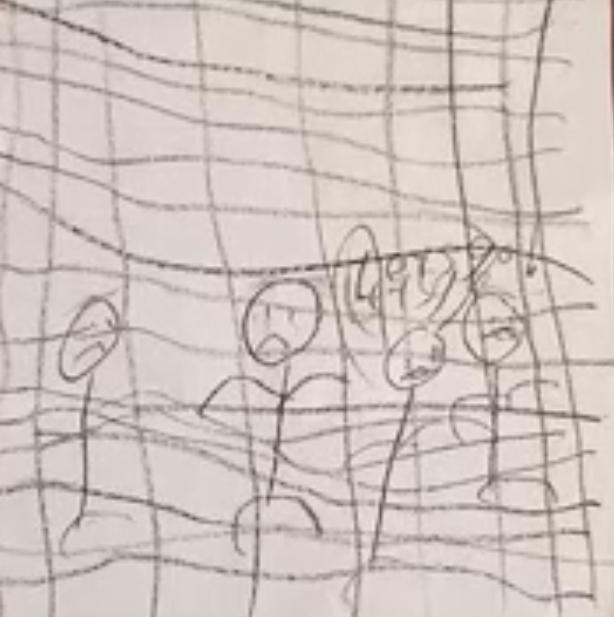

(ג) וְאָמַ֤ר פַּרְעֹה֙ לִבְנֵ֣י יִשְׂרָאֵ֔ל נְבֻכִ֥ים הֵ֖ם בָּאָ֑רֶץ סָגַ֥ר עֲלֵיהֶ֖ם הַמִּדְבָּֽר׃
(3) Pharaoh will say of the Israelites, “They are astray in the land; the wilderness has closed in on them.”
(JPS translation)
Pharaoh will say of the Israelites: they are entangled/perplexed/confused in the land; the wilderness has shut them in. (my translation)
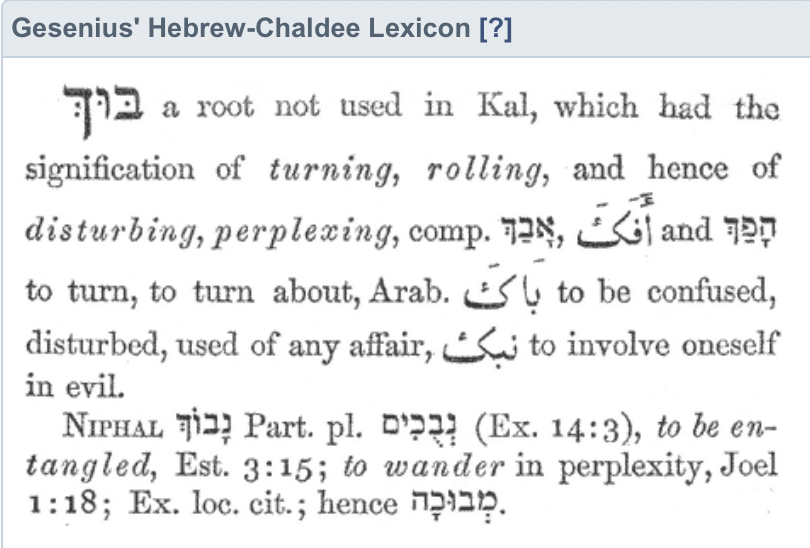
(טו) הָֽרָצִ֞ים יָצְא֤וּ דְחוּפִים֙ בִּדְבַ֣ר הַמֶּ֔לֶךְ וְהַדָּ֥ת נִתְּנָ֖ה בְּשׁוּשַׁ֣ן הַבִּירָ֑ה וְהַמֶּ֤לֶךְ וְהָמָן֙ יָשְׁב֣וּ לִשְׁתּ֔וֹת וְהָעִ֥יר שׁוּשָׁ֖ן נָבֽוֹכָה׃ {ס}
(15) The couriers went out posthaste on the royal mission, and the decree was proclaimed in the fortress Shushan. The king and Haman sat down to feast, but the city of Shushan was dumbfounded.
(יח) מַה־נֶּאֶנְחָ֣ה בְהֵמָ֗ה נָבֹ֙כוּ֙עֶדְרֵ֣י בָקָ֔ר כִּ֛י אֵ֥ין מִרְעֶ֖ה לָהֶ֑ם גַּם־עֶדְרֵ֥י הַצֹּ֖אן נֶאְשָֽׁמוּ׃
(18) How the animals groan! The herds of cattle are bewildered Because they have no pasture, And the flocks of sheep are dazed.
(א)נָבֻכוּ. נִתְעַרְבְּלוּ וְנִסְגְּרוּ וְתָעוּ בַּיְּעָרִים וּבַמִּדְבָּרוֹת:
(1)herds of cattle are perplexed—They are confounded. They are closed in and astray in the forests and in the wilderness.
"the wilderness has 'closed in' upon them"...
The verb here: סָגַ֥ר. In the qal binyan it means: to shut, to close, close up, closed up, closely joined, to shut up.
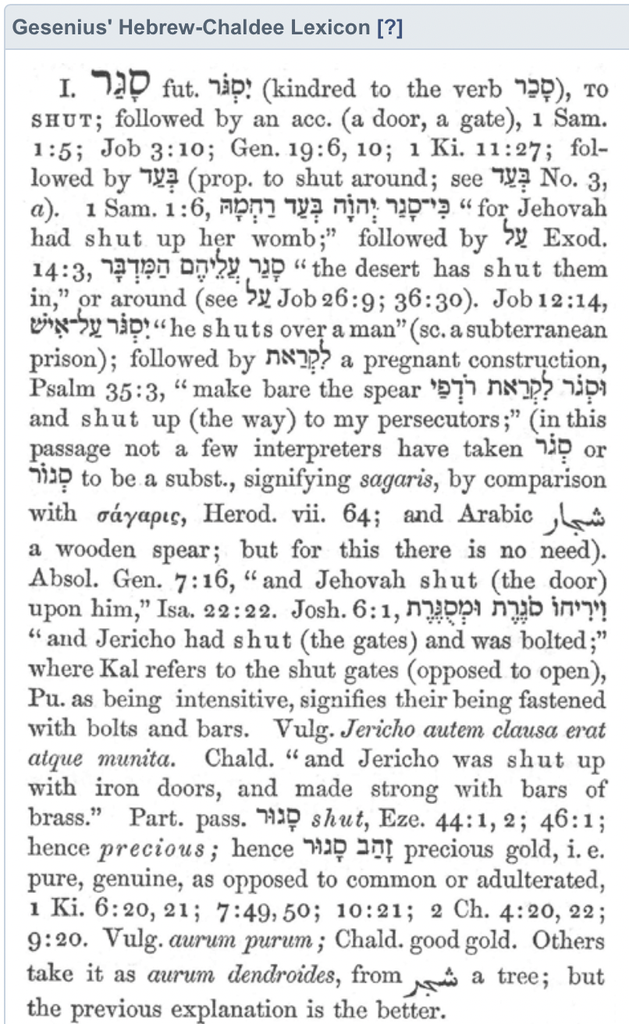
(י) נִשְׁבְּרָ֖ה קִרְיַת־תֹּ֑הוּ סֻגַּ֥ר כׇּל־בַּ֖יִת מִבּֽוֹא׃
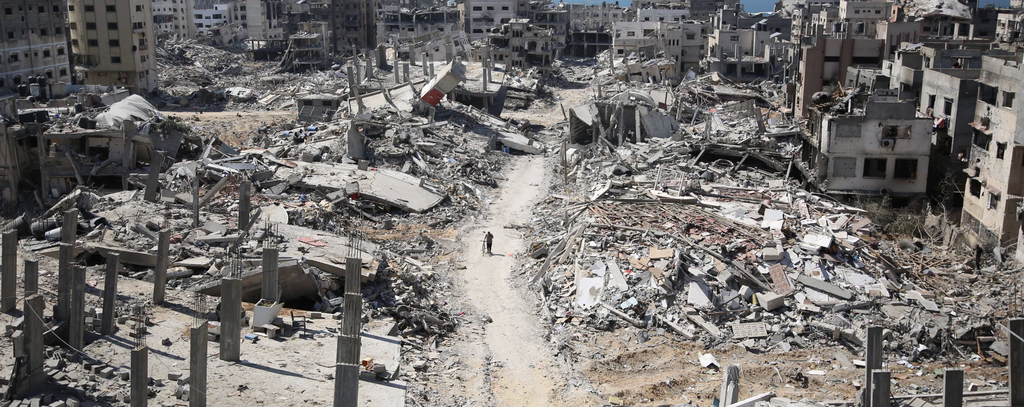
(10)Towns are broken, empty;
Every house is shut, none enter;
(יד) הֵ֣ן יַ֭הֲרוֹס וְלֹ֣א יִבָּנֶ֑ה יִסְגֹּ֥ר עַל־אִ֝֗ישׁ וְלֹ֣א יִפָּתֵֽחַ׃
(14)Whatever [God] tears down cannot be rebuilt; Whoever is imprisoned cannot be set free.
(ח) צֹרֵֽר־מַ֥יִם בְּעָבָ֑יו וְלֹֽא־נִבְקַ֖ע עָנָ֣ן תַּחְתָּֽם׃ (ט) מְאַחֵ֥ז פְּנֵֽי־כִסֵּ֑ה פַּרְשֵׁ֖ז עָלָ֣יו עֲנָנֽוֹ׃ (י) חֹֽק־חָ֭ג עַל־פְּנֵי־מָ֑יִם עַד־תַּכְלִ֖ית א֣וֹר עִם־חֹֽשֶׁךְ׃
(8)The waters were wrapped up in God’s clouds;Yet no cloud burst under their weight.(9)[God] shuts off the view of the heavenly throne,Spreading a cloud over it, (10)Drawing a boundary on the surface of the waters, At the extreme where light and darkness meet.
(יד) שָֽׁמְע֥וּ עַמִּ֖ים יִרְגָּז֑וּן חִ֣יל אָחַ֔ז יֹשְׁבֵ֖י פְּלָֽשֶׁת׃
(14)The peoples hear, they tremble; Agony grips the dwellers in Philistia.
(יז) בִּנְפֹ֣ל (אויביך)[א֭וֹיִבְךָ] אַל־תִּשְׂמָ֑ח וּ֝בִכָּשְׁל֗וֹ אַל־יָגֵ֥ל לִבֶּֽךָ׃
(17)If your enemies fall, do not exult;If they trip, let your heart not rejoice,
וּמִי חָדֵי קוּדְשָׁא בְּרִיךְ הוּא בְּמַפַּלְתָּן שֶׁל רְשָׁעִים? הָכְתִיב: ״בְּצֵאת לִפְנֵי הֶחָלוּץ וְאֹמְרִים הוֹדוּ לַה׳ כִּי לְעוֹלָם חַסְדּוֹ״. וְאָמַר רַבִּי יוֹנָתָן: מִפְּנֵי מָה לֹא נֶאֱמַר בְּהוֹדָאָה זוֹ ״כִּי טוֹב״? לְפִי שֶׁאֵין הַקָּדוֹשׁ בָּרוּךְ הוּא שָׂמֵחַ בְּמַפַּלְתָּן שֶׁל רְשָׁעִים. דְּאָמַר רַבִּי שְׁמוּאֵל בַּר נַחְמָן אָמַר רַבִּי יוֹנָתָן: מַאי דִּכְתִיב ״וְלֹא קָרַב זֶה אֶל זֶה כׇּל הַלָּיְלָה״? בְּאוֹתָהּ שָׁעָה בִּקְּשׁוּ מַלְאֲכֵי הַשָּׁרֵת לוֹמַר שִׁירָה לִפְנֵי הַקָּדוֹשׁ בָּרוּךְ הוּא. אָמַר לָהֶן הַקָּדוֹשׁ בָּרוּךְ הוּא: מַעֲשֵׂה יָדַי טוֹבְעִין בַּיָּם וְאַתֶּם אוֹמְרִים שִׁירָה לְפָנַי?
The Gemara asks: But is the Holy One, Blessed be He, gladdened by the downfall of the wicked? Isn’t it written in the verse describing the victory of the Jewish people in battle: “He appointed them that should sing unto the Lord, and praise in the beauty of holiness, as they went out before the army, and say: Give thanks to the Lord, for His mercy endures forever” (II Chronicles 20:21). And Rabbi Yonatan says: For what reason is it not stated in this praise: “Give thanks to the Lord for He is good, for His mercy endures forever,” as is stated elsewhere, e.g., Psalms 118:1? This is because the Holy One, Blessed be He, is not gladdened by the downfall of the wicked.The Gemara comments: As Rabbi Shmuel bar Naḥman says that Rabbi Yonatan says: What is the meaning of that which is written in the passage describing the splitting of the Red Sea: “And the one came not near the other all the night” (Exodus 14:20)? At that time the ministering angels desired to recite a song before the Holy One, Blessed be He. The Holy One, Blessed be He, said to them: My handiwork, i.e., the Egyptians, are drowning in the sea, and you are reciting a song before Me? Apparently, God is not gladdened by the downfall of the wicked.
וּמִי חָדֵי הַקָּדוֹשׁ בָּרוּךְ הוּא בְּמַפַּלְתָּן שֶׁל רְשָׁעִים? וְהָא כְּתִיב: ״בְּצֵאת לִפְנֵי הֶחָלוּץ וְאוֹמְרִים הוֹדוּ לַה׳ כִּי לְעוֹלָם חַסְדּוֹ״, וְאָמַר רַבִּי יוֹחָנָן: מִפְּנֵי מָה לֹא נֶאֱמַר ״כִּי טוֹב״ בְּהוֹדָאָה זוֹ? לְפִי שֶׁאֵין הַקָּדוֹשׁ בָּרוּךְ הוּא שָׂמֵחַ בְּמַפַּלְתָּן שֶׁל רְשָׁעִים. וְאָמַר רַבִּי יוֹחָנָן, מַאי דִּכְתִיב: ״וְלֹא קָרַב זֶה אֶל זֶה כׇּל הַלָּיְלָה״ — בִּקְּשׁוּ מַלְאֲכֵי הַשָּׁרֵת לוֹמַר שִׁירָה, אָמַר הַקָּדוֹשׁ בָּרוּךְ הוּא: מַעֲשֵׂה יָדַי טוֹבְעִין בַּיָּם, וְאַתֶּם אוֹמְרִים שִׁירָה?
Rabbi Yehoshua ben Levi asked: Does the Holy One, Blessed be He, in fact rejoice over the downfall of the wicked? But it is written: “As they went out before the army, and say: Give thanks to the Lord, for His kindness endures forever” (II Chronicles 20:21), and Rabbi Yoḥanan said: For what reason were the words: “for He is good” not stated in this statement of thanksgiving, as the classic formulation is: “Give thanks to the Lord; for He is good; for His kindness endures forever” (I Chronicles 16:34)? Because the Holy One, Blessed be He, does not rejoice over the downfall of the wicked. Since this song was sung in the aftermath of a military victory, which involved the downfall of the wicked, the name of God was not mentioned for the good. And similarly, Rabbi Yoḥanan said: What is the meaning of that which is written: “And the one came not near the other all the night” (Exodus 14:20)? The ministering angels wanted to sing their song, for the angels would sing songs to each other, as it states: “And they called out to each other and said” (Isaiah 6:3), but the Holy One, Blessed be He, said: The work of My hands, the Egyptians, are drowning at sea, and you wish to say songs? This indicates that God does not rejoice over the downfall of the wicked.
(יז) לֹֽא־תִשְׂנָ֥א אֶת־אָחִ֖יךָ בִּלְבָבֶ֑ךָ הוֹכֵ֤חַ תּוֹכִ֙יחַ֙ אֶת־עֲמִיתֶ֔ךָ וְלֹא־תִשָּׂ֥א עָלָ֖יו חֵֽטְא׃
(17) You shall not hate your kinsfolk in your heart. Reprove/ rebuke your kindred but incur no guilt on their account.
(יח) וְאֹ֣רַח צַ֭דִּיקִים כְּא֣וֹר נֹ֑גַהּ הוֹלֵ֥ךְ וָ֝א֗וֹר עַד־נְכ֥וֹן הַיּֽוֹם׃
(18)The path of the righteous is like radiant sunlight, Ever brightening until noon.

(ג) וְהַ֨מַּשְׂכִּלִ֔ים יַזְהִ֖רוּ כְּזֹ֣הַר הָרָקִ֑יעַ וּמַצְדִּיקֵי֙ הָֽרַבִּ֔ים כַּכּוֹכָבִ֖ים לְעוֹלָ֥ם וָעֶֽד׃ {פ}
(3) And the knowledgeable will be radiant like the bright expanse of sky, and those who lead the many to righteousness will be like the stars forever and ever.
