




 Save
Save Copy
Copy Add to Collection
 Export to Google Docs
 Share
ShareSpotify | Apple Podcasts | YouTube
Link to Substack post: here
(א) וַיְדַבֵּ֥ר יהוה אֶל־מֹשֶׁ֥ה לֵּאמֹֽר׃ (ב) דַּבֵּר֙ אֶל־בְּנֵ֣י יִשְׂרָאֵ֔ל וְיִקְחוּ־לִ֖י תְּרוּמָ֑ה מֵאֵ֤ת כׇּל־אִישׁ֙ אֲשֶׁ֣ר יִדְּבֶ֣נּוּ לִבּ֔וֹ תִּקְח֖וּ אֶת־תְּרוּמָתִֽי׃ (ג) וְזֹאת֙ הַתְּרוּמָ֔ה אֲשֶׁ֥ר תִּקְח֖וּ מֵאִתָּ֑ם זָהָ֥ב וָכֶ֖סֶף וּנְחֹֽשֶׁת׃
(1) GOD spoke to Moses, saying: (2) Tell the Israelite people to bring Me gifts; you shall accept gifts for Me from every person whose heart is so moved. (3) And these are the gifts that you shall accept from them: gold, silver, and copper;
Everett Fox
(1) Speak to the Children of Israel,
that they may take me a raised-contribution;
from every man whose heart makes-him-willing, you are to take my contribution. (2) And this is the contribution that you are to take from them:
gold, silver, and bronze,
תרומה. הַפְרָשָׁה, יַפְרִישׁוּ לִי מִמָּמוֹנָם נְדָבָה:
תרומה is something set apart (cf. Onkelos); the meaning is: let them set apart from their possessions a voluntary gift in My honour.
ידבנו לבו. לְשׁוֹן נְדָבָה וְהוּא לְשׁוֹן רָצוֹן טוֹב, פיישנ"ט בְּלַעַז:
ידבנו לבו — The word ידבנו is of the same root as נדבה (the נ in the latter being replaced by the Dagesh in the ד); it is a term denoting “good-will”, apaisement in old French (cf. Rashi on Genesis 33:10 and Leviticus 19:5).
(י) וַיֹּ֣אמֶר יַעֲקֹ֗ב אַל־נָא֙ אִם־נָ֨א מָצָ֤אתִי חֵן֙ בְּעֵינֶ֔יךָ וְלָקַחְתָּ֥ מִנְחָתִ֖י מִיָּדִ֑י כִּ֣י עַל־כֵּ֞ן רָאִ֣יתִי פָנֶ֗יךָ כִּרְאֹ֛ת פְּנֵ֥י אֱלֹהִ֖ים וַתִּרְצֵֽנִי׃
(10) But Jacob said, “No, I pray you; if you would do me this favor, accept from me this gift; for to see your face is like seeing the face of God, and you have received me favorably.
(3) ותרצני AND THOU WAST PLEASED WITH ME — You are reconciled with me. Wherever the term רצה (the verb, or the noun רצון) occurs in Scripture it means “propitiating”; old French appaisement; English appeasing. An example is, (Leviticus 22:20) “It shall not be (לרצון) acceptable as a propitiatory sacrifice to you”, for the purpose of the sacrifices is to conciliate and to propitiate. Similarly (Proverbs 10:31) "The lips of the righteous know רצון — they understand to conciliate and propitiate.
(ה) וְכִ֧י תִזְבְּח֛וּ זֶ֥בַח שְׁלָמִ֖ים לַיהוה לִֽרְצֹנְכֶ֖ם תִּזְבָּחֻֽהוּ׃
(5) When you sacrifice an offering of well-being to GOD, sacrifice it so that it may be accepted in your behalf.
(3) לרצנכם thus means as much as apaisement in O. F., — “favourable acceptance”. This is the literal meaning of the verse. Our Rabbis, however, (taking the word in its primary sense of will, “intention”) learned from here as regards one who is handling (מתעסק) a sacrifice (קדשים) (when he does the act of Shechitah without the intention of doing this) that it becomes invalid, because it is required that he should intend to slaughter it (Zevachim 47a; Chullin 13a).
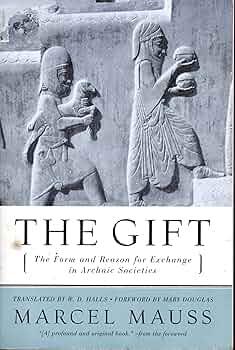
According to Marcel Mauss that is what is wrong with the free gift. A gift that does nothing to enhance solidarity is a contradiction.
Even the idea of a pure gift is a contradiction. By ignoring the universal custom of compulsory gifts we make our own record incomprehensible to ourselves: right across the globe and as far back as we can go in the history of human civilization, the major transfer of goods has been by cycles of obligatory returns of gifts.
Mauss’s early book with Henri Hubert (1889) on Sacrifice took for its central theme a Vedic principle that Sacrifice is a gift that compels the deity to make a return: Do ut des; I give so that you may give.
The Gift was like an injunction to record the entire credit structure of a community.
After examining the reciprocal gift-giving practices of each society, he finds in them common features, despite some variation. From the disparate evidence, he builds a case for a foundation to human society based on collective (vs. individual) exchange practices. In doing so, he refutes the English tradition of liberal thought, such as utilitarianism, as distortions of human exchange practices. He concludes by speculating that social welfare programs may be recovering some aspects of the morality of the gift within modern market economies.
(יט) עַל־כֵּ֞ן הַיְּהוּדִ֣ים (הפרוזים)[הַפְּרָזִ֗ים] הַיֹּשְׁבִים֮ בְּעָרֵ֣י הַפְּרָזוֹת֒ עֹשִׂ֗ים אֵ֠ת י֣וֹם אַרְבָּעָ֤ה עָשָׂר֙ לְחֹ֣דֶשׁ אֲדָ֔ר שִׂמְחָ֥ה וּמִשְׁתֶּ֖ה וְי֣וֹם ט֑וֹב וּמִשְׁלֹ֥חַ מָנ֖וֹת אִ֥ישׁ לְרֵעֵֽהוּ׃ {ס}
(19) That is why village Jews, who live in unwalled towns, observe the fourteenth day of the month of Adar and make it a day of merrymaking and feasting, and as a holiday and an occasion for sending gifts to one another.
(כב) כַּיָּמִ֗ים אֲשֶׁר־נָ֨חוּ בָהֶ֤ם הַיְּהוּדִים֙ מֵאֹ֣יְבֵיהֶ֔ם וְהַחֹ֗דֶשׁ אֲשֶׁר֩ נֶהְפַּ֨ךְ לָהֶ֤ם מִיָּגוֹן֙ לְשִׂמְחָ֔ה וּמֵאֵ֖בֶל לְי֣וֹם ט֑וֹב לַעֲשׂ֣וֹת אוֹתָ֗ם יְמֵי֙ מִשְׁתֶּ֣ה וְשִׂמְחָ֔ה וּמִשְׁלֹ֤חַ מָנוֹת֙ אִ֣ישׁ לְרֵעֵ֔הוּ וּמַתָּנ֖וֹת לָֽאֶבְיֹנִֽים׃
(22) the same days on which the Jews enjoyed relief from their foes and the same month that had been transformed for them from one of grief and mourning to one of festive joy. They were to observe them as days of feasting and merrymaking, and as an occasion for sending gifts to one another and presents to the poor.
Later authorities offer two basic reasons for this mitzvah. The Terumat Hadeshen (Rav Israel Isserlin [1390-1460], 111) viewed it as a practical way to ensure that everyone will have sufficient food for the festive Purim meal.
(ח) וַיֹּ֤אמֶר הָמָן֙ לַמֶּ֣לֶךְ אֲחַשְׁוֵר֔וֹשׁ יֶשְׁנ֣וֹ עַם־אֶחָ֗ד מְפֻזָּ֤ר וּמְפֹרָד֙ בֵּ֣ין הָֽעַמִּ֔ים בְּכֹ֖ל מְדִינ֣וֹת מַלְכוּתֶ֑ךָ וְדָתֵיהֶ֞ם שֹׁנ֣וֹת מִכׇּל־עָ֗ם וְאֶת־דָּתֵ֤י הַמֶּ֙לֶךְ֙ אֵינָ֣ם עֹשִׂ֔ים וְלַמֶּ֥לֶךְ אֵין־שֹׁוֶ֖ה לְהַנִּיחָֽם׃
(8) Haman then said to King Ahasuerus, “There is a certain people, scattered and dispersed among the other peoples in all the provinces of your realm, whose laws are different from those of any other people and who do not obey the king’s laws; and it is not in Your Majesty’s interest to tolerate them.
וּמַתָּנוֹת לָאֶבְיוֹנִים. תָּנֵי רַב יוֹסֵף: ״וּמִשְׁלוֹחַ מָנוֹת אִישׁ לְרֵעֵהוּ״ — שְׁתֵּי מָנוֹת לְאִישׁ אֶחָד. ״וּמַתָּנוֹת לָאֶבְיוֹנִים״ — שְׁתֵּי מַתָּנוֹת לִשְׁנֵי בְּנֵי אָדָם. רַבִּי יְהוּדָה נְשִׂיאָה שַׁדַּר לֵיהּ לְרַבִּי אוֹשַׁעְיָא אַטְמָא דְּעִיגְלָא תִּלְתָּא וְגַרְבָּא דְחַמְרָא, שְׁלַח לֵיהּ:
The mishna mentions: And gifts distributed to the poor. Rav Yosef taught a baraita that the verse states: “And of sending portions one to another” (Esther 9:22), indicating two portions to one person. The verse continues: “And gifts to the poor” (Esther 9:22), indicating two gifts to two people.The Gemara relates that, on Purim, Rabbi Yehuda Nesia sent to Rabbi Oshaya the leg of a third-born calf and a jug of wine. Rabbi Oshaya sent him a message of gratitude:
קִיַּימְתָּ בָּנוּ רַבֵּינוּ, ״וּמִשְׁלוֹחַ מָנוֹת אִישׁ לְרֵעֵהוּ וּמַתָּנוֹת לָאֶבְיוֹנִים״. רַבָּה שַׁדַּר לֵיהּ לְמָרֵי בַּר מָר בְּיַד אַבָּיֵי מְלֵא טַסְקָא דְקַשְׁבָּא וּמְלֵי כָּסָא קִמְחָא דַאֲבִשׁוּנָא. אֲמַר לֵיהּ אַבָּיֵי: הַשְׁתָּא אָמַר מָרִי: אִי חַקְלָאָה מַלְכָּא לֶיהֱוֵי — דִּיקּוּלָא מִצַּוְּארֵיהּ לָא נָחֵית. הֲדַר שַׁדַּר לֵיהּ אִיהוּ מְלֵא טַסְקָא דְזַנְגְּבִילָא וּמְלֵא כָּסָא דְּפִלְפְּלָתָא אֲרִיכָתָא. אֲמַר אַבָּיֵי: הַשְׁתָּא אָמַר מָר: אֲנָא שַׁדַּרִי לֵיהּ חוּלְיָא, וְאִיהוּ שַׁדַּר לִי חוּרְפָּא. אֲמַר אַבָּיֵי: כִּי נְפַקִי מִבֵּי מָר, הֲוָה שָׂבַעְנָא. כִּי מְטַאי לְהָתָם, קָרִיבוּ לִי שִׁיתִּין צָעֵי דְּשִׁיתִּין מִינֵי קְדֵירָה, וַאֲכַלִי בְּהוּ שִׁיתִּין פְּלוּגֵי. וּבִישּׁוּלָא בָּתְרָיְיתָא הֲווֹ קָרוּ לֵיהּ צְלִי קֵדָר, וּבְעַאי לְמִיכַּס צָעָא אַבָּתְרֵהּ. אָמַר אַבָּיֵי, הַיְינוּ דְּאָמְרִי אִינָשֵׁי: כָּפֵין עַנְיָא וְלָא יָדַע. אִי נָמֵי: רַוְוחָא לִבְסִימָא שְׁכִיחַ. אַבָּיֵי בַּר אָבִין וְרַבִּי חֲנִינָא בַּר אָבִין מְחַלְּפִי סְעוֹדְתַּיְיהוּ לַהֲדָדֵי.
You have fulfilled two mitzvot through us, our teacher: The mitzva of: “And sending portions one to another,” and the mitzva of: “And gifts to the poor,” as Rabbi Oshaya was poor and this was a substantial gift.
The Gemara relates that Rabba sent Purim portions from the house of the Exilarch to Marei bar Mar in the hands of Abaye, who was his nephew and student. The Purim portions consisted of a sack [taska] full of dates [kashva] and a cupful of roasted flour [kimḥa de’avshuna]. Abaye said to him: Now, Mari will say the popular expression: Even if a farmer becomes the king, the basket does not descend from his neck. Rabba was named the head of the yeshiva in Pumbedita, and nevertheless, he continued to send very plain gifts, because he was impoverished.
Marei bar Mar sent back to him a sack full of ginger and a cupful of long peppers [pilpalta arikha], a much more expensive gift. Abaye said to him: The master, Rabba, will now say: I sent him sweet items and he sent me pungent ones.
In describing that same incident, Abaye said: When I left the house of the master, Rabba, to go to Marei bar Mar, I was already satiated. However, when I arrived there at Marei bar Mar’s house, they served me sixty plates of sixty kinds of cooked dishes, and I ate sixty portions from each of them. The last dish was called pot roast, and I was still so hungry that I wanted to chew the plate afterward.And in continuation Abaye said: This explains the folk saying that people say: The poor man is hungry and does not know it, as Abaye was unaware how hungry he had been in his master’s house. Alternatively, there is another appropriate, popular expression: Room in the stomach for sweets can always be found.
The Gemara relates that Abaye bar Avin and Rabbi Ḥanina bar Avin would exchange their meals with each other to fulfill their obligation of sending portions on Purim.
כֵּיצַד חוֹבַת סְעֻדָּה זוֹ. שֶׁיֹּאכַל בָּשָׂר וִיתַקֵּן סְעֻדָּה נָאָה כְּפִי אֲשֶׁר תִּמְצָא יָדוֹ. וְשׁוֹתֶה יַיִן עַד שֶׁיִּשְׁתַּכֵּר וְיֵרָדֵם בְּשִׁכְרוּתוֹ. וְכֵן חַיָּב אָדָם לִשְׁלֹחַ שְׁתֵּי מְנוֹת בָּשָׂר אוֹ שְׁנֵי מִינֵי תַּבְשִׁיל אוֹ שְׁנֵי מִינֵי אֳכָלִין לַחֲבֵרוֹ שֶׁנֶּאֱמַר (אסתר ט יט) "וּמִשְׁלוֹחַ מָנוֹת אִישׁ לְרֵעֵהוּ", שְׁתֵּי מָנוֹת לְאִישׁ אֶחָד. וְכָל הַמַּרְבֶּה לִשְׁלֹחַ לְרֵעִים מְשֻׁבָּח. וְאִם אֵין לוֹ מַחֲלִיף עִם חֲבֵרוֹ זֶה שׁוֹלֵחַ לְזֶה סְעֻדָּתוֹ וְזֶה שׁוֹלֵחַ לְזֶה סְעֻדָּתוֹ כְּדֵי לְקַיֵּם וּמִשְׁלוֹחַ מָנוֹת אִישׁ לְרֵעֵהוּ:
What is the nature of our obligation for this feast? A person should eat meat and prepare as attractive a feast as his means permit. He should drink wine until he becomes intoxicated and falls asleep in a stupor.
Similarly, a person is obligated to send two portions of meat, two other cooked dishes, or two other foods to a friend, as implied by Esther 9:22, "sending portions of food one to another" - i.e., two portions to one friend. Whoever sends portions to many friends is praiseworthy.
If one does not have the means to send presents of food to a friend, one should exchange one's meal with him, each one sending the other what they had prepared for the Purim feast and in this way fulfill the mitzvah of sending presents of food to one's friends.
