Save
Save Copy
Copy Add to Collection
 Export to Google Docs
 Share
SharePlaceholder for Audio
Welcome and Opening Question
Questions and Follow-up from Previous Class
(ט) וַיַּ֥עַל מֹשֶׁ֖ה וְאַהֲרֹ֑ן נָדָב֙ וַאֲבִיה֔וּא וְשִׁבְעִ֖ים מִזִּקְנֵ֥י יִשְׂרָאֵֽל׃ (י) וַיִּרְא֕וּ אֵ֖ת אֱלֹהֵ֣י יִשְׂרָאֵ֑ל וְתַ֣חַת רַגְלָ֗יו כְּמַעֲשֵׂה֙ לִבְנַ֣ת הַסַּפִּ֔יר וּכְעֶ֥צֶם הַשָּׁמַ֖יִם לָטֹֽהַר׃ (יא) וְאֶל־אֲצִילֵי֙ בְּנֵ֣י יִשְׂרָאֵ֔ל לֹ֥א שָׁלַ֖ח יָד֑וֹ וַיֶּֽחֱזוּ֙ אֶת־הָ֣אֱלֹהִ֔ים וַיֹּאכְל֖וּ וַיִּשְׁתּֽוּ׃ {ס}
(9) Then Moses and Aaron, Nadab and Abihu, and seventy elders of Israel ascended; (10) and they saw the God of Israel—under whose feet was the likeness of a pavement of sapphire, like the very sky for purity. (11) Yet [God] did not raise a hand against the leaders of the Israelites; they beheld God, and they ate and drank.
Plan for this Class
- Today's Commentator: ibn Ezra
- Our Portion: Ki Tissa ("When you count") - to be read on Shabbat, March 7 (after Purim) - Place in the Torah, Contents, Selections, Commentaries
- Additional Portion: Zachor! ("Remember!") - the additional ("Maftir") reading of Shabbat, February 28 ("Shabbat Zachor," leading into Purim)
- Summary and Next Class
Today's Commentator: ibn Ezra
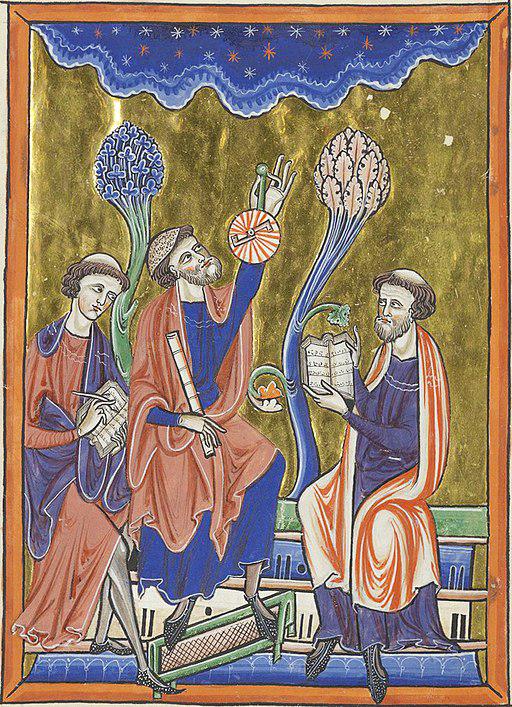
- "Poet, grammarian, biblical commentator, philosopher, astronomer, and physician." (Encyclopedia Judaica 8:1163)
- Born in Tudela, Spain
- Left Spain in 1140. Became a wandering scholar. Befriended many scholars, including Judah Halevi of Spain and Rabbenu Tam, grandson of Rashi.
- According to Samuel David Luzatto, he wrote at least 108 works.
(א) בשם הא-ל הגדול והנורא (ב) אחל לפרש פירוש התורה
(ג) אנא א-להי אבי אברהם. (ד) עשה חסד עם עבדך אברהם.
(ה) ויהי פתח דבריך מאיר. (ו) לעבדך בן עבדך מאיר.
(ז) ומישועת פניך תבא עזרה. (ח) לבן אמתך הנקרא בן עזרא:
(ט) זה ספר הישר לאברהם השר (י) ובעבותות הדקדוק נקשר
(יא) ובעיני הדעת יכשר (יב) וכל תומכו מאושר
(1) Invoking the name of the Great and Awe-inspiring God,
(2) I begin to explain the meaning of the Torah.
(3) I beseech thee, O God of my father Abraham,
(4) deal kindly with thy servant Abraham.
(5) May the opening of thy words give light [me'ir]
(6) to thy servant the son of thy servant Meir.
(7) And from [thy saving presence] may help come
(8) to the son of thy maid servant who is named Ben Ezra.
(9) This Book of [the Upright] composed by Abraham the poet,
(10) is bound by cords of grammar.
(11) The eyes of the intelligent will find it fit.
(12) All who take hold of it will be glad.
(יד) מפרשי התורה הולכים על חמשה דרכים
(14) Those who comment on the Torah do so in one of five ways.
(טו) הדרך האחת ארוכה ורחבה, ומנפשות אנשי דורנו נשגבה, ואם האמת כנקודה בתוך העגילה זאת הדרך כקו הרחב הוא החוט הסובב בתחלה, ובה דרכו גדולים, והמה חכמי הישיבות במלכות ישמעאלים...
(15) The first way (to Biblical interpretation) ranges far and wide (from the text). It is beyond the interest of our time. If truth be likened to a dot within a circle then this approach can be compared to the periphery of the circle, which goes round about only to return to its starting point. A number of great scholars chose this approach, namely, the wise men of the academies [yeshivot] in Moslem countries...
(טז) הדרך הב׳ בחרוה פתלתולים ואם הם ישראלים אשר חשבו כי עמדו על הנקודה בעצמה, והם לא ידעו את מקומה וזאת דרך הצדוקים, כענן ובנימין ובן משיח וישועה, וכן כל מי אשר בדברי מעתיקי הדת לא יאמין...
(16) A second approach is the one chosen by the distorters, albeit they are Israelites. They think that they have reached the very point of the circle, but in reality they do not know its place. This is the way of the Sadducees,11The Karaites. The medieval rabbis called the Karaites Sadducees because like the Sadducees they denied the authority of the Rabbinic sages, the Mishnah and the Talmud. such as Anan,12The founder of Karaism. He lived in the 8th century. Benjamin, Ben Mashiach, Joshua, and of all heretics who do not believe the words of the transmitters of tradition,15The Rabbinic sages. ...
(יז) הדרך הג׳ דרך חשך ואפלה, והיא מחוץ לקו העגולה, והם הבוראים מלבם לכל הדברים סודות, ואמונתם, כי התורות והמשפטים חידות...
(17) The third approach is the way of darkness and gloom. It lies outside of the circle. This is the approach of those who invent secret explanations for everything in Scripture. They believe that the laws and statutes of the Torah are riddles.51I.E. takes issue with those who interpret the Torah as allegories. In I.E.’s alternate commentary on the Pentateuch this group is identified as the Christians.
(יח) הדרך הרביעית, קרובה אל הנקודה, ורדפו אחריה אגודה, זאת דדך החכמים, בארצות יונים ואדומים, שלא יביטו אל משקל מאזנים, רק יסמכו על דרך דרש בלקח טוב ואור עינים, ואחר שימצאו המדרשים בספרי הקדמונים, למה יגיעונו לכתבם שנית אלה האחרונים...
(18) The fourth approach is close to the point, and a group of commentators have pursued it. This is the method adopted by the scholars in the land of the Greeks and Romans.58The Christian world in contradistinction to those living in the Moslem world. They do not rely on grammar but rather on Midrashic exegesis... Since the interpretations quoted in these works are already found in the books of the ancients, why do these later interpreters tire us by writing them again?
(כו) הדרך החמישית, מוסד פירושי עליה אשית, והיא הישרה בעיני, נכח פני ד׳, אשר ממנו לבדו אירא, ולא אשא פנים בתורה, ואחפש היטיב דקדוק כל מלה בכל מאדי, ואחר כן אפרשנה כפי אשר תשיג ידי וכל מלה שתבקשנה בפירוש המלה הראשונה תמצאנה...
רק בתורות ובמשפטים, ובחקים, אם מצאנו שני טעמים לפסוקים, והטעם האחד כדברי המעתיקים שהיו כולם צדיקים, נשען על אמתם בלי ספק בידים חזקים, וחלילה חלילה מלהתערב עם הצדוקים, האומרים כי העתקתם מכחשת הכתוב והדקדוקים, רק קדמונינו הי׳ אמת, וכל דבריהם אמת...
(26) The fifth method is the one upon which I will base my commentary. It appears to me to be correct in the presence of God whom alone I fear. I will not show favoritism to anyone when it comes to interpreting the Torah. I will, to the utmost of my ability, try to understand grammatically every word and then do my best to explain it. Every word whose meaning the reader desires to know will be found explained the first time the word is encountered. ...
However, with regard to verses which deal with laws, statutes and regulations, if we find two possible interpretations for a verse and one of them is in keeping with the interpretation of the transmitters of tradition [=the Rabbinic sages] all of whom were righteous men, then without reservation and with all our might we will rely on the truth of their words. Heaven forbid that we should join the Sadducees who claim that the traditions of the Rabbinic sages contradict the literal meaning of Scripture and the rules of grammar. The fact of the matter is that our ancient sages are true and all their words are true.
(ו) וַיַּעֲבֹ֤ר אַבְרָם֙ בָּאָ֔רֶץ עַ֚ד מְק֣וֹם שְׁכֶ֔ם עַ֖ד אֵל֣וֹן מוֹרֶ֑ה וְהַֽכְּנַעֲנִ֖י אָ֥ז בָּאָֽרֶץ׃
(6) Abram passed through the land as far as the site of Shechem, at the terebinth of Moreh. The Canaanites were then in the land.
(ד)והכנעני אז בארץ. יתכן שארץ כנען תפשה כנען מיד אחר ואם איננו כן יש לו סוד והמשכיל ידום:
(4) AND THE CANAANITE WAS THEN IN THE LAND. It is possible that the Canaanites seized the land of Canaan from some other tribe at that time. Should this interpretation be incorrect, then there is a secret meaning to the text. Let the one who understands it remain silent. [Editor's note: *The verse implies that the Canaanite was in the land then but not now. Since the Canaanite was in the land during the days of Moses, this clause would appear to be post-Mosaic.]
Our Portion: Ki Tissa ("When you count") Exodus 30:11-34:35
Jacob Milgrom in his Commentary on Numbers (Introduction, p. xviii, JPS: 1990) shares a scheme of the "Hexateuch" (Pentateuch + Joshua) in which Parashat Ki Tissa is the climax:
- Land promised / Land promise Fulfilled - Gen 12-50 / Joshua 13-24
- Egypt judged / Canaan judged - Exodus 1-12:36 / Joshua 5-12
- Exodus from Egypt / Entry into Canaan - Exodus 12:37-15:21 / Joshua 1-4
- Wilderness wanderings - Exodus 15:22-18:27 / Numbers 10:11 - 36:13
- Covenant ratified and regulated - Covenant regulations - Exodus 19-24 / Leviticus 1 - Numbers 10:10
- Sanctuary planned and built - Exodus 25-31 / Exodus 35-40
- Covenant broken - Covenant renewed - Exodus 32 / Exodus 34
- Theophany ("My Presence") - Exodus 33
- Final instructions for the Tabernacle/Mishkan (30:11-31:18), including the importance of Shabbat
- Violation of the Covenant: The Golden Calf (32:1-33:23), including the Theophany (Revelation of God) at Sinai
- Renewal of the Covenant (34)
- Reminder about Shabbat - Exodus 31:12-17
- The Golden Calf - Exodus 32:1-4
- Theophany: Exodus 33:18-23
- Renewal of Covenant 34:5-10
(יב) וַיֹּ֥אמֶר יהוה אֶל־מֹשֶׁ֥ה לֵּאמֹֽר׃ (יג) וְאַתָּ֞ה דַּבֵּ֨ר אֶל־בְּנֵ֤י יִשְׂרָאֵל֙ לֵאמֹ֔ר אַ֥ךְ אֶת־שַׁבְּתֹתַ֖י תִּשְׁמֹ֑רוּ כִּי֩ א֨וֹת הִ֜וא בֵּינִ֤י וּבֵֽינֵיכֶם֙ לְדֹרֹ֣תֵיכֶ֔ם לָדַ֕עַת כִּ֛י אֲנִ֥י יהוה מְקַדִּשְׁכֶֽם׃ (יד) וּשְׁמַרְתֶּם֙ אֶת־הַשַּׁבָּ֔ת כִּ֛י קֹ֥דֶשׁ הִ֖וא לָכֶ֑ם מְחַֽלְלֶ֙יהָ֙ מ֣וֹת יוּמָ֔ת כִּ֗י כׇּל־הָעֹשֶׂ֥ה בָהּ֙ מְלָאכָ֔ה וְנִכְרְתָ֛ה הַנֶּ֥פֶשׁ הַהִ֖וא מִקֶּ֥רֶב עַמֶּֽיהָ׃ (טו) שֵׁ֣שֶׁת יָמִים֮ יֵעָשֶׂ֣ה מְלָאכָה֒ וּבַיּ֣וֹם הַשְּׁבִיעִ֗י שַׁבַּ֧ת שַׁבָּת֛וֹן קֹ֖דֶשׁ לַיהוה כׇּל־הָעֹשֶׂ֧ה מְלָאכָ֛ה בְּי֥וֹם הַשַּׁבָּ֖ת מ֥וֹת יוּמָֽת׃
(טז) וְשָׁמְר֥וּ בְנֵֽי־יִשְׂרָאֵ֖ל אֶת־הַשַּׁבָּ֑ת לַעֲשׂ֧וֹת אֶת־הַשַּׁבָּ֛ת לְדֹרֹתָ֖ם בְּרִ֥ית עוֹלָֽם׃ (יז) בֵּינִ֗י וּבֵין֙ בְּנֵ֣י יִשְׂרָאֵ֔ל א֥וֹת הִ֖וא לְעֹלָ֑ם כִּי־שֵׁ֣שֶׁת יָמִ֗ים עָשָׂ֤ה יהוה אֶת־הַשָּׁמַ֣יִם וְאֶת־הָאָ֔רֶץ וּבַיּוֹם֙ הַשְּׁבִיעִ֔י שָׁבַ֖ת וַיִּנָּפַֽשׁ׃ {ס}
(12) And GOD said to Moses: (13) Speak to the Israelite people and say: Nevertheless, you must keep My sabbaths, for this is a sign between Me and you throughout the ages, that you may know that I GOD have consecrated you. (14) You shall keep the sabbath, for it is holy for you. One who profanes it shall be put to death: whoever does work on it, that person shall be cut off from among kin. (15) Six days may work be done, but on the seventh day there shall be a sabbath of complete rest, holy to GOD; whoever does work on the sabbath day shall be put to death.
(16) The Israelite people shall keep the sabbath, observing the sabbath throughout the ages as a covenant for all time: (17) it shall be a sign for all time between Me and the people of Israel. For in six days GOD made heaven and earth, [before] ceasing from work and being refreshed on the seventh day.
(א)ביני. ובמילה כתוב ברית גם אות וככה בשבת, והגאון אמר כאשר ימצא נמול בפריעה, ידעו המוצאים אותו שהוא מישראל וככה כאשר לא יעשה מלאכה בשבת, או לא ישא ויתן בשבת, ולפי דעתי כי פי' אות היא כי ששת ימים עשה, והנה העושה מלאכה בשבת, מכחיש הוא במעשה בראשית:
(1) IT IS A SIGN BETWEEN ME AND THE CHILDREN OF ISRAEL. Scripture employs the terms covenant and sign with regard to circumcision. It does the same with regard to the Sabbath. Rabbi Saadiah Gaon says: When people find a male circumcised in such a way that the glans penis is uncovered, then they will know that he is an Israelite. Similarly when a person refrains from doing any work or engaging in business on the Sabbath. However, I believe that the meaning of It is a sign is, for in six days the Lord made heaven and earth. Thus the one who does work on the Sabbath denies the work of creation.
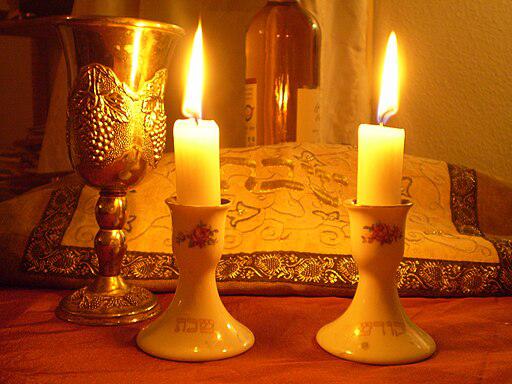
- Shabbat Morning Amidah
- Kiddush of Shabbat day - Singing "Ve-Shamru."
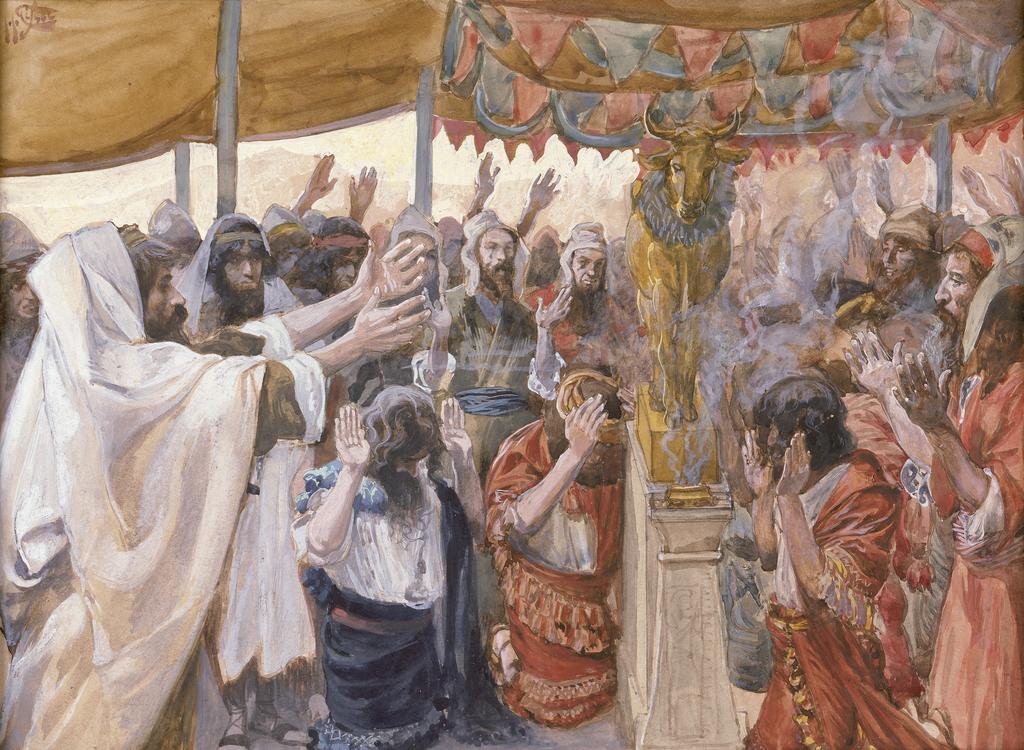
(א) וַיַּ֣רְא הָעָ֔ם כִּֽי־בֹשֵׁ֥שׁ מֹשֶׁ֖ה לָרֶ֣דֶת מִן־הָהָ֑ר וַיִּקָּהֵ֨ל הָעָ֜ם עַֽל־אַהֲרֹ֗ן וַיֹּאמְר֤וּ אֵלָיו֙ ק֣וּם ׀ עֲשֵׂה־לָ֣נוּ אֱלֹהִ֗ים אֲשֶׁ֤ר יֵֽלְכוּ֙ לְפָנֵ֔ינוּ כִּי־זֶ֣ה ׀ מֹשֶׁ֣ה הָאִ֗ישׁ אֲשֶׁ֤ר הֶֽעֱלָ֙נוּ֙ מֵאֶ֣רֶץ מִצְרַ֔יִם לֹ֥א יָדַ֖עְנוּ מֶה־הָ֥יָה לֽוֹ׃ (ב) וַיֹּ֤אמֶר אֲלֵהֶם֙ אַהֲרֹ֔ן פָּֽרְקוּ֙ נִזְמֵ֣י הַזָּהָ֔ב אֲשֶׁר֙ בְּאׇזְנֵ֣י נְשֵׁיכֶ֔ם בְּנֵיכֶ֖ם וּבְנֹתֵיכֶ֑ם וְהָבִ֖יאוּ אֵלָֽי׃ (ג) וַיִּתְפָּֽרְקוּ֙ כׇּל־הָעָ֔ם אֶת־נִזְמֵ֥י הַזָּהָ֖ב אֲשֶׁ֣ר בְּאׇזְנֵיהֶ֑ם וַיָּבִ֖יאוּ אֶֽל־אַהֲרֹֽן׃ (ד) וַיִּקַּ֣ח מִיָּדָ֗ם וַיָּ֤צַר אֹתוֹ֙ בַּחֶ֔רֶט וַֽיַּעֲשֵׂ֖הוּ עֵ֣גֶל מַסֵּכָ֑ה וַיֹּ֣אמְר֔וּ אֵ֤לֶּה אֱלֹהֶ֙יךָ֙ יִשְׂרָאֵ֔ל אֲשֶׁ֥ר הֶעֱל֖וּךָ מֵאֶ֥רֶץ מִצְרָֽיִם׃
(1) When the people saw that Moses was so long in coming down from the mountain, the people gathered against Aaron and said to him, “Come, make us a god who shall go before us, for we do not know what has happened to Moses—the man who brought us from the land of Egypt.” (2) Aaron said to them, “Take off the gold rings that are on the ears of your wives, your sons, and your daughters, and bring them to me.” (3) And all the people took off the gold rings that were in their ears and brought them to Aaron. (4) This he took from them and cast in a mold, and made it into a molten calf. And they exclaimed, “This is your god, O Israel, who brought you out of the land of Egypt!”
...
The Israelites had been promised that something visible would descend on them from God which they could follow, as they followed the pillars of cloud and fire when they departed from Egypt. This they pointed out, and turned to it, praising it, and worshipping God in its presence. Thus they also turned towards the cloud which hovered over Moses while God spake with him; they remained standing and adoring God opposite to it.
...
An evil spirit overpowered a portion of the people, and they began to divide into parties and factions. Many views and opinions were expressed, till at last some decided to do like the other nations, and seek an object in which they could have faith, without, however, prejudicing the supremacy of Him who had brought them out of Egypt. On the contrary, this was to be something to which they could point when relating the wonders of God, as the Philistines did with the ark when they said that God dwelt within it. We do the same with the sky and every other object concerning which we know that it is set in motion by the divine will exclusively, and not by any accident or desire of man or nature.
Their sin consisted in the manufacture of an image of a forbidden thing, and in attributing divine power to a creation of their own, something chosen by themselves without the guidance of God.
...
...the people did not intend to give up their allegiance to God. On the contrary, they were, in theory, more zealous in their devotion. They therefore approached Aaron, and he, desiring to make their plan public, assisted them in their undertaking. For this reason he is to be blamed for changing their theoretical disobedience into a reality.
The whole affair is repulsive to us, because in this age the majority of nations have abandoned the worship of images. It appeared less objectionable at that time, because all nations were then idolators.
...
There was nothing strange in the form of the cherubim made by His command. In spite of these things, those who worshipped the calf were punished on the same day, and three thousand out of six hundred thousand were slain. The Manna, however, did not cease falling for their maintenance, nor the cloud to give them shade, nor the pillar of fire to guide them. Prophecy continued spreading and increasing among them, and nothing that had been granted was taken from them, except the two tables, which Moses broke. But then he pleaded for their restoration; they were restored, and the sin was forgiven.
(יח) וַיֹּאמַ֑ר הַרְאֵ֥נִי נָ֖א אֶת־כְּבֹדֶֽךָ׃ (יט) וַיֹּ֗אמֶר אֲנִ֨י אַעֲבִ֤יר כׇּל־טוּבִי֙ עַל־פָּנֶ֔יךָ וְקָרָ֧אתִֽי בְשֵׁ֛ם יהוה לְפָנֶ֑יךָ וְחַנֹּתִי֙ אֶת־אֲשֶׁ֣ר אָחֹ֔ן וְרִחַמְתִּ֖י אֶת־אֲשֶׁ֥ר אֲרַחֵֽם׃ (כ) וַיֹּ֕אמֶר לֹ֥א תוּכַ֖ל לִרְאֹ֣ת אֶת־פָּנָ֑י כִּ֛י לֹֽא־יִרְאַ֥נִי הָאָדָ֖ם וָחָֽי׃ (כא) וַיֹּ֣אמֶר יהוה הִנֵּ֥ה מָק֖וֹם אִתִּ֑י וְנִצַּבְתָּ֖ עַל־הַצּֽוּר׃ (כב) וְהָיָה֙ בַּעֲבֹ֣ר כְּבֹדִ֔י וְשַׂמְתִּ֖יךָ בְּנִקְרַ֣ת הַצּ֑וּר וְשַׂכֹּתִ֥י כַפִּ֛י עָלֶ֖יךָ עַד־עׇבְרִֽי׃ (כג) וַהֲסִרֹתִי֙ אֶת־כַּפִּ֔י וְרָאִ֖יתָ אֶת־אֲחֹרָ֑י וּפָנַ֖י לֹ֥א יֵרָאֽוּ׃ {פ}
(18) He said, “Oh, let me behold Your Presence!” (19) And [God] answered, “I will make all My goodness pass before you, and I will proclaim before you the name GOD [י-הוה], and the grace that I grant and the compassion that I show,” (20) continuing, “But you cannot see My face, for no mortal may see Me and live.” (21) And GOD said, “See, there is a place near Me. Station yourself on the rock (22) and, as My Presence passes by, I will put you in a cleft of the rock and shield you with My hand until I have passed by. (23) Then I will take My hand away and you will see My back; but My face must not be seen.”
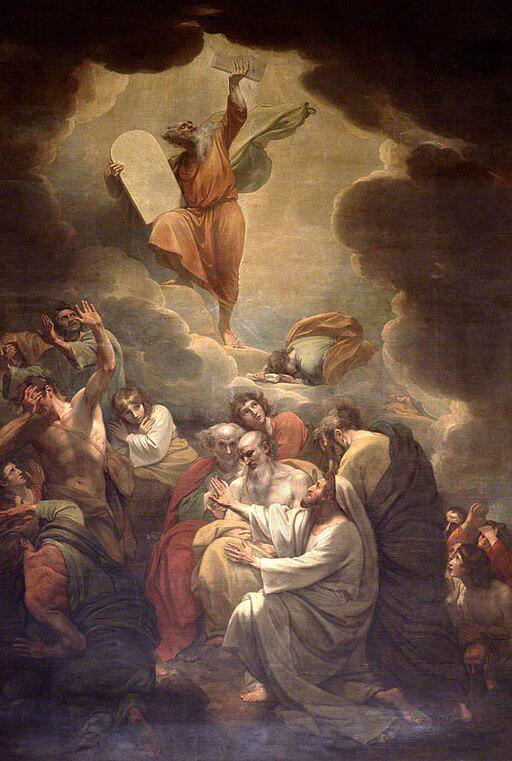
(ב)וראית את אחרי. הֶרְאָהוּ קֶשֶׁר שֶׁל תְּפִלִּין (ברכות ז'):
(2) וראית את אחרי THEN THOU SHALT SEE WHAT IS BEHIND ME [DR: MY BACK] — He showed him the Tephillin-knot which is placed behind the head (cf. Berakhot 7a; Menachot 35b).
(א)ונצבת על הצור.
ומשה בקש לראות השם, והשם השיבו כי לא יראני האדם וחי (פ' כ) וזהו האמת כי ההרגשות אינם מרגישות, רק המקרים,
וזה היום שראה משה מה שבקש היה לו כיום מתן תורה לישראל ולא הגיע אדם לפניו ואחריו אל מעלתו, וחכמינו אמרו שהראה לו קשר של תפילין ודבריהם נכון, רק לא כאשר יפרשוהו חכמי דורנו שהוא כמשמעו, כי סוד עמוק הוא:
(1) AND THOU SHALT STAND UPON THE ROCK.
Moses desired to see the Lord. God answered him, for man shall not see Me and live (v. 20). This is the truth. For the senses only feel that which is transient.
The day that Moses saw what he requested was, to him, what the day of the giving of the Torah was to Israel. No human being who lived before or after Moses ever reached Moses’ status. Our sages said that God showed Moses the knot of the tefillin. There words are correct. However, its meaning is not in accordance with that of the wise men of this generation who interpret the Rabbinical statement literally. On the contrary, it has a deeply hidden secret meaning.
(ה) וַיֵּ֤רֶד יהוה בֶּֽעָנָ֔ן וַיִּתְיַצֵּ֥ב עִמּ֖וֹ שָׁ֑ם וַיִּקְרָ֥א בְשֵׁ֖ם יהוה׃ (ו) וַיַּעֲבֹ֨ר יהוה ׀ עַל־פָּנָיו֮ וַיִּקְרָא֒ יהוה ׀ יהוה אֵ֥ל רַח֖וּם וְחַנּ֑וּן אֶ֥רֶךְ אַפַּ֖יִם וְרַב־חֶ֥סֶד וֶאֱמֶֽת׃ (ז)נֹצֵ֥ר חֶ֙סֶד֙ לָאֲלָפִ֔ים נֹשֵׂ֥א עָוֺ֛ן וָפֶ֖שַׁע וְחַטָּאָ֑ה וְנַקֵּה֙ לֹ֣א יְנַקֶּ֔ה פֹּקֵ֣ד ׀ עֲוֺ֣ן אָב֗וֹת עַל־בָּנִים֙ וְעַל־בְּנֵ֣י בָנִ֔ים עַל־שִׁלֵּשִׁ֖ים וְעַל־רִבֵּעִֽים׃ (ח) וַיְמַהֵ֖ר מֹשֶׁ֑ה וַיִּקֹּ֥ד אַ֖רְצָה וַיִּשְׁתָּֽחוּ׃ (ט) וַיֹּ֡אמֶר אִם־נָא֩ מָצָ֨אתִי חֵ֤ן בְּעֵינֶ֙יךָ֙ אדני יֵֽלֶךְ־נָ֥א אדני בְּקִרְבֵּ֑נוּ כִּ֤י עַם־קְשֵׁה־עֹ֙רֶף֙ ה֔וּא וְסָלַחְתָּ֛ לַעֲוֺנֵ֥נוּ וּלְחַטָּאתֵ֖נוּ וּנְחַלְתָּֽנוּ׃ (י) וַיֹּ֗אמֶר הִנֵּ֣ה אָנֹכִי֮ כֹּרֵ֣ת בְּרִית֒ נֶ֤גֶד כׇּֽל־עַמְּךָ֙ אֶעֱשֶׂ֣ה נִפְלָאֹ֔ת אֲשֶׁ֛ר לֹֽא־נִבְרְא֥וּ בְכׇל־הָאָ֖רֶץ וּבְכׇל־הַגּוֹיִ֑ם וְרָאָ֣ה כׇל־הָ֠עָ֠ם אֲשֶׁר־אַתָּ֨ה בְקִרְבּ֜וֹ אֶת־מַעֲשֵׂ֤ה יהוה כִּֽי־נוֹרָ֣א ה֔וּא אֲשֶׁ֥ר אֲנִ֖י עֹשֶׂ֥ה עִמָּֽךְ׃
(5) GOD came down in a cloud—and stood with him there, proclaiming the name GOD [י-הוה]. (6) The ETERNAL passed before him and proclaimed: “GOD! GOD! a Deity compassionate and gracious, slow to anger, abounding in kindness and faithfulness, (7) extending kindness to the thousandth generation, forgiving iniquity, transgression, and sin—yet not remitting all punishment, but visiting the iniquity of parents upon children and children’s children, upon the third and fourth generations.” (8) Moses hastened to bow low to the ground in homage, (9) and said, “If I have gained Your favor, O my Sovereign, pray, let my Sovereign go in our midst, even though this is a stiffnecked people. Pardon our iniquity and our sin, and take us for Your own!” (10) [God] said: I hereby make a covenant. Before all your people I will work such wonders as have not been wrought on all the earth or in any nation; and all the people who are with you shall see how awesome are GOD’s deeds that I will perform for you.
״וַיַּעֲבוֹר יהוה עַל פָּנָיו וַיִּקְרָא״. אָמַר רַבִּי יוֹחָנָן: אִלְמָלֵא מִקְרָא כָּתוּב, אִי אֶפְשָׁר לְאוֹמְרוֹ. מְלַמֵּד שֶׁנִּתְעַטֵּף הַקָּדוֹשׁ בָּרוּךְ הוּא כִּשְׁלִיחַ צִבּוּר, וְהֶרְאָה לוֹ לְמֹשֶׁה סֵדֶר תְּפִלָּה. אָמַר לוֹ: כׇּל זְמַן שֶׁיִּשְׂרָאֵל חוֹטְאִין — יַעֲשׂוּ לְפָנַי כַּסֵּדֶר הַזֶּה וַאֲנִי מוֹחֵל לָהֶם.
§ The verse states: “And the Lord passed by before him, and proclaimed” (Exodus 34:6). Rabbi Yoḥanan said: Were it not explicitly written in the verse, it would be impossible to say this, as it would be insulting to God’s honor. The verse teaches that the Holy One, Blessed be He, wrapped Himself in a prayer shawl like a prayer leader and showed Moses the structure of the order of the prayer. He said to him: Whenever the Jewish people sin, let them act before Me in accordance with this order. Let the prayer leader wrap himself in a prayer shawl and publicly recite the thirteen attributes of mercy, and I will forgive them.
Additional Portion: Zachor! ("Remember!")
(יז) זָכ֕וֹר אֵ֛ת אֲשֶׁר־עָשָׂ֥ה לְךָ֖ עֲמָלֵ֑ק בַּדֶּ֖רֶךְ בְּצֵאתְכֶ֥ם מִמִּצְרָֽיִם׃ (יח) אֲשֶׁ֨ר קָֽרְךָ֜ בַּדֶּ֗רֶךְ וַיְזַנֵּ֤ב בְּךָ֙ כׇּל־הַנֶּחֱשָׁלִ֣ים אַֽחֲרֶ֔יךָ וְאַתָּ֖ה עָיֵ֣ף וְיָגֵ֑עַ וְלֹ֥א יָרֵ֖א אֱלֹהִֽים׃ (יט) וְהָיָ֡ה בְּהָנִ֣יחַ יהוה אֱלֹהֶ֣יךָ ׀ לְ֠ךָ֠ מִכׇּל־אֹ֨יְבֶ֜יךָ מִסָּבִ֗יב בָּאָ֙רֶץ֙ אֲשֶׁ֣ר יְהֹוָה־אֱ֠לֹהֶ֠יךָ נֹתֵ֨ן לְךָ֤ נַחֲלָה֙ לְרִשְׁתָּ֔הּ תִּמְחֶה֙ אֶת־זֵ֣כֶר עֲמָלֵ֔ק מִתַּ֖חַת הַשָּׁמָ֑יִם לֹ֖א תִּשְׁכָּֽח׃ {פ}
(17) Remember what Amalek did to you on your journey, after you left Egypt— (18) how, undeterred by fear of God, he surprised you on the march, when you were famished and weary, and cut down all the stragglers in your rear. (19) Therefore, when the ETERNAL your God grants you safety from all your enemies around you, in the land that the ETERNAL your God is giving you as a hereditary portion, you shall blot out the memory of Amalek from under heaven. Do not forget!
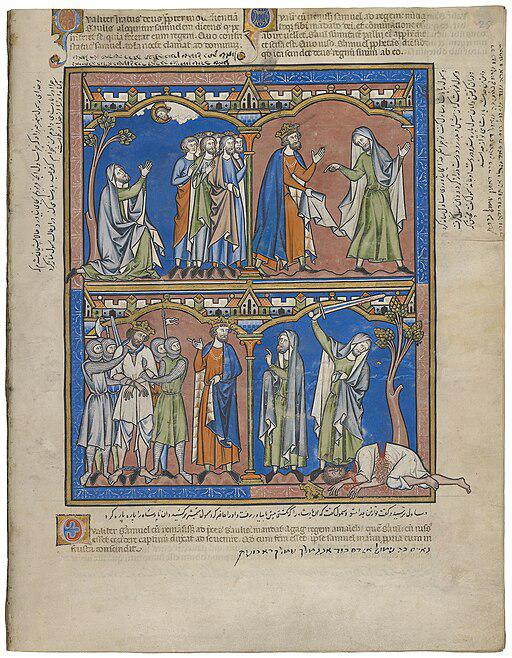
(לב) וַיֹּ֣אמֶר שְׁמוּאֵ֗ל הַגִּ֤ישׁוּ אֵלַי֙ אֶת־אֲגַג֙ מֶ֣לֶךְ עֲמָלֵ֔ק וַיֵּ֣לֶךְ אֵלָ֔יו אֲגַ֖ג מַעֲדַנֹּ֑ת וַיֹּ֣אמֶר אֲגָ֔ג אָכֵ֖ן סָ֥ר מַר־הַמָּֽוֶת׃ {ס}(לג) וַיֹּ֣אמֶר שְׁמוּאֵ֔ל כַּאֲשֶׁ֨ר שִׁכְּלָ֤ה נָשִׁים֙ חַרְבֶּ֔ךָ כֵּן־תִּשְׁכַּ֥ל מִנָּשִׁ֖ים אִמֶּ֑ךָ וַיְשַׁסֵּ֨ף שְׁמוּאֵ֧ל אֶת־אֲגָ֛ג לִפְנֵ֥י יהוה בַּגִּלְגָּֽל׃ {ס}
(32) Samuel said, “Bring forward to me King Agag of Amalek.” Agag approached him with faltering steps; and Agag said, “Ah, bitter death is at hand!” (33) Samuel said: “As your sword has bereaved women, So shall your mother be bereaved among women.” And Samuel cut Agag down before GOD at Gilgal.
(א) אַחַ֣ר ׀ הַדְּבָרִ֣ים הָאֵ֗לֶּה גִּדַּל֩ הַמֶּ֨לֶךְ אֲחַשְׁוֵר֜וֹשׁ אֶת־הָמָ֧ן בֶּֽן־הַמְּדָ֛תָא הָאֲגָגִ֖י וַֽיְנַשְּׂאֵ֑הוּ וַיָּ֙שֶׂם֙ אֶת־כִּסְא֔וֹ מֵעַ֕ל כׇּל־הַשָּׂרִ֖ים אֲשֶׁ֥ר אִתּֽוֹ׃
(1) Some time afterward, King Ahasuerus promoted Haman son of Hammedatha the Agagite; he advanced him and seated him higher than any of his fellow officials.
מִבְּנֵי בָנָיו שֶׁל הָמָן לִמְּדוּ תּוֹרָה בִּבְנֵי בְרַק; מִבְּנֵי בָנָיו שֶׁל סִיסְרָא לִמְּדוּ תִּינוֹקוֹת בִּירוּשָׁלַיִם; מִבְּנֵי בָנָיו שֶׁל סַנְחֵרִיב לִמְּדוּ תּוֹרָה בָּרַבִּים – מַאן אִינּוּן? שְׁמַעְיָה וְאַבְטַלְיוֹן.
The Gemara adds that some of Haman’s descendants studied Torah in Bnei Brak, and some of Sisera’s descendants taught children Torah in Jerusalem, and some of Sennacherib’s descendants taught Torah in public. Who are they? They are Shemaya and Avtalyon, the teachers of Hillel the Elder.
Summary and Next Class
Happy Purim! Purim Sameach!