




 Save
Save Copy
Copy Add to Collection
 Export to Google Docs
 Share
ShareAudio for this class
Welcome and Opening Question
Plan for this Class
- Today's Commentator: Rabbi Samuel ben Meir (Rashbam)
- Our Portion (a double portion) - Contents, Selections, Commentaries: Vayakhel Exodus 35:1-38:20 and Pekudei Exodus 38:21 - 40:38
- Special Reading for "Shabbat HaChodesh / Shabbat of the New Moon": Exodus 12:1-20
- Summary and Next Class
Today's Commentator: Rabbi Samuel ben Meir (Rashbam)
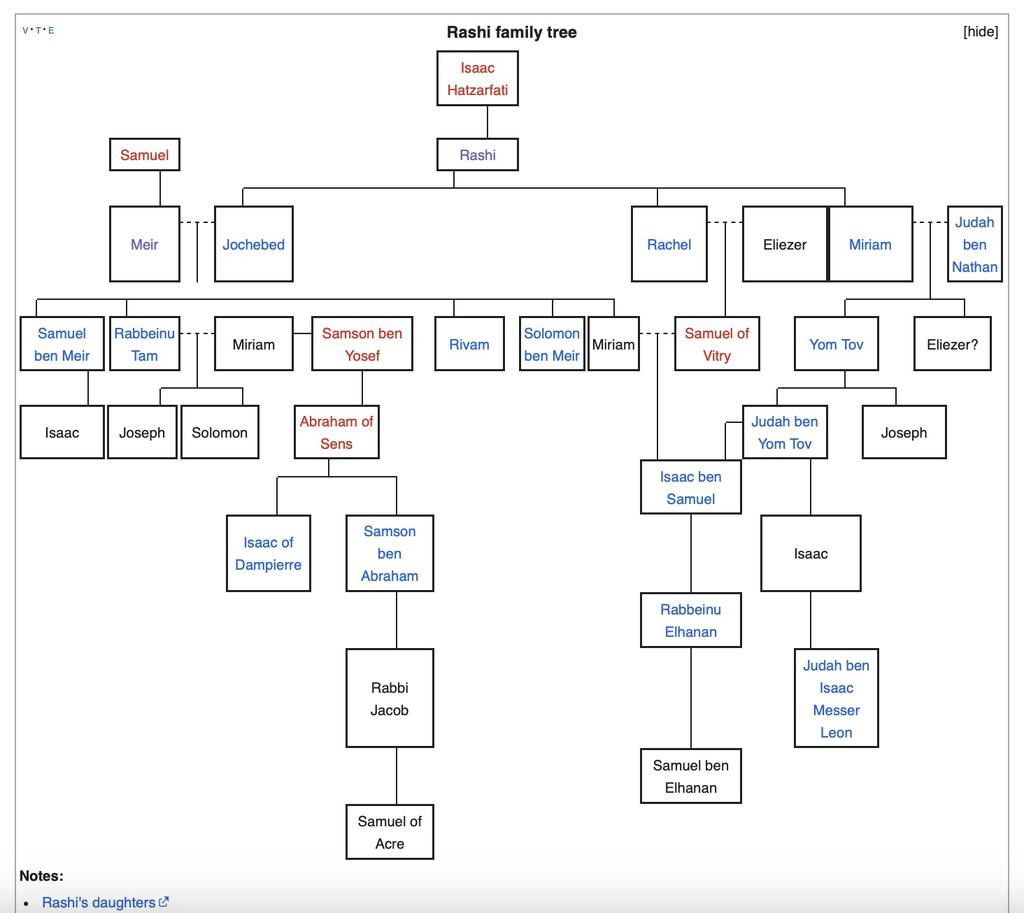
"Born in Ramerupt in northern France, Samuel was the son of Meir, one of the first tosafists and a prominent disciple of Rashi, whose daughter, Jochebed, Meir married. Samuel was the elder brother of Jacob Tam [Rabbenu Tam]... In his early youth he studied under his father, but mainly under his grandfather, Rashi, in Troyes. ... Samuel b. Meir earned his livelihood from sheep-farming and viticulture. He led a life of extreme piety and modesty, but resolutely holding to his own opinion when he felt it necessary. He used to pray that he might be privileged to know the truth and to love peace. He was well versed in worldly matters and may have had a knowledge of Latin. He participated in disputations with Christians." - Avraham Grossman, "Samuel ben Meir," Encyclopedia Judaica, v. 14, col. 809-810.
"Samuel's biblical commentaries are characterized by his extreme devotion to the literal meaning (peshat). ..." (Ibid.)
"At time he...interprets a verse against the halakhah despite the fact that he considered the halakhah as authoritative... His uncomplicated faith and spiritual wholeness prevented him and those who followed his method from any feeling of tension or contradiction. In his opinion peshat and derash belong to different categories." (Ibid.)
(א) אלה תולדות יעקב - ישכילו ויבינו אוהבי שכל מה שלימדונו רבותינו, כי אין מקרא יוצא מידי פשוטו. אף כי עיקרה של תורה באה ללמדנו ולהודיענו ברמיזת הפשט וההגדות וההלכות והדינין ועל ידי אריכות הלשון ועל ידי שלושים ושתים מידות של ר' אליעזר בנו של ר' יוסי הגלילי וע"י שלש עשרה מידות של ר' ישמעאל והראשונים מתוך חסידותם נתעסקו לנטות אחרי הדרשות שהן עיקר ומתוך כך לא הורגלו בעומק פשוטו של מקרא. ולפי שאמרו חכמים: אל תרבו בניכם בהגיון. וגם אמרו: העוסק במקרא מדה ואינה מדה, העוסק בתלמוד אין לך מדה גדולה מזו ומתוך כך לא הורגלו כל כך בפשוטן של מקראות וכדאמרינן במסכת שבת: הוינא בר תמני סרי שנין וגרסינן כולה תלמודא ולא הוה ידענא דאין מקרא יוצא מידי פשוטו. וגם רבינו שלמה אבי אמי מאיר עיני גולה שפירש תורה נביאים וכתובים, נתן לב לפרש פשוטו של מקרא. ואף אני שמואל ב"ר מאיר חתנו זצ"ל נתווכחתי עמו ולפניו והודה לי שאילו היה לו פנאי, היה צריך לעשות פירושים אחרים לפי הפשטות המתחדשים בכל יום.
(1) אלה תולדות יעקב, Those who love the mind should ponder upon our Sages' teaching that in spite of all different methods of exegesis of the text of the written Torah, no scripture loses its contextual meaning (peshuto). This is so even though the Torah comes to teach us, by means of allusions, the Haggadot (Aggadot or Midrashim), the Halakhot, and the Laws on the basis of extraneous expressions and the 32 principles of Rabbi Yosi the Galilean and the 13 principles of Rabbi Ishmael. Exegetes of former times, thanks to their piety, inclined after the derashot (rabbinic derivations), which are the main thing, and therefore did not habitually investigate the deep contextual meaning of scripture. ... Rabbi Shlomoh, my mother’s father of blessed memory (Rashi) the brilliant exegete, who wrote commentaries on the entire Bible, was careful not to ignore the plain meaning of the text. I, Shmuel, son of Rabbi Meir, Rashi’s son-in-law, have argued with him, and he admitted to me that if he had the opportunity, he would need to compose additional comments in which he would concentrate on the contextual understandings that are renewed every day.
(ה) וַיִּקְרָ֨א אֱלֹהִ֤ים ׀ לָאוֹר֙ י֔וֹם וְלַחֹ֖שֶׁךְ קָ֣רָא לָ֑יְלָה וַֽיְהִי־עֶ֥רֶב וַֽיְהִי־בֹ֖קֶר י֥וֹם אֶחָֽד׃ {פ}
(5) God called the light Day—and called the darkness Night. And there was evening and there was morning, a first day.
(ג) ויהי ערב ויהי בקר - אין כתיב כאן ויהי לילה ויהי יום, אלא ויהי ערב, שהעריב יום ראשון ושיקע האור, ויהי בוקר, בוקרו של לילה, שעלה עמוד השחר, הרי הושלם יום א' מן השישה ימים שאמר הקב"ה בעשרת הדברות, ואח"כ התחיל יום שני, ויאמר אלהים יהי רקיע. ולא בא הכתוב לומר שהערב והבקר יום אחד הם, כי לא הוצרכנו לפרש אלא היאך היו ששה ימים, שהבקיר יום ונגמרה הלילה, הרי נגמר יום אחד והתחיל יום שני.
(3) ויהי ערב ויהי בקר. "And there was evening and there was morning." It is noteworthy that the Torah here did not write ויהי לילה, ויהי יום, (and there was night and there was day) but it wrote ערב (evening). This is the period when God made the light of the first day fade. The subsequent expression ויהי בקר (and there was morning) refers to the morning after the night when dawn rose. At this point the first of the 6 days of God’s creative activity of which He spoke in the Ten Commandments had come to an end. After that the second day began and is introduced with the words "And God said, let there be a firmament in the midst of the waters." The purpose of our verse here was not to tell us that that evening and morning were part of the same day. The verse was needed only to tell us how the 6 days are accounted for, i.e. that the day dawned and the night was concluded, which was the end of that day and the beginning of the second day.
...ואשר שם לבו לדבר יוצרנו אל יזוז מנמוקי זקני רבינו שלמה ואל ימוש מהם, כי רוב הלכות ודרשות שבהם קרובים לפשוטי המקראות ... וטוב אשר תאחוז בזה אשר פירשתי וגם מזה אל תנח ידיך.
...Anyone who pays careful attention to the words of our Creator will not depart from the notes of my grandfather, our Rabbi Shlomoh (Rashi). Most of the Halakhot and Derashot in them are close to the contextual meaning of the scriptures. ... It would be well if you held on to what I have explicated and loosed not your hand from that (Rashi's commentary). [the author paraphrases Kohelet 7,18. Ed]
Our Torah Portions: Vayakhel - Pekudei - Contents
A Statement about Shabbat
Instructions
People volunteer materials and skills
Commission of Betzalel and Oholiav, the lead craftspeople
The Making of the Mishkan, part 1:
- Mishkan/Tent (tapestries)
- Planks
- Parochet/Curtain
- Ark
- Table (for Showbread)
- Menorah/Lampstand
- Incense Altar
- Altar for Burnt Offerings
- Basin
- Courtyard (curtains)
- Entrance Curtain
Accounting of contributions of gold, silver, and bronze (“copper”)
The Making of the Mishkan, part 2 (Priestly Garments)
- Ephod
- Breastplate of Judgment
- Tunic
- Jackets
- Frontlet
Assembly of the Mishkan
- Instructions for Assembly
- The actual Assembly
The Torah Portions: Selections and Commentaries
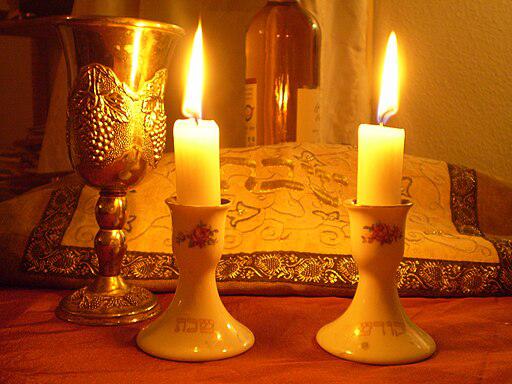
(א) וַיַּקְהֵ֣ל מֹשֶׁ֗ה אֶֽת־כׇּל־עֲדַ֛ת בְּנֵ֥י יִשְׂרָאֵ֖ל וַיֹּ֣אמֶר אֲלֵהֶ֑ם אֵ֚לֶּה הַדְּבָרִ֔ים אֲשֶׁר־צִוָּ֥ה יהוה לַעֲשֹׂ֥ת אֹתָֽם׃ (ב) שֵׁ֣שֶׁת יָמִים֮ תֵּעָשֶׂ֣ה מְלָאכָה֒ וּבַיּ֣וֹם הַשְּׁבִיעִ֗י יִהְיֶ֨ה לָכֶ֥ם קֹ֛דֶשׁ שַׁבַּ֥ת שַׁבָּת֖וֹן לַיהוה כׇּל־הָעֹשֶׂ֥ה ב֛וֹ מְלָאכָ֖ה יוּמָֽת׃ (ג) לֹא־תְבַעֲר֣וּ אֵ֔שׁ בְּכֹ֖ל מֹשְׁבֹֽתֵיכֶ֑ם בְּי֖וֹם הַשַּׁבָּֽת׃ {פ}
(1) Moses then convoked the whole Israelite community and said to them:
These are the things that GOD has commanded you to do: (2) On six days work may be done, but on the seventh day you shall have a sabbath of complete rest, holy to GOD; whoever does any work on it shall be put to death. (3) You shall kindle no fire throughout your settlements on the sabbath day.
(ג) לֹא־תְבַעֲר֣וּ אֵ֔שׁ בְּכֹ֖ל מֹשְׁבֹֽתֵיכֶ֑ם בְּי֖וֹם הַשַּׁבָּֽת׃ {פ}
(3) You shall kindle no fire throughout your settlements on the sabbath day.
(א)לא תבערו אש. יֵשׁ מֵרַבּוֹתֵינוּ אוֹמְרִים הַבְעָרָה לְלָאו יָצָאת, וְיֵשׁ אוֹמְרִים לְחַלֵּק יָצָאת (שבת ע'):
(1) לא תבערו אש YE SHALL NOT KINDLE A FIRE [THROUGHOUT YOUR HABITATIONS ON THEE SABBATH DAY] — There are some of our Rabbis who say that the law about kindling fire is singled out... in order to constitute it a mere negative command.
Others, however, say that it was singled out in order to separate the various kinds of work comprised in the term כל מלאכה (thus indicating that each transgression of the Sabbath law is to be atoned for separately if several of them have been committed at the same time and under the same circumstances).
(א) לא תבערו אש - לפי שבימים טובים כתיב: אשר יאכל לכל נפש הוא לבדו יעשה לכם ושם הותרה הבערת אש לאפות ולבשל. אבל בשבת כתיב: את אשר תאפו אפו מבעוד יום. ואת אשר תבשלו בשלו לכך מזהיר כי בשבת: לא תבערו אש - למלאכת אוכל נפש וכ"ש שאר מלאכות, שאסורין אפילו ביום טוב.
(1) לא תבערו אש, seeing that in connection with the festivals it is written "only what every person is to eat, that alone may be prepared for you" (Exodus 12:16), meaning that kindling fire for baking and cooking is permitted (on festivals) ... In view of this the Torah considered it necessary to state the prohibition of handling fire on the Sabbath, which is a labor connected to "every person's eating." Hence, other types of labor which are forbidden even on festivals are certainly forbidden (on the Sabbath).
(ח) וַיַּ֗עַשׂ אֵ֚ת הַכִּיּ֣וֹר נְחֹ֔שֶׁת וְאֵ֖ת כַּנּ֣וֹ נְחֹ֑שֶׁת בְּמַרְאֹת֙ הַצֹּ֣בְאֹ֔ת אֲשֶׁ֣ר צָֽבְא֔וּ פֶּ֖תַח אֹ֥הֶל מוֹעֵֽד׃ {ס}
(8) He made the laver of copper and its stand of copper, from the mirrors of the women who performed tasks [צובאות / tzov'ot] at the entrance of the Tent of Meeting.
(א)במראת הצבאת. בְּנוֹת יִשְׂרָאֵל הָיוּ בְיָדָן מַרְאוֹת שֶׁרוֹאוֹת בָּהֶן כְּשֶׁהֵן מִתְקַשְּׁטוֹת, וְאַף אוֹתָן לֹא עִכְּבוּ מִלְּהָבִיא לְנִדְבַת הַמִּשְׁכָּן, וְהָיָה מוֹאֵס מֹשֶׁה בָּהֶן מִפְּנֵי שֶׁעֲשׂוּיִם לְיֵצֶר הָרָע, אָמַר לוֹ הַקָּבָּ"ה קַבֵּל, כִּי אֵלּוּ חֲבִיבִין עָלַי מִן הַכֹּל, שֶׁעַל יְדֵיהֶם הֶעֱמִידוּ הַנָּשִׁים צְבָאוֹת רַבּוֹת בְּמִצְרַיִם; כְּשֶׁהָיוּ בַעְלֵיהֶם יְגֵעִים בַּעֲבוֹדַת פֶּרֶךְ, הָיוּ הוֹלְכוֹת וּמוֹלִיכוֹת לָהֶם מַאֲכָל וּמִשְׁתֶּה, וּמַאֲכִילוֹת אוֹתָם וְנוֹטְלוֹת הַמַּרְאוֹת, וְכָל אַחַת רוֹאָה עַצְמָהּ עִם בַּעְלָהּ בַּמַּרְאָה, וּמְשַׁדַּלְתּוֹ בִדְבָרִים, לוֹמַר אֲנִי נָאָה מִמְּךָ, וּמִתּוֹךְ כָּךְ מְבִיאוֹת לְבַעְלֵיהֶן לִידֵי תַאֲוָה וְנִזְקָקוֹת לָהֶם וּמִתְעַבְּרוֹת וְיוֹלְדוֹת שָׁם, שֶׁנֶּאֱמַר תַּחַת הַתַּפּוּחַ עוֹרַרְתִּיךָ (שיר השירים ח'), וְזֶה שֶׁנֶּאֱמַר בְּמַרְאֹת הַצּוֹבְאוֹת.
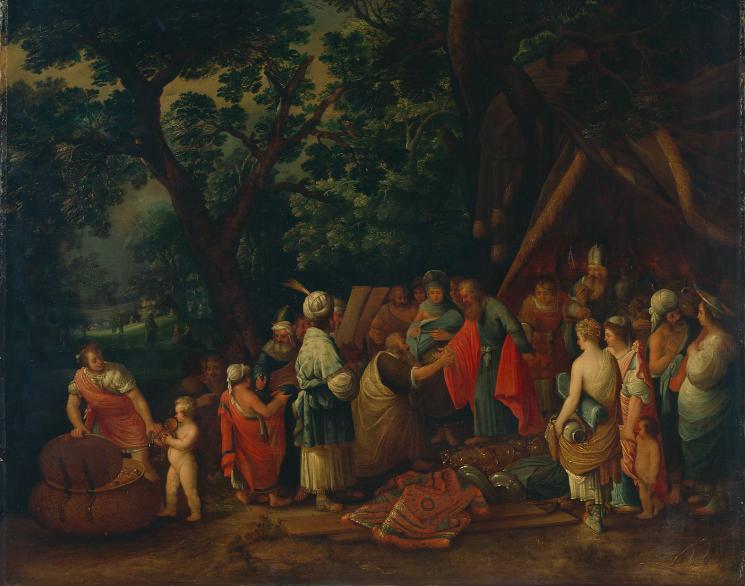
(1) במראת הצבאת OF THE MIRRORS OF THE WOMEN CROWDING — The Israelitish women possessed mirrors of copper into which they used to look when they adorned themselves. Even these did they not hesitate to bring as a contribution towards the Tabernacle. Now Moses was about to reject them since they were made to pander to their vanity, but the Holy One, blessed be He, said to him, “Accept them; these are dearer to Me than all the other contributions, because through them the women reared those huge hosts in Egypt!” For when their husbands were tired through the crushing labour they used to bring them food and drink and induced them to eat. Then they would take the mirrors, and each gazed at herself in her mirror together with her husband, saying endearingly to him, “See, I am handsomer than you!” Thus they awakened their husbands’ affection and subsequently became the mothers of many children, at it is said, (Song 8:5) “I awakened thy love under the apple-tree”, (referring to the fields where the men worked). This is what it refers to when it states, מראות הצבאת “the mirrors of the women who reared the hosts (צבאות)” (Midrash Tanchuma, Pekudei 9).
...
39:43 Moses’ reactions and blessing
40:2 Mishkan assembled on “New Year’s Day” 1 Nisan.
40:33-38 Completion, presence of God
(לב)וַתֵּ֕כֶל כׇּל־עֲבֹדַ֕ת מִשְׁכַּ֖ן אֹ֣הֶל מוֹעֵ֑ד וַֽיַּעֲשׂוּ֙ בְּנֵ֣י יִשְׂרָאֵ֔ל כְּ֠כֹ֠ל אֲשֶׁ֨ר צִוָּ֧ה יהוה אֶת־מֹשֶׁ֖ה כֵּ֥ן עָשֽׂוּ׃ {פ}
(32) Thus was completed all the work of the Tabernacle of the Tent of Meeting. The Israelites did so; just as GOD had commanded Moses, so they did.
(מג)וַיַּ֨רְא מֹשֶׁ֜ה אֶת־כׇּל־הַמְּלָאכָ֗ה וְהִנֵּה֙ עָשׂ֣וּ אֹתָ֔הּ כַּאֲשֶׁ֛ר צִוָּ֥ה יהוה כֵּ֣ן עָשׂ֑וּ וַיְבָ֥רֶךְאֹתָ֖םמֹשֶֽׁה׃ {פ}
(43) And when Moses saw that they had performed all the tasks—as GOD had commanded, so they had done—Moses blessed them.
(ב)בְּיוֹם־הַחֹ֥דֶשׁ הָרִאשׁ֖וֹן בְּאֶחָ֣ד לַחֹ֑דֶשׁ תָּקִ֕ים אֶת־מִשְׁכַּ֖ן אֹ֥הֶל מוֹעֵֽד׃
(2)On the first day of the first month you shall set up the Tabernacle of the Tent of Meeting. (This instruction is carried out in 40:17ff.)
(לג) וַיָּ֣קֶם אֶת־הֶחָצֵ֗ר סָבִיב֙ לַמִּשְׁכָּ֣ן וְלַמִּזְבֵּ֔חַ וַיִּתֵּ֕ן אֶת־מָסַ֖ךְ שַׁ֣עַר הֶחָצֵ֑ר וַיְכַ֥ל מֹשֶׁ֖ה אֶת־הַמְּלָאכָֽה׃ {פ}(לד) וַיְכַ֥ס הֶעָנָ֖ן אֶת־אֹ֣הֶל מוֹעֵ֑ד וּכְב֣וֹד יהוה מָלֵ֖א אֶת־הַמִּשְׁכָּֽן׃ (לה) וְלֹא־יָכֹ֣ל מֹשֶׁ֗ה לָבוֹא֙ אֶל־אֹ֣הֶל מוֹעֵ֔ד כִּֽי־שָׁכַ֥ן עָלָ֖יו הֶעָנָ֑ן וּכְב֣וֹד יהוה מָלֵ֖א אֶת־הַמִּשְׁכָּֽן׃ (לו) וּבְהֵעָל֤וֹת הֶֽעָנָן֙ מֵעַ֣ל הַמִּשְׁכָּ֔ן יִסְע֖וּ בְּנֵ֣י יִשְׂרָאֵ֑ל בְּכֹ֖ל מַסְעֵיהֶֽם׃ (לז) וְאִם־לֹ֥א יֵעָלֶ֖ה הֶעָנָ֑ן וְלֹ֣א יִסְע֔וּ עַד־י֖וֹם הֵעָלֹתֽוֹ׃ (לח) כִּי֩ עֲנַ֨ן יהוה עַֽל־הַמִּשְׁכָּן֙ יוֹמָ֔ם וְאֵ֕שׁ תִּהְיֶ֥ה לַ֖יְלָה בּ֑וֹ לְעֵינֵ֥י כׇל־בֵּֽית־יִשְׂרָאֵ֖ל בְּכׇל־מַסְעֵיהֶֽם׃
(33) And he set up the enclosure around the Tabernacle and the altar, and put up the screen for the gate of the enclosure.
When Moses had finished the work, (34) the cloud covered the Tent of Meeting, and the Presence of GOD filled the Tabernacle. (35) Moses could not enter the Tent of Meeting, because the cloud had settled upon it and the Presence of GOD filled the Tabernacle. (36) When the cloud lifted from the Tabernacle, the Israelites would set out, on their various journeys; (37) but if the cloud did not lift, they would not set out until such time as it did lift. (38) For over the Tabernacle a cloud of GOD rested by day, while fire would appear in that cloud by night—in the view of all the house of Israel throughout their journeys.
(לא)וַיַּ֤רְא אֱלֹהִים֙ אֶת־כׇּל־אֲשֶׁ֣ר עָשָׂ֔ה וְהִנֵּה־ט֖וֹב מְאֹ֑ד וַֽיְהִי־עֶ֥רֶב וַֽיְהִי־בֹ֖קֶר י֥וֹם הַשִּׁשִּֽׁי׃ {פ}(א)וַיְכֻלּ֛וּ הַשָּׁמַ֥יִם וְהָאָ֖רֶץ וְכׇל־צְבָאָֽם׃ (ב) וַיְכַ֤ל אֱלֹהִים֙ בַּיּ֣וֹם הַשְּׁבִיעִ֔י מְלַאכְתּ֖וֹ אֲשֶׁ֣ר עָשָׂ֑ה וַיִּשְׁבֹּת֙ בַּיּ֣וֹם הַשְּׁבִיעִ֔י מִכׇּל־מְלַאכְתּ֖וֹ אֲשֶׁ֥ר עָשָֽׂה׃ (ג)וַיְבָ֤רֶךְ אֱלֹהִים֙ אֶת־י֣וֹם הַשְּׁבִיעִ֔י וַיְקַדֵּ֖שׁ אֹת֑וֹ כִּ֣י ב֤וֹ שָׁבַת֙ מִכׇּל־מְלַאכְתּ֔וֹ אֲשֶׁר־בָּרָ֥א אֱלֹהִ֖ים לַעֲשֽׂוֹת׃ {פ}
(31) And God saw all that had been made, and found it very good. And there was evening and there was morning, the sixth day. (1) The heaven and the earth were finished, and all their array. (2) On the seventh day God finished the work that had been undertaken, ceasing on the seventh day from doing any of the work. (3) And God blessed the seventh day and declared it holy—having ceased on it from all the work of creation that God had done.
Comment to Exodus 40:34 - cloud...Presence. "The function of the Tabernacle was to create a portable Sinai, a means by which a continued avenue of communication with God could be maintained. As the people move away from the mount of revelation, they need a visible, tangible symbol of God's ever-abiding Presence in their midst. It is not surprising, then, that the same phenomenon as occurred at Sinai...now repeats itself. It will recur at the dedication of Solomon's Temple..." N. Sarna, Commentary to Exodus, p. 237.
Special Reading for "Shabbat HaChodesh / Shabbat of the New Moon": Exodus 12:1-20
(א) וַיֹּ֤אמֶר יהוה אֶל־מֹשֶׁ֣ה וְאֶֽל־אַהֲרֹ֔ן בְּאֶ֥רֶץ מִצְרַ֖יִם לֵאמֹֽר׃ (ב) הַחֹ֧דֶשׁ הַזֶּ֛ה לָכֶ֖ם רֹ֣אשׁ חֳדָשִׁ֑ים רִאשׁ֥וֹן הוּא֙ לָכֶ֔ם לְחׇדְשֵׁ֖י הַשָּׁנָֽה׃
(1) GOD said to Moses and Aaron in the land of Egypt: (2) This month shall mark for you the beginning of the months; it shall be the first of the months of the year for you.
(א)החדש הזה. הֶרְאָהוּ לְבָנָה בְּחִדּוּשָׁהּ וְאָמַר לוֹ כְּשֶׁהַיָּרֵחַ מִתְחַדֵּשׁ יִהְיֶה לְךָ רֹאשׁ חֹדֶשׁ (מכילתא). וְאֵין מִקְרָא יוֹצֵא מִידֵי פְשׁוּטוֹ, עַל חֹדֶשׁ נִיסָן אָמַר לוֹ, זֶה יִהְיֶה רֹאשׁ לְסֵדֶר מִנְיַן הֶחֳדָשִׁים, שֶׁיְּהֵא אִיָּר קָרוּי שֵׁנִי, סִיוָן שְׁלִישִׁי:
(ב)הזה. נִתְקַשָּׁה מֹשֶׁה עַל מוֹלַד הַלְּבָנָה, בְּאֵיזוֹ שִׁעוּר תֵּרָאֶה וְתִהְיֶה רְאוּיָה לְקַדֵּשׁ, וְהֶרְאָה לוֹ בְּאֶצְבַּע אֶת הַלְּבָנָה בָּרָקִיעַ וְאָמַר לוֹ כָּזֶה רְאֵה וְקַדֵּשׁ (שם). ...
(1) החדש הזה "This New Moon"— He showed him the moon in the first stage of its renewal, and He said to him, “The time when the moon renews itself thus, shall be unto you the beginning of the month”. (The translation therefore is: “This stage of renewal (חדש) shall be the moment of beginning the months”; cf. Mekhilta). But no Scriptural verse can lose its contextual meaning, and He really spoke this in reference to the month Nisan: this month shall be the beginning in the order of counting the months, so that Iyar shall be called the second, Sivan the third.
(2) הזה THIS [STAGE OF RENEWAL] — Moses was in perplexity regarding the Molad of (the exact moment when begins) the new moon — how much of it must be visible before it is proper to consecrate it as new moon: He therefore pointed it out to him in the sky with the finger and said to him, “Behold it like this, and consecrate it” (i. e., when you see the moon in a stage of renewal similar to this which you now behold you may proclaim that a new month has begun). ...
(א) ראש חדשים וכו' - זהו כר' יהושע שבניסן נברא העולם. (ב) לחדשי השנה - בכל מקום שאומר לכם בחדשים שמיני תשיעי לחדש הזה הם. ולר' אליעזר האומר בתשרי נברא העולם. עיקר פשוטו כך. (ג) החדש הזה לכם - ואף על פי שאינו ראש חדשים לשאר אומות, לכם יהיה ראש חדשים למנות ששי שביעי...
(1) 'בארץ מצרים לאמר החדש הזה וגו, according to the view of Rabbi Yehoshua in Talmud Rosh Hashanah folio 11 who holds that the earth was created in the month of Nissan, (2) לחדשי השנה, “whenever I will say to you that some festival is to occur in the ‘eight’s or ninth month,’ the number refers to Nissan being the ‘first’ month relative to this.” According to Rabbi Eliezer, who holds that the earth was created in Tishri, we would have to understand the plain meaning of the text as follows: (3) החודש הזה לכם, even though other nations do not consider Nisan to be the first month, it will be first for you to calculate the sixth, seventh,... months... This is the month from which you will begin dating important events in your history/calendar, for this is the month in which you attained your freedom as a people.
Summary and Next Class
The Portion of Vayikra (Leviticus 1:1-4:35)
Our Commentator: Nachmanides - Moshe ben Nachman - Ramban
