


 Save
 Copy
 Add to Collection
 Export to Google Docs
 Share
(א) וַיִּקְרָ֖א אֶל־מֹשֶׁ֑ה וַיְדַבֵּ֤ר יהוה אֵלָ֔יו מֵאֹ֥הֶל מוֹעֵ֖ד לֵאמֹֽר׃
(ב) דַּבֵּ֞ר אֶל־בְּנֵ֤י יִשְׂרָאֵל֙ וְאָמַרְתָּ֣ אֲלֵהֶ֔ם אָדָ֗ם כִּֽי־יַקְרִ֥יב מִכֶּ֛ם קׇרְבָּ֖ן לַֽיהוה מִן־הַבְּהֵמָ֗ה מִן־הַבָּקָר֙ וּמִן־הַצֹּ֔אן תַּקְרִ֖יבוּ אֶת־קׇרְבַּנְכֶֽם׃
(1) [GOD] called to Moses and spoke to him from the Tent of Meeting, saying:
(2) Speak to the Israelite people, and say to them:
When any of you presents an offering of cattle to GOD: You shall choose your offering from the herd or from the flock.
"with regard to any person among you who draws near to draw near to God"...אָדָ֗ם כִּֽי־יַקְרִ֥יב מִכֶּ֛ם קׇרְבָּ֖ן לַֽיהוה
Levinas and the Torah, A Phenomenological Approach. Richard L. Sugarman (2019) pp 167-168 (emphasis added)
to come near / approach / enter into / draw near
(Qal) to approach, draw near
(Piel) to cause to approach, bring near, cause to draw near
(Hiphil) to bring near, bring, present
(Niphal) to be brought near

(ג) אִ֣ם הַכֹּהֵ֧ן הַמָּשִׁ֛יחַ יֶחֱטָ֖א לְאַשְׁמַ֣ת הָעָ֑ם וְהִקְרִ֡יב עַ֣ל חַטָּאתוֹ֩ אֲשֶׁ֨ר חָטָ֜א פַּ֣ר בֶּן־בָּקָ֥ר תָּמִ֛ים לַיהוה לְחַטָּֽאת׃
(3) If it is the anointed priest who has incurred guilt, so that blame falls upon the people, he shall offer for the sin of which he is guilty a bull of the herd without blemish as a purgation offering to GOD.
(א)אם הכהן המשיח יחטא לאשמת העם. מִדְרָשׁוֹ: אֵינוֹ חַיָּב אֶלָּא בְּהֶעְלֵם דָּבָר עִם שִׁגְגַת מַעֲשֶֹה, כְּמוֹ שֶׁנֶּאֱמַר לְאַשְׁמַת הָעָם וְנֶעְלַם דָּבָר מֵעֵינֵי הַקָּהָל וְעָשׂוּ (שם); וּפְשׁוּטוֹ לְפִי אַגָּדָה: כְּשֶׁכֹּהֵן גָּדוֹל חוֹטֵא, אַשְׁמַת הָעָם הוּא זֶה, שֶׁהֵן תְּלוּיִין בּוֹ לְכַפֵּר עֲלֵיהֶם וּלְהִתְפַּלֵּל בַּעֲדָם, וְנַעֲשֶׂה מְקֻלְקָל:
(1) אם הכהן המשיח יחטא לאשמת העם IF THE PRIEST THAT IS ANOINTED DO SIN לאשמת העם — The Halachic explanation is that he is liable to bring a sin-offering only when there was ignorance of the real matter (of the law in question; i. e. after having considered the case in question he came to a wrong decision) together with a mistaken action (i. e. where he erred in a Halachic decision and as a result of this error acted against the true law), just as it is stated with reference to the guilt of the whole people): (v. 13) “[And if the whole congregation of Israel err] and the thing be hid from the eyes of the assembly and they have done [somewhat against the commandments of the Lord]" (Sifra, Vayikra Dibbura d'Chovah, Chapter 2 1; Horayot 7a; Rashi on v. 13). Its literal sense is according to the Agadic explanation: When the High-priest sins this is the guilt of the people (i. e. it results in the people remaining under a load of guilt), because they are dependent on him to effect atonement for them and to pray on their behalf, and now he himself has become degenerate and can thus not expiate for them, wherefor they remain under guilt.
(א)לאשמת העם. שהורה שלא כהוגן ואשם העם וכלם שוגגים או פירוש לאשמת העם באשמת כל בני אדם ונזכר כן בעבור שהכהן הוא נושא התורה והוא עצמו נשמר וקדוש לשם:
(1) TO BRING GUILT ON THE PEOPLE. The kohen gadol taught incorrectly and the people were guilty, all of them having acted inadvertently. On the other hand, the meaning of leashmat ha-am (to bring guilt on the people) might be, because of the guilt of all of the people. It is mentioned here because the kohen is the bearer of the Torah and he is very careful and holy unto God.
TO BRING GUILT ON THE PEOPLE. The kohen gadol taught incorrectly and the people were guilty, all of them having acted inadvertently. *The people inadvertently sinned by following the wrong ruling of the kohen gadol. On the other hand, the meaning of leashmat ha-am (to bring guilt on the people) might be, because of the guilt of all of the people.*The kohen gadol is responsible for the people’s sin. He did not sufficiently admonish the people. It *The phrase le-ashmat ha-am (to bring guilt on the people). According to this interpretation our verse reads: If the appointed priest shall sin because of the people’s guilt. is mentioned here *After the word yechete (shall sin). In other words, le-ashmat ha-am(to bring guilt on the people) qualifies yechete (shall sin). because the kohen is the bearer of the Torah and he is very careful and holy unto God. *He himself would not sin inadvertently.
(א)אִם הַכֹּהֵן הַמָּשִׁיחַ יֶחֱטָא לְאַשְׁמַת הָעָם. כְּלוֹמַר שֶׁלֹּא תִקְרֶה לוֹ שִׁגְגַת חַטָּאת זוּלָתִי מִמּוֹקְשֵׁי עָם, כְּאָמְרָם (ברכות לד:) הַמִּתְפַּלֵּל וְטָעָה סִימָן רַע לוֹ, וְאִם שְׁלִיחַ צִבּוּר הוּא, סִימָן רַע לְשׁוֹלְחָיו. וְקָרְבָּנוֹ נִשְׂרָף וְאֵין לַכֹּהֵן שׁוּם חֵלֶק בּוֹ, וּלְכֵן לֹא כָתַב בּוֹ ״וְאָשֵׁם״ כְּמוֹ שֶׁכָּתַב בְּכָל שְׁאָר הַחוֹטְאִים, כִּי אָמְנָם בְּאָמְרוֹ ״וְאָשֵׁם״ יוֹרֶה אַזְהָרָה עַל הַתְּשׁוּבָה, וְזֶה לֹא יִפּוֹל עַל הַכֹּהֵן הַמָּשִׁיחַ, כִּי לֹא מִלִּבּוֹ הָיָה הַחֵטְא כְּלָל, אֲבָל קָרָה לוֹ לְאַשְׁמַת הָעָם. וּבְשִׁגְגַת סַנְהֶדְרִין שֶׁהוּא גַם כֵּן רָחוֹק אָמַר.
(1) seeing that sinners are always on different levels morally and ethically, some being more prone to sin than others, the Torah addresses these different groups of people in different ways, each one appropriate to their specific rating in society. The Torah begins with the High Priest, the one who is least likely to commit a sin, and writes: אם הכהן המשיח יחטא לאשמת העם, implying that a sin by the High Priest is most likely the outcome of guilt by the people, their conduct having contributed to his committing such an error. The Talmud (Berachot 34b:29) quotes that if someone makes an error in his private prayer this is a bad omen for him. If, however, the cantor, i.e. the person hired to pray on behalf of the people makes an error, not only he but all those on whose behalf he offered his prayers will suffer the consequences of his error. The sacrifice of a priest who committed an error must be burned and no one derives the slightest benefit from such an offering. Such considerations account for the fact that the Torah did not write here ואשם, “he sinned,” which would have been a warning for the errant person to do teshuvah. Had the Torah phrased its address to the High Priest thus this would not have been appropriate as the error committed by the High Priest did not originate within his heart but his faulty prayer had been due to the sinfulness of the people he represented which had insidiously influenced the words he was uttering.
(יג) וְאִ֨ם כׇּל־עֲדַ֤ת יִשְׂרָאֵל֙ יִשְׁגּ֔וּ וְנֶעְלַ֣ם דָּבָ֔ר מֵעֵינֵ֖י הַקָּהָ֑ל וְ֠עָשׂ֠וּ אַחַ֨ת מִכׇּל־מִצְוֺ֧ת יהוה אֲשֶׁ֥ר לֹא־תֵעָשֶׂ֖ינָה וְאָשֵֽׁמוּ׃ (יד) וְנֽוֹדְעָה֙ הַֽחַטָּ֔את אֲשֶׁ֥ר חָטְא֖וּ עָלֶ֑יהָ וְהִקְרִ֨יבוּ הַקָּהָ֜ל פַּ֤ר בֶּן־בָּקָר֙ לְחַטָּ֔את וְהֵבִ֣יאוּ אֹת֔וֹ לִפְנֵ֖י אֹ֥הֶל מוֹעֵֽד׃ (טו) וְ֠סָמְכ֠וּ זִקְנֵ֨י הָעֵדָ֧ה אֶת־יְדֵיהֶ֛ם עַל־רֹ֥אשׁ הַפָּ֖ר לִפְנֵ֣י יהוה וְשָׁחַ֥ט אֶת־הַפָּ֖ר לִפְנֵ֥י יהוה׃
(13) If it is the whole community of Israel that has erred and the matter escapes the notice of the congregation, so that they do any of the things that by GOD’s commandments ought not to be done, and they realize their guilt— (14) when the sin through which they incurred guilt becomes known, the congregation shall offer a bull of the herd as a purgation offering, and bring it before the Tent of Meeting. (15) The elders of the community shall lay their hands upon the head of the bull before GOD, and the bull shall be slaughtered before GOD.
"Some U.S. military leaders are telling troops that the Iran war is part of "God's divine plan" featuring President Donald Trump and Jesus, according to a religious freedom advocacy group. In response to Newsweek's request for comment on the matter, the Pentagon talked about Trump's action in Iran.Mikey Weinstein, founder and president of the Military Religious Freedom Foundation, said the nonprofit group has received more than 200 complaints from roughly 50 military installations since Saturday involving reports of U.S. commanders linking Christianity to the "biblically sanctioned" war in Iran."
(כב) אֽוֹ־מָצָ֧א אֲבֵדָ֛ה וְכִ֥חֶשׁ בָּ֖הּ וְנִשְׁבַּ֣ע עַל־שָׁ֑קֶר עַל־אַחַ֗ת מִכֹּ֛ל אֲשֶׁר־יַעֲשֶׂ֥ה הָאָדָ֖ם לַחֲטֹ֥א בָהֵֽנָּה׃ (כג) וְהָיָה֮ כִּֽי־יֶחֱטָ֣א וְאָשֵׁם֒ וְהֵשִׁ֨יב אֶת־הַגְּזֵלָ֜ה אֲשֶׁ֣ר גָּזָ֗ל א֤וֹ אֶת־הָעֹ֙שֶׁק֙ אֲשֶׁ֣ר עָשָׁ֔ק א֚וֹ אֶת־הַפִּקָּד֔וֹן אֲשֶׁ֥ר הׇפְקַ֖ד אִתּ֑וֹ א֥וֹ אֶת־הָאֲבֵדָ֖ה אֲשֶׁ֥ר מָצָֽא׃ (כד) א֠וֹ מִכֹּ֞ל אֲשֶׁר־יִשָּׁבַ֣ע עָלָיו֮ לַשֶּׁ֒קֶר֒ וְשִׁלַּ֤ם אֹתוֹ֙ בְּרֹאשׁ֔וֹ וַחֲמִשִׁתָ֖יו יֹסֵ֣ף עָלָ֑יו לַאֲשֶׁ֨ר ה֥וּא ל֛וֹ יִתְּנֶ֖נּוּ בְּי֥וֹם אַשְׁמָתֽוֹ׃
(22) or by finding something lost and lying about it; if they swear falsely regarding any one of the various things that a person may do and sin thereby— (23) when they have thus sinned and, realizing their guilt, would restore either that which was gotten through robbery or fraud, or the entrusted deposit, or the lost thing that was found, (24) or anything else about which they swore falsely, they shall repay the principal amount and add a fifth part to it. It shall be paid to its owner upon realizing that guilt.
Donald J. Trump
Remarks Accepting Election as the 47th President of the United States in Palm Beach, FloridaNovember 06, 2024
President Trump is breaking his promises and bringing chaos to the world [letter]
"It turns out that Donald Trump, the self-proclaimed “candidate of peace”, is just as eager to start new wars. Throughout the 2024 presidential campaign, Trump pitched himself as the antithesis of his Democratic opponents Joe Biden, and later, Kamala Harris. Trump insisted he would use his deal-making skills to end multiple global conflicts that started under the Biden administration, including Israel’s war on Gaza and Russia’s invasion of Ukraine."
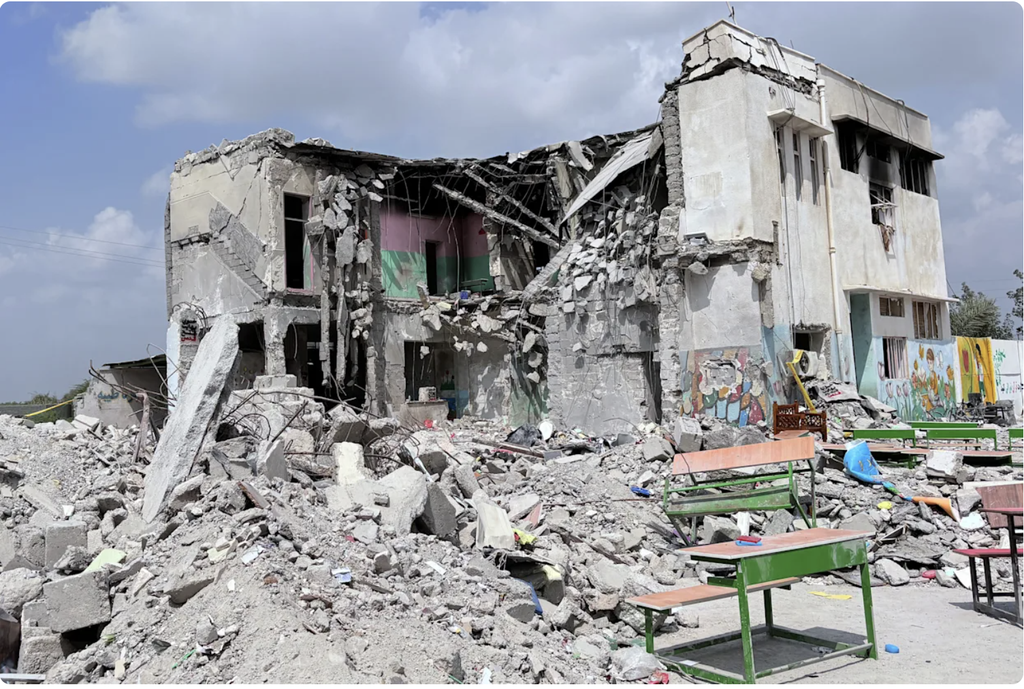
(כד) וְיִגַּ֥ל כַּמַּ֖יִם מִשְׁפָּ֑ט וּצְדָקָ֖ה כְּנַ֥חַל אֵיתָֽן׃
(24) Let justice well up like water, Righteousness like an ever-flowing stream.
