Tazria Metzora 5786 - Are we made impure by war and vengeance?
Reflections for this moment: are our attachments to cruelty, hatred, and injustice separating us from the sacred?
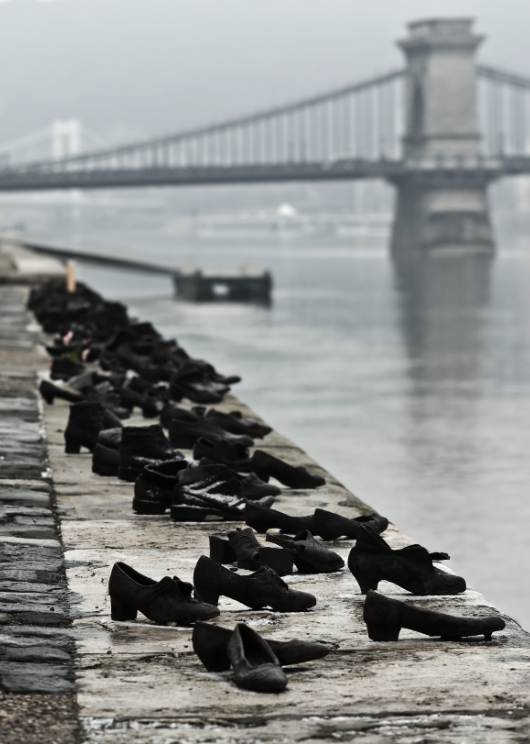
User uploaded image
Shoes on the Danube Bank
memorial honoring Jews killed by the Nazi-affiliated Hunagarian Red Arrow Party in late 1944 and early 1945
This week we have a double Torah portion, Parashiot Tazria-Metzora; we are nearing the end of the Book of Leviticus in the annual Torah cycle. These two parshiot are replete with detailed descriptions of different sorts of afflictions and impurities, and the procedures for examining and dealing with them so that individuals, houses, items, and communities can returnk to a state of purity. We will see that a state of purity is essential in order to enter into the mishkan - the dwelling place of God among us.
To modern eyes, the narration of all of these afflictions and impurities likely seem incomprehensible, irrelevant, archaic. I will suggest in this commentary that in fact we can extract deeply meaningful contemporary relevancies as we study these chapters this year, this month, this day, at this moement.
As it happens, I am completing this commentary on this week's double Torah portion (Tazria-Metzora) on Yom haShoah 5786. As is surely true for so many, I often think of the Holocaust and the history of the 20th century, attempting to understand the horrifying facts of the Shoah, grappling with theodicy, with the existence of evil, and with its sequelae.
The unspeakable transgressive horrors of that part of human history, in its scope and in its details, are profound, and often seem beyond comprehension. The sequelae of these horrors are also profound and manifest in so many ways, up until the present day. Intergenerational reverberations of trauma can lead to an inclination to repeated vengeance and systematic impulses to power and domination. Surely the persistent trauamtizing effects of the Shoah reverberate in so many ways today, for individuals, families, communities, nations, for the world.
In Parashat Tazria, we read numerous examples of states of impurity which are "cured" by procedures including ritual purification (washing) as well as being removed from the community for a set period of time. Some commentators regard this spatial separation as being based on the impulse to protect the rest of the community from the particular impurity.
In Parashat Metzora, we will read of other types of impurities and - in the penultimate verse (below) we see there is a fundamental concern that the mishkan - God's dwelling place among the people - will be defiled by the presence of impurity. In fact, in my reading, this verse suggests that any impurity in any member of a community can affect the integrity of God's presence for the entire community.

(לא) וְהִזַּרְתֶּ֥ם אֶת־בְּנֵי־יִשְׂרָאֵ֖ל מִטֻּמְאָתָ֑ם וְלֹ֤א יָמֻ֙תוּ֙ בְּטֻמְאָתָ֔ם בְּטַמְּאָ֥ם אֶת־מִשְׁכָּנִ֖י אֲשֶׁ֥ר בְּתוֹכָֽם׃

(31)

You shall separate the Israelites from their impurity, so that they will not die as a result of their impurity when they defile [make impure] my dwelling place that is among them.

In this remarkable verse, the word for impurity - uncleanness - tamei - appears three times. We read that the state of being impure while being in God's dwelling place is unacceptable to a degree that people in such a state in sucha place will die. We can begin to form the idea that the state of being impure and the state of being in God's dwelling place are mutually exclusive. Irreconcilable. Impossible.
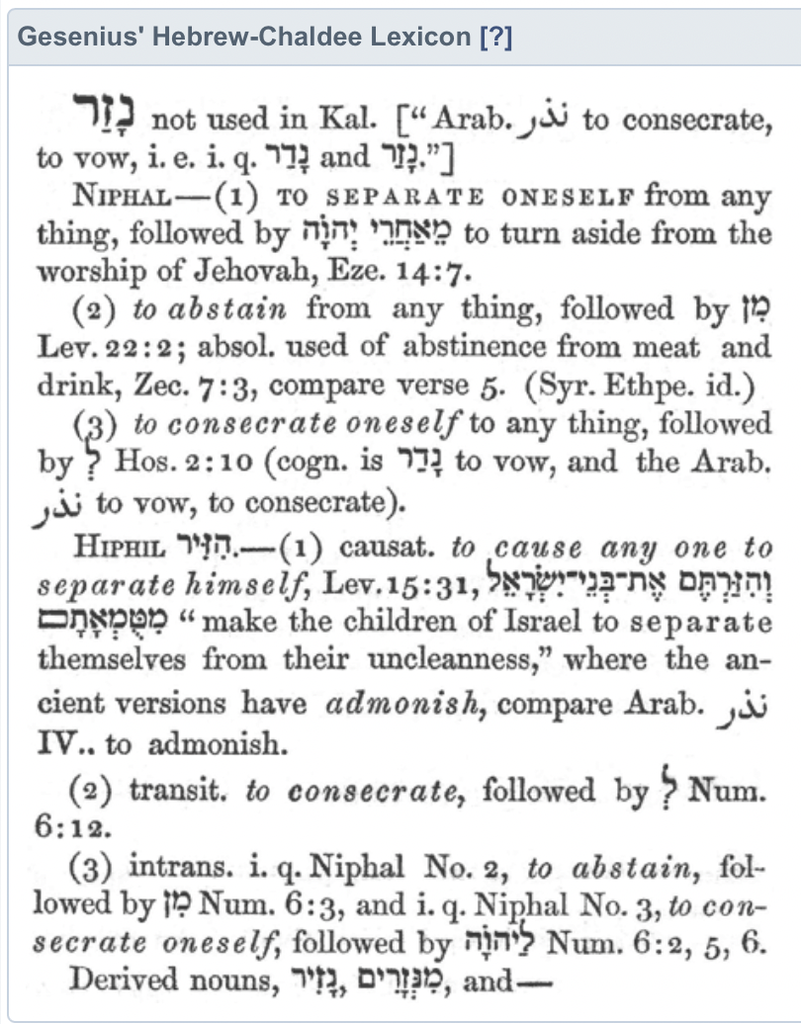
"separate the Israelites from their impurity"... וְהִזַּרְתֶּ֥ם
What is this verb (here, in the hiphil - causative - binyan):
User uploaded image
What does it mean to be in God's presence? God instructed the people to build a special place where God could dwell among them; we read this in Parashat Terumah:

(ח) וְעָ֥שׂוּ לִ֖י מִקְדָּ֑שׁ וְשָׁכַנְתִּ֖י בְּתוֹכָֽם׃

(8) And let them make Me a sanctuary that I may dwell among them.

What does it mean to be in a state that makes it impossible to be in God's presence?
For me this question is all the more poignant by today being Yom haShoah:; my thoughts are drawn repeatedly to the soul-crushing actions of violence and hatred, the spilling of blood - an example of collective impurity - that are permeating our world today: news of violence and disregard for the humanity of our brothers and sisters; news of distortions of truth and disregard for the most basic principles of justice and compassion. Systematic and finely orchestrated genocidal violence and oppression.
Examples are too numerous to count; here are a few that have emerged just in the days that I have been working on this commentary:
"In just ten minutes on April 8 [2026] – a day now known as “Black Wednesday” – the Israeli air force struck approximately 100 targets across Lebanon hours after President Donald Trump suspended bombing Iran. In the capital, Beirut, it hit, by its own count, around 35 “military infrastructures”, including, allegedly, an emergency headquarters of Hezbollah’s intelligence unit, a headquarters of its missile unit, and a headquarters of the Radwan Force, an elite force specialized in cross-border attacks.More than 350 men, women and children died in the 10-minute bloodbath across Lebanon. More than 1,200 were wounded. Others are buried under tons of masonry."
"How many people have been killed in the Iran war? ...The ​International Federation of Red Cross and Red Crescent Societies said that at least 1,900 people have been killed and 20,000 injured in Iran in the U.S.-Israeli ‌strikes so ‌far. It was not clear if those figures included at least 104 people who the Iranian military said were killed in ​a U.S. attack on an Iranian warship off Sri Lanka on March 4."
I deeply question, as you may: what do we bring into this world when we are so attached to vengeance and violence, to "forever wars"? In the Book of Leviticus we encounter an idea that arguably is the moral center of the Torah: You shall be holy, for I am holy.
From last week's parsha, Parashat Shmini:

(מד) כִּ֣י אֲנִ֣י יהוה אֱלֹֽהֵיכֶם֒ וְהִתְקַדִּשְׁתֶּם֙ וִהְיִיתֶ֣ם קְדֹשִׁ֔ים כִּ֥י קָד֖וֹשׁ אָ֑נִי וְלֹ֤א תְטַמְּאוּ֙ אֶת־נַפְשֹׁ֣תֵיכֶ֔ם בְּכׇל־הַשֶּׁ֖רֶץ הָרֹמֵ֥שׂ עַל־הָאָֽרֶץ׃

(44) For I the ETERNAL am your God: you shall sanctify yourselves and be holy, for I am holy. You shall not make yourselves impure through any swarming thing that moves upon the earth.

From next week's parsha, Parashat Kedoshim:

(ב) דַּבֵּ֞ר אֶל־כׇּל־עֲדַ֧ת בְּנֵי־יִשְׂרָאֵ֛ל וְאָמַרְתָּ֥ אֲלֵהֶ֖ם קְדֹשִׁ֣ים תִּהְי֑וּ כִּ֣י קָד֔וֹשׁ אֲנִ֖י יהוה אֱלֹהֵיכֶֽם׃

(2) Speak to the whole Israelite community and say to them:
You shall be holy, for I, the ETERNAL your God, am holy.

I recently attempted to have a conversation about current state violence in the Middle East with a woman I know from the local Jewish community. She seemed unable to reflect on any aspect of that violence other than to talk about her family members who were killed by the Nazis; somehow, their deaths justify ongoing systemic violence today - irrespective of whether those killed are chidren or adults who have taken up arms to fight. She was staunch in her attitude. I perceived that this woman, whose family has suffered so much, feels entitlted to this attitude of blind vengeance - which valorizes collective punishment - because of the deaths her family experienced. This attitude is pervasive in many communities: entitlement to vengeance, violence, asymmetical application of ideas of justice.
There is another way. Just today, a new book was released: The Future Is Peace: A Shared Journey Across the Holy Land by two long-time peace
activisits, Palestinian Aziz Abu Sarah and Israeli Maoz Inon. This is a book
about reconciliation. Each of these two men have lost close family members to violence in Israel / Palestine, and together they have written a book in which they offer hopeful, personal account of choosing empathy over vengeance, mapping a path toward coexistence in a deeply divided region.
On the day of its release, this book has been intermittently out of stock
on Amazon throughout the day. This suggests to me that there are so many in this critical moment in history who long for peace and reconciliation, who desire to purify themselves of their attachment to vengeance.
We will also read in Parashat Kedoshim:

(יח) לֹֽא־תִקֹּ֤ם וְלֹֽא־תִטֹּר֙ אֶת־בְּנֵ֣י עַמֶּ֔ךָ וְאָֽהַבְתָּ֥ לְרֵעֲךָ֖ כָּמ֑וֹךָ אֲנִ֖י יהוה׃

(18) You shall not take vengeance or bear a grudge against members of your people. Love your fellow as yourself: I am GOD.

You shall not harbor a grudge against "members of your people" - "against children of your people": who are our people? Are we morally justified in separating ourselves from other human beings?
Today, on Yom haShoah, I have felt a deep moral compunction to ask questions about contemporary systematic violence that governments and systems are enacting, even as I type these words. Does our disregard for the humanity of others generate a state of moral / ethical impurity within us?
"The Israeli military killed four Lebanese rescue workers and wounded six others in three consecutive, targeted strikes Wednesday, paramedic groups said, a stark illustration of the human cost of the Israeli military campaign in southern Lebanon a day after Lebanon and Israel held historic talks in Washington.The back-to-back Israeli attacks on the southern village of Mayfadoun, near the bigger town of Nabatiyeh, hit the first group of medics responding to a distress call from wounded civilians, a second group trying to assist their wounded colleagues and a third group rushing to aid the first two teams that had been targeted.The Lebanese Health Ministry condemned the attacks as a "blatant violation" of international law." April 15 2026
Being able to be present in the presence of God is connected to teshuva, to the work of repair. We must grapple with the inevitable damaging effects, to our very selves, of engaging in endless hatred, vengeance, aggression, violence. We harm ourselves by these actions. A poignant and tragic example is the destruction by an Israeli air strike of a historic synagogue in Teheran on April 6 2026 - Destruction of the Rafi'-Nia synagogue.
Turning our attention back to the verse with which we started:

(לא) וְהִזַּרְתֶּ֥ם אֶת־בְּנֵי־יִשְׂרָאֵ֖ל מִטֻּמְאָתָ֑ם וְלֹ֤א יָמֻ֙תוּ֙ בְּטֻמְאָתָ֔ם בְּטַמְּאָ֥ם אֶת־מִשְׁכָּנִ֖י אֲשֶׁ֥ר בְּתוֹכָֽם׃

(31) You shall separate the Israelites from their impurity, so that they will not die as a result of their impurity when they defile [make impure] my dwelling place that is among them.

Rabbi Samson Raphael Hirsch in his extensive commentary on this verse highlights the spiritual dimensions of being separated from impurity:
"... its basic meaning: keeping away, separating, but not merely spatially, but also a distancing that demands moral self-control ...The הנִזָרֵ [separation] demanded here, from any and especially מטומאתם [from their impurity], from the physical conditions of man himself....It inherently claims moral self-control and, like the observance of the laws of the people in general, has as its ultimate goal the moral freedom manifested in self-control. Therefore, the choice of this expression for the required distancing is certainly of profound significance. Specifically, this commandment places the observance of the laws of the people under the self-controlling conscientiousness of the people..."
The self-controlling conscientiousness of the people... can we bring this to bear, our own conscientiousness, as we struggle with the reality of our communities seeming to be turning away from justice?

(ד) אַחַ֤ת ׀ שָׁאַ֣לְתִּי מֵאֵת־יהוה אוֹתָ֢הּ אֲבַ֫קֵּ֥שׁ שִׁבְתִּ֣י בְּבֵית־יהוה כׇּל־יְמֵ֣י חַיַּ֑י לַחֲז֥וֹת בְּנֹעַם־יהוה וּלְבַקֵּ֥ר בְּהֵֽיכָלֽוֹ׃

(4)One thing I ask of GOD,only that do I seek: to dwell in GOD’s house all the days of my life,to gaze upon GOD’s beauty, to frequent God's sacred place.

Dwelling in God's sacred presence requires repair, teshuva, which is not only for the days between Rosh Hashanah and Yom Kippur. It is for every day.
Let our study of this week's double Torah portions inspire us to deeply question our understanding of holiness, justice, purity of heart. Let us study and practice and manifest justice and holiness in our world, on this very day.