




 Save
Save Copy
Copy Add to Collection
 Export to Google Docs
 Share
Share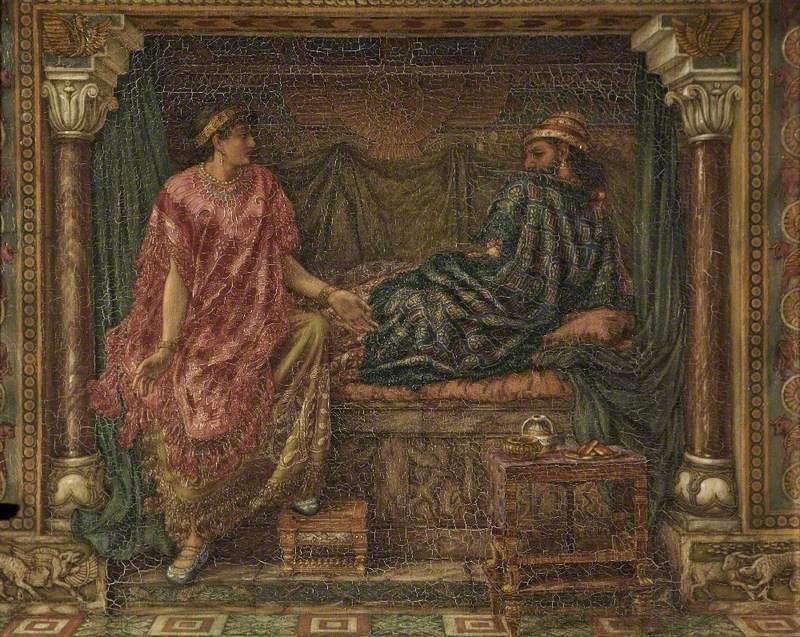
Jezebel was a queen in the northern Kingdom of Israel. She lived in the 800s BCE. Her story forms the background to the Haftarah (prophetic reading) for the Torah portion of Pinchas.
(כט) וְאַחְאָ֣ב בֶּן־עׇמְרִ֗י מָלַךְ֙ עַל־יִשְׂרָאֵ֔ל בִּשְׁנַ֨ת שְׁלֹשִׁ֤ים וּשְׁמֹנֶה֙ שָׁנָ֔ה לְאָסָ֖א מֶ֣לֶךְ יְהוּדָ֑ה וַ֠יִּמְלֹ֠ךְ אַחְאָ֨ב בֶּן־עׇמְרִ֤י עַל־יִשְׂרָאֵל֙ בְּשֹׁ֣מְר֔וֹן עֶשְׂרִ֥ים וּשְׁתַּ֖יִם שָׁנָֽה׃ (ל) וַיַּ֨עַשׂ אַחְאָ֧ב בֶּן־עׇמְרִ֛י הָרַ֖ע בְּעֵינֵ֣י יהוה מִכֹּ֖ל אֲשֶׁ֥ר לְפָנָֽיו׃ (לא) וַֽיְהִי֙ הֲנָקֵ֣ל לֶכְתּ֔וֹ בְּחַטֹּ֖אות יָרׇבְעָ֣ם בֶּן־נְבָ֑ט וַיִּקַּ֨ח אִשָּׁ֜ה אֶת־אִיזֶ֗בֶל בַּת־אֶתְבַּ֙עַל֙ מֶ֣לֶךְ צִידֹנִ֔ים וַיֵּ֙לֶךְ֙ וַיַּעֲבֹ֣ד אֶת־הַבַּ֔עַל וַיִּשְׁתַּ֖חוּ לֽוֹ׃ (לב) וַיָּ֥קֶם מִזְבֵּ֖חַ לַבָּ֑עַל בֵּ֣ית הַבַּ֔עַל אֲשֶׁ֥ר בָּנָ֖ה בְּשֹׁמְרֽוֹן׃ (לג) וַיַּ֥עַשׂ אַחְאָ֖ב אֶת־הָאֲשֵׁרָ֑ה וַיּ֨וֹסֶף אַחְאָ֜ב לַעֲשׂ֗וֹת לְהַכְעִיס֙ אֶת־יהוה אֱלֹהֵ֣י יִשְׂרָאֵ֔ל מִכֹּל֙ מַלְכֵ֣י יִשְׂרָאֵ֔ל אֲשֶׁ֥ר הָי֖וּ לְפָנָֽיו׃
(29) Ahab son of Omri became king over Israel in the thirty-eighth year of King Asa of Judah, and Ahab son of Omri reigned over Israel in Samaria for twenty-two years. (30) Ahab son of Omri did what was displeasing to GOD, more than all who preceded him. (31) Not content to follow the sins of Jeroboam son of Nebat, he took as wife Jezebel daughter of King Etba'al of the Phoenicians, and he went and served Ba'al and worshiped him. (32) He erected an altar to Ba'al in the temple of Ba'al that he built in Samaria. (33) Ahab also made a sacred post [to Asherah]. Ahab did more to provoke the anger of the ETERNAL, the God of Israel, than all the kings of Israel who preceded him.
(א) וַֽיְהִי֙ יָמִ֣ים רַבִּ֔ים וּדְבַר־יהוה הָיָה֙ אֶל־אֵ֣לִיָּ֔הוּ בַּשָּׁנָ֥ה הַשְּׁלִישִׁ֖ית לֵאמֹ֑ר לֵ֚ךְ הֵרָאֵ֣ה אֶל־אַחְאָ֔ב וְאֶתְּנָ֥ה מָטָ֖ר עַל־פְּנֵ֥י הָֽאֲדָמָֽה׃ (ב) וַיֵּ֙לֶךְ֙ אֵֽלִיָּ֔הוּ לְהֵרָא֖וֹת אֶל־אַחְאָ֑ב וְהָרָעָ֥ב חָזָ֖ק בְּשֹׁמְרֽוֹן׃ (ג) וַיִּקְרָ֣א אַחְאָ֔ב אֶל־עֹבַדְיָ֖הוּ אֲשֶׁ֣ר עַל־הַבָּ֑יִת וְעֹבַדְיָ֗הוּ הָיָ֥ה יָרֵ֛א אֶת־יהוה מְאֹֽד׃ (ד) וַֽיְהִי֙ בְּהַכְרִ֣ית אִיזֶ֔בֶל אֵ֖ת נְבִיאֵ֣י יהוה וַיִּקַּ֨ח עֹבַדְיָ֜הוּ מֵאָ֣ה נְבִיאִ֗ים וַֽיַּחְבִּיאֵ֞ם חֲמִשִּׁ֥ים אִישׁ֙ בַּמְּעָרָ֔ה וְכִלְכְּלָ֖ם לֶ֥חֶם וָמָֽיִם׃
(1) Much later, in the third year, the word of GOD came to Elijah: “Go, appear before Ahab; then I will send rain upon the earth.” (2) Thereupon Elijah set out to appear before Ahab.
The famine was severe in Samaria. (3) Ahab had summoned Obadiah, the steward of the palace. (Obadiah revered GOD greatly. (4) When Jezebel was killing off the prophets of GOD, Obadiah had taken a hundred prophets and hidden them, fifty to a cave, and provided them with food and drink.)
(יג) הֲלֹֽא־הֻגַּ֤ד לַֽאדֹנִי֙ אֵ֣ת אֲשֶׁר־עָשִׂ֔יתִי בַּהֲרֹ֣ג אִיזֶ֔בֶל אֵ֖ת נְבִיאֵ֣י יהוה וָאַחְבִּא֩ מִנְּבִיאֵ֨י יהוה מֵ֣אָה אִ֗ישׁ חֲמִשִּׁ֨ים חֲמִשִּׁ֥ים אִישׁ֙ בַּמְּעָרָ֔ה וָאֲכַלְכְּלֵ֖ם לֶ֥חֶם וָמָֽיִם׃ (יד) וְעַתָּה֙ אַתָּ֣ה אֹמֵ֔ר לֵ֛ךְ אֱמֹ֥ר לַאדֹנֶ֖יךָ הִנֵּ֣ה אֵלִיָּ֑הוּ וַהֲרָגָֽנִי׃ {ס}(טו) וַיֹּ֙אמֶר֙ אֵֽלִיָּ֔הוּ חַ֚י יהוה צְבָא֔וֹת אֲשֶׁ֥ר עָמַ֖דְתִּי לְפָנָ֑יו כִּ֥י הַיּ֖וֹם אֵרָאֶ֥ה אֵלָֽיו׃ (טז) וַיֵּ֧לֶךְ עֹבַדְיָ֛הוּ לִקְרַ֥את אַחְאָ֖ב וַיַּגֶּד־ל֑וֹ וַיֵּ֥לֶךְ אַחְאָ֖ב לִקְרַ֥את אֵלִיָּֽהוּ׃ (יז) וַיְהִ֛י כִּרְא֥וֹת אַחְאָ֖ב אֶת־אֵלִיָּ֑הוּ וַיֹּ֤אמֶר אַחְאָב֙ אֵלָ֔יו הַאַתָּ֥ה זֶ֖ה עֹכֵ֥ר יִשְׂרָאֵֽל׃ (יח) וַיֹּ֗אמֶר לֹ֤א עָכַ֙רְתִּי֙ אֶת־יִשְׂרָאֵ֔ל כִּ֥י אִם־אַתָּ֖ה וּבֵ֣ית אָבִ֑יךָ בַּעֲזׇבְכֶם֙ אֶת־מִצְוֺ֣ת יהוה וַתֵּ֖לֶךְ אַחֲרֵ֥י הַבְּעָלִֽים׃ (יט) וְעַתָּ֗ה שְׁלַ֨ח קְבֹ֥ץ אֵלַ֛י אֶת־כׇּל־יִשְׂרָאֵ֖ל אֶל־הַ֣ר הַכַּרְמֶ֑ל וְאֶת־נְבִיאֵ֨י הַבַּ֜עַל אַרְבַּ֧ע מֵא֣וֹת וַחֲמִשִּׁ֗ים וּנְבִיאֵ֤י הָאֲשֵׁרָה֙ אַרְבַּ֣ע מֵא֔וֹת אֹכְלֵ֖י שֻׁלְחַ֥ן אִיזָֽבֶל׃
(13) My lord has surely been told what I did when Jezebel was killing the prophets of GOD, how I hid a hundred of the prophets of GOD, fifty to a cave, and provided them with food and drink. (14) And now you say, ‘Go tell your lord: Elijah is here.’ Why, he will kill me!” (15) Elijah replied, “As GOD of Hosts lives, whom I serve, I will appear before him this very day.” (16) Obadiah went to find Ahab, and informed him; and Ahab went to meet Elijah. (17) When Ahab caught sight of Elijah, Ahab said to him, “Is that you, you troubler of Israel?” (18) He retorted, “It is not I who have brought trouble on Israel, but you and your father’s house, by forsaking the commandments of GOD and going after the Ba'alim. (19) Now summon all Israel to join me at Mount Carmel, together with the four hundred and fifty prophets of Ba'al and the four hundred prophets of Asherah, who eat at Jezebel’s table.”
(א) וַיַּגֵּ֤ד אַחְאָב֙ לְאִיזֶ֔בֶל אֵ֛ת כׇּל־אֲשֶׁ֥ר עָשָׂ֖ה אֵלִיָּ֑הוּ וְאֵ֨ת כׇּל־אֲשֶׁ֥ר הָרַ֛ג אֶת־כׇּל־הַנְּבִיאִ֖ים בֶּחָֽרֶב׃ (ב) וַתִּשְׁלַ֤ח אִיזֶ֙בֶל֙ מַלְאָ֔ךְ אֶל־אֵלִיָּ֖הוּ לֵאמֹ֑ר כֹּֽה־יַעֲשׂ֤וּן אֱלֹהִים֙ וְכֹ֣ה יֽוֹסִפ֔וּן כִּֽי־כָעֵ֤ת מָחָר֙ אָשִׂ֣ים אֶֽת־נַפְשְׁךָ֔ כְּנֶ֖פֶשׁ אַחַ֥ד מֵהֶֽם׃ (ג) וַיַּ֗רְא וַיָּ֙קׇם֙ וַיֵּ֣לֶךְ אֶל־נַפְשׁ֔וֹ וַיָּבֹ֕א בְּאֵ֥ר שֶׁ֖בַע אֲשֶׁ֣ר לִיהוּדָ֑ה וַיַּנַּ֥ח אֶֽת־נַעֲר֖וֹ שָֽׁם׃
(1) When Ahab told Jezebel all that Elijah had done and how he had put all the prophets to the sword, (2) Jezebel sent a messenger to Elijah, saying, “Thus and more may the gods do if by this time tomorrow I have not made you like one of them.” (3) Frightened, he fled at once for his life. He came to Beer-sheba, which is in Judah, and left his servant there;
(א) וַיְהִ֗י אַחַר֙ הַדְּבָרִ֣ים הָאֵ֔לֶּה כֶּ֧רֶם הָיָ֛ה לְנָב֥וֹת הַיִּזְרְעֵאלִ֖י אֲשֶׁ֣ר בְּיִזְרְעֶ֑אל אֵ֚צֶל הֵיכַ֣ל אַחְאָ֔ב מֶ֖לֶךְ שֹׁמְרֽוֹן׃ (ב) וַיְדַבֵּ֣ר אַחְאָ֣ב אֶל־נָב֣וֹת ׀ לֵאמֹר֩ ׀ תְּנָה־לִּ֨י אֶֽת־כַּרְמְךָ֜ וִיהִי־לִ֣י לְגַן־יָרָ֗ק כִּ֣י ה֤וּא קָרוֹב֙ אֵ֣צֶל בֵּיתִ֔י וְאֶתְּנָ֤ה לְךָ֙ תַּחְתָּ֔יו כֶּ֖רֶם ט֣וֹב מִמֶּ֑נּוּ אִ֚ם ט֣וֹב בְּעֵינֶ֔יךָ אֶתְּנָֽה־לְךָ֥ כֶ֖סֶף מְחִ֥יר זֶֽה׃ (ג) וַיֹּ֥אמֶר נָב֖וֹת אֶל־אַחְאָ֑ב חָלִ֤ילָה לִּי֙ מֵֽיְהֹוָ֔ה מִתִּתִּ֛י אֶת־נַחֲלַ֥ת אֲבֹתַ֖י לָֽךְ׃ (ד) וַיָּבֹא֩ אַחְאָ֨ב אֶל־בֵּית֜וֹ סַ֣ר וְזָעֵ֗ף עַל־הַדָּבָר֙ אֲשֶׁר־דִּבֶּ֣ר אֵלָ֗יו נָבוֹת֙ הַיִּזְרְעֵאלִ֔י וַיֹּ֕אמֶר לֹא־אֶתֵּ֥ן לְךָ֖ אֶת־נַחֲלַ֣ת אֲבוֹתָ֑י וַיִּשְׁכַּב֙ עַל־מִטָּת֔וֹ וַיַּסֵּ֥ב אֶת־פָּנָ֖יו וְלֹא־אָ֥כַל לָֽחֶם׃ (ה) וַתָּבֹ֥א אֵלָ֖יו אִיזֶ֣בֶל אִשְׁתּ֑וֹ וַתְּדַבֵּ֣ר אֵלָ֗יו מַה־זֶּה֙ רוּחֲךָ֣ סָרָ֔ה וְאֵינְךָ֖ אֹכֵ֥ל לָֽחֶם׃ (ו) וַיְדַבֵּ֣ר אֵלֶ֗יהָ כִּֽי־אֲ֠דַבֵּ֠ר אֶל־נָב֨וֹת הַיִּזְרְעֵאלִ֜י וָאֹ֣מַר ל֗וֹ תְּנָה־לִּ֤י אֶֽת־כַּרְמְךָ֙ בְּכֶ֔סֶף א֚וֹ אִם־חָפֵ֣ץ אַתָּ֔ה אֶתְּנָֽה־לְךָ֥ כֶ֖רֶם תַּחְתָּ֑יו וַיֹּ֕אמֶר לֹא־אֶתֵּ֥ן לְךָ֖ אֶת־כַּרְמִֽי׃ (ז) וַתֹּ֤אמֶר אֵלָיו֙ אִיזֶ֣בֶל אִשְׁתּ֔וֹ אַתָּ֕ה עַתָּ֛ה תַּעֲשֶׂ֥ה מְלוּכָ֖ה עַל־יִשְׂרָאֵ֑ל ק֤וּם אֱכׇל־לֶ֙חֶם֙ וְיִטַ֣ב לִבֶּ֔ךָ אֲנִי֙ אֶתֵּ֣ן לְךָ֔ אֶת־כֶּ֖רֶם נָב֥וֹת הַיִּזְרְעֵאלִֽי׃
(1) [The following events] occurred some time afterward: Naboth the Jezreelite owned a vineyard in Jezreel, adjoining the palace of King Ahab of Samaria. (2) Ahab said to Naboth, “Give me your vineyard, so that I may have it as a vegetable garden, since it is right next to my palace. I will give you a better vineyard in exchange; or, if you prefer, I will pay you the price in money.” (3) But Naboth replied, “GOD forbid that I should give up to you what I have inherited from my fathers!” (4) Ahab went home dispirited and sullen because of the answer that Naboth the Jezreelite had given him: “I will not give up to you what I have inherited from my fathers!” He lay down on his bed and turned away his face, and he would not eat. (5) His wife Jezebel came to him and asked him, “Why are you so dispirited that you won’t eat?” (6) So he told her, “I spoke to Naboth the Jezreelite and proposed to him, ‘Sell me your vineyard for money, or if you prefer, I’ll give you another vineyard in exchange’; but he answered, ‘I will not give my vineyard to you.’” (7) His wife Jezebel said to him, “Now is the time to show yourself king over Israel. Rise and eat something, and be cheerful; I will get the vineyard of Naboth the Jezreelite for you.”
(ח) וַתִּכְתֹּ֤ב סְפָרִים֙ בְּשֵׁ֣ם אַחְאָ֔ב וַתַּחְתֹּ֖ם בְּחֹתָמ֑וֹ וַתִּשְׁלַ֣ח (הספרים)[סְפָרִ֗ים] אֶל־הַזְּקֵנִ֤ים וְאֶל־הַחֹרִים֙ אֲשֶׁ֣ר בְּעִיר֔וֹ הַיֹּשְׁבִ֖ים אֶת־נָבֽוֹת׃ (ט) וַתִּכְתֹּ֥ב בַּסְּפָרִ֖ים לֵאמֹ֑ר קִֽרְאוּ־צ֔וֹם וְהֹשִׁ֥יבוּ אֶת־נָב֖וֹת בְּרֹ֥אשׁ הָעָֽם׃ (י) וְ֠הוֹשִׁ֠יבוּ שְׁנַ֨יִם אֲנָשִׁ֥ים בְּנֵֽי־בְלִיַּ֘עַל֮ נֶגְדּוֹ֒ וִיעִדֻ֣הוּ לֵאמֹ֔ר בֵּרַ֥כְתָּ אֱלֹהִ֖ים וָמֶ֑לֶךְ וְהוֹצִיאֻ֥הוּ וְסִקְלֻ֖הוּ וְיָמֹֽת׃ (יא) וַיַּעֲשׂוּ֩ אַנְשֵׁ֨י עִיר֜וֹ הַזְּקֵנִ֣ים וְהַחֹרִ֗ים אֲשֶׁ֤ר הַיֹּֽשְׁבִים֙ בְּעִיר֔וֹ כַּאֲשֶׁ֛ר שָׁלְחָ֥ה אֲלֵיהֶ֖ם אִיזָ֑בֶל כַּאֲשֶׁ֤ר כָּתוּב֙ בַּסְּפָרִ֔ים אֲשֶׁ֥ר שָׁלְחָ֖ה אֲלֵיהֶֽם׃ (יב) קָרְא֖וּ צ֑וֹם וְהֹשִׁ֥יבוּ אֶת־נָב֖וֹת בְּרֹ֥אשׁ הָעָֽם׃ (יג) וַ֠יָּבֹ֠אוּ שְׁנֵ֨י הָאֲנָשִׁ֥ים בְּנֵֽי־בְלִיַּ֘עַל֮ וַיֵּשְׁב֣וּ נֶגְדּוֹ֒ וַיְעִדֻ֩הוּ֩ אַנְשֵׁ֨י הַבְּלִיַּ֜עַל אֶת־נָב֗וֹת נֶ֤גֶד הָעָם֙ לֵאמֹ֔ר בֵּרַ֥ךְ נָב֛וֹת אֱלֹהִ֖ים וָמֶ֑לֶךְ וַיֹּצִאֻ֙הוּ֙ מִח֣וּץ לָעִ֔יר וַיִּסְקְלֻ֥הוּ בָאֲבָנִ֖ים וַיָּמֹֽת׃ (יד) וַֽיִּשְׁלְח֖וּ אֶל־אִיזֶ֣בֶל לֵאמֹ֑ר סֻקַּ֥ל נָב֖וֹת וַיָּמֹֽת׃ (טו) וַֽיְהִי֙ כִּשְׁמֹ֣עַ אִיזֶ֔בֶל כִּי־סֻקַּ֥ל נָב֖וֹת וַיָּמֹ֑ת וַתֹּ֨אמֶר אִיזֶ֜בֶל אֶל־אַחְאָ֗ב ק֣וּם רֵ֞שׁ אֶת־כֶּ֣רֶם ׀ נָב֣וֹת הַיִּזְרְעֵאלִ֗י אֲשֶׁ֤ר מֵאֵן֙ לָתֶת־לְךָ֣ בְכֶ֔סֶף כִּ֣י אֵ֥ין נָב֛וֹת חַ֖י כִּי־מֵֽת׃ (טז) וַיְהִ֛י כִּשְׁמֹ֥עַ אַחְאָ֖ב כִּ֣י מֵ֣ת נָב֑וֹת וַיָּ֣קׇם אַחְאָ֗ב לָרֶ֛דֶת אֶל־כֶּ֛רֶם נָב֥וֹת הַיִּזְרְעֵאלִ֖י לְרִשְׁתּֽוֹ׃ {פ}
(8) So she wrote letters in Ahab’s name and sealed them with his seal, and sent the letters to the elders and the nobles who lived in the same town with Naboth. (9) In the letters she wrote as follows: “Proclaim a fast and seat Naboth at the front of the assembly. (10) And seat two scoundrels opposite him, and let them testify against him: ‘You have reviled God and king!’ Then take him out and stone him to death.” (11) The people of his town—the elders and nobles who lived in his town—did as Jezebel had instructed them, just as was written in the letters she had sent them: (12) They proclaimed a fast and seated Naboth at the front of the assembly. (13) Then the two scoundrels came and sat down opposite him; and those scoundrels testified against Naboth publicly as follows: “Naboth has reviled God and king.” Then they took him outside the town and stoned him to death. (14) Word was sent to Jezebel: “Naboth has been stoned to death.” (15) As soon as Jezebel heard that Naboth had been stoned to death, she said to Ahab, “Go and take possession of the vineyard that Naboth the Jezreelite refused to sell you for money; for Naboth is no longer alive, he is dead.” (16) When Ahab heard that Naboth was dead, Ahab set out for the vineyard of Naboth the Jezreelite to take possession of it.
(יז) וַֽיְהִי֙ דְּבַר־יְהֹוָ֔ה אֶל־אֵלִיָּ֥הוּ הַתִּשְׁבִּ֖י לֵאמֹֽר׃ (יח) ק֣וּם רֵ֗ד לִקְרַ֛את אַחְאָ֥ב מֶלֶךְ־יִשְׂרָאֵ֖ל אֲשֶׁ֣ר בְּשֹׁמְר֑וֹן הִנֵּה֙ בְּכֶ֣רֶם נָב֔וֹת אֲשֶׁר־יָ֥רַד שָׁ֖ם לְרִשְׁתּֽוֹ׃ (יט) וְדִבַּרְתָּ֨ אֵלָ֜יו לֵאמֹ֗ר כֹּ֚ה אָמַ֣ר יְהֹוָ֔ה הֲרָצַ֖חְתָּ וְגַם־יָרָ֑שְׁתָּ וְדִבַּרְתָּ֨ אֵלָ֜יו לֵאמֹ֗ר כֹּ֚ה אָמַ֣ר יְהֹוָ֔ה בִּמְק֗וֹם אֲשֶׁ֨ר לָקְק֤וּ הַכְּלָבִים֙ אֶת־דַּ֣ם נָב֔וֹת יָלֹ֧קּוּ הַכְּלָבִ֛ים אֶת־דָּמְךָ֖ גַּם־אָֽתָּה׃ (כ) וַיֹּ֤אמֶר אַחְאָב֙ אֶל־אֵ֣לִיָּ֔הוּ הַֽמְצָאתַ֖נִי אֹֽיְבִ֑י וַיֹּ֣אמֶר מָצָ֔אתִי יַ֚עַן הִתְמַכֶּרְךָ֔ לַעֲשׂ֥וֹת הָרַ֖ע בְּעֵינֵ֥י יְהֹוָֽה׃ (כא) הִנְנִ֨י מֵבִ֤י אֵלֶ֙יךָ֙ רָעָ֔ה וּבִעַרְתִּ֖י אַחֲרֶ֑יךָ וְהִכְרַתִּ֤י לְאַחְאָב֙ מַשְׁתִּ֣ין בְּקִ֔יר וְעָצ֥וּר וְעָז֖וּב בְּיִשְׂרָאֵֽל׃ (כב) וְנָתַתִּ֣י אֶת־בֵּיתְךָ֗ כְּבֵית֙ יָרׇבְעָ֣ם בֶּן־נְבָ֔ט וּכְבֵ֖ית בַּעְשָׁ֣א בֶן־אֲחִיָּ֑ה אֶל־הַכַּ֙עַס֙ אֲשֶׁ֣ר הִכְעַ֔סְתָּ וַֽתַּחֲטִ֖א אֶת־יִשְׂרָאֵֽל׃ (כג) וְגַ֨ם־לְאִיזֶ֔בֶל דִּבֶּ֥ר יְהֹוָ֖ה לֵאמֹ֑ר הַכְּלָבִ֛ים יֹאכְל֥וּ אֶת־אִיזֶ֖בֶל בְּחֵ֥ל יִזְרְעֶֽאל׃ (כד) הַמֵּ֤ת לְאַחְאָב֙ בָּעִ֔יר יֹאכְל֖וּ הַכְּלָבִ֑ים וְהַמֵּת֙ בַּשָּׂדֶ֔ה יֹאכְל֖וּ ע֥וֹף הַשָּׁמָֽיִם׃ (כה) רַ֚ק לֹא־הָיָ֣ה כְאַחְאָ֔ב אֲשֶׁ֣ר הִתְמַכֵּ֔ר לַעֲשׂ֥וֹת הָרַ֖ע בְּעֵינֵ֣י יְהֹוָ֑ה אֲשֶׁר־הֵסַ֥תָּה אֹת֖וֹ אִיזֶ֥בֶל אִשְׁתּֽוֹ׃ (כו) וַיַּתְעֵ֣ב מְאֹ֔ד לָלֶ֖כֶת אַחֲרֵ֣י הַגִּלֻּלִ֑ים כְּכֹל֙ אֲשֶׁ֣ר עָשׂ֣וּ הָאֱמֹרִ֔י אֲשֶׁר֙ הוֹרִ֣ישׁ יְהֹוָ֔ה מִפְּנֵ֖י בְּנֵ֥י יִשְׂרָאֵֽל׃ {פ}(כז) וַיְהִי֩ כִשְׁמֹ֨עַ אַחְאָ֜ב אֶת־הַדְּבָרִ֤ים הָאֵ֙לֶּה֙ וַיִּקְרַ֣ע בְּגָדָ֔יו וַיָּשֶׂם־שַׂ֥ק עַל־בְּשָׂר֖וֹ וַיָּצ֑וֹם וַיִּשְׁכַּ֣ב בַּשָּׂ֔ק וַיְהַלֵּ֖ךְ אַֽט׃ {פ}(כח) וַֽיְהִי֙ דְּבַר־יְהֹוָ֔ה אֶל־אֵלִיָּ֥הוּ הַתִּשְׁבִּ֖י לֵאמֹֽר׃ (כט) הֲֽרָאִ֔יתָ כִּֽי־נִכְנַ֥ע אַחְאָ֖ב מִלְּפָנָ֑י יַ֜עַן כִּֽי־נִכְנַ֣ע מִפָּנַ֗י לֹֽא־אָבִ֤י הָרָעָה֙ בְּיָמָ֔יו בִּימֵ֣י בְנ֔וֹ אָבִ֥יא הָרָעָ֖ה עַל־בֵּיתֽוֹ׃
(17) Then the word of GOD came to Elijah the Tishbite: (18) “Go down and confront King Ahab of Israel who [resides] in Samaria. He is now in Naboth’s vineyard; he has gone down there to take possession of it. (19) Say to him, ‘Thus said GOD: Would you murder and take possession? Thus said GOD: In the very place where the dogs lapped up Naboth’s blood, the dogs will lap up your blood too.’” (20) Ahab said to Elijah, “So you have found me, my enemy?” “Yes, I have found you,” he replied. “Because you have committed yourself to doing what is evil in GOD’s sight, (21) I will bring disaster upon you. I will make a clean sweep of you, I will cut off from Israel every male belonging to Ahab, bond and free. (22) And I will make your house like the House of Jeroboam son of Nebat and like the House of Baasha son of Ahijah, because of the provocation you have caused by leading Israel to sin. (23) And GOD has also spoken concerning Jezebel: ‘The dogs shall devour Jezebel in the field of Jezreel. (24) All of Ahab’s line who die in the town shall be devoured by dogs, and all who die in the open country shall be devoured by the birds of the sky.’” (25) (Indeed, there never was anyone like Ahab, who committed himself to doing what was displeasing to GOD, at the instigation of his wife Jezebel. (26) He acted most abominably, straying after the fetishes just like the Amorites, whom GOD had dispossessed before the Israelites.) (27) When Ahab heard these words, he rent his clothes and put sackcloth on his body. He fasted and lay in sackcloth and walked about subdued. (28) Then the word of GOD came to Elijah the Tishbite: (29) “Have you seen how Ahab has humbled himself before Me? Because he has humbled himself before Me, I will not bring the disaster in his lifetime; I will bring the disaster upon his house in his son’s time.”
(ו) וַיָּ֙קׇם֙ וַיָּבֹ֣א הַבַּ֔יְתָה וַיִּצֹ֥ק הַשֶּׁ֖מֶן אֶל־רֹאשׁ֑וֹ וַיֹּ֣אמֶר ל֗וֹ כֹּֽה־אָמַ֤ר יהוה אֱלֹהֵ֣י יִשְׂרָאֵ֔ל מְשַׁחְתִּ֧יךָ לְמֶ֛לֶךְ אֶל־עַ֥ם יהוה אֶל־יִשְׂרָאֵֽל׃ (ז) וְהִ֨כִּיתָ֔ה אֶת־בֵּ֥ית אַחְאָ֖ב אֲדֹנֶ֑יךָ וְנִקַּמְתִּ֞י דְּמֵ֣י ׀ עֲבָדַ֣י הַנְּבִיאִ֗ים וּדְמֵ֛י כׇּל־עַבְדֵ֥י יהוה מִיַּ֥ד אִיזָֽבֶל׃ (ח) וְאָבַ֖ד כׇּל־בֵּ֣ית אַחְאָ֑ב וְהִכְרַתִּ֤י לְאַחְאָב֙ מַשְׁתִּ֣ין בְּקִ֔יר וְעָצ֥וּר וְעָז֖וּב בְּיִשְׂרָאֵֽל׃ (ט) וְנָֽתַתִּי֙ אֶת־בֵּ֣ית אַחְאָ֔ב כְּבֵ֖ית יָרׇבְעָ֣ם בֶּן־נְבָ֑ט וּכְבֵ֖ית בַּעְשָׁ֥א בֶן־אֲחִיָּֽה׃ (י) וְאֶת־אִיזֶ֜בֶל יֹאכְל֧וּ הַכְּלָבִ֛ים בְּחֵ֥לֶק יִזְרְעֶ֖אל וְאֵ֣ין קֹבֵ֑ר וַיִּפְתַּ֥ח הַדֶּ֖לֶת וַיָּנֹֽס׃
(6) So [Jehu] arose and went inside; and [the disciple] poured the oil on his head, and said to him, “Thus said the ETERNAL, the God of Israel: I anoint you king over the people of GOD, over Israel. (7) You shall strike down the House of Ahab your master; thus will I avenge on Jezebel the blood of My servants the prophets, and the blood of the other servants of GOD. (8) The whole House of Ahab shall perish, and I will cut off every male belonging to Ahab, bond and free in Israel. (9) I will make the House of Ahab like the House of Jeroboam son of Nebat, and like the House of Ba'asha son of Ahiyah. (10) The dogs shall devour Jezebel in the field of Jezreel, with none to bury her.” Then he opened the door and fled.
(כא) וַיֹּ֤אמֶר יְהוֹרָם֙ אֱסֹ֔ר וַיֶּאְסֹ֖ר רִכְבּ֑וֹ וַיֵּצֵ֣א יְהוֹרָ֣ם מֶֽלֶךְ־יִ֠שְׂרָאֵ֠ל וַאֲחַזְיָ֨הוּ מֶלֶךְ־יְהוּדָ֜ה אִ֣ישׁ בְּרִכְבּ֗וֹ וַיֵּֽצְאוּ֙ לִקְרַ֣את יֵה֔וּא וַיִּ֨מְצָאֻ֔הוּ בְּחֶלְקַ֖ת נָב֥וֹת הַיִּזְרְעֵאלִֽי׃ (כב) וַיְהִ֗י כִּרְא֤וֹת יְהוֹרָם֙ אֶת־יֵה֔וּא וַיֹּ֖אמֶר הֲשָׁל֣וֹם יֵה֑וּא וַיֹּ֙אמֶר֙ מָ֣ה הַשָּׁל֔וֹם עַד־זְנוּנֵ֞י אִיזֶ֧בֶל אִמְּךָ֛ וּכְשָׁפֶ֖יהָ הָרַבִּֽים׃
(21) Joram ordered, “Hitch up [the chariot]!” They hitched up his chariot; and King Joram of Israel and King Ahaziah of Judah went out, each in his own chariot, to meet Jehu. They met him at the field of Naboth the Jezreelite. (22) When Joram saw Jehu, he asked, “Is all well, Jehu?” But Jehu replied, “How can all be well as long as your mother Jezebel carries on her countless whoredoms and sorceries?”
(ל) וַיָּב֥וֹא יֵה֖וּא יִזְרְעֶ֑אלָה וְאִיזֶ֣בֶל שָֽׁמְעָ֗ה וַתָּ֨שֶׂם בַּפּ֤וּךְ עֵינֶ֙יהָ֙ וַתֵּ֣יטֶב אֶת־רֹאשָׁ֔הּ וַתַּשְׁקֵ֖ף בְּעַ֥ד הַחַלּֽוֹן׃ (לא) וְיֵה֖וּא בָּ֣א בַשָּׁ֑עַר וַתֹּ֣אמֶר הֲשָׁל֔וֹם זִמְרִ֖י הֹרֵ֥ג אֲדֹנָֽיו׃ (לב) וַיִּשָּׂ֤א פָנָיו֙ אֶל־הַ֣חַלּ֔וֹן וַיֹּ֕אמֶר מִ֥י אִתִּ֖י מִ֑י וַיַּשְׁקִ֣יפוּ אֵלָ֔יו שְׁנַ֥יִם שְׁלֹשָׁ֖ה סָרִיסִֽים׃ (לג) וַיֹּ֥אמֶר (שמטהו)[שִׁמְט֖וּהָ] וַֽיִּשְׁמְט֑וּהָ וַיִּ֨ז מִדָּמָ֧הּ אֶל־הַקִּ֛יר וְאֶל־הַסּוּסִ֖ים וַֽיִּרְמְסֶֽנָּה׃ (לד) וַיָּבֹ֖א וַיֹּ֣אכַל וַיֵּ֑שְׁתְּ וַיֹּ֗אמֶר פִּקְדוּ־נָ֞א אֶת־הָאֲרוּרָ֤ה הַזֹּאת֙ וְקִבְר֔וּהָ כִּ֥י בַת־מֶ֖לֶךְ הִֽיא׃ (לה) וַיֵּלְכ֖וּ לְקׇבְרָ֑הּ וְלֹא־מָ֣צְאוּ בָ֗הּ כִּ֧י אִם־הַגֻּלְגֹּ֛לֶת וְהָרַגְלַ֖יִם וְכַפּ֥וֹת הַיָּדָֽיִם׃ (לו) וַיָּשֻׁבוּ֮ וַיַּגִּ֣ידוּ לוֹ֒ וַיֹּ֙אמֶר֙ דְּבַר־יהוה ה֔וּא אֲשֶׁ֣ר דִּבֶּ֗ר בְּיַד־עַבְדּ֛וֹ אֵלִיָּ֥הוּ הַתִּשְׁבִּ֖י לֵאמֹ֑ר בְּחֵ֣לֶק יִזְרְעֶ֔אל יֹאכְל֥וּ הַכְּלָבִ֖ים אֶת־בְּשַׂ֥ר אִיזָֽבֶל׃ (לז)(והית)[וְֽהָיְתָ֞ה] נִבְלַ֣ת אִיזֶ֗בֶל כְּדֹ֛מֶן עַל־פְּנֵ֥י הַשָּׂדֶ֖ה בְּחֵ֣לֶק יִזְרְעֶ֑אל אֲשֶׁ֥ר לֹא־יֹאמְר֖וּ זֹ֥את אִיזָֽבֶל׃ {ס}
(30) Jehu went on to Jezreel. When Jezebel heard of it, she painted her eyes with kohl and dressed her hair, and she looked out of the window. (31) As Jehu entered the gate, she called out, “Is all well, Zimri, murderer of your master?” (32) He looked up toward the window and said, “Who is on my side, who?” And two or three eunuchs leaned out toward him. (33) “Throw her down,” he said. They threw her down; and her blood spattered on the wall and on the horses, and they trampled her. (34) Then he went inside and ate and drank. And he said, “Attend to that cursed woman and bury her, for she was a king’s daughter.” (35) So they went to bury her; but all they found of her were the skull, the feet, and the hands. (36) They came back and reported to him; and he said, “It is just as GOD spoke through Elijah the Tishbite—God’s servant: The dogs shall devour the flesh of Jezebel in the field of Jezreel; (37) and the carcass of Jezebel shall be like dung on the ground, in the field of Jezreel, so that none will be able to say: ‘This was Jezebel.’”
גְּמִילוּת חֲסָדִים מִנַּיִן אָנוּ לְמֵדִין לַאֲבֵלִים? מֵאִיזֶבֶל, שֶׁהָיְתָה בֵּיתָהּ סָמוּךְ לַשּׁוּק, וְכָל מֵת שֶׁהָיָה עוֹבֵר בַּשּׁוּק הָיְתָה יוֹצֵאת מִתּוֹךְ בֵּיתָהּ וּמַכָּה בְּכַפֵּי יָדֶיהָ וּמְקוֹנֶנֶת בְּפִיהָ וּמְהַלֶּכֶת עֲשָׂרָה צְעָדוֹת. וְכָל חָתָן שֶׁהָיָה עוֹבֵר בַּשּׁוּק הָיְתָה יוֹצְאָה מִתּוֹךְ בֵּיתָהּ וּמְצַלְצֶלֶת בְּכַפֵּי יָדֶיהָ וּמְקַלֶּסֶת בְּפִיהָ וּמְהַלֶּכֶת עֶשֶׂר צְעָדוֹת. וְנִתְנַבֵּא עָלֶיהָ אֵלִיָּהוּ זָכוּר לַטּוֹב: ״הַכְּלָבִים יֹאכְלוּ אֶת אִיזֶבֶל בְּחֵלֶק יִזְרְעֶאל״, וְהָאֵבָרִים שֶׁהָיוּ גּוֹמְלֵי חֶסֶד לֹא שָׁלְטוּ הַכְּלָבִים בָּהֶם, שֶׁנֶּאֱמַר: ״וַיֵּלְכוּ לְקָבְרָהּ וְלֹא מָצְאוּ בָהּ״ וְכוּ'.
Whence do we learn (the duty of) showing loving-kindness to mourners? From Jezebel, the daughter of Ethbaal. The palace of Jezebel, daughter of Ethbaal, was near the market-place. When any corpse was carried through the market-place, she would go forth from her palace, and she clapped with the palms of her hands and praised with her mouth, and she followed the corpse ten steps. Concerning her, Elijah, be he remembered for good, prophesied (and said): "In the portion of Jezreel shall the dogs eat the flesh of Jezebel" (2 Kings 9:36). But over the limbs which were (employed in) showing loving-kindness, the dogs had no power, as it is said, "And they went || to bury her: but they found no more of her than the skull, and the feet, and the palms of her hands" (2 Kings 9:35).
The narratives in this section are colorful and dramatic, and, amid all the male bravado, feature two powerful women as villainesses. Izevel, whose name (English, “Jezebel”) came to be synonymous with a dangerous female, is the very personification of the Enemy in the Bible, as she brings into her marriage hundreds of priests of Baal and Ashera. Those deities become YHWH’s chief rivals for the hearts of the Israelites. In a text that rarely gives space to queens, Izevel is more than a match for most of the Israelite kings, including her husband. The other female figure, Atalya, demonstrates that a Queen Mother could occasionally come to power. Her six-year reign in Judah ends in her execution, as had the Israelite career of Izevel.
Elijah versus the Priests of Ba’al
1 Kings 18:1-46
G-d: Go and find Ahab. I’m going to bring rain on the land.
Elijah: Roger, Boss!
Ovadiah: I’ll go to the left. You can take the right.
Ovadiah: Is that you, my lord Elijah?
Elijah: Sure is! Tell your king, “Elijah is here!”
Ovadiah: Are you meshugie? He’s looked all over the place for you! As soon as I leave, you’ll disappear, and then he’ll have my head!
Elijah: I won’t go anywhere.
Elijah: How long will you waver between two gods? If the Lord is the true god, follow him, and if Ba’al is the true god, follow him. Now, I am the only prophet of the Lord left, and Ba’al has 450 prophets. We will have two bulls brought in. The priests of Ba’al will choose one, and I’ll take the other one. We’ll each prepare it as a sacrifice, and whichever god answers with fire is the true god. Ok?
Announcer: The priests seem to deem this idea acceptable, as they have chosen their bull and are preparing it. Now they are dancing around the alter and calling on Ba’al to answer them. So far, no response.
Elijah: Come on guys, call louder. You’ve been at this from morning until noon, and there still is no answer. After all, he is a god. Maybe he is in conversation, or busy, or he’s gone on a journey. Perhaps he’s even asleep and needs to be woken up.
Announcer: That really seems to have worked them into a fury! They’re cutting themselves now, and the blood is streaming forth. This is the best show we’ve had in a long time in Israel!
Elijah: Alright already, enough’s enough. It’s evening now, and your god still isn’t answering. It’s my turn.
Announcer: I don’t believe it! Elijah has filled the trench around the alter with four buckets of water not once, not twice, but three times! How does he think that the sacrifice is going to light now?
Elijah: O G-d of Abraham, Isaac and Jacob, let the people know that You are G-d in Israel, and that I am your servant who is doing what You want me to do. Answer, G-d, so that the people will start worshipping you again!
Announcer: Amazing! Elijah’s prayers have been answered, as fire has come out of the sky and consumed not just his sacrifice, but also the wood, the water, and even the stones! The people are crying aloud, “The Lord is G-d, the Lord is G-d!”
Elijah: Kill the priests; don’t let any get away!
Ahab: Are you sure? I don’t see any clouds.
Elijah: Just get your chariot ready and ride back to the palace quickly, because you don’t want to get your chariot stuck in the mud.
Ahab: Whatever you say.
Narrator: And the rains fell for a long time, and everybody was happy, except for the priests of Ba’al and Jezebel.
