


 Save
 Copy
 Add to Collection
 Export to Google Docs
 Share
Audio for this class
Welcome
Overview of Parashat Lech Lecha
The beginning of the story of the family of Abraham
Name of the Portion: לך לך = Go forth (lit. "go to thee")
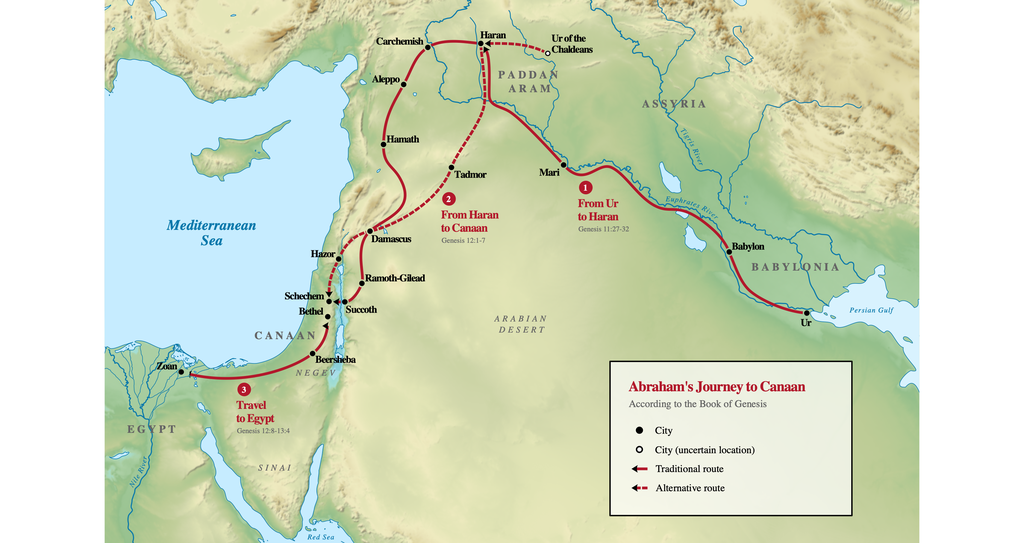
[11:27-32, end of the Portion of Noah: We meet Abram and Sarai]
- 12:1-9. Abram (aged 75), Sarai, and Abram's nephew Lot go to Canaan at God's instruction to Abram.
- 12:10-20. Famine. Abram goes to Egypt and Sarai in the house of Pharaoh.
- 13:1-18. Abram and Sarai return to Canaan and separate from Lot.
- 14:1-24. A war among kings. Abram saves Lot. Encounter with King Melchizedek of Salem
- 15:1-21. The Covenant of the Pieces.
- 16:1-16. Sarai's maidservant Hagar bears Ishmael to Abram (aged 86).
- 17:1-27. The Covenant of Circumcision. Abram (aged 99) becomes Abraham. Sarai (aged 89) becomes Sarah. Abraham and Ishmael (aged 13) are circumcised. The birth of Isaac is announced.
What Patterns do you see in this overview?
Some questions to explore
- A New Beginning.
- 12:1-9. God designates Abram for blessing - Abram and humanity
- 12:1-9. What is special about Abram? Philosopher, theologian, priest.
- 12:10-20. Setbacks, or Trials - Abram and the future of the people of Israel
- 14:14-24. "Shield of Abraham" / Magen Avraham / מגן אברהם
1 A new beginning: Reflections of commentators
"The universalism that marked Genesis chapters 1-11 having now failed, the Lord begins anew, singling out one Mesopotamian--in no way distinguished from his peers as yet--and promising to make of him a great nation, not numbered in the seventy nations of chapter 10. What the Lord promises Abraham...--land, numerous offspring, and blessing--constitutes to a large extent a reversal of some of the curses on Adam and Eve--exile, pain in childbirth, and uncooperative soil (3.16-24). The twin themes of land and progeny inform the rest of the Torah. In Genesis chapter 12, these extraordinary promises come like a bolt from the blue, an act of God's grace alone; no indication has been given as to why or even whether Abram merits them."
"Abraham is a new human type: the person whose life is a response to the call of God. Until now, with the exception of Noah, we have encountered human beings for whom God's command is a constraint from which they try to break free, by violence in the case of Cain and the generation of the Flood, by hubris in the case of the builders of Babel. Abraham is different. For him, the command is life itself. God speaks; Abraham listens and acts, without resistance on the one hand, and with pride on the other. His life is an answer to God's question; his existence is lived in the conscious presence of the divine will."
"The family of Abram and Sarai represents a new beginning, and women emerge for the first time in this parashah as named individuals. Although Abram will become the chief protagonist later in Genesis, Sarai (later called Sarah) receives more attention in this introduction. Her condition of barrenness creates the challenge that will propel the rest of this couple's story."
2. 12:1-9. God designates Abram for blessing - Abram and humanity
(לא) וַיִּקַּ֨ח תֶּ֜רַח אֶת־אַבְרָ֣ם בְּנ֗וֹ וְאֶת־ל֤וֹט בֶּן־הָרָן֙ בֶּן־בְּנ֔וֹ וְאֵת֙ שָׂרַ֣י כַּלָּת֔וֹ אֵ֖שֶׁת אַבְרָ֣ם בְּנ֑וֹ וַיֵּצְא֨וּ אִתָּ֜ם מֵא֣וּר כַּשְׂדִּ֗ים לָלֶ֙כֶת֙ אַ֣רְצָה כְּנַ֔עַן וַיָּבֹ֥אוּ עַד־חָרָ֖ן וַיֵּ֥שְׁבוּ שָֽׁם׃
(31) Terah took his son Abram, his grandson Lot the son of Haran, and his daughter-in-law Sarai, the wife of his son Abram, and they set out together from Ur of the Chaldeans for the land of Canaan; but when they had come as far as Haran, they settled there.
(א) וַיֹּ֤אמֶר יְהֹוָה֙ אֶל־אַבְרָ֔ם לֶךְ־לְךָ֛ מֵאַרְצְךָ֥ וּמִמּֽוֹלַדְתְּךָ֖ וּמִבֵּ֣ית אָבִ֑יךָ אֶל־הָאָ֖רֶץ אֲשֶׁ֥ר אַרְאֶֽךָּ׃ (ב) וְאֶֽעֶשְׂךָ֙ לְג֣וֹי גָּד֔וֹל וַאֲבָ֣רֶכְךָ֔ וַאֲגַדְּלָ֖ה שְׁמֶ֑ךָ וֶהְיֵ֖ה בְּרָכָֽה׃ (ג) וַאֲבָֽרְכָה֙ מְבָ֣רְכֶ֔יךָ וּמְקַלֶּלְךָ֖ אָאֹ֑ר וְנִבְרְכ֣וּ בְךָ֔ כֹּ֖ל מִשְׁפְּחֹ֥ת הָאֲדָמָֽה׃ (ד) וַיֵּ֣לֶךְ אַבְרָ֗ם כַּאֲשֶׁ֨ר דִּבֶּ֤ר אֵלָיו֙ יְהֹוָ֔ה וַיֵּ֥לֶךְ אִתּ֖וֹ ל֑וֹט וְאַבְרָ֗ם בֶּן־חָמֵ֤שׁ שָׁנִים֙ וְשִׁבְעִ֣ים שָׁנָ֔ה בְּצֵאת֖וֹ מֵחָרָֽן׃
(1) GOD said to Abram, “Go forth from your native land and from your father’s house to the land that I will show you.
(2) I will make of you a great nation,
And I will bless you;
I will make your name great,
And you shall be a blessing.
(3) I will bless those who bless you
And curse the one who curses you;
And all the families of the earth shall bless themselves by you.”
(4) Abram went forth as GOD had commanded him, and Lot went with him. Abram was seventy-five years old when he left Haran.
(ו) אַתָּה־ה֣וּא יְהֹוָה֮ לְבַדֶּ֒ךָ֒ (את)[אַתָּ֣ה] עָשִׂ֡יתָ אֶֽת־הַשָּׁמַ֩יִם֩ שְׁמֵ֨י הַשָּׁמַ֜יִם וְכׇל־צְבָאָ֗ם הָאָ֜רֶץ וְכׇל־אֲשֶׁ֤ר עָלֶ֙יהָ֙ הַיַּמִּים֙ וְכׇל־אֲשֶׁ֣ר בָּהֶ֔ם וְאַתָּ֖ה מְחַיֶּ֣ה אֶת־כֻּלָּ֑ם וּצְבָ֥א הַשָּׁמַ֖יִם לְךָ֥ מִשְׁתַּחֲוִֽים׃ (ז) אַתָּה־הוּא֙ יְהֹוָ֣ה הָאֱלֹהִ֔ים אֲשֶׁ֤ר בָּחַ֙רְתָּ֙ בְּאַבְרָ֔ם וְהוֹצֵאת֖וֹ מֵא֣וּר כַּשְׂדִּ֑ים וְשַׂ֥מְתָּ שְּׁמ֖וֹ אַבְרָהָֽם׃ (ח) וּמָצָ֣אתָ אֶת־לְבָבוֹ֮ נֶאֱמָ֣ן לְפָנֶ֒יךָ֒ וְכָר֨וֹת עִמּ֜וֹ הַבְּרִ֗ית לָתֵ֡ת אֶת־אֶ֩רֶץ֩ הַכְּנַעֲנִ֨י הַחִתִּ֜י הָאֱמֹרִ֧י וְהַפְּרִזִּ֛י וְהַיְבוּסִ֥י וְהַגִּרְגָּשִׁ֖י לָתֵ֣ת לְזַרְע֑וֹ וַתָּ֙קֶם֙ אֶת־דְּבָרֶ֔יךָ כִּ֥י צַדִּ֖יק אָֽתָּה׃
(6) “You alone are GOD. You made the heavens, the highest heavens, and all their host, the earth and everything upon it, the seas and everything in them. You keep them all alive, and the host of heaven prostrate themselves before You. (7) You are the ETERNAL God, who chose Abram, who brought him out of Ur of the Chaldeans and changed his name to Abraham. (8) Finding his heart true to You, You made a covenant with him to give the land of the Canaanite, the Hittite, the Amorite, the Perizzite, the Jebusite, and the Girgashite—to give it to his descendants. And You kept Your word, for You are righteous.
(יא) וְאֶעֶשֶׂךָ לְגוֹי גָּדוֹל (בראשית יב, ב), אָמַר לוֹ וּמִנֹחַ לֹא הֶעֱמַדְתָּ שִׁבְעִים אֻמּוֹת, אָמַר לוֹ אוֹתָהּ אֻמָּה שֶׁכָּתוּב בָּהּ (דברים ד, ז): כִּי מִי גּוֹי גָּדוֹל, אֲנִי מַעֲמִיד מִמָּךְ.
(11)“I will make you a great nation, I will bless you [vaavarekhekha], I will render your name great, and you shall be a blessing” (Genesis 12:2).
“I will make you a great nation” – he said to Him: ‘Did you not [already] produce seventy nations from Noah?’ He said to him: ‘That nation in whose regard it is written: “For who is a great nation [to whom God is so close]?” (Deuteronomy 4:7), I will produce from you.’
(ג)והיה ברכה. הַבְּרָכוֹת נְתוּנוֹת בְּיָדְךָ; עַד עַכְשָׁו הָיוּ בְיָדִי, בֵּרַכְתִּי לְאָדָם וְנֹחַ, וּמֵעַכְשָׁו אַתָּה תְבָרֵךְ אֶת אֲשֶׁר תַּחְפֹּץ (בראשית רבה). ...
(3) והיה ברכה AND BE THOU A BLESSING — Blessings are entrusted to you; hitherto they were in My power — I blessed Adam and Noah — but from now on you shall bless whomsoever you wish (Genesis Rabbah 39:11)
(ה) וְלֹא־יִקָּרֵ֥א ע֛וֹד אֶת־שִׁמְךָ֖ אַבְרָ֑ם וְהָיָ֤ה שִׁמְךָ֙ אַבְרָהָ֔ם כִּ֛י אַב־הֲמ֥וֹן גּוֹיִ֖ם נְתַתִּֽיךָ׃
(5) And you shall no longer be called Abram, but your name shall be Abraham, for I make you the father of a multitude of nations.
(ב)עמק המלך. ... וּמִדְרַשׁ אַגָּדָה עֵמֶק, שֶׁהֻשְׁווּ שָׁם כָּל הָאֻמּוֹת וְהִמְלִיכוּ אֶת אַבְרָהָם עֲלֵיהֶם לִנְשִׂיא אֱלֹהִים וּלְקָצִין:
(2) עמק המלך THE KING'S VALE
...
The Midrashic explanation is that it was the valley where all the nations unanimously agreed (הושוו) in appointing Abraham as prince and leader over them (Genesis Rabbah 43:5).
"With [God's words to Abram in Genesis 12:1] a new faith was born that has lasted for two-thirds of the course of civilization and remains young and vigorous today. Not only did Abraham give rise to what is now known as Judaism, he was also the inspiration of two other religions. Christianity and Islam both trace their descent, biological or spiritual, to him, and now number more than half the six billion people on the face of the earth among their adherents."
"The figure of Abraham is suggested as a common ground for Judaism, Christianity, Islam, as well as Samaritanism, the Druze Faith, the Baha'i Faith, and Rastafari and a hypothesized eschatological reconciliation of the seven religions.[11][12] Commonalities may include creation, revelation, and redemption, but such shared concepts vary significantly between and within the Abrahamic religions themselves.[12] Proponents of the term argue that all seven religions are united through the deity worshipped by Abraham.[11]
"The Catholic scholar of Islam Louis Massignon argued that the phrase "Abrahamic religion" means that the religions come from one spiritual source.[13] The modern term comes from the plural form of a Quranic reference to dīn Ibrāhīm ("religion of Abraham").[14]
"In Christianity, Paul the Apostle, in Romans 4:11–12, refers to Abraham as "father of all", including those "who have faith, circumcisedor uncircumcised." From its founding, Islam likewise conceived of itself as the "religion of Abraham".[15] The Bahá’í scriptures state that the religion's founder, Baháʼu'lláh, descended from Abraham through his wife Keturah's sons.[16][17][18]"
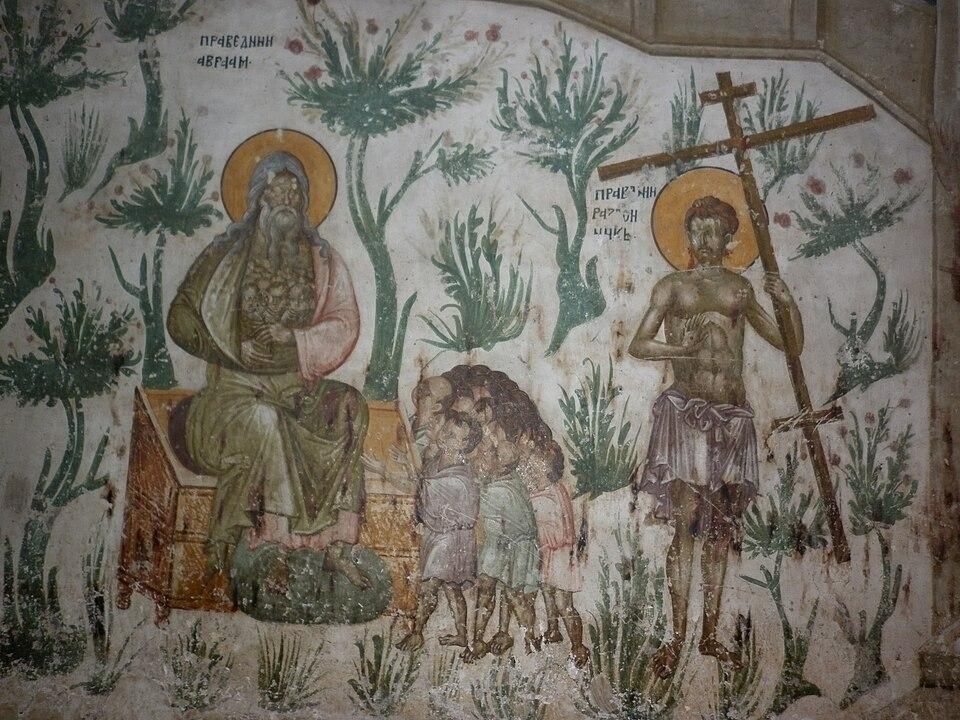
3. 12:1-9. What is special about Abram? Priest, theologian, philosopher, iconoclast?
(ז) וַיֵּרָ֤א יְהֹוָה֙ אֶל־אַבְרָ֔ם וַיֹּ֕אמֶר לְזַ֨רְעֲךָ֔ אֶתֵּ֖ן אֶת־הָאָ֣רֶץ הַזֹּ֑את וַיִּ֤בֶן שָׁם֙ מִזְבֵּ֔חַ לַיהֹוָ֖ה הַנִּרְאֶ֥ה אֵלָֽיו׃
(7) GOD appeared to Abram and said, “I will assign this land to your offspring.” And he built an altar there to GOD who had appeared to him.
(ח) וַיַּעְתֵּ֨ק מִשָּׁ֜ם הָהָ֗רָה מִקֶּ֛דֶם לְבֵֽית־אֵ֖ל וַיֵּ֣ט אׇהֳלֹ֑ה בֵּֽית־אֵ֤ל מִיָּם֙ וְהָעַ֣י מִקֶּ֔דֶם וַיִּֽבֶן־שָׁ֤ם מִזְבֵּ֙חַ֙ לַֽיהֹוָ֔ה וַיִּקְרָ֖א בְּשֵׁ֥ם יְהֹוָֽה׃
(8) From there he moved on to the hill country east of Bethel and pitched his tent, with Bethel on the west and Ai on the east; and he built there an altar to GOD and invoked GOD by name.
(ג) וַיֵּ֙לֶךְ֙ לְמַסָּעָ֔יו מִנֶּ֖גֶב וְעַד־בֵּֽית־אֵ֑ל עַד־הַמָּק֗וֹם אֲשֶׁר־הָ֨יָה שָׁ֤ם אׇֽהֳלֹה֙ בַּתְּחִלָּ֔ה בֵּ֥ין בֵּֽית־אֵ֖ל וּבֵ֥ין הָעָֽי׃ (ד) אֶל־מְקוֹם֙ הַמִּזְבֵּ֔חַ אֲשֶׁר־עָ֥שָׂה שָׁ֖ם בָּרִאשֹׁנָ֑ה וַיִּקְרָ֥א שָׁ֛ם אַבְרָ֖ם בְּשֵׁ֥ם יְהֹוָֽה׃
(3) And he proceeded by stages from the Negeb as far as Bethel, to the place where his tent had been formerly, between Bethel and Ai, (4) the site of the altar that he had built there at first; and there Abram invoked GOD by name.
(יח) וַיֶּאֱהַ֣ל אַבְרָ֗ם וַיָּבֹ֛א וַיֵּ֛שֶׁב בְּאֵלֹנֵ֥י מַמְרֵ֖א אֲשֶׁ֣ר בְּחֶבְר֑וֹן וַיִּֽבֶן־שָׁ֥ם מִזְבֵּ֖חַ לַֽיהֹוָֽה׃ {פ}
(18) And Abram moved his tent, and came to dwell at the terebinths of Mamre, which are in Hebron; and he built an altar there to GOD.
(א) וַיֹּאמֶר ה' אֶל אַבְרָם לֶךְ לְךָ מֵאַרְצְךָ וגו' (בראשית יב, א),
רַבִּי יִצְחָק פָּתַח (תהלים מה, יא): שִׁמְעִי בַת וּרְאִי וְהַטִּי אָזְנֵךְ וְשִׁכְחִי עַמֵּךְ וּבֵית אָבִיךְ,
אָמַר רַבִּי יִצְחָק מָשָׁל לְאֶחָד שֶׁהָיָה עוֹבֵר מִמָּקוֹם לְמָקוֹם, וְרָאָה בִּירָה אַחַת דּוֹלֶקֶת, אָמַר תֹּאמַר שֶׁהַבִּירָה הַזּוֹ בְּלֹא מַנְהִיג, הֵצִיץ עָלָיו בַּעַל הַבִּירָה, אָמַר לוֹ אֲנִי הוּא בַּעַל הַבִּירָה. כָּךְ לְפִי שֶׁהָיָה אָבִינוּ אַבְרָהָם אוֹמֵר תֹּאמַר שֶׁהָעוֹלָם הַזֶּה בְּלֹא מַנְהִיג, הֵצִיץ עָלָיו הַקָּדוֹשׁ בָּרוּךְ הוּא וְאָמַר לוֹ אֲנִי הוּא בַּעַל הָעוֹלָם.
(תהלים מה, יב): וְיִתְאָו הַמֶּלֶךְ יָפְיֵךְ כִּי הוּא אֲדֹנַיִךְ. וְיִתְאָו הַמֶּלֶךְ יָפְיֵךְ, לְיַפּוֹתֵךְ בָּעוֹלָם, (תהלים מה, יב): וְהִשְׁתַּחֲוִי לוֹ, הֱוֵי וַיֹּאמֶר ה' אֶל אַבְרָם.
(1)“The Lord said to Abram: Go you, from your land, and from your birthplace, and from your father’s house, to the land that I will show you” (Genesis 12:1).
“The Lord said to Abram: Go you, from your land…” – Rabbi Yitzḥak began: “Listen, daughter, see, and incline your ear. Forget your people and your father’s house” (Psalms 45:11).
Rabbi Yitzḥak said: This is analogous to one who was passing from place to place, and saw a building with a [candle] burning in it. He said: ‘Is it possible that this building has no one in charge of it?’ The owner of the building looked out at him and said: ‘I am the owner of the building.’ So, because Abraham our patriarch was saying: ‘Is it possible that this world is without someone in charge?’ The Holy One blessed be He looked at him and said to him: ‘I am the owner of the world.’
“The king will desire your beauty, as he is your master” (Psalms 45:12) – to show your beauty in the world. “And bow to him” (Psalms 45:12) – that is, “the Lord said to Abram.”
כֵּיוָן שֶׁנִּגְמַל אֵיתָן זֶה הִתְחִיל לְשׁוֹטֵט בְּדַעְתּוֹ וְהוּא קָטָן וְהִתְחִיל לַחֲשֹׁב בַּיּוֹם וּבַלַּיְלָה וְהָיָה תָּמֵהַּ הֵיאַךְ אֶפְשָׁר שֶׁיִּהְיֶה הַגַּלְגַּל הַזֶּה נוֹהֵג תָּמִיד וְלֹא יִהְיֶה לוֹ מַנְהִיג וּמִי יְסַבֵּב אוֹתוֹ. כִּי אִי אֶפְשָׁר שֶׁיְּסַבֵּב אֶת עַצְמוֹ. וְלֹא הָיָה לוֹ מְלַמֵּד וְלֹא מוֹדִיעַ דָּבָר אֶלָּא מֻשְׁקָע בְּאוּר כַּשְׂדִּים בֵּין עוֹבְדֵי כּוֹכָבִים הַטִּפְּשִׁים וְאָבִיו וְאִמּוֹ וְכָל הָעָם עוֹבְדֵי כּוֹכָבִים וְהוּא עוֹבֵד עִמָּהֶם וְלִבּוֹ מְשׁוֹטֵט וּמֵבִין עַד שֶׁהִשִּׂיג דֶּרֶךְ הָאֱמֶת וְהֵבִין קַו הַצֶּדֶק מִתְּבוּנָתוֹ הַנְּכוֹנָה. וְיָדַע שֶׁיֵּשׁ שָׁם אֱלוֹהַּ אֶחָד וְהוּא מַנְהִיג הַגַּלְגַּל וְהוּא בָּרָא הַכּל וְאֵין בְּכָל הַנִּמְצָא אֱלוֹהַּ חוּץ מִמֶּנּוּ. וְיָדַע שֶׁכָּל הָעוֹלָם טוֹעִים וְדָבָר שֶׁגָּרַם לָהֶם לִטְעוֹת זֶה שֶׁעוֹבְדִים אֶת הַכּוֹכָבִים וְאֶת הַצּוּרוֹת עַד שֶׁאָבַד הָאֱמֶת מִדַּעְתָּם. וּבֶן אַרְבָּעִים שָׁנָה הִכִּיר אַבְרָהָם אֶת בּוֹרְאוֹ. כֵּיוָן שֶׁהִכִּיר וְיָדַע הִתְחִיל לְהָשִׁיב תְּשׁוּבוֹת עַל בְּנֵי אוּר כַּשְׂדִּים וְלַעֲרֹךְ דִּין עִמָּהֶם וְלוֹמַר שֶׁאֵין זוֹ דֶּרֶךְ הָאֱמֶת שֶׁאַתֶּם הוֹלְכִים בָּהּ וְשִׁבֵּר הַצְּלָמִים וְהִתְחִיל לְהוֹדִיעַ לָעָם שֶׁאֵין רָאוּי לַעֲבֹד אֶלָּא לֶאֱלוֹהַּ הָעוֹלָם וְלוֹ רָאוּי לְהִשְׁתַּחֲווֹת וּלְהַקְרִיב וּלְנַסֵּךְ כְּדֵי שֶׁיַּכִּירוּהוּ כָּל הַבְּרוּאִים הַבָּאִים. וְרָאוּי לְאַבֵּד וּלְשַׁבֵּר כָּל הַצּוּרוֹת כְּדֵי שֶׁלֹּא יִטְעוּ בָּהֶן כָּל הָעָם כְּמוֹ אֵלּוּ שֶׁהֵם מְדַמִּים שֶׁאֵין שָׁם אֱלוֹהַּ אֶלָּא אֵלּוּ. כֵּיוָן שֶׁגָּבַר עֲלֵיהֶם בִּרְאָיוֹתָיו בִּקֵּשׁ הַמֶּלֶךְ לְהָרְגוֹ וְנַעֲשָׂה לוֹ נֵס וְיָצָא לְחָרָן. וְהִתְחִיל לַעֲמֹד וְלִקְרֹא בְּקוֹל גָּדוֹל לְכָל הָעוֹלָם וּלְהוֹדִיעָם שֶׁיֵּשׁ שָׁם אֱלוֹהַּ אֶחָד לְכָל הָעוֹלָם וְלוֹ רָאוּי לַעֲבֹד. וְהָיָה מְהַלֵּךְ וְקוֹרֵא וּמְקַבֵּץ הָעָם מֵעִיר לְעִיר וּמִמַּמְלָכָה לְמַמְלָכָה עַד שֶׁהִגִּיעַ לְאֶרֶץ כְּנַעַן וְהוּא קוֹרֵא שֶׁנֶּאֱמַר (בראשית כא לג) "וַיִּקְרָא שָׁם בְּשֵׁם ה' אֵל עוֹלָם". וְכֵיוָן שֶׁהָיוּ הָעָם מִתְקַבְּצִין אֵלָיו וְשׁוֹאֲלִין לוֹ עַל דְּבָרָיו הָיָה מוֹדִיעַ לְכָל אֶחָד וְאֶחָד כְּפִי דַּעְתּוֹ עַד שֶׁיַּחְזִירֵהוּ לְדֶרֶךְ הָאֱמֶת עַד שֶׁנִּתְקַבְּצוּ אֵלָיו אֲלָפִים וּרְבָבוֹת וְהֵם אַנְשֵׁי בֵּית אַבְרָהָם וְשָׁתַל בְּלִבָּם הָעִקָּר הַגָּדוֹל הַזֶּה וְחִבֵּר בּוֹ סְפָרִים וְהוֹדִיעוֹ לְיִצְחָק בְּנוֹ. וְיָשַׁב יִצְחָק מְלַמֵּד וּמַזְהִיר. וְיִצְחָק הוֹדִיעַ לְיַעֲקֹב וּמִנָּהוּ לְלַמֵּד וְיָשַׁב מְלַמֵּד וּמַחֲזִיק כָּל הַנִּלְוִים אֵלָיו. וְיַעֲקֹב אָבִינוּ לִמֵּד בָּנָיו כֻּלָּם וְהִבְדִּיל לֵוִי וּמִנָּהוּ רֹאשׁ וְהוֹשִׁיבוֹ בִּישִׁיבָה לְלַמֵּד דֶּרֶךְ הַשֵּׁם וְלִשְׁמֹר מִצְוַת אַבְרָהָם. ...
After this mighty man [=Abraham] was weaned, he began to explore and think. Though he was a child, he began to think [incessantly] throughout the day and night, wondering: How is it possible for the sphere to continue to revolve without having anyone controlling it? Who is causing it to revolve? Surely, it does not cause itself to revolve.
He had no teacher, nor was there anyone to inform him. Rather, he was mired in Ur Kasdim among the foolish idolaters. His father, mother, and all the people [around him] were idol worshipers, and he would worship with them. [However,] his heart was exploring and [gaining] understanding.
Ultimately, he appreciated the way of truth and understood the path of righteousness through his accurate comprehension. He realized that there was one God who controlled the sphere, that He created everything, and that there is no other God among all the other entities. He knew that the entire world was making a mistake. What caused them to err was their service of the stars and images, which made them lose awareness of the truth.
Abraham was forty years old when he became aware of his Creator. When he recognized and knew Him, he began to formulate replies to the inhabitants of Ur Kasdim and debate with them, telling them that they were not following a proper path.
He broke their idols and began to teach the people that it is fitting to serve only the God of the world. To Him [alone] is it fitting to bow down, sacrifice, and offer libations, so that the people of future [generations] would recognize Him. [Conversely,] it is fitting to destroy and break all the images, lest all the people err concerning them, like those people who thought that there are no other gods besides these [images].
When he overcame them through the strength of his arguments, the king desired to kill him. He was [saved through] a miracle and left for Charan. [There,] he began to call in a loud voice to all people and inform them that there is one God in the entire world and it is proper to serve Him. He would go out and call to the people, gathering them in city after city and country after country, until he came to the land of Canaan - proclaiming [God's existence the entire time] - as [Genesis 21:33] states: "And He called there in the name of the Lord, the eternal God."
When the people would gather around him and ask him about his statements, he would explain [them] to each one of them according to their understanding, until they turned to the path of truth. Ultimately, thousands and myriads gathered around him. These are the men of the house of Abraham.
He planted in their hearts this great fundamental principle, composed texts about it, and taught it to Isaac, his son. Isaac also taught others and turned [their hearts to God]. He also taught Jacob and appointed him as a teacher.
[Jacob] taught others and turned [the hearts] of all those who gathered around him [to God]. He also taught all of his children.
...
4. 12:10-20. Setbacks, or Trials - Abram and the future of the people of Israel
(י) וַיְהִ֥י רָעָ֖ב בָּאָ֑רֶץ וַיֵּ֨רֶד אַבְרָ֤ם מִצְרַ֙יְמָה֙ לָג֣וּר שָׁ֔ם כִּֽי־כָבֵ֥ד הָרָעָ֖ב בָּאָֽרֶץ׃ (יא) וַיְהִ֕י כַּאֲשֶׁ֥ר הִקְרִ֖יב לָב֣וֹא מִצְרָ֑יְמָה וַיֹּ֙אמֶר֙ אֶל־שָׂרַ֣י אִשְׁתּ֔וֹ הִנֵּה־נָ֣א יָדַ֔עְתִּי כִּ֛י אִשָּׁ֥ה יְפַת־מַרְאֶ֖ה אָֽתְּ׃ (יב) וְהָיָ֗ה כִּֽי־יִרְא֤וּ אֹתָךְ֙ הַמִּצְרִ֔ים וְאָמְר֖וּ אִשְׁתּ֣וֹ זֹ֑את וְהָרְג֥וּ אֹתִ֖י וְאֹתָ֥ךְ יְחַיּֽוּ׃ (יג) אִמְרִי־נָ֖א אֲחֹ֣תִי אָ֑תְּ לְמַ֙עַן֙ יִֽיטַב־לִ֣י בַעֲבוּרֵ֔ךְ וְחָיְתָ֥ה נַפְשִׁ֖י בִּגְלָלֵֽךְ׃ (יד) וַיְהִ֕י כְּב֥וֹא אַבְרָ֖ם מִצְרָ֑יְמָה וַיִּרְא֤וּ הַמִּצְרִים֙ אֶת־הָ֣אִשָּׁ֔ה כִּֽי־יָפָ֥ה הִ֖וא מְאֹֽד׃ (טו) וַיִּרְא֤וּ אֹתָהּ֙ שָׂרֵ֣י פַרְעֹ֔ה וַיְהַֽלְל֥וּ אֹתָ֖הּ אֶל־פַּרְעֹ֑ה וַתֻּקַּ֥ח הָאִשָּׁ֖ה בֵּ֥ית פַּרְעֹֽה׃
(10) There was a famine in the land, and Abram went down to Egypt to sojourn there, for the famine was severe in the land. (11) As he was about to enter Egypt, he said to his wife Sarai, “I know what a beautiful woman you are. (12) If the Egyptians see you, and think, ‘She is his wife,’ they will kill me and let you live. (13) Please say that you are my sister, that it may go well with me because of you, and that I may remain alive thanks to you.” (14) When Abram entered Egypt, the Egyptians saw how very beautiful the woman was. (15) Pharaoh’s courtiers saw her and praised her to Pharaoh, and the woman was taken into Pharaoh’s palace.
(ז) וַֽיְהִי־רִ֗יב בֵּ֚ין רֹעֵ֣י מִקְנֵֽה־אַבְרָ֔ם וּבֵ֖ין רֹעֵ֣י מִקְנֵה־ל֑וֹט וְהַֽכְּנַעֲנִי֙ וְהַפְּרִזִּ֔י אָ֖ז יֹשֵׁ֥ב בָּאָֽרֶץ׃ (ח) וַיֹּ֨אמֶר אַבְרָ֜ם אֶל־ל֗וֹט אַל־נָ֨א תְהִ֤י מְרִיבָה֙ בֵּינִ֣י וּבֵינֶ֔ךָ וּבֵ֥ין רֹעַ֖י וּבֵ֣ין רֹעֶ֑יךָ כִּֽי־אֲנָשִׁ֥ים אַחִ֖ים אֲנָֽחְנוּ׃ (ט) הֲלֹ֤א כׇל־הָאָ֙רֶץ֙ לְפָנֶ֔יךָ הִפָּ֥רֶד נָ֖א מֵעָלָ֑י אִם־הַשְּׂמֹ֣אל וְאֵימִ֔נָה וְאִם־הַיָּמִ֖ין וְאַשְׂמְאִֽילָה׃
(7) And there was quarreling between the herders of Abram’s cattle and those of Lot’s cattle.—The Canaanites and Perizzites were then dwelling in the land.— (8) Abram said to Lot, “Let there be no strife between you and me, between my herders and yours, for we are, after all, kin. (9) Is not the whole land before you? Let us separate: if you go north, I will go south; and if you go south, I will go north.”
(ד) וַיָּבֹ֥א אֶל־הָגָ֖ר וַתַּ֑הַר וַתֵּ֙רֶא֙ כִּ֣י הָרָ֔תָה וַתֵּקַ֥ל גְּבִרְתָּ֖הּ בְּעֵינֶֽיהָ׃ (ה) וַתֹּ֨אמֶר שָׂרַ֣י אֶל־אַבְרָם֮ חֲמָסִ֣י עָלֶ֒יךָ֒ אָנֹכִ֗י נָתַ֤תִּי שִׁפְחָתִי֙ בְּחֵיקֶ֔ךָ וַתֵּ֙רֶא֙ כִּ֣י הָרָ֔תָה וָאֵקַ֖ל בְּעֵינֶ֑יהָ יִשְׁפֹּ֥ט יְהֹוָ֖ה בֵּינִ֥י וּבֵינֶֽיׄךָ׃ (ו) וַיֹּ֨אמֶר אַבְרָ֜ם אֶל־שָׂרַ֗י הִנֵּ֤ה שִׁפְחָתֵךְ֙ בְּיָדֵ֔ךְ עֲשִׂי־לָ֖הּ הַטּ֣וֹב בְּעֵינָ֑יִךְ וַתְּעַנֶּ֣הָ שָׂרַ֔י וַתִּבְרַ֖ח מִפָּנֶֽיהָ׃
(4) He cohabited with Hagar and she conceived; and when she saw that she had conceived, her mistress was lowered in her esteem. (5) And Sarai said to Abram, “The wrong done me is your fault! I myself put my maid in your bosom; now that she sees that she is pregnant, I am lowered in her esteem. GOD decide between you and me!” (6) Abram said to Sarai, “Your maid is in your hands. Deal with her as you think right.” Then Sarai treated her harshly, and she ran away from her.
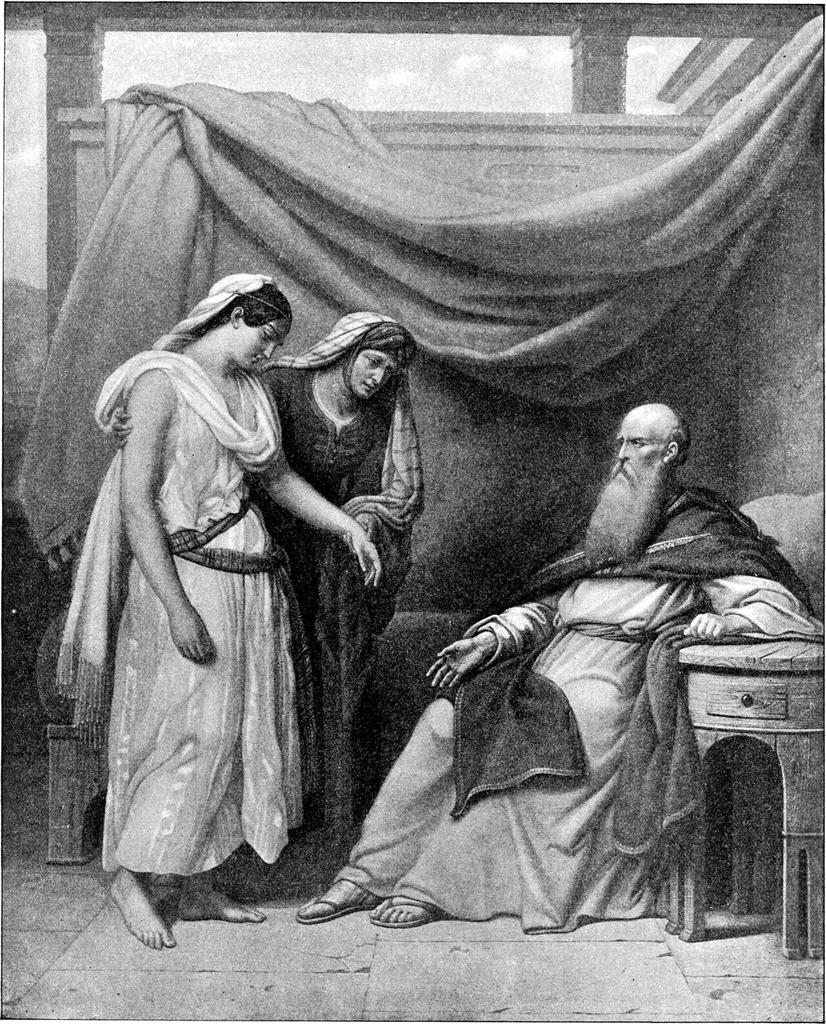
(טו) וַיֹּ֤אמֶר אֱלֹהִים֙ אֶל־אַבְרָהָ֔ם שָׂרַ֣י אִשְׁתְּךָ֔ לֹא־תִקְרָ֥א אֶת־שְׁמָ֖הּ שָׂרָ֑י כִּ֥י שָׂרָ֖ה שְׁמָֽהּ׃ (טז) וּבֵרַכְתִּ֣י אֹתָ֔הּ וְגַ֨ם נָתַ֧תִּי מִמֶּ֛נָּה לְךָ֖ בֵּ֑ן וּבֵֽרַכְתִּ֙יהָ֙ וְהָֽיְתָ֣ה לְגוֹיִ֔ם מַלְכֵ֥י עַמִּ֖ים מִמֶּ֥נָּה יִהְיֽוּ׃ (יז) וַיִּפֹּ֧ל אַבְרָהָ֛ם עַל־פָּנָ֖יו וַיִּצְחָ֑ק וַיֹּ֣אמֶר בְּלִבּ֗וֹ הַלְּבֶ֤ן מֵאָֽה־שָׁנָה֙ יִוָּלֵ֔ד וְאִ֨ם־שָׂרָ֔ה הֲבַת־תִּשְׁעִ֥ים שָׁנָ֖ה תֵּלֵֽד׃ (יח) וַיֹּ֥אמֶר אַבְרָהָ֖ם אֶל־הָֽאֱלֹהִ֑ים ל֥וּ יִשְׁמָעֵ֖אל יִחְיֶ֥ה לְפָנֶֽיךָ׃
(15) And God said to Abraham, “As for your wife Sarai, you shall not call her Sarai, but her name shall be Sarah. (16) I will bless her; indeed, I will give you a son by her. I will bless her so that she shall give rise to nations; rulers of peoples shall issue from her.” (17) Abraham threw himself on his face and laughed, as he said to himself, “Can a child be born to a man a hundred years old, or can Sarah bear a child at ninety?” (18) And Abraham said to God, “O that Ishmael might live by Your favor!”
(כד) וְאַ֨בְרָהָ֔ם בֶּן־תִּשְׁעִ֥ים וָתֵ֖שַׁע שָׁנָ֑ה בְּהִמֹּל֖וֹ בְּשַׂ֥ר עׇרְלָתֽוֹ׃
(24) Abraham was ninety-nine years old when he circumcised the flesh of his foreskin,
(ג) עֲשָׂרָה נִסְיוֹנוֹת נִתְנַסָּה אַבְרָהָם אָבִינוּ עָלָיו הַשָּׁלוֹם וְעָמַד בְּכֻלָּם, לְהוֹדִיעַ כַּמָּה חִבָּתוֹ שֶׁל אַבְרָהָם אָבִינוּ עָלָיו הַשָּׁלוֹם:
(3) With ten trials was Abraham, our father (may he rest in peace), tried, and he withstood them all; to make known how great was the love of Abraham, our father (peace be upon him).
הי' נסיונות שנתנסה אברהם אבינו כולם דבר הכתוב. הא' הגרות באמרו יתברך לך לך מארצך וגו'. הב' הרעב אשר נמצא בארץ כנען בבואו שם והוא יעדו ואעשך לגוי גדול וזה נסיון גדול והוא אמר ויהי רעב בארץ. והג' חמס המצרים עליו בהלקח שרה לפרעה. הד' הלחמו בד' מלכים. הה' לקחו הגר לאשה אחר שנואש מהוליד משרה. הו' הוא המילה אשר צוה בה בימי הזקנה. הז' חמס מלך גרר עליו בלקחו שרה גם כן. הח' גרש הגר אחרי הבנותו ממנה. הט' הרחקת בנו ישמעאל והוא אמרו יתברך אל ירע בעיניך על הנער וגו' וכבר העיד הכתוב איך היה קשה בעיניו הדבר הזה באמרו וירע הדבר מאד בעיני אברהם אלא ששמר מצות הש"י וגרשם. העשירי עקדת יצחק:
The ten tests with which Abraham, our father, was tested are all [in] the words of Scripture. The first is his emigration by His statement, may He be blessed - "Go forth from your land, etc." (Genesis 12:1). And the second one is the famine that was found in the Land of Canaan when he came there and it was [the land of] his destiny - "and I will make you into a great nation" (Genesis 12:2). And this was a great test, and it is its saying, "And there was a famine in the land" (Genesis 12:10). And the third was the injustice of the Egyptians towards him in the taking of Sarah to Pharaoh. The fourth is his fighting against the four kings. The fifth is his taking of Hagar as a wife after he despaired of giving birth through Sarah. The sixth is the circumcision that he was commanded about in the days of his old age. The seventh is the injustice of the king of Gerar towards him in his also taking Sarah. The eighth is the expulsion of Hagar after his being built (having a child) from her. The ninth is the distancing of his son, Yishmael, and that is His, may He be blessed, saying, "Let not it be bad in your eyes about the youth, etc." (Genesis 21:12). And Scripture already testified how this thing was difficult in his eyes, in its stating, "And the thing was very bad in the eyes of Abraham" (Genesis 21:11). Yet he observed the commandment of God, may He be blessed, and expelled him. And the tenth is the binding of Yitzchak.
וּלְאַבְרָם הֵיטִיב בַּעֲבוּרָהּ וַיְהִי לוֹ צֹאן וּבָקָר וגו' וַיְצַו עָלָיו פַּרְעֹה אֲנָשִׁים וַיְשַׁלְּחוּ אֹתוֹ (בראשית יב, טז כ), רַבִּי פִּינְחָס בְּשֵׁם רַבִּי הוֹשַׁעְיָא רַבָּה אָמַר, אָמַר הַקָּדוֹשׁ בָּרוּךְ הוּא לְאַבְרָהָם אָבִינוּ צֵא וּכְבשׁ אֶת הַדֶּרֶךְ לִפְנֵי בָנֶיךָ, אַתְּ מוֹצֵא כָּל מַה שֶּׁכָּתוּב בְּאַבְרָהָם כְּתִיב בְּבָנָיו, בְּאַבְרָהָם כְּתִיב (בראשית יב, י): וַיְהִי רָעָב בָּאָרֶץ, בְּיִשְׂרָאֵל כְּתִיב (בראשית מה, ו): כִּי זֶה שְׁנָתַיִם הָרָעָב בְּקֶרֶב הָאָרֶץ. בְּאַבְרָהָם כְּתִיב: וַיֵּרֶד אַבְרָם מִצְרַיְמָה לָגוּר שָׁם, וּבְיִשְׂרָאֵל כְּתִיב (במדבר כ, טו): וַיֵּרְדוּ אֲבֹתֵינוּ מִצְרַיְמָה. בְּאַבְרָהָם כְּתִיב: לָגוּר שָׁם, וּבְיִשְׂרָאֵל כְּתִיב (בראשית מז, ד): לָגוּר בָּאָרֶץ בָּאנוּ. בְּאַבְרָהָם כְּתִיב: כִּי כָבֵד הָרָעָב בְּאֶרֶץ כְּנַעַן, בְּיִשְׂרָאֵל כְּתִיב (בראשית מג, א): וְהָרָעָב כָּבֵד בָּאָרֶץ. בְּאַבְרָהָם כְּתִיב: וַיְהִי כַּאֲשֶׁר הִקְרִיב, בְּיִשְׂרָאֵל כְּתִיב (שמות יד, י): וּפַרְעֹה הִקְרִיב. בְּאַבְרָהָם כְּתִיב וְהָרְגוּ אֹתִי וְאֹתָךְ יְחַיּוּ, וּבְיִשְׂרָאֵל כְּתִיב (שמות א, כב): כָּל הַבֵּן הַיִּלּוֹד הַיְאֹרָה תַּשְׁלִיכֻהוּ. בְּאַבְרָהָם כְּתִיב: אִמְרִי נָא אֲחֹתִי אָתְּ לְמַעַן יִיטַב לִי בַעֲבוּרֵךְ וגו', וּבְיִשְׂרָאֵל כְּתִיב (שמות א, כ): וַיֵּיטֶב אֱלֹהִים לַמְיַלְּדֹת. בְּאַבְרָהָם כְּתִיב: וַיְהִי כְּבוֹא אַבְרָם מִצְרַיְמָה, וּבְיִשְׂרָאֵל כְּתִיב (שמות א, א): וְאֵלֶּה שְׁמוֹת בְּנֵי יִשְׂרָאֵל הַבָּאִים מִצְרָיְמָה. בְּאַבְרָהָם כְּתִיב: וְאַבְרָם כָּבֵד מְאֹד בַּמִּקְנֶה, וּבְיִשְׂרָאֵל כְּתִיב (תהלים קה, לז): וַיּוֹצִיאֵם בְּכֶסֶף וְזָהָב. בְּאַבְרָהָם כְּתִיב: וַיְצַו עָלָיו פַּרְעֹה, וּבְיִשְׂרָאֵל כְּתִיב (שמות יב, לג): וַתֶּחֱזַק מִצְרַיִם עַל הָעָם. בְּאַבְרָהָם כְּתִיב: וַיֵּלֶךְ לְמַסָּעָיו, וּבְיִשְׂרָאֵל כְּתִיב (במדבר לג, א): אֵלֶּה מַסְעֵי בְנֵי יִשְׂרָאֵל.
“He benefitted Abram for her sake; he acquired flocks, cattle, donkeys, slaves, maidservants, female donkeys, and camels” (Genesis 12:16).“Pharaoh commanded men in his regard and they sent away him and his wife, and everything that was his” (Genesis 12:20).
“He benefitted Abram for her sake; he acquired flocks, cattle…Pharaoh commanded men in his regard and they sent away him [and his wife]” –
Rabbi Pinḥas said in the name of Rabbi Hoshaya the Great: The Holy One blessed be He said to Abraham our forefather: ‘Go and pave the way before your descendants.’ You find that everything that is written in Abraham’s regard is written regarding his descendants.
In Abraham’s regard it is written: “There was famine in the land” (Genesis 12:10); in Israel’s regard it is written: “For these two years the famine is in the midst of the land” (Genesis 45:6).
In Abraham’s regard it is written: “Abram descended to Egypt to sojourn there” (Genesis 12:10); in Israel’s regard it is written: “Our ancestors descended to Egypt” (Numbers 20:15).
In Abraham’s regard it is written: “To sojourn there”; in Israel’s regard it is written: “We have come to sojourn in the land” (Genesis 47:4).
In Abraham’s regard it is written: “As the famine was severe in the land” (Genesis 12:10); in Israel’s regard it is written: “The famine was severe in the land” (Genesis 43:1).
In Abraham’s regard it is written: “It was when he drew near” (Genesis 12:11); in Israel’s regard it is written: “Pharaoh drew near” (Exodus 14:10). In Abraham’s regard it is written: “They will kill me, and keep you alive” (Genesis 12:12); in Israel’s regard it is written: “Every son who is born, you shall cast him into the Nile [and every girl you shall keep alive]” (Exodus 1:22).
In Abraham’s regard it is written: “Please, say you are my sister; so that it may be well with me [yitav li] because of you…” (Genesis 12:13); in Israel’s regard it is written: “God favored [vayeitev] the midwives” (Exodus 1:20).
In Abraham’s regard it is written: “It was upon Abram’s arrival in Egypt” (Genesis 12:14); in Israel’s regard it is written: “These are the names of the children of Israel who arrived in Egypt” (Exodus 1:1).
In Abraham’s regard it is written: “And Abram was very wealthy in livestock, [in silver, and in gold]” (Genesis 13:2); in Israel’s regard it is written: “He took them out with silver and with gold” (Psalms 105:37).
In Abraham’s regard it is written: “Pharaoh commanded [men] in his regard, [and they sent away him and his wife]” (Genesis 12:20); in Israel’s regard it is written: “The Egyptians urged the people, [to send them away in haste]” (Exodus 12:33).
In Abraham’s regard it is written: “He went on his journeys” (Genesis 13:3); in Israel’s regard it is written: “These are the journeys of the children of Israel” (Numbers 33:1).
(א)וַיַּעֲבֹר אַבְרָם בָּאָרֶץ עַד מְקוֹם שְׁכֶם אוֹמַר לְךָ כְּלָל תָּבִין אוֹתוֹ בְּכָל הַפָּרָשִׁיּוֹת הַבָּאוֹת בְּעִנְיַן אַבְרָהָם יִצְחָק וְיַעֲקֹב, וְהוּא עִנְיָן גָּדוֹל הִזְכִּירוּהוּ רַבּוֹתֵינוּ בְּדֶרֶךְ קְצָרָה וְאָמְרוּ (תנחומא ט), כָּל מָה שֶׁאֵרַע לָאָבוֹת סִימָן לַבָּנִים. וְלָכֵן יַאֲרִיכוּ הַכְּתוּבִים בְּסִפּוּר הַמַּסָּעוֹת וַחֲפִירַת הַבְּאֵרוֹת וּשְׁאָר הַמִּקְרִים, וְיַחְשֹׁב הַחוֹשֵׁב בָּהֶם כְּאִלּוּ הֵם דְּבָרִים מְיֻתָּרִים אֵין בָּהֶם תּוֹעֶלֶת, וְכֻלָּם בָּאִים לְלַמֵּד עַל הֶעָתִיד, כִּי כַּאֲשֶׁר יָבוֹא הַמִּקְרֶה לְנָבִיא מִשְּׁלֹשֶׁת הָאָבוֹת יִתְבּוֹנֵן מִמֶּנּוּ הַדָּבָר הַנִּגְזָר לָבֹא לְזַרְעוֹ. ...
(1) AND ABRAM PASSED THROUGH THE LAND. I will tell you a principle by which you will understand all the coming portions of Scripture concerning Abraham, Isaac, and Jacob. It is indeed a great matter which our Rabbis mentioned briefly, saying: “Whatever has happened to the patriarchs is a sign to the children.” It is for this reason that the verses narrate at great length the account of the journeys of the patriarchs, the digging of the wells, and other events. Now someone may consider them unnecessary and of no useful purpose, but in truth they all serve as a lesson for the future: when an event happens to any one of the three patriarchs, that which is decreed to happen to his children can be understood. ...
5. 14:14-24. "Shield of Abraham" / Magen Avraham / מגן אברהם
(יח) וּמַלְכִּי־צֶ֙דֶק֙ מֶ֣לֶךְ שָׁלֵ֔ם הוֹצִ֖יא לֶ֣חֶם וָיָ֑יִן וְה֥וּא כֹהֵ֖ן לְאֵ֥ל עֶלְיֽוֹן׃ (יט) וַֽיְבָרְכֵ֖הוּ וַיֹּאמַ֑ר בָּר֤וּךְ אַבְרָם֙ לְאֵ֣ל עֶלְי֔וֹן קֹנֵ֖ה שָׁמַ֥יִם וָאָֽרֶץ׃ (כ) וּבָרוּךְ֙ אֵ֣ל עֶלְי֔וֹן אֲשֶׁר־מִגֵּ֥ן צָרֶ֖יךָ בְּיָדֶ֑ךָ וַיִּתֶּן־ל֥וֹ מַעֲשֵׂ֖ר מִכֹּֽל׃ (כא) וַיֹּ֥אמֶר מֶֽלֶךְ־סְדֹ֖ם אֶל־אַבְרָ֑ם תֶּן־לִ֣י הַנֶּ֔פֶשׁ וְהָרְכֻ֖שׁ קַֽח־לָֽךְ׃ (כב) וַיֹּ֥אמֶר אַבְרָ֖ם אֶל־מֶ֣לֶךְ סְדֹ֑ם הֲרִמֹ֨תִי יָדִ֤י אֶל־יְהֹוָה֙ אֵ֣ לעֶלְי֔וֹן קֹנֵ֖ה שָׁמַ֥יִם וָאָֽרֶץ׃ (כג) אִם־מִחוּט֙ וְעַ֣ד שְׂרֽוֹךְ־נַ֔עַל וְאִם־אֶקַּ֖ח מִכׇּל־אֲשֶׁר־לָ֑ךְ וְלֹ֣א תֹאמַ֔ר אֲנִ֖י הֶעֱשַׁ֥רְתִּי אֶת־אַבְרָֽם׃
(18) And King Melchizedek of Salem brought out bread and wine; he was a priest of God Most High. (19) He blessed him, saying,
“Blessed be Abram of God Most High,
Creator of heaven and earth.
(
20)And blessed be God Most High,
Who has delivered your foes into your hand.”And [Abram] gave him a tenth of everything.
(21) Then the king of Sodom said to Abram, “Give me the persons, and take the possessions for yourself.”
(22) But Abram said to the king of Sodom, “I swear to the ETERNAL, God Most High, Creator of heaven and earth: (23) I will not take so much as a thread or a sandal strap of what is yours; you shall not say, ‘It is I who made Abram rich.’
בָּרוּךְ אַתָּה יְהֹוָה אֱלֹהֵֽינוּ וֵאלֹהֵי אֲבוֹתֵֽינוּ אֱלֹהֵי אַבְרָהָם אֱלֹהֵי יִצְחָק וֵאלֹהֵי יַעֲקֹב הָאֵל הַגָּדוֹל הַגִּבּוֹר וְהַנּוֹרָא אֵל עֶלְיוֹן גּוֹמֵל חֲסָדִים טוֹבִים וְקוֹנֵה הַכֹּל וְזוֹכֵר חַסְדֵי אָבוֹת וּמֵבִיא גוֹאֵל לִבְנֵי בְנֵיהֶם לְמַֽעַן שְׁמוֹ בְּאַהֲבָה:
Blessed are You, Adonoy, our God, and God of our fathers, God of Abraham, God of Isaac, and God of Jacob, the Almighty, the Great, the Powerful, the Awesome, most high Almighty, Who bestows beneficent kindness, Who possesses [DR: who is the creator of] everything, Who remembers the piety of the Patriarchs, and Who brings a redeemer to their children’s children, for the sake of His Name, with love.
מֶֽלֶךְ עוֹזֵר וּמוֹשִֽׁיעַ וּמָגֵן: בָּרוּךְ אַתָּה יְהֹוָה מָגֵן אַבְרָהָם:
King, Helper, and Deliverer and Shield. Blessed are You, Adonoy, Shield of Abraham.
