




 Save
Save Copy
Copy Add to Collection
 Export to Google Docs
 Share
ShareSpotify | Apple Podcasts | YouTube
Link to Transcript here:
וְהַיְינוּ דְּאָמַר רַבִּי חִיָּיא בַּר אַמֵּי מִשְּׁמֵיהּ דְּעוּלָּא: מִיּוֹם שֶׁחָרַב בֵּית הַמִּקְדָּשׁ אֵין לוֹ לְהַקָּדוֹשׁ בָּרוּךְ הוּא בְּעוֹלָמוֹ אֶלָּא אַרְבַּע אַמּוֹת שֶׁל הֲלָכָה בִּלְבַד.
And this concept, that halakha is the most sublime pursuit, is expressed in that which Rabbi Ḥiyya bar Ami said in the name of Ulla: Since the day the Temple, where the Divine Presence rested in this world, was destroyed, the Holy One, Blessed be He, has only one place in His world where he reveals His presence exclusively; only the four cubits where the study of halakha is undertaken.
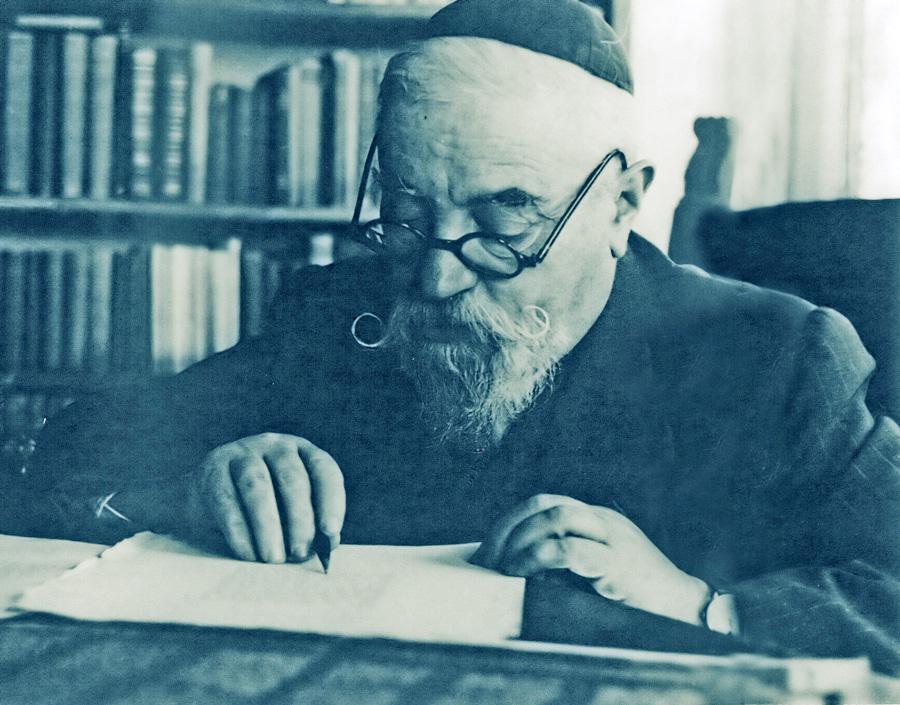
Cassuto studied at the University of Florence, and in 1922 he became the rabbi and dean of the beit midrash in the city. In 1925, he left this position to become a professor of Hebrew language and literature at the University of Florence, a position he held for eight years.
This commentary aims to explain the simple meaning of the verse according to the philological-historical method, approaching — as much as possible — understanding the words of the Torah as the Torah would want them to be understood by its readers at the time that it was written.
In other words, in Cassuto’s view, peshat is not what we understand the verses to mean; rather, it is what the Giver of the Torah would want the generation which received the Torah to understand. Thus, understanding the cultural milieu of the generation of the Exodus is a prerequisite.
Contemporary biblical commentators do not sufficiently use what we know now about the literature and culture of the nations neighboring Israel. I, on the other hand, have strived in my commentary to pay attention to the literary creations of these peoples, as well as everything that archeological research into their culture may reveal to us, as it is impossible to understand the verses accurately without constant comparison to the environment in which the Israelites lived and worked, in which all the books of Tanakh were produced.
It is self-evident that in order to understand and evaluate these legal sections, it is appropriate to compare them to collections of laws from the Ancient Near East which have recently been found… We should not view the passages in the Torah as a legal codex… but rather as instructions regarding certain topics. This explains why the Torah does not deal with certain topics which are the essence of civil law, e.g. the laws of marriage…
In other words, the Jewish people at the time of the Exodus, just like all other contemporary nations, has its collections of laws. The Torah does not come to present a complete collection of laws, but rather to add to the laws which already are extant and accepted in society. In order to interpret the laws of the Torah, we must understand what the accepted laws are at that time, and what the Torah comes to change concerning them.https://www.etzion.org.il/en/tanakh/studies-tanakh/biblical-commentaries/cassuto
(א) וְאֵ֙לֶּה֙ הַמִּשְׁפָּטִ֔ים אֲשֶׁ֥ר תָּשִׂ֖ים לִפְנֵיהֶֽם׃
(1) These are the rules that you shall set before them:
(א)הפיסקות המשפטיות סדר משפטים אחר דברי ההקדמה, שיקבעו את עקרונות הפולחן הישראלי, ממשיך הדיבור האלקי ומוסר למשה שורה של הלכות בענייני משפט. הכותרת הכללית לכל השורה היא: ואלה המשפטים אשר תשים לפניהם, כלומר אשר תציג ותציע לפניהם. הברית לא נכרתה עדיין, והכל נאמר בדרך הצעה.
מובן מאליו שבכדי להבין ולהעריך את הפיסגות המשפטיות האלה מן הראוי יהיה להשוות את קובצי החוקים של המזרח הקדמון, שנתגלו בזמן האחרון. וגם התעודות היורידיות והכלכליות, שאף הן נתגלו בימינו במספר רב, תוכלנה להיות לנו לעזר. אלה הם קובצי החוקים של המזרח הקדמון הידועים לנו עד היום: ...
א) חוקים שוּמריים ואכדיים של ארץ בבל:
1) חוקי העיר אָשְׁנֻנַּ, בלשון אכדית,
2) חוקי לפּת־אשׁתּר מלך איסין. בלשון שוּמרית.
3) חוקי ח'מורבי מלך בבל
4) קטעים של חוקים בבליים מאוחרים
ב) חוקים אשוריים:
5) קטעים חוקיים קטנים נמצאים בין הלוחות השייכים למושבות האשוריות שבקפדוקיה
6) קובצי חוקים אשוריים נתגלו בלוחות אחדים.. בחרבות עיר אשור
7) קובץ גדול של חוקים חתיים..
העיון בקובצי החוקים ובתעודות הוכיח בבירור שחיתה קיימת בארצות המזרח מסורת משפטית אחידה ביסודותיה ובעקרונותיה. שרשיה של מסורת זו היו נעוצים במיסופוטמיה, וענפיה התפשטו כלפי צפון וכלפי מערב, הודות להפצתה של התרבות המיסופוטמית. החל מימי פרסומם הראשון של חוקי ח'מורבי הרבה נחקר ונכתב על השוואת חוקי התורה לחוקי עמי המזרח,...
ולפיכך יהיה מן הראוי להביא כאן בקיצור נמרץ אחדות מתוצאות מחקרי, עד כמה שזה יוכל להועיל לפירושה ולהבנתה של פרשה זו. ראשית כל, ננסה לקבוע את אופיים של החוקים המקראיים בדרך כלל, כי עד עכשיו לא הובן אופי זה כל צרכו. המסורת המשפטית של המזרח הקדמון לכל ענפיה היתה מסורת חילונית ולא דתית. מקורות המשפט היו מצד אחד הנוהג, הקוֹנסוּאַטוּדוֹ, ומצד שני רצונו של המלך: בכל קובצי החוקים הנ"ל אנו רואים שאין המשפט נובע מרצונם של האלים.....
והנה אפשר להוכיח שגם בישראל, במשך כל התקופה שלפני חורבן הבית הראשון, מקורות המשפט הרשמי היו החוקים החילוניים של השלטונות והנוהג המקובל, ואילו חוקי התורה היו נחשבים כדרישות דתיות ומוסריות הפונות אל המצפון הכללי והאישי. אמנם לא הגיעו אלינו קובצי חוקים ממשלתיים של ישראל מעין קובציהם של מלכי מיסופוטמיה, אבל רשאים אנחנו להניח, שקובצים כאלה קיימים היו בזמנם. נמצאים במקרא רמזים ברורים לקיום משפט חילוני בישראל. די להזכיר, למשל, את הרמזים האלה:....
יש להניח שאף המשפט הקיים בישראל היה ענף של המסורת המשפטית הכללית שהיתה נפוצה, כאמור, במזרח הקדמון. אבל אין חוקי התורה מזדהים עם המשפט החילוני של ישראל.רק בימי עזרא נתקבלו חוקי התורה כחוקי המדינה, בהסכמת העם ומנהגיו.
וכשאנו באים לדמות ולהשוות את חוקי התורה אל חוקי העמים השכנים אין לשכוח, כפי שרגילים לשכוח החוקרים הדנים בעניין, את הבדל האופי שביניהם: החוקים של העמים השכנים אינם ניתנים בשם האלים, אלא בשם המלכים, ואילו חוקי התורה אינם ניתנים בשם המלכים, ואף לא בשם משה כמנהיג ישראל, אלא הם הוראות דתיות ומוסריות בענייני משפט, הנמסרות בשם אלקי ישראל. לכל פרשה ופרשה, גם בעניינים משפטיים כמו בעניינים דתיים מובהקים, מוקדמת הנוסחה הקבועה וידבר ה׳ אל משה לאמר או כיוצא בה (בשמות כ', כ"ב: ויאמר ה' אל משה). הוראות דתיות ומוסריות בענייני משפט: זו ההגדרה הנכונה של הכתובים המשפטיים שבתורה. והוראות אלו הן משלושה סוגים:
א) הכנסת תיקונים במסורת המשפטית הקיימת;
ב) התנגדות לפרטים מסויימים במסורת זו או ביטולם;
ג) אישור בשם הדת לפרטים אחרים, שנחשבו ראויים לקבל אישור מפורש גם בשם הדת הישראלית.
THE LEGAL PARAGRAPHS
Chapter XXI
After the introductory statements, which set out the principles of
Israelite worship, the Divine communication proceeds to give Moses
a series of judicial regulations. The general superscription to the
entire series is: Now these are the ordinances which you shall set before them, that is, which you shall present and propose to them.
The covenant has not yet been made, and everything is said in
the form of a proposal.
It is self-understood that in order to comprehend and evaluate
these legal paragraphs, it will be necessary to compare the collections of statutes of the ancient East, which were discovered in recent times. Likewise the judicial and economic documents, which have
also been found in our times in great numbers, can be of help to us.
These are the codes of the ancient East that are thus far known
to us ...:
(A) Sumerian and Akkadian Laws of Babylonia:
1. The Laws of Eshnuna, in Akkadian 12th century BCE
2.The Laws of Lipit-Istar - Sumerian 19th century BCE
3. The Laws of Hammurabi King of Babylon, close of the 18th century BCE
4. Excerpts from later Babylonian laws
(B) Assyrian Laws:
5. Short legal extracts found in tablets of Assyrian settlements in Cappadocia 18th Century BCE
6. Collections of Assyrian laws from the ruins of the city of Ashur 14th Century BCE
(C) Hittite Laws:
An examination of the codes and documents clearly proves that
there existed in the countries of the East a legal tradition that was
unitary in its basic elements and principles. .. From the time of the
first publication of the Hammurabi Code, much research and
writing have been devoted to the comparative story of the Penta
teuchal laws and those of the Eastern peoples, ...
it is not out of place to summarize here briefly some of the results
of my investigations, in so far as these can contribute to the
exegesis and comprehension of this section.
In the first place, let us endeavor to establish the character
of the Biblical laws in general, for so far their nature has not
been sufficiently understood.
The legal tradition of the ancient East was, in all its branches, secular, not religious. The sources of the law were on the one hand usage - consuetudo - and on the other hand the kings will...
Now it is possible to show that also among the Israelites, during the whole period preceding the destruction of the First Temple,the sources of the official law were the secular statutes of the ruling authorities and accepted usage; whereas the Torah laws were regarded as religious and ethical requirements directed to the collective and individual conscience. Although Israelite govern
mental codes, like those of the Mesopotamian kings, have not come
down to us, yet we are permitted to posit that such codes existed
at the time. Clear indications of the existence of secular law among
the Israelites are to be found in the Bible. It will suffice, for example,
to cite the following references:.... (see below)
It may also be assumed that the law of Israel was an offshoot (ענף)
of the general legal tradition that was current, as we have stated,
throughout the ancient East. But the statutes of the Torah are
not to be identified with Israel's secular legislation.
Only in the
time of Ezra were the laws of the Torah accepted as the laws of
the country, by the consent of the people and its leaders. When
we come to compare the Pentateuchal statutes with those of the
neighboring peoples, we must not forget, as the scholars engaged
in this field of study usually do, the difference in character between
them: the laws of the neighboring peoples were not decreed on
behalf of the gods, but on behalf of the kings; whereas the laws of the Torah were not promulgated in the name of the monarchy, nor even in the name of Moses as the leader of Israel, but are religious and ethical instructions in judicial matters ordained in the name of the God of Israel. Every section, whether its subject-matter be
legal or purely religious, is prefaced by the stereotyped formula:
And the Lord spoke to Moses, saying, or a similar sentence (in
Exod. xx 22: And the Lord said to Moses).
'Religious and ethical instructions in judicial matters' is the cor
rect definition of the legal passages of the Torah. These instructions
are of three kinds:
(a) Those that introduce amendments in the existing legal tradi
tion;
(b) those that oppose or invalidate particular aspects of this tra
dition;
(c)
those that confirm, in the name of religion, other aspects that
are deemed worthy of express corroboration even in the name
of the religion of Israel.
English translation from: A Commentary on the Book of Exodus Paperback – Large Print, January 1, 2005, by Umberto Moshe David Cassuto; trans. Israel Abrahams https://a.co/d/fRolE19
(כד) וּמִי֙ יִשְׁמַ֣ע לָכֶ֔ם לַדָּבָ֖ר הַזֶּ֑ה כִּ֞י כְּחֵ֣לֶק ׀ הַיֹּרֵ֣ד בַּמִּלְחָמָ֗ה וּֽכְחֵ֛לֶק הַיֹּשֵׁ֥ב עַל־הַכֵּלִ֖ים יַחְדָּ֥ו יַחֲלֹֽקוּ׃ {ס} (כה) וַיְהִ֕י מֵהַיּ֥וֹם הַה֖וּא וָמָ֑עְלָה וַיְשִׂמֶ֜הָ לְחֹ֤ק וּלְמִשְׁפָּט֙ לְיִשְׂרָאֵ֔ל עַ֖ד הַיּ֥וֹם הַזֶּֽה׃ {פ}
(24) How could anyone agree with you in this matter? The share of those who remain with the baggage shall be the same as the share of those who go down to battle; they shall share alike.” (25) So from that day on it was made a fixed rule for Israel, continuing to the present day.
(א) ה֥וֹי הַחֹֽקְקִ֖ים חִקְקֵי־אָ֑וֶן וּֽמְכַתְּבִ֥ים עָמָ֖ל כִּתֵּֽבוּ׃
(1) Ha! Those who write out evil writs And compose iniquitous documents,
Cassuto: "The formulation of the statement precludes the assumption that it refers, according to the usual interpretation, to judicial sentences. It is worth noting that the text specifically refers to written legislation."
(ח) הַדָּבָ֛ר אֲשֶׁר־הָיָ֥ה אֶֽל־יִרְמְיָ֖הוּ מֵאֵ֣ת ה׳ אַחֲרֵ֡י כְּרֹת֩ הַמֶּ֨לֶךְ צִדְקִיָּ֜הוּ בְּרִ֗ית אֶת־כׇּל־הָעָם֙ אֲשֶׁ֣ר בִּירוּשָׁלַ֔͏ִם לִקְרֹ֥א לָהֶ֖ם דְּרֽוֹר׃ (ט) לְ֠שַׁלַּ֠ח אִ֣ישׁ אֶת־עַבְדּ֞וֹ וְאִ֧ישׁ אֶת־שִׁפְחָת֛וֹ הָעִבְרִ֥י וְהָעִבְרִיָּ֖ה חׇפְשִׁ֑ים לְבִלְתִּ֧י עֲבׇד־בָּ֛ם בִּיהוּדִ֥י אָחִ֖יהוּ אִֽישׁ׃ (י) וַיִּשְׁמְעוּ֩ כׇל־הַשָּׂרִ֨ים וְכׇל־הָעָ֜ם אֲשֶׁר־בָּ֣אוּ בַבְּרִ֗ית לְ֠שַׁלַּ֠ח אִ֣ישׁ אֶת־עַבְדּ֞וֹ וְאִ֤ישׁ אֶת־שִׁפְחָתוֹ֙ חׇפְשִׁ֔ים לְבִלְתִּ֥י עֲבׇד־בָּ֖ם ע֑וֹד וַֽיִּשְׁמְע֖וּ וַיְשַׁלֵּֽחוּ׃
(יא) וַיָּשׁ֙וּבוּ֙ אַחֲרֵי־כֵ֔ן וַיָּשִׁ֗בוּ אֶת־הָֽעֲבָדִים֙ וְאֶת־הַשְּׁפָח֔וֹת אֲשֶׁ֥ר שִׁלְּח֖וּ חׇפְשִׁ֑ים (ויכבישום) [וַֽיִּכְבְּשׁ֔וּם] לַעֲבָדִ֖ים וְלִשְׁפָחֽוֹת׃ {פ} (יב) וַיְהִ֤י דְבַר־ה׳ אֶֽל־יִרְמְיָ֔הוּ מֵאֵ֥ת ה׳ לֵאמֹֽר׃ (יג) כֹּה־אָמַ֥ר ה׳ אֱלֹקֵ֣י יִשְׂרָאֵ֑ל אָנֹכִ֗י כָּרַ֤תִּֽי בְרִית֙ אֶת־אֲב֣וֹתֵיכֶ֔ם בְּי֨וֹם הוֹצִאִ֤י אוֹתָם֙ מֵאֶ֣רֶץ מִצְרַ֔יִם מִבֵּ֥ית עֲבָדִ֖ים לֵאמֹֽר׃ (יד) מִקֵּ֣ץ שֶׁ֣בַע שָׁנִ֡ים תְּֽשַׁלְּח֡וּ אִישׁ֩ אֶת־אָחִ֨יו הָעִבְרִ֜י אֲשֶֽׁר־יִמָּכֵ֣ר לְךָ֗ וַעֲבָֽדְךָ֙ שֵׁ֣שׁ שָׁנִ֔ים וְשִׁלַּחְתּ֥וֹ חׇפְשִׁ֖י מֵֽעִמָּ֑ךְ וְלֹֽא־שָׁמְע֤וּ אֲבֽוֹתֵיכֶם֙ אֵלַ֔י וְלֹ֥א הִטּ֖וּ אֶת־אׇזְנָֽם׃ (טו)וַתָּשֻׁ֨בוּ אַתֶּ֜ם הַיּ֗וֹם וַתַּעֲשׂ֤וּ אֶת־הַיָּשָׁר֙ בְּעֵינַ֔י לִקְרֹ֥א דְר֖וֹר אִ֣ישׁ לְרֵעֵ֑הוּ וַתִּכְרְת֤וּ בְרִית֙ לְפָנַ֔י בַּבַּ֕יִת אֲשֶׁר־נִקְרָ֥א שְׁמִ֖י עָלָֽיו׃ (טז) וַתָּשֻׁ֙בוּ֙ וַתְּחַלְּל֣וּ אֶת־שְׁמִ֔י וַתָּשִׁ֗בוּ אִ֤ישׁ אֶת־עַבְדּוֹ֙ וְאִ֣ישׁ אֶת־שִׁפְחָת֔וֹ אֲשֶׁר־שִׁלַּחְתֶּ֥ם חׇפְשִׁ֖ים לְנַפְשָׁ֑ם וַתִּכְבְּשׁ֣וּ אֹתָ֔ם לִֽהְי֣וֹת לָכֶ֔ם לַעֲבָדִ֖ים וְלִשְׁפָחֽוֹת׃ {ס} (יז) לָכֵן֮ כֹּֽה־אָמַ֣ר ה׳ אַתֶּם֙ לֹא־שְׁמַעְתֶּ֣ם אֵלַ֔י לִקְרֹ֣א דְר֔וֹר אִ֥ישׁ לְאָחִ֖יו וְאִ֣ישׁ לְרֵעֵ֑הוּ הִנְנִ֣י קֹרֵא֩ לָכֶ֨ם דְּר֜וֹר נְאֻם־ה׳ אֶל־הַחֶ֙רֶב֙ אֶל־הַדֶּ֣בֶר וְאֶל־הָרָעָ֔ב וְנָֽתַתִּ֤י אֶתְכֶם֙ (לזועה) [לְזַעֲוָ֔ה] לְכֹ֖ל מַמְלְכ֥וֹת הָאָֽרֶץ׃
(8) The word that came to Jeremiah from GOD after King Zedekiah had made a covenant with all the people in Jerusalem to proclaim a release among them— (9) that everyone should set free their Hebrew slaves, both male and female, and that no one should keep their fellow Judean enslaved. (10) Everyone, officials and people, who had entered into the covenant agreed to set their male and female slaves free and not keep them enslaved any longer; they complied and let them go.
(11) But afterward they turned about and brought back the men and women they had set free, and forced them into slavery again. (12) Then it was that the word of GOD came to Jeremiah from GOD: (13) Thus said the ETERNAL, the God of Israel: I made a covenant with your ancestors when I brought them out of the land of Egypt, the house of bondage, saying: (14) “In the seventh year each of you must let go any fellow Hebrew who may be sold to you; when they have served you six years, you must set them free.” But your ancestors would not obey Me or give ear. (15) Lately you turned about and did what is proper in My sight, and all of you proclaimed a release to your compatriots; and you made a covenant accordingly before Me in the House that bears My name.(16) But now you have turned back and have profaned My name; each of you has brought back the men and women whom you had given their freedom, and forced them to be your slaves again. (17) Assuredly, thus said GOD: You would not obey Me and proclaim a release, each to your kin and neighbor. Lo! I proclaim your release—declares GOD—to the sword, to pestilence, and to famine; and I will make you a horror to all the kingdoms of the earth.
Cassuto: after they had carried out the terms of the covenant, they turned around and took them back and brought them into subjection as bondmen and bondwomen. It is obvious, that they would not have been permitted to bring them back to a state of servitude, had not the existing law given them the right to do this. It would seem that the state law of the time made no provision for the Hebrew slave to be freed after a given number of years, and whoever acquired a Hebrew slave acquired him for ever. The Torah law, whose existence at the time is not in doubt, since the covenant was based upon it, was regarded as an ethical precept that was left to a person's conscience in the name of religion. The covenant that was made on the initiative of king Zedekiah did not mean the enactment of anew civil law, but only a moral obligation, which the princes and the people accepted voluntarily, in order to fulfil the Torah precept. Had the king desired to promulgate a statute in this regard, there would have been no need for a covenant to have been made between the parts of the calf. His intention was doubtless to arrange a solemn religious ceremony to mark the acceptance of the obligation of the commandment that was ordained in the name of the Lord.
(יב) מַכֵּ֥ה אִ֛ישׁ וָמֵ֖ת מ֥וֹת יוּמָֽת׃ (יג) וַאֲשֶׁר֙ לֹ֣א צָדָ֔ה וְהָאֱלֹקִ֖ים אִנָּ֣ה לְיָד֑וֹ וְשַׂמְתִּ֤י לְךָ֙ מָק֔וֹם אֲשֶׁ֥ר יָנ֖וּס שָֽׁמָּה׃ {ס}
(12) One who fatally strikes another party shall be put to death. (13) If [a man] did so but not by design—it came about by an act of God—I will assign you a place to which he can flee.
(א)פיסקה שלישית: דיני נפשות(כ"א, י"ב–י"ז) התורה רוצה לאשר ולקיים בשם המשפט האלקי את העקרון. שחיי האדם הם דבר קדוש, ומי שפוגע בקדושה זו מתחייב בחייו הוא, מידה כנגד מידה. עקרון זה קשור במושג דתי, המרומז כבר בברא' ט', ו': שופך דם האדם, באדם דמו ישפך, כי בצלם אלקים עשה את האדם. בהתאם לעקרון זה קובעת כאן התורה בסגנון משפטי: מכה איש ומת מות יומת.
ואולם, גם חייו של ההורג הם קדושים, ולפיכך אסור להמיתו אם פגע בחיי חברו שלא בכוונה אלא תאונה היתה:
The Torah wishes to affirm and establish the principle, in the name
of Divine law, that human life is sacred, and whoever assails this
sanctity forfeits his own life - measure for measure. This principle
is linked to a religious concept referred to already in Gen. ix 6:
"Whoever sheds the blood of man, by man shall his blood be shed;
for in the image of God was man made.' Conformably with this
maxim, the Torah prescribes here in legal form: Whoever strikes
a man so that he dies shall be put to death. However, the life of the slayer is also sacred, and therefore it is forbidden to put him to death if he took his fellow's life unintentionally, an accident having occurred: But if he did not lie in wait, that is, he did not attack with the intent to kill ... The Torah's
purpose is to amend the primitive practice of blood vengeance,
and also to oppose the principle reflected in the Code of Hammu
rabi, § 229, according to which one who causes the death of another,
even unintentionally, must be put to death.
(א)פיסקה שלישית: דיני נפשות(כ"א, י"ב–י"ז) התורה רוצה לאשר ולקיים בשם המשפט האלקי את העקרון. שחיי האדם הם דבר קדוש, ומי שפוגע בקדושה זו מתחייב בחייו הוא, מידה כנגד מידה. עקרון זה קשור במושג דתי, המרומז כבר בברא' ט', ו': שופך דם האדם, באדם דמו ישפך, כי בצלם אלקים עשה את האדם. בהתאם לעקרון זה קובעת כאן התורה בסגנון משפטי: מכה איש ומת מות יומת. ואולם, גם חייו של ההורג הם קדושים, ולפיכך אסור להמיתו אם פגע בחיי חברו שלא בכוונה אלא תאונה היתה:
(כ) וְכִֽי־יַכֶּה֩ אִ֨ישׁ אֶת־עַבְדּ֜וֹ א֤וֹ אֶת־אֲמָתוֹ֙ בַּשֵּׁ֔בֶט וּמֵ֖ת תַּ֣חַת יָד֑וֹ נָקֹ֖ם יִנָּקֵֽם׃
(20) When a slave-owning party strikes a slave, male or female, with a rod, who dies there and then, this must be avenged.
(א)וכי יכה איש את עבדו או את אמתו בשבט, הוא המכשיר הנהוג ליסר בו את העבדים, ומת מיד מחמת ההכאה תחת ידו, נקום ינקם. גם העבד הוא בן אדם, גם הוא נברא בצלם, ומי שפגע בקדושת חייו יתן את הדין ויומת. וזה חידוש חשוב שחידשה התורה: גם לגבי מי שמכה את עבדו יפה כוחו של החוק האומר (פס' י"ב): מכה איש ומת מות יומת.
(לז) כִּ֤י יִגְנֹֽב־אִישׁ֙ שׁ֣וֹר אוֹ־שֶׂ֔ה וּטְבָח֖וֹ א֣וֹ מְכָר֑וֹ חֲמִשָּׁ֣ה בָקָ֗ר יְשַׁלֵּם֙ תַּ֣חַת הַשּׁ֔וֹר וְאַרְבַּע־צֹ֖אן תַּ֥חַת הַשֶּֽׂה׃
(37) When any party steals an ox or a sheep, and slaughters it or sells it, that person shall pay five oxen for the ox, and four sheep for the sheep.—
(א) אִם־בַּמַּחְתֶּ֛רֶת יִמָּצֵ֥א הַגַּנָּ֖ב וְהֻכָּ֣ה וָמֵ֑ת אֵ֥ין ל֖וֹ דָּמִֽים׃ (ב) אִם־זָרְחָ֥ה הַשֶּׁ֛מֶשׁ עָלָ֖יו דָּמִ֣ים ל֑וֹ שַׁלֵּ֣ם יְשַׁלֵּ֔ם אִם־אֵ֣ין ל֔וֹ וְנִמְכַּ֖ר בִּגְנֵבָתֽוֹ׃ (ג) אִֽם־הִמָּצֵא֩ תִמָּצֵ֨א בְיָד֜וֹ הַגְּנֵבָ֗ה מִשּׁ֧וֹר עַד־חֲמ֛וֹר עַד־שֶׂ֖ה חַיִּ֑ים שְׁנַ֖יִם יְשַׁלֵּֽם׃ {ס}
(1) If the thief is seized while tunneling and beaten to death, there is no bloodguilt in that case. (2) If the sun had already risen, there is bloodguilt in that case.—[The thief] must make restitution, and if lacking the means, shall be sold for the theft. (3) But if what was stolen—whether ox or ass or sheep—is found alive and in hand, that person shall pay double.
Cassuto: The Torah cites these laws in order to oppose the system of the legal tradition reflected in the laws of Hammurabi, according to which a thief was sentenced to death if he had not the means to pay (Code of Hammurabi, § 8), or if he stole by breaking in (ibid.,§ 21). In accordance with the principle of the sanctity of human life, the Torah had compassion on the thief's life. It annulled the penalty of death in the case of the thief who was unable to pay, and substituted for it the penalty of being sold into slavery. It also protected the thief found breaking in, and limited this protection only out of its even more justified concern for the life of the owner.When a man steals an ox or a sheep, and kills it or sells it, andhence the stolen beast is no longer found in his possession whenhe is caught, he must pay a bigger fine than the twofold restitutionthat is imposed on him, if the theft is found in his possession. The reason for the distinction is possibly this: if the owner of the animal is able to recover his own beast, which is dear to him, it is sufficient for the thief to add another beast like it, but if the thief is unable to restore the stolen animal, he must give the owner additional compensation...The logical continuation of v. 1 [Hebrew, xxi 37] is v. 4 [Hebrew, v. 3], which prescribes the penalty for stealing a beast, if it is found in the thief's possession, that is, if he neither killed nor sold it. If the Torah's purpose were to draw up a code of laws, we should have to assume that the verses here are in disorder. But in the light of my explanation that the legal sections of the Pentateuch are only religious and ethical directions on judicial subjects, it is possible to understand the order of the verses before us. The Torah cites in the first verse and in the last verse of the paragraph the provisions of the existing Israelite law, and in the middle, immediately after beginning to state the laws of theft, it interpolates its directives, which are intended to protect both the life of the house owner and the life of the thief, in accordance with the Torah's principles.
