




 Save
Save Copy
Copy Add to Collection
 Export to Google Docs
 Share
ShareRecording
Welcome
Opening Question
Sharing our experiences of Torah reading - what, when, how
Plan for this course
- Feb 9 - Introduction - Mishpatim / Shekalim
- Feb 16 - Terumah
- Feb 23 - (Tetzaveh /) Zachor and Ki Tissa
- (not Mar 2 - Taanit Esther - Purim)
- Mar 9 Vayakhel / Pekudei / HaChodesh
- Mar 16 Vayikra
- Mar 23 (Tzav) Shemini
- (not Mar 30 - leading into Passover)
- (not Apr 6 - Chol HaMoed Pesach)
- Apr 13 Tazria / Metzora
- Apr 20 Acharei Mot / Kedoshim
- Apr 27 Emor
- May 4 Behar / Bechukotai
- Midrashim (Homiletical teachings of the 2nd-11th centuries CE)
- Rashi (Solomon ben Isaac)
- Ibn Ezra (Moses ibn Ezra)
- Ramban (Moses Nachmanides)
- Rashbam (Shmuel ben Meir)
- Abravanel (Isaac Abravanel)
- Shadal (Samuel David Luzzatto)
- Netziv (Naftali Tzvi ben Yehudah Berlin)
- 20th-21st century commentators
Plan for this class
- Reading Torah publicly - Biblical and Rabbinic Sources; information about the Portions; procedures of Torah reading
- Musical Reflection on Covid in Light of the Torah Reading Cycle of late winter - early spring 2020
- Our Portion: Mishpatim - Selections, Commentaries, Discussion
- Resources for Study of the Weekly Parashah
- Summary and Next Class
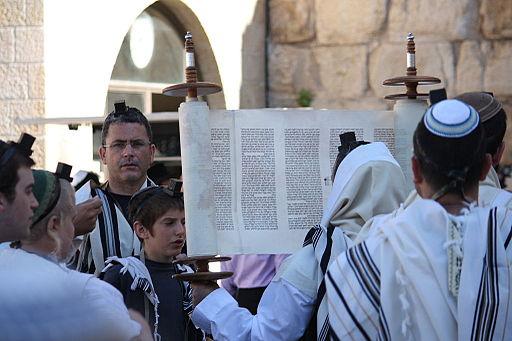
Reading Torah Publicly
From the Torah: Exodus - Parashat Mishpatim
(ז) וַיִּקַּח֙ סֵ֣פֶר הַבְּרִ֔ית וַיִּקְרָ֖א בְּאׇזְנֵ֣י הָעָ֑ם וַיֹּ֣אמְר֔וּ כֹּ֛ל אֲשֶׁר־דִּבֶּ֥ר יהוה נַעֲשֶׂ֥ה וְנִשְׁמָֽע׃
(7) Then he took the record of the covenant and read it aloud to the people. And they said, “All that GOD has spoken we will faithfully do!”
(י) וַיְצַ֥ו מֹשֶׁ֖ה אוֹתָ֣ם לֵאמֹ֑ר מִקֵּ֣ץ ׀ שֶׁ֣בַע שָׁנִ֗ים בְּמֹעֵ֛ד שְׁנַ֥ת הַשְּׁמִטָּ֖ה בְּחַ֥ג הַסֻּכּֽוֹת׃ (יא) בְּב֣וֹא כׇל־יִשְׂרָאֵ֗ל לֵֽרָאוֹת֙ אֶת־פְּנֵי֙ יהוה אֱלֹהֶ֔יךָ בַּמָּק֖וֹם אֲשֶׁ֣ר יִבְחָ֑ר תִּקְרָ֞א אֶת־הַתּוֹרָ֥ה הַזֹּ֛את נֶ֥גֶד כׇּל־יִשְׂרָאֵ֖ל בְּאׇזְנֵיהֶֽם׃ (יב) הַקְהֵ֣ל אֶת־הָעָ֗ם הָֽאֲנָשִׁ֤ים וְהַנָּשִׁים֙ וְהַטַּ֔ף וְגֵרְךָ֖ אֲשֶׁ֣ר בִּשְׁעָרֶ֑יךָ לְמַ֨עַן יִשְׁמְע֜וּ וּלְמַ֣עַן יִלְמְד֗וּ וְיָֽרְאוּ֙ אֶת־יהוה אֱלֹהֵיכֶ֔ם וְשָׁמְר֣וּ לַעֲשׂ֔וֹת אֶת־כׇּל־דִּבְרֵ֖י הַתּוֹרָ֥ה הַזֹּֽאת׃
(10) And Moses instructed them as follows: Every seventh year, the year set for remission, at the Feast of Booths, (11) when all Israel comes to appear before the ETERNAL your God in the place that [God] will choose, you shall read this Teaching aloud in the presence of all Israel. (12) Gather the people—men, women, children, and the strangers in your communities—that they may hear and so learn to revere the ETERNAL your God and to observe faithfully every word of this Teaching.
(א) וַיֵּאָסְפ֤וּ כׇל־הָעָם֙ כְּאִ֣ישׁ אֶחָ֔ד אֶל־הָ֣רְח֔וֹב אֲשֶׁ֖ר לִפְנֵ֣י שַֽׁעַר־הַמָּ֑יִם וַיֹּֽאמְרוּ֙ לְעֶזְרָ֣א הַסֹּפֵ֔ר לְהָבִ֗יא אֶת־סֵ֙פֶר֙ תּוֹרַ֣ת מֹשֶׁ֔ה אֲשֶׁר־צִוָּ֥ה יהוה אֶת־יִשְׂרָאֵֽל׃ (ב) וַיָּבִ֣יא עֶזְרָ֣א הַ֠כֹּהֵ֠ן אֶֽת־הַתּוֹרָ֞ה לִפְנֵ֤י הַקָּהָל֙ מֵאִ֣ישׁ וְעַד־אִשָּׁ֔ה וְכֹ֖ל מֵבִ֣ין לִשְׁמֹ֑עַ בְּי֥וֹם אֶחָ֖ד לַחֹ֥דֶשׁ הַשְּׁבִיעִֽי׃ (ג) וַיִּקְרָא־בוֹ֩ לִפְנֵ֨י הָרְח֜וֹב אֲשֶׁ֣ר ׀ לִפְנֵ֣י שַֽׁעַר־הַמַּ֗יִם מִן־הָאוֹר֙ עַד־מַחֲצִ֣ית הַיּ֔וֹם נֶ֛גֶד הָאֲנָשִׁ֥ים וְהַנָּשִׁ֖ים וְהַמְּבִינִ֑ים וְאׇזְנֵ֥י כׇל־הָעָ֖ם אֶל־סֵ֥פֶר הַתּוֹרָֽה׃
(1) the entire people assembled as one in the square before the Water Gate, and they asked Ezra the scribe to bring the scroll of the Teaching of Moses with which GOD had charged Israel. (2) On the first day of the seventh month, Ezra the priest brought the Teaching before the congregation, men and women and all who could listen with understanding. (3) He read from it, facing the square before the Water Gate, from the first light until midday, to the men and the women and those who could understand; the ears of all the people were given to the scroll of the Teaching.
(ד) וַֽיַּעֲמֹ֞ד עֶזְרָ֣א הַסֹּפֵ֗ר עַֽל־מִגְדַּל־עֵץ֮ אֲשֶׁ֣ר עָשׂ֣וּ לַדָּבָר֒ וַיַּֽעֲמֹ֣ד אֶצְל֡וֹ מַתִּתְיָ֡ה וְשֶׁ֡מַע וַ֠עֲנָיָ֠ה וְאוּרִיָּ֧ה וְחִלְקִיָּ֛ה וּמַעֲשֵׂיָ֖ה עַל־יְמִינ֑וֹ וּמִשְּׂמֹאל֗וֹ פְּ֠דָיָ֠ה וּמִֽישָׁאֵ֧ל וּמַלְכִּיָּ֛ה וְחָשֻׁ֥ם וְחַשְׁבַּדָּ֖נָה זְכַרְיָ֥ה מְשֻׁלָּֽם׃ {פ}(ה) וַיִּפְתַּ֨ח עֶזְרָ֤א הַסֵּ֙פֶר֙ לְעֵינֵ֣י כׇל־הָעָ֔ם כִּֽי־מֵעַ֥ל כׇּל־הָעָ֖ם הָיָ֑ה וּכְפִתְח֖וֹ עָֽמְד֥וּ כׇל־הָעָֽם׃ (ו) וַיְבָ֣רֶךְ עֶזְרָ֔א אֶת־יהוה הָאֱלֹהִ֖ים הַגָּד֑וֹל וַיַּֽעֲנ֨וּ כׇל־הָעָ֜ם אָמֵ֤ן ׀ אָמֵן֙ בְּמֹ֣עַל יְדֵיהֶ֔ם וַיִּקְּד֧וּ וַיִּֽשְׁתַּחֲו֛וּ לַיהוה אַפַּ֥יִם אָֽרְצָה׃ (ז) וְיֵשׁ֡וּעַ וּבָנִ֡י וְשֵׁרֵ֥בְיָ֣ה ׀ יָמִ֡ין עַקּ֡וּב שַׁבְּתַ֣י ׀ הֽוֹדִיָּ֡ה מַעֲשֵׂיָ֡ה קְלִיטָ֣א עֲזַרְיָה֩ יוֹזָבָ֨ד חָנָ֤ן פְּלָאיָה֙ וְהַלְוִיִּ֔ם מְבִינִ֥ים אֶת־הָעָ֖ם לַתּוֹרָ֑ה וְהָעָ֖ם עַל־עׇמְדָֽם׃ (ח) וַֽיִּקְרְא֥וּ בַסֵּ֛פֶר בְּתוֹרַ֥ת הָאֱלֹהִ֖ים מְפֹרָ֑שׁ וְשׂ֣וֹם שֶׂ֔כֶל וַיָּבִ֖ינוּ בַּמִּקְרָֽא׃ {פ}
(4) Ezra the scribe stood upon a wooden tower made for the purpose, and beside him stood Mattithiah, Shema, Anaiah, Uriah, Hilkiah, and Maaseiah at his right, and at his left Pedaiah, Mishael, Malchijah, Hashum, Hashbaddanah, Zechariah, Meshullam. (5) Ezra opened the scroll in the sight of all the people, for he was above all the people; as he opened it, all the people stood up. (6) Ezra blessed the ETERNAL, the great God, and all the people answered, “Amen, Amen,” with hands upraised. Then they bowed their heads and prostrated themselves before GOD with their faces to the ground. (7) Jeshua, Bani, Sherebiah, Jamin, Akkub, Shabbethai, Hodiah, Maaseiah, Kelita, Azariah, Jozabad, Hanan, Pelaiah, and the Levites explained the Teaching to the people, while the people stood in their places. (8) They read from the scroll of the Teaching of God, translating it and giving the sense; so they understood the reading.
Mishnah (Tractate Megillah): Special readings and a regular weekly order
(ד) רֹאשׁ חֹדֶשׁ אֲדָר שֶׁחָל לִהְיוֹת בְּשַׁבָּת, קוֹרִין בְּפָרָשַׁת שְׁקָלִים (שמות ל). חָל לִהְיוֹת בְּתוֹךְ הַשַּׁבָּת, מַקְדִּימִין לְשֶׁעָבַר וּמַפְסִיקִין לְשַׁבָּת אַחֶרֶת. בַּשְּׁנִיָּה, זָכוֹר (דברים כה). בַּשְּׁלִישִׁית, פָּרָה אֲדֻמָּה (במדבר י״ט:ב׳). בָּרְבִיעִית, הַחֹדֶשׁ הַזֶּה לָכֶם (שמות יב). בָּחֲמִישִׁית, חוֹזְרִיןלִכְסִדְרָן. לַכֹּל מַפְסִיקִין, בְּרָאשֵׁי חֳדָשִׁים, בַּחֲנֻכָּה וּבְפוּרִים, בַּתַּעֲנִיּוֹת וּבַמַּעֲמָדוֹת וּבְיוֹם הַכִּפּוּרִים:
(4) On four Shabbatot during and surround-ing the month of Adar, a Torah portion of seasonal significance is read. When the New Moon of Adar occurs on Shabbat, the congregation reads the portion of Shekalim on that Shabbat. If the New Moon occurs during the middle of the week, they advance the reading of that portion to the previous Shabbat, and, in such a case, they interrupt the reading of the four portions on the following Shabbat, which would be the first Shabbat of the month of Adar, and no additional portion is read on it. On the second Shabbat, the Shabbat prior to Purim, they read the portion: “Remember what Amalek did” (Deuteronomy 25:17–19), which details the mitzva to remember and destroy the nation of Amalek. On the third Shabbat, they read the portion of the Red Heifer [Para] (Numbers 19:1–22), which details the purification process for one who became ritually impure through contact with a corpse. On the fourth Shabbat, they read the portion: “This month [haḥodesh] shall be for you” (Exodus 12:1–20), which describes the offering of the Paschal lamb. On the fifth Shabbat, they resume theregularweeklyorder of readings and no special portion is read. For all special days, the congregation interrupts the regular weekly order of readings, and a special portion relating to the character of the day is read. This applies on the New Moons, on Hanukkah, and on Purim, on fast days, and on the non-priestly watches, and on Yom Kippur.
אִיתְּמַר: חָל לִהְיוֹת בִּ״וְאַתָּהתְּצַוֶּה״, אָמַר רַבִּי יִצְחָק נַפָּחָא: קָרוּ שִׁיתָּא מִ״וְּאַתָּה תְּצַוֶּה״ עַד ״כִּי תִשָּׂא״, וְחַד מִ״כִּי תִשָּׂא״ עַד ״וְעָשִׂיתָ״. אָמַר אַבָּיֵי:
§ An amoraic dispute was stated: If the Shabbat on which the portion of Shekalim is to be read occurs on the Shabbat in which the regular weekly portion is “Andyoushallcommand / Tetzaveh / תצוה ” (Exodus 27:20–30:10), what should be done? Rabbi Yitzḥak Nappaḥa said: Six people read from the portion “And you shall command,” until but not including the weekly portion of “When you take the count” (Exodus 27:20–30:10), and one person reads the portion of Shekalim from “When you take the count,” until but not including the verse: “And you shall make a copper laver” (Exodus 30:11–16). Abaye said:
אֶלָּא לְמַאן דְּאָמַר ״צַו ... אֶת קׇרְבָּנִי״, מִי מִתְרְמֵי בְּהָהוּא זִימְנָא? אִין — לִבְנֵימַעְרְבָא דְּמַסְּקִי לִדְאוֹרָיְיתָא בִּתְלָת שְׁנִין.
However, according to the one who said that the portion of “Command the children of Israel, and say to them, My offering” is read as Shekalim, does that portion ever occur at that time of the year? That portion usually occurs much later in the year, in the summer. The Gemara answers: Yes, it sometimes occurs that this portion is read during the beginning of Adar, for thepeopleoftheWest, i.e., Eretz Yisrael, who complete the cycle of reading the Torah not in one year but in three years.
- Torah as a whole: 54 parashiyot/portions
- Bereshit/Genesis 12
- Shemot / Exodus 11
- Vayikra / Leviticus 10
- Bemidbar / Numbers 10
- Devarim / Deuteronomy 11
How Torah is Read
- Schedule of Readings - Cycle - Seasons of the year and of the Torah
- Double Portions - Special Readings
- Procedures
A Musical Reflection on Covid in light of the Torah reading cycle
Our Parashah / Portion: Mishpatim
- Parashat Mishpatim includes Exodus 21:1-24:18
- Follows almost immediately after the Ten Commandments in Parashat Yitro (Jethro)
- Part 1: Chapters 21-23:19 - Catalogue of Laws
- Part 2: Chapter 23:20-33 - Anticipation of Journey to the Land and Entry into the Land
- Part 3: Chapter 24 - Covenant Ceremony and Revelation of Divine Presence
(א) וְאֵ֙לֶּה֙ הַמִּשְׁפָּטִ֔ים אֲשֶׁ֥ר תָּשִׂ֖ים לִפְנֵיהֶֽם׃ (ב) כִּ֤י תִקְנֶה֙ עֶ֣בֶד עִבְרִ֔י שֵׁ֥שׁ שָׁנִ֖ים יַעֲבֹ֑ד וּבַ֨שְּׁבִעִ֔ת יֵצֵ֥א לַֽחׇפְשִׁ֖י חִנָּֽם׃ (ג) אִם־בְּגַפּ֥וֹ יָבֹ֖א בְּגַפּ֣וֹ יֵצֵ֑א אִם־בַּ֤עַל אִשָּׁה֙ ה֔וּא וְיָצְאָ֥ה אִשְׁתּ֖וֹ עִמּֽוֹ׃
(1) These are the rules that you shall set before them: (2) When you acquire a male Hebrew slave, he shall serve six years; in the seventh year he shall go free, without payment. (3) If he came single, he shall leave single; if he had a wife, his wife shall leave with him.
(כ) וְגֵ֥ר לֹא־תוֹנֶ֖ה וְלֹ֣א תִלְחָצֶ֑נּוּ כִּֽי־גֵרִ֥ים הֱיִיתֶ֖ם בְּאֶ֥רֶץ מִצְרָֽיִם׃ (כא) כׇּל־אַלְמָנָ֥ה וְיָת֖וֹם לֹ֥א תְעַנּֽוּן׃ (כב) אִם־עַנֵּ֥ה תְעַנֶּ֖ה אֹת֑וֹ כִּ֣י אִם־צָעֹ֤ק יִצְעַק֙ אֵלַ֔י שָׁמֹ֥עַ אֶשְׁמַ֖ע צַעֲקָתֽוֹ׃ (כג) וְחָרָ֣ה אַפִּ֔י וְהָרַגְתִּ֥י אֶתְכֶ֖ם בֶּחָ֑רֶב וְהָי֤וּ נְשֵׁיכֶם֙ אַלְמָנ֔וֹת וּבְנֵיכֶ֖ם יְתֹמִֽים׃ {פ}
(20) You shall not wrong or oppress a stranger, for you were strangers in the land of Egypt. (21) You shall not ill-treat any widow or orphan. (22) If you do mistreat them, I will heed their outcry as soon as they cry out to Me, (23) and My anger shall blaze forth and I will put you to the sword, and your own wives shall become widows and your children orphans.
(ט) וַיַּ֥עַל מֹשֶׁ֖ה וְאַהֲרֹ֑ן נָדָב֙ וַאֲבִיה֔וּא וְשִׁבְעִ֖ים מִזִּקְנֵ֥י יִשְׂרָאֵֽל׃ (י) וַיִּרְא֕וּ אֵ֖ת אֱלֹהֵ֣י יִשְׂרָאֵ֑ל וְתַ֣חַת רַגְלָ֗יו כְּמַעֲשֵׂה֙ לִבְנַ֣ת הַסַּפִּ֔יר וּכְעֶ֥צֶם הַשָּׁמַ֖יִם לָטֹֽהַר׃ (יא) וְאֶל־אֲצִילֵי֙ בְּנֵ֣י יִשְׂרָאֵ֔ל לֹ֥א שָׁלַ֖ח יָד֑וֹ וַיֶּֽחֱזוּ֙ אֶת־הָ֣אֱלֹהִ֔ים וַיֹּאכְל֖וּ וַיִּשְׁתּֽוּ׃ {ס}
(9) Then Moses and Aaron, Nadab and Abihu, and seventy elders of Israel ascended; (10) and they saw the God of Israel—under whose feet was the likeness of a pavement of sapphire, like the very sky for purity. (11) Yet [God] did not raise a hand against the leaders of the Israelites; they beheld God, and they ate and drank.
21:1 "And these are the judgments..."
(א) (שמות כא,א) "וְאֵלֶּה הַמִּשְׁפָּטִים אֲשֶׁר תָּשִׂים לִפְנֵיהֶם." רַבִּי יִשְׁמָעֵאל אוֹמֵר: אֵלּוּ מוֹסִיפִין עַל הָעֶלְיוֹנִים: מָה עֶלְיוֹנִים מִסִּינַי, אַף תַּחְתּוֹנִים מִסִּינַי.
(1) (Exodus 21:1) "And these are the judgments": R. Yishmael says: "And these" — What follows is being added to what precedes, viz.: Just as what precedes was stated at Sinai, so, what follows.

(ב) רַבִּי עֲקִיבָה אוֹמֵר: "וְאֵלֶּה הַמִּשְׁפָּטִים", לָמָּה נֶאֱמַר? לְפִי שֶׁהוּא אוֹמֵר: (במקומות רבים) "דַּבֵּר אֶל בְּנֵי יִשְׂרָאֵל, וְאָמַרְתָּ אֲלֵהֶם", אֵין לִי אֶלָּא פַּעַם אַחַת! מְנַיִן שְׁנֵה וְשַׁלֵּשׁ וְרַבֵּעַ עַד שֶׁיִּלְמְדוּ? תִּלְמֹד לוֹמַר (דברים לא,יט) "וְלַמְּדָהּ אֶת בְּנֵי יִשְׂרָאֵל". יָכֹל לְמֵדִין וְלֹא שׁוֹנִין? תִּלְמֹד לוֹמַר (דברים לא,יט) "שִׂימָהּ בְּפִיהֶם". יָכֹל שׁוֹנִין וְלֹא יוֹדְעִין? תִּלְמֹד לוֹמַר "וְאֵלֶּה הַמִּשְׁפָּטִים אֲשֶׁר תָּשִׂים לִפְנֵיהֶם." עָרְכֵם לִפְנֵיהֶם כְּשֻׁלְחָןעָרוּךְ, כָּעִנְיָן שֶׁנֶּאֱמַר: (דברים ד,לה) "אַתָּה הָרְאֵתָ לָדַעַת".
(2) R. Akiva says: What is the intent of "And these are the judgments"? From (Leviticus 1:2) "Speak to the children of Israel and say to them," I would think, only once. Whence do I derive that it is to be repeated two, three, and four times until it is assimilated? From (Devarim 31:19) "and teach it to the children of Israel." I might think that it is to be taught but not repeated. It is, therefore, written (Ibid.) "Place it in their mouths." I might think that it is to be repeated (even) if it is not understood. It is, therefore, written "And these are the judgments." Set them out before them as a settable, as it is written (Ibid. 4:35) "You have been shown to know, etc."
(ו) רַבִּי שִׁמְעוֹן בֶּן יוֹחַי אוֹמֵר: מָה רָאוּ דִּינִין לִקְדֹּם לְכָל מִצְווֹת שֶׁבַּתּוֹרָה? שֶׁכְּשֶׁהַדִּין בֵּין אָדָם לַחֲבֵרוֹ, תַּחֲרוּת בֵּינֵיהֶן; נִתְפַּסַּק לָהֶם דִּין, נֶעֱשָׂה שָׁלוֹם בֵּינֵיהֶן. וְכֵן יִתְרוֹ אוֹמֵר לְמֹשֶׁה: (שמות יח,כג) "אִם אֶת הַדָּבָר הַזֶּה תַּעֲשֶׂה, וְצִוְּךָ אֱלֹהִים, וְיָכָלְתָּ עֲמֹד, וְגַם כָּל הָעָם הַזֶּה עַל מְקֹמוֹ יָבֹא בְשָׁלוֹם."
(6) R. Shimon says: Why do (the mitzvoth of) adjudication take precedence over all the mitzvoth of the Torah? For when there is litigation between a man and his neighbor, there is strife between them. Once the ruling has been given, there is peace between them. And thus did Yithro say (Exodus 18:23) "If you do this thing (i.e., if you provide for adjudication) … then all this people will come to their place in peace."
(א) (שמות כב,כ) "וְגֵר לֹא תוֹנֶה וְלֹא תִלְחָצֶנּוּ, כִּי גֵרִים הֱיִיתֶם בְּאֶרֶץ מִצְרָיִם." לֹא תוֹנֶנּוּ, בִּדְבָרִים, "וְלֹא תִלְחָצֶנּוּ", בְּמָמוֹן. שֶׁלֹּא תֹּאמַר לוֹ: אֶמֶשׁ הָיִיתָ עוֹבֵד לְ"בֵּל, קֹרֵס, נְבוֹ" (ישעיה מו,א) וְעַד עַכְשָׁו הֲרֵי חֲזִירִין נוֹצֵר מִבֵּין שִׁנֶּיךָ, וְאַתְּ עוֹמֵד וּמְדַבֵּר נֶגְדִּי! וּמְנַיִן שֶׁאִם הוֹנֵיתוֹ, אַף הוּא יָכֹל לְהוֹנוֹתָךְ? שֶׁנֶּאֱמַר "כִּי גֵרִים הֱיִיתֶם".
(ב) מִכָּן הָיָה רַבִּי נָתָן אוֹמֵר: מוּם שֶׁהוּא בָּךְ, אַל תֹּאמַר לַחֲבֵרָךְ!
(1) (Exodus 22:20) "And a stranger you shall not afflict and you shall not oppress him": You shall not afflict him with words and you shall not oppress him in money matters. Do not say to him: "Yesterday you worshipped the deity of Nevo, and (the flesh of) swine is still between your teeth, and you would dare contend with me!" And whence is it derived that if you taunt him he can taunt you in return? From "And a stranger you shall not afflict … for you were strangers in the land of Egypt"
(2) — whence R. Nathan derived "Do not attribute a blemish of your own to your neighbor."
(ה) חֲבִיבִין הַגֵּרִים, שֶׁבְּכָל מָקוֹם הוּא מְכַנָּן כְּיִשְׂרָאֵל: נִקְרְאוּ בְּנֵי יִשְׂרָאֵל עֲבָדִין, שֶׁנֶּאֱמַר: (ויקרא כה,נה) "כִּי לִי בְנֵי יִשְׂרָאֵל עֲבָדִים", נִקְרְאוּ הַגֵּרִין עֲבָדִין, שֶׁנֶּאֱמַר: (ישעיה נו,ו) "וּלְאַהֲבָה אֶת שֵׁם יהוה לִהְיוֹת לוֹ לַעֲבָדִים". נִקְרְאוּ יִשְׂרָאֵל מְשָׁרְתִין, שֶׁנֶּאֱמַר: (ישעיה סא,ו) "וְאַתֶּם כֹּהֲנֵי יהוה, תִּקָּרֵאוּ מְשָׁרְתֵי אֱלֹהֵינוּ, יֵאָמֵר לָכֶם", נִקְרְאוּ הַגֵּרִים מְשָׁרְתִים, שֶׁנֶּאֱמַר: (ישעיה נו,ו) "וּבְנֵי הַנֵּכָר הַנִּלְוִים עַל יהוה לְשָׁרְתוֹ". נִקְרְאוּ בְּנֵי יִשְׂרָאֵל אוֹהֲבִין, שֶׁנֶּאֱמַר: (ישעיה מא,י) "וְאַתָּה יִשְׂרָאֵל עַבְדִּי, יַעֲקֹב אֲשֶׁר בְּחַרְתִּיךָ, זֶרַע אַבְרָהָם אֹהֲבִי." וְנִקְרְאוּ הַגֵּרִים אוֹהֲבִין, שֶׁנֶּאֱמַר: (דברים י,יח) "וְאֹהֵב גֵּר, לָתֶת לוֹ לֶחֶם וְשִׂמְלָה."
(5) Beloved are the strangers, for by every epithet that Israel is called, the strangers are called. Israelites are called "servants," as it is written (Leviticus 25:55) "For unto Me the children of Israel are servants." And the strangers are called "servants," as it is written (Isaiah 56:6) "… to love the name of the L–rd and to be servants unto Him." Israelites are called "ministers," as it is written (Ibid. 6:6) "And you, 'priests of the L–rd' shall you be called; 'ministers of our G–d' will it be said of you." And the strangers are called "ministers," as it is written (Ibid. 56:6) "… and the strangers who join the L–rd to minister unto Him." Israelites are called "lovers," as it is written (Ibid. 41:8) "the seed of Abraham, My lover." And the strangers are called "lovers" (i.e., beloved), as it is written (Devarim 10:18) "And He loves the stranger."
...שֶׁנֶּאֱמַר: וַיֶּחֱזוּ אֶת הָאֱלֹהִים וַיֹּאכְלוּ וַיִּשְׁתּוּ (שם פסוק יא). וְכִי אֲכִילָה וּשְׁתִיָּה הָיָה שָׁם. מָשָׁל לְמָה הַדָּבָר דּוֹמֶה, לְעֶבֶד שֶׁהָיָה מְשַׁמֵּר אֶת רַבּוֹ וּפְרֻסָּתוֹ בְּיָדוֹ וְהוּא נוֹשֵׁךְ מִמֶּנּוּ, כָּךְ הֵקֵלּוּ אֶת רֹאשָׁם כְּאוֹכְלִים וְשׁוֹתִים. וְהָיוּ רְאוּיִן לִישָׂרֵף בְּאוֹתָהּ שָׁעָה הַזְּקֵנִים וְנָדָב וַאֲבִיהוּ. וּמִפְּנֵי שֶׁהָיָה מַתַּן תּוֹרָהּ חָבִיב לִפְנֵי הַקָּדוֹשׁ בָּרוּךְ הוּא, לְפִיכָךְ לֹא רָצָה הַקָּדוֹשׁ בָּרוּךְ הוּא לִפְגֹּעַ בָּהֶם בּוֹ בַּיּוֹם לַעֲשׂוֹת פִּרְצָה בָּהֶם, הֲדָא הוּא דִּכְתִיב: וְאֶל אֲצִילֵי בְּנֵי יִשְׂרָאֵל לֹא שָׁלַח יָדוֹ (שם), מִכְּלָל שֶׁהָיוּ רְאוּיִם לְהִשְׁתַּלֵּחַ יָדוֹ. ...
...
It is so stated (in Exod. 24:11), “they beheld God, and they ate and drank.” Was there eating and drinking there? To what is the matter comparable? To a servant who attended his master while [holding] a slice of bread in his hand and taking bites from it. Similarly had they acted with disrespect as though eating and drinking. So the elders along with Nadab and Abihu deserved to be destroyed by fire on that day; but because the giving of Torah was dear to the Holy One, blessed be He, He therefore did not want to harm them and bring calamity to them on that day. This is what is written (ibid.), “But He (the Holy One, blessed be He,) did not raise His hand against the nobles of the Children of Israel.” From this you may infer that they deserved to have a hand raised [against them]. ...
מַרְגְּלָא בְּפוּמֵּיהּ דְּרַב: לֹא כָּעוֹלָם הַזֶּה הָעוֹלָם הַבָּא. הָעוֹלָם הַבָּא אֵין בּוֹ לֹא אֲכִילָה וְלֹא שְׁתִיָּהּ וְלֹא פְּרִיָּה וּרְבִיָּה וְלֹא מַשָּׂא וּמַתָּן וְלֹא קִנְאָה וְלֹא שִׂנְאָה וְלֹא תַּחֲרוּת, אֶלָּא צַדִּיקִים יוֹשְׁבִין וְעַטְרוֹתֵיהֶם בְּרָאשֵׁיהֶם וְנֶהֱנִים מִזִּיו הַשְּׁכִינָה, שֶׁנֶּאֱמַר: ״וַיֶּחֱזוּ אֶת הָאֱלֹהִים וַיֹּאכְלוּ וַיִּשְׁתּוּ״.
Rav was wont to say:The World-to-Come is not like this world.In the World-to-Come there is no eating, no drinking,no procreation, no business negotiations,no jealousy, no hatred, and no competition.Rather, the righteous sit with their crowns upon their heads, enjoying the splendor of the Divine Presence, as it is stated:“And they beheld God, and they ate and drank” (Exodus 24:11), meaning that beholding God’s countenance is tantamount to eating and drinking.
